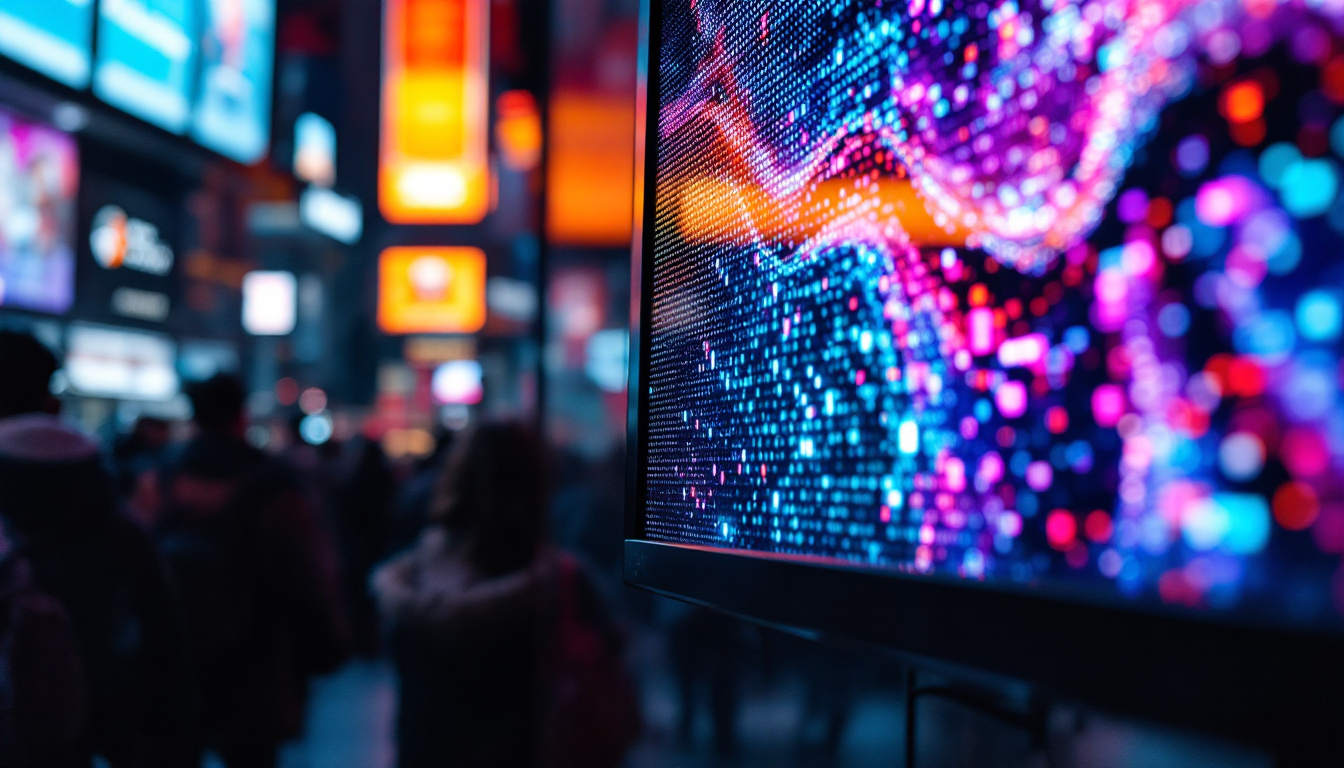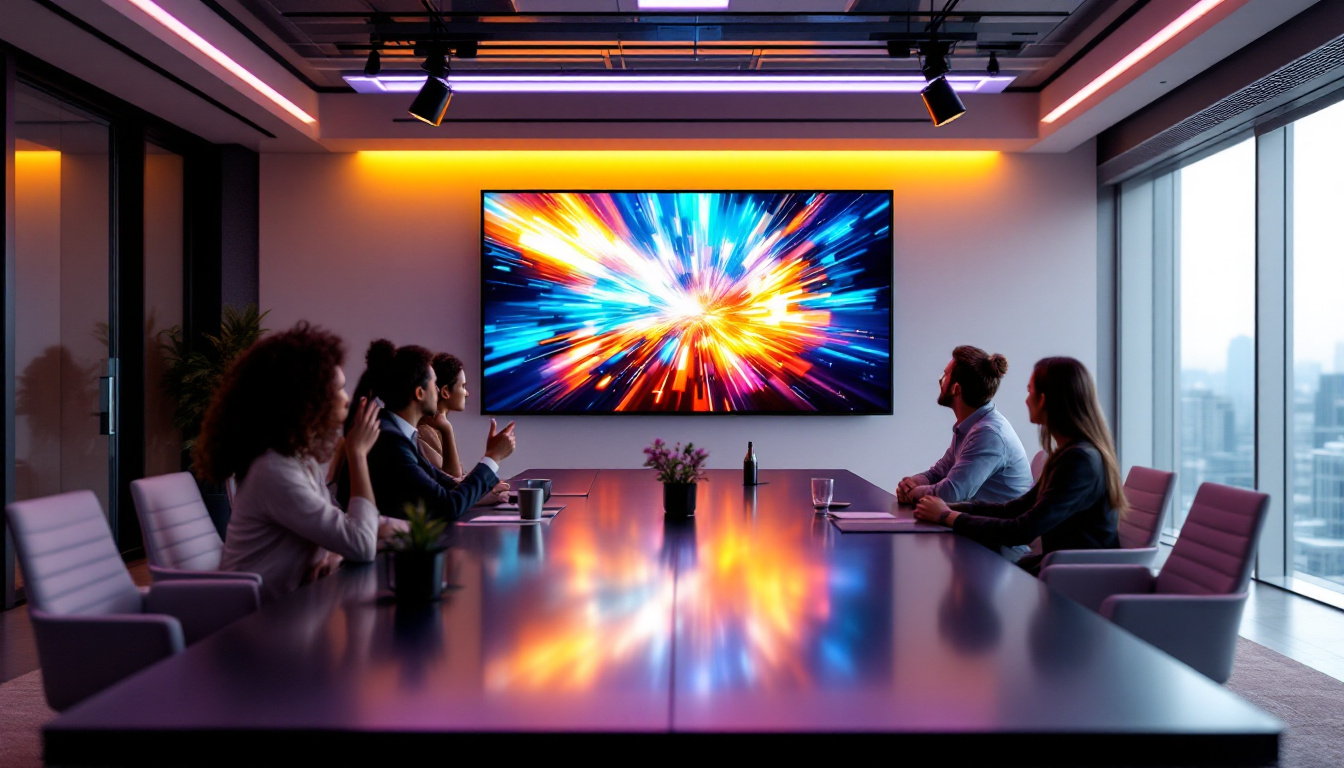
In today’s fast-paced business environment, trade shows remain a vital platform for companies to showcase their products, network with potential clients, and build brand awareness. However, the way exhibitors present themselves has evolved dramatically over the past decade. Digital trade show displays, particularly LED displays, have become a cornerstone of modern exhibition booths, offering dynamic, eye-catching visuals that captivate audiences and convey messages more effectively than traditional static signage.
This article explores the world of LED displays in trade shows, explaining their technology, benefits, types, and how they can transform your exhibition presence. Whether you’re a seasoned exhibitor or new to trade shows, understanding LED display technology can help you make informed decisions and maximize your event impact.
Understanding LED Display Technology
What is an LED Display?
LED stands for Light Emitting Diode, a semiconductor device that emits light when an electric current passes through it. An LED display is a screen made up of many small LED lights arranged in a matrix to form images, videos, or text. These displays are widely used in various applications, from billboards and stadium screens to indoor digital signage and trade show booths.
The core advantage of LED technology lies in its brightness, color vibrancy, and energy efficiency. Unlike LCD screens, which rely on backlighting, LEDs emit their own light, resulting in superior contrast and visibility even in brightly lit environments such as trade show floors. Additionally, LED displays are known for their longevity and durability, often lasting tens of thousands of hours, which makes them a cost-effective solution for businesses looking to invest in long-term advertising and communication tools.
Furthermore, the modular nature of LED displays allows for versatile configurations. They can be assembled in various shapes and sizes, catering to specific spatial requirements and aesthetic preferences. This adaptability is particularly beneficial for businesses that participate in events where space is limited or where unique display shapes can enhance brand visibility.
How Do LED Displays Work?
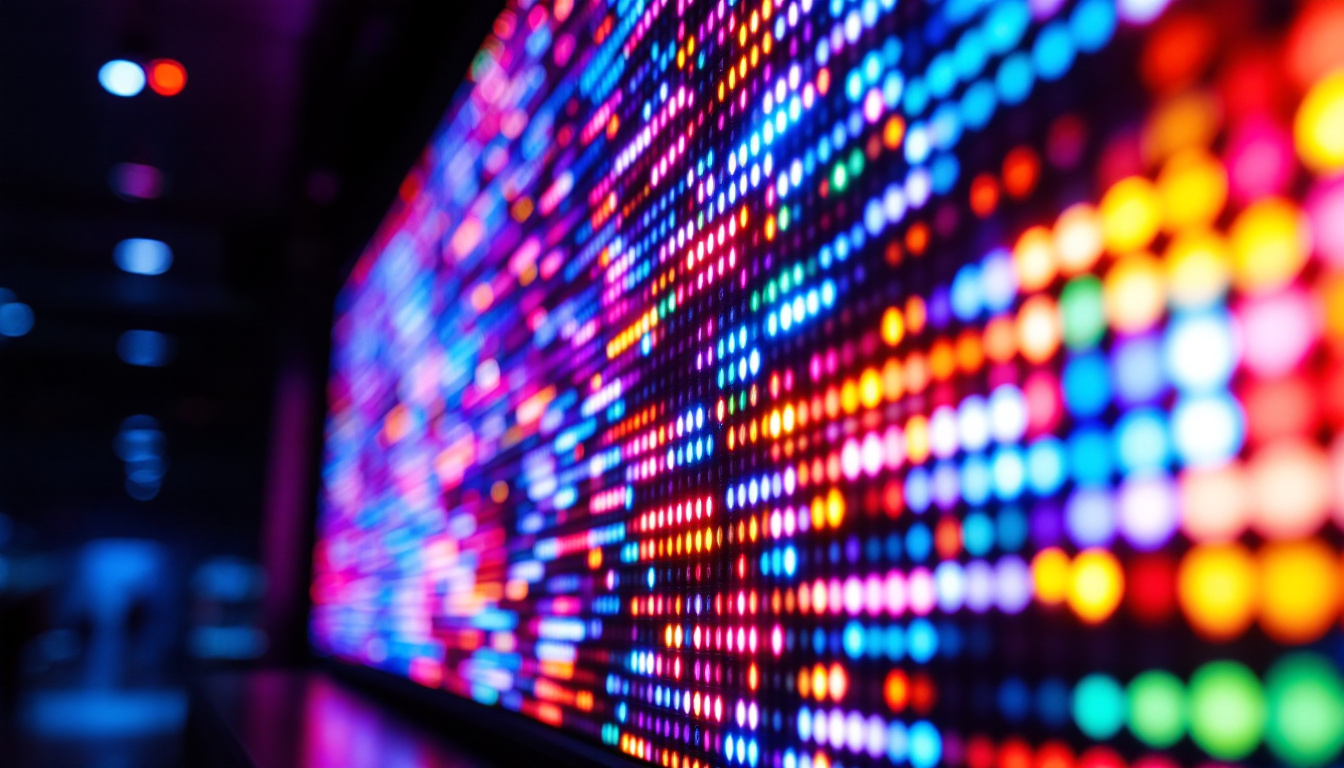
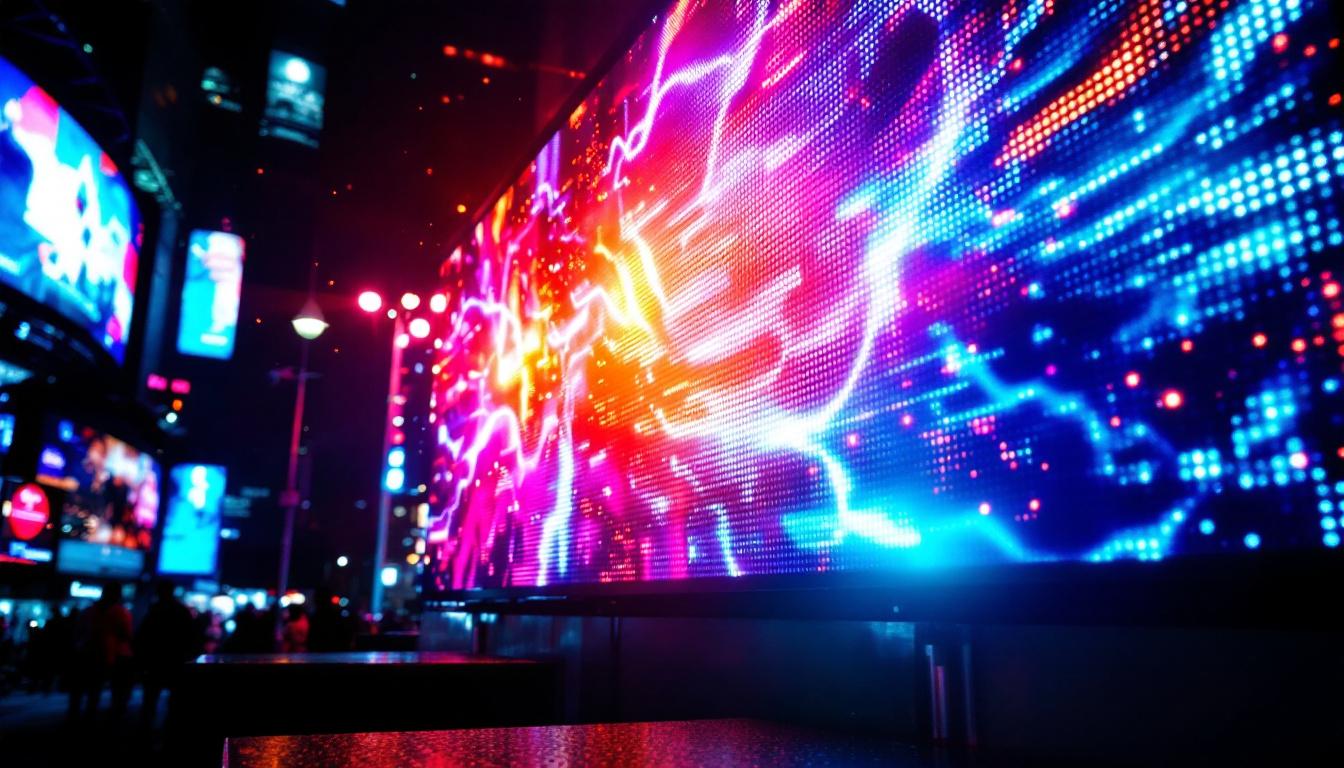
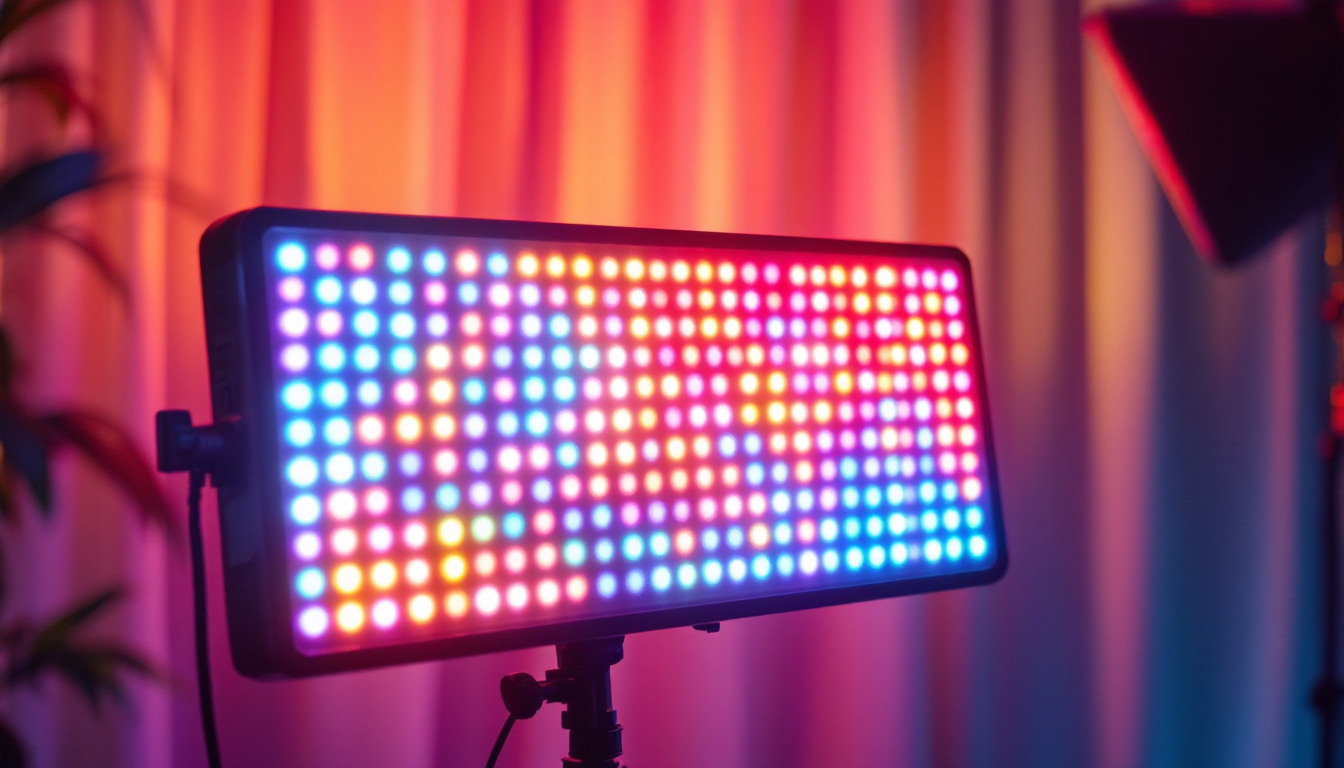
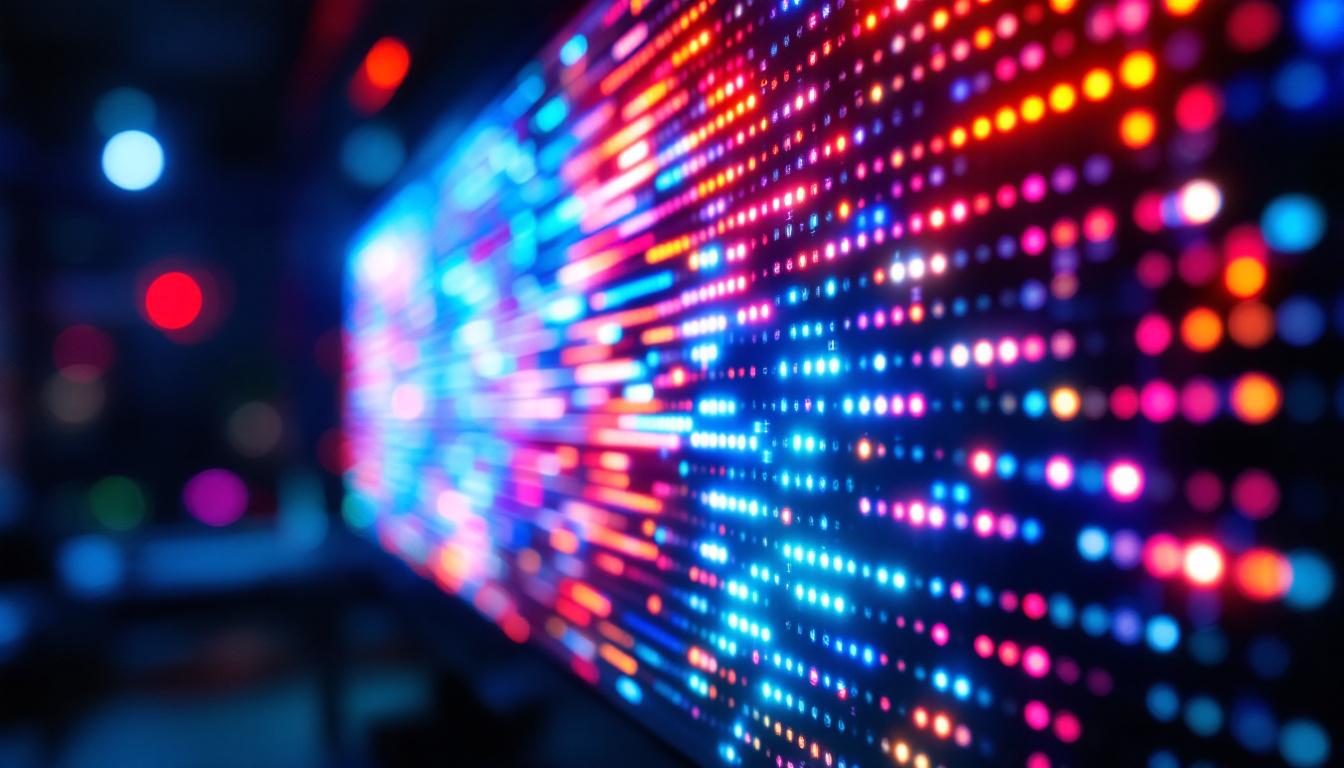
LED displays consist of thousands of tiny LEDs grouped into pixels. Each pixel typically contains red, green, and blue LEDs that combine to produce a full spectrum of colors through varying intensities. The display’s controller processes input signals—such as video or graphic content—and activates the appropriate LEDs to create the desired image.
Modern LED displays use advanced control systems that allow for high refresh rates and seamless video playback. This technology ensures that content appears smooth and vibrant, which is crucial for attracting and holding the attention of trade show attendees. Additionally, many LED displays now incorporate smart technology, enabling features such as remote management and real-time content updates. This capability allows businesses to change their messaging on the fly, ensuring that they can respond to audience interests or highlight specific promotions as needed.
Moreover, the integration of sensors and analytics into LED display systems is becoming increasingly common. These features can track viewer engagement and demographics, providing valuable insights that help businesses tailor their marketing strategies more effectively. By understanding which content resonates most with their audience, companies can optimize their displays to maximize impact and drive conversions, making LED displays not just a visual tool, but a strategic asset in their marketing arsenal.
Why Choose LED Displays for Trade Shows?
Enhanced Visibility and Engagement
Trade shows are crowded, competitive environments where exhibitors vie for attendees’ attention. LED displays stand out due to their brightness and dynamic content capabilities. Studies show that digital signage can increase brand recall by up to 83%, and LED screens, with their vivid colors and motion capabilities, are particularly effective in this regard.
Unlike static banners or posters, LED displays can showcase videos, animations, and interactive content. This interactivity encourages visitors to spend more time at your booth, increasing the likelihood of meaningful engagement and lead generation.
Flexibility and Customization
LED displays come in various sizes and configurations, from small countertop screens to massive video walls. This flexibility allows exhibitors to tailor their digital signage to fit booth dimensions and design aesthetics perfectly. Additionally, content can be updated instantly, enabling exhibitors to adapt messaging in real-time based on audience feedback or event schedules.
For example, a company launching multiple products at a trade show can cycle through different promotional videos or display live social media feeds to keep the booth fresh and relevant throughout the event.
Durability and Energy Efficiency
Trade shows often involve long hours and multiple days of operation, so durability is a key consideration. LED displays are known for their long lifespan—often exceeding 50,000 hours of use—and resistance to damage from vibration or impact, making them ideal for the rigors of trade show transport and setup.
Moreover, LED technology is energy-efficient compared to traditional lighting and display options. This efficiency not only reduces operational costs but also aligns with the growing demand for sustainable business practices.
Types of LED Displays Used in Trade Shows
Indoor LED Displays
Indoor LED displays are designed specifically for controlled environments like convention centers. They offer high pixel density, resulting in sharp images and text even at close viewing distances. These displays are typically used for video walls, digital posters, and interactive kiosks within trade show booths.
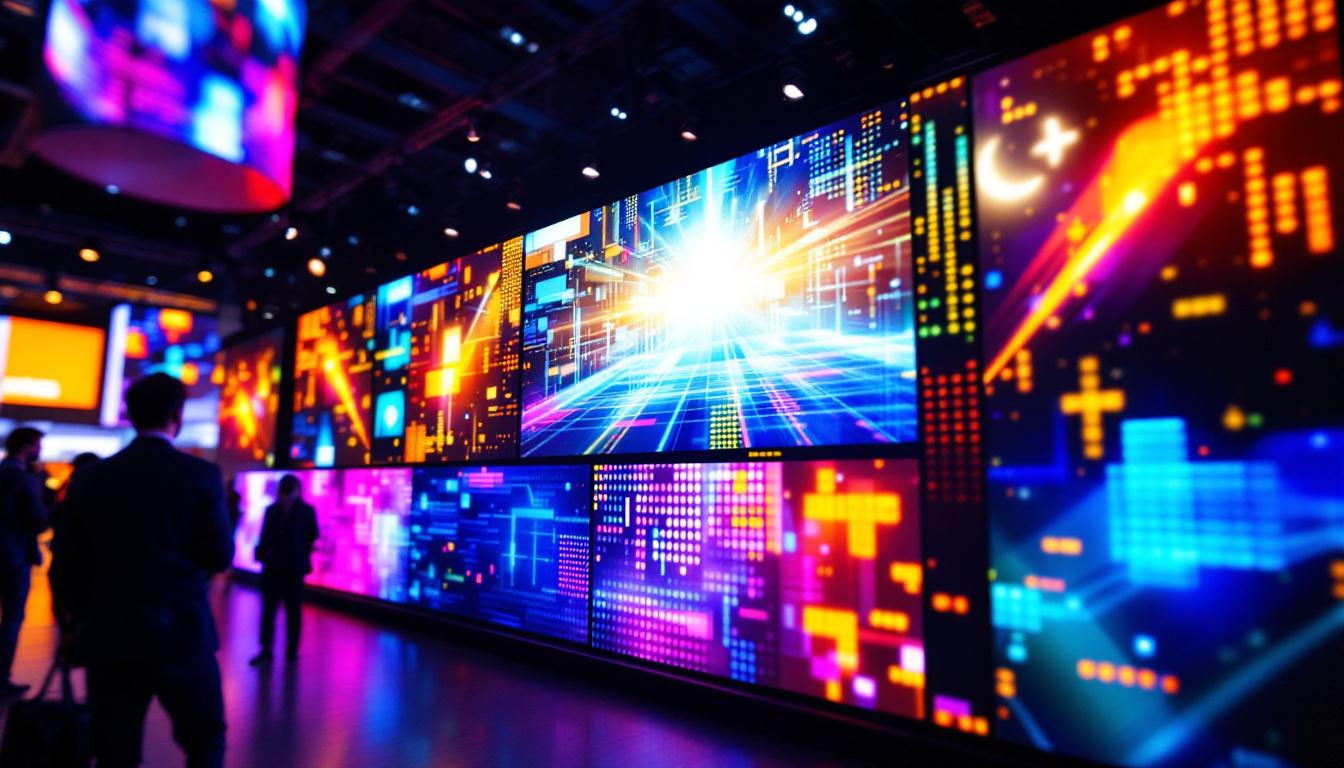
One popular application is a multi-panel video wall that can span an entire booth wall, creating an immersive brand experience. Brands like Samsung and LG offer modular LED panels that can be configured into custom shapes and sizes to fit unique booth designs.
Outdoor LED Displays
While less common for indoor trade shows, outdoor LED displays are essential for events held in open-air venues or for exterior booth signage. These displays are built to withstand weather conditions and have higher brightness levels to combat sunlight glare.
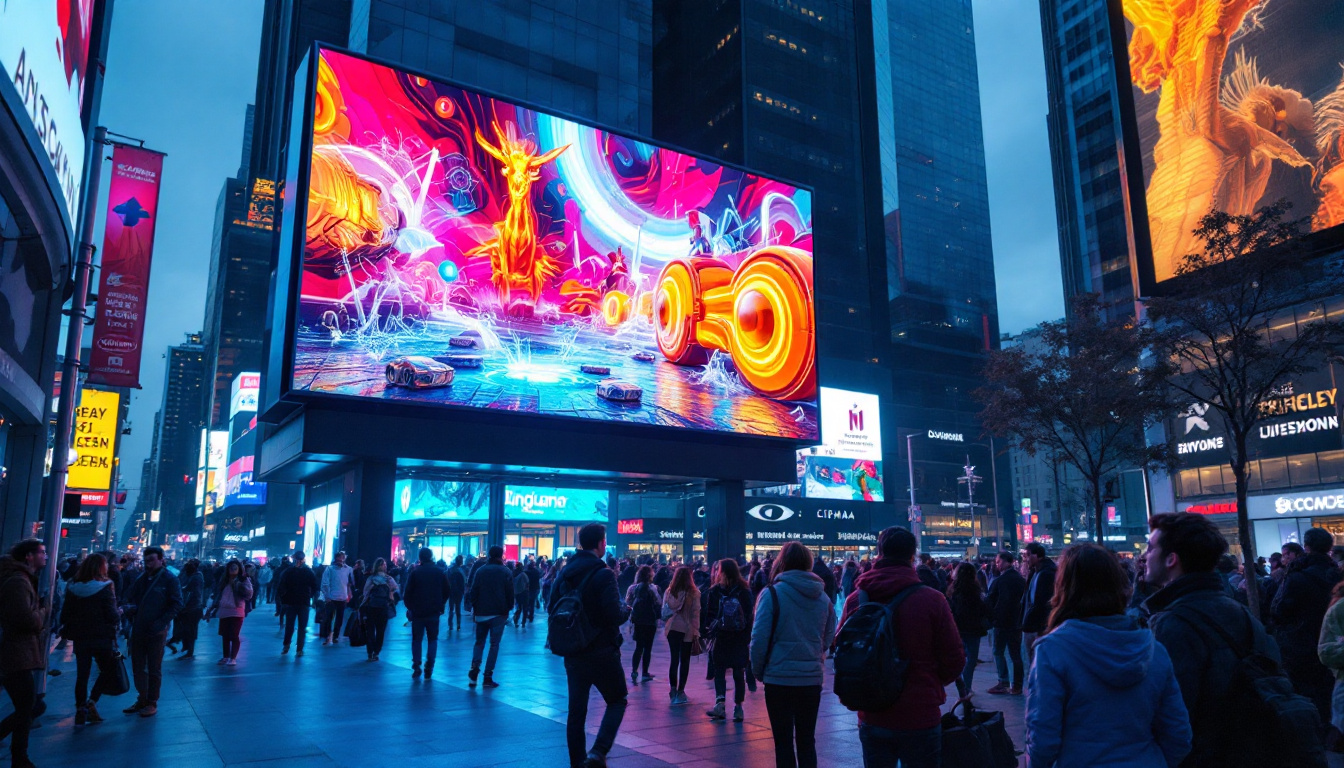
For example, a company exhibiting at an outdoor trade fair might use an outdoor LED billboard to attract visitors from a distance, guiding foot traffic toward their booth.
Transparent LED Displays
Transparent LED displays are an innovative solution that combines digital signage with glass surfaces. These displays allow light to pass through while showing digital content, making them ideal for storefront windows or glass walls at trade shows.
This technology enables exhibitors to maintain an open, airy booth design while still delivering impactful digital messaging. It’s particularly effective for luxury brands that want to showcase products behind glass without obscuring the view.
Designing Effective Content for LED Trade Show Displays
Content Strategy and Visual Impact
Having an LED display is only half the battle; the content shown on the screen is what ultimately drives engagement. Effective content should be visually striking, easy to understand at a glance, and aligned with your brand messaging.
Trade show attendees often spend just a few seconds deciding whether to approach a booth, so content must communicate key messages quickly. Use bold colors, large fonts, and concise text. Incorporate high-quality videos or animations that demonstrate product features or customer testimonials.
Interactive and Real-Time Content
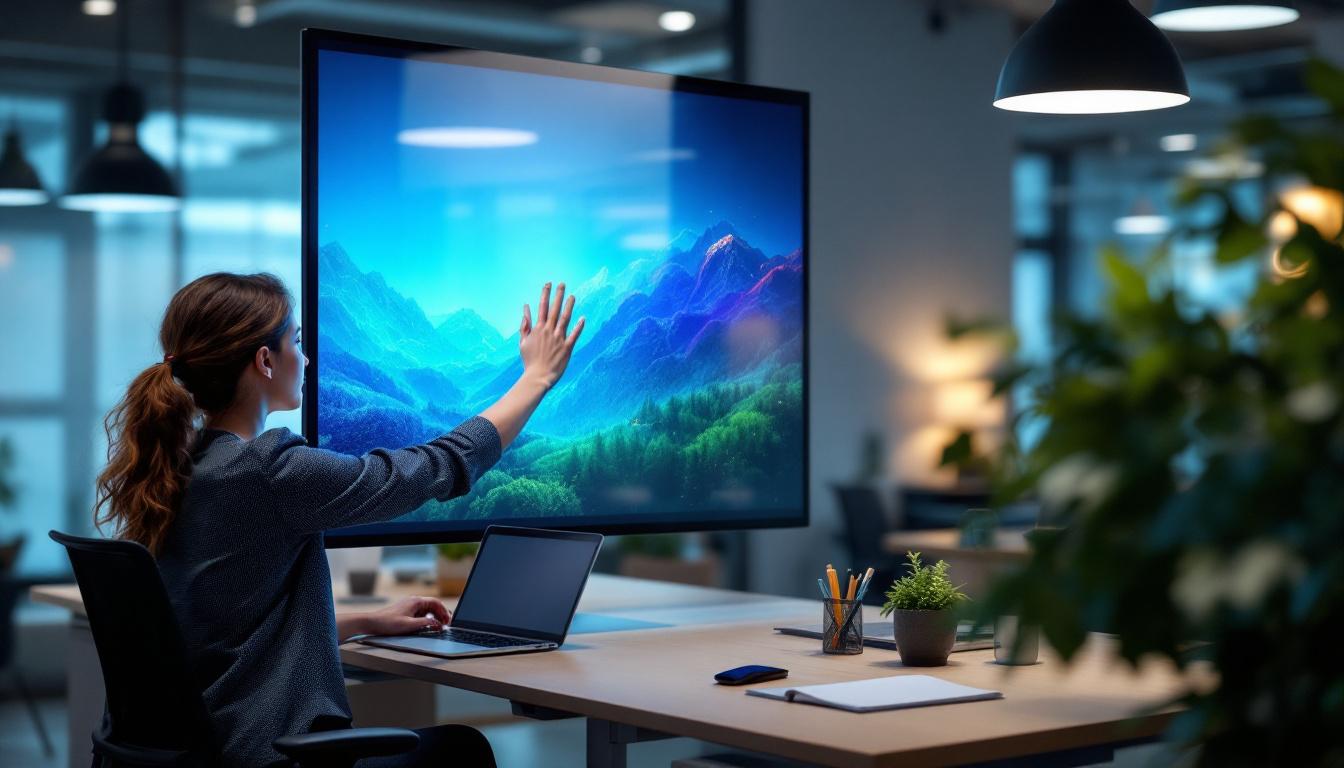
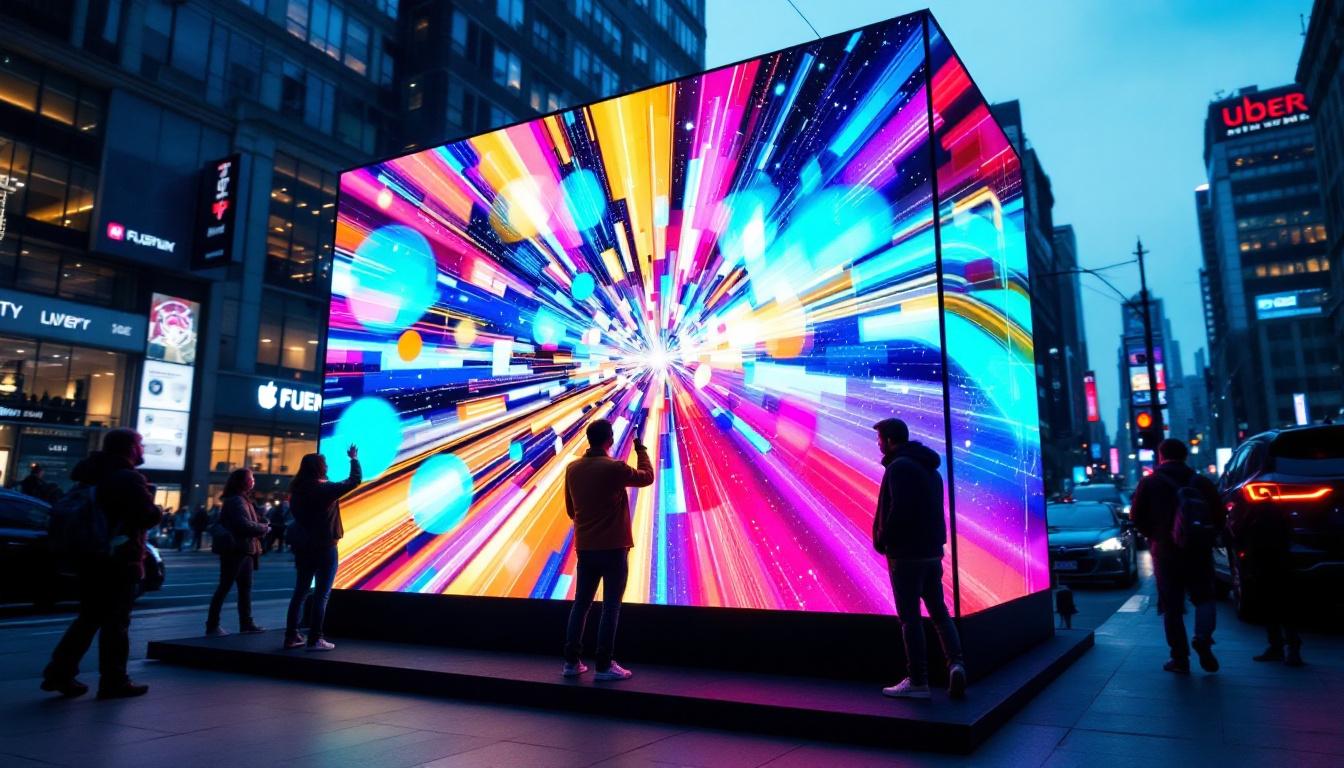
Interactivity can significantly enhance visitor engagement. Touchscreen LED displays or motion sensors can enable attendees to explore product catalogs, customize options, or participate in gamified experiences. Additionally, integrating live social media feeds or event-specific hashtags can create a sense of community and encourage sharing.
Real-time content updates also allow exhibitors to adapt messaging based on the time of day, audience demographics, or special promotions. For instance, a booth could highlight different product lines during morning and afternoon sessions or announce flash discounts to incentivize immediate purchases.
Practical Considerations When Using LED Displays at Trade Shows
Budget and ROI
LED displays represent a significant investment, with costs varying widely based on size, resolution, and features. However, the return on investment (ROI) can be substantial when considering increased brand visibility, lead generation, and sales opportunities.
To maximize ROI, companies should carefully plan their display size and content strategy to align with event goals. Renting LED displays can be a cost-effective option for exhibitors attending occasional trade shows, while purchasing may be more economical for frequent exhibitors.
Technical Setup and Support
Setting up LED displays requires technical expertise to ensure proper installation, calibration, and content playback. Many trade show venues offer AV support services, but exhibitors should also consider working with specialized vendors who provide turnkey solutions including hardware, software, and on-site assistance.
Testing the display before the event and having backup content or equipment can prevent technical issues that might disrupt your presentation and detract from your brand image.
Compliance and Venue Restrictions
Some trade show venues impose restrictions on display brightness, sound levels, or booth dimensions. It’s essential to review venue guidelines and coordinate with event organizers to ensure your LED display setup complies with all regulations.
Additionally, consider accessibility standards to ensure your digital content is inclusive and usable by all attendees, including those with disabilities.
Future Trends in LED Displays for Trade Shows
Mini-LED and Micro-LED Technology
Emerging technologies like mini-LED and micro-LED promise even higher resolution, better color accuracy, and thinner, lighter displays. These advancements will enable more creative booth designs and sharper visuals, further enhancing attendee engagement.
Augmented Reality (AR) Integration
Combining LED displays with augmented reality can create immersive experiences that blend physical and digital worlds. For instance, an LED screen might showcase a product, while AR glasses or apps allow visitors to interact with virtual versions or see additional information layered over the display.
AI-Driven Content Personalization
Artificial intelligence is beginning to play a role in tailoring digital signage content based on audience demographics, behavior, and preferences. AI-powered LED displays could dynamically adjust messaging to resonate more effectively with different visitor segments, maximizing impact and lead quality.
Conclusion
LED displays have revolutionized the way companies present themselves at trade shows, offering unparalleled visual impact, flexibility, and engagement opportunities. Understanding the technology behind LED displays and how to leverage their strengths can help exhibitors create memorable experiences that drive business growth.
From bright, high-resolution indoor walls to transparent screens and interactive kiosks, LED solutions cater to a wide range of trade show needs. By investing in quality hardware, thoughtful content design, and professional setup, businesses can ensure their trade show presence stands out in a crowded marketplace.
As LED technology continues to evolve, staying informed about new trends and innovations will be key to maintaining a competitive edge in the dynamic world of trade shows.
Illuminate Your Trade Show Presence with LumenMatrix
Ready to elevate your exhibition experience and captivate your audience like never before? Discover LumenMatrix’s innovative LED display solutions, meticulously crafted to bring your brand to life. From the vibrant clarity of our Indoor LED Wall Displays to the robust brilliance of our Outdoor LED Wall Displays, and from the dynamic versatility of our Custom LED Displays to the sleek transparency of our LED Transparent Displays, LumenMatrix is at the forefront of redefining visual engagement. Don’t just show up—stand out. Check out LumenMatrix LED Display Solutions today and transform your trade show booth into a beacon of unforgettable interactions and lasting impressions.