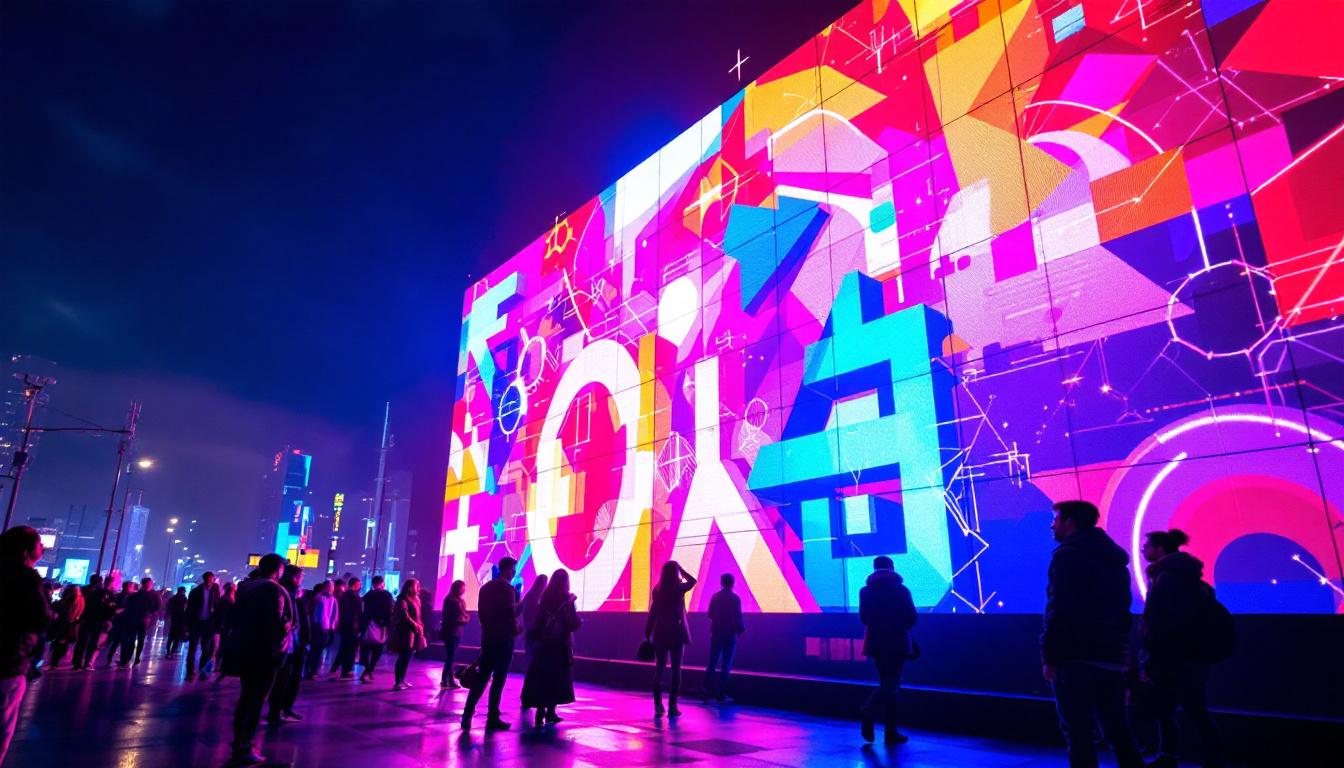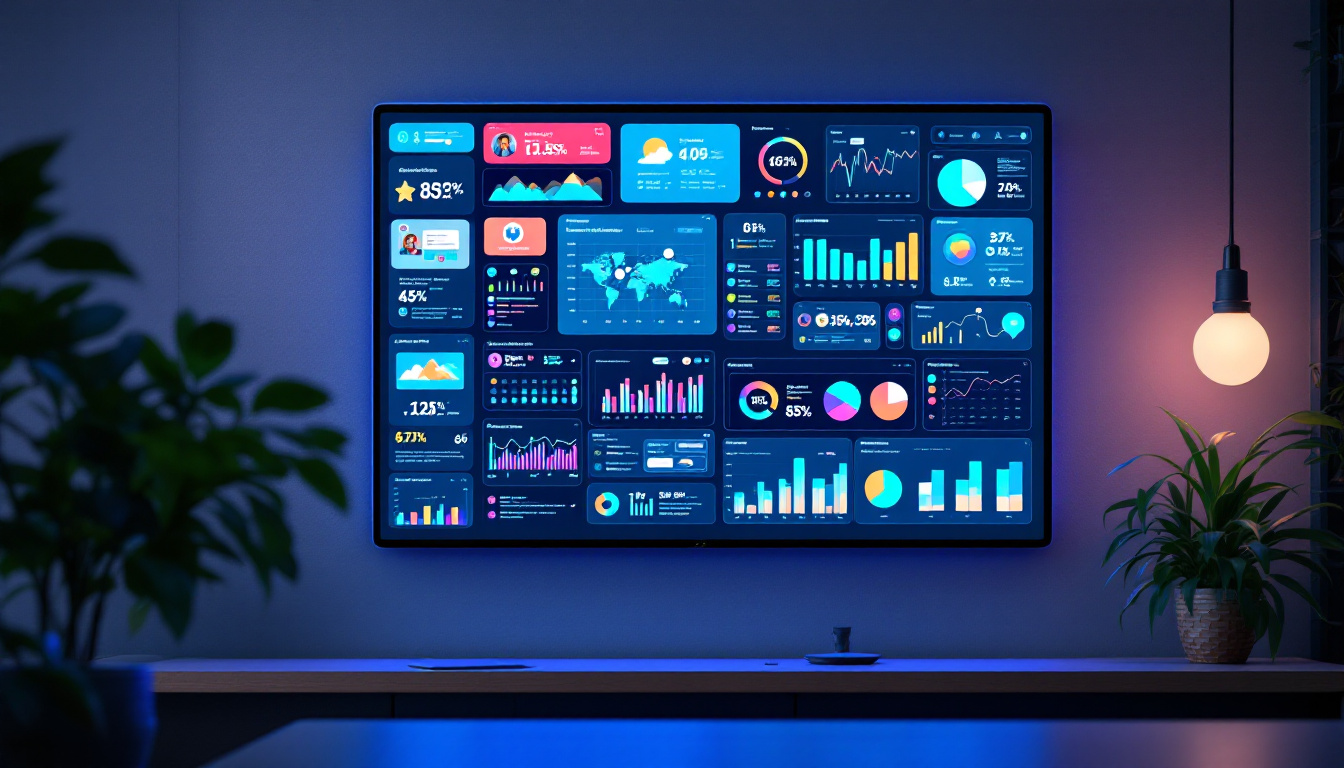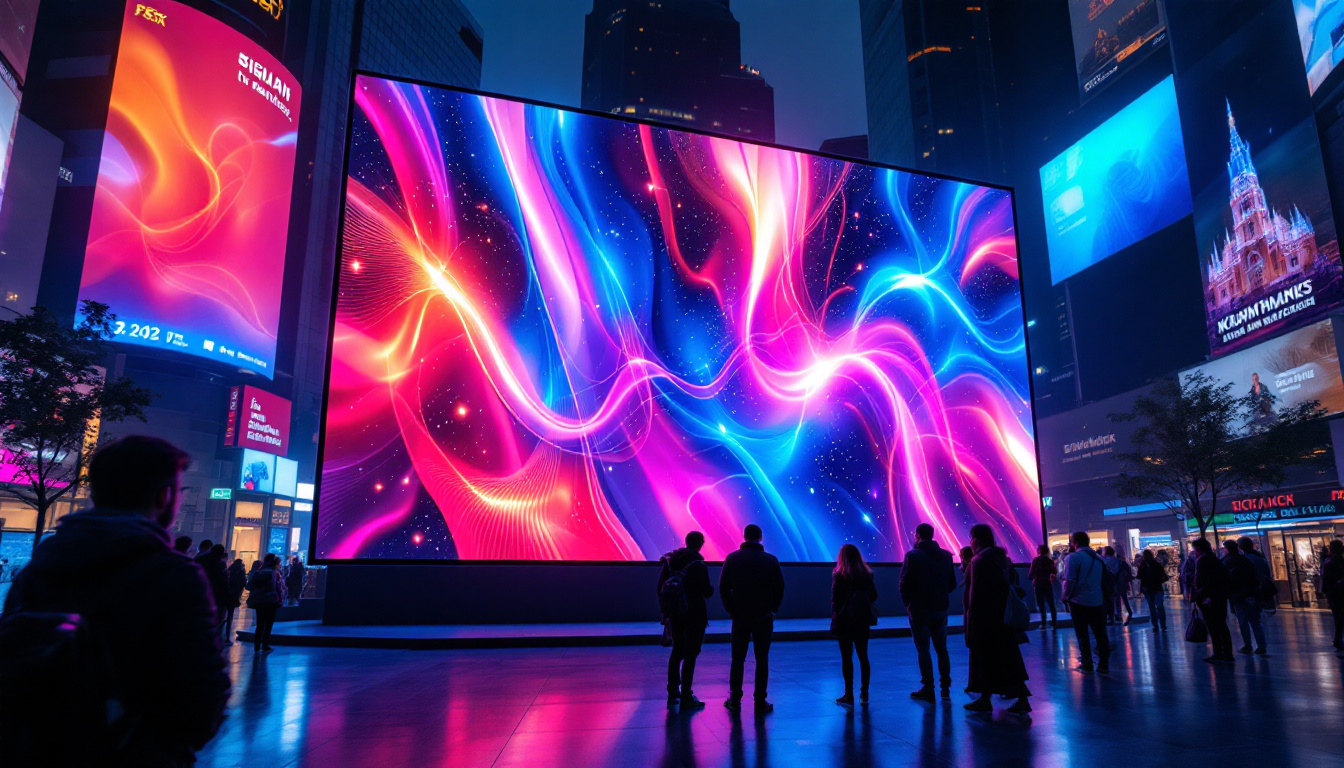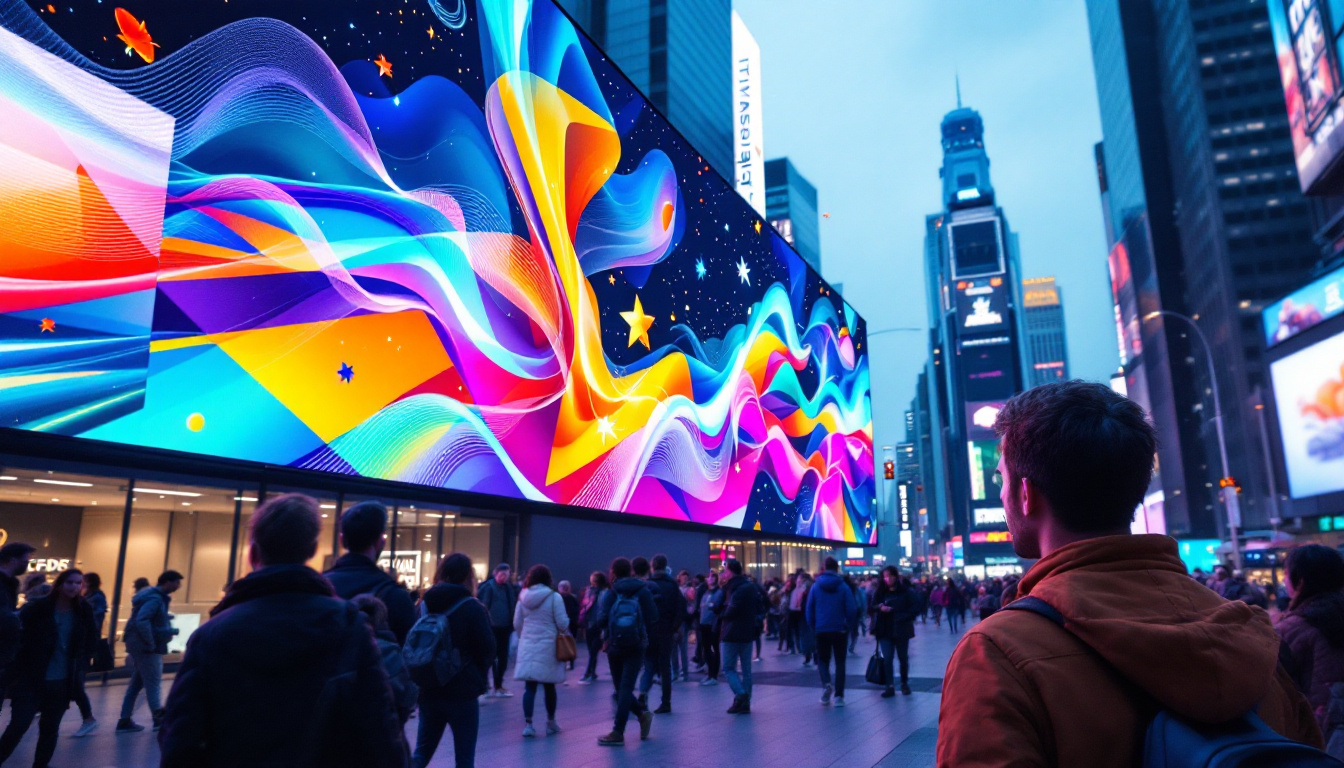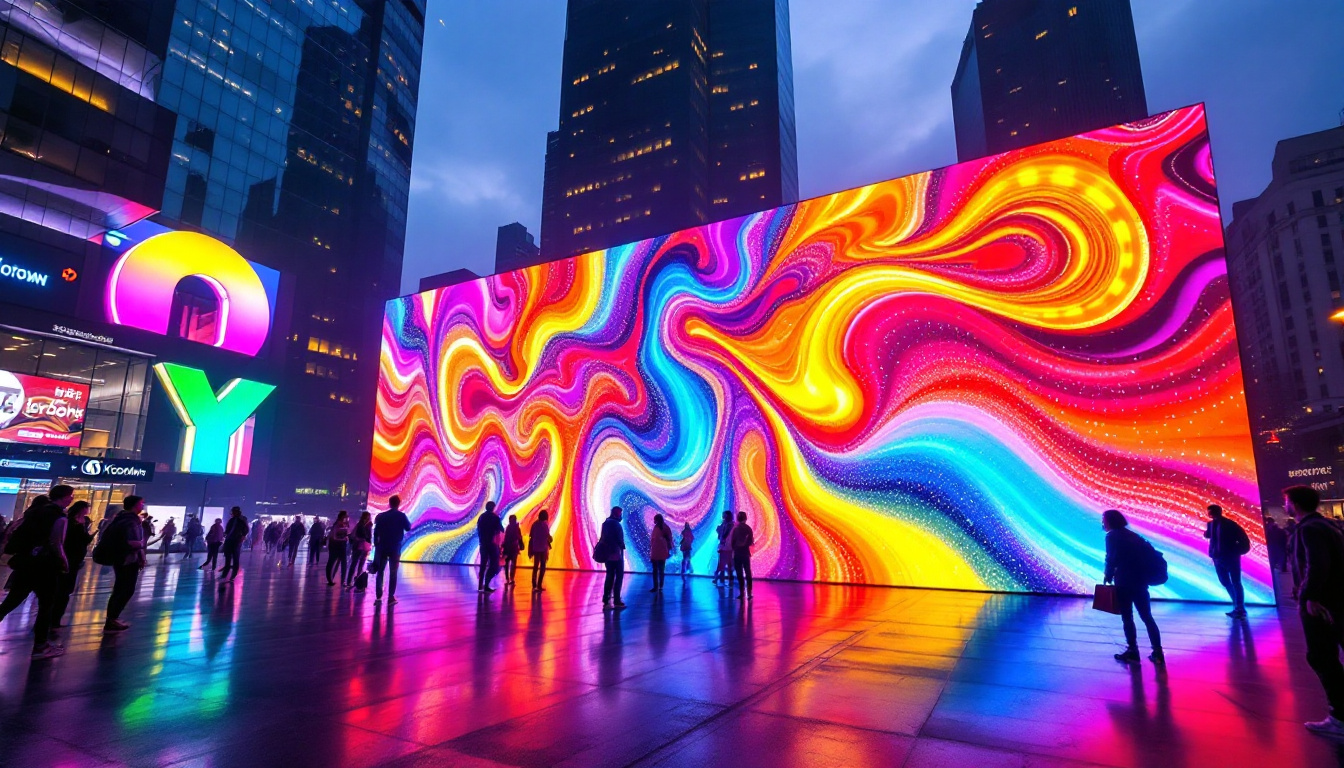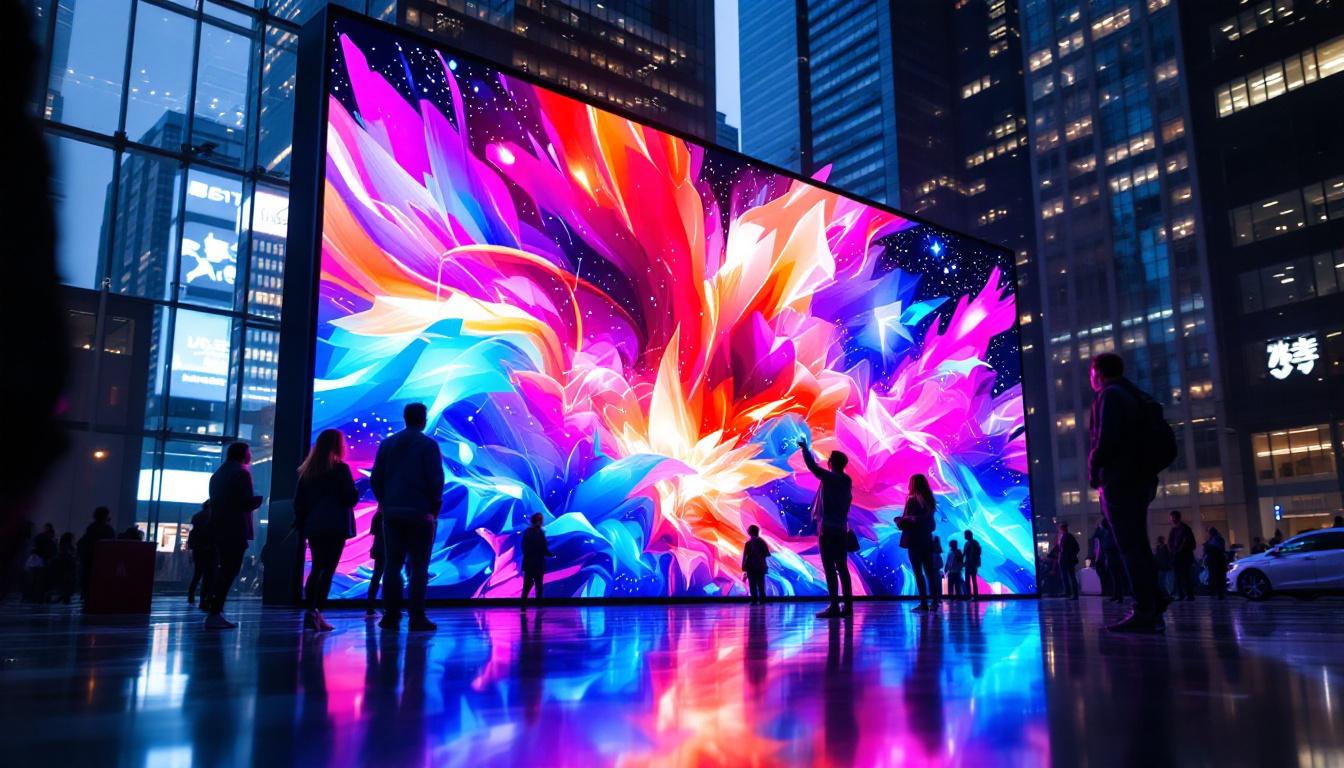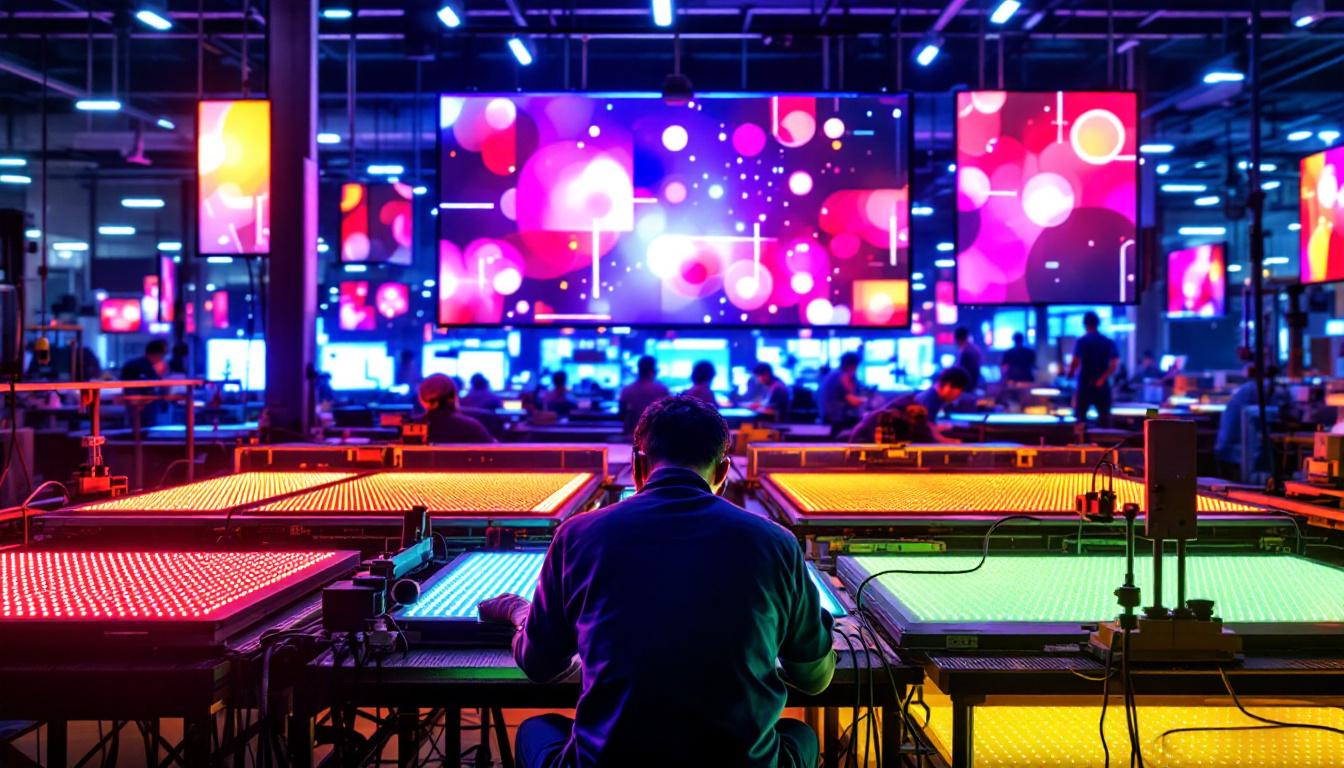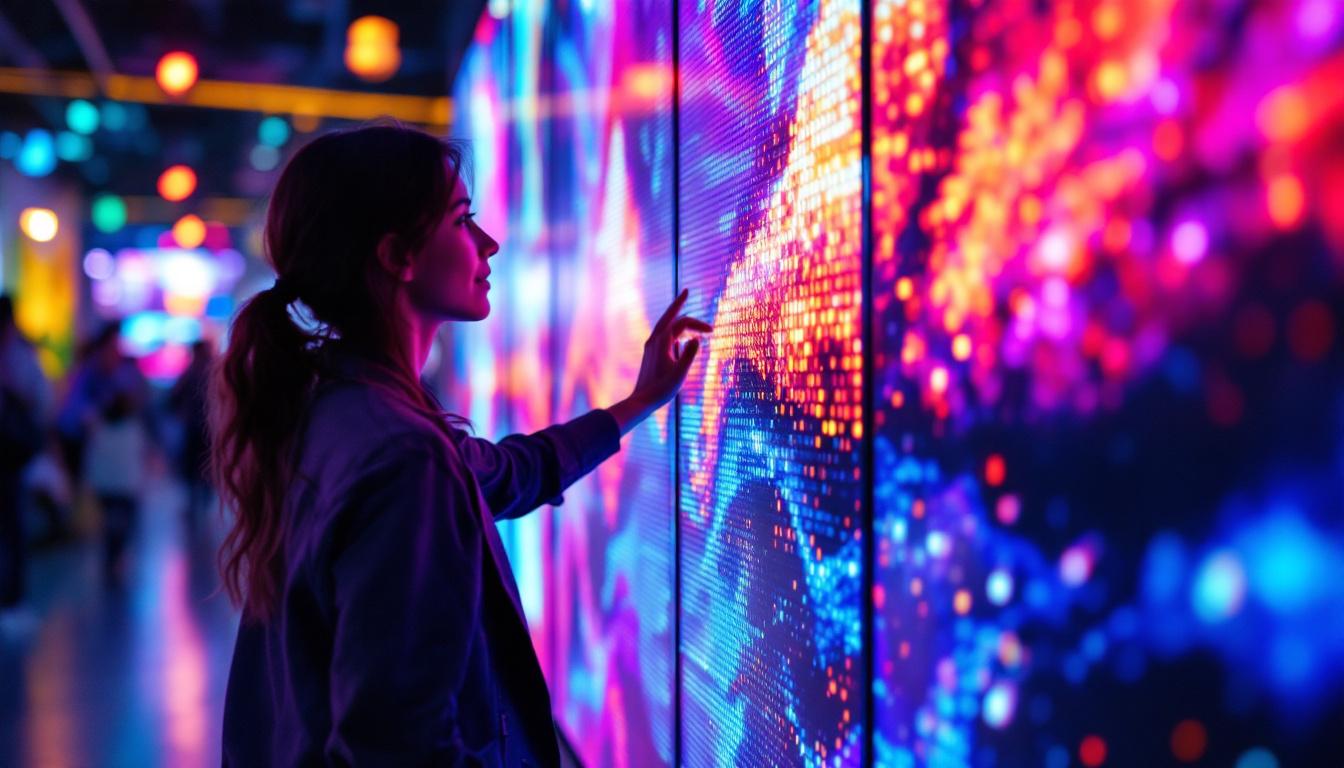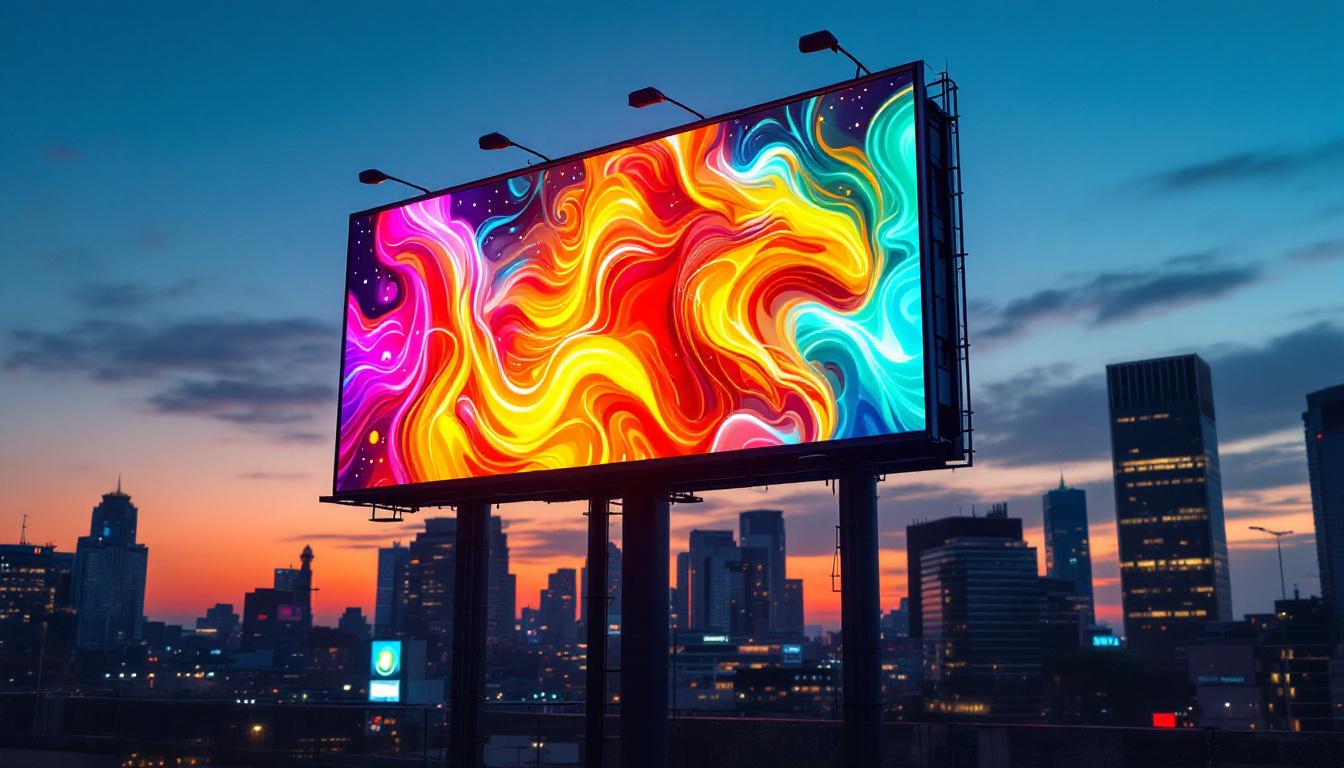
In the rapidly evolving world of advertising, LED displays have emerged as a dominant force in outdoor marketing. From Times Square to local shopping centers, LED billboards captivate audiences with their vibrant colors, dynamic content, and unparalleled visibility. This article delves into the technology behind LED displays, their advantages over traditional billboards, and practical considerations for businesses looking to leverage this powerful advertising medium.
Understanding LED Display Technology
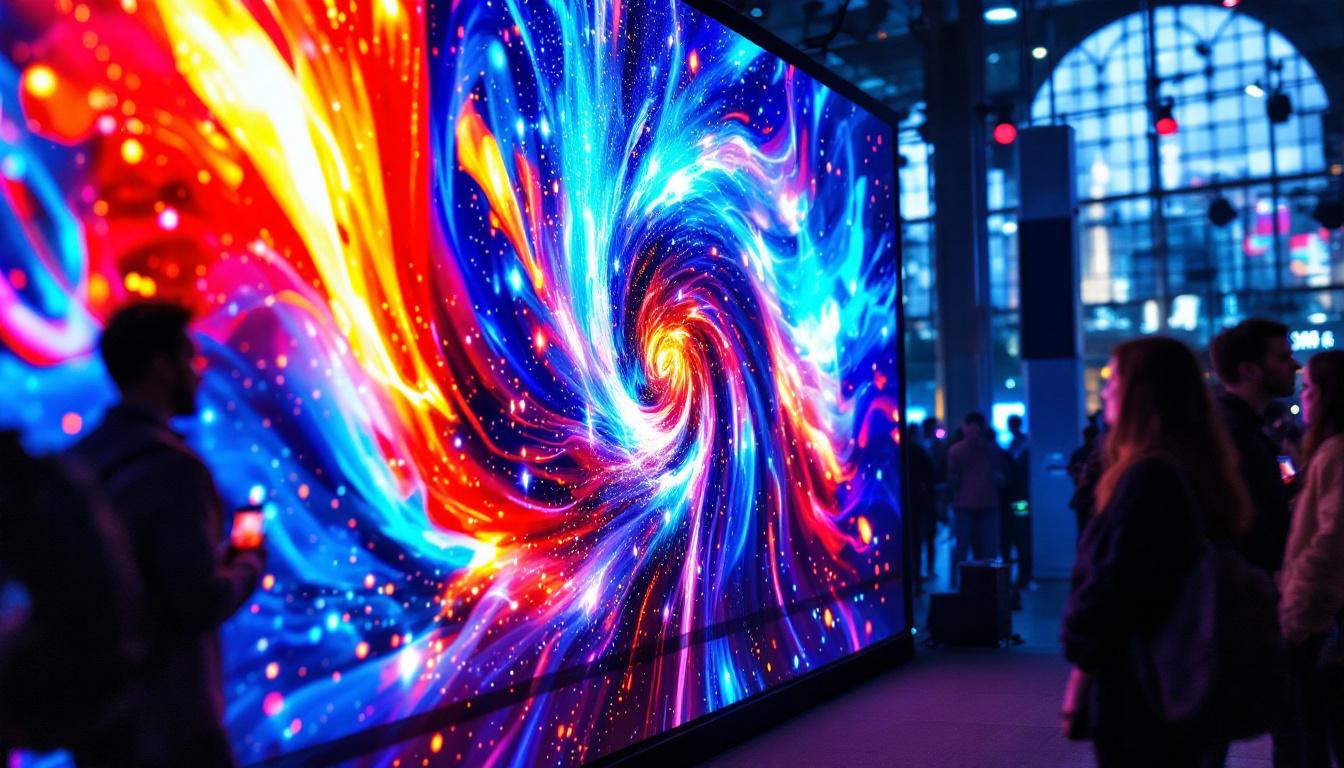
LED, or Light Emitting Diode, technology forms the backbone of modern digital billboards. Unlike traditional static billboards that rely on printed materials, LED displays use an array of tiny diodes that emit light when an electric current passes through them. These diodes are arranged in clusters called pixels, which collectively create images, videos, and animations visible from great distances. The versatility of LED technology has revolutionized advertising, allowing for real-time updates and interactive content that can engage audiences in ways that static displays simply cannot.
Each pixel typically consists of red, green, and blue LEDs, which combine to produce a full spectrum of colors through a process known as additive color mixing. By adjusting the brightness of each color diode, the display can render millions of colors, enabling advertisers to present eye-catching and dynamic content that stands out in any environment. This capability not only enhances visual appeal but also allows for the integration of animations and transitions, making advertisements more captivating and effective in grabbing the attention of passersby.
Types of LED Displays Used in Billboards
There are primarily two types of LED displays used in billboards: surface-mounted device (SMD) and through-hole LEDs. SMD LEDs are smaller and allow for higher pixel density, resulting in sharper images and finer detail. This makes them ideal for billboards viewed at close range, such as those in urban environments. Additionally, SMD technology supports a wider viewing angle, ensuring that the content is visible from various perspectives, which is particularly beneficial in crowded city streets where viewers may approach from different directions.
Through-hole LEDs, on the other hand, are larger and more durable, often used in billboards designed for long-distance viewing, like highway signage. They offer higher brightness levels, ensuring visibility even in direct sunlight. Choosing the appropriate LED type depends on the billboard’s location, viewing distance, and budget. Furthermore, advancements in LED technology have led to the development of hybrid displays that combine the benefits of both SMD and through-hole LEDs, allowing for versatile applications that can adapt to various advertising needs. As technology continues to evolve, we can expect to see even more innovative designs and functionalities, such as flexible LED screens that can be shaped to fit unique advertising spaces, further expanding the possibilities for outdoor advertising.
Advantages of LED Billboards Over Traditional Advertising
The transition from static billboards to LED displays has revolutionized outdoor advertising. Businesses benefit from several key advantages that enhance the effectiveness and flexibility of their campaigns.
Dynamic and Flexible Content
One of the most significant benefits of LED billboards is the ability to display dynamic content. Advertisers can rotate multiple ads, run video clips, or update messaging in real-time. This flexibility allows campaigns to be more engaging and timely, responding to events, promotions, or changes in audience behavior.
For example, a retail store can advertise a morning coffee special and switch to a lunch promotion by midday without incurring additional printing or installation costs. This adaptability not only saves money but also maximizes the impact of advertising spend. Furthermore, the ability to tailor content based on the time of day or specific audience demographics can lead to higher conversion rates. For instance, targeting local events or seasonal promotions can make ads more relevant, increasing foot traffic and sales.
Enhanced Visibility and Brightness
LED displays offer superior brightness compared to traditional billboards, making them visible day and night. Modern LED billboards can reach brightness levels of up to 6,500 nits, ensuring clear visibility even under direct sunlight. This high luminance is essential for capturing the attention of drivers and pedestrians alike, increasing the likelihood that the message will be noticed and remembered.
Moreover, the vibrant colors and high-definition imagery of LED billboards can create a more immersive advertising experience. With the ability to showcase stunning visuals and animations, advertisers can tell a story or convey a brand message in a way that static billboards simply cannot. This visual appeal not only attracts attention but can also foster emotional connections with viewers, making the advertising more effective.
Energy Efficiency and Sustainability
Contrary to common assumptions, LED billboards are energy-efficient. LEDs consume significantly less power than traditional lighting methods used in static billboards, such as fluorescent or incandescent bulbs. Additionally, many LED displays incorporate sensors that adjust brightness based on ambient light, further reducing energy consumption.
This energy efficiency aligns with growing environmental concerns and corporate sustainability goals. Companies can promote their commitment to green practices by choosing LED advertising solutions, appealing to eco-conscious consumers. Beyond energy savings, LED billboards also have a longer lifespan than traditional displays, resulting in less waste and reduced maintenance costs. This longevity not only benefits the environment but also allows businesses to allocate resources more effectively, investing in creative content rather than frequent replacements or repairs.
Key Considerations When Implementing LED Billboards
While LED billboards offer many benefits, successful implementation requires careful planning and consideration of several factors to ensure maximum return on investment.
Location and Viewing Distance
The effectiveness of an LED billboard heavily depends on its placement. High-traffic areas such as highways, urban centers, and shopping districts provide the best exposure. Additionally, understanding the typical viewing distance is crucial for selecting the appropriate pixel pitch—the distance between individual pixels on the display.
A smaller pixel pitch (e.g., 4mm) produces sharper images suitable for close-range viewing, while larger pitches (e.g., 16mm or more) are better for distant viewing where finer detail is less critical. Matching pixel pitch to viewing distance ensures that the displayed content is clear and legible, maximizing audience engagement.
Content Strategy and Scheduling
Developing a robust content strategy is essential for leveraging the dynamic capabilities of LED billboards. Advertisers should consider the target audience’s demographics, peak traffic times, and the types of messages that resonate most effectively.
Scheduling content to align with these factors can significantly enhance campaign performance. For instance, displaying family-oriented promotions during school pickup hours or entertainment ads during evening commutes can increase relevance and impact.
Maintenance and Durability
LED billboards require regular maintenance to ensure optimal performance. This includes cleaning the display surface, checking electrical components, and updating software. High-quality LED modules and protective enclosures can extend the lifespan of the billboard, often beyond 100,000 hours of operation.
Investing in durable materials and partnering with experienced service providers minimizes downtime and repair costs, preserving the billboard’s effectiveness over time.
Real-World Examples of LED Billboard Success
Several high-profile advertising campaigns have demonstrated the power of LED billboards to captivate audiences and drive business results.
Times Square, New York City
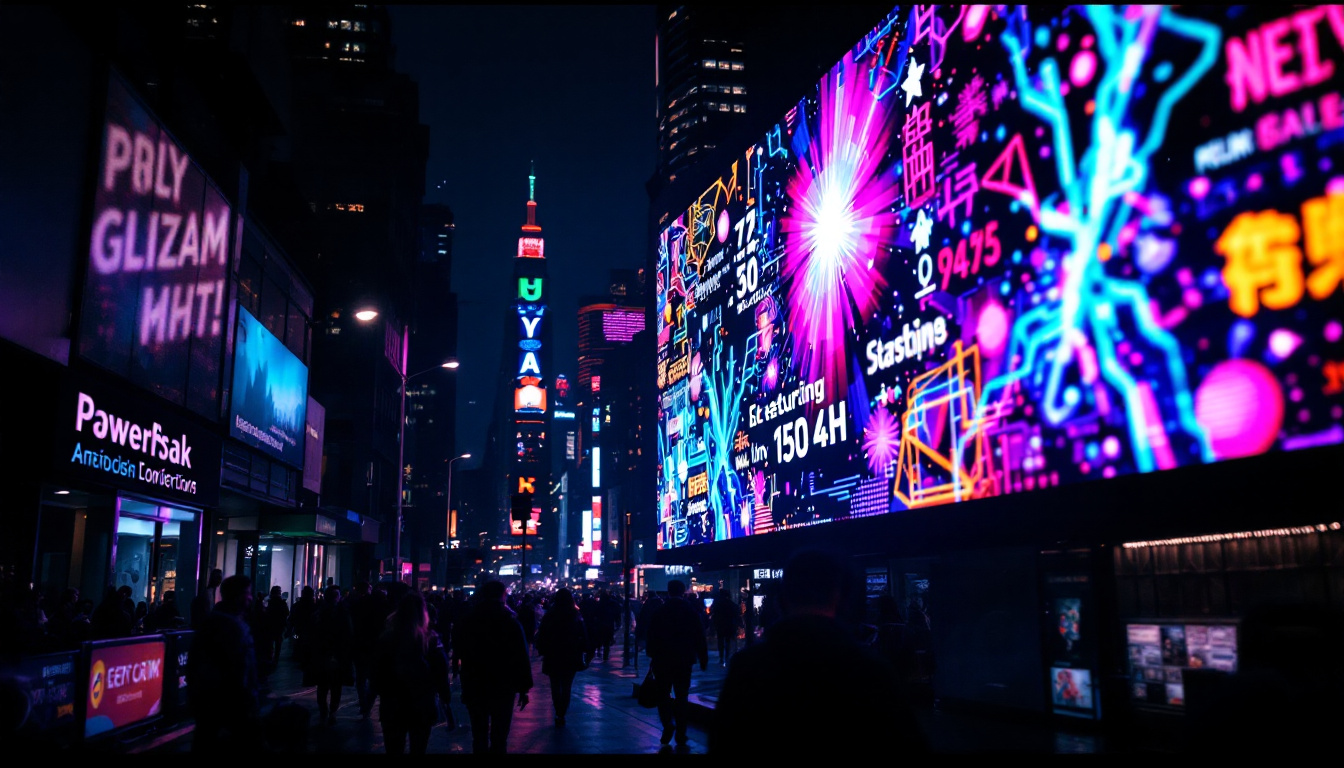
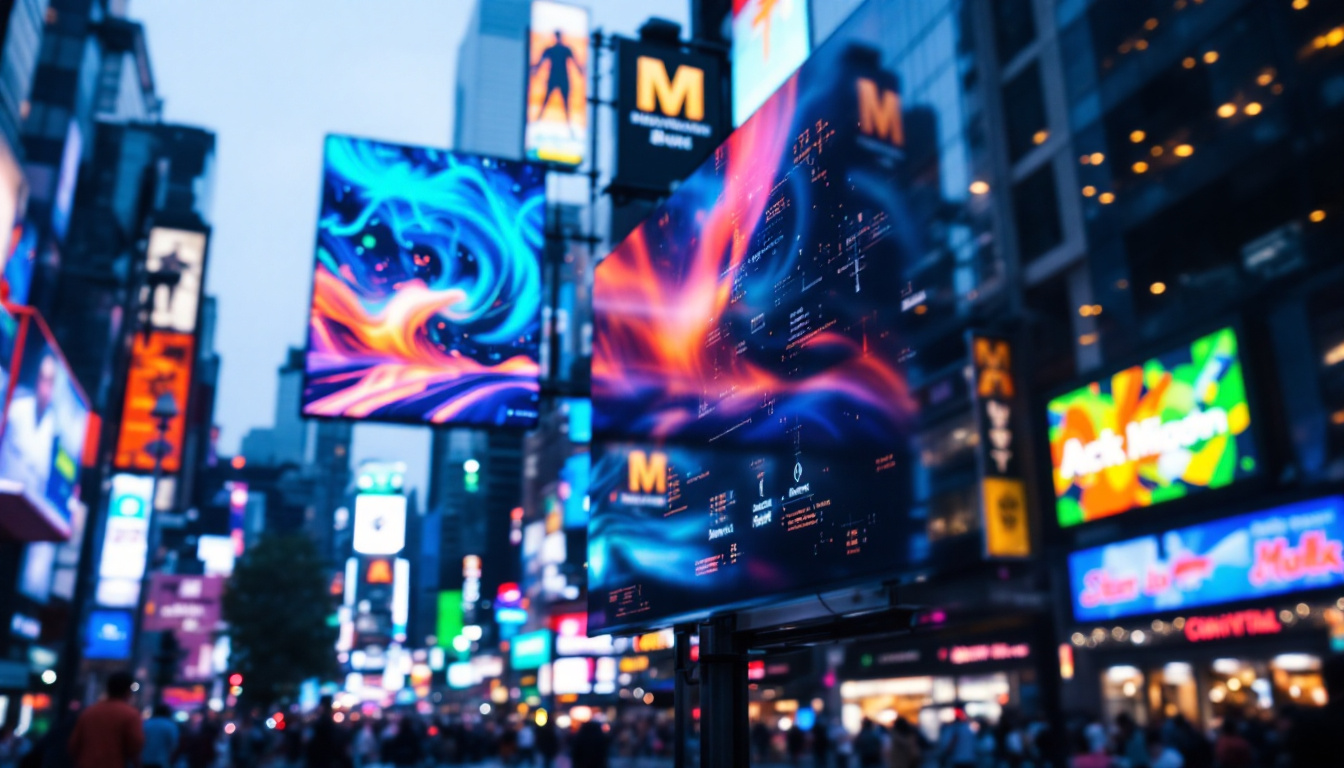
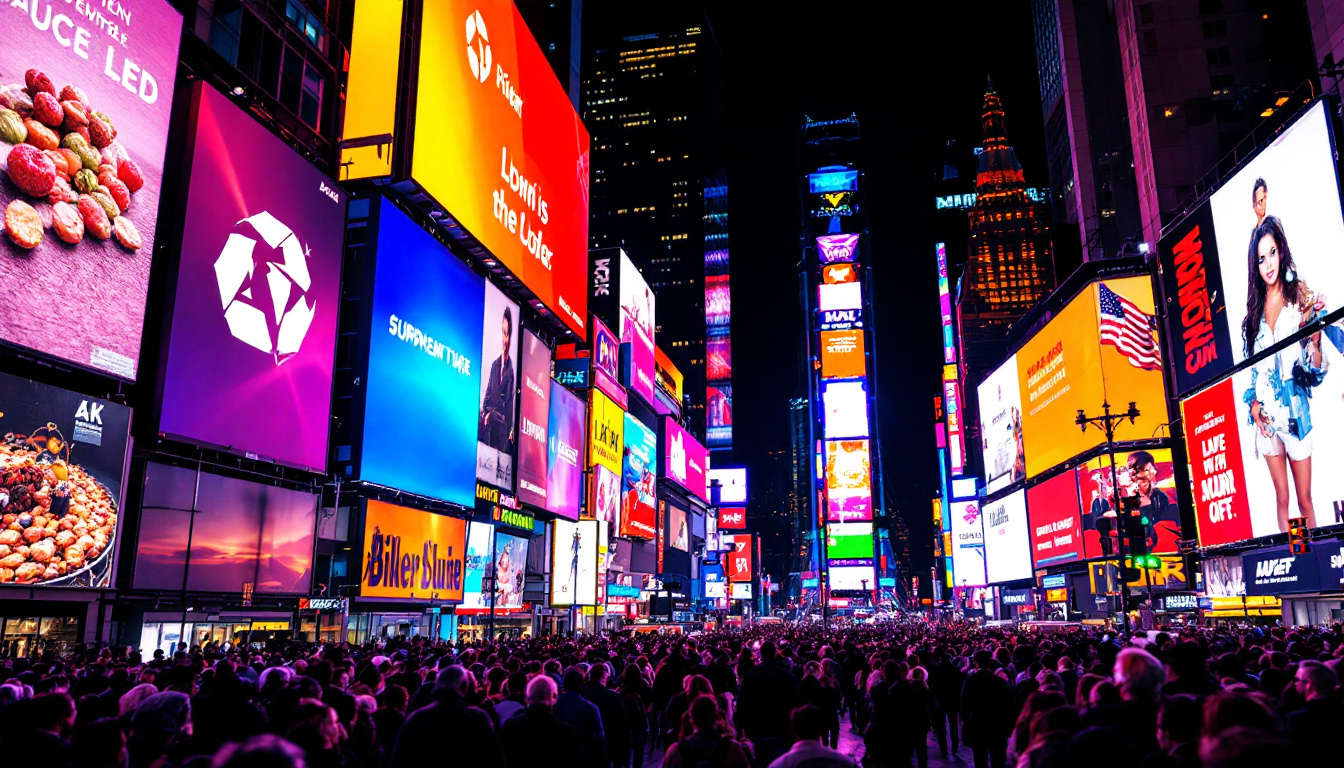
Times Square is perhaps the most iconic location for LED billboards, featuring massive digital displays that light up the city’s famous intersection. Brands like Coca-Cola, Samsung, and Disney have used these billboards to launch immersive campaigns incorporating video, animation, and interactive elements.
The dynamic nature of these displays allows advertisers to update content frequently, tailoring messages to events such as holidays, movie premieres, or product launches. The visibility and foot traffic in Times Square make it an unparalleled advertising venue, with some LED billboard spaces commanding prices upwards of $1 million per month.
Highway Digital Billboards
On highways across the United States and Europe, LED billboards provide critical advertising exposure to millions of commuters daily. For example, a national fast-food chain used LED billboards along major interstate routes to promote limited-time offers, resulting in a measurable increase in store visits and sales.
These billboards’ high brightness and large size ensure that messages are visible even at high speeds, making them an effective tool for brand awareness and immediate call-to-action campaigns.
The Future of LED Billboard Advertising
As technology advances, LED billboards continue to evolve, integrating new features and capabilities that promise to reshape outdoor advertising further.
Integration with Artificial Intelligence and Data Analytics
Emerging LED billboard systems increasingly incorporate AI and data analytics to deliver personalized and context-aware content. By analyzing factors such as weather, traffic patterns, and audience demographics, these smart billboards can optimize messaging in real-time for maximum relevance and engagement.
This level of customization enhances advertiser ROI and creates more meaningful interactions between brands and consumers.
Interactive and Augmented Reality Experiences
Future LED displays may integrate interactive elements and augmented reality (AR) to engage audiences in novel ways. For instance, billboards equipped with motion sensors or smartphone connectivity could allow passersby to interact with content, participate in promotions, or access additional information through AR overlays.
Such innovations could transform passive advertising into immersive brand experiences, driving deeper consumer engagement and loyalty.
Conclusion
LED billboards represent a transformative leap in outdoor advertising, combining technological innovation with strategic flexibility. Their vibrant displays, dynamic content capabilities, and energy efficiency make them a compelling choice for businesses aiming to capture attention in today’s crowded media landscape.
By understanding the underlying technology, benefits, and practical considerations, advertisers can harness the full potential of LED displays to deliver impactful campaigns that resonate with diverse audiences. As advancements continue, LED billboards will undoubtedly remain at the forefront of outdoor advertising innovation.
Illuminate Your Brand with LumenMatrix
Ready to elevate your advertising strategy with the vibrant and dynamic capabilities of LED displays? LumenMatrix is at the forefront of LED display innovation, offering a wide range of solutions tailored to your unique needs. From Indoor and Outdoor LED Wall Displays to specialized options like Vehicle, Sports, and Floor LED Displays, we have the technology to bring your brand to life. Embrace the future of visual communication with our Custom, All-in-One, and Transparent LED Displays, designed to captivate your audience and amplify your message. Check out LumenMatrix LED Display Solutions today and transform your advertising approach with clarity and impact.