In the rapidly evolving world of visual technology, LED displays have become a cornerstone of modern communication and entertainment. From massive outdoor billboards to sleek indoor video walls, LED displays offer unparalleled brightness, clarity, and versatility. This article delves deep into the world of LED displays, explaining their technology, applications, advantages, and future trends to provide a comprehensive understanding for professionals and enthusiasts alike.
Understanding LED Display Technology
At its core, an LED display is a flat panel that uses light-emitting diodes (LEDs) as pixels to create images and videos. Unlike traditional LCD or plasma screens, LED displays rely on tiny semiconductor devices that emit light when an electric current passes through them. This fundamental difference gives LED displays distinct advantages in brightness, energy efficiency, and color accuracy. Furthermore, the longevity of LED technology is remarkable, with many displays boasting lifespans of over 100,000 hours, making them a cost-effective choice for both consumers and businesses alike.
How LEDs Work in Displays
Each LED in a display acts as a single pixel or part of a pixel. In full-color LED displays, these pixels typically consist of red, green, and blue LEDs arranged closely together. By varying the intensity of each LED, the display can produce a wide spectrum of colors. This additive color mixing is the foundation of all digital color displays. The precision of this color mixing is enhanced by advanced driver technology, which allows for individual pixel control, resulting in stunning visuals that can adapt to various lighting conditions and content types.
Modern LED displays use surface-mount technology (SMT) to place LEDs on circuit boards, allowing for high pixel density and improved resolution. The pixel pitch, or the distance between the centers of two adjacent pixels, is a key specification that determines the display’s sharpness and viewing distance suitability. As technology progresses, manufacturers are continually pushing the boundaries of pixel pitch, achieving incredibly tight configurations that make it possible to create ultra-high-definition displays that are ideal for everything from cinematic experiences to high-stakes gaming.
Types of LED Displays
LED displays come in various forms, each tailored to specific environments and use cases:
- Indoor LED Displays: Designed for close viewing distances, these displays have a small pixel pitch (often less than 2mm) to ensure sharp images and text. They are commonly used in retail, corporate lobbies, and broadcast studios. The vibrant colors and high contrast ratios of indoor displays make them particularly effective for advertising and presentations, where capturing attention is paramount.
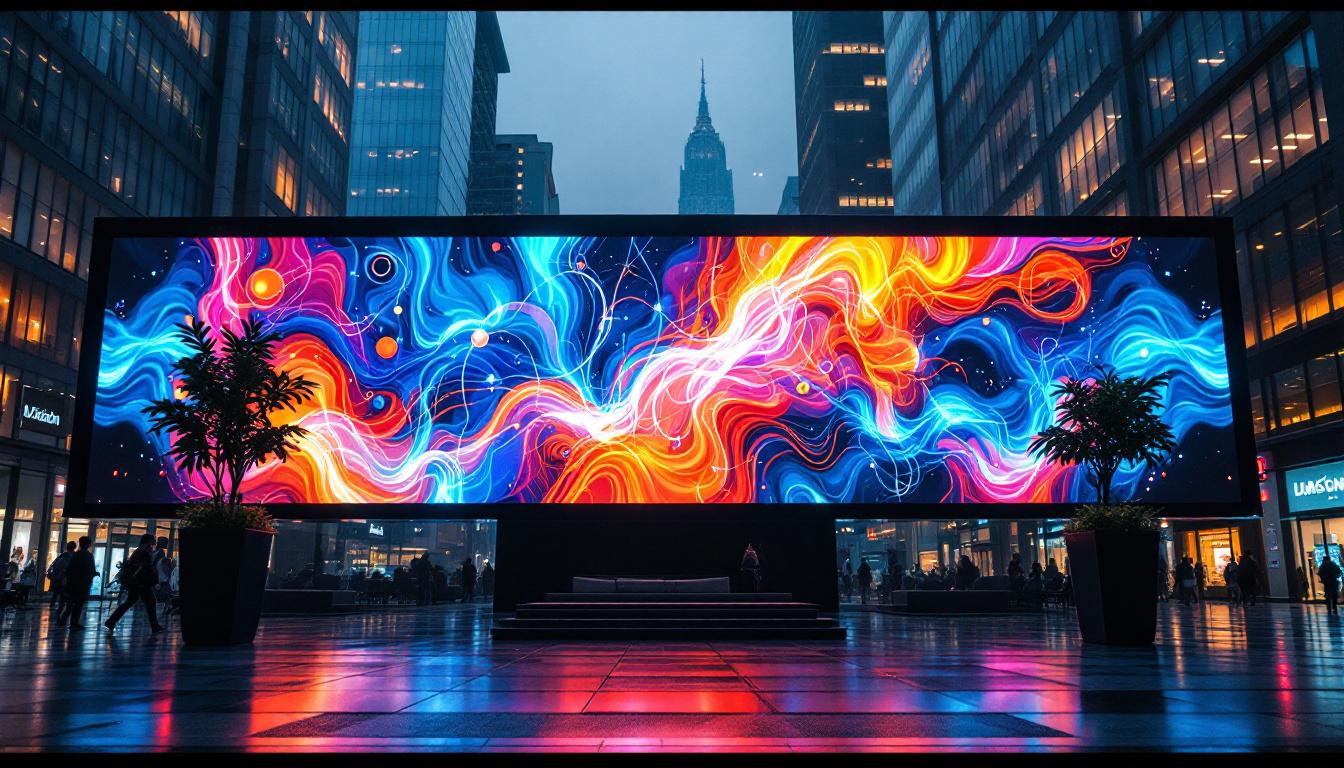
- Outdoor LED Displays: Built to withstand harsh weather conditions, these displays feature higher brightness levels (often exceeding 5,000 nits) to remain visible in direct sunlight. Their pixel pitch is usually larger, ranging from 4mm to 20mm, suitable for viewing from a distance. Outdoor displays also incorporate protective coatings to shield against environmental factors, ensuring durability and longevity in public spaces like stadiums and city billboards.
- Transparent LED Displays: These innovative screens allow light to pass through, making them ideal for storefront windows and architectural installations where maintaining natural light is important. Their unique design not only enhances aesthetic appeal but also enables interactive advertising, allowing customers to engage with content without obstructing their view of the products behind the display.
- Flexible and Curved LED Displays: Utilizing bendable substrates, these displays can conform to curved surfaces, opening new possibilities for creative signage and immersive environments. This flexibility allows designers to create unique visual experiences, such as wrapping displays around pillars or creating dynamic shapes that can transform traditional advertising into captivating art installations.
Applications of LED Displays Across Industries
LED displays have revolutionized how information and entertainment are presented across multiple sectors. Their adaptability and performance make them indispensable tools in marketing, sports, transportation, and more.
Advertising and Digital Signage
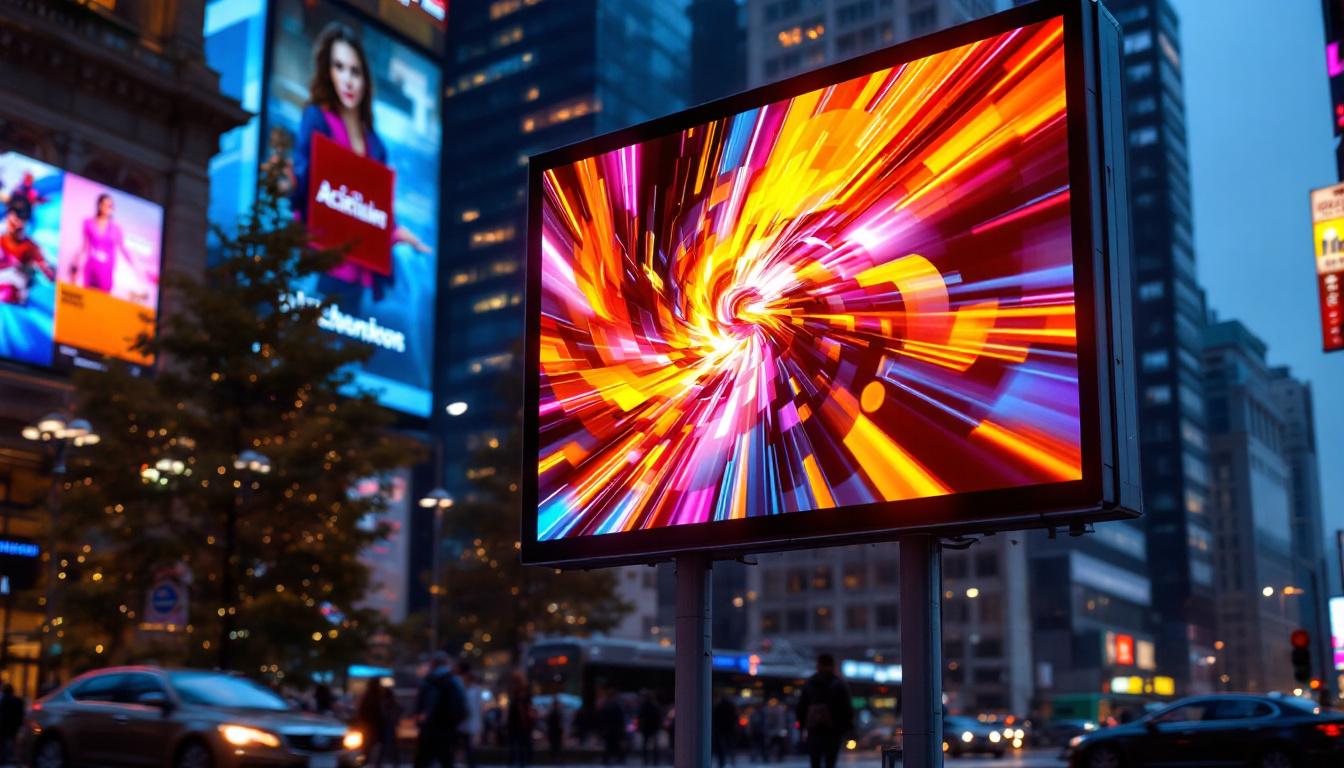
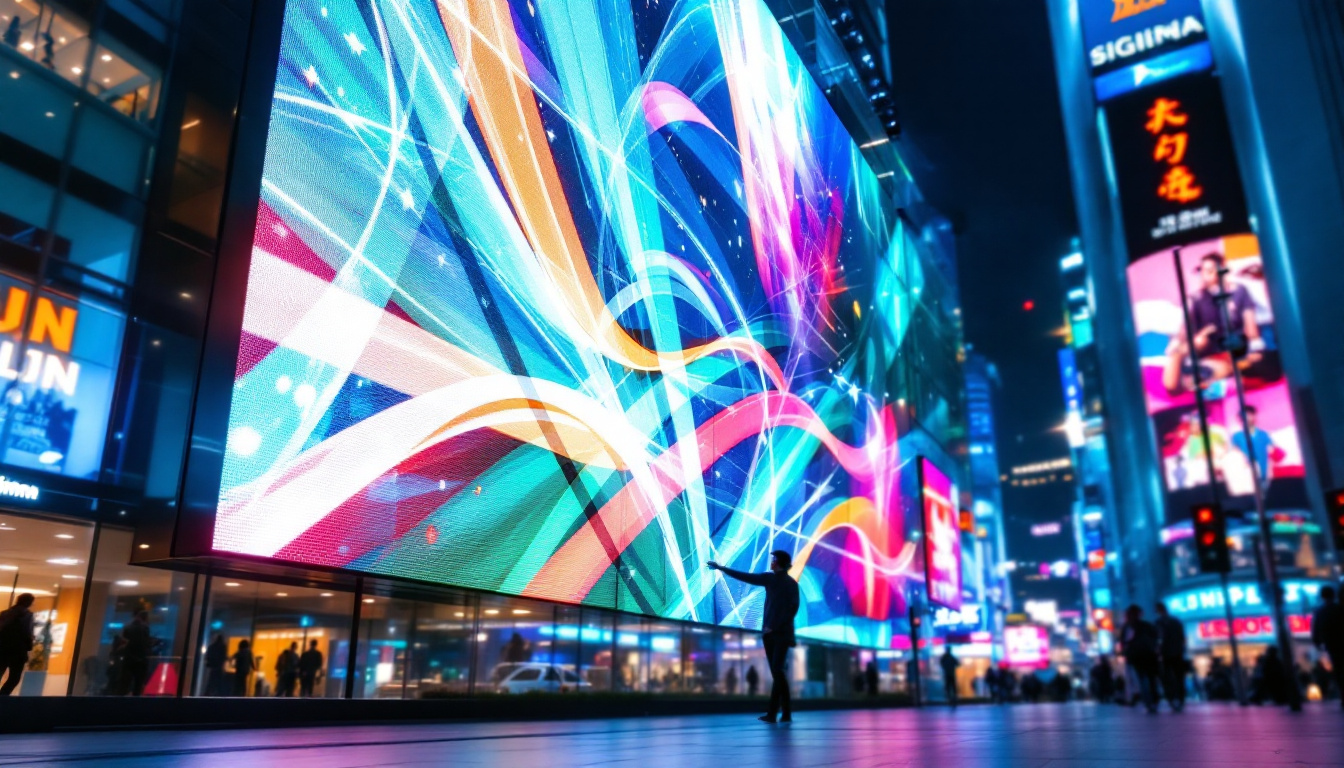
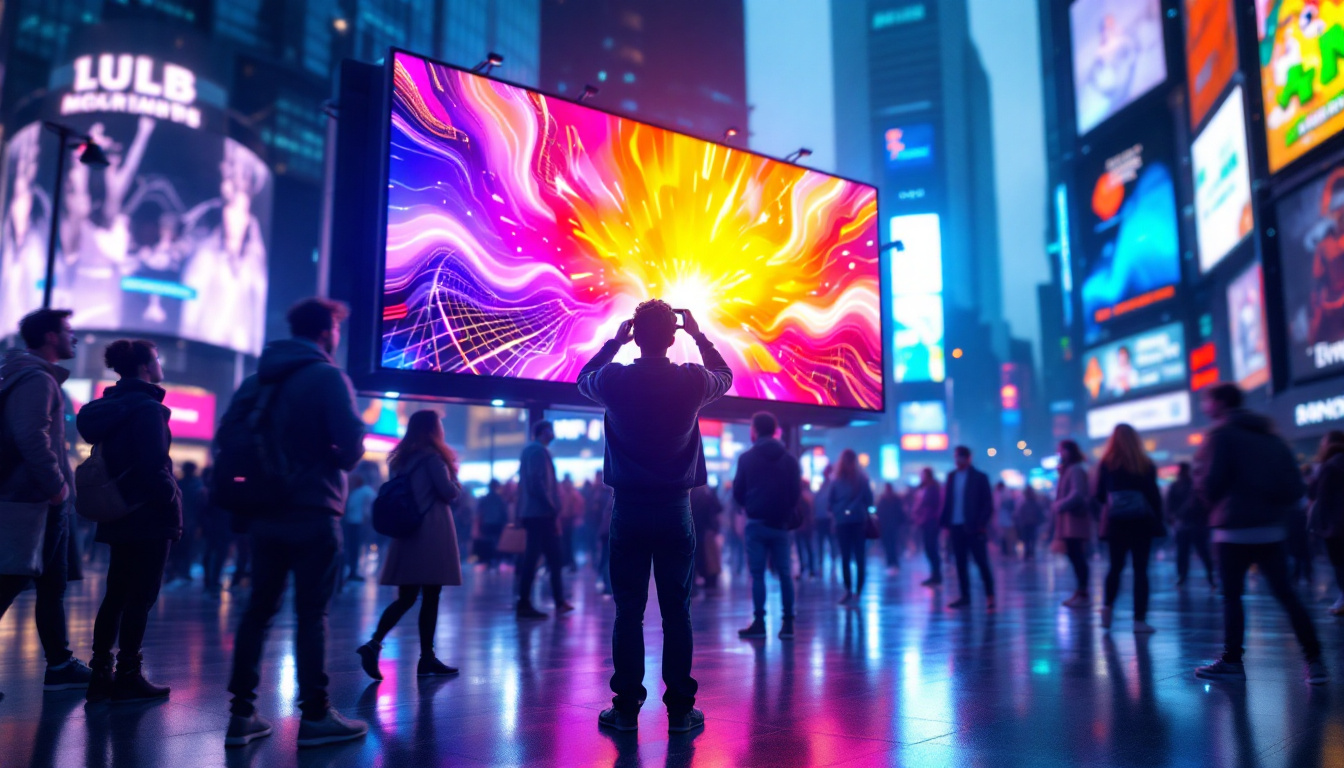
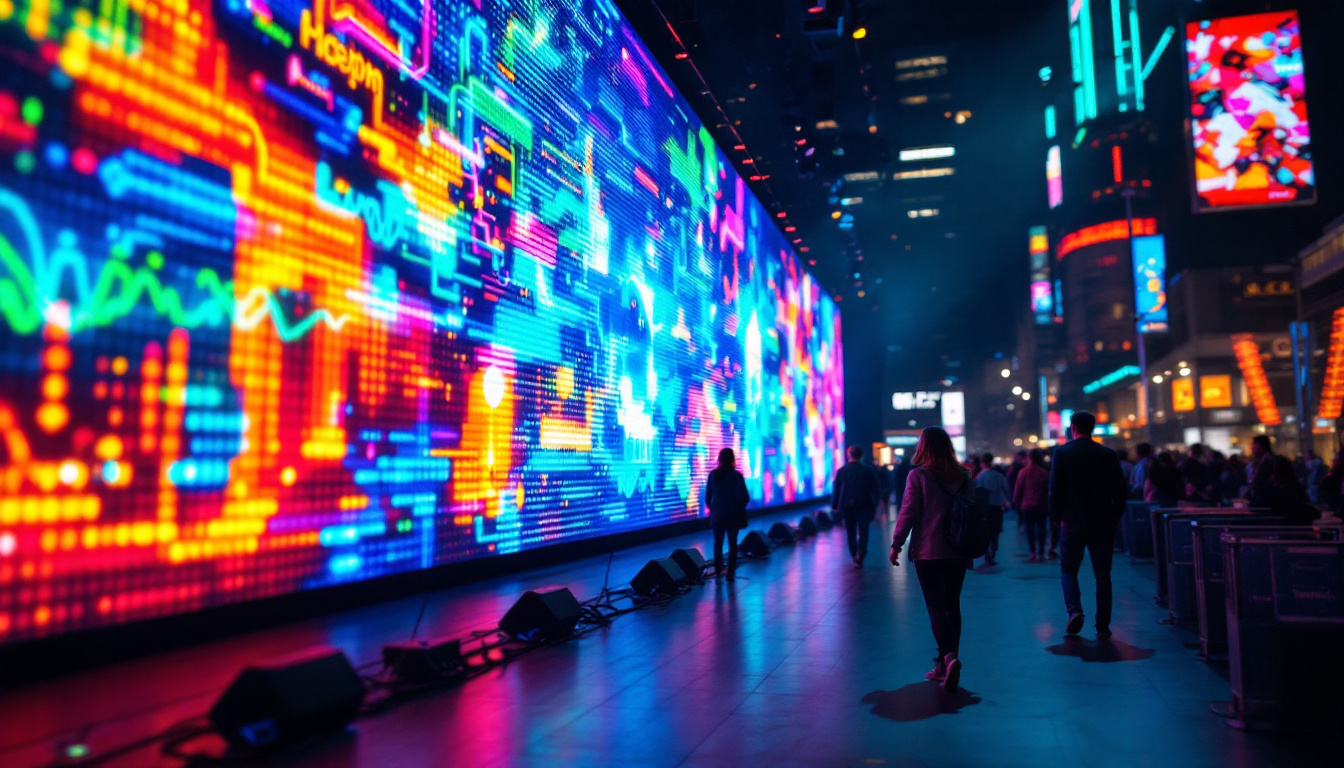
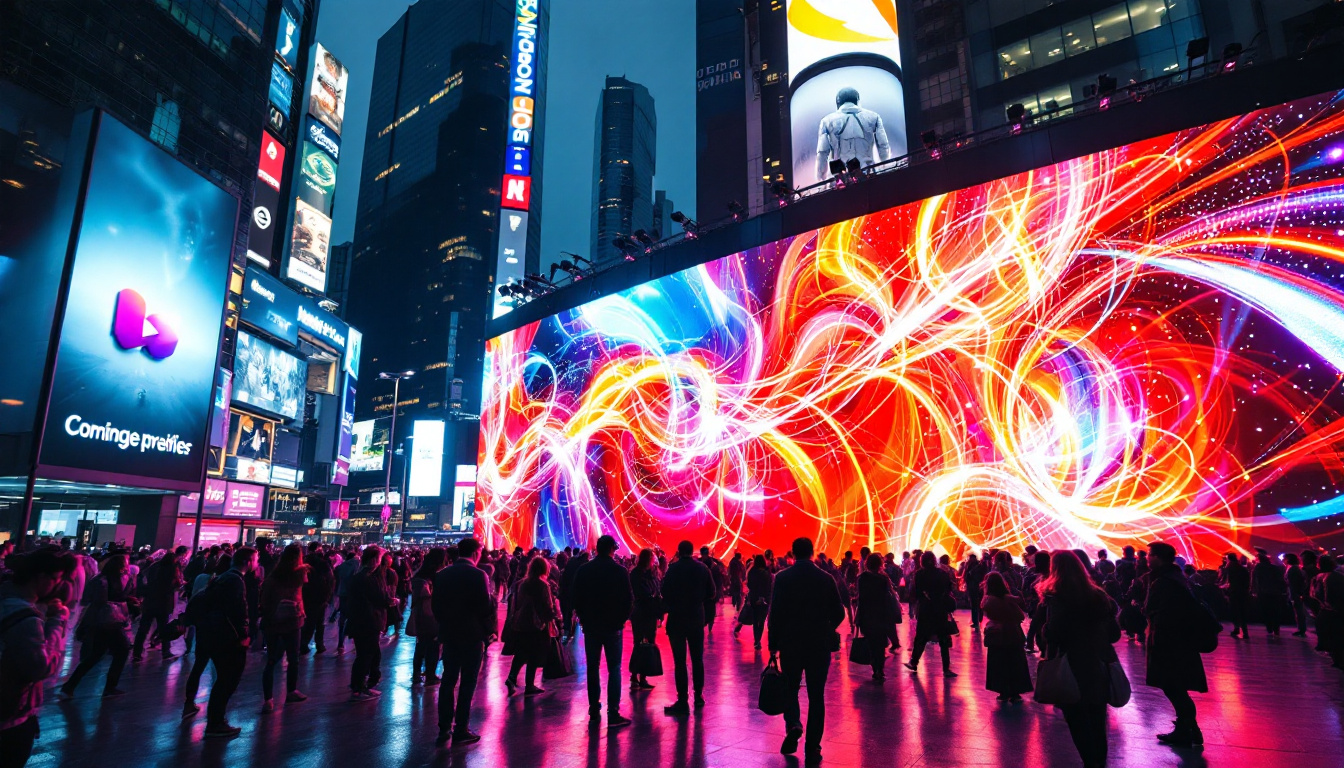
One of the most visible uses of LED displays is in advertising. Digital billboards have replaced traditional static signs in many urban centers worldwide. According to recent market research, the global digital signage market is expected to grow at a compound annual growth rate (CAGR) of over 8% through 2028, largely driven by LED technology advancements.
LED displays allow advertisers to deliver dynamic content that can be updated in real-time, targeting specific demographics or events. This flexibility increases engagement and return on investment compared to conventional signage.
Sports and Entertainment Venues
Stadiums and arenas rely heavily on large-scale LED screens to enhance the spectator experience. From giant scoreboards to ribbon displays encircling arenas, LEDs provide bright, clear visuals even under challenging lighting conditions. For example, the AT&T Stadium in Texas features one of the largest high-definition LED video boards, measuring 160 feet wide by 72 feet tall, offering fans immersive viewing from virtually any seat.
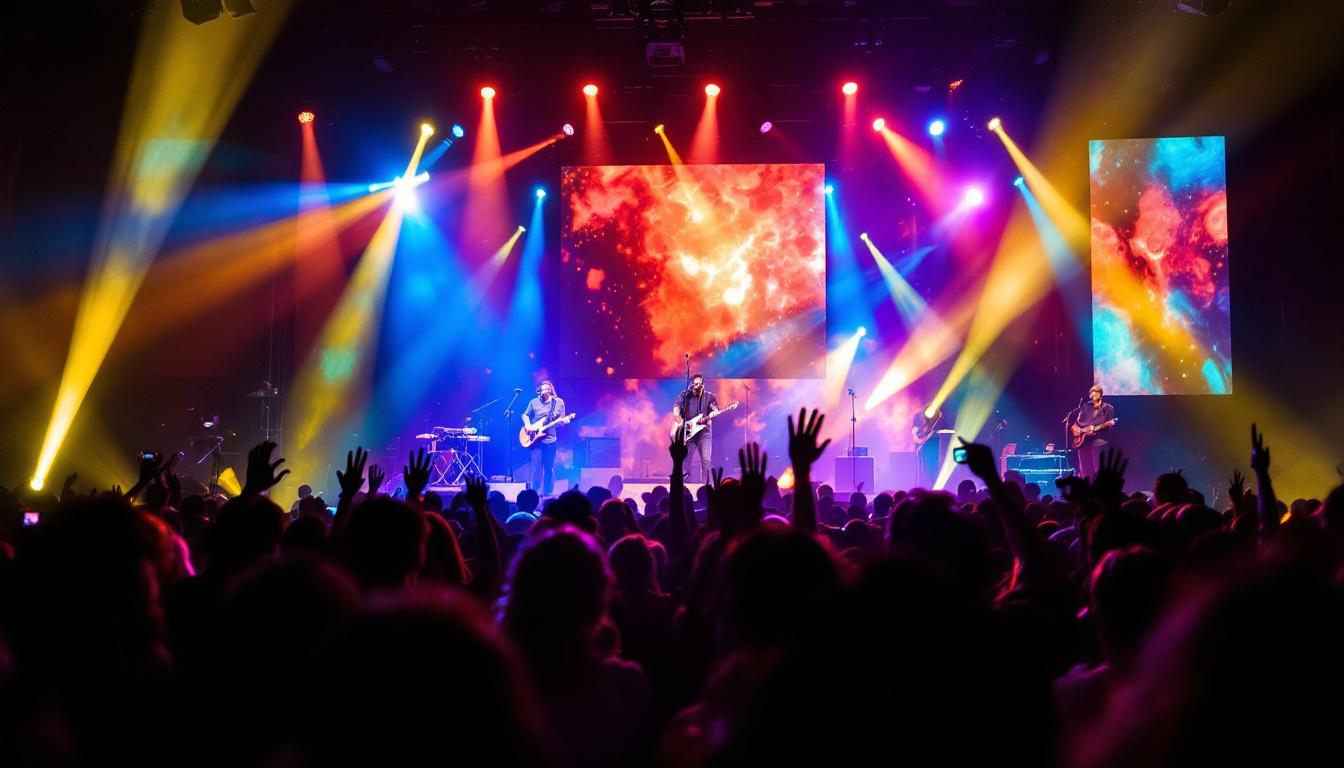
Concerts and festivals also utilize LED walls and floors to create stunning visual effects synchronized with performances, elevating the overall production value.
Transportation and Public Information Systems
LED displays are integral to modern transportation hubs, including airports, train stations, and bus terminals. Their high visibility and reliability ensure passengers receive timely updates on schedules, delays, and safety announcements. Many cities have also adopted LED-based traffic signs and variable message signs to improve road safety and traffic management.
Corporate and Educational Environments
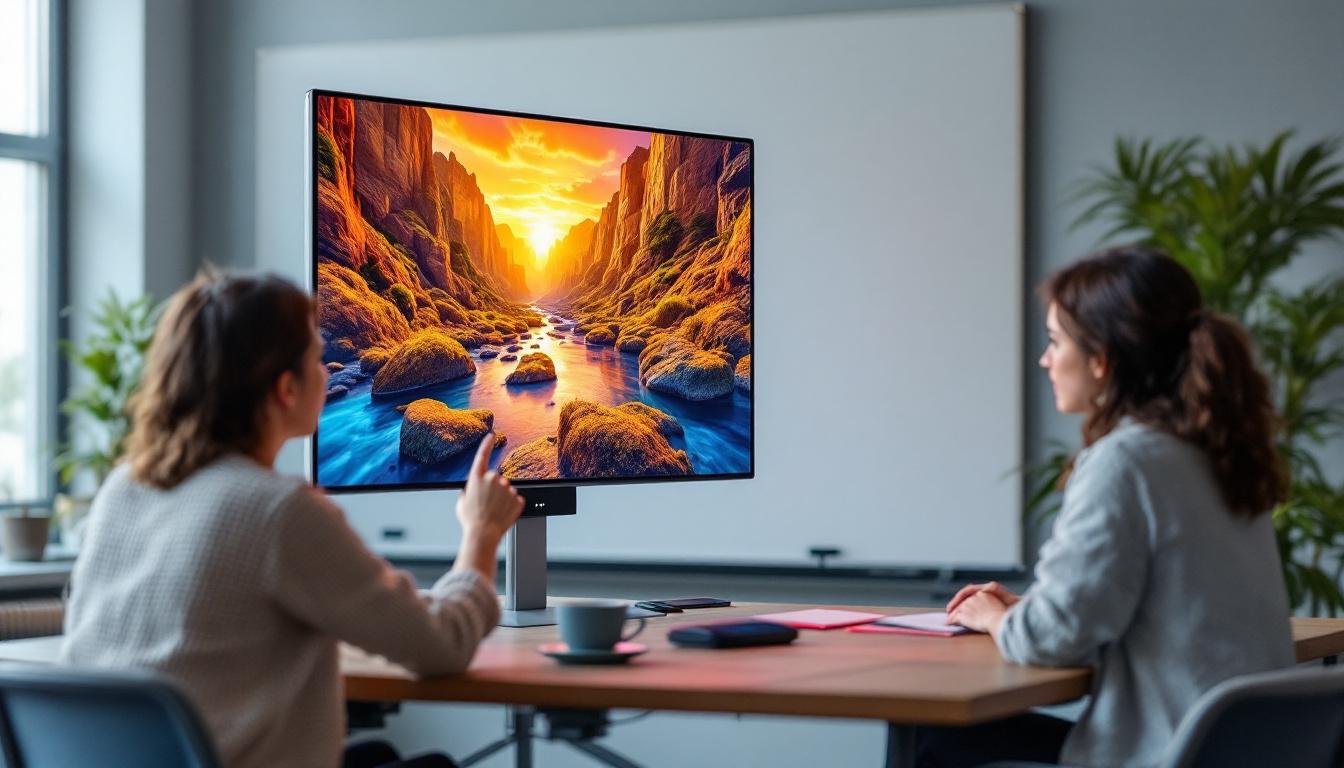
In corporate settings, LED video walls are increasingly used for presentations, video conferencing, and digital branding. Their ability to display high-resolution content on large scales makes them ideal for boardrooms and lobbies. Similarly, educational institutions employ LED displays for interactive learning, campus announcements, and event broadcasting.
Advantages of LED Displays Over Other Technologies
LED displays offer several distinct benefits that have contributed to their widespread adoption and ongoing innovation.
Brightness and Visibility
One of the standout features of LED displays is their exceptional brightness. With peak luminance levels often exceeding 5,000 nits for outdoor models, LEDs remain visible even in direct sunlight. This contrasts sharply with LCD screens, which typically max out around 1,000 nits. The high brightness ensures that content is clear and legible in virtually any lighting condition.
Energy Efficiency and Longevity
LEDs are inherently energy-efficient compared to other light sources. They convert a higher percentage of electrical energy into visible light, reducing power consumption and operational costs. Additionally, LED displays have a long lifespan, often rated for 50,000 to 100,000 hours of use, which translates to years of reliable service with minimal maintenance.
Color Accuracy and Contrast
Thanks to precise control over individual LEDs, these displays achieve superior color accuracy and contrast ratios. True blacks are possible because LEDs can be turned off completely in dark areas, unlike LCDs that rely on backlighting. This capability enhances image depth and realism, crucial for high-quality video and graphical content.
Flexibility and Customization
LED displays can be manufactured in virtually any size and shape, from small panels to massive walls spanning hundreds of square meters. Their modular design allows for easy installation, maintenance, and scalability. This flexibility enables tailored solutions that meet specific spatial and aesthetic requirements.
Key Considerations When Choosing an LED Display
Selecting the right LED display involves evaluating multiple factors to ensure optimal performance and return on investment.
Pixel Pitch and Resolution
The pixel pitch determines the resolution and viewing distance suitability of an LED display. Smaller pixel pitches provide higher resolution and are better for close-up viewing, while larger pitches are more cost-effective for distant viewing scenarios. For example, a retail store might choose a 1.5mm pixel pitch for detailed product visuals, whereas a highway billboard might use a 10mm pitch.
Brightness and Environmental Durability
Outdoor displays must have sufficient brightness to counter ambient sunlight and be rugged enough to withstand weather elements such as rain, wind, and temperature extremes. Look for IP ratings indicating protection against dust and water ingress, with IP65 or higher generally recommended for outdoor installations.
Refresh Rate and Viewing Angle
A high refresh rate (typically above 3,000 Hz) is essential for smooth video playback and to avoid flickering, especially in broadcast environments. Wide viewing angles ensure that content remains clear and color-accurate from different perspectives, important in public spaces where audiences view screens from various positions.
Installation and Maintenance
Consider the ease of installation and ongoing maintenance. Front-serviceable LED displays allow technicians to access components from the front, simplifying repairs in tight spaces. Modular panels facilitate quick replacements and future upgrades without extensive downtime.
Emerging Trends and the Future of LED Displays
The LED display industry continues to innovate, driven by advances in materials science, electronics, and software integration.
MicroLED and MiniLED Technologies
MicroLED and MiniLED represent the next generation of LED display technology. MicroLEDs are microscopic LEDs that enable even higher pixel densities, rivaling OLED displays in image quality but with superior brightness and lifespan. MiniLEDs serve as advanced backlighting for LCDs, improving contrast and color performance.
Interactive and Smart Displays
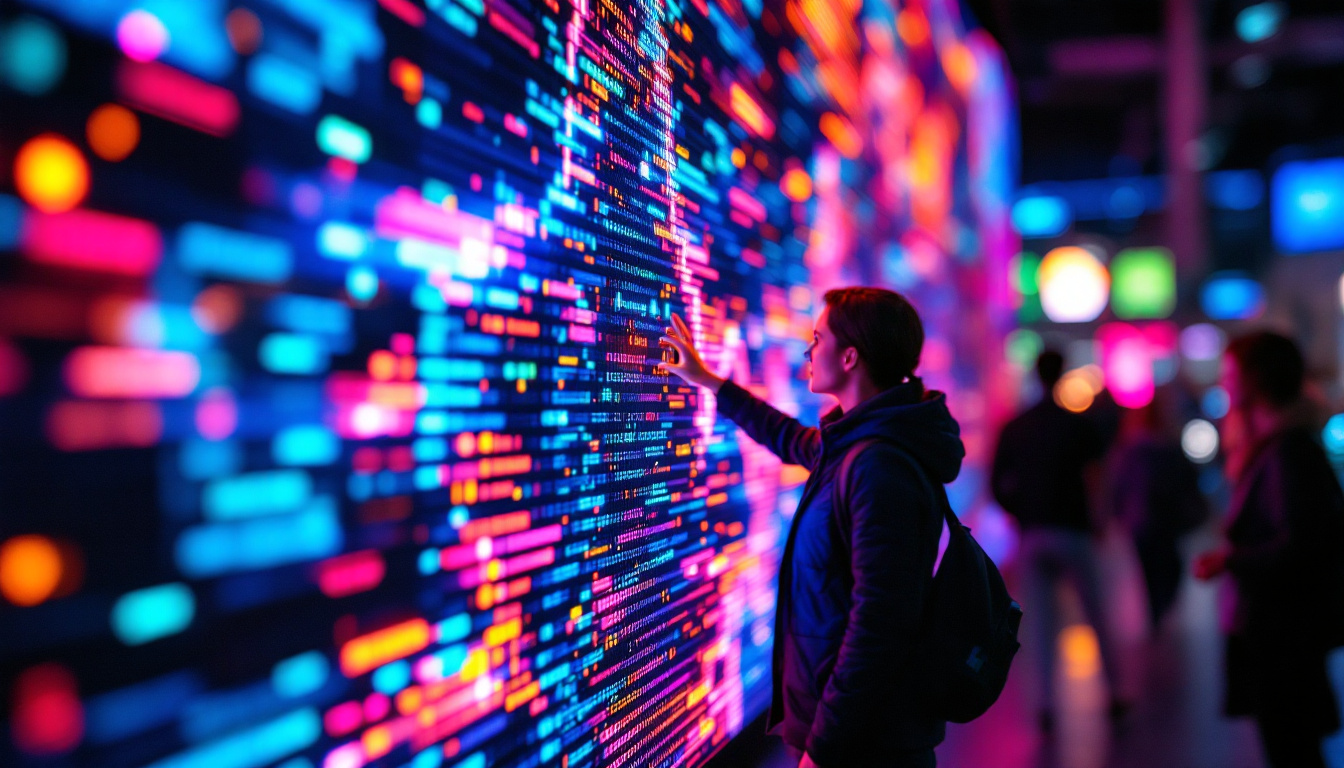
Integration with touch sensors, cameras, and AI-powered software is making LED displays more interactive and context-aware. Retailers use smart LED signage to personalize advertisements based on audience demographics, while corporate environments leverage interactive video walls for collaboration and data visualization.
Sustainability and Energy Management
With growing emphasis on sustainability, manufacturers are focusing on reducing the environmental impact of LED displays. Innovations include more energy-efficient drivers, recyclable materials, and intelligent power management systems that adjust brightness based on ambient light, minimizing energy consumption.
Conclusion
LED displays have transformed the way visual content is delivered across countless applications, offering unmatched brightness, versatility, and durability. Understanding the technology behind these displays, their practical uses, and key selection criteria empowers businesses and organizations to harness their full potential. As LED technology continues to evolve, the future promises even more immersive, interactive, and sustainable display solutions that will further redefine visual communication.
Discover the Future of Visual Communication with LumenMatrix
Ready to elevate your visual impact? Explore LumenMatrix’s innovative LED display solutions and join the forefront of digital signage technology. From vibrant Indoor and Outdoor LED Wall Displays to dynamic Vehicle and Sports LED Displays, LumenMatrix offers a comprehensive range of products designed to captivate and engage your audience. Whether you’re looking for a Custom LED Display, an All-in-One solution, or the transparency of LED Transparent Displays, LumenMatrix is your partner in creating unforgettable visual experiences. Check out LumenMatrix LED Display Solutions today and transform your brand’s visibility with cutting-edge technology.