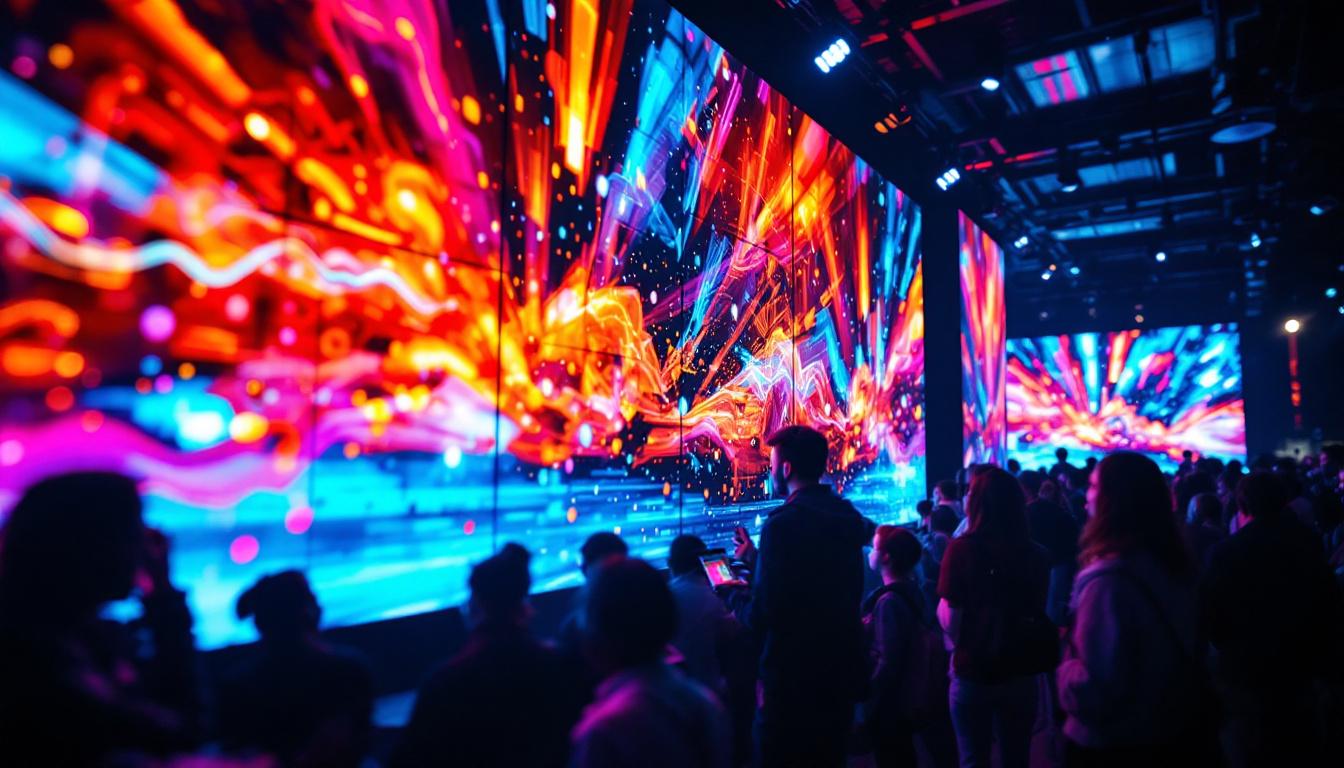
In the rapidly evolving world of digital video technology, LED displays have emerged as a dominant force, transforming how information, entertainment, and advertising are presented across various industries. From massive outdoor billboards to sleek indoor screens, LED displays offer unparalleled brightness, color accuracy, and versatility. This article delves into the fundamentals of LED display technology, its applications, and the innovations shaping its future.
Understanding LED Display Technology
What is an LED Display?
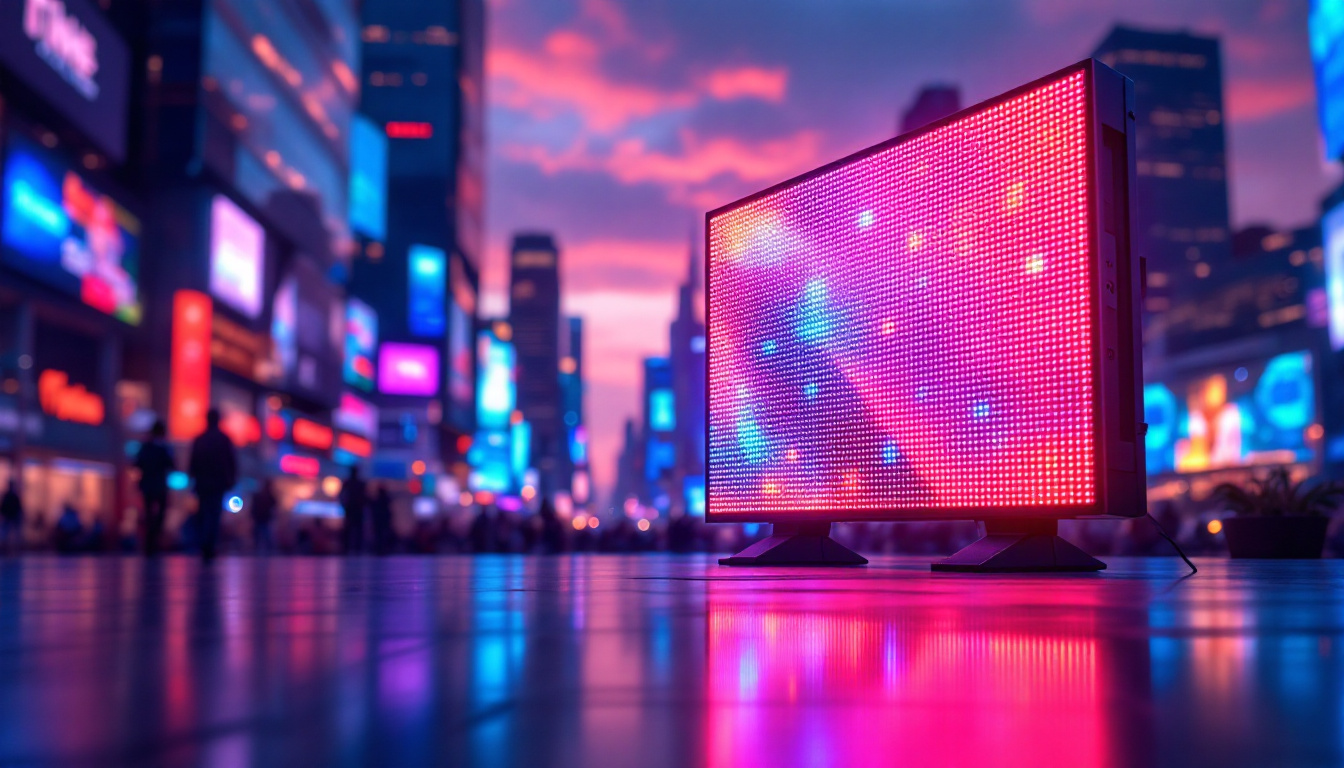
LED stands for Light Emitting Diode, a semiconductor device that emits light when an electric current passes through it. An LED display is a flat panel display that uses an array of these tiny LEDs as pixels to create images and videos. Unlike traditional LCD screens that rely on backlighting, LED displays generate their own light, resulting in higher brightness and contrast levels.
The core advantage of LED technology lies in its ability to produce vivid colors and deep blacks, making images appear more lifelike and engaging. These displays are composed of thousands to millions of individual LEDs, arranged in a grid pattern. Each LED can be controlled independently to emit different colors and intensities, allowing for dynamic content presentation. This flexibility is particularly beneficial in applications such as advertising, where eye-catching visuals are essential for attracting attention and conveying messages quickly.
Furthermore, LED displays are often more energy-efficient than their predecessors, which can lead to significant cost savings over time. The longevity of LED technology also means that these displays can operate for tens of thousands of hours without significant degradation in performance, making them a reliable choice for both temporary installations and permanent fixtures.
Types of LED Displays
LED displays can be broadly categorized into two types: Direct View LED (DV-LED) and LED-backlit LCD.
- Direct View LED (DV-LED): In this type, the LEDs themselves form the pixels of the display. This technology is commonly used in large-scale outdoor screens, stadium displays, and digital billboards. DV-LED displays are known for their high brightness, durability, and ability to be viewed clearly even in direct sunlight. Their modular design allows for easy customization in size and shape, making them ideal for unique architectural applications or large event settings.
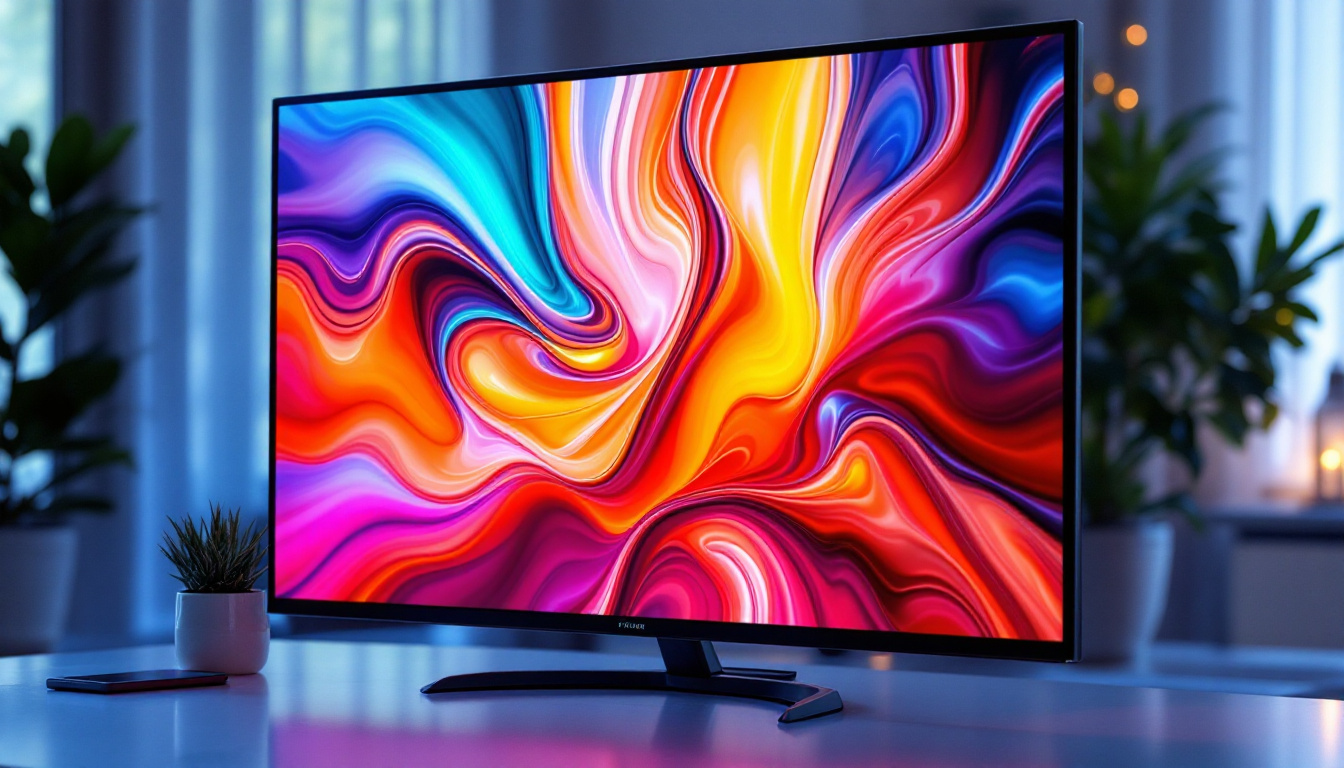
- LED-backlit LCD: These displays use LEDs as a backlight source behind an LCD panel. While the LCD controls the image, the LEDs provide enhanced brightness and energy efficiency compared to older CCFL backlights. This technology is prevalent in consumer televisions, computer monitors, and smartphones. The combination of LED backlighting with advanced LCD technology has led to thinner, lighter displays that maintain high image quality, catering to the demands of modern consumers.
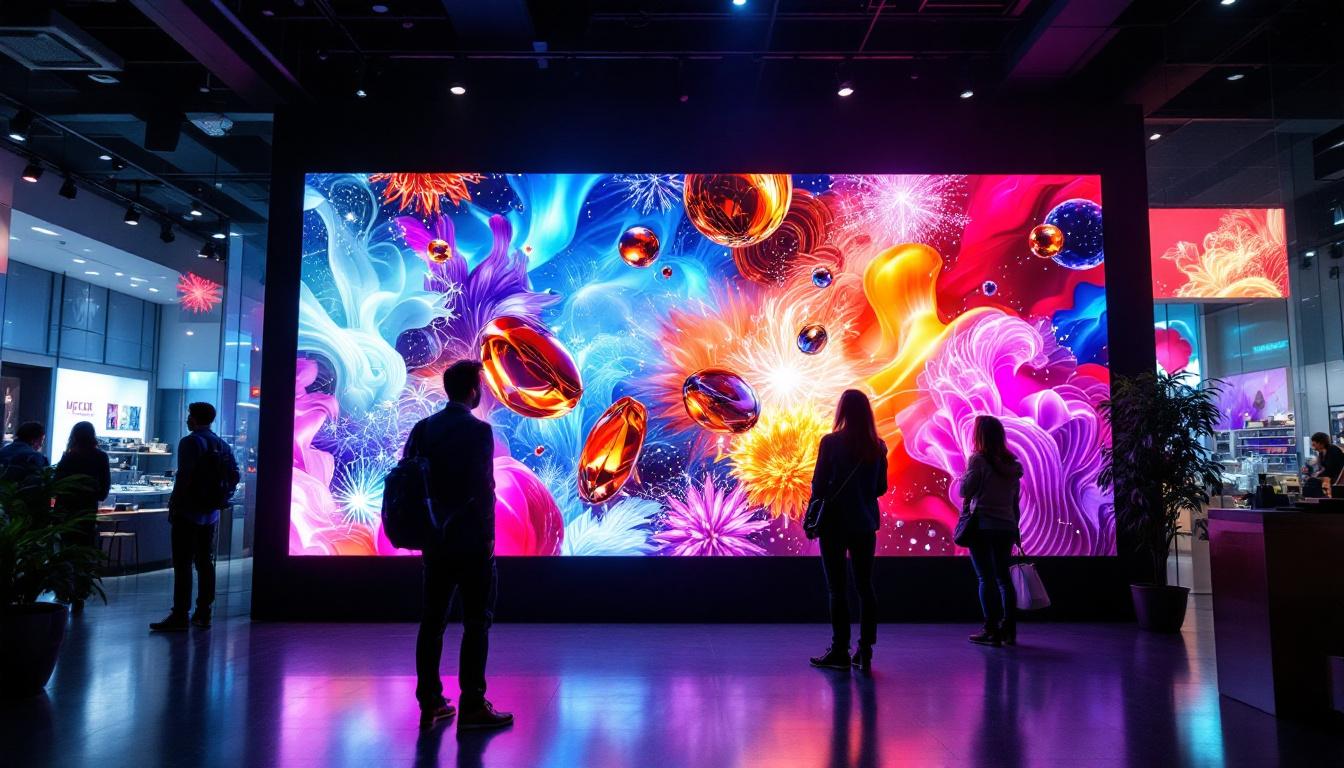
For digital video systems, especially in commercial and public spaces, DV-LED displays are the preferred choice due to their superior visibility and scalability. Their ability to be configured in various shapes and sizes allows businesses to create immersive environments, such as video walls in retail stores or stunning visual displays at concerts and events. Additionally, the advancements in LED technology have led to the development of features like high refresh rates and improved color accuracy, further enhancing the viewing experience for audiences.
Key Components and How They Work
LED Pixels and Subpixels
Each pixel in an LED display is made up of three subpixels: red, green, and blue (RGB). By varying the intensity of these subpixels, the display can produce a wide spectrum of colors. This RGB model is fundamental to digital imaging and is the basis for the vibrant visuals seen on LED screens.
Modern LED displays often use surface-mounted device (SMD) LEDs, which integrate all three subpixels into a single package. This design allows for higher pixel density, resulting in sharper images and smoother gradients.
Pixel Pitch and Resolution
Pixel pitch refers to the distance between the centers of two adjacent pixels, typically measured in millimeters. It is a critical factor that determines the resolution and viewing distance of an LED display. A smaller pixel pitch means more pixels per unit area, leading to higher resolution and finer image detail.
For example, a 1.5mm pixel pitch display is ideal for indoor environments where viewers are close to the screen, such as conference rooms or retail stores. Conversely, a 10mm or larger pixel pitch is suitable for outdoor billboards viewed from a distance.
Driving Electronics and Control Systems
Behind the vibrant visuals of an LED display lies a complex system of driving electronics. These include LED drivers, controllers, and processors that regulate the current and voltage supplied to each LED, ensuring consistent brightness and color accuracy.
Modern digital video systems employ sophisticated control software that manages content playback, synchronization, and real-time adjustments. These systems can handle high-definition video streams, interactive content, and even integrate with sensors for dynamic display behavior.
Applications of LED Displays in Digital Video Systems
Outdoor Advertising and Digital Billboards
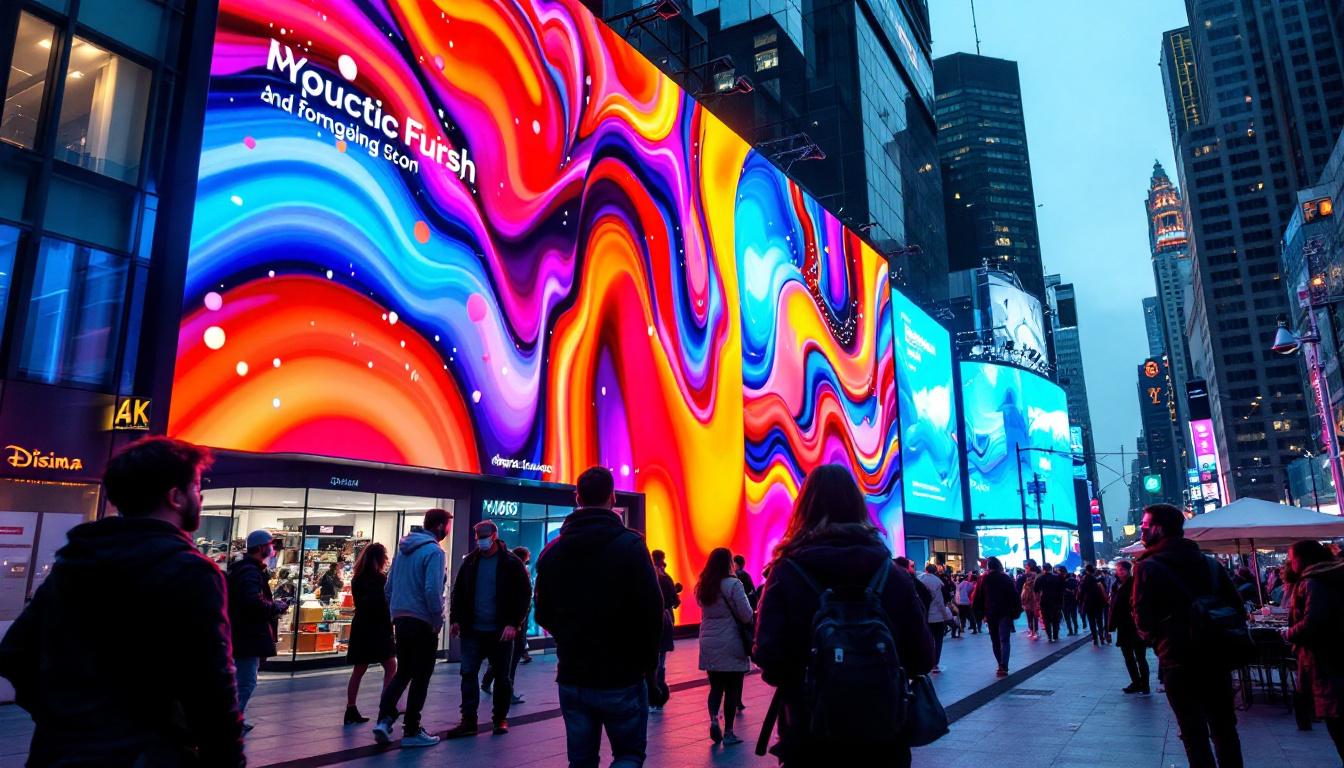
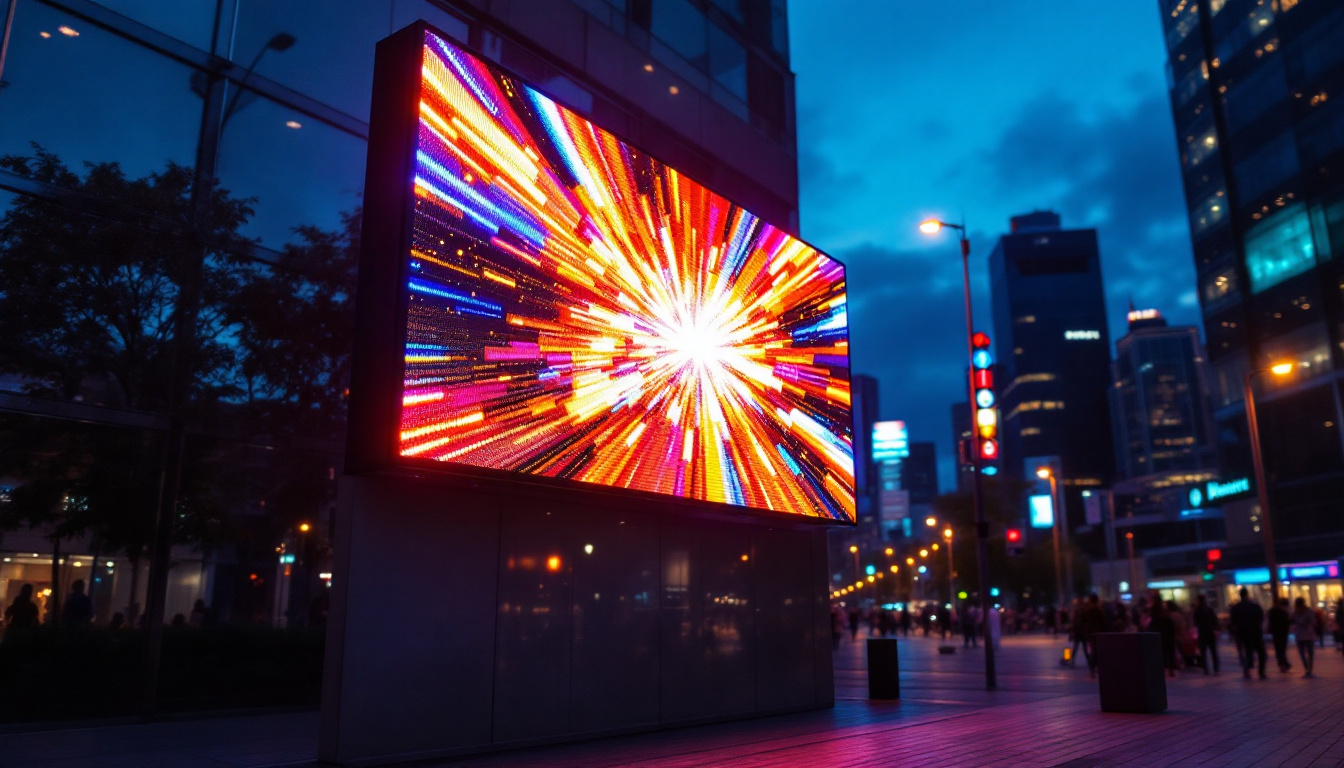
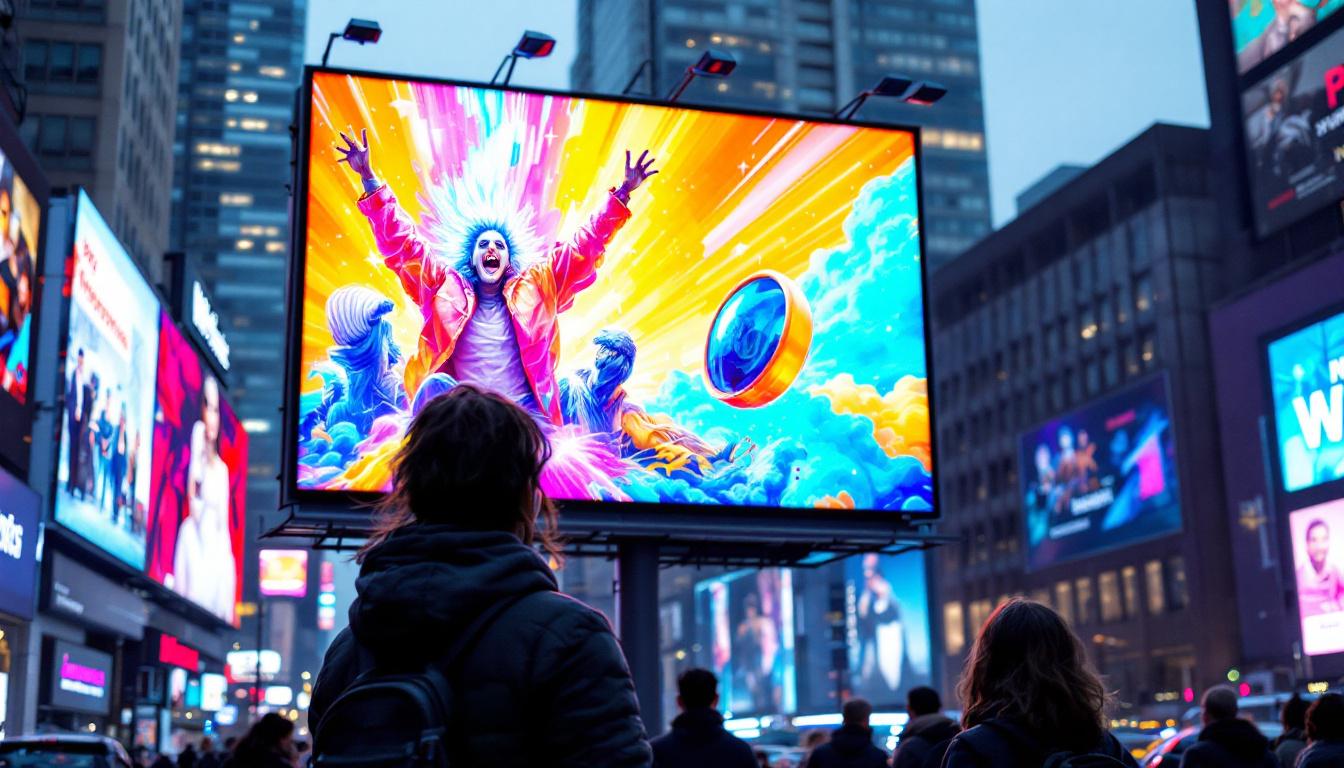
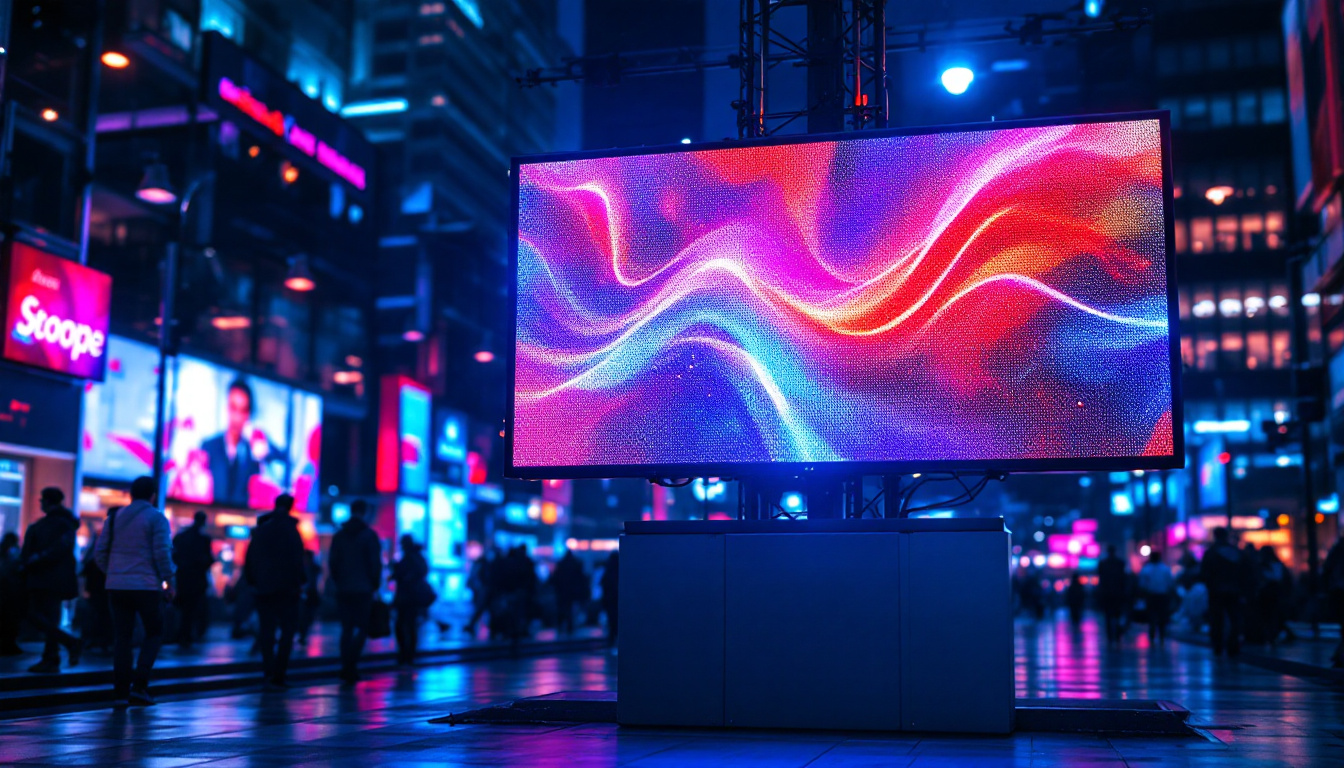
One of the most visible applications of LED displays is in outdoor advertising. Digital billboards equipped with LED technology have revolutionized the advertising industry by enabling dynamic, eye-catching content that can be updated remotely and instantly.
According to recent market research, the global digital billboard market is expected to grow at a compound annual growth rate (CAGR) of over 7% through 2028. This growth is driven by the increasing demand for targeted advertising and the superior visibility of LED displays in various weather conditions.
Entertainment and Events
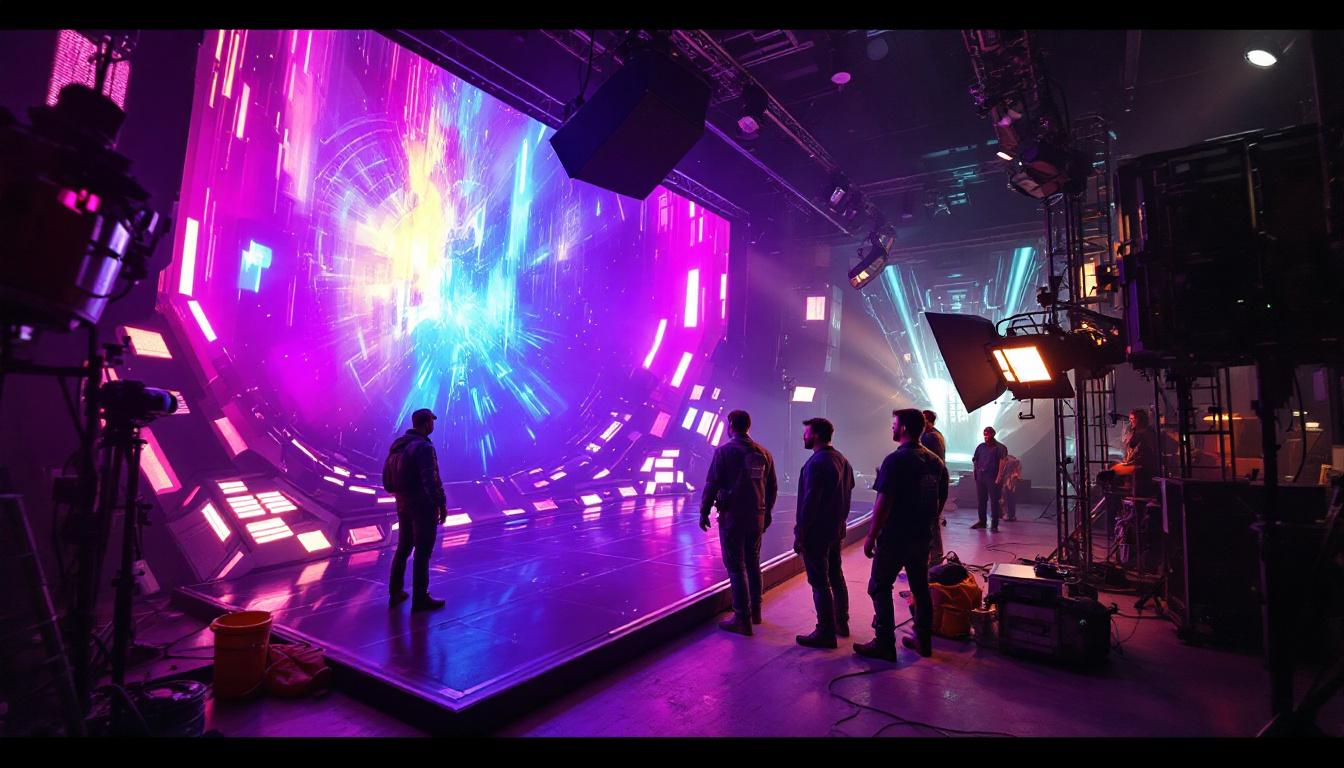
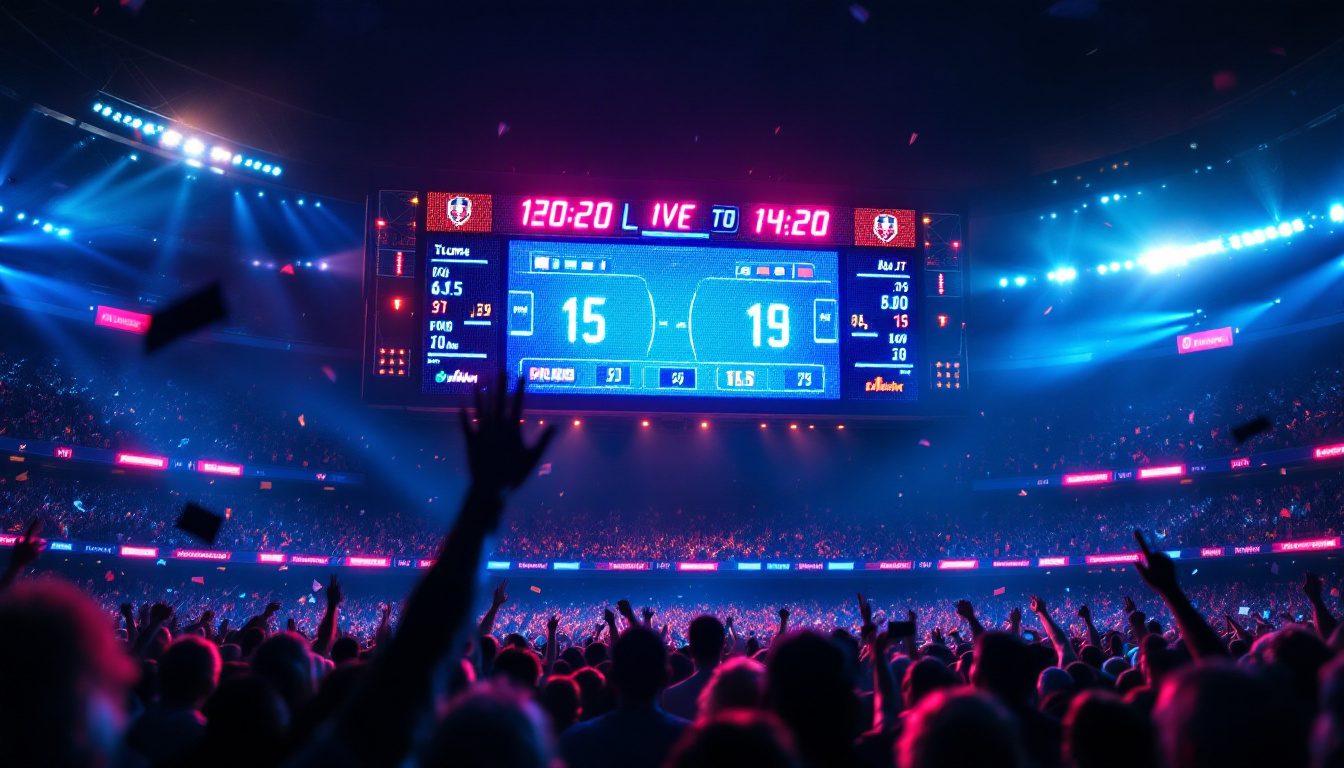
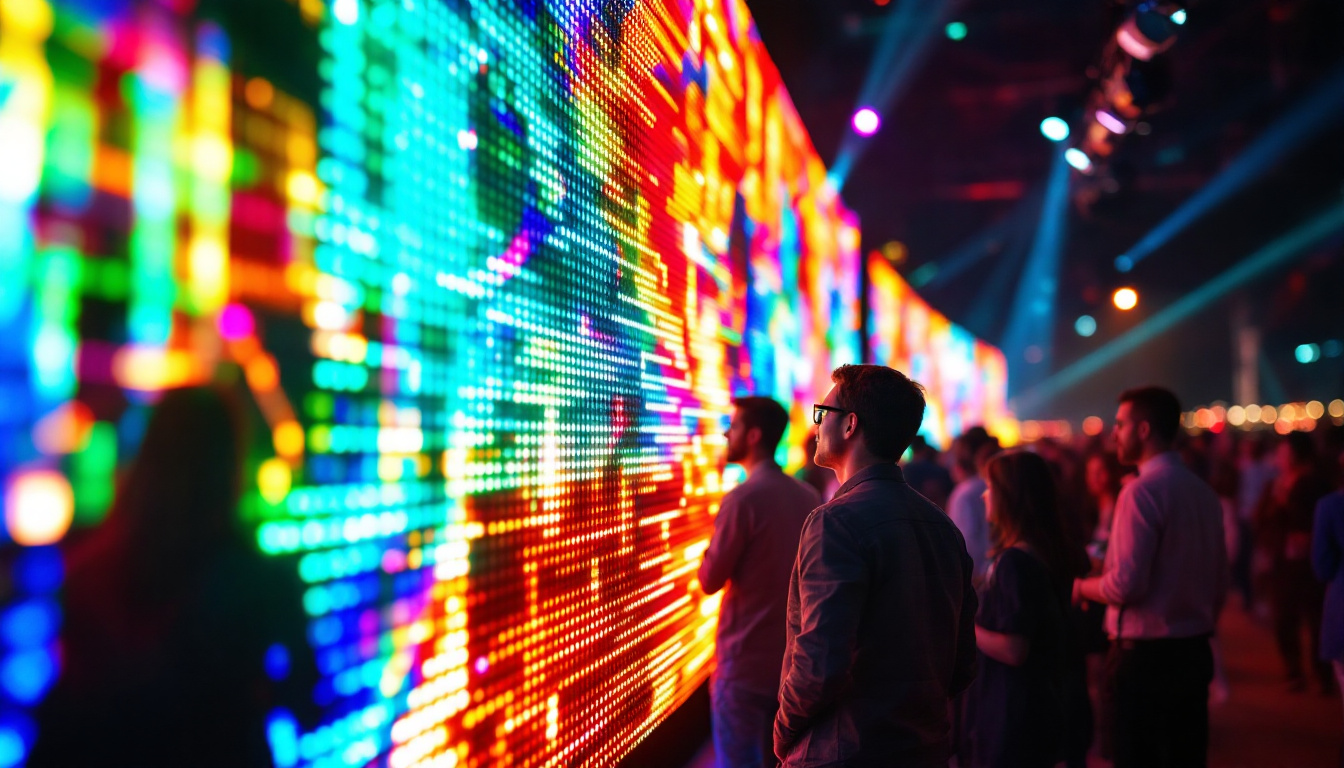
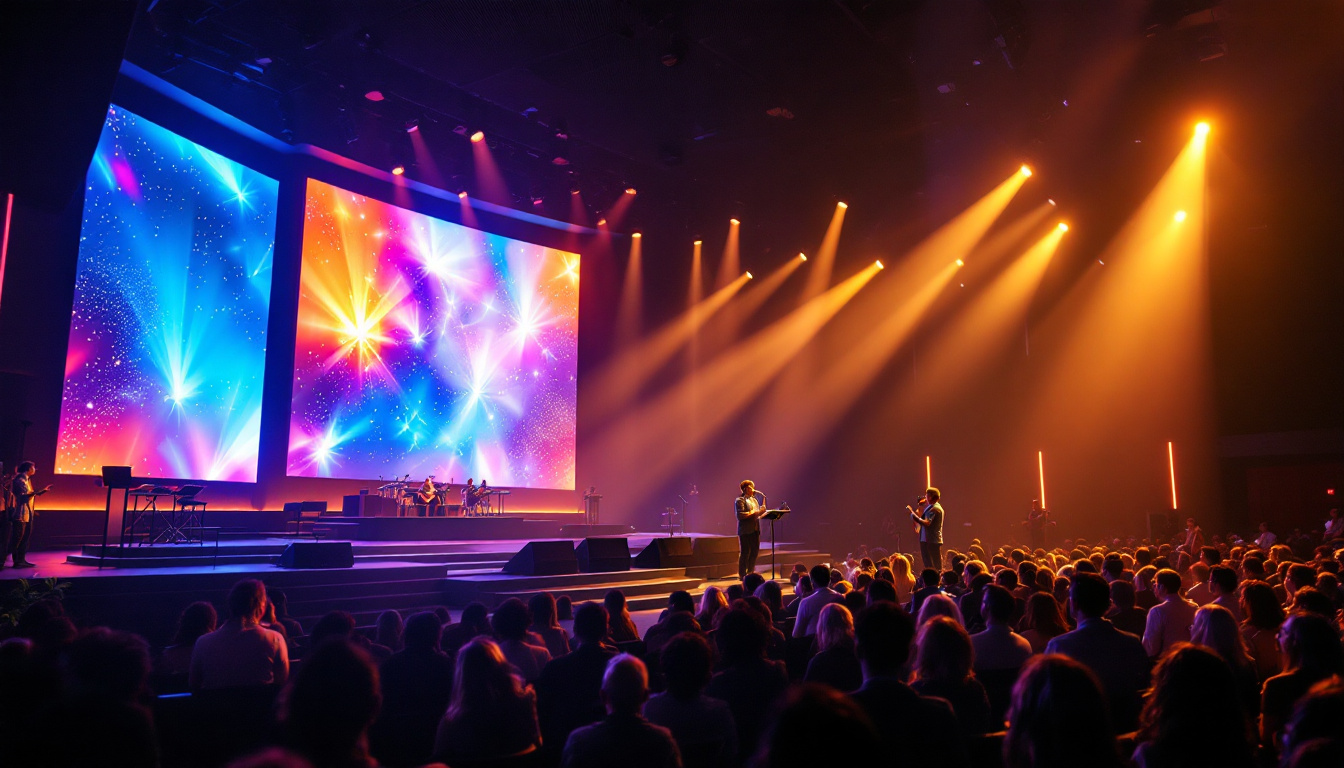
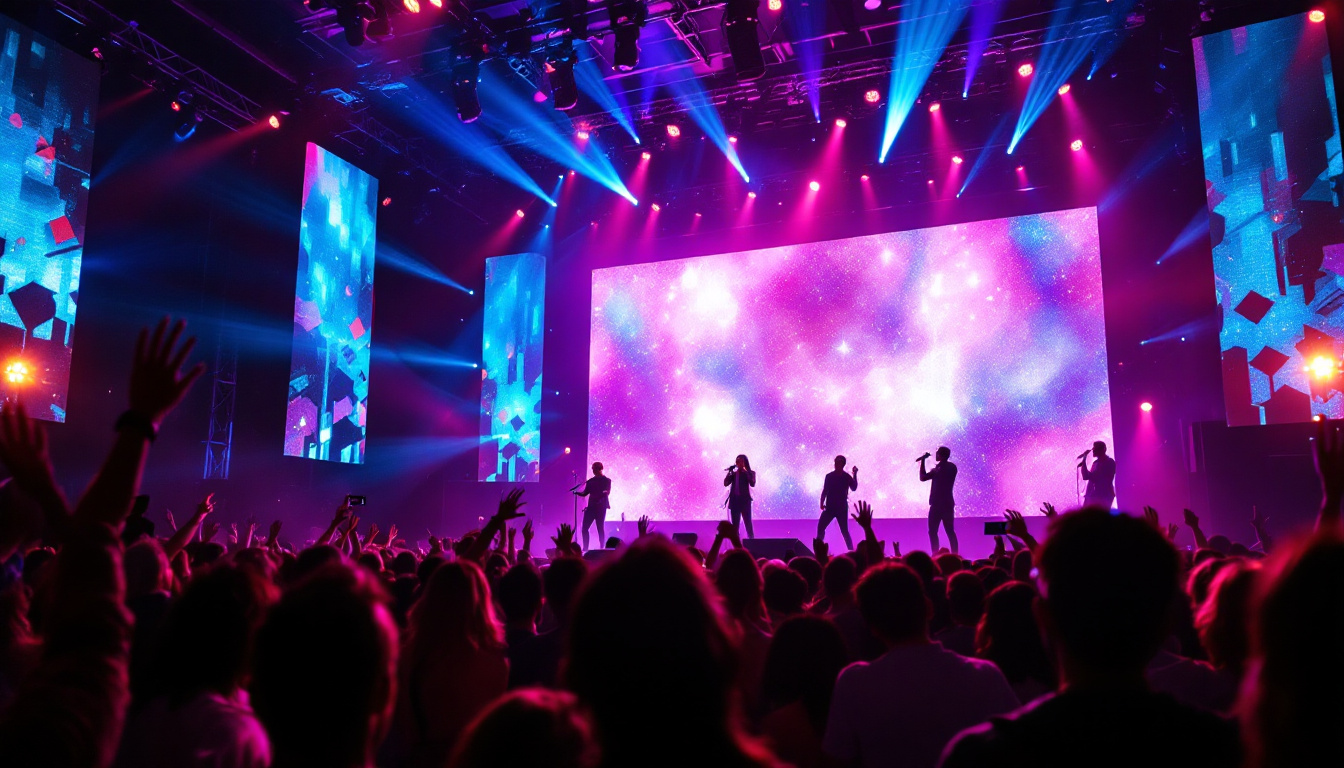
LED displays are integral to concerts, sports arenas, and live events, providing immersive visual experiences for audiences. Large LED video walls can span entire stages or stadiums, displaying high-resolution video, graphics, and live feeds.
The flexibility of LED panels allows for creative configurations, such as curved or irregular shapes, enhancing the aesthetic appeal and engagement. Additionally, the high refresh rates of LED displays make them ideal for fast-paced video content without motion blur.
Retail and Corporate Environments
In retail settings, LED displays serve as digital signage to attract customers, showcase products, and communicate promotions. Their brightness and color fidelity make them effective even in brightly lit stores.
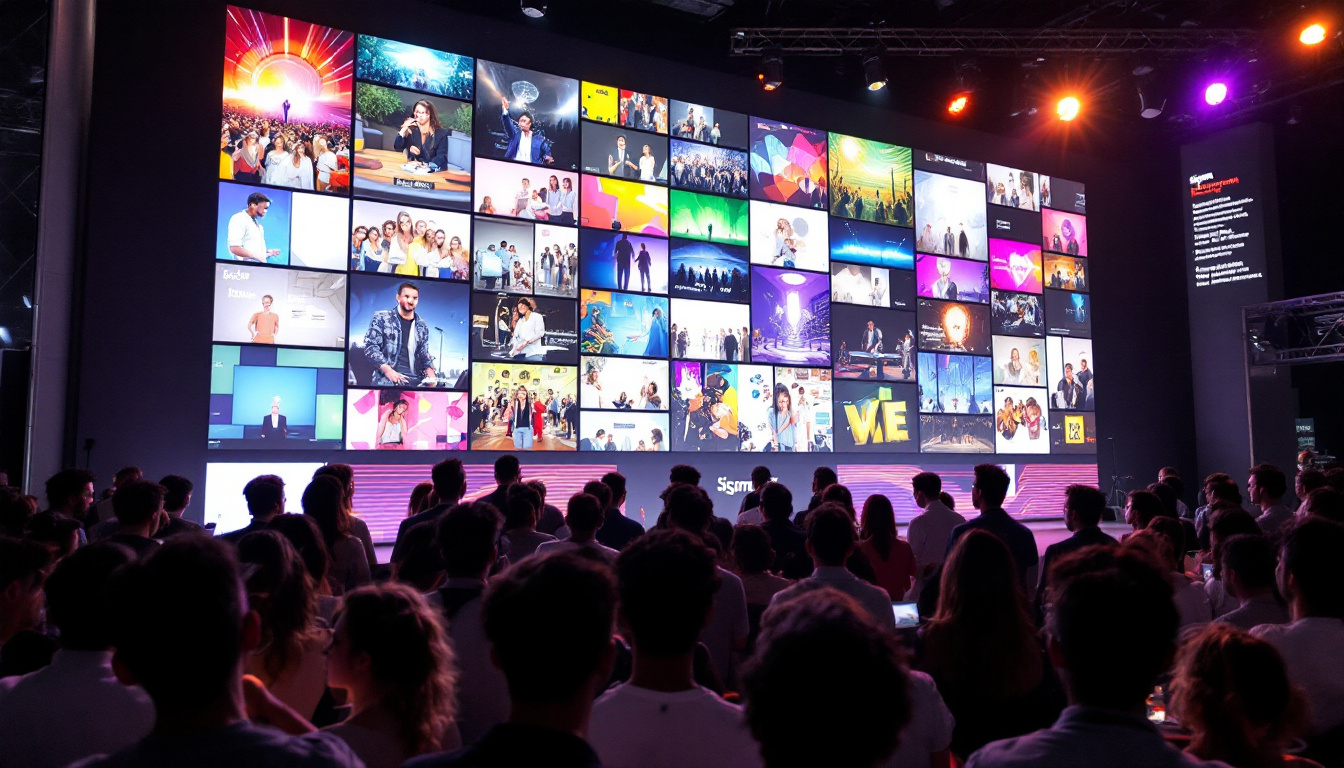
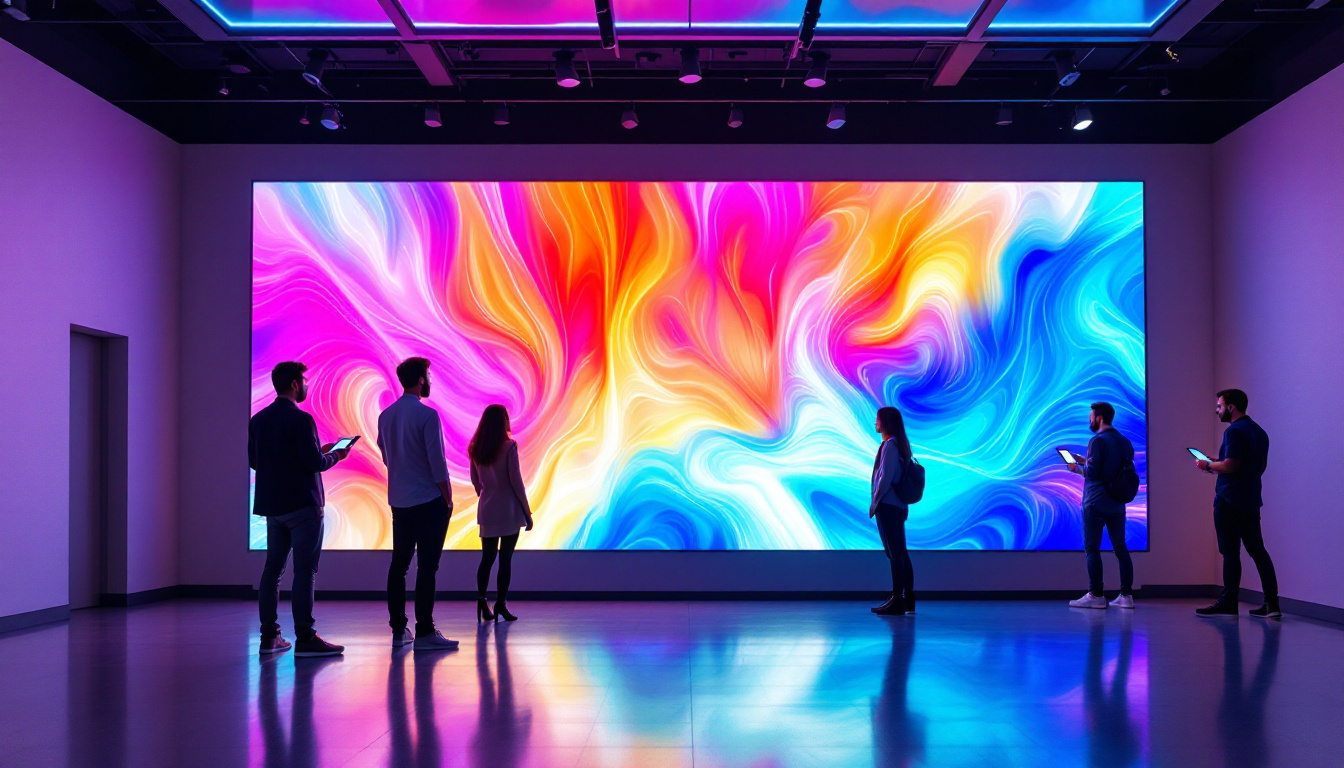
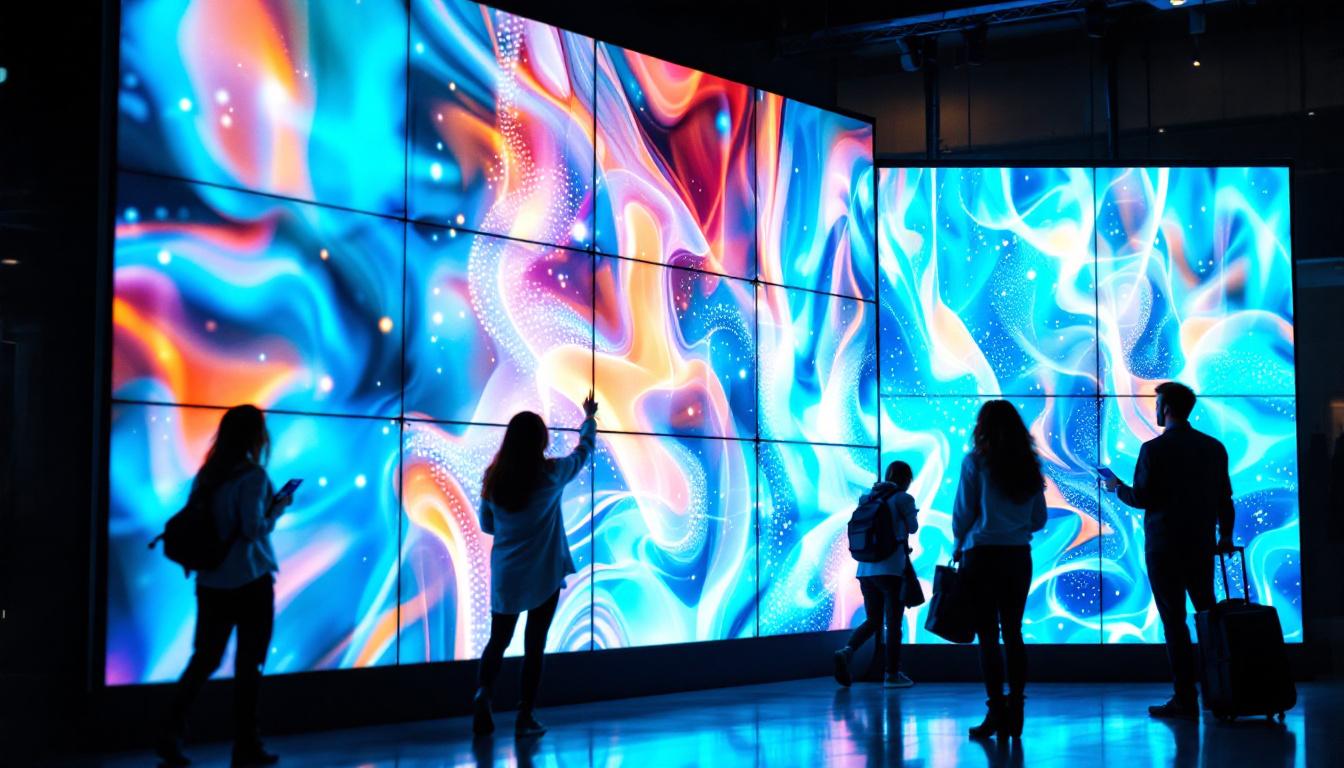
Corporate offices use LED video walls for presentations, video conferencing, and data visualization. The scalability of LED displays means they can be tailored to fit various room sizes and purposes, from small meeting rooms to large auditoriums.
Advantages of LED Displays Over Other Technologies
Brightness and Visibility
LED displays excel in brightness, often reaching levels of 1,000 to 5,000 nits or more, which is significantly higher than typical LCD or OLED screens. This makes them highly visible in direct sunlight and outdoor environments where glare can be an issue.
Energy Efficiency and Longevity
LED technology is more energy-efficient compared to traditional lighting and display systems. LEDs consume less power and generate less heat, contributing to lower operational costs and environmental impact.
Moreover, LED displays have a longer lifespan, often exceeding 100,000 hours of operation. This durability reduces maintenance needs and total cost of ownership, making them a cost-effective solution for long-term installations.
Design Flexibility and Scalability
LED panels are modular, allowing for custom sizes and shapes. This flexibility enables designers to create unique display configurations that suit specific architectural or branding requirements.
Scalability also means that LED displays can be expanded or reconfigured as needed, supporting evolving business needs without complete replacement.
Challenges and Considerations in LED Display Deployment
Initial Investment and Installation
While LED displays offer many benefits, the initial cost can be significant, especially for high-resolution or large-scale installations. Budgeting for quality components, professional installation, and integration with existing systems is essential.
Proper installation is critical to ensure optimal performance, including considerations for ventilation, weatherproofing (for outdoor displays), and structural support.
Content Management and Calibration
Effective use of LED displays requires robust content management systems (CMS) to schedule, update, and optimize displayed content. Without proper management, the impact of the display can be diminished.
Calibration is also vital to maintain color accuracy and uniform brightness across the entire display surface. Regular maintenance and software updates help preserve image quality over time.
Environmental and Regulatory Factors
Outdoor LED displays must comply with local regulations regarding brightness levels, light pollution, and safety. Additionally, environmental factors such as temperature extremes, moisture, and dust can affect performance and longevity.
Choosing displays with appropriate ingress protection (IP) ratings and ruggedized components can mitigate these risks.
The Future of LED Displays in Digital Video Systems
MicroLED and MiniLED Innovations
Emerging technologies like MicroLED and MiniLED promise to push the boundaries of LED displays further. MicroLEDs are microscopic LEDs that offer even higher resolution, better contrast, and lower power consumption than current LED displays.
These advancements could lead to thinner, more flexible screens with unprecedented image quality, suitable for everything from smartphones to large-scale video walls.
Integration with Smart Technologies
LED displays are increasingly integrated with Internet of Things (IoT) devices, AI-driven content optimization, and interactive sensors. This integration enables personalized content delivery, real-time analytics, and enhanced user engagement.
For example, smart LED displays in retail can adjust content based on customer demographics or environmental conditions, maximizing marketing effectiveness.
Sustainability and Eco-Friendly Designs
As sustainability becomes a priority, manufacturers are focusing on eco-friendly materials, energy-efficient designs, and recycling programs for LED displays. Innovations in power management and biodegradable components are expected to reduce the environmental footprint of digital video systems.
Conclusion
LED display technology has revolutionized digital video systems by offering unmatched brightness, color accuracy, and versatility. Its applications span advertising, entertainment, retail, and corporate environments, making it an indispensable tool for modern communication and engagement.
While challenges such as initial investment and environmental considerations exist, ongoing innovations in MicroLED technology, smart integration, and sustainability are set to enhance the capabilities and accessibility of LED displays even further. For businesses and organizations looking to make a lasting visual impact, understanding and leveraging LED display technology is essential in today’s digital landscape.
Explore Cutting-Edge LED Display Solutions with LumenMatrix
Ready to elevate your digital video systems with the latest in LED technology? LumenMatrix is at the forefront of innovation, offering a diverse range of LED display solutions tailored to your needs. Whether you’re looking to captivate shoppers with an Indoor LED Wall Display, make a bold statement with an Outdoor LED Wall Display, or engage fans with a dynamic LED Sports Display, LumenMatrix has the expertise to bring your vision to life. Our mission is to transform visual communication, ensuring your message resonates with brilliance and clarity. Don’t miss the opportunity to enhance your brand’s visibility and create immersive experiences. Check out LumenMatrix LED Display Solutions today and join the revolution in digital display technology.