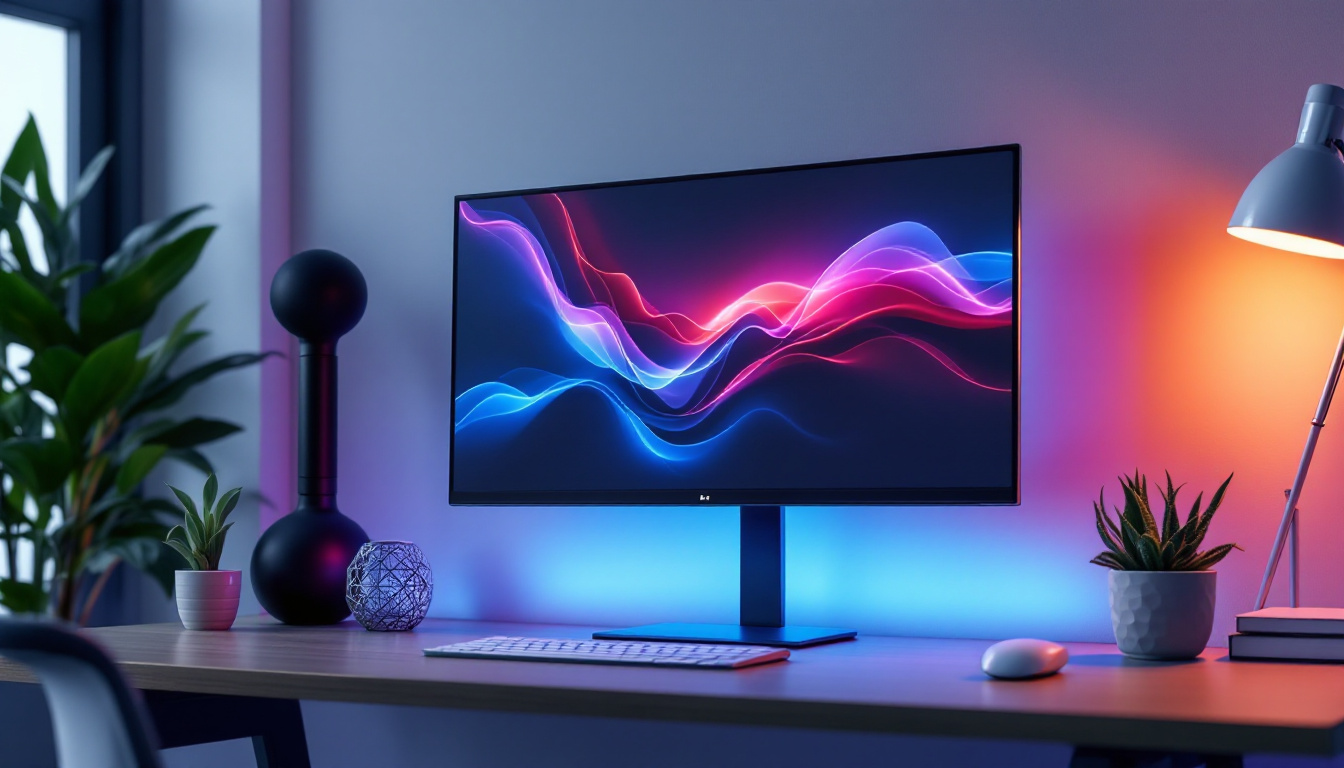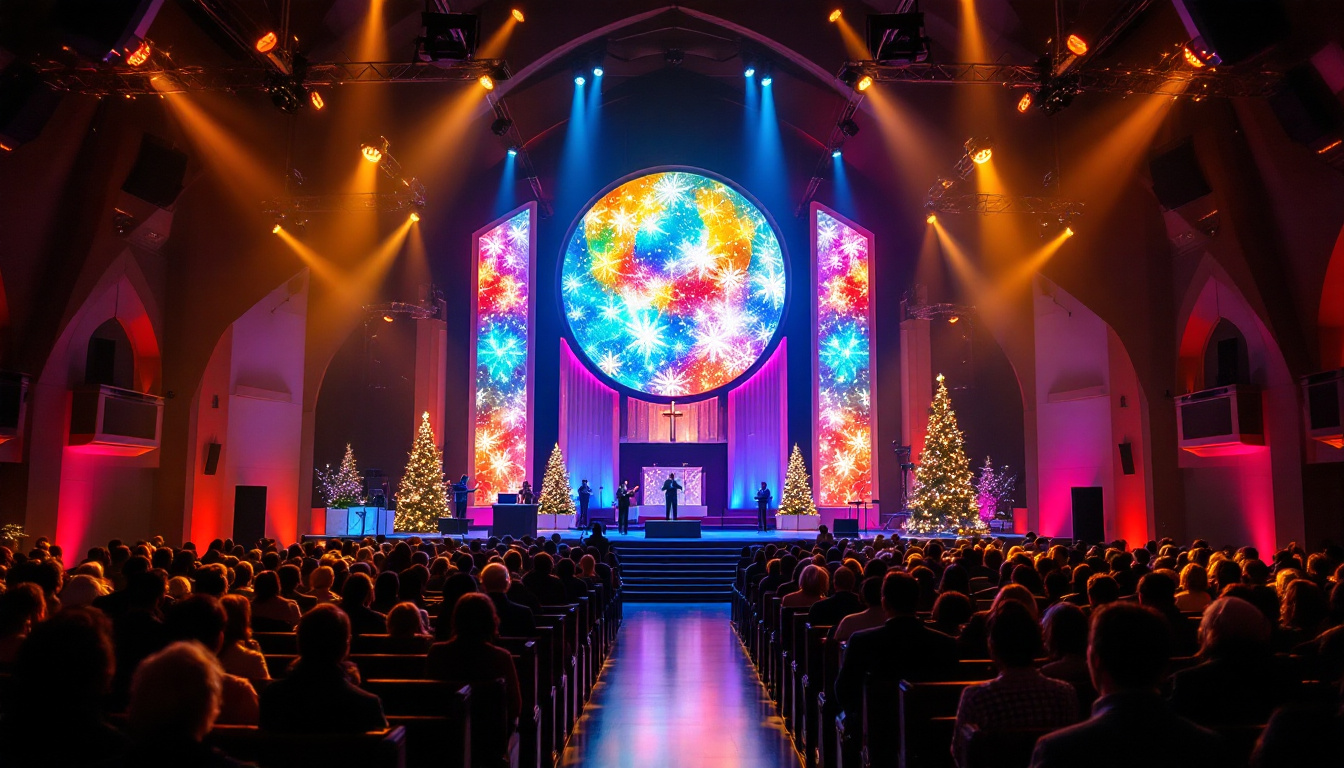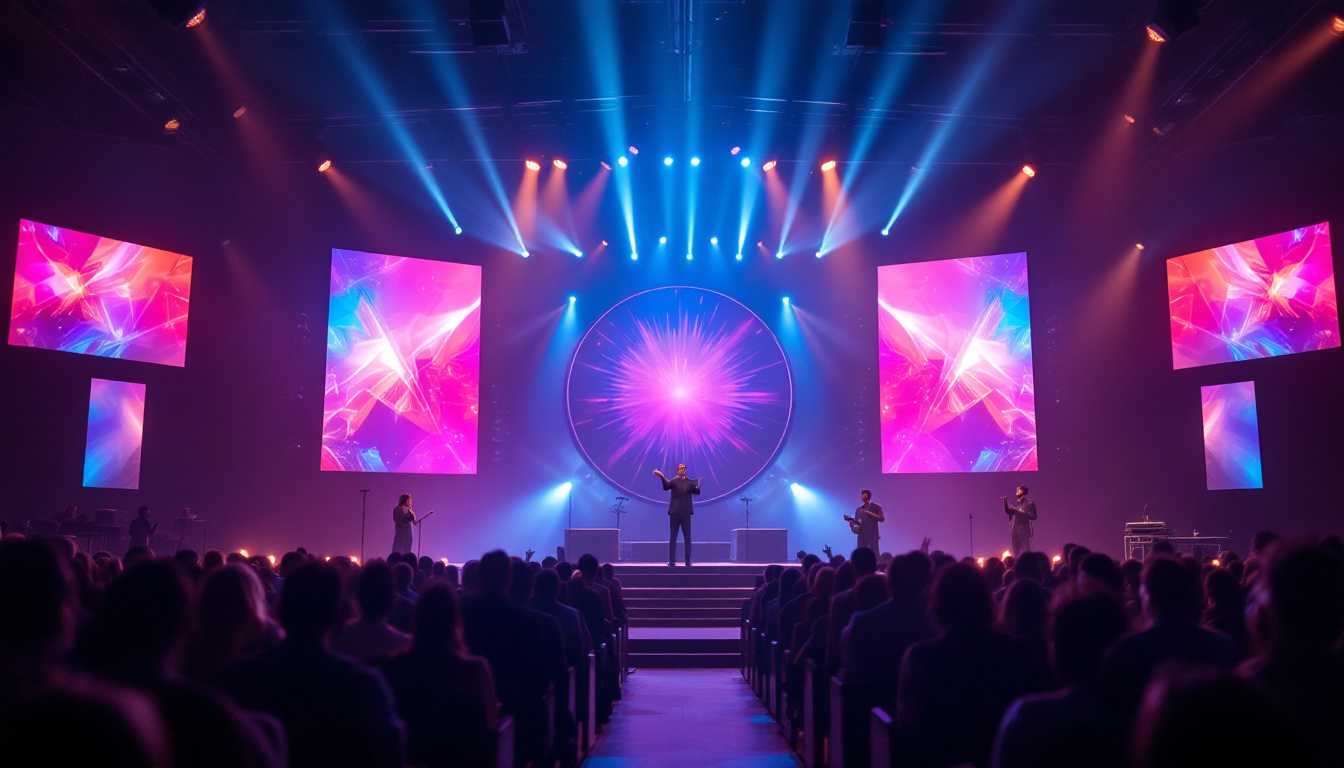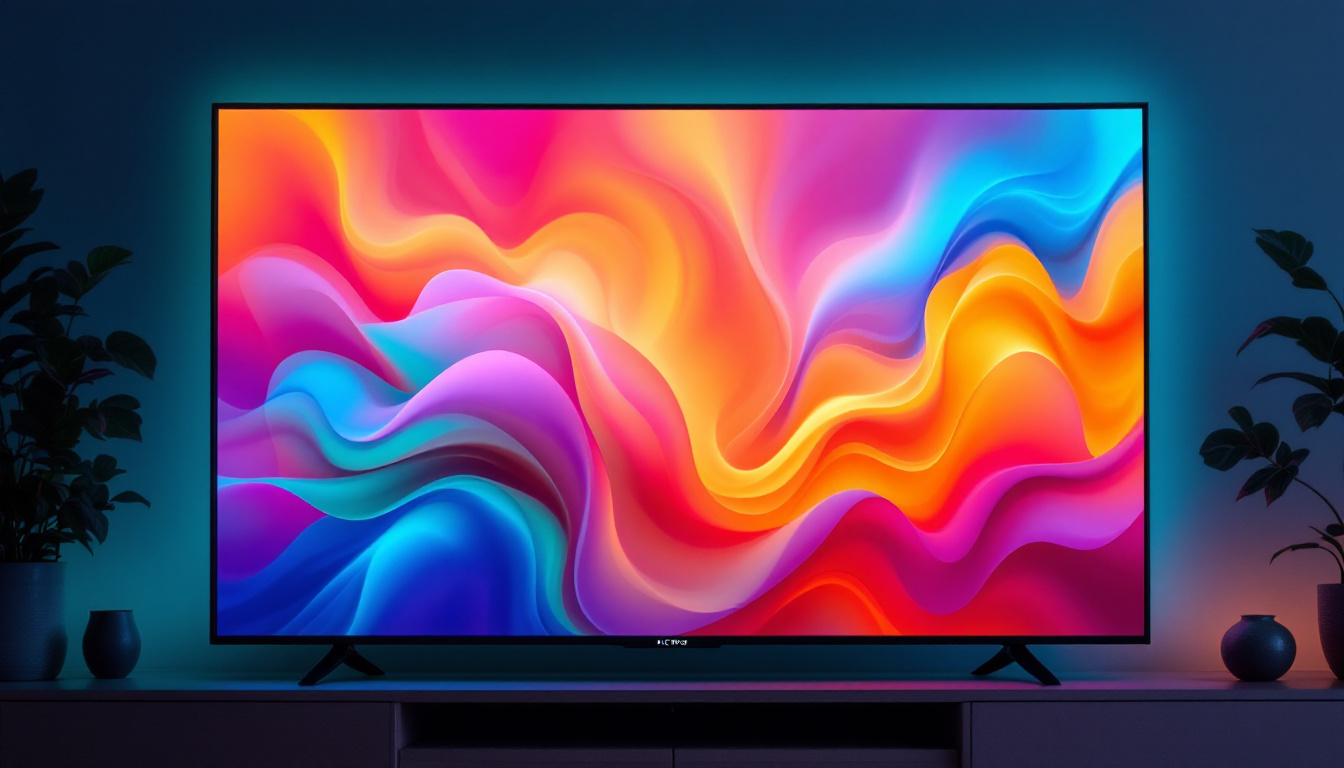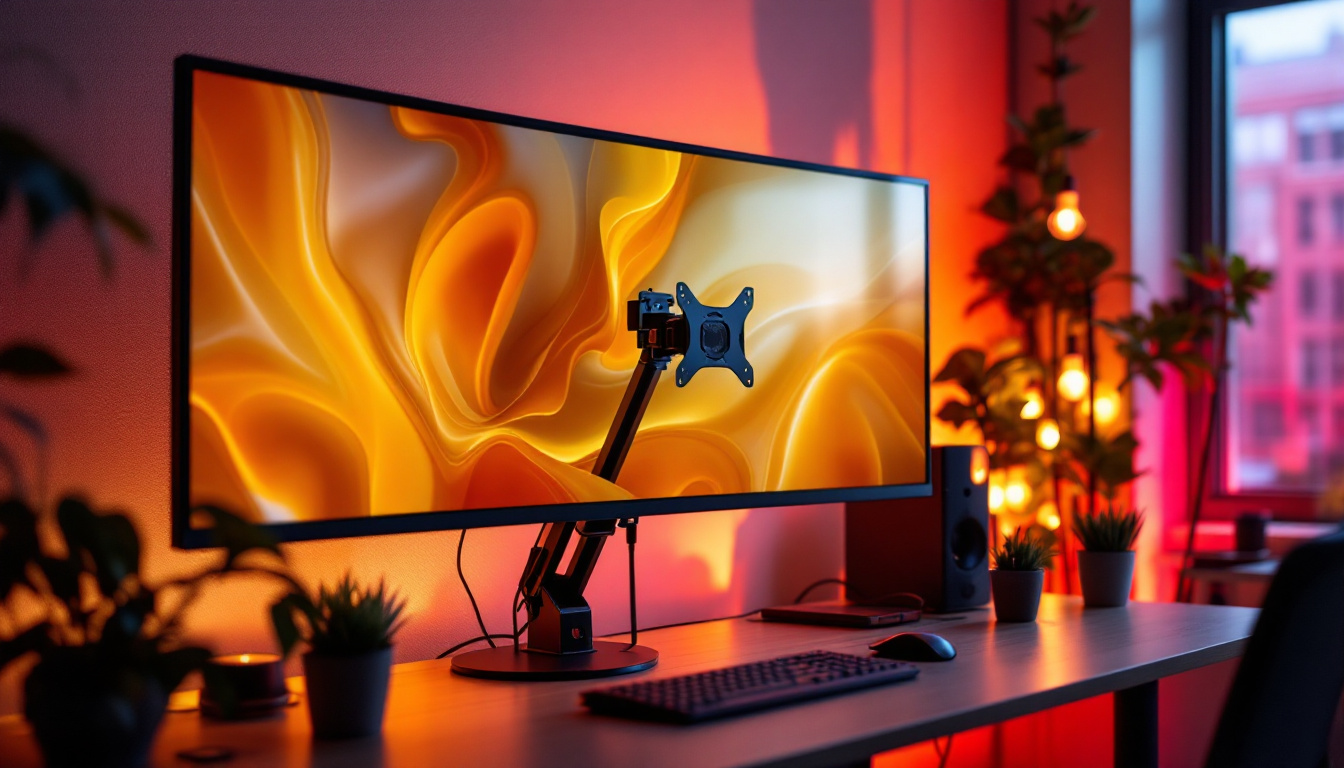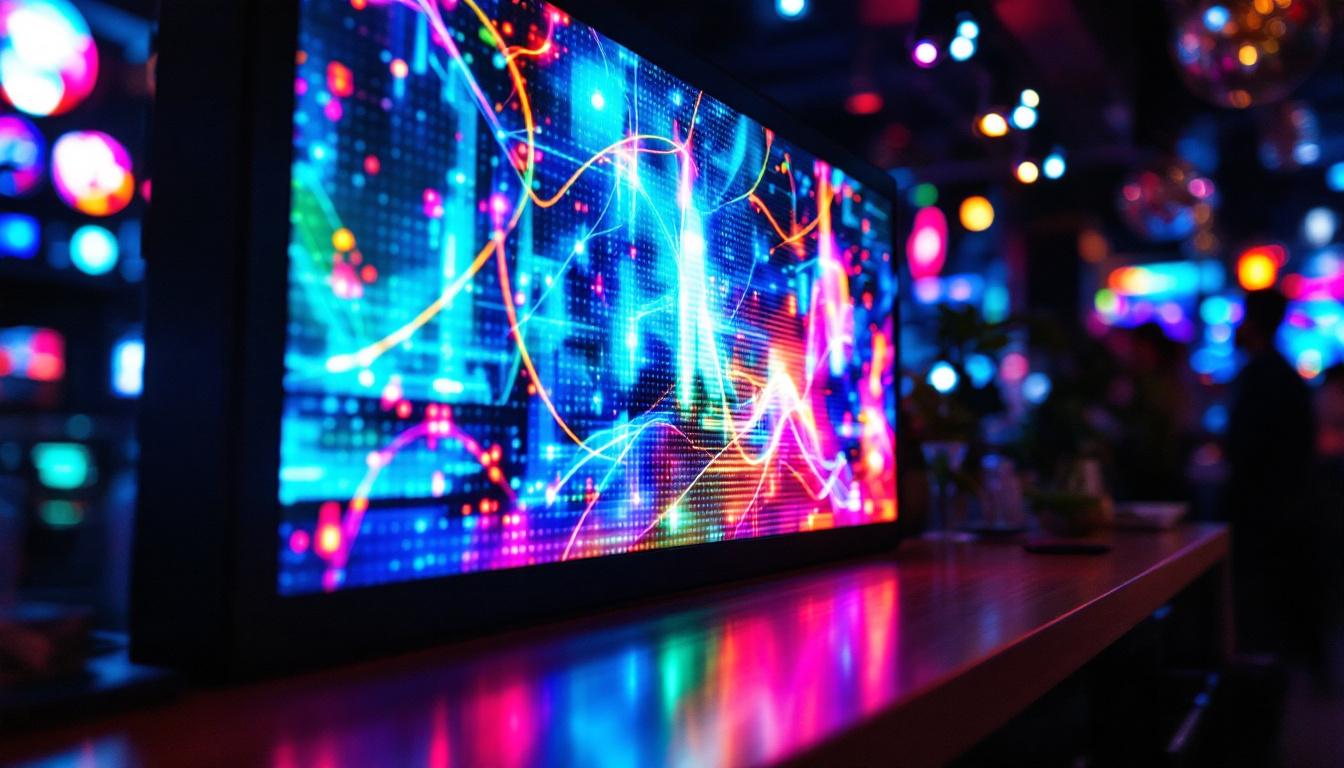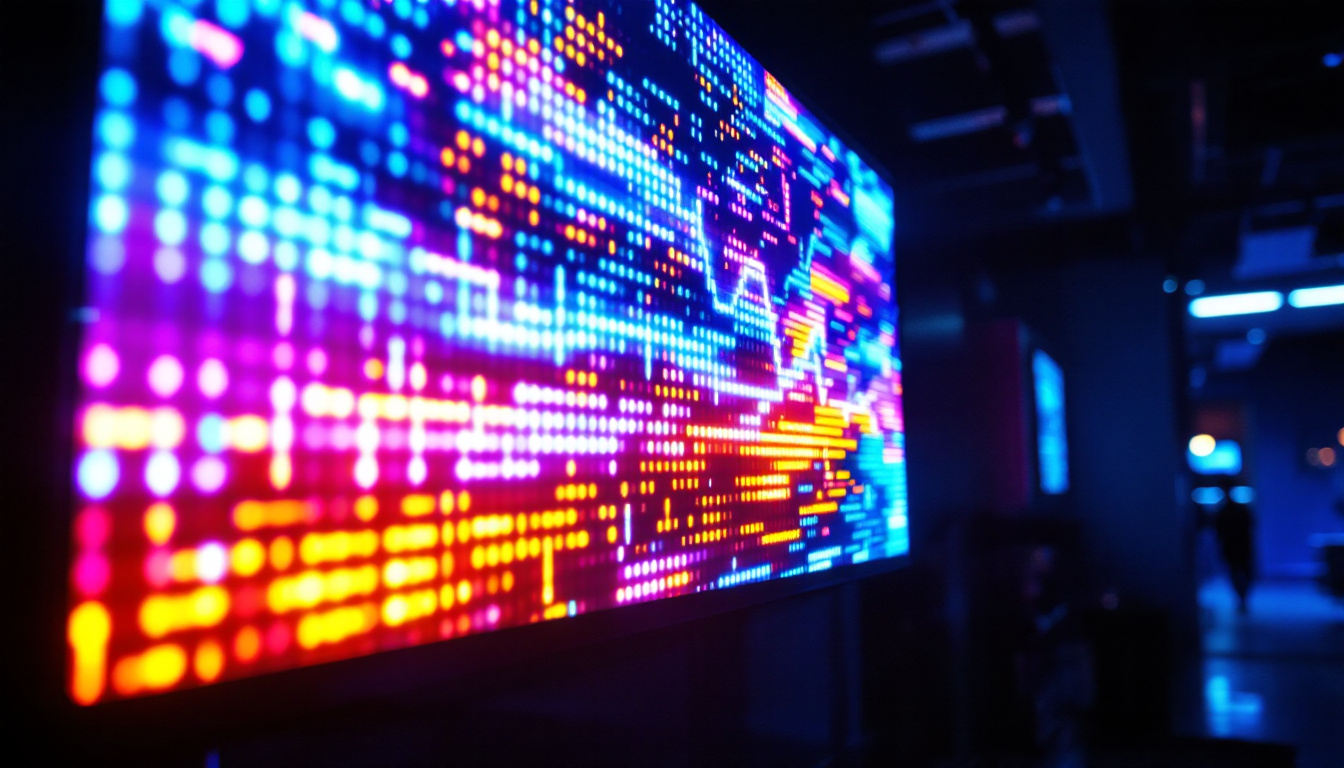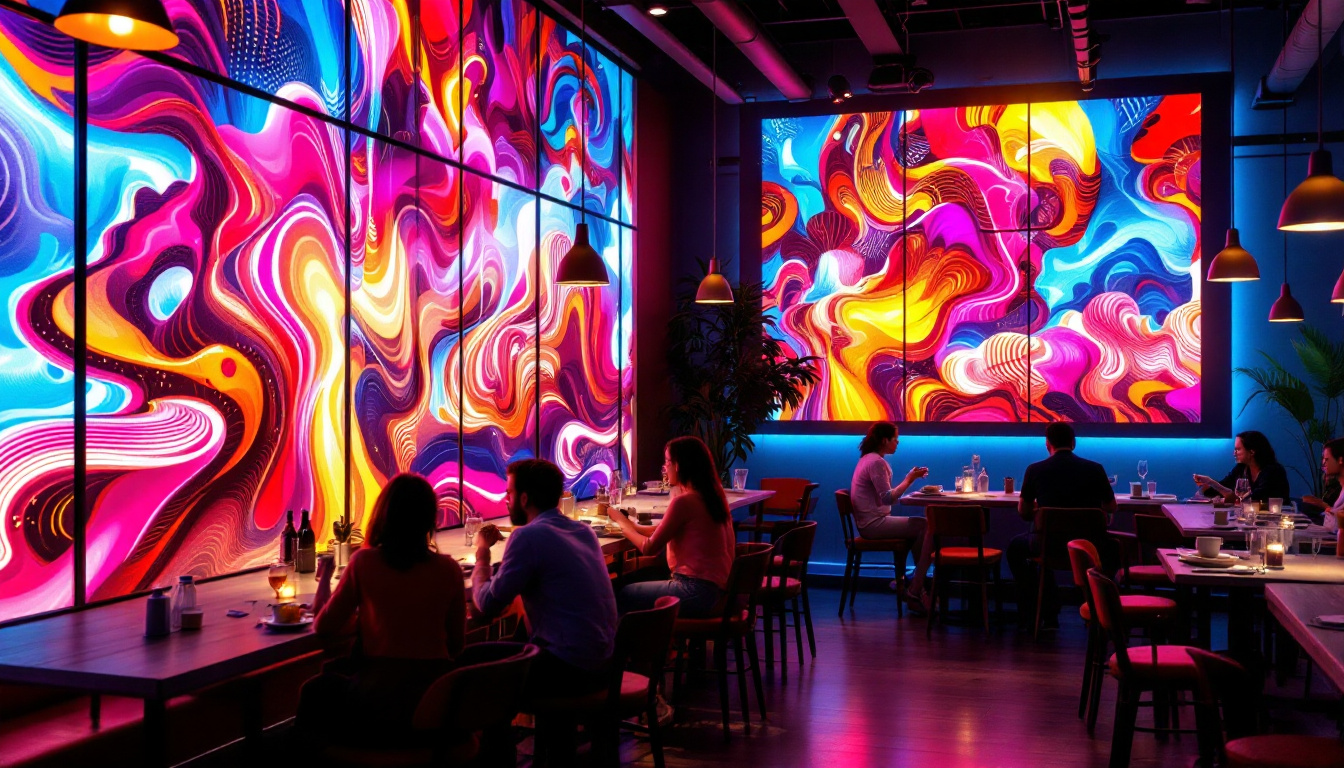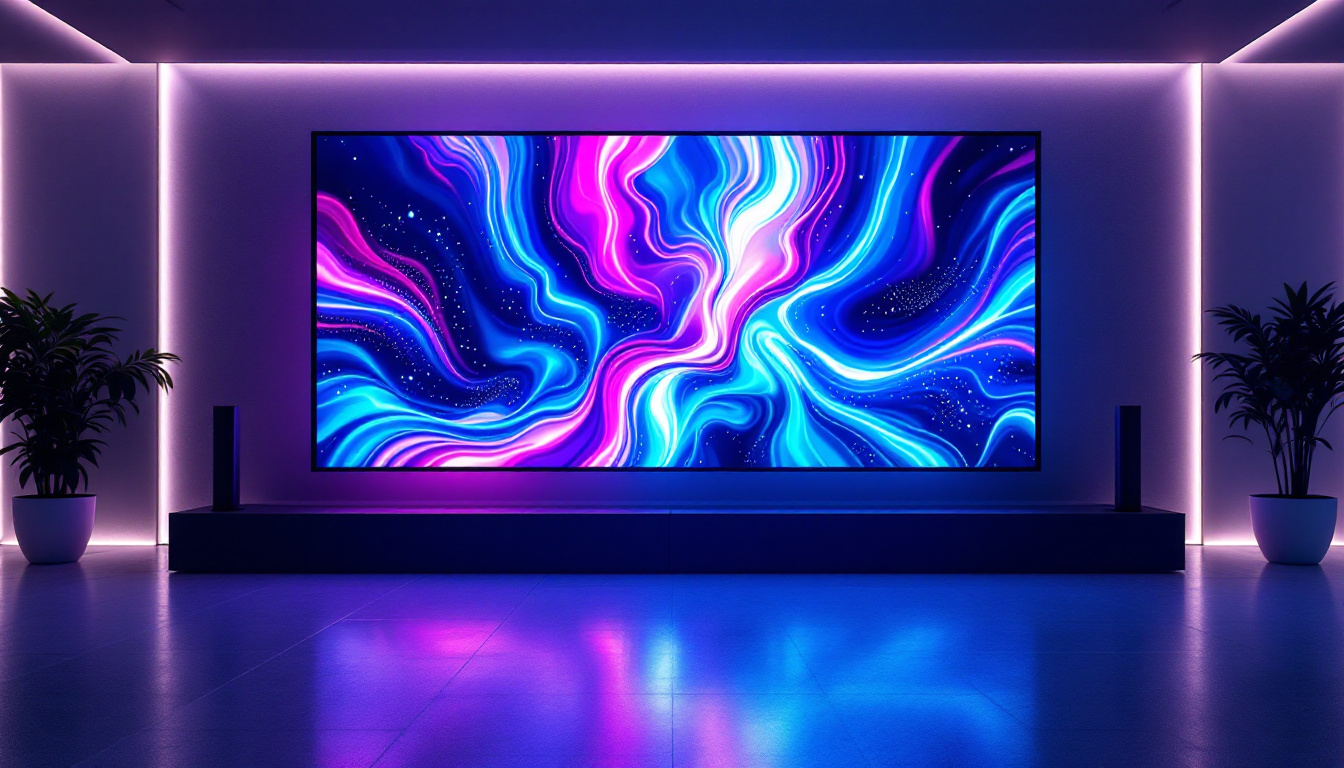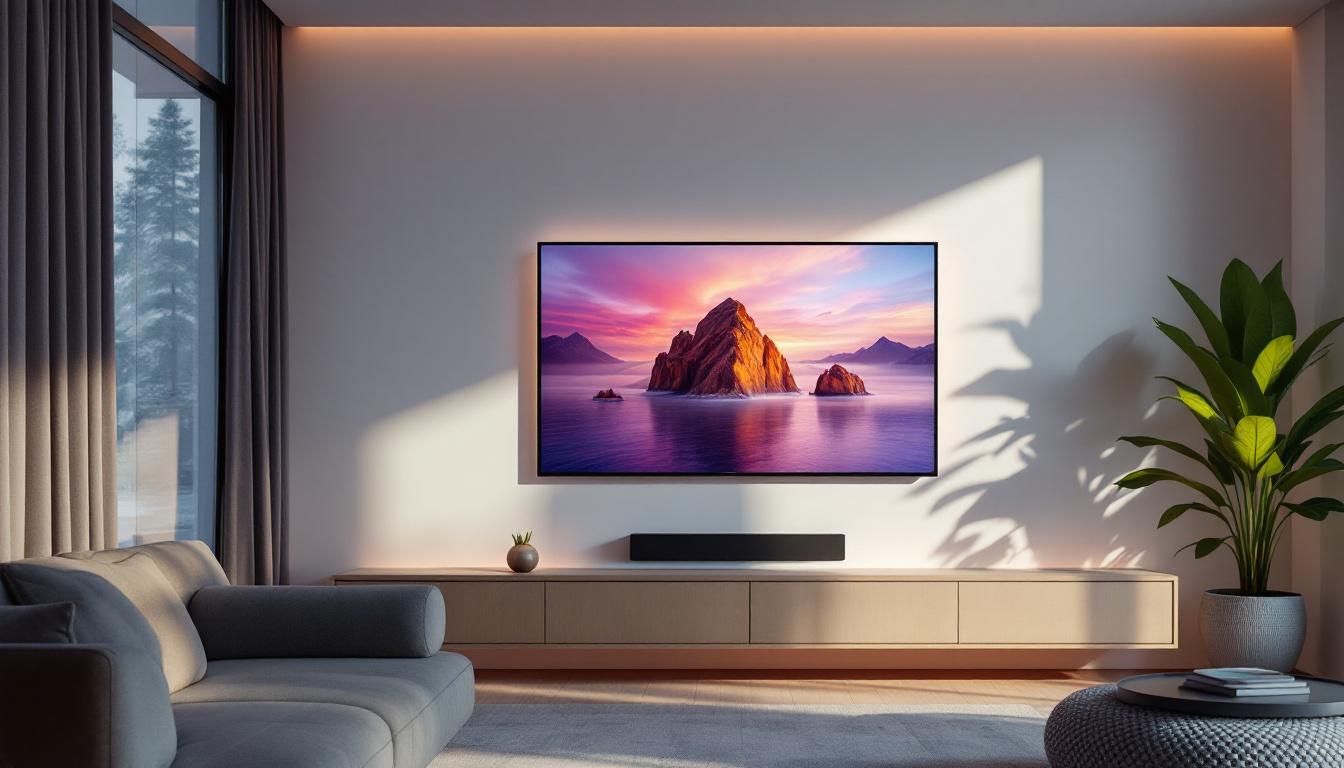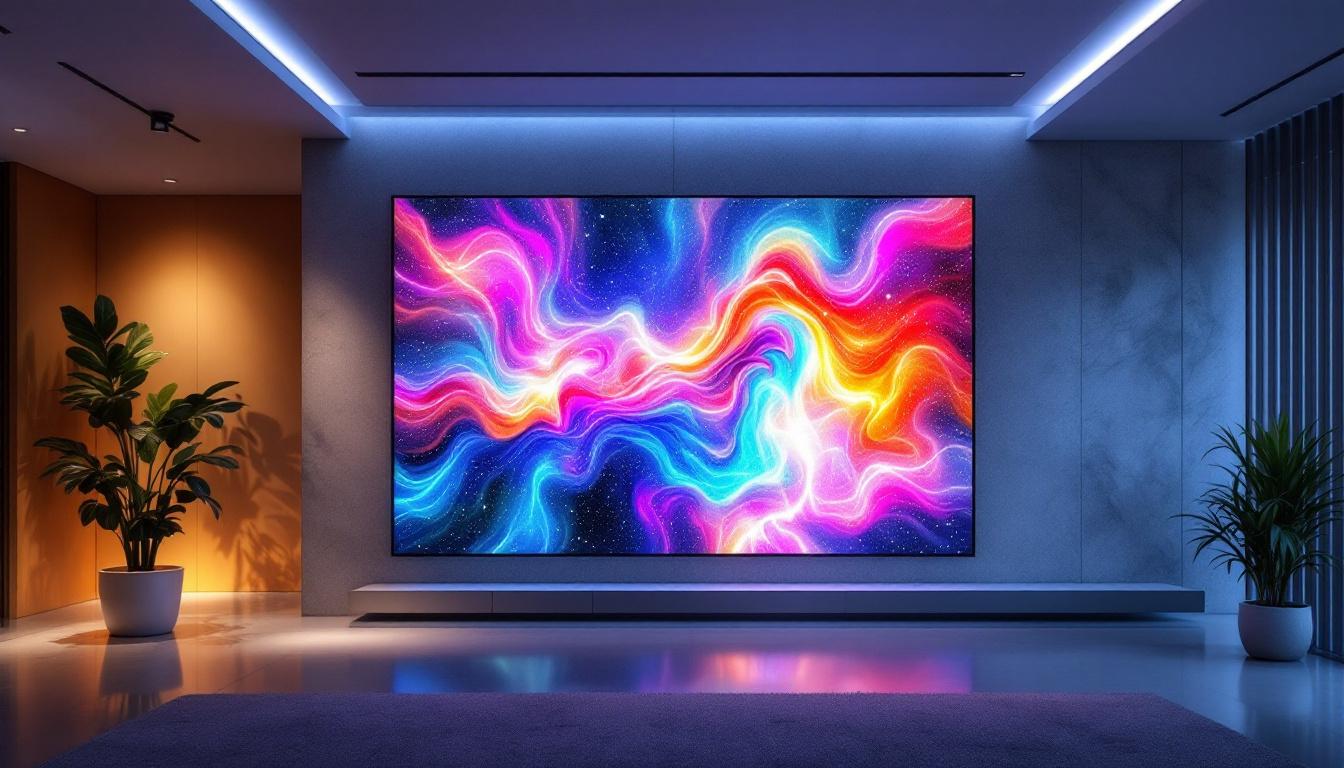
In the modern era of visual technology, digital wall art screens powered by LED displays have transformed the way we experience art, advertising, and information. These dynamic installations blend technology with creativity, offering vibrant, customizable visuals that captivate audiences in homes, public spaces, and commercial environments alike. This article delves into the core aspects of LED display technology, exploring its components, applications, and the factors that make it a preferred choice for digital wall art screens.
Understanding LED Display Technology
At the heart of digital wall art screens lies LED (Light Emitting Diode) technology, a revolutionary advancement that has reshaped display systems worldwide. Unlike traditional display methods such as LCD or projection screens, LED displays use tiny light-emitting diodes to produce bright, vivid images visible even in well-lit environments. This capability has made LED displays a popular choice not only for artistic applications but also for advertising, entertainment, and information dissemination, where visibility and impact are paramount.
LED displays consist of an array of individual diodes arranged in a grid, each capable of emitting light in red, green, and blue wavelengths. By varying the intensity of these colors, the display can render a full spectrum of colors, creating rich and detailed images. This pixel-level control is what enables LED screens to deliver exceptional clarity and color accuracy. Furthermore, advancements in technology have led to the development of high dynamic range (HDR) capabilities in LED displays, allowing for even greater contrast and a more lifelike representation of images.
Types of LED Displays
There are primarily two types of LED displays used in digital wall art screens: direct-view LED and LED-backlit LCD. Direct-view LED displays use diodes as the actual pixels, making them ideal for large-scale installations due to their brightness and scalability. LED-backlit LCDs, on the other hand, use LEDs to illuminate an LCD panel and are typically found in smaller, consumer-grade screens. The choice between these types often depends on the specific application, with direct-view LED displays favored for their ability to create stunning visual experiences in public spaces.
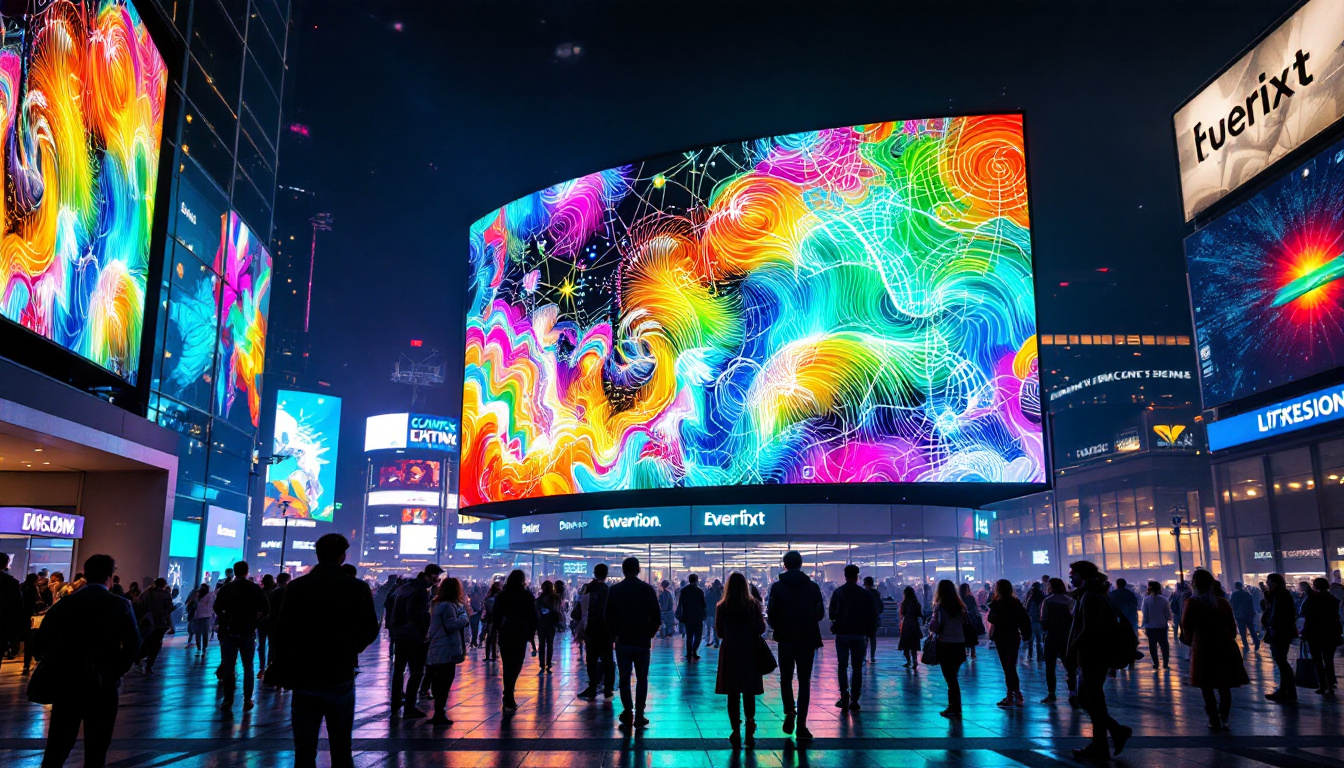
For digital wall art, direct-view LED displays are preferred because they offer superior brightness, contrast, and viewing angles. They can be configured in various shapes and sizes, allowing artists and designers to create immersive visual experiences that traditional screens cannot match. Moreover, the flexibility of LED technology enables the creation of unique installations, such as curved or even transparent displays, which can enhance the aesthetic appeal of any environment. As artists continue to explore the boundaries of digital art, the versatility of LED technology opens up new avenues for creative expression, transforming spaces into dynamic canvases that engage and inspire viewers.
Key Advantages of LED Digital Wall Art Screens
LED digital wall art screens bring a host of benefits that make them an attractive choice for both creators and viewers. Understanding these advantages helps explain the growing popularity of LED installations in galleries, retail spaces, and even residential settings.
Vivid Color and High Brightness
One of the most significant advantages of LED displays is their ability to produce vibrant colors with high brightness levels. Unlike conventional displays, LED screens can achieve brightness levels exceeding 1,000 nits, making them easily visible in daylight or brightly lit rooms. This feature is crucial for digital art, where color fidelity and visual impact are paramount. The enhanced contrast ratios provided by LED technology allow for deeper blacks and brighter whites, creating a more dynamic viewing experience. Artists can utilize this capability to create immersive environments that captivate audiences, drawing them into the artwork in a way that traditional media may not achieve.
Energy Efficiency and Longevity
LED technology is renowned for its energy efficiency. LEDs consume significantly less power compared to older display technologies, which translates to lower operating costs and a smaller environmental footprint. Furthermore, LED displays have a long lifespan, often exceeding 50,000 hours of continuous use, ensuring durability and reliability for long-term installations. This longevity not only reduces the frequency of replacements but also minimizes waste, making LED screens a more sustainable option. As a result, businesses and artists can invest in these displays with confidence, knowing they will provide a lasting impact without the constant need for maintenance or upgrades.
Flexibility and Customization
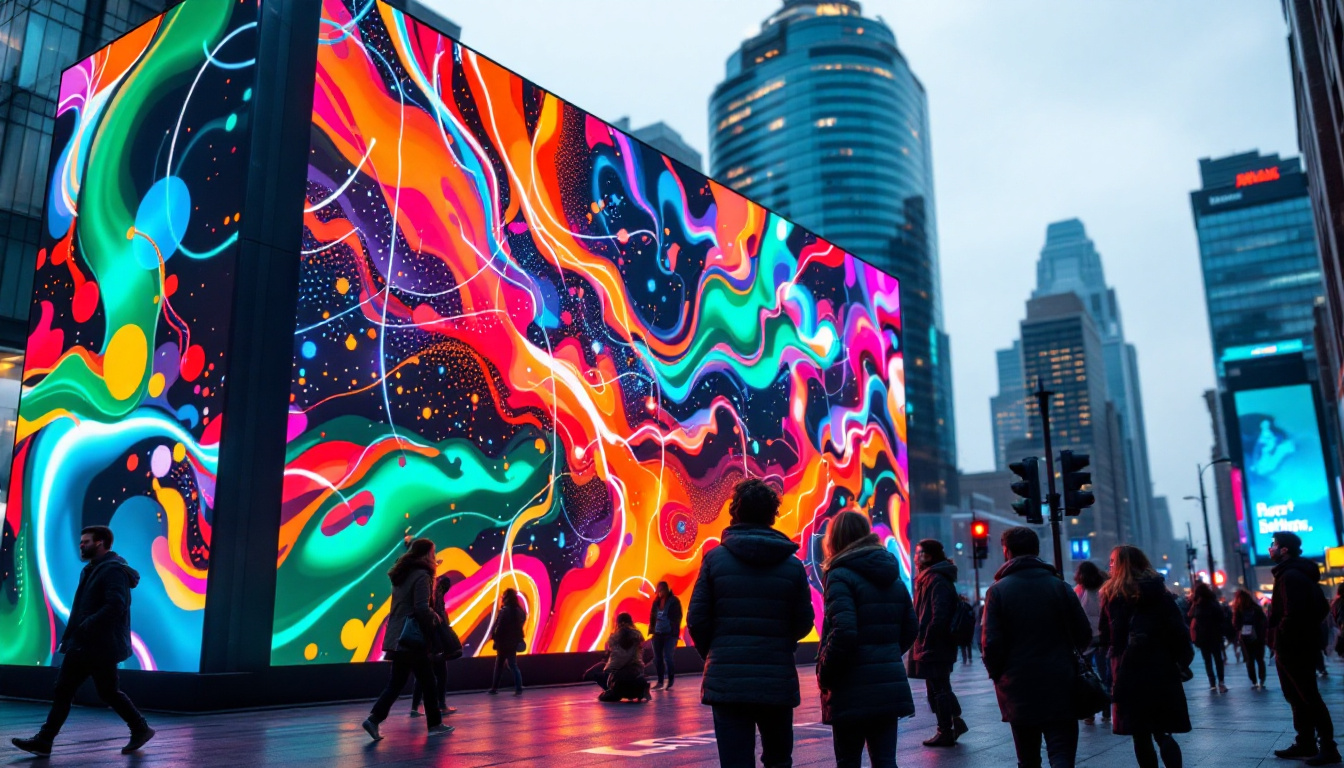
Digital wall art screens built with LED panels offer unparalleled flexibility. They can be designed in various shapes, sizes, and resolutions, from ultra-fine pixel pitches for close-up viewing to large-scale murals visible from hundreds of feet away. This adaptability enables artists to push creative boundaries and tailor their work to specific environments. Additionally, the modular nature of LED panels allows for easy reconfiguration, meaning installations can evolve over time to reflect changing themes or artistic directions. This capability is particularly advantageous in spaces like museums or galleries, where rotating exhibits can keep the experience fresh and engaging for returning visitors. Moreover, the integration of interactive elements, such as touchscreens or motion sensors, can further enhance viewer engagement, allowing audiences to connect with the artwork in innovative ways.
Applications of LED Digital Wall Art Screens
The versatility of LED digital wall art screens has led to their adoption across a wide range of sectors. From immersive art exhibitions to commercial advertising, LED displays are redefining visual communication.
Art Galleries and Museums
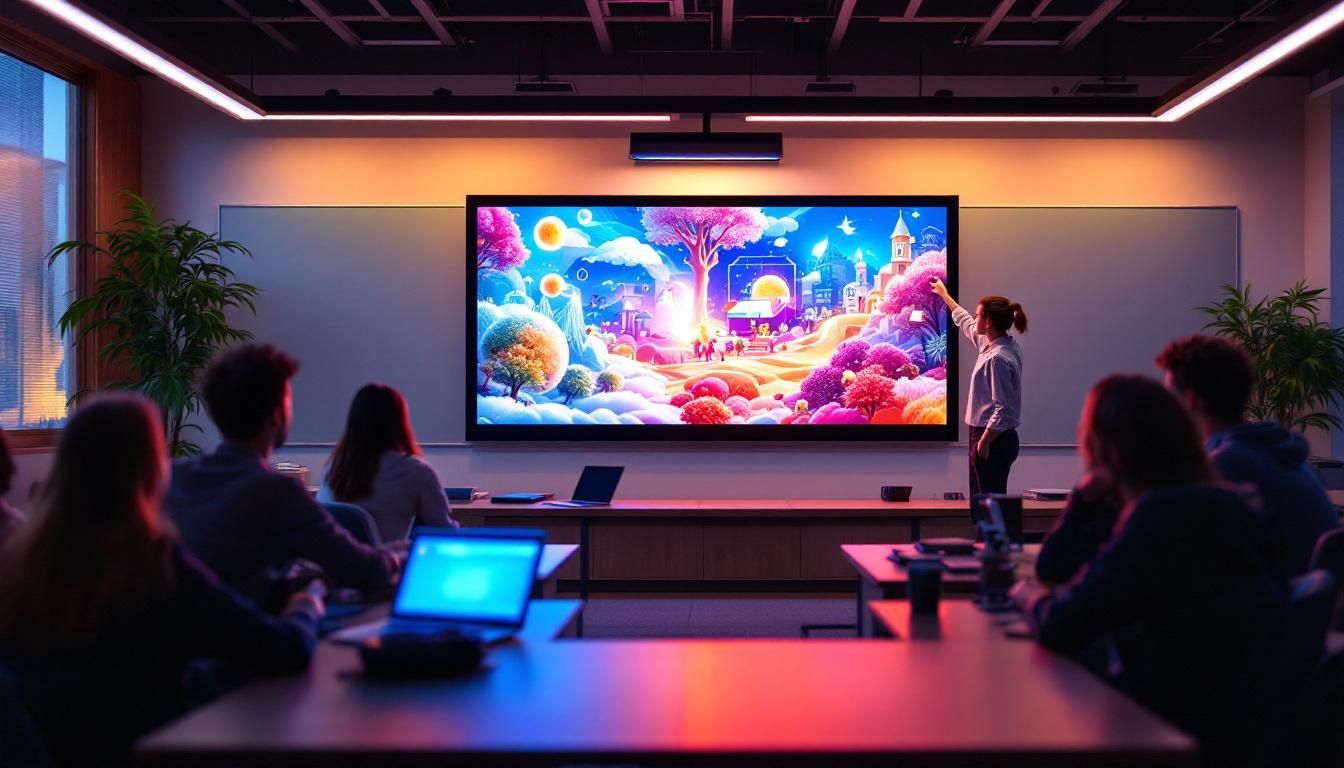
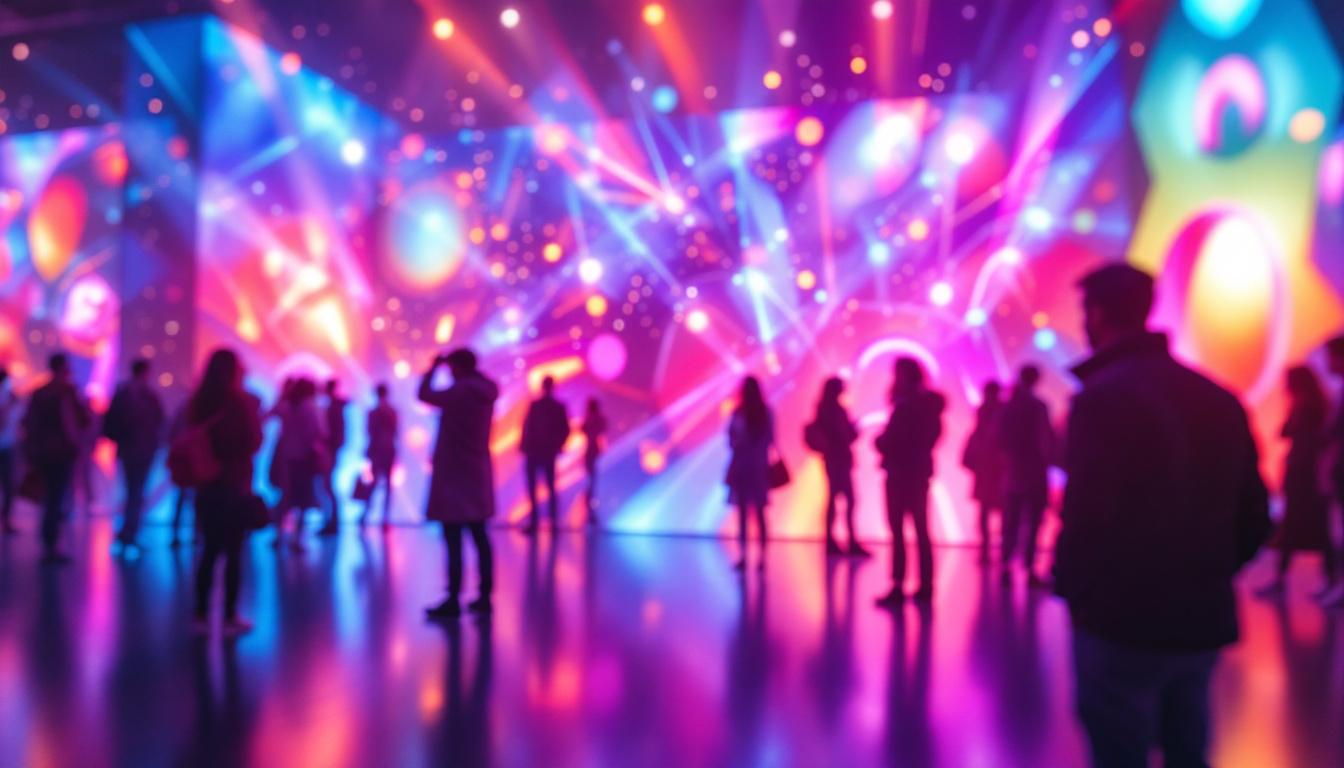
Many contemporary art galleries and museums have embraced LED digital wall art screens to showcase digital artworks and interactive installations. These screens allow artists to present dynamic pieces that change over time, incorporate motion, and respond to viewer interactions. For example, the Museum of Modern Art (MoMA) in New York has integrated LED displays into several exhibits, enhancing visitor engagement through vibrant digital storytelling.
Retail and Commercial Spaces
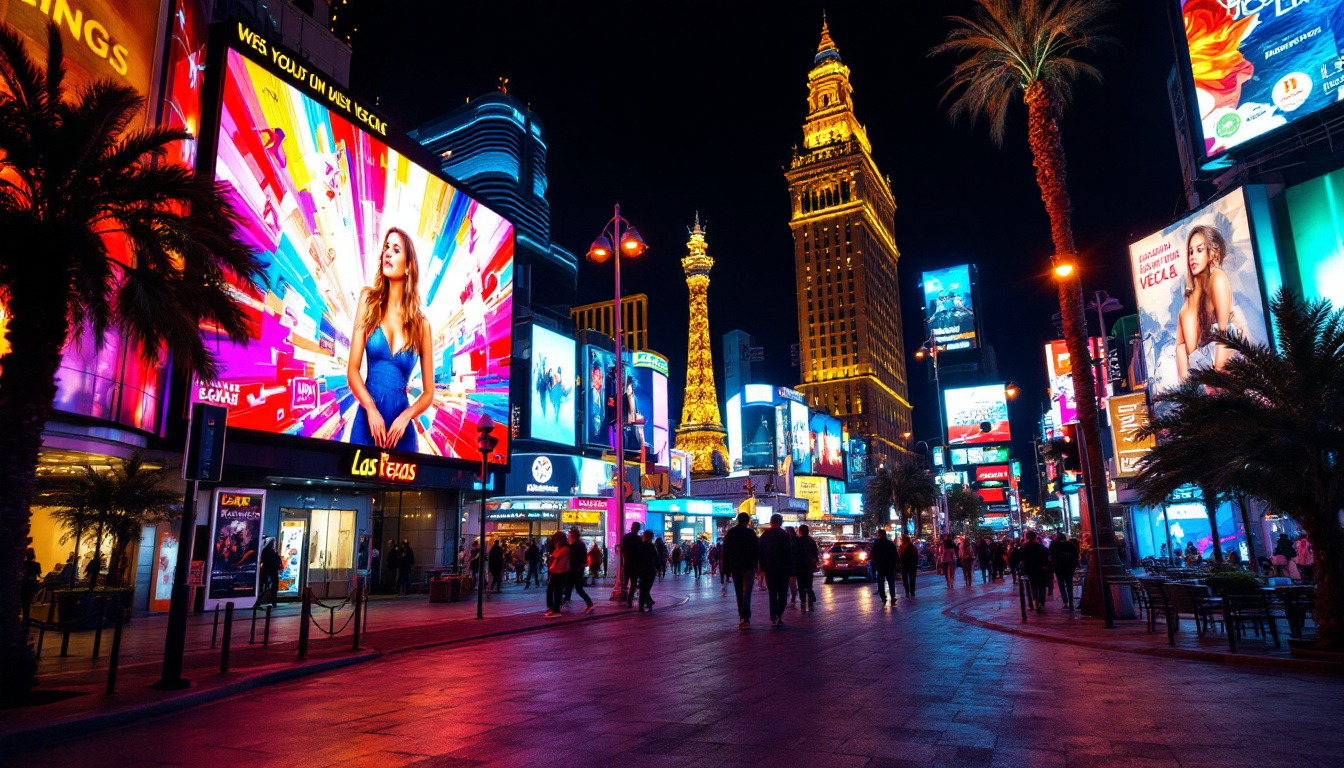
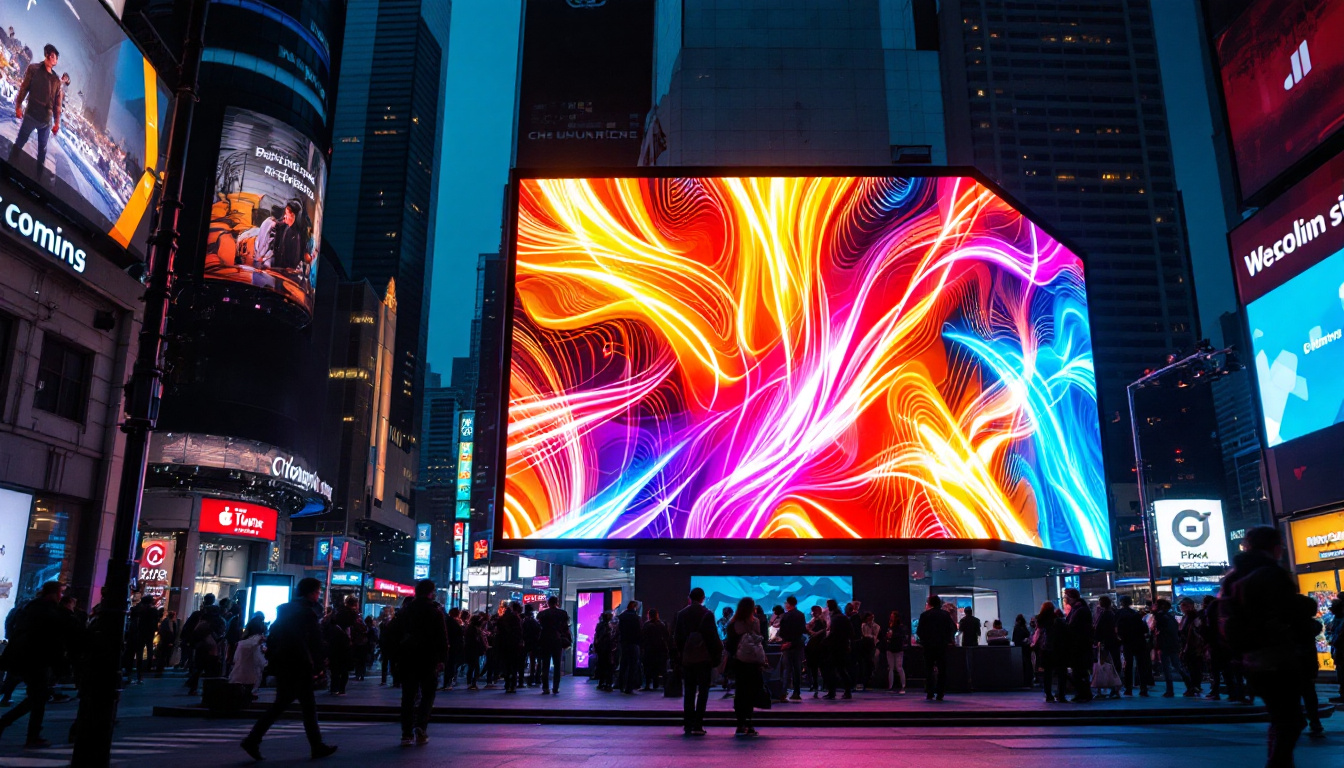
Retailers use LED wall displays to create eye-catching digital signage that attracts customers and enhances brand experiences. High-resolution LED screens can display promotional content, product demonstrations, and immersive visuals that encourage shopper interaction. According to a 2023 report by Digital Signage Today, businesses using LED digital signage saw a 30% increase in customer engagement compared to static displays.
Residential and Hospitality Environments
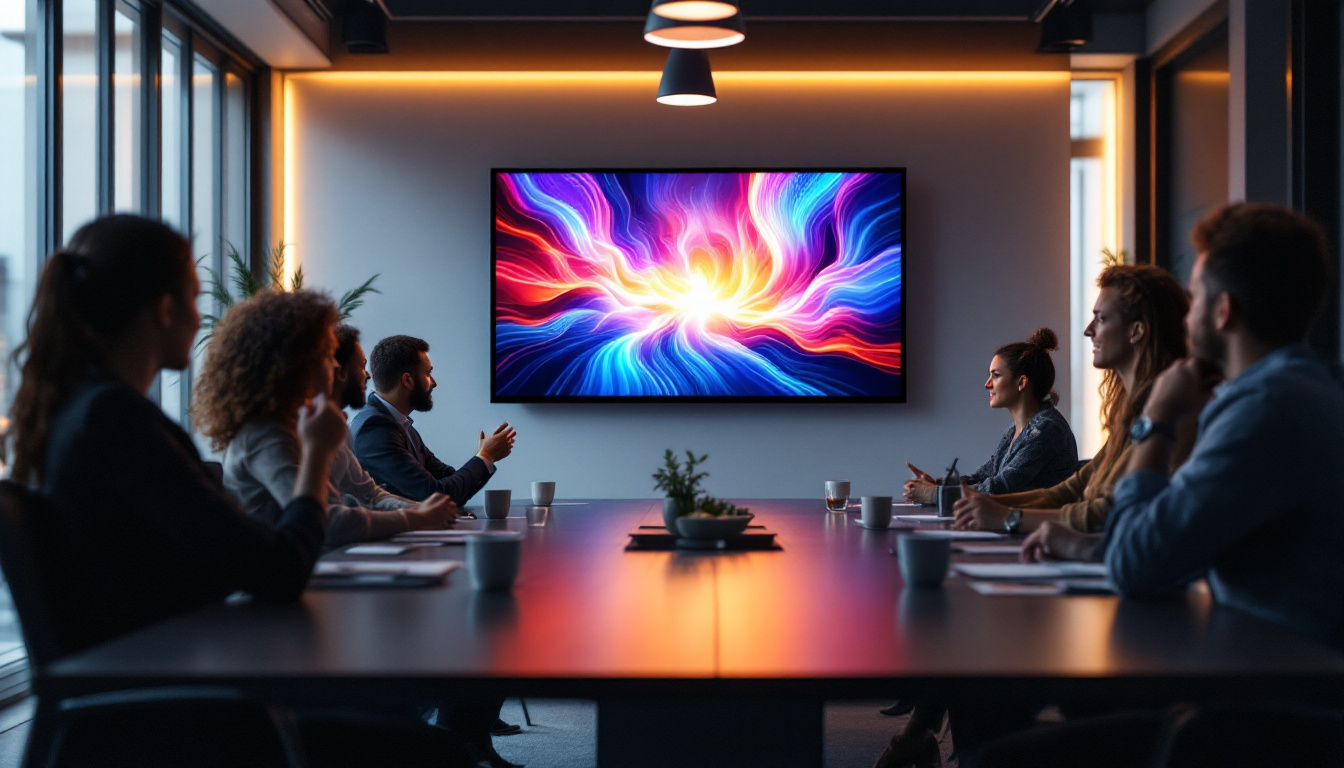
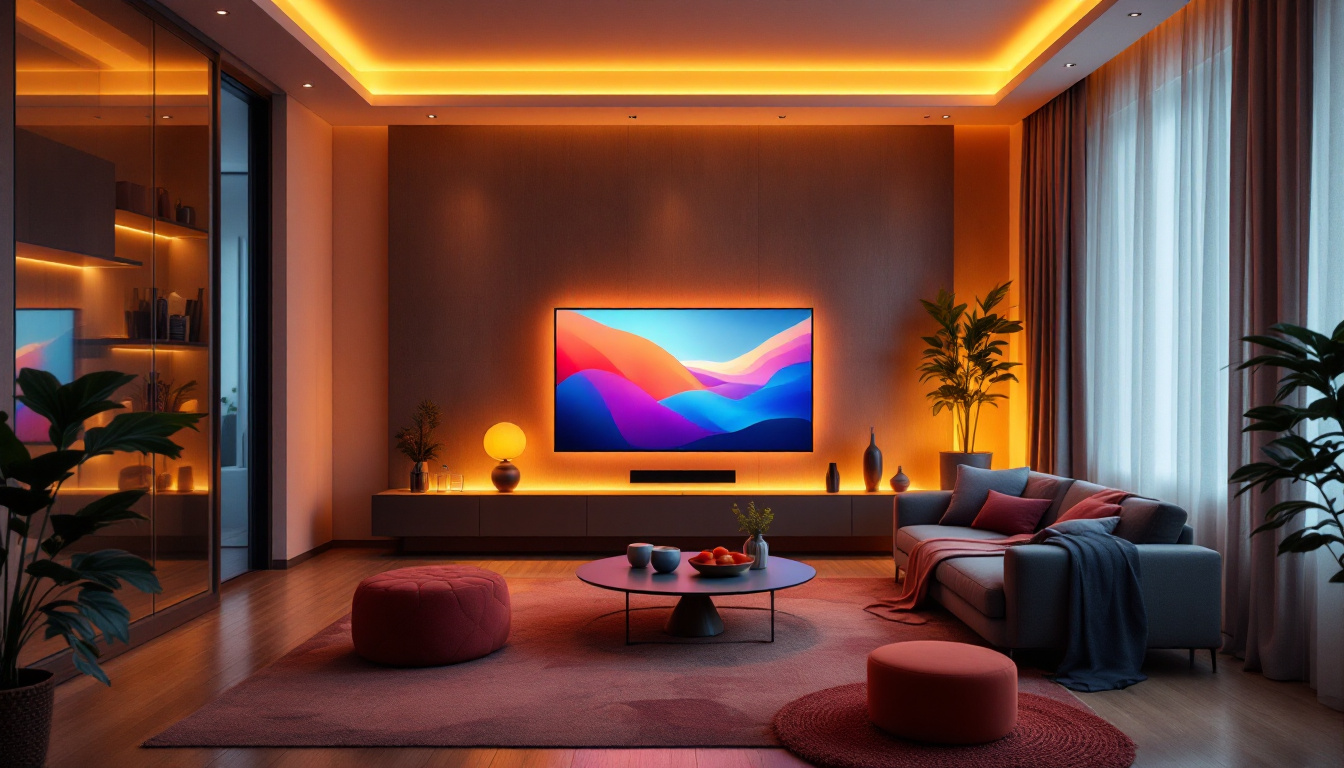
In homes and hotels, LED digital wall art screens are becoming a popular way to personalize spaces with changing artwork, ambient visuals, or even information displays. Luxury hotels, in particular, utilize large LED walls in lobbies and conference rooms to create memorable atmospheres and communicate brand identity.
Technical Considerations When Choosing an LED Digital Wall Art Screen
Selecting the right LED digital wall art screen involves understanding several technical factors that impact performance, aesthetics, and cost. These considerations ensure that the final installation meets the intended purpose and environment.
Pixel Pitch and Resolution
Pixel pitch refers to the distance between the centers of adjacent LEDs and determines the display’s resolution and viewing distance. A smaller pixel pitch means higher resolution and better image detail, which is essential for close-up viewing. For digital wall art intended to be viewed from a few feet away, pixel pitches as small as 1.2mm to 2.5mm are common. Larger pixel pitches (above 5mm) are suitable for installations viewed from a distance, such as building facades.
Brightness and Contrast Ratio
Brightness is measured in nits and affects how well the display performs under various lighting conditions. For indoor digital art, a brightness range of 600 to 1,200 nits is typically sufficient, while outdoor installations may require 5,000 nits or more. Contrast ratio, the difference between the darkest and brightest parts of an image, is equally important for rendering depth and detail in artwork.
Installation and Maintenance
LED digital wall art screens require careful installation to ensure structural safety and optimal performance. Modular LED panels are often used to facilitate assembly and future maintenance. Additionally, maintenance considerations such as ease of access for repairs and cleaning are crucial for preserving image quality over time.
Future Trends in LED Digital Wall Art Screens
The evolution of LED technology continues to open new possibilities for digital wall art. Emerging trends point toward even more immersive and interactive experiences.
MicroLED and MiniLED Innovations
MicroLED and MiniLED technologies represent the next generation of LED displays, offering higher pixel densities, improved color accuracy, and enhanced energy efficiency. MicroLED, in particular, promises near-perfect black levels and ultra-high brightness, making it ideal for premium digital art installations.
Interactive and Responsive Displays
Integration of sensors and AI-driven software enables LED digital wall art screens to respond to viewer presence, gestures, or environmental changes. This interactivity adds a new dimension to digital art, transforming passive viewing into engaging participatory experiences.
Integration with Augmented Reality (AR)
Combining LED digital wall art with augmented reality technologies allows for layered experiences where digital content extends beyond the screen. Visitors can use smartphones or AR glasses to interact with digital art in novel ways, blending physical and virtual worlds seamlessly.
Conclusion
Digital wall art screens powered by LED displays represent a fusion of art and technology that is reshaping visual experiences across multiple domains. Their vibrant colors, energy efficiency, and adaptability make them a compelling choice for artists, businesses, and designers seeking to create impactful visual narratives. As LED technology advances, the possibilities for digital wall art will continue to expand, offering ever more immersive and interactive ways to engage audiences.
Whether in a gallery, a retail store, or a private residence, LED digital wall art screens are setting new standards for how art is displayed and experienced in the digital age.
Explore the Future of Digital Art with LumenMatrix
Ready to elevate your space with the latest in LED display technology? LumenMatrix is at the forefront of creating immersive environments that captivate and engage. From stunning Indoor and Outdoor LED Wall Displays to innovative solutions like Vehicle LED Displays and LED Transparent Displays, our products are designed to revolutionize visual communication. Discover how our LED Sports Displays, Floor LED Displays, and Custom LED options can transform your venue or event. Experience the art of illumination with LumenMatrix and share your message with unparalleled clarity and impact. Check out LumenMatrix LED Display Solutions and join the visual revolution today.