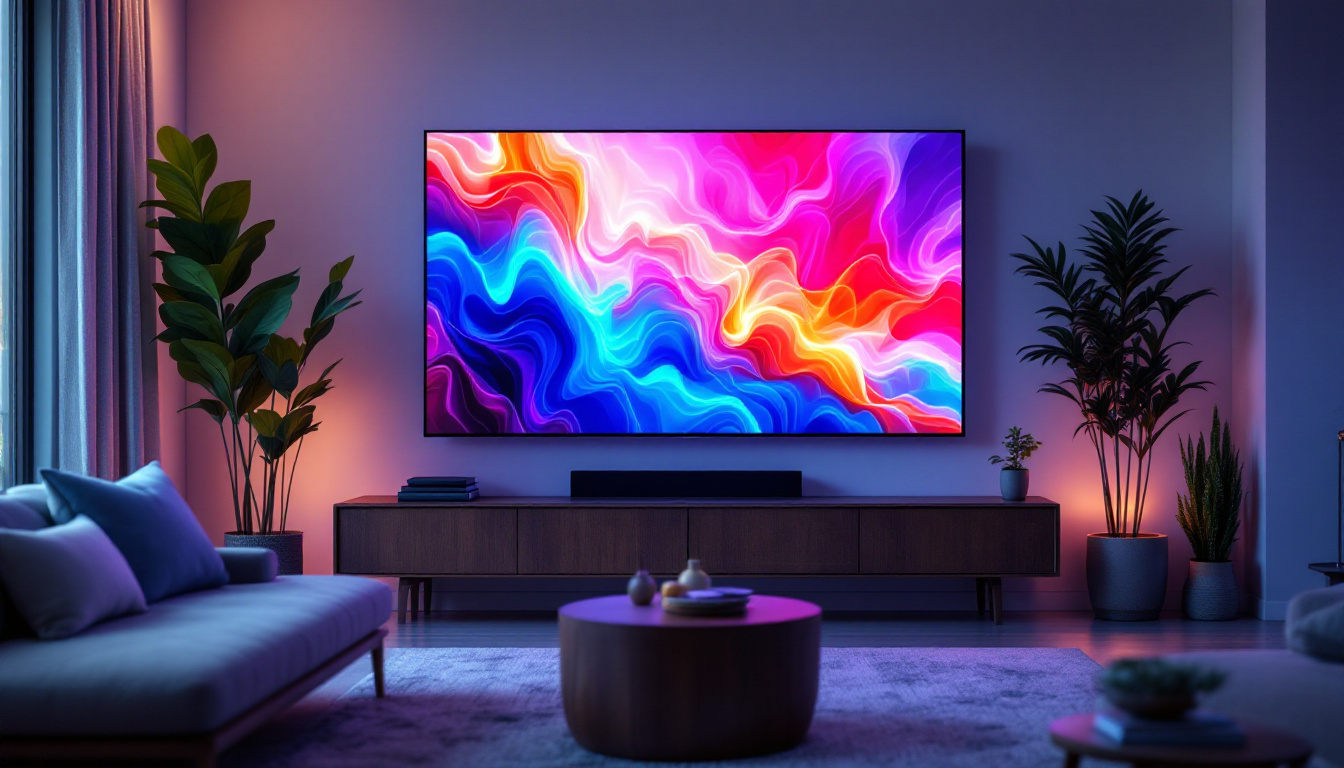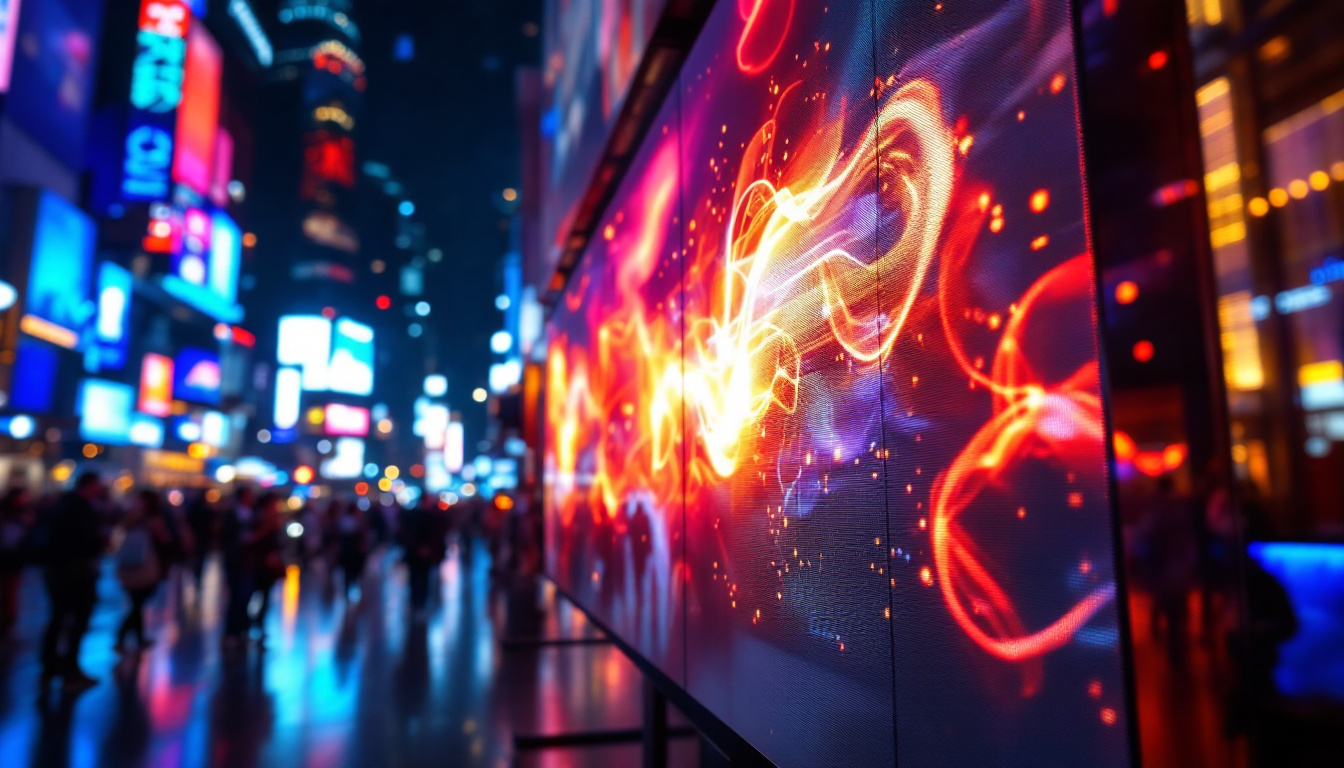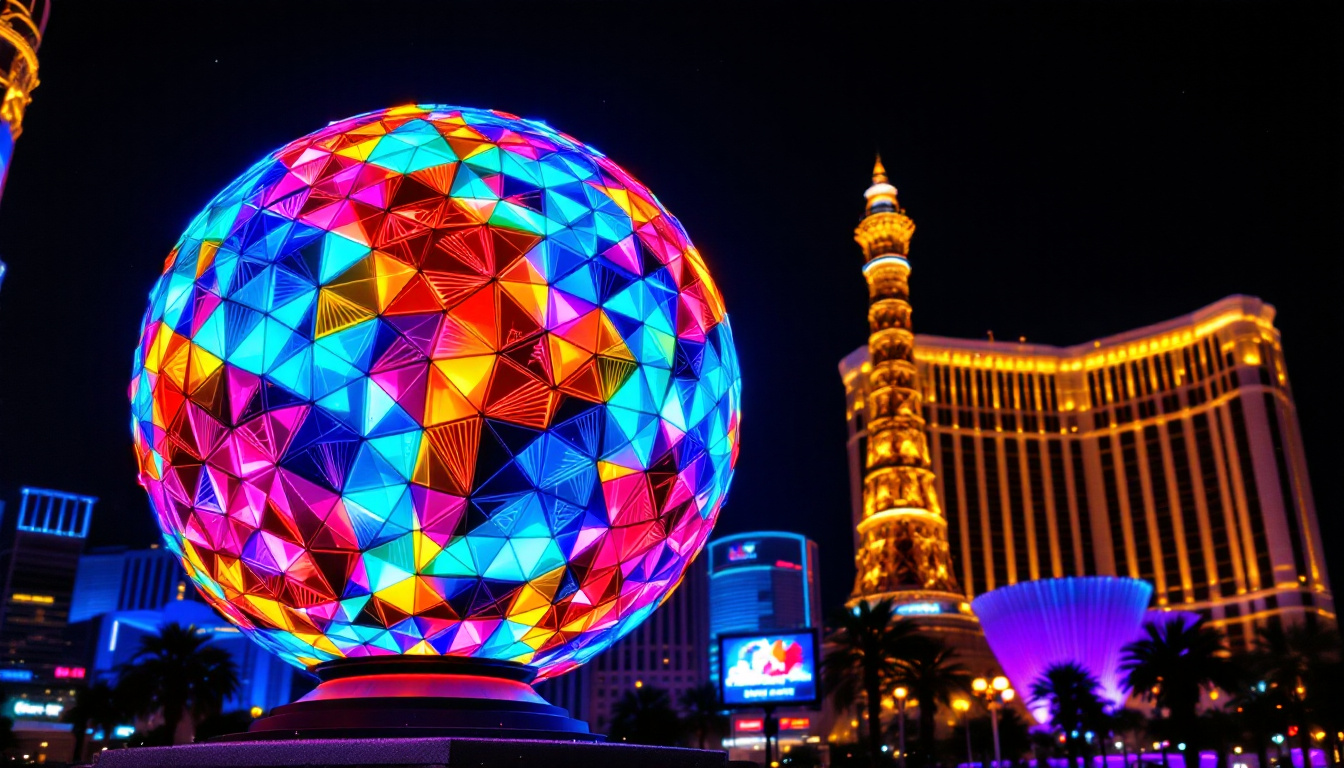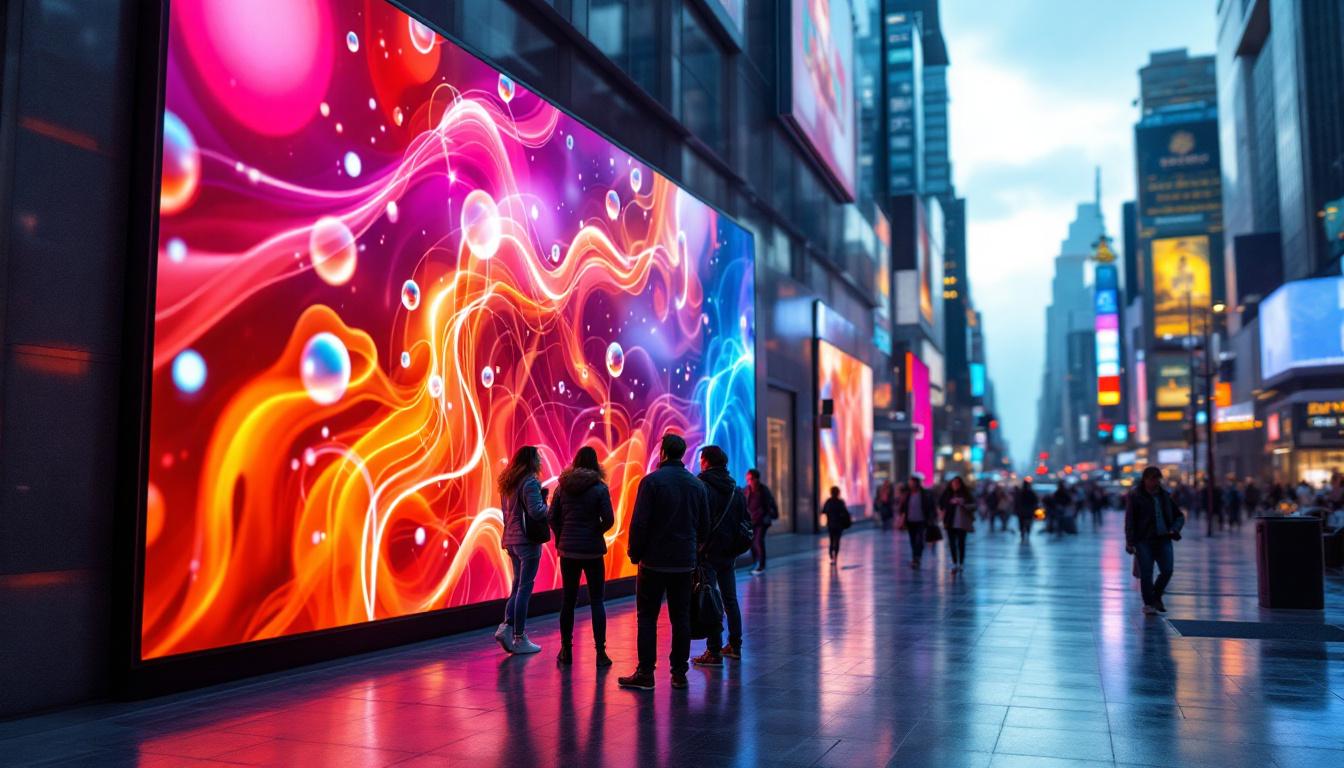
In the rapidly evolving world of digital signage and visual communication, LED display technology has emerged as a dominant force. From towering billboards in Times Square to immersive video walls in corporate lobbies, digital walls have transformed how businesses and organizations engage audiences. This article delves into the fundamentals of LED displays, exploring their technology, applications, benefits, and future trends to provide a comprehensive understanding of digital walls.
Understanding LED Display Technology
At the core of digital walls lies the LED, or Light Emitting Diode, a semiconductor device that emits light when an electric current passes through it. LED displays are composed of thousands, sometimes millions, of these tiny diodes arranged in a matrix to form images and videos. Unlike traditional display technologies such as LCD or projection, LED displays offer superior brightness, contrast, and energy efficiency. This makes them particularly well-suited for a variety of environments, from bustling outdoor venues to intimate indoor settings, where visibility and clarity are paramount.
How LED Displays Work
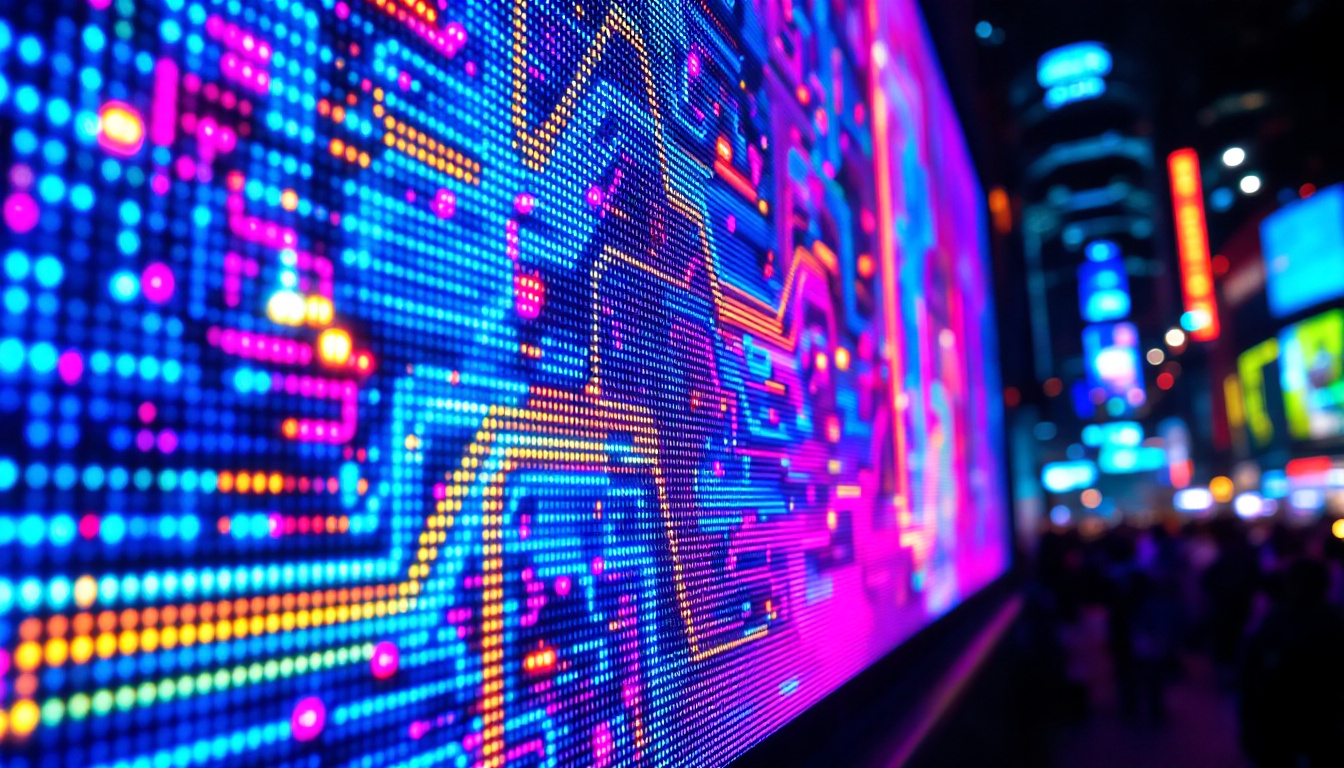
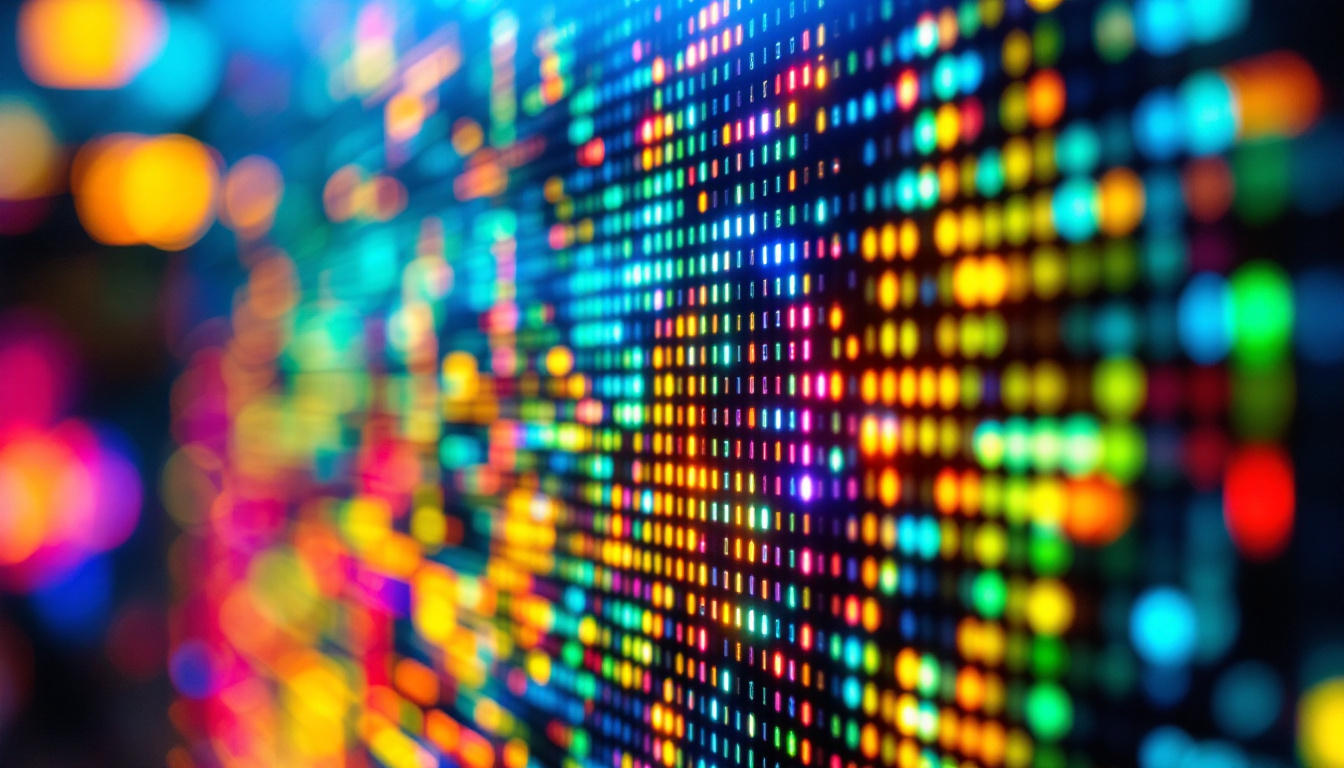
Each pixel on an LED display consists of red, green, and blue diodes. By adjusting the intensity of these diodes, the display can produce a full spectrum of colors. The pixels are controlled by a driver circuit that receives image data from a video processor or media player. This data dictates which diodes light up and at what brightness, creating the desired image or video frame by frame. The rapid refresh rates of LED displays also ensure smooth transitions and animations, making them ideal for dynamic content such as advertisements, live sports broadcasts, and artistic installations.
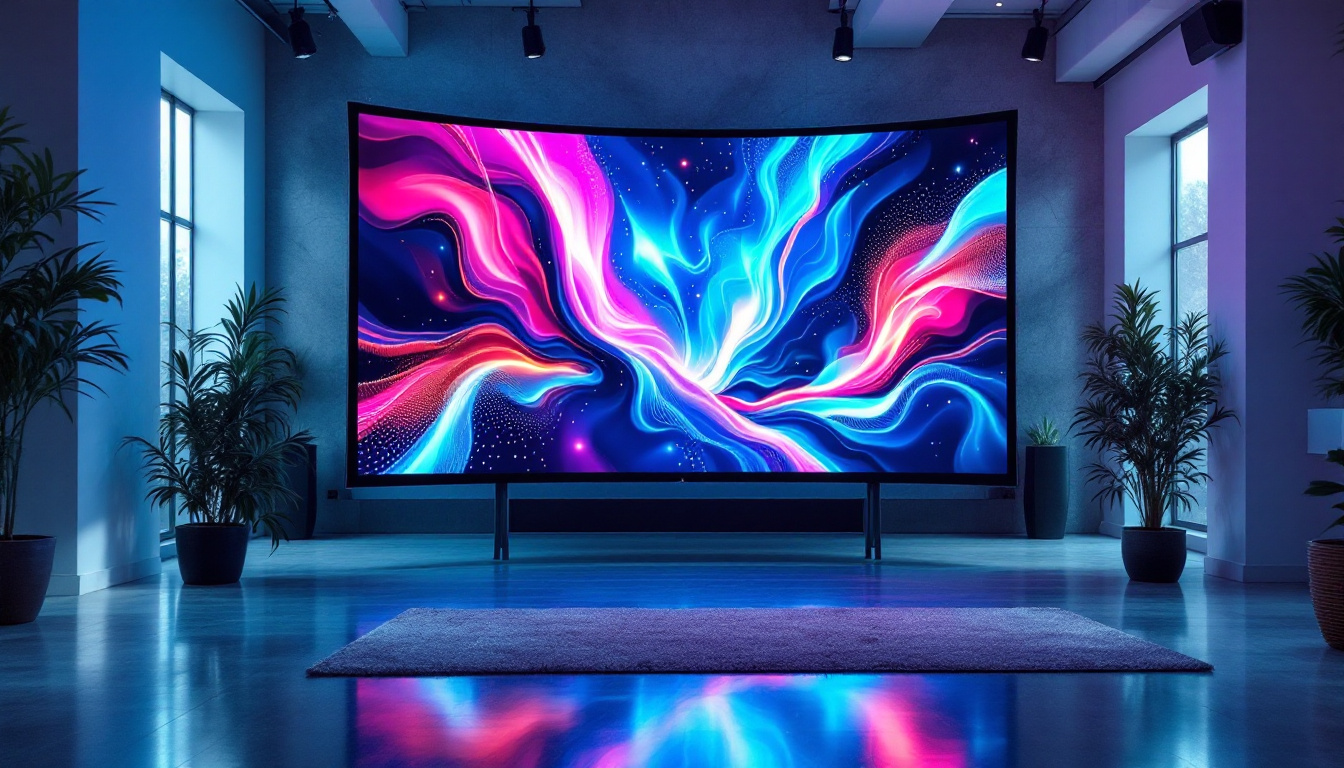
LED displays can be classified into two main types: direct view LED and LED-backlit LCD. Direct view LED displays use LEDs as the light source and the image itself, making them ideal for large-scale digital walls. In contrast, LED-backlit LCDs use LEDs to illuminate an LCD panel, common in smaller screens like televisions and monitors. The versatility of direct view LED technology allows for creative applications, such as curved displays and unique shapes, which can enhance the aesthetic appeal of a space while delivering high-quality visuals.
Pixel Pitch and Resolution
One of the most critical factors in LED display quality is pixel pitch—the distance between the centers of two adjacent pixels, measured in millimeters. A smaller pixel pitch means higher pixel density, resulting in sharper images and finer detail. For example, a pixel pitch of 1.2 mm is typical for indoor digital walls viewed up close, while outdoor displays might have a pixel pitch of 10 mm or more due to viewing distance. This adaptability allows designers and engineers to tailor the display specifications to the specific needs of the environment and audience, ensuring optimal performance.
Resolution depends on the total number of pixels in the display. Higher resolution LED walls can display more detailed content, which is essential for applications like control rooms, retail environments, and broadcast studios. As technology advances, the demand for ultra-high-definition displays continues to rise, leading to innovations such as 4K and 8K LED displays. These advancements not only enhance visual fidelity but also open up new possibilities for immersive experiences, where viewers can engage with content in ways that were previously unimaginable. Furthermore, the integration of smart technology into LED displays allows for features like real-time data integration and interactive capabilities, further enriching the viewer’s experience.
Applications of Digital Walls
Digital walls powered by LED technology have become ubiquitous across various industries, revolutionizing how information and advertising are presented. Their versatility, brightness, and scalability make them suitable for a wide range of environments.
Advertising and Outdoor Signage
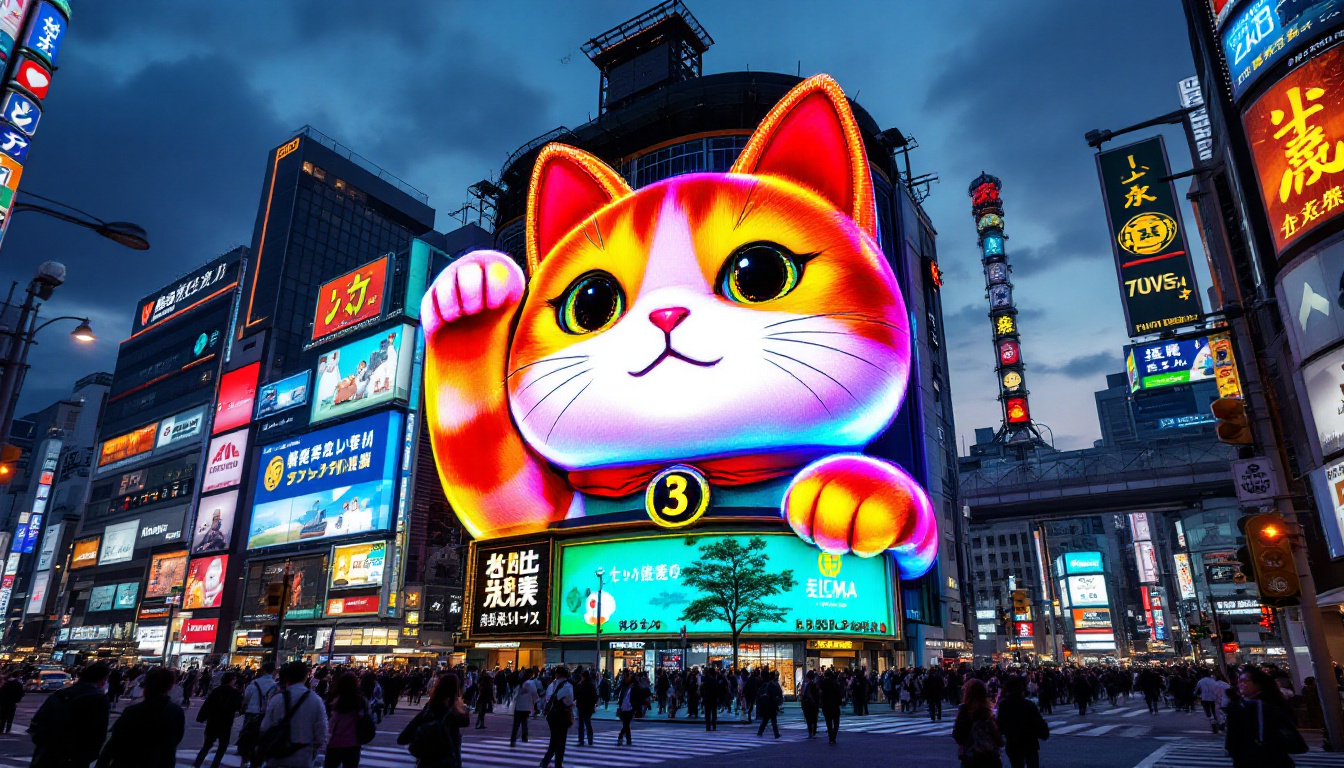
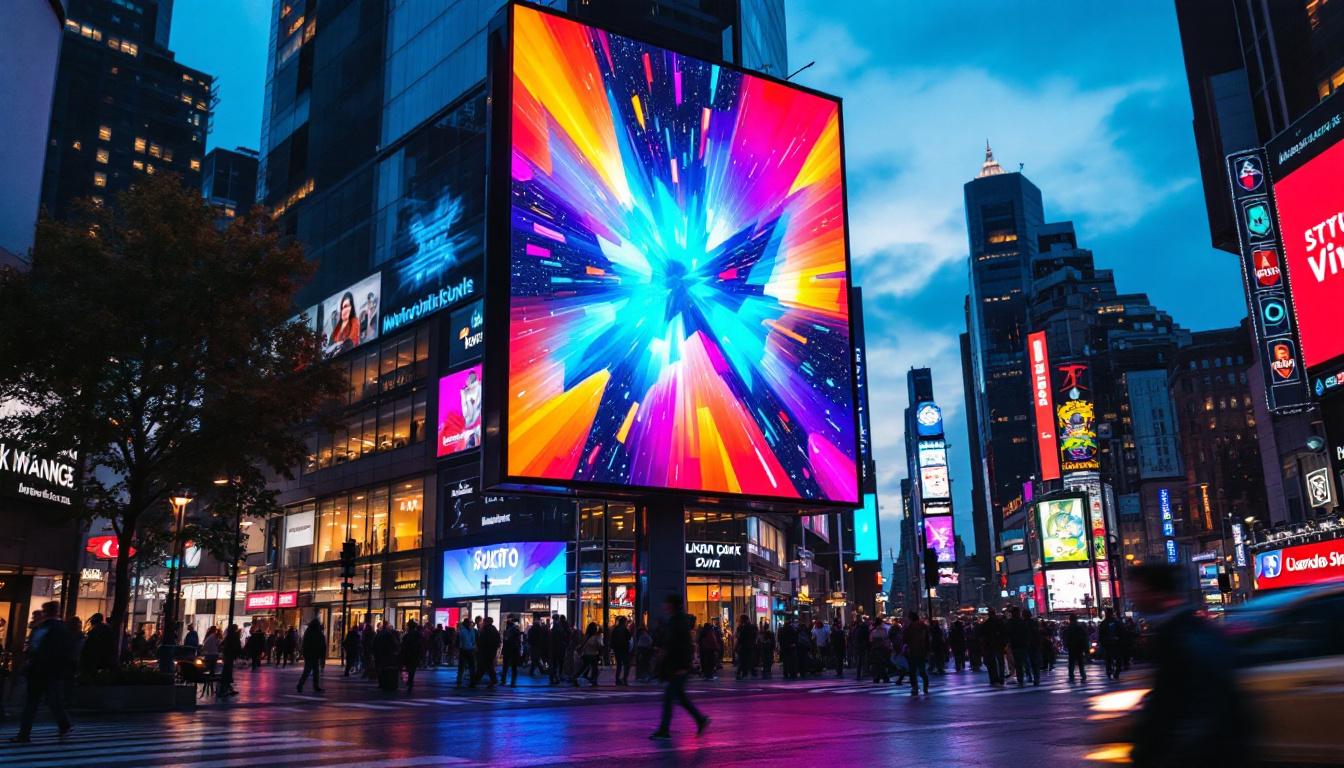
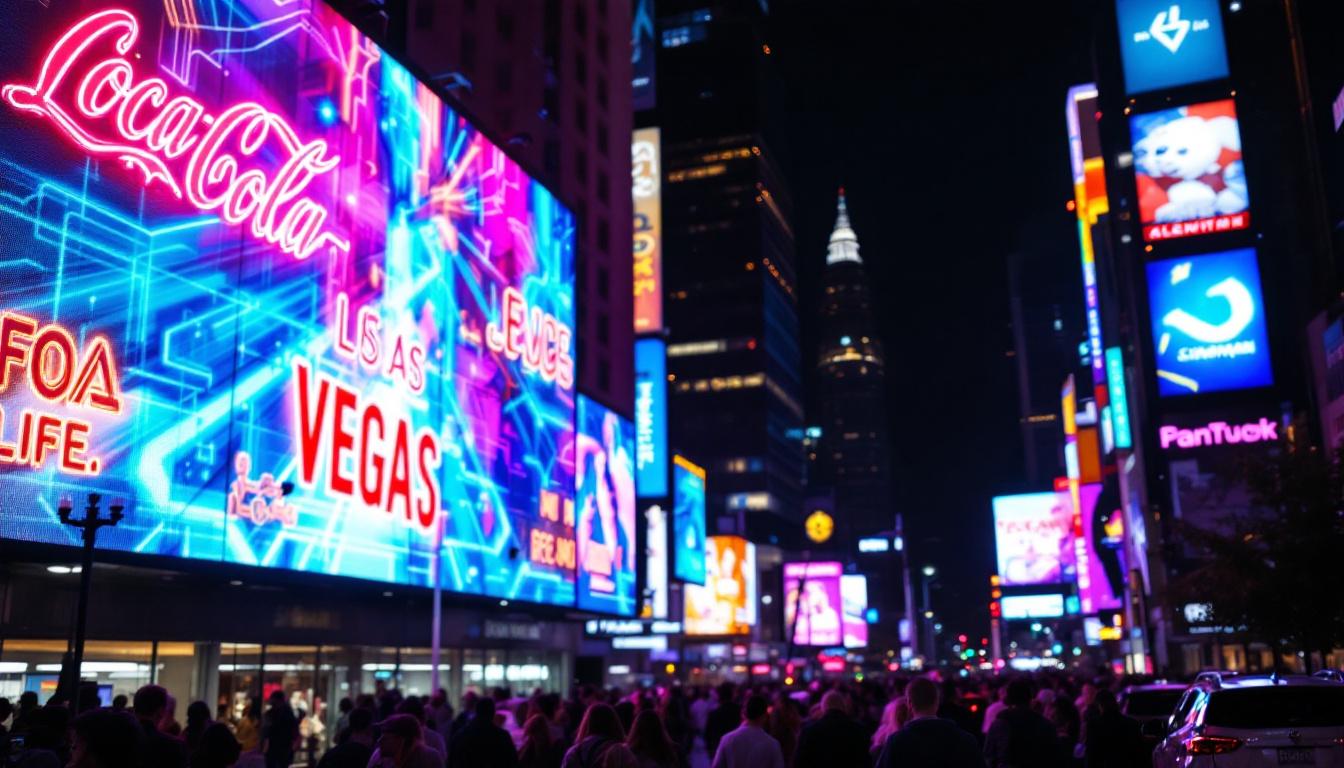
One of the most visible uses of LED digital walls is in outdoor advertising. LED billboards are capable of displaying dynamic, eye-catching content that can be updated in real-time. According to the Outdoor Advertising Association of America, digital out-of-home advertising revenue reached over $4 billion in 2023, underscoring the growing importance of LED displays in marketing strategies.
LED walls enable advertisers to deliver targeted messages based on time of day, weather, or audience demographics, increasing engagement and return on investment. Their high brightness ensures visibility even in direct sunlight, a crucial advantage over traditional printed billboards. Moreover, the ability to incorporate motion graphics and video content captivates passersby, making these digital displays not just advertisements, but also a form of entertainment that enhances the urban landscape.
Corporate and Event Spaces
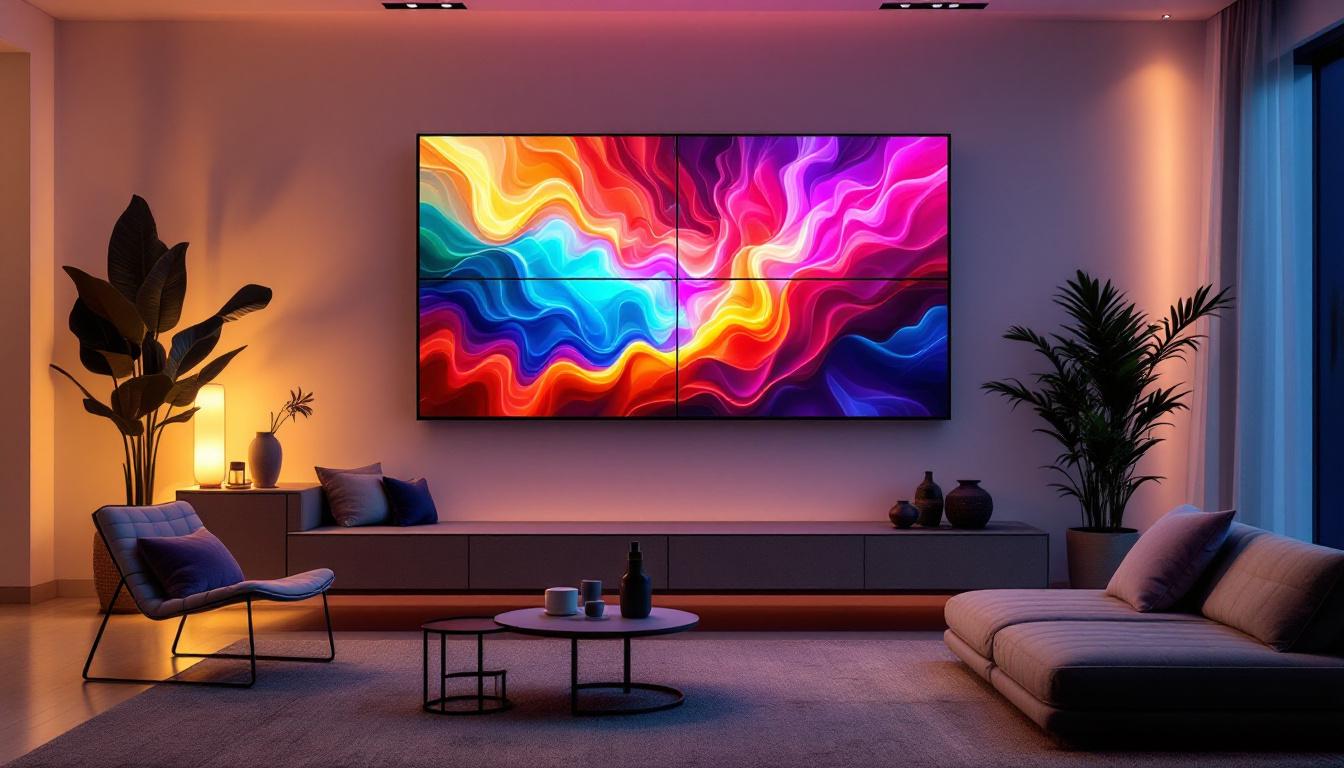
In corporate settings, LED digital walls serve as powerful tools for branding, communication, and collaboration. Large-format LED displays are often installed in lobbies, conference rooms, and auditoriums to showcase company achievements, live data feeds, or interactive presentations.
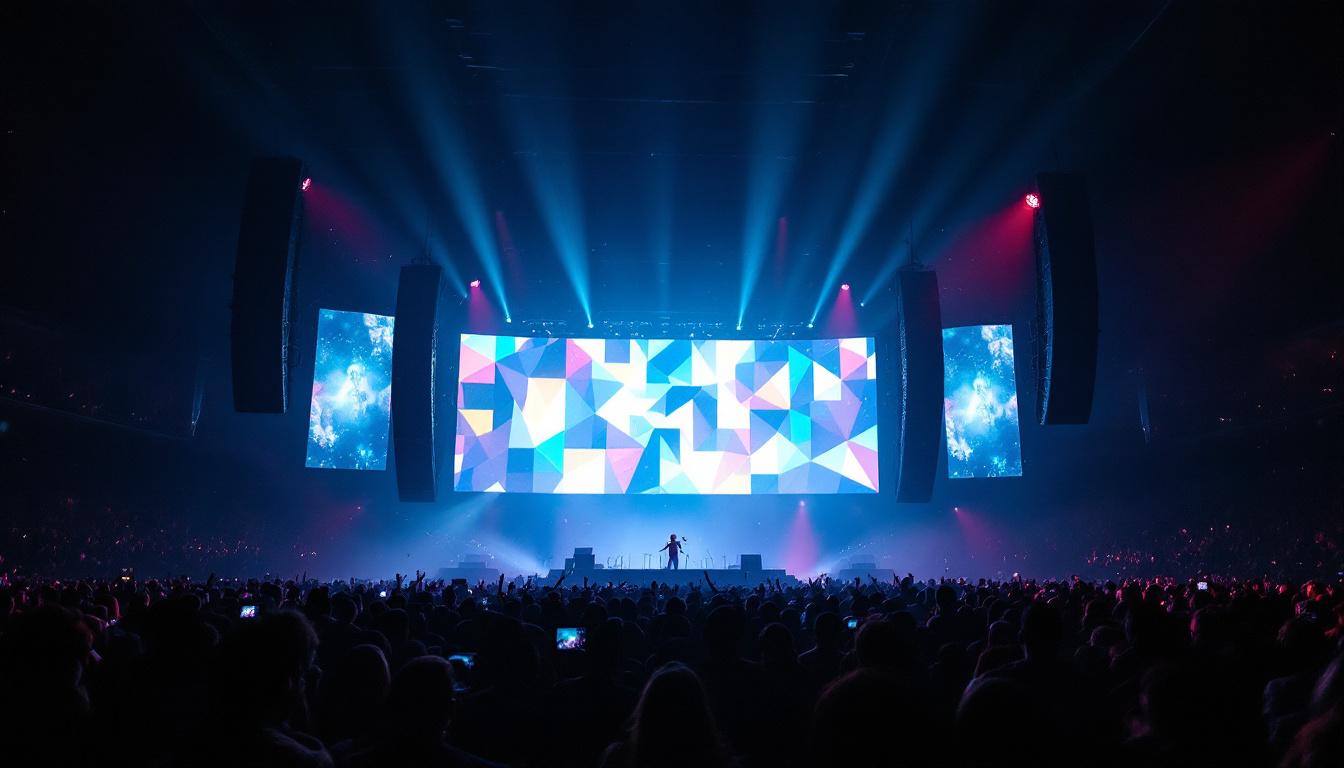
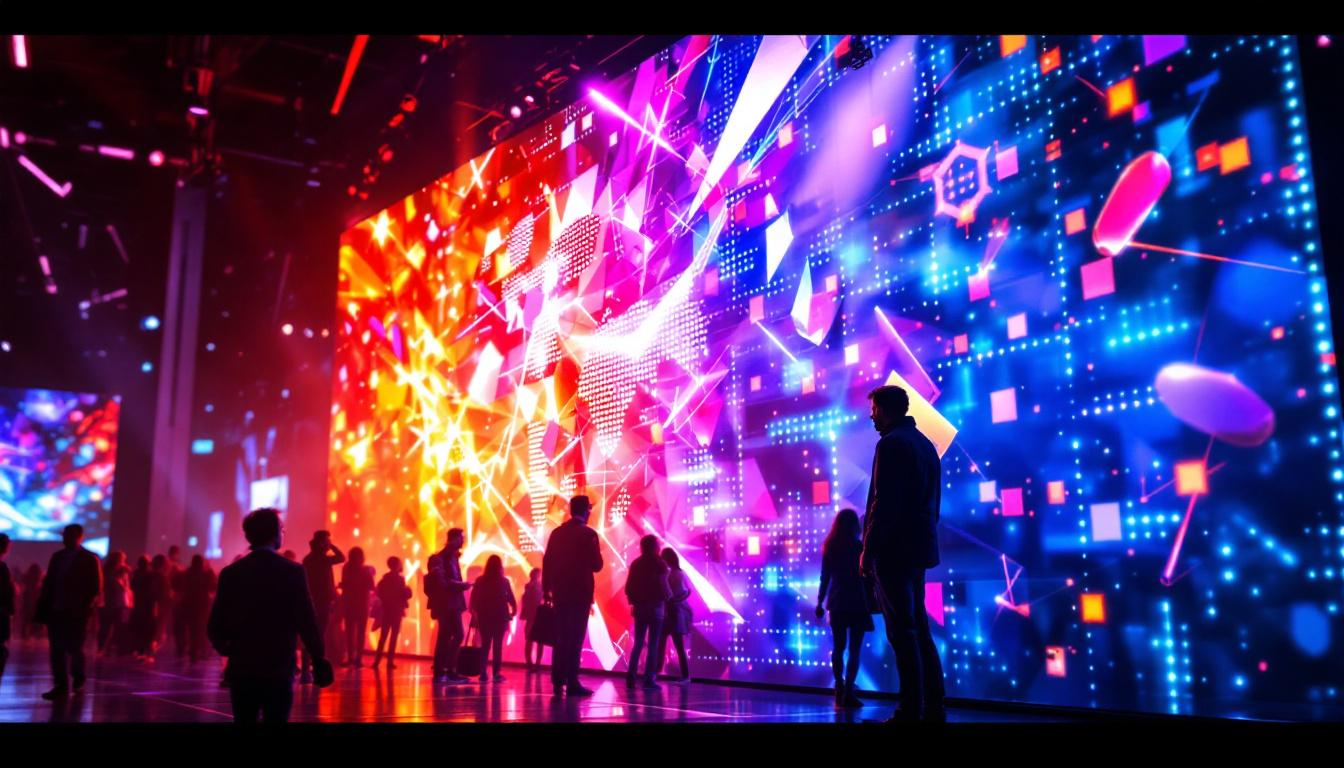
Events and exhibitions also benefit from LED walls, which provide immersive experiences through high-resolution video content and dynamic visuals. For example, music festivals and trade shows use LED walls to enhance stage backdrops and engage attendees with vibrant imagery. These installations can also be programmed to synchronize with live performances, creating a seamless blend of audio and visual elements that captivate audiences and leave lasting impressions.
Retail and Hospitality
Retailers use LED digital walls to create visually compelling storefronts and in-store displays that attract customers and promote products. The ability to quickly update content allows for timely promotions and seasonal campaigns. In hospitality, hotels and casinos employ LED walls to enhance ambiance and provide information, from welcome messages to event schedules.
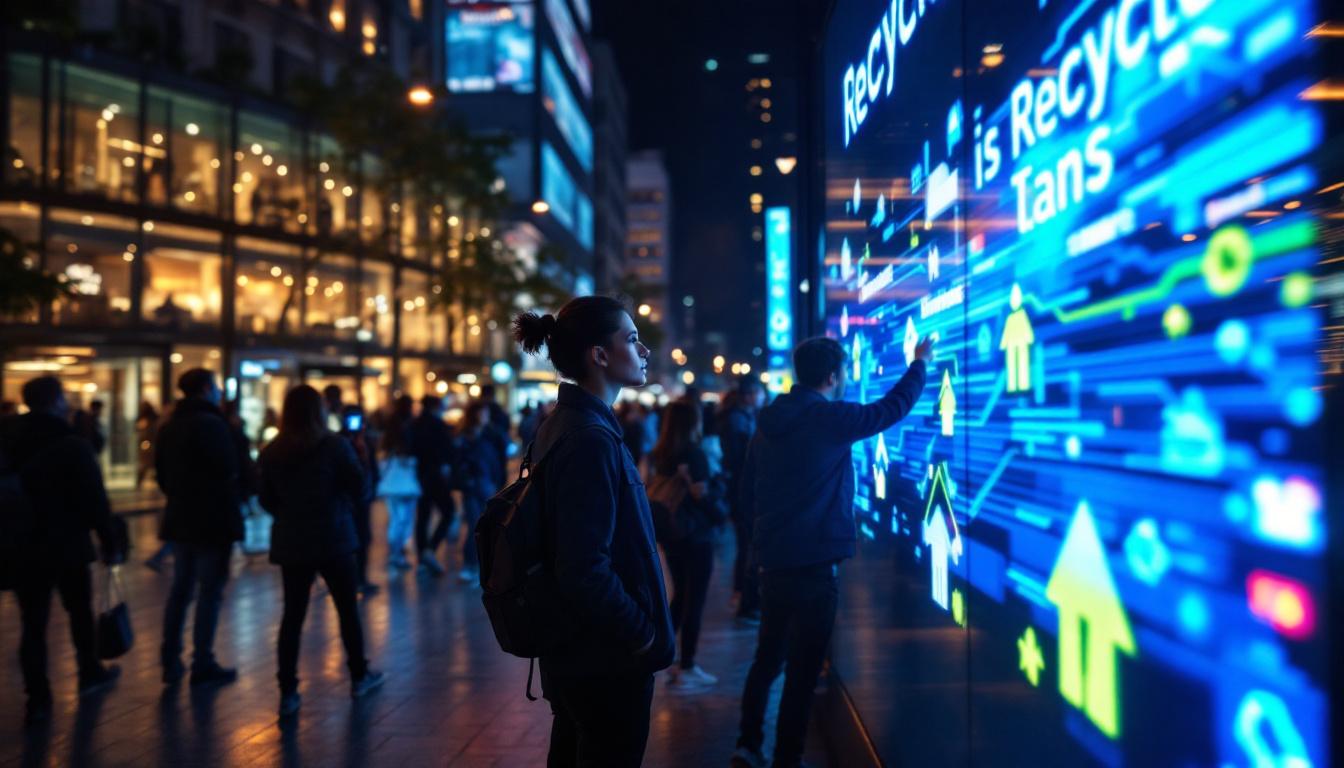
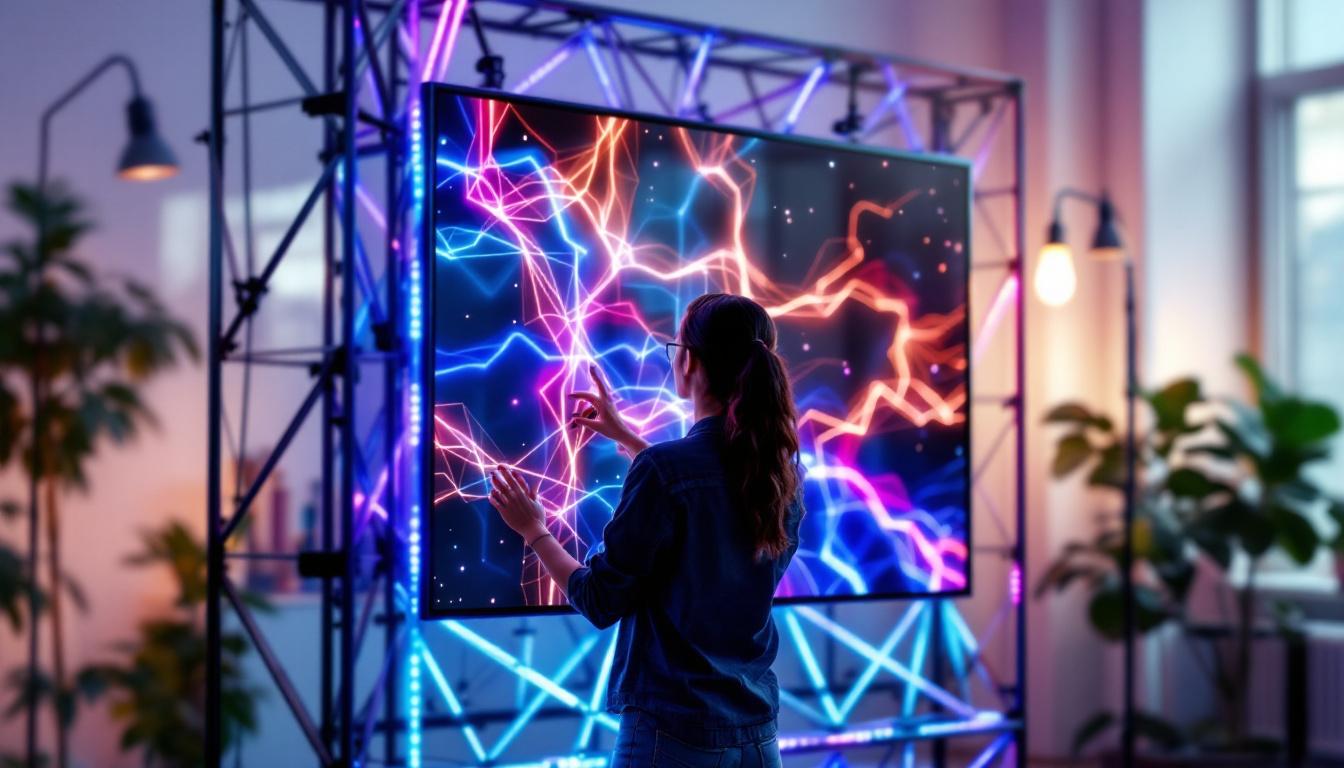
Furthermore, the integration of interactive features, such as touch screens or augmented reality, allows customers to engage with the content in a more meaningful way. For instance, a retail store might use an LED wall to showcase a virtual fitting room, enabling shoppers to see how clothes would look on them without trying them on physically. This not only enhances the shopping experience but also drives sales by encouraging customers to explore more options.
Control Rooms and Broadcast Studios
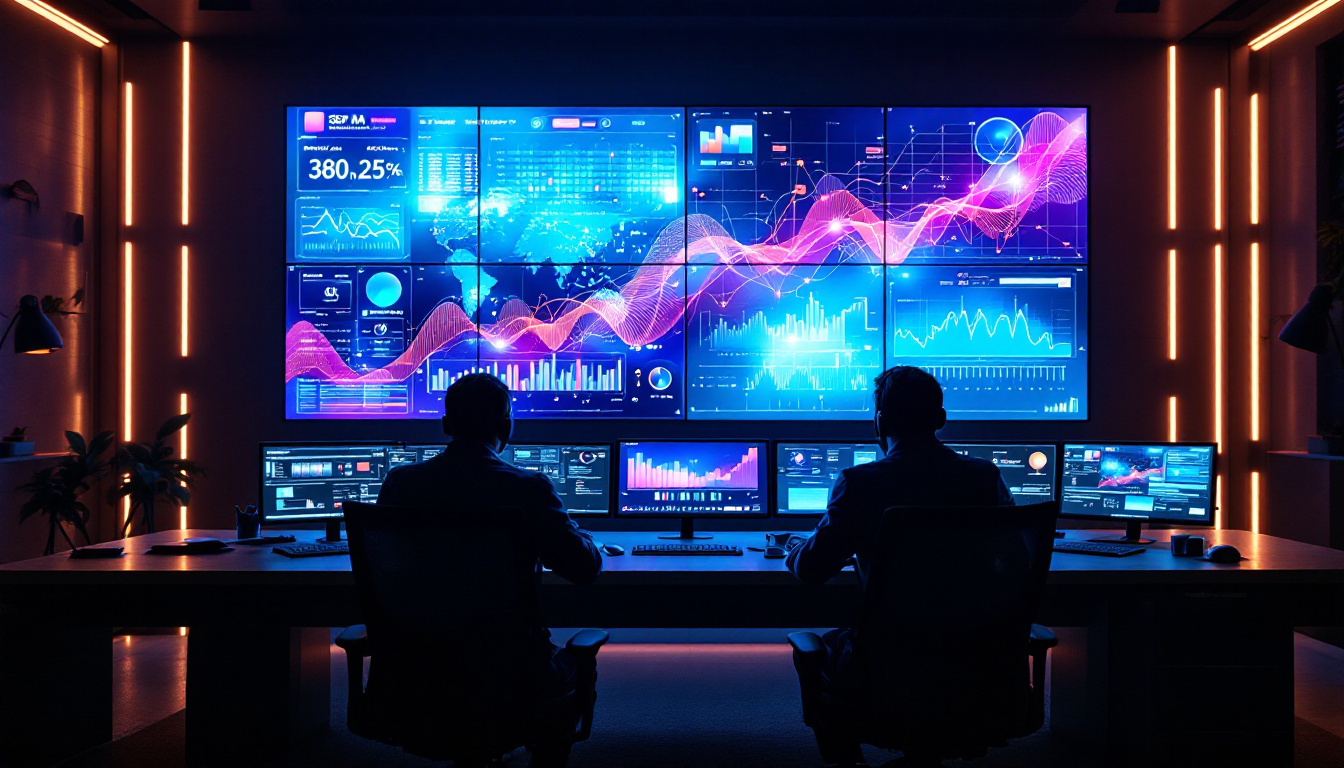
Control rooms in industries such as transportation, utilities, and emergency services rely on LED video walls for monitoring and decision-making. The high resolution and brightness ensure that critical information is visible at all times. Similarly, broadcast studios use LED walls as dynamic backdrops that can be changed instantly to suit different programs.
In addition to their functional applications, these digital walls can also serve as powerful storytelling tools in broadcast media. By displaying real-time data, graphics, and animations, they enhance the narrative of news segments or entertainment shows, making complex information more digestible for viewers. This capability not only elevates the production quality but also keeps audiences engaged and informed, reflecting the evolving landscape of media consumption in the digital age.
Benefits of LED Digital Walls
The widespread adoption of LED digital walls is driven by numerous advantages that set them apart from other display technologies.
Superior Visual Quality
LED displays deliver exceptional brightness levels, often exceeding 1,000 nits for indoor models and up to 8,000 nits for outdoor units. This brightness ensures clear visibility in various lighting conditions, including direct sunlight. Additionally, LEDs offer high contrast ratios and vibrant colors, resulting in vivid and engaging visuals.
Energy Efficiency and Longevity
Compared to traditional lighting and display technologies, LEDs consume significantly less power. This energy efficiency translates into lower operating costs and reduced environmental impact. Moreover, LED displays have a long lifespan, typically ranging from 50,000 to 100,000 hours of operation, minimizing maintenance and replacement expenses.
Scalability and Flexibility
LED digital walls are highly modular, allowing for custom sizes and shapes to fit any space. Panels can be seamlessly joined to create expansive displays or curved surfaces, enabling creative design possibilities. This flexibility is particularly valuable for architects and designers seeking to integrate digital walls into unique environments.
Real-Time Content Management
Modern LED walls support sophisticated content management systems that allow users to update and schedule content remotely. This capability is essential for advertisers and enterprises that require timely and relevant messaging. Integration with sensors and data feeds can also enable interactive and dynamic content tailored to specific audiences.
Challenges and Considerations
While LED digital walls offer many benefits, there are important factors to consider when planning and deploying these systems.
Initial Investment and Installation
The upfront cost of LED walls can be substantial, especially for high-resolution indoor displays. Installation requires careful planning, including structural support, electrical wiring, and ventilation. Engaging experienced professionals during design and installation phases is crucial to ensure optimal performance and safety.
Viewing Distance and Pixel Pitch
Choosing the right pixel pitch based on typical viewing distance is essential to avoid pixelation or blurred images. For example, a display with a 10 mm pixel pitch is suitable for viewers standing 30 feet or more away, while closer viewing distances demand finer pixel pitches. Misjudging this can negatively impact the viewer experience.
Environmental Factors
Outdoor LED walls must be weatherproof and capable of operating in a wide range of temperatures and humidity levels. Additionally, they require protection from physical damage and vandalism. Indoor installations should consider ambient lighting and potential glare to optimize visibility.
The Future of LED Digital Walls
As LED technology continues to advance, digital walls are poised to become even more immersive, intelligent, and energy-efficient.
MicroLED and MiniLED Innovations
Emerging technologies like MicroLED and MiniLED promise higher resolution and improved color accuracy by using smaller diodes. These advances will enable ultra-high-definition digital walls with greater brightness and contrast, suitable for applications demanding exceptional visual fidelity.
Integration with AI and IoT
The integration of artificial intelligence (AI) and the Internet of Things (IoT) will enable LED walls to deliver personalized and context-aware content. For instance, facial recognition and environmental sensors can adjust messaging in real-time based on audience demographics or weather conditions, enhancing engagement and effectiveness.
Energy Harvesting and Sustainability
Future LED displays may incorporate energy harvesting technologies such as solar panels or kinetic energy converters to reduce reliance on external power sources. Coupled with ongoing improvements in LED efficiency, this will contribute to more sustainable digital signage solutions.
Conclusion
LED digital walls represent a powerful convergence of technology, design, and communication. Their ability to deliver bright, dynamic, and customizable content has transformed advertising, corporate communication, retail, entertainment, and many other sectors. By understanding the technology behind LED displays, their applications, benefits, and challenges, businesses and organizations can make informed decisions to leverage digital walls effectively.
As LED technology evolves, digital walls will become increasingly sophisticated, interactive, and environmentally friendly, continuing to shape the future of visual communication in profound ways.
Explore the Future of Visual Communication with LumenMatrix
Ready to elevate your space with the vibrant, dynamic capabilities of LED digital walls? Discover LumenMatrix’s innovative LED display solutions, designed to captivate and engage your audience like never before. From Indoor and Outdoor LED Wall Displays to specialized solutions like Vehicle, Sports, and Floor LED Displays, LumenMatrix offers a wide range of cutting-edge products tailored to your unique needs. Embrace the revolution in visual communication and check out LumenMatrix LED Display Solutions today to transform your message into an unforgettable visual experience.