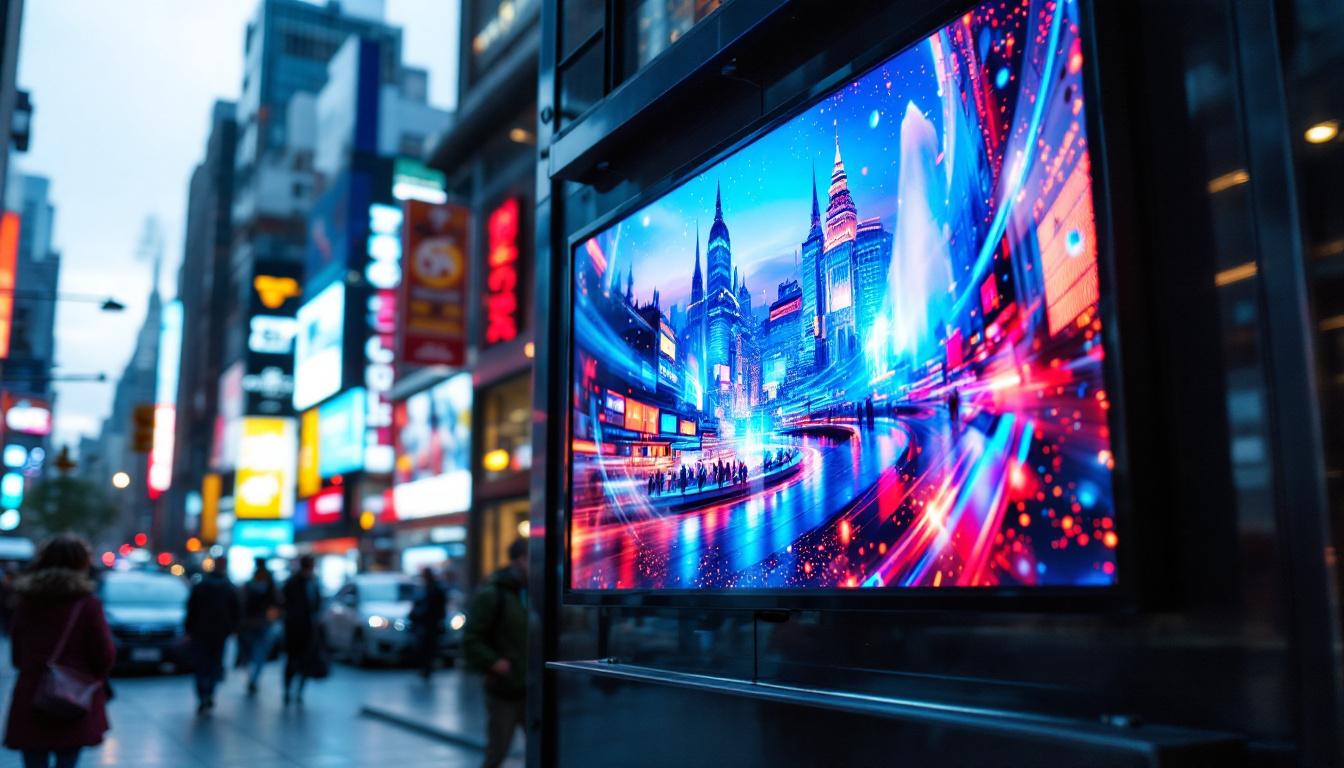
In today’s fast-paced digital world, businesses and organizations are constantly seeking innovative ways to capture attention and communicate messages effectively. Digitale Signage, especially LED displays, has emerged as a powerful tool to engage audiences, enhance brand visibility, and deliver dynamic content in real-time. This article delves into the world of LED displays within digitale signage, explaining their technology, applications, benefits, and future trends.
Understanding Digitale Signage and LED Displays
Digitale Signage refers to the use of digital screens to display multimedia content such as advertisements, information, and interactive media. These displays are found in various environments including retail stores, airports, corporate offices, and public spaces. Among the different types of digital screens, LED displays stand out for their brightness, flexibility, and durability.
What is an LED Display?
LED stands for Light Emitting Diode, a semiconductor device that emits light when an electric current passes through it. An LED display is composed of numerous tiny LEDs arranged in a matrix to form images, videos, or text. These displays can be configured in various sizes and shapes, from small indoor panels to massive outdoor billboards.
The key advantage of LED technology is its ability to produce vivid colors and high brightness levels, making the content visible even under direct sunlight. This is why LED displays are often preferred for outdoor digitale signage applications. Furthermore, LED displays are energy-efficient, consuming less power compared to traditional display technologies, which not only reduces operational costs but also supports sustainability initiatives.
Types of LED Displays
There are primarily two categories of LED displays used in digitale signage:
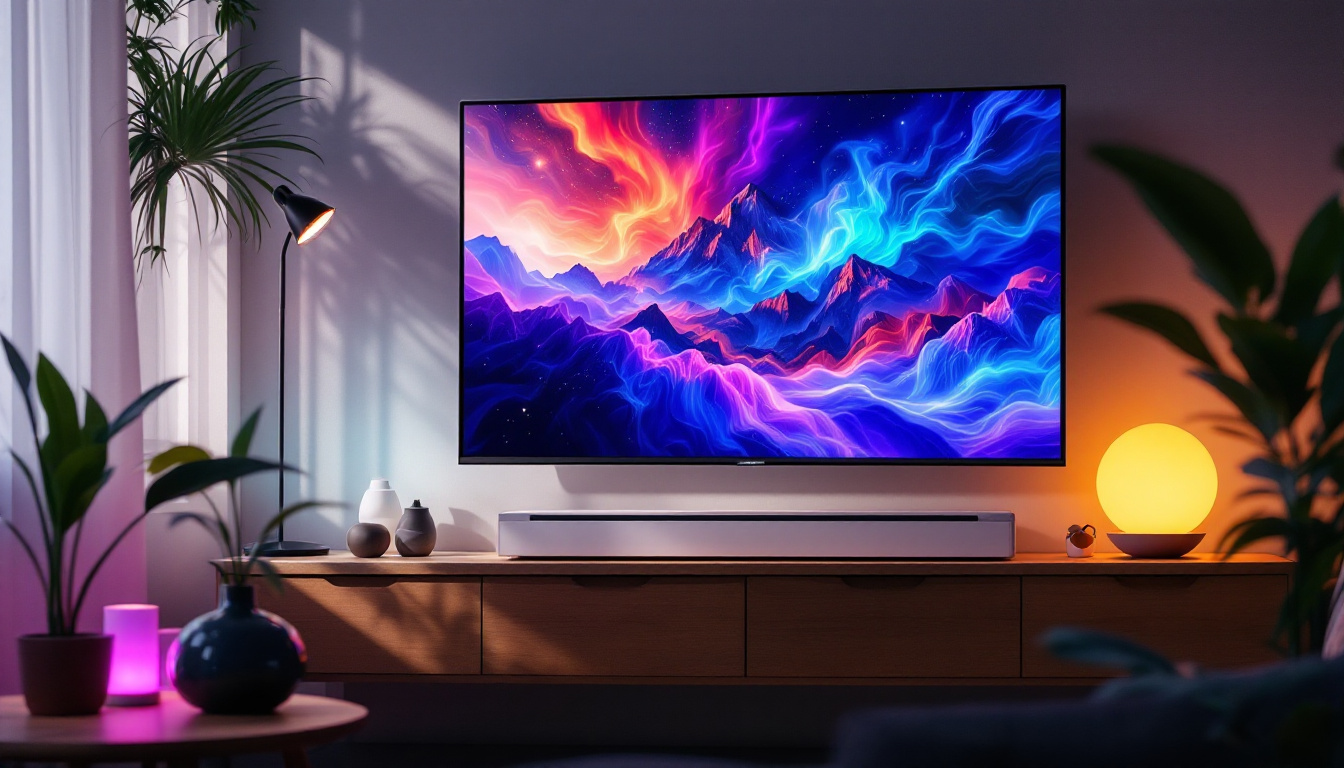
- Indoor LED Displays: Designed for environments with controlled lighting, indoor LED displays offer high resolution and pixel density for close viewing distances. They are commonly used in retail stores, conference rooms, and event venues. These displays can also incorporate advanced features such as touch interactivity, allowing users to engage with the content directly, enhancing the overall experience.
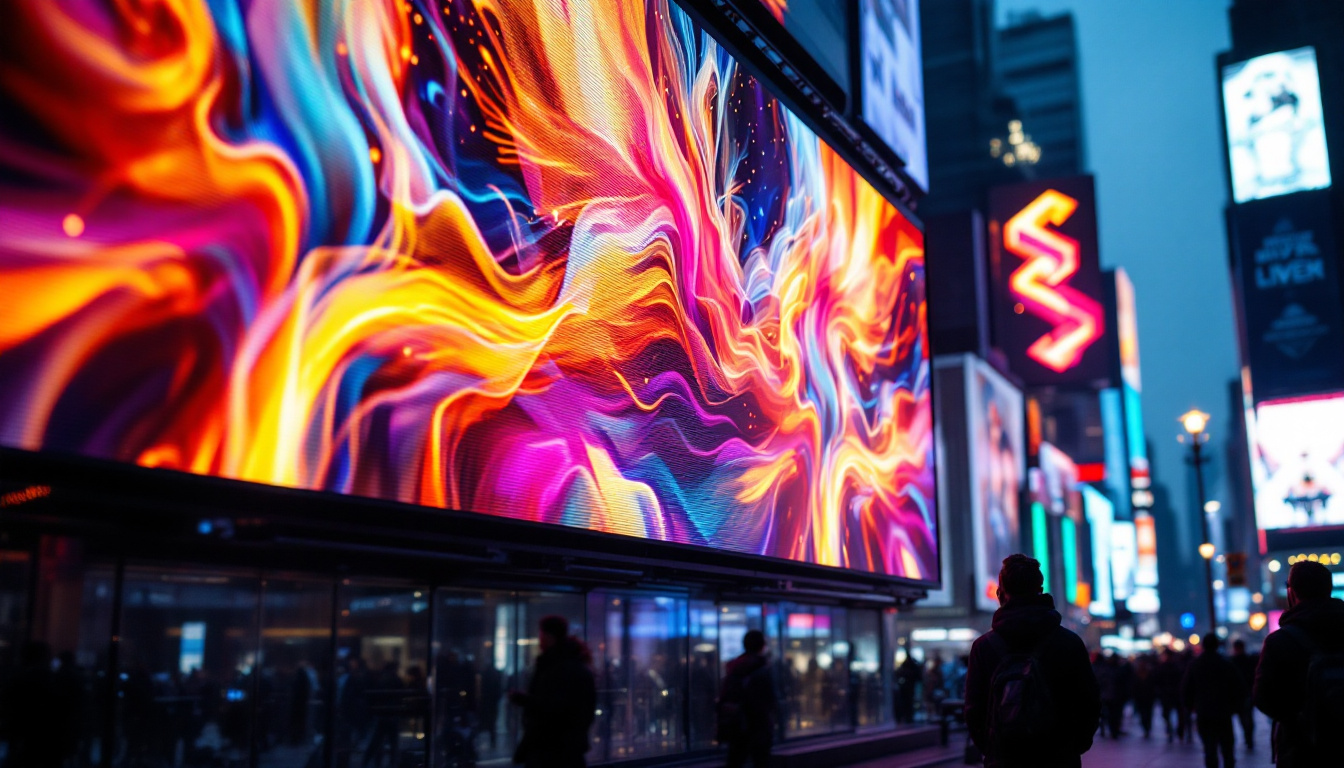
- Outdoor LED Displays: Built to withstand harsh weather conditions, these displays have higher brightness levels (often exceeding 5,000 nits) and are weatherproof. They are ideal for billboards, stadium screens, and transportation hubs. Outdoor LED displays often come with advanced technologies like automatic brightness adjustment, ensuring optimal visibility regardless of the time of day or weather conditions.
In addition to these primary types, LED displays can also be categorized based on their pixel pitch, which refers to the distance between the centers of two adjacent pixels. A smaller pixel pitch results in higher resolution and is suitable for close-range viewing, while a larger pixel pitch is more appropriate for long-distance viewing, such as large-scale advertising. This versatility allows businesses to select the right type of LED display that aligns with their specific needs and audience engagement strategies.
How LED Displays Work in Digitale Signage
To appreciate the impact of LED displays, it’s important to understand how they function within digitale signage systems.
Pixel Structure and Color Generation
Each pixel on an LED display is typically made up of three smaller LEDs: red, green, and blue (RGB). By varying the intensity of these three colors, the display can produce a wide spectrum of colors. This RGB system enables LED displays to render vibrant and accurate images.
Modern LED displays use surface-mounted device (SMD) technology, where LEDs are mounted directly onto the circuit board, allowing for higher pixel density and better color uniformity. This advancement not only enhances the visual experience but also improves the durability of the displays, making them suitable for various environmental conditions. Furthermore, the integration of advanced thermal management systems ensures that the LEDs operate efficiently, reducing the risk of overheating and extending the lifespan of the display.
Resolution and Pixel Pitch
The resolution of an LED display is determined by the total number of pixels it contains. Pixel pitch, the distance between the centers of two adjacent pixels, is a critical factor influencing image clarity. A smaller pixel pitch means higher resolution and sharper images, which is essential for indoor displays viewed up close.
For example, an indoor LED display might have a pixel pitch of 1.2mm to 2.5mm, while outdoor displays generally have larger pixel pitches from 4mm to 20mm, balancing visibility from a distance with cost-effectiveness. Additionally, advancements in technology have led to the development of ultra-high-definition (UHD) displays, which offer even greater resolutions, making them ideal for applications that require intricate detail, such as art galleries or high-end retail environments. The choice of pixel pitch is thus a strategic decision that impacts not only the visual quality but also the overall user experience.
Content Management Systems (CMS)
Digitale signage is not just about hardware; content management plays a crucial role. LED displays are connected to CMS platforms that allow users to schedule, update, and manage content remotely. This flexibility enables businesses to tailor messages based on time, location, or audience demographics, maximizing engagement.
Moreover, many CMS platforms come equipped with analytics tools that track viewer engagement and content performance. This data-driven approach allows businesses to refine their messaging strategies over time, ensuring that the content resonates with their target audience. The ability to integrate real-time data feeds, such as weather updates or social media trends, further enhances the relevance of the displayed content, creating a dynamic interaction with viewers. As a result, companies can not only promote their products but also foster a connection with their audience, making the digital signage experience more immersive and impactful.
Applications of LED Displays in Digitale Signage
LED displays have transformed the way organizations communicate with their audiences. Their versatility and impact make them suitable for a wide range of applications.
Retail and Advertising
Retailers leverage LED displays to create eye-catching storefronts and in-store promotions. Dynamic content such as flash sales, product launches, and interactive advertisements can boost customer engagement and drive sales. According to a study by the Digital Signage Federation, digital signage can increase sales by up to 30% in retail environments.
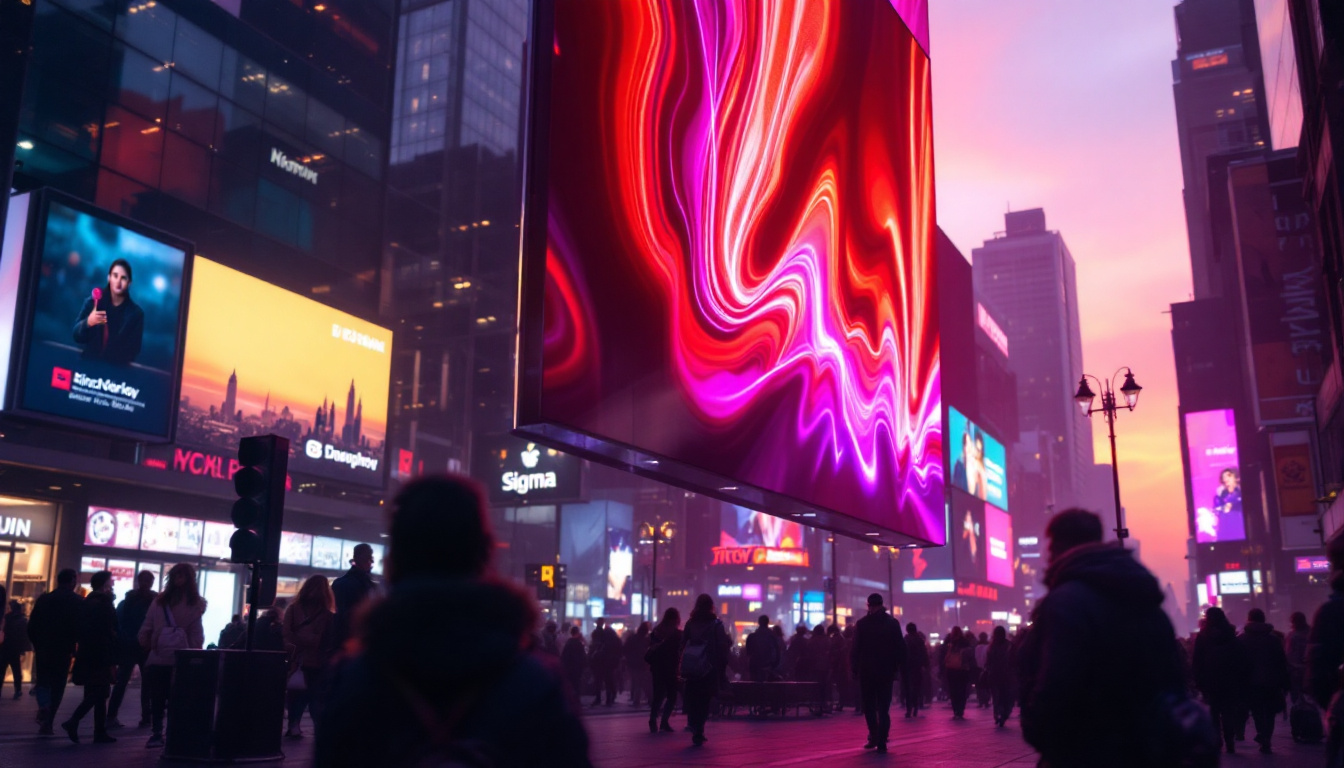
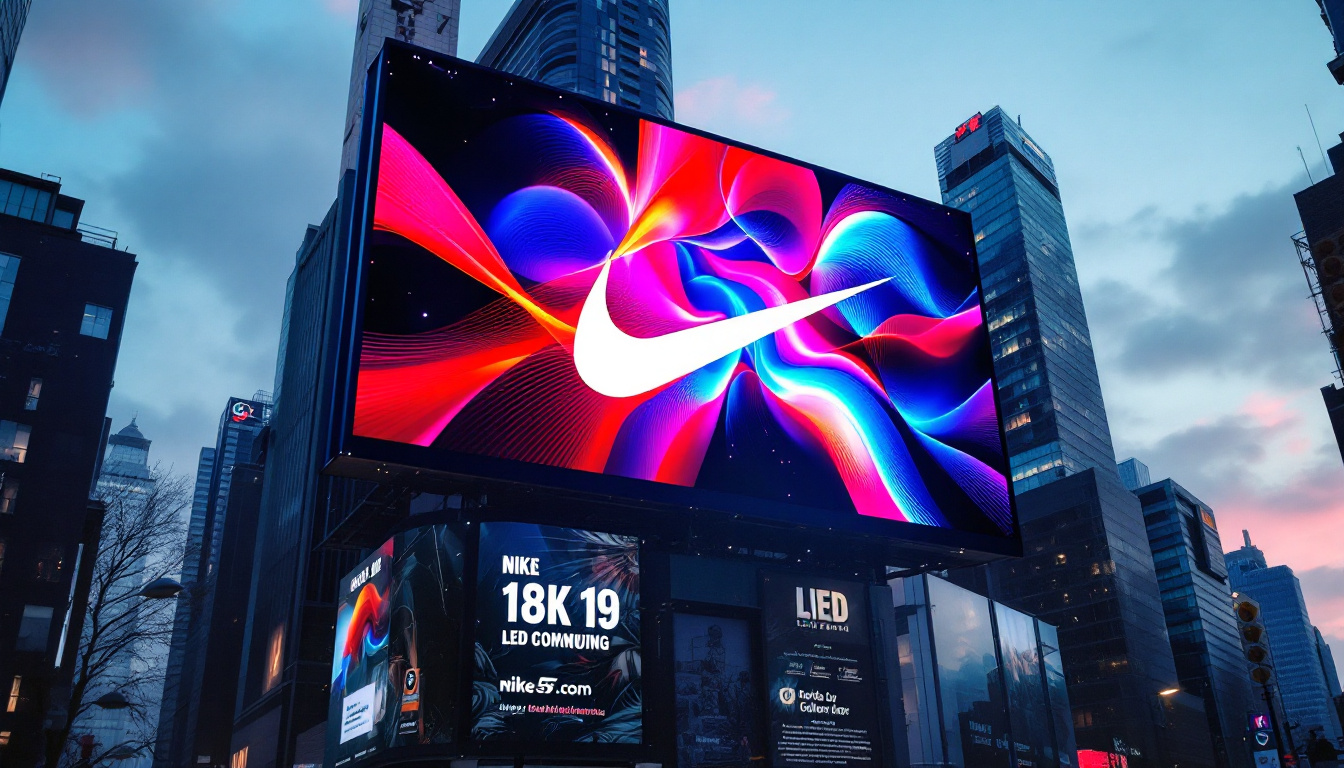
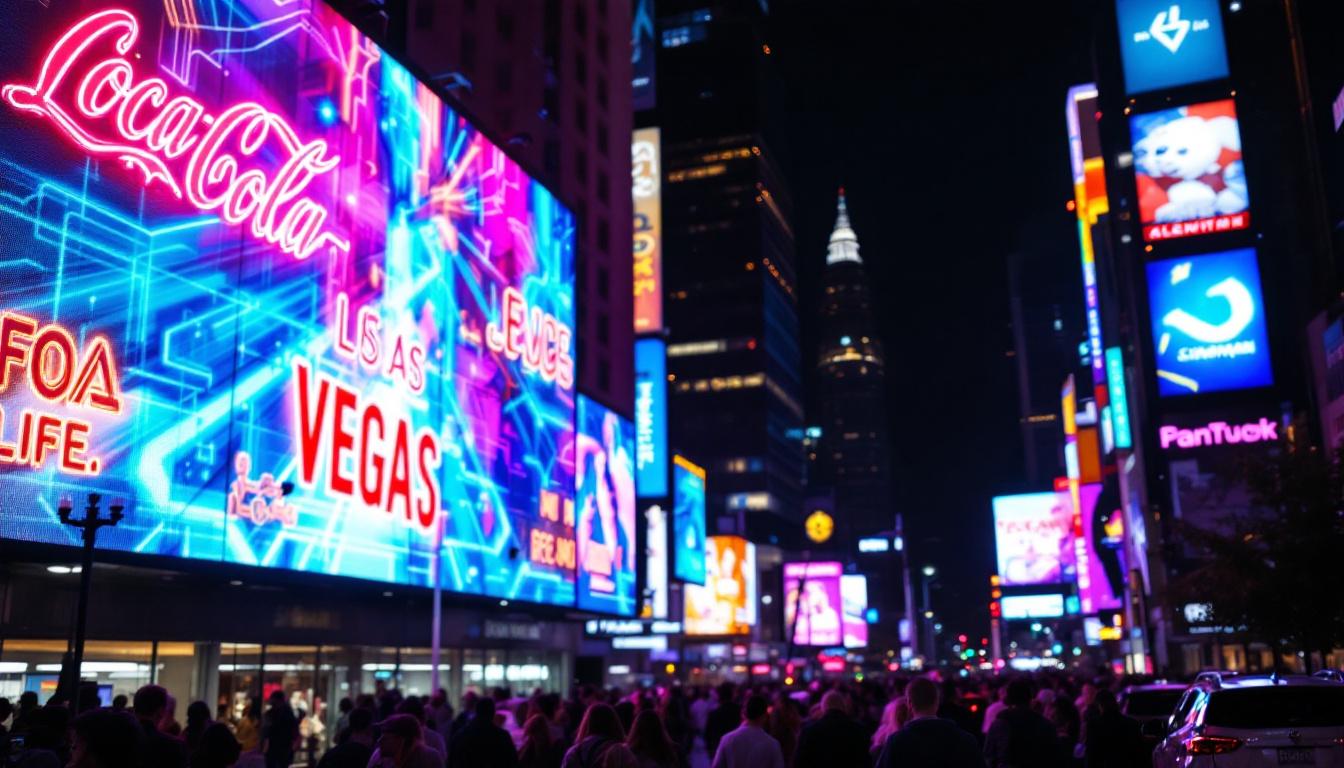
Outdoor LED billboards are also a staple in advertising, offering high visibility to motorists and pedestrians. With the ability to update content instantly, advertisers can run multiple campaigns on a single display, optimizing their marketing budgets.
Transportation and Public Spaces
Airports, train stations, and bus terminals utilize LED displays to provide real-time information such as arrivals, departures, and delays. The high brightness and clarity of LED screens ensure that travelers receive important updates promptly, improving overall customer experience.
In public spaces, LED displays serve as digital bulletin boards for community announcements, emergency alerts, and event promotions. Their durability and weather resistance make them ideal for outdoor installations.
Corporate and Educational Environments
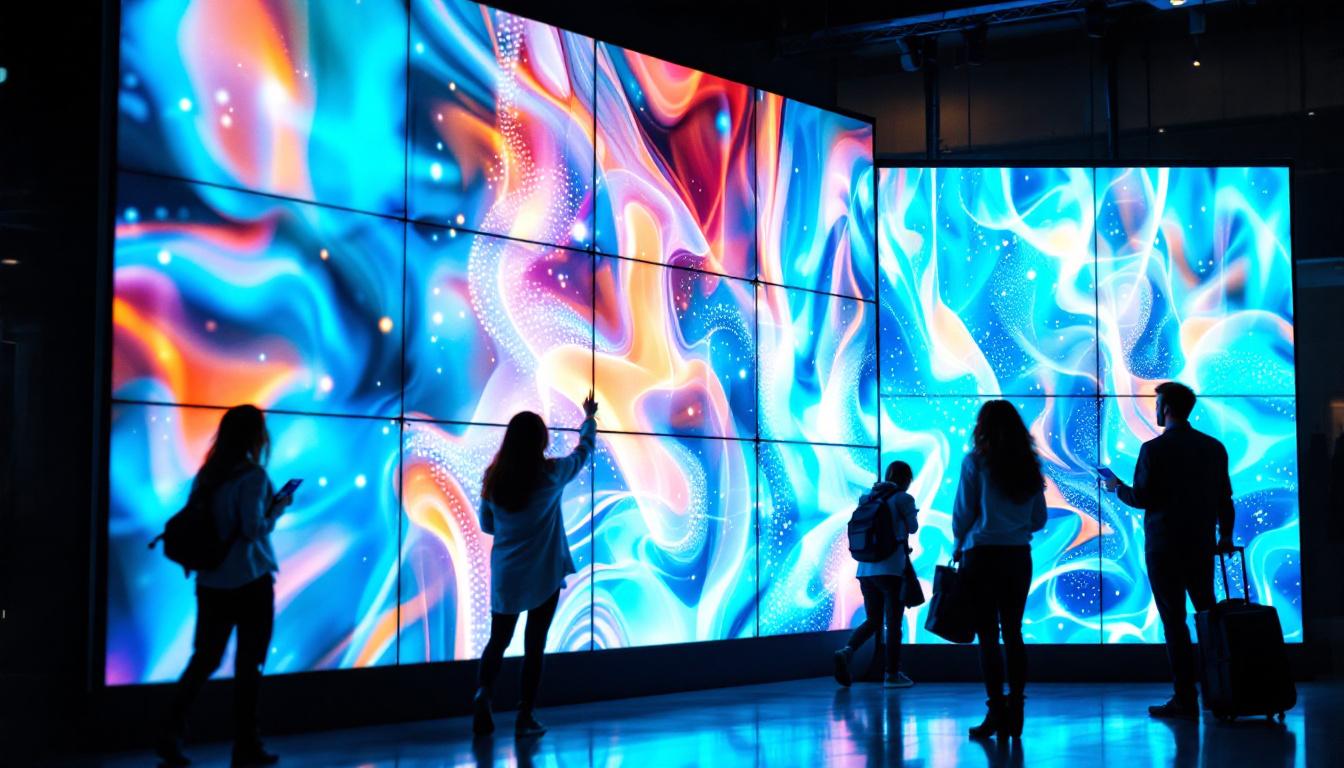
Businesses use LED displays for internal communications, presentations, and visitor information. Large LED video walls in lobbies create impressive first impressions and can be used for branding or showcasing company achievements.
Educational institutions employ LED signage to disseminate schedules, event information, and safety messages, enhancing campus communication and engagement.
Benefits of LED Displays in Digitale Signage
The growing adoption of LED displays in digitale signage is driven by their numerous advantages over traditional signage methods.
High Visibility and Brightness
LED displays offer exceptional brightness levels, often exceeding 1,000 nits for indoor and 5,000 nits for outdoor screens. This ensures content remains visible in various lighting conditions, including direct sunlight, which is a significant limitation for LCD or projection-based displays.
Energy Efficiency and Longevity
Compared to other display technologies, LEDs consume less power and have a longer operational lifespan, often exceeding 100,000 hours. This reduces maintenance costs and environmental impact, making LED displays a sustainable choice for long-term installations.
Flexibility and Customization
LED displays can be manufactured in custom shapes and sizes, including curved or flexible panels, enabling creative and immersive signage solutions. Their modular design allows for easy scalability and maintenance.
Dynamic and Real-Time Content
Unlike static signs, LED displays can showcase videos, animations, and live feeds, capturing attention more effectively. Integration with CMS platforms allows for real-time updates, enabling timely and relevant messaging.
Challenges and Considerations When Choosing LED Displays
While LED displays offer numerous benefits, certain challenges and considerations must be addressed to ensure successful deployment.
Initial Investment and Cost
The upfront cost of high-quality LED displays can be significant, especially for large or high-resolution installations. However, the return on investment through increased engagement and sales often justifies the expense.
Installation and Maintenance
Proper installation is critical to ensure optimal performance and longevity. This includes considerations for structural support, electrical requirements, and environmental protection. Regular maintenance is also necessary to address potential issues such as dead pixels or power supply failures.
Content Strategy
Effective digitale signage requires a well-planned content strategy. Poorly designed or irrelevant content can reduce the impact of LED displays. Businesses should invest in professional content creation and management to maximize the benefits.
Future Trends in LED Digitale Signage
The evolution of LED technology continues to shape the future of digitale signage, offering exciting possibilities for businesses and audiences alike.
MicroLED and MiniLED Technologies
Emerging MicroLED and MiniLED technologies promise even higher resolutions, better color accuracy, and improved energy efficiency. These advancements will enable thinner, brighter, and more flexible displays, expanding the potential applications of LED signage.
Interactive and Smart Displays
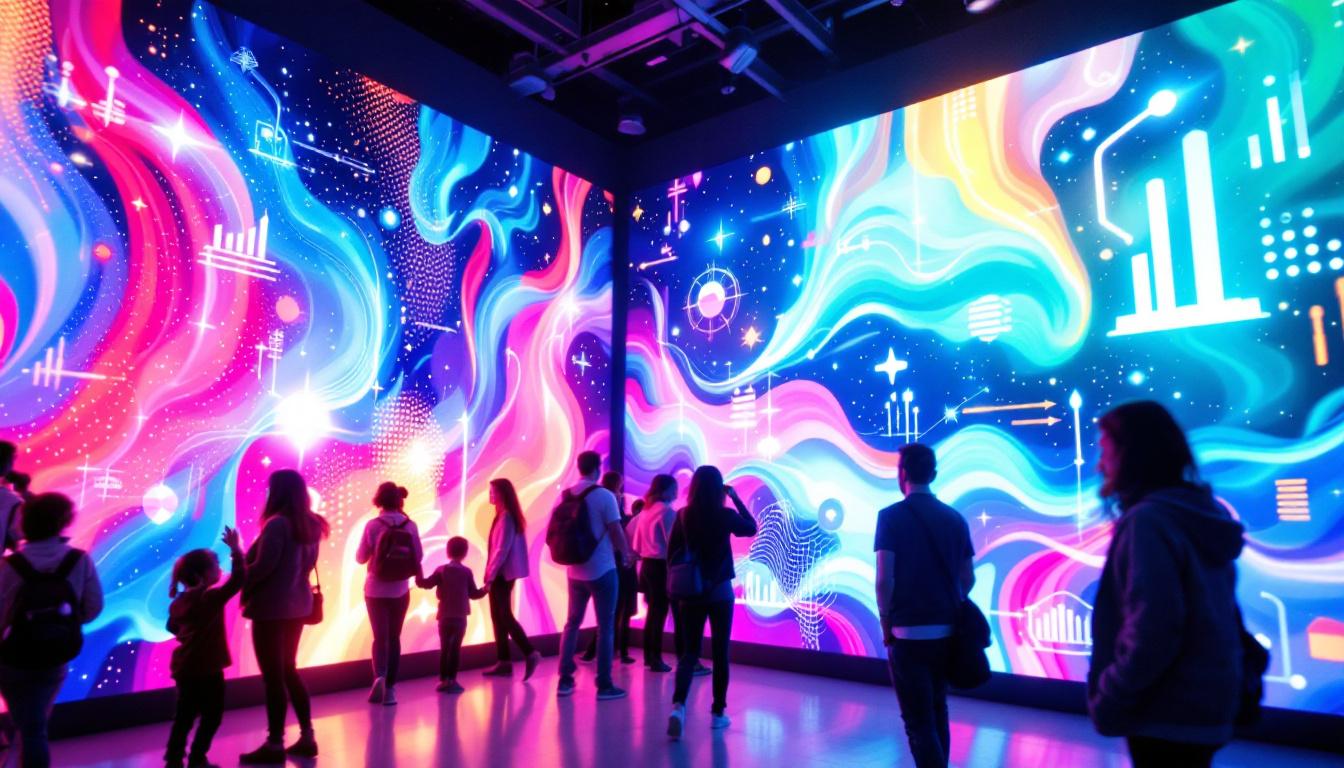
Integration with touch sensors, cameras, and artificial intelligence is making LED displays more interactive and personalized. Smart signage can adapt content based on audience demographics, behavior, or environmental conditions, enhancing engagement and effectiveness.
Augmented Reality (AR) Integration
Combining LED displays with AR technology can create immersive experiences that blend digital content with the physical environment. This trend is gaining traction in retail, entertainment, and education sectors.
Conclusion
LED displays have revolutionized digitale signage by offering vibrant, durable, and versatile solutions for communicating with diverse audiences. Their ability to deliver dynamic, high-impact content in various environments makes them indispensable in modern marketing, information dissemination, and brand engagement strategies.
As LED technology continues to advance, businesses that invest in well-designed LED signage systems will be better positioned to capture attention, convey messages effectively, and stay ahead in a competitive landscape.
Discover LumenMatrix’s Innovative LED Solutions
Ready to elevate your digital signage strategy with the latest in LED display technology? Look no further than LumenMatrix, where innovation meets visual brilliance. Our comprehensive range of LED display modules, including Indoor and Outdoor LED Wall Displays, Vehicle LED Displays, LED Poster Displays, LED Sports Displays, Floor LED Displays, Custom LED Displays, All-in-One LED Displays, and LED Transparent Displays, are designed to captivate your audience and amplify your message. Experience the future of visual communication with LumenMatrix and transform your space into a dynamic, engaging environment. Check out LumenMatrix LED Display Solutions today and see the difference for yourself.