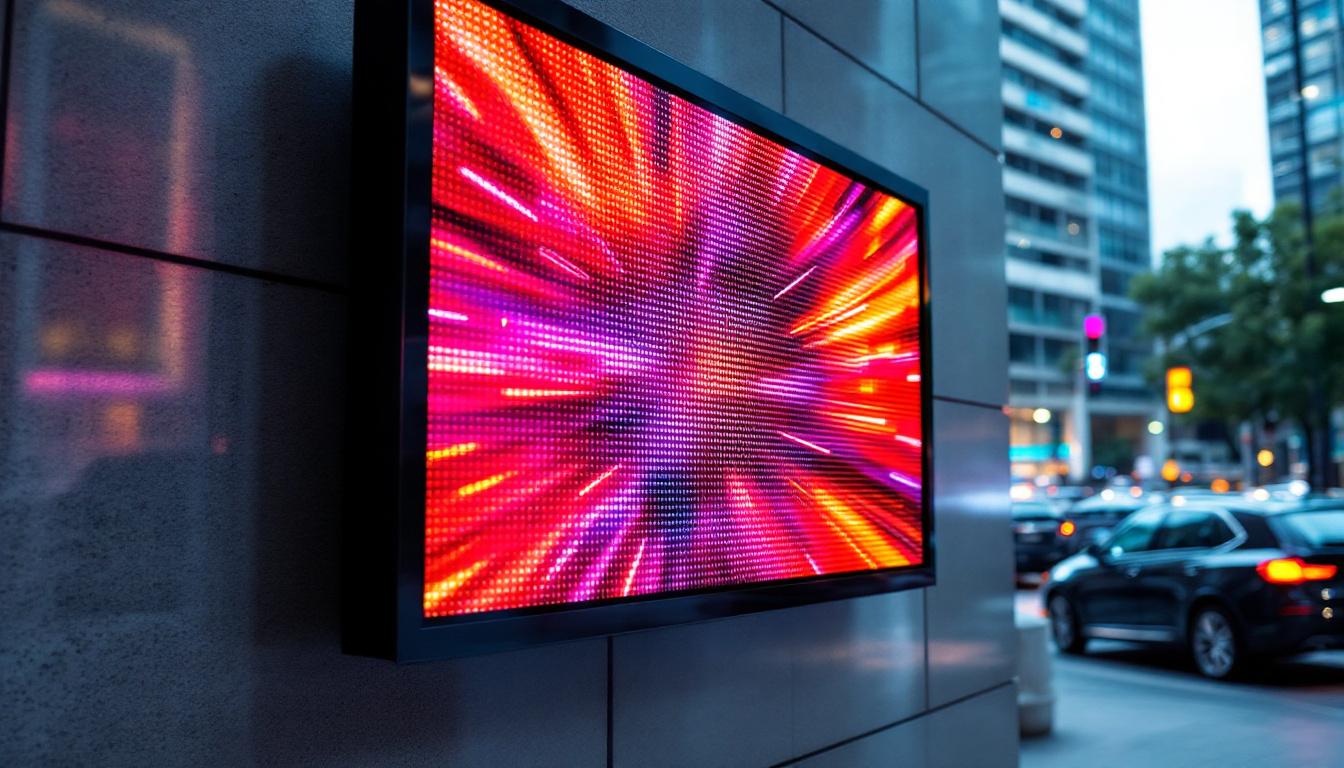
In today’s fast-paced world, outdoor digital displays have become an essential part of advertising, public information dissemination, and event management. Among the various technologies available, LCD and LED screens dominate the market. This article delves into the specifics of outdoor LCD and LED screens, focusing on how LED displays work, their advantages, and why they are often preferred for outdoor applications.
Understanding Outdoor Display Technologies
Outdoor displays must endure harsh weather conditions, bright sunlight, and varying temperatures while delivering clear, vibrant images. Two primary technologies are widely used: LCD (Liquid Crystal Display) and LED (Light Emitting Diode) displays. Each has unique features that influence their suitability for outdoor use.
What is an LCD Screen?
LCD screens use liquid crystals sandwiched between two layers of glass or plastic. When an electric current passes through, these crystals align to block or allow light, creating images. Typically, an LCD requires a backlight, often LED-based, to illuminate the display.
While LCDs are common for indoor applications due to their excellent image quality and energy efficiency, their use outdoors is limited. This limitation is primarily due to their lower brightness levels and sensitivity to direct sunlight, which can make screens difficult to view in bright conditions. Additionally, LCDs can suffer from temperature fluctuations, which may lead to performance issues such as slower response times or color distortion, further reducing their effectiveness in outdoor settings.
Introduction to LED Displays
Unlike LCDs, LED displays use tiny light-emitting diodes as pixels to create images. These diodes emit their own light, which means no backlight is necessary. LED technology can be divided into two main types: traditional LED displays and OLED (Organic LED) displays. For outdoor applications, traditional LED displays are most common.
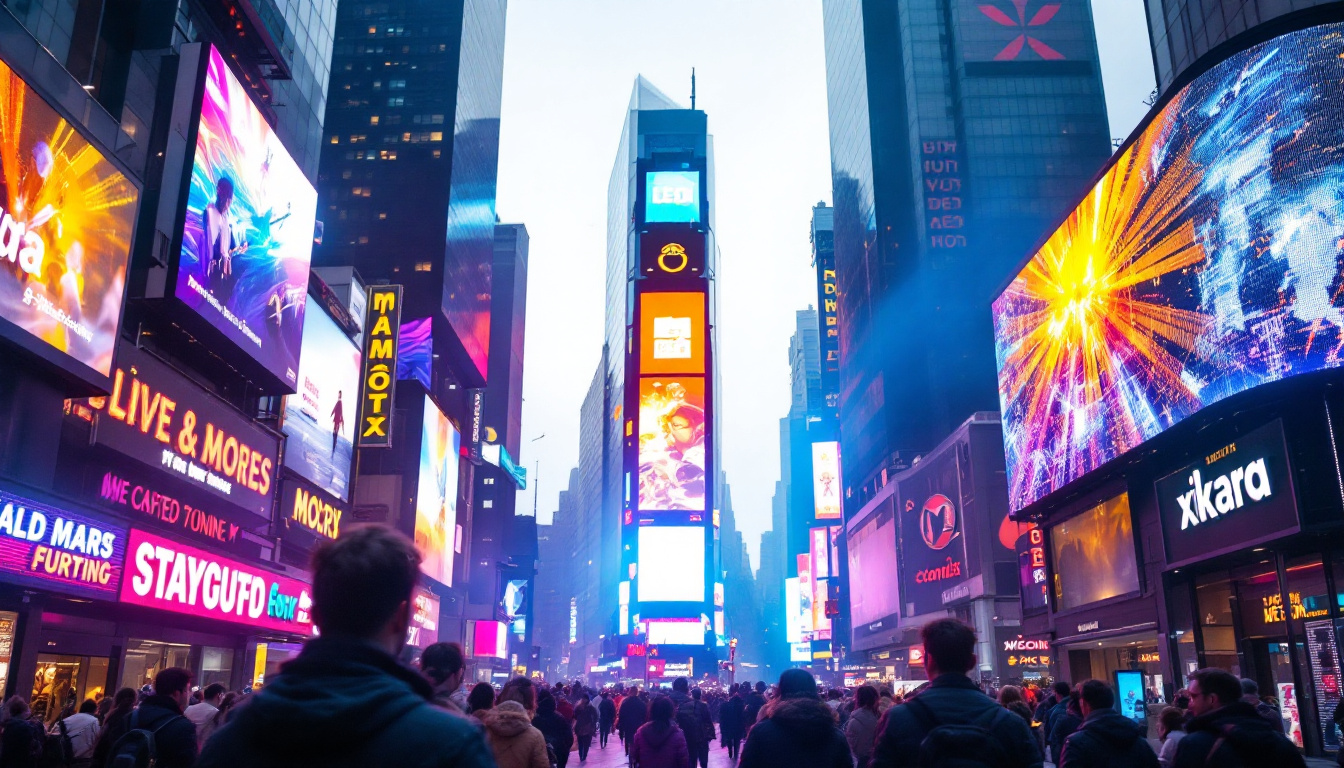
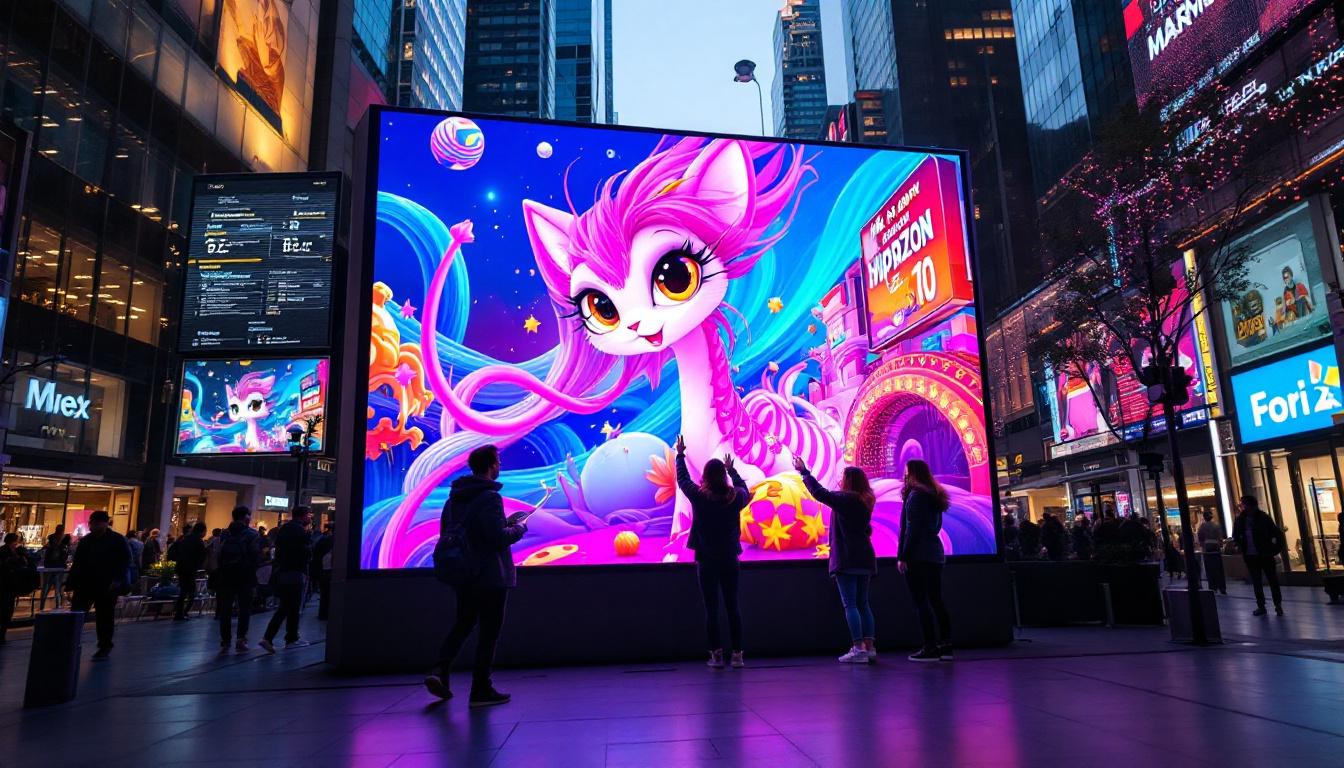
LED displays are known for their high brightness, durability, and energy efficiency, making them ideal for outdoor environments. They are widely used in billboards, sports arenas, transportation hubs, and public spaces. The modular design of LED displays also allows for easy scalability, enabling businesses to customize their display size and shape to fit specific locations and advertising needs. Furthermore, advancements in LED technology have led to improved color accuracy and refresh rates, enhancing the overall viewing experience, even in direct sunlight.
Moreover, the longevity of LED displays is a significant advantage; they can last up to 100,000 hours, reducing maintenance costs and the frequency of replacements. This durability is particularly beneficial for outdoor installations, where exposure to the elements can be harsh. Additionally, many modern LED displays come equipped with smart technology, allowing for real-time content updates and remote management, which is essential for dynamic advertising and information dissemination in busy public areas.
Why LED Displays are Preferred for Outdoor Use
Several factors make LED displays the preferred choice for outdoor screens. Understanding these can help businesses and organizations make informed decisions when investing in outdoor digital signage.
Brightness and Visibility
One of the most critical factors for outdoor screens is brightness. Outdoor LED displays can reach brightness levels of up to 5,000 to 8,000 nits, which is significantly higher than typical LCD screens that max out around 1,000 nits. This high brightness ensures that content remains visible even in direct sunlight, a crucial feature for outdoor advertising and information displays.
Moreover, LED displays offer superior contrast ratios, which improve image clarity and readability from a distance. This makes them highly effective for capturing attention in busy outdoor environments.
Durability and Weather Resistance
Outdoor LED displays are designed to withstand extreme weather conditions including rain, snow, heat, and dust. They are typically encased in weatherproof housings with IP65 or higher ratings, ensuring protection against water ingress and dust particles.
In contrast, LCD screens require additional protective enclosures to operate outdoors, which can increase costs and reduce image quality due to reflections and glare. LED displays’ inherent durability reduces maintenance needs and extends their operational lifespan.
Energy Efficiency and Cost Effectiveness
LED technology is energy-efficient compared to traditional lighting and display technologies. Outdoor LED screens consume less power while providing higher brightness, which translates to lower operating costs over time.
Although the initial investment in LED displays can be higher than LCD alternatives, the long-term savings in energy consumption and maintenance make LEDs a more cost-effective solution for outdoor applications.
Types of Outdoor LED Displays
Outdoor LED displays come in various configurations, each suited to specific applications and environments. Understanding these types helps in selecting the right display for particular needs.
Fixed Outdoor LED Displays
Fixed LED displays are permanently installed in a specific location, such as on building facades, billboards, or stadiums. These displays are designed for long-term use and can be very large, offering high resolution and brightness.
They are ideal for advertising, public announcements, and event promotions where consistent visibility and impact are required.
Rental and Portable LED Displays
Rental LED displays are modular and portable, often used for temporary events like concerts, trade shows, and sports events. Their flexibility allows for quick assembly and disassembly, making them convenient for short-term outdoor use.
Despite being portable, these displays maintain high brightness and durability, ensuring quality performance in various outdoor settings.
Transparent LED Displays
Transparent LED displays are a newer innovation that allows light to pass through the screen, making them suitable for glass windows and storefronts. These displays combine advertising with architectural aesthetics, providing dynamic content without obstructing views.
They are gaining popularity in urban environments where space is limited but visibility is crucial.
Technical Considerations When Choosing an Outdoor LED Display
Selecting the right outdoor LED display involves evaluating several technical parameters to ensure optimal performance and longevity.
Pixel Pitch and Resolution
Pixel pitch refers to the distance between the centers of two adjacent LEDs. Smaller pixel pitches mean higher resolution and finer image detail, which is important for displays viewed up close. For large billboards viewed from a distance, a larger pixel pitch is acceptable.
Choosing the appropriate pixel pitch depends on the viewing distance and content requirements. For example, a pixel pitch of 10mm or higher is common for highway billboards, while 2mm to 4mm is typical for retail displays.
Brightness and Contrast Ratio
Brightness, measured in nits, determines how well the display performs under sunlight. Outdoor LED displays should have adjustable brightness settings to adapt to different lighting conditions and reduce power consumption at night.
Contrast ratio affects image sharpness and color vibrancy. High contrast ratios improve readability and viewer engagement, especially for video content and detailed graphics.
Viewing Angle and Color Accuracy
Wide viewing angles ensure that the content is visible from various positions, which is essential for public spaces. LED displays typically offer viewing angles of 120 degrees or more horizontally and vertically.
Color accuracy is crucial for brand consistency and visual appeal. Modern LED displays use advanced calibration techniques to maintain consistent and vibrant colors over time.
Durability and Maintenance
Look for displays with robust construction and high ingress protection ratings (IP65 or above) to ensure resistance to water, dust, and physical impacts. Additionally, modular designs facilitate easier maintenance and repairs, reducing downtime.
Some LED displays feature built-in sensors for temperature and humidity monitoring, which help in proactive maintenance and extending the lifespan of the screen.
Applications of Outdoor LED Displays
Outdoor LED displays have transformed how businesses and organizations communicate with the public. Their versatility and impact make them suitable for a wide range of applications.
Advertising and Marketing
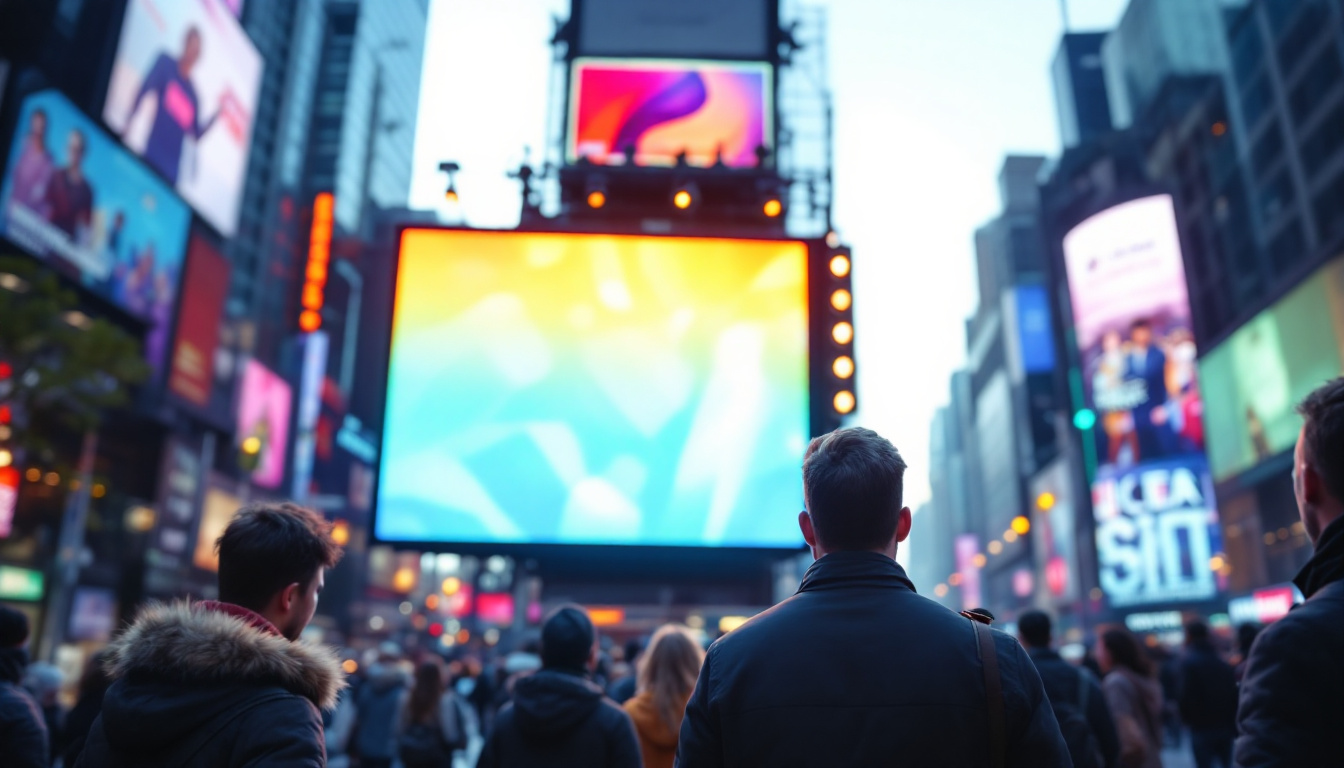
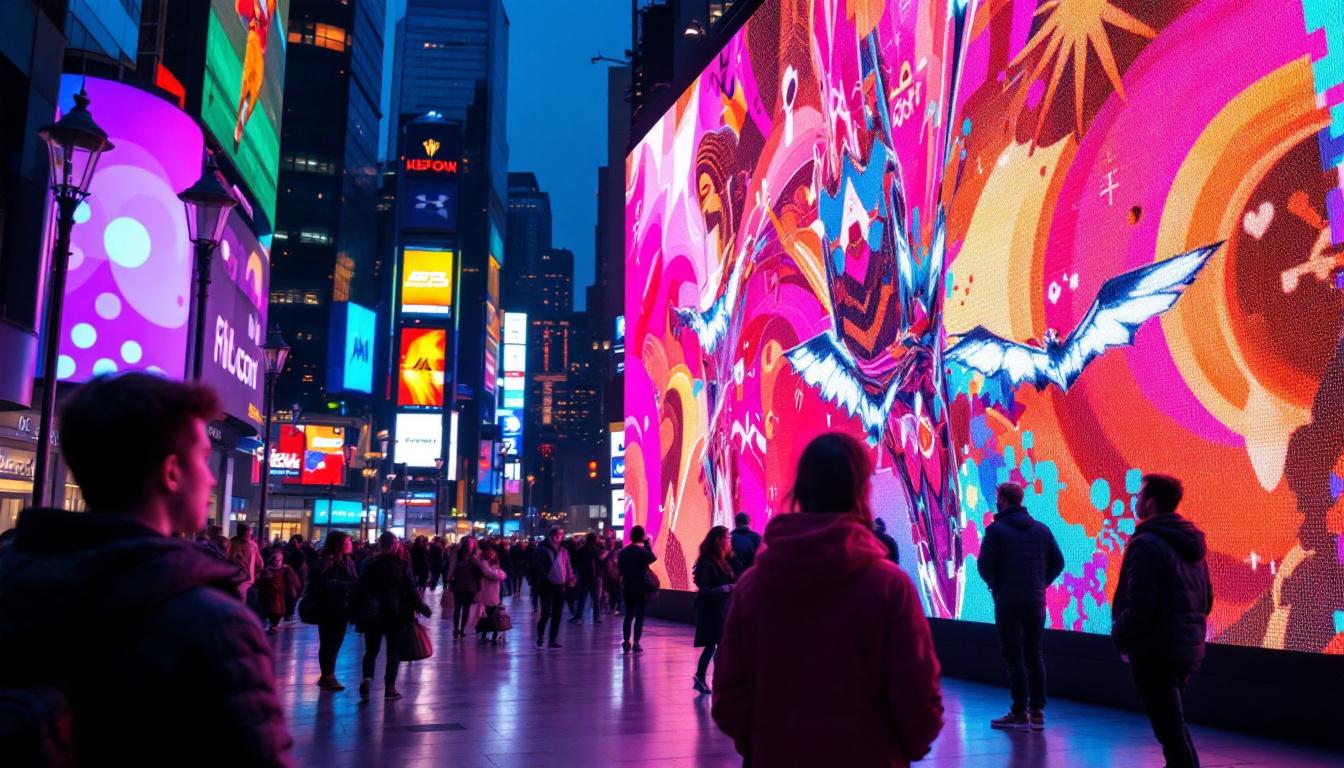
Outdoor LED billboards are among the most effective advertising tools, capturing attention with dynamic content and high visibility. According to recent market research, digital out-of-home advertising spending is expected to grow by over 12% annually through 2026, driven largely by LED display adoption.
Brands use LED displays to showcase promotions, new products, and interactive campaigns, often integrating real-time data and social media feeds to engage audiences.
Public Information and Safety
Governments and municipalities deploy outdoor LED screens for traffic updates, emergency alerts, and public announcements. The ability to quickly update content remotely ensures timely communication during critical situations.
LED displays are also used in transportation hubs such as airports and train stations for schedules and wayfinding, improving passenger experience.
Entertainment and Events
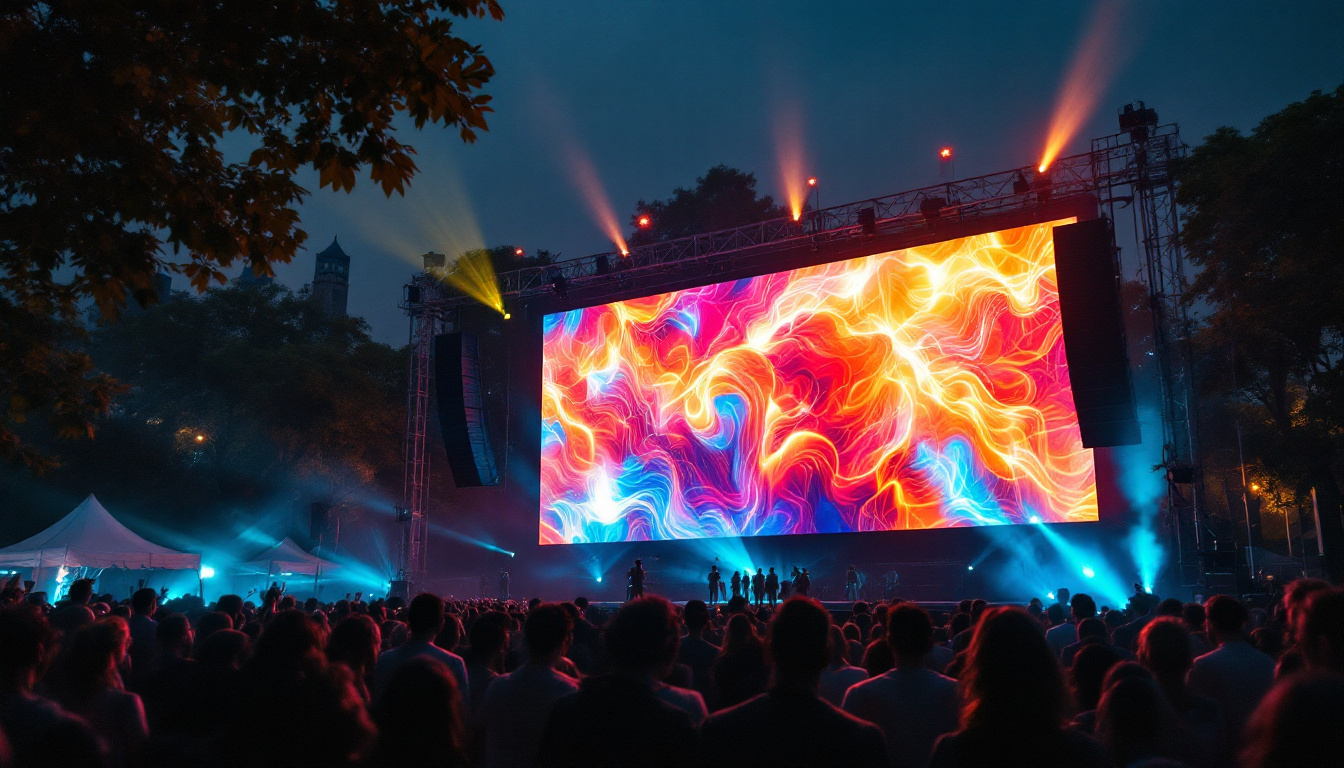
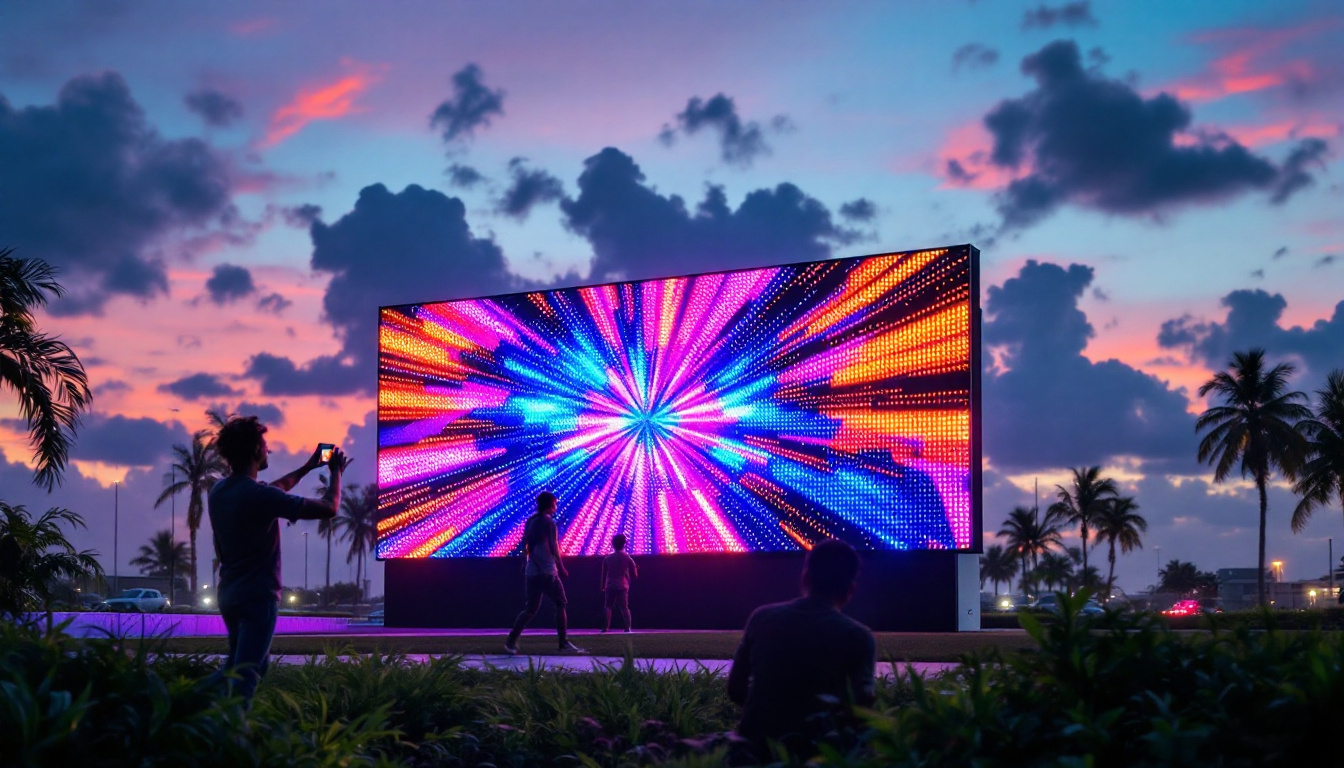
Concerts, sports events, and festivals rely on large outdoor LED screens to provide live video feeds, replays, and interactive content. These displays enhance audience engagement and create immersive experiences.
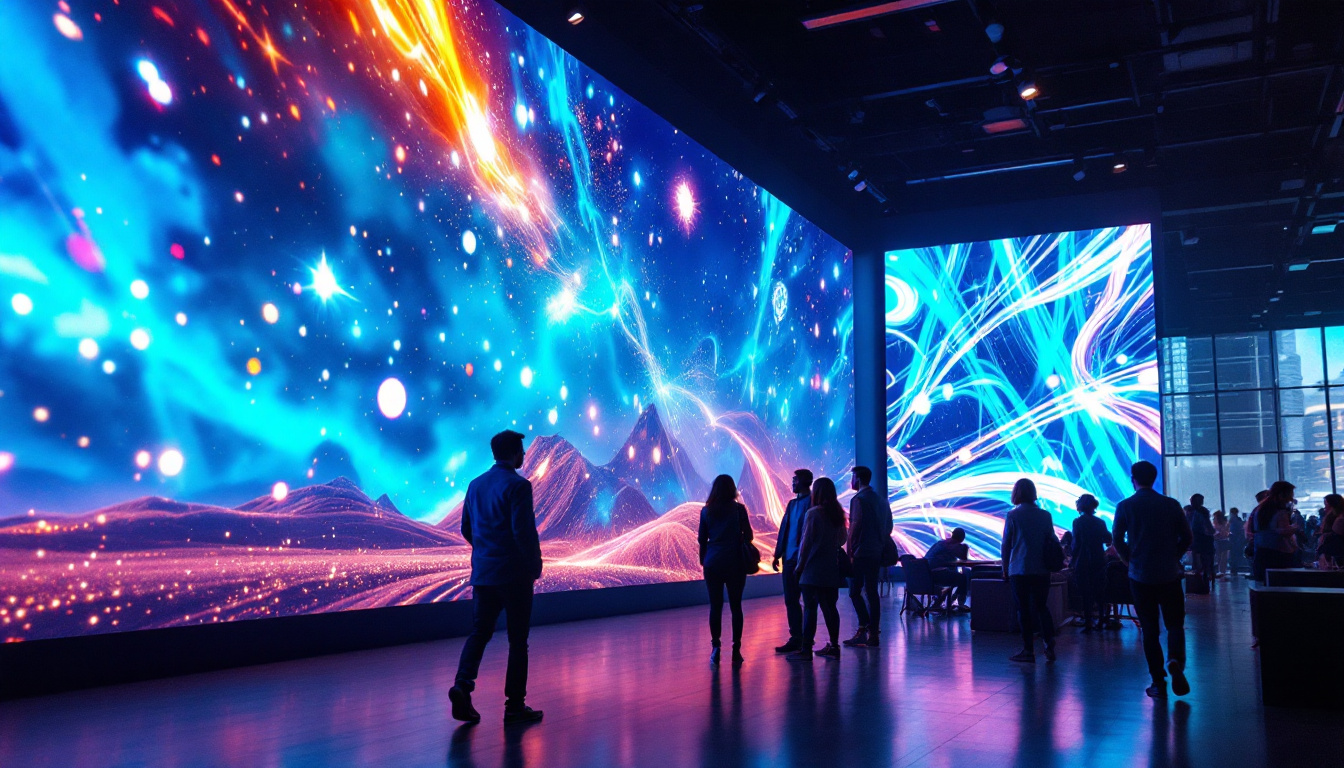
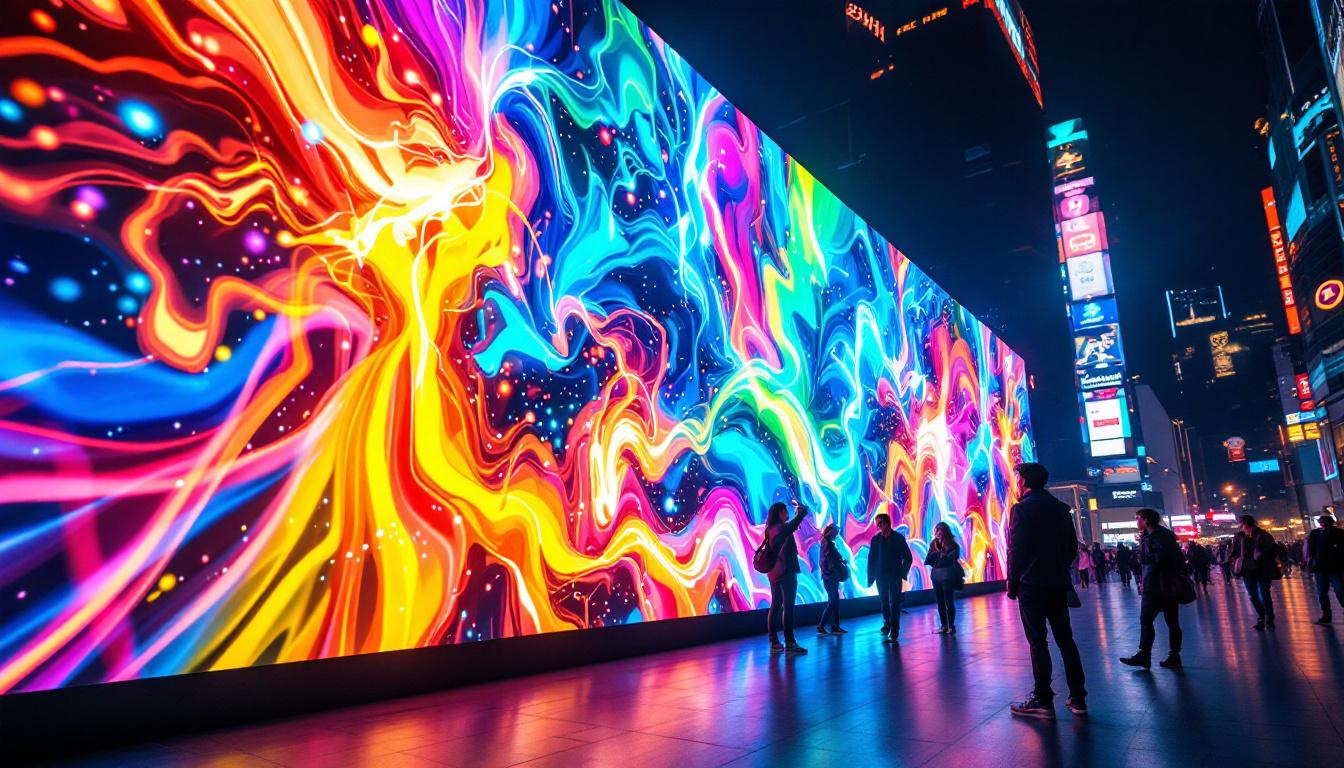
Additionally, LED video walls are used in outdoor exhibitions and art installations, pushing creative boundaries with vibrant visuals.
Future Trends in Outdoor LED Technology
The outdoor LED display market continues to evolve rapidly, driven by technological innovations and changing consumer demands.
Higher Resolution and Mini-LED Technology
Advancements in mini-LED and micro-LED technologies are enabling even higher resolutions and better color performance. These smaller LEDs allow for finer pixel pitches, making outdoor displays sharper and more detailed than ever before.
Integration with AI and IoT
Smart LED displays integrated with artificial intelligence and Internet of Things (IoT) devices are becoming more common. These systems can analyze audience demographics, adjust content dynamically, and optimize energy use based on environmental conditions.
Energy Harvesting and Sustainability
With growing emphasis on sustainability, some outdoor LED displays are incorporating solar panels and energy-efficient designs to reduce their environmental footprint. Manufacturers are also exploring recyclable materials and longer-lasting components to promote circular economy principles.
Conclusion
Outdoor LCD screens have limitations that make them less suitable for bright and demanding environments, whereas LED displays offer superior brightness, durability, and flexibility. Their ability to deliver vibrant, high-contrast images under direct sunlight, combined with robust weather resistance and energy efficiency, has made LED technology the standard for outdoor digital signage.
Whether for advertising, public information, or entertainment, understanding the technical aspects and application-specific requirements is crucial when selecting an outdoor LED display. As technology advances, these displays will become even more integrated, intelligent, and sustainable, continuing to shape the way information and content are shared in public spaces.
Discover LumenMatrix LED Display Solutions
Ready to elevate your outdoor space with unparalleled brightness, durability, and energy efficiency? LumenMatrix is at the forefront of LED display innovation, offering a wide array of solutions tailored to meet your specific needs. From captivating Outdoor LED Wall Displays to dynamic Vehicle LED Displays and beyond, our mission is to transform your visual communication with technology that engages and captivates. Check out LumenMatrix LED Display Solutions today and start creating unforgettable visual experiences.