In the dynamic world of sports, real-time information delivery is crucial. Fans, commentators, and event organizers all depend on timely updates to stay engaged and informed. One of the most effective tools to achieve this is the LED sports ticker display. These vibrant, scrolling LED displays have become a staple in stadiums, sports bars, and broadcast studios worldwide. This article delves into the technology behind LED sports ticker displays, their applications, benefits, and what makes them an indispensable asset in sports communication.
Understanding LED Sports Ticker Displays
What is an LED Sports Ticker Display?
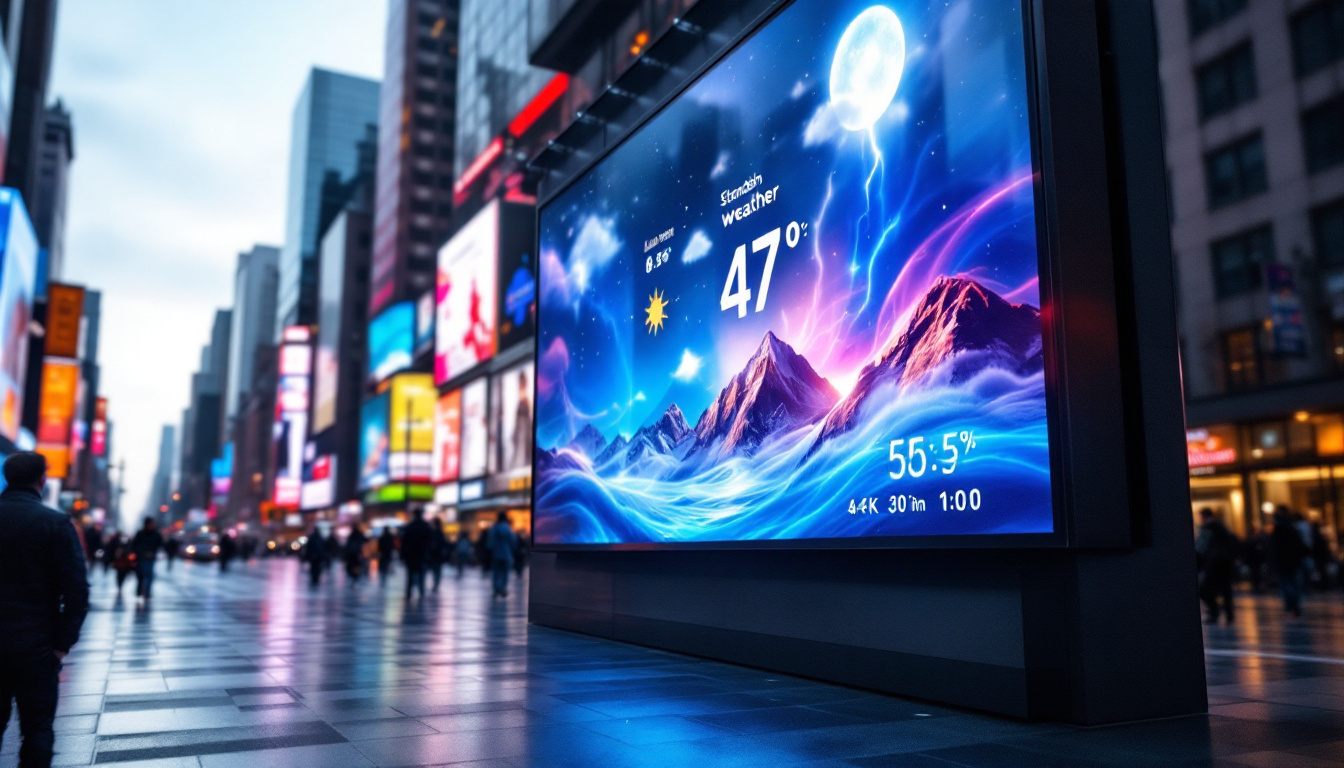
An LED sports ticker display is a type of electronic display that uses light-emitting diodes (LEDs) to show scrolling text or graphics, typically related to sports scores, statistics, news, or advertisements. Unlike static displays, tickers continuously scroll information horizontally or vertically, allowing viewers to absorb multiple pieces of data in a compact space.
These tickers are designed to be highly visible, even in bright daylight or under stadium lighting, making them ideal for live sports environments. Their modular design enables customization in size, color, and resolution, adapting to various venues and purposes. Furthermore, many modern LED sports tickers are equipped with advanced features such as real-time data feeds, allowing them to update scores and statistics instantaneously as events unfold. This capability enhances the viewer experience, providing fans with up-to-the-minute information that keeps them engaged throughout the game.
In addition to their practical applications, LED sports tickers can also serve as a canvas for creative expression. Teams and organizations often use these displays to showcase their branding, featuring team colors, logos, and unique animations that resonate with their fan base. This not only enhances the atmosphere of sporting events but also reinforces team identity and loyalty among supporters.
How Do LED Displays Work?
At the core of LED displays are tiny semiconductor devices that emit light when an electric current passes through them. Each LED acts as a pixel, and by controlling the brightness and color of individual LEDs, the display can render text, images, or animations.
Sports tickers typically use single-color (red, green, or amber) or full-color RGB LEDs. The choice depends on the complexity of the information being displayed and the desired visual impact. For example, a simple score update might only require red LEDs, while a more elaborate ticker with team logos and animations would use full RGB LEDs. The technology behind these displays also includes sophisticated software that manages the content being shown, allowing for seamless transitions and dynamic updates. This software can be programmed to highlight specific events, such as a game-winning shot or a record-breaking performance, drawing attention to significant moments in real-time.
Moreover, the durability and energy efficiency of LED technology make these displays a sustainable choice for sports venues. Unlike traditional display technologies, LEDs consume less power and have a longer lifespan, reducing maintenance costs and environmental impact. This makes them an attractive investment for stadiums and arenas looking to enhance their facilities while being mindful of operational expenses. As the technology continues to evolve, we can expect even more innovative features and capabilities to emerge, further transforming the landscape of sports broadcasting and fan engagement.
Applications of LED Sports Ticker Displays
In-Stadium Scoreboards and Information Panels
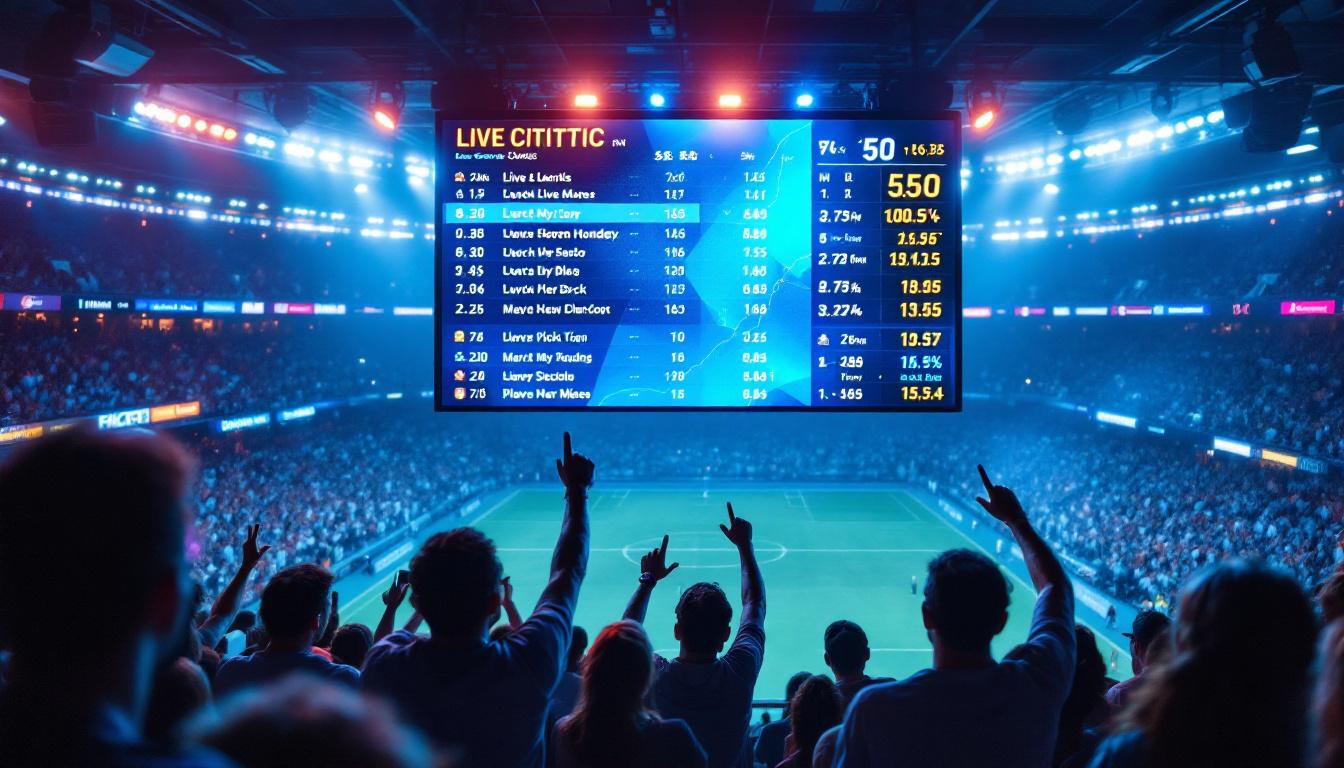
One of the most common uses of LED sports ticker displays is within stadiums and arenas. These tickers provide continuous updates on scores, player statistics, game time, and other relevant data. Their high brightness and wide viewing angles ensure that even spectators seated far from the main scoreboard can stay informed.
For instance, during a football match, a ticker might scroll through current scores from other games, highlight key player stats, or display upcoming fixtures. This enhances the fan experience by keeping them connected to the broader sports landscape.
Broadcasting and Sports Media
Sports broadcasters rely heavily on LED tickers to convey live information during telecasts. These tickers often appear at the bottom of the screen, known as “news crawls” or “tickers,” providing viewers with real-time updates without interrupting the main broadcast.
Networks use these displays to show scores from multiple games, injury reports, trade news, and other breaking developments. The fast refresh rate and clarity of LED displays make them ideal for this purpose, ensuring that viewers receive accurate and timely information.
Sports Bars and Public Viewing Areas
Sports bars and public viewing venues utilize LED tickers to keep patrons engaged throughout the event. These displays can cycle through scores, highlight reels, and promotional content, creating an immersive atmosphere.
Moreover, the flexibility of LED tickers allows venue owners to tailor the content to their audience, such as emphasizing local teams or upcoming events. This targeted approach can boost customer satisfaction and increase repeat business.
Benefits of Using LED Sports Ticker Displays
High Visibility and Readability
One of the primary advantages of LED sports ticker displays is their exceptional visibility. LEDs emit bright, vibrant light that remains clear under various lighting conditions, including direct sunlight and stadium floodlights.
The displays also offer wide viewing angles, ensuring that spectators from different parts of a venue can easily read the information. This contrasts with traditional LCD or projection-based systems, which may suffer from glare or limited visibility.
Energy Efficiency and Durability
LED technology is well-known for its energy efficiency compared to other display types. This efficiency translates to lower operational costs, which is particularly important for large-scale installations that run for extended periods.
Additionally, LEDs have a long lifespan, often exceeding 50,000 hours of use, and are resistant to shock and vibration. This durability makes them well-suited for the demanding environments of sports venues, where equipment must withstand heavy use and sometimes harsh weather conditions.
Customization and Flexibility
LED sports ticker displays are highly customizable in terms of size, resolution, color, and content management. This flexibility allows venues and broadcasters to design displays that fit their specific needs and branding requirements.
Modern LED tickers can integrate with live data feeds, enabling dynamic content updates without manual intervention. This automation ensures that information remains current and accurate, enhancing the credibility and professionalism of the presentation.
Technical Considerations When Choosing an LED Sports Ticker Display
Resolution and Pixel Pitch
Resolution refers to the number of LEDs per unit area, while pixel pitch is the distance between individual LEDs. A smaller pixel pitch means higher resolution and sharper images, which is essential for displays viewed up close.
For sports tickers, the optimal pixel pitch depends on the typical viewing distance. For example, a ticker intended for a large stadium might use a pixel pitch of 10mm or more, whereas a sports bar display might require 4mm or less to ensure clarity.
Brightness and Contrast Ratio
Brightness is measured in nits and determines how well the display performs under bright lighting. Stadium tickers often need brightness levels exceeding 5,000 nits to remain visible in daylight.
Contrast ratio, the difference between the brightest and darkest parts of the display, also affects readability. Higher contrast ratios improve text legibility and overall visual quality, especially for colored or animated content.
Refresh Rate and Response Time
Refresh rate indicates how many times per second the display updates its image. A higher refresh rate reduces flicker and motion blur, which is critical for smooth scrolling of ticker text and animations.
Similarly, fast response times ensure that changes in the displayed content happen instantaneously, which is vital for live sports updates where delays can diminish the viewer experience.
Installation and Maintenance Best Practices
Proper Placement and Viewing Angles
To maximize effectiveness, LED sports ticker displays should be installed where they are easily visible to the intended audience. This often means positioning them along sidelines, above entrances, or integrated into existing scoreboards.
Considering viewing angles is crucial; LEDs typically have wide horizontal and vertical viewing angles, but improper placement can still limit visibility. Consulting with display specialists during installation can help optimize placement.
Regular Maintenance and Calibration
Maintaining LED tickers involves routine cleaning to remove dust and debris that can obscure light output. Additionally, periodic calibration ensures color consistency and brightness uniformity across the display.
Many modern LED systems include diagnostic tools that alert operators to malfunctioning LEDs or connectivity issues, enabling proactive maintenance and minimizing downtime during events.
The Future of LED Sports Ticker Displays
Integration with Advanced Data Analytics
As sports analytics become more sophisticated, LED ticker displays are evolving to showcase richer, more detailed statistics in real time. Integration with AI-driven data platforms allows for personalized content delivery, such as highlighting favorite players or team-specific metrics.
Enhanced Interactivity and Fan Engagement
Emerging technologies are enabling interactive LED displays that respond to fan inputs via mobile apps or social media. This interactivity can transform passive viewers into active participants, enhancing the overall event experience.
Energy-Saving Innovations
With growing emphasis on sustainability, LED manufacturers are developing more energy-efficient components and smart power management systems. These innovations reduce the environmental footprint of sports venues and lower operational costs.
Conclusion
LED sports ticker displays have revolutionized the way sports information is communicated to fans and professionals alike. Their vibrant visibility, durability, and adaptability make them an essential component in modern sports venues, broadcasting, and public viewing spaces. As technology advances, these displays will continue to evolve, offering richer content and more engaging experiences. For anyone involved in sports event management or broadcasting, understanding the capabilities and benefits of LED sports ticker displays is crucial to delivering a compelling and informative audience experience.
Discover Cutting-Edge LED Sports Ticker Displays with LumenMatrix
Ready to elevate your sports venue, broadcasting studio, or entertainment space with the latest in LED display technology? Look no further than LumenMatrix, a pioneer in crafting immersive visual experiences through advanced LED solutions. From dynamic sports tickers that keep fans on the edge of their seats to customizable displays that bring your brand to life, LumenMatrix offers a wide array of options to meet your needs. Check out LumenMatrix LED Display Solutions today and transform the way you share information and engage with your audience.