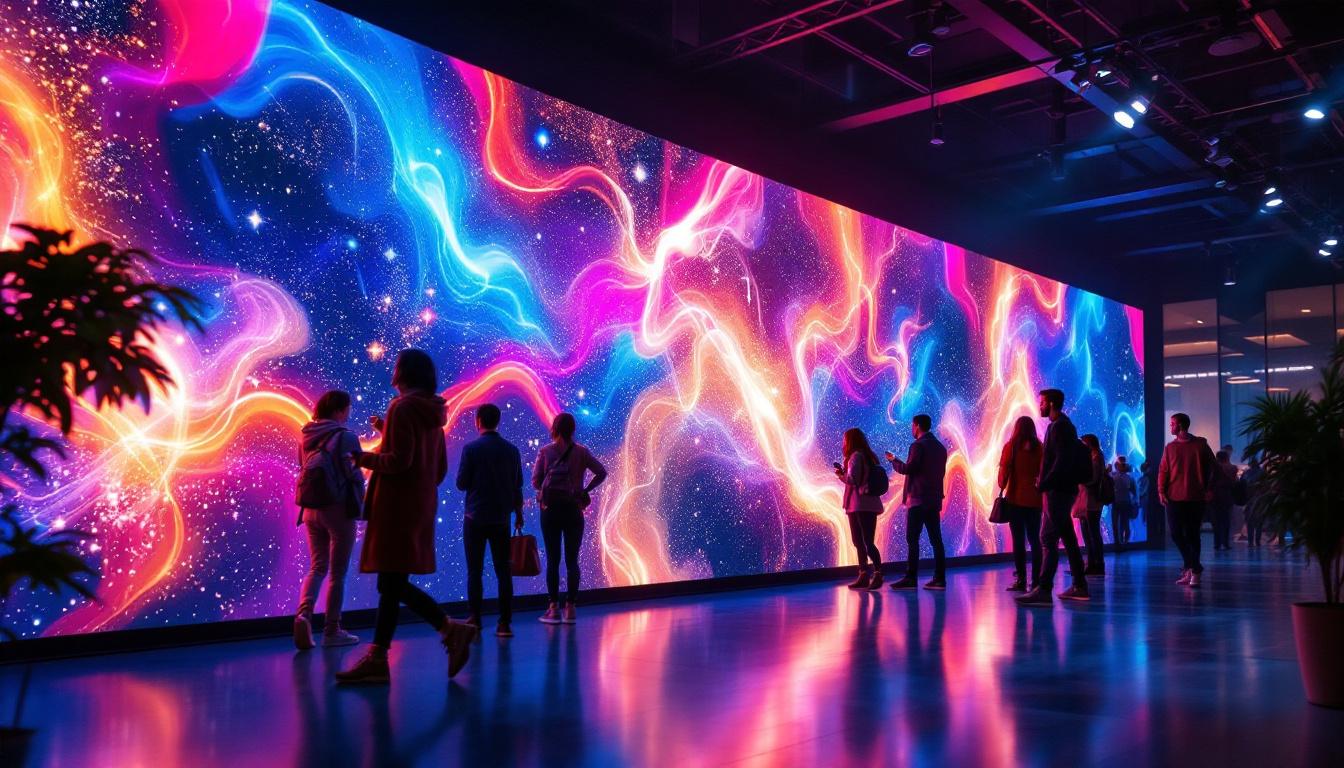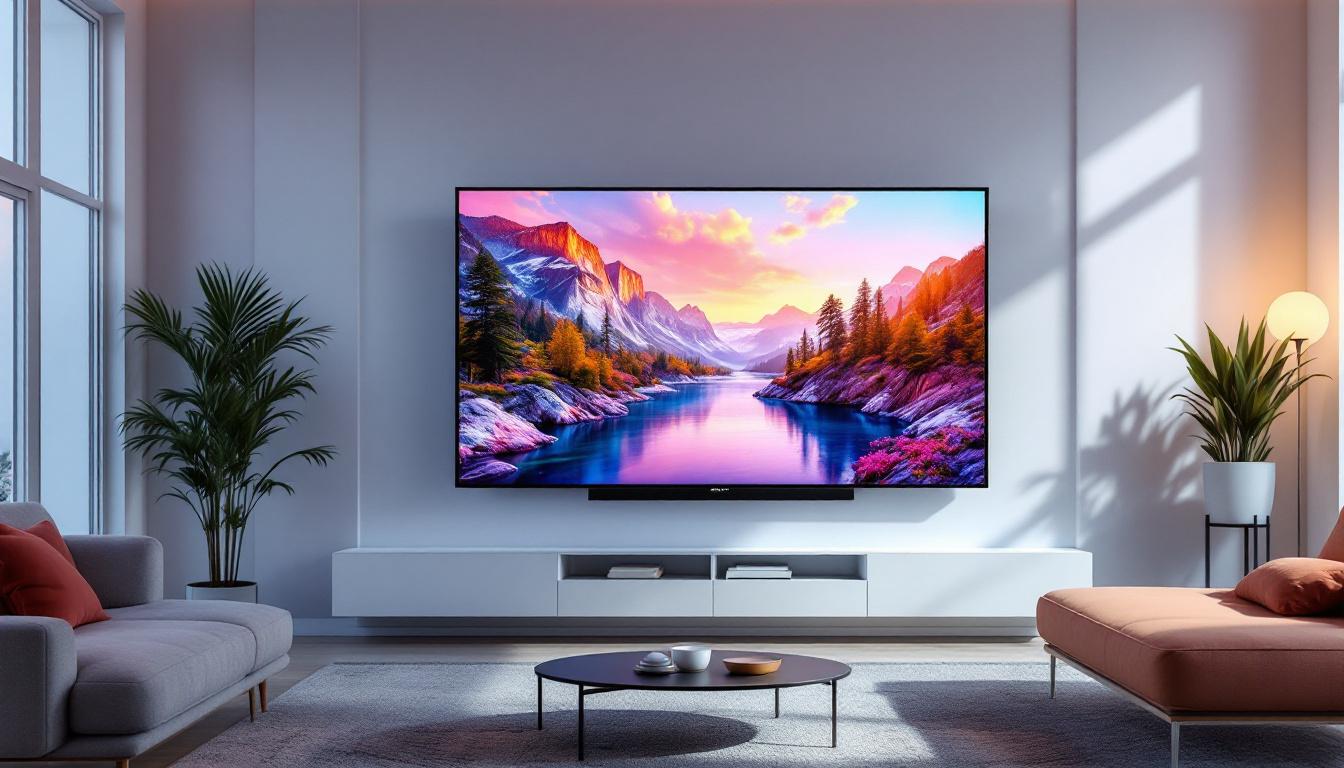
In the world of large-format displays, a 110-inch LED screen represents a significant investment and a powerful visual tool. Whether used for home theaters, corporate presentations, or digital signage, understanding the dimensions and specifications of a 110-inch LED display is essential for making informed decisions about installation, viewing experience, and overall usability. This article provides a comprehensive explanation of the dimensions of a 110-inch screen, focusing on LED displays, and explores the factors that influence size, resolution, and placement.
Understanding Screen Size: What Does 110 Inches Mean?
The term “110-inch screen” typically refers to the diagonal measurement of the display area. This measurement is taken from one corner of the screen to the opposite corner, not the width or height alone. The diagonal size is a universal standard used to describe screens across different technologies, including LED, LCD, OLED, and projection screens.
For a 110-inch screen, the diagonal length is exactly 110 inches, which converts to approximately 279.4 centimeters. However, this diagonal measurement alone does not provide complete information about the physical width and height of the screen, which are crucial for installation and space planning. Understanding these dimensions is essential not only for fitting the screen into a designated area but also for optimizing the viewing experience, as the distance from the viewer to the screen can significantly affect image clarity and comfort.
Aspect Ratio and Its Impact on Dimensions
The aspect ratio of the screen defines the proportional relationship between its width and height. Most modern LED displays, especially those used for television and video content, use a 16:9 aspect ratio, which means the width is 16 units for every 9 units of height. This ratio affects the actual width and height of the screen when the diagonal size is fixed.
For a 110-inch screen with a 16:9 aspect ratio, the dimensions can be calculated using the Pythagorean theorem:
- Width = 110 inches × (16 ÷ √(16² + 9²)) ≈ 95.9 inches (243.6 cm)
- Height = 110 inches × (9 ÷ √(16² + 9²)) ≈ 53.9 inches (136.9 cm)
These measurements are critical for ensuring the screen fits the intended space and aligns with viewing distance recommendations. For instance, a general guideline suggests that the optimal viewing distance for a 110-inch screen is approximately 13 to 16 feet (4 to 5 meters) away, allowing viewers to fully appreciate the resolution and detail without straining their eyes. Additionally, the placement of the screen should consider factors such as room lighting and seating arrangement to enhance the overall viewing experience.
Moreover, the choice of screen type can also influence the viewing experience. For example, OLED screens offer deeper blacks and more vibrant colors compared to traditional LED screens, making them ideal for cinematic experiences. On the other hand, projection screens may require different considerations regarding ambient light and screen material to ensure the best image quality. Understanding these nuances can help consumers make informed decisions when investing in a large display, ensuring they select a screen that not only fits their space but also meets their viewing preferences and needs.
Physical Dimensions of a 110-Inch LED Display
LED displays differ from traditional projection screens or LCD TVs in their construction and thickness. A 110-inch LED display is typically composed of modular LED panels assembled to create a seamless large screen. This modular design allows for customization in size and resolution but also influences the overall physical dimensions and weight.
Width and Height
As calculated above, a 110-inch LED display with a 16:9 aspect ratio will have a width of approximately 95.9 inches and a height of approximately 53.9 inches. These dimensions are for the active display area only and do not include the bezel or frame, which can add a few extra inches depending on the manufacturer and model.
In commercial LED displays, bezels are often minimal or even bezel-less, enhancing the viewing experience and making the screen appear larger. However, when planning installation, it is important to account for any additional space required for mounting hardware and ventilation.
Depth and Weight Considerations
Unlike flat-panel TVs, LED displays can vary significantly in depth depending on the type of LED technology used. For example, direct-view LED displays, which use individual LEDs as pixels, can be as thin as 2 to 4 inches, making them suitable for wall mounting in both residential and commercial environments.
The weight of a 110-inch LED display depends on the panel density, materials, and frame construction. On average, a 110-inch LED display can weigh between 70 to 150 pounds (32 to 68 kilograms). This variation is important to consider for structural support and mounting solutions, especially in permanent installations.
Resolution and Pixel Pitch: Defining Image Quality
While physical dimensions are important, the resolution and pixel pitch of a 110-inch LED display directly impact the visual quality and viewing experience. Resolution refers to the number of pixels displayed on the screen, while pixel pitch is the distance between the centers of two adjacent pixels, measured in millimeters.
Common Resolutions for 110-Inch LED Displays
Large LED displays can offer a range of resolutions depending on their intended use. For a 110-inch screen, typical resolutions might include:
- Full HD (1920 × 1080 pixels)
- 4K Ultra HD (3840 × 2160 pixels)
- Custom resolutions based on modular panel configurations
Higher resolutions provide sharper images and finer detail, which is especially important for close viewing distances or applications requiring detailed visuals, such as control rooms or digital signage.
Pixel Pitch and Viewing Distance
Pixel pitch is a key factor in determining how close viewers can be to the screen without noticing individual pixels. Smaller pixel pitches (e.g., 1.2 mm to 2.5 mm) are common in indoor LED displays and allow for close-up viewing with high image clarity. Larger pixel pitches are typically used for outdoor or large venue displays where viewers are farther away.
For a 110-inch LED display intended for indoor use, a pixel pitch between 1.5 mm and 2.5 mm is ideal, balancing cost and image quality. This ensures that the screen delivers crisp images even at typical viewing distances of 6 to 12 feet (1.8 to 3.7 meters).
Installation and Space Planning for a 110-Inch LED Screen
Proper installation and space planning are crucial to maximize the benefits of a 110-inch LED display. The screen’s physical dimensions, weight, and viewing angle must be carefully considered to create an optimal viewing environment.
Room Size and Viewing Distance
The size of the room and the distance between the screen and viewers significantly affect the viewing experience. Industry guidelines suggest that the ideal viewing distance for a 110-inch 16:9 screen is approximately 1.5 to 2.5 times the screen’s diagonal size. This translates to a comfortable viewing distance of about 14 to 23 feet (4.3 to 7 meters).
Maintaining this distance helps prevent eye strain and ensures that viewers can appreciate the screen’s resolution and details without seeing individual pixels or experiencing distortion.
Mounting Options and Structural Support
Given the size and weight of a 110-inch LED display, mounting solutions must be robust and secure. Wall mounting is common, but it requires verifying that the wall can support the display’s weight and size. In some cases, custom brackets or support frames are necessary.
For commercial installations, ceiling mounts or floor stands with adjustable height and tilt may be used to optimize viewing angles. Additionally, proper ventilation behind the screen is essential to prevent overheating, especially in enclosed spaces.
Applications of 110-Inch LED Displays
Understanding the dimensions and specifications of a 110-inch LED display is particularly relevant because of the diverse applications for these large screens. Their size and image quality make them suitable for various environments.
Home Theater and Entertainment
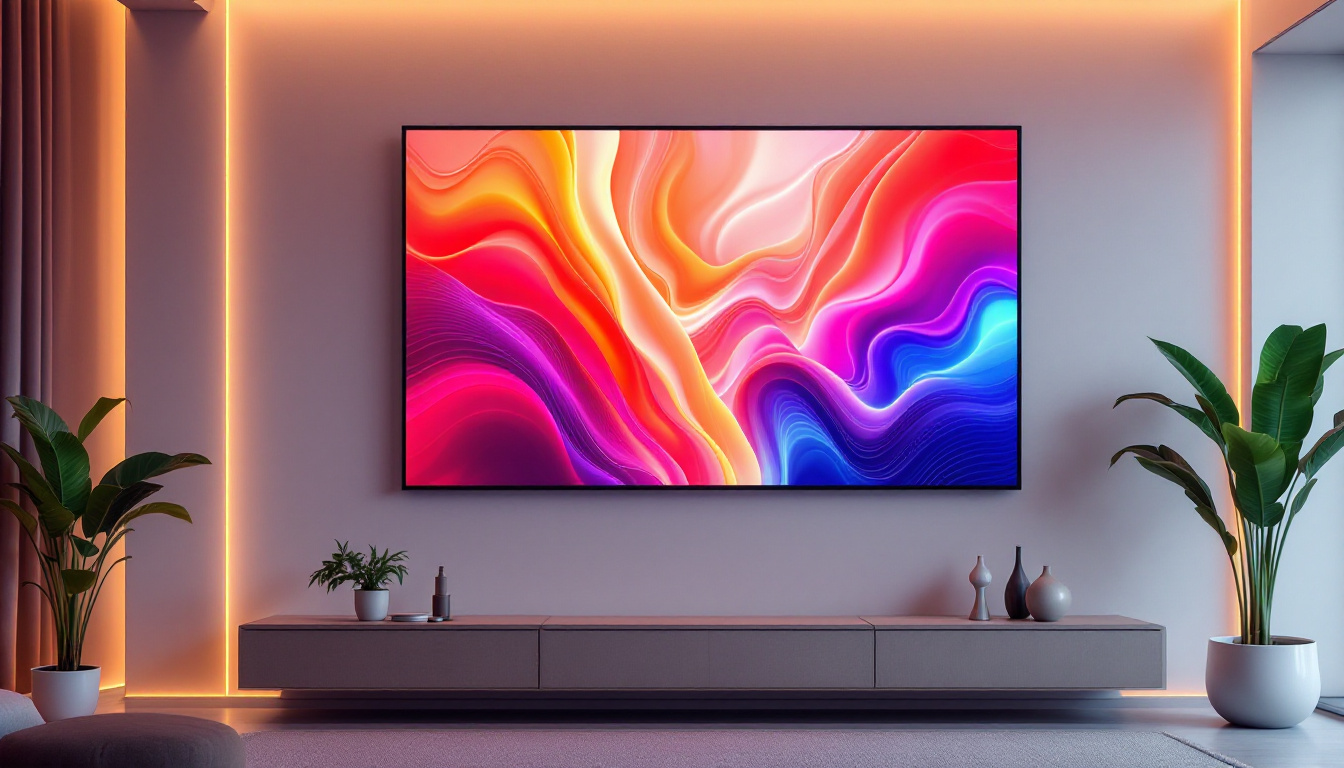
In premium home theaters, a 110-inch LED display offers an immersive viewing experience rivaling commercial cinemas. The large size and high resolution allow for detailed images and vibrant colors, enhancing movie watching, gaming, and streaming.
However, the room must be large enough to accommodate the screen and provide adequate viewing distance. Lighting control is also important to minimize reflections and glare on the LED surface.
Corporate and Educational Settings
In boardrooms, conference centers, and classrooms, a 110-inch LED display serves as a powerful tool for presentations, video conferencing, and collaborative work. The large screen size ensures visibility for all participants, even in sizable rooms.
High resolution and color accuracy are critical in these settings to display detailed charts, videos, and multimedia content clearly. The modular nature of LED displays also allows for customization to fit specific room dimensions and requirements.
Digital Signage and Public Displays
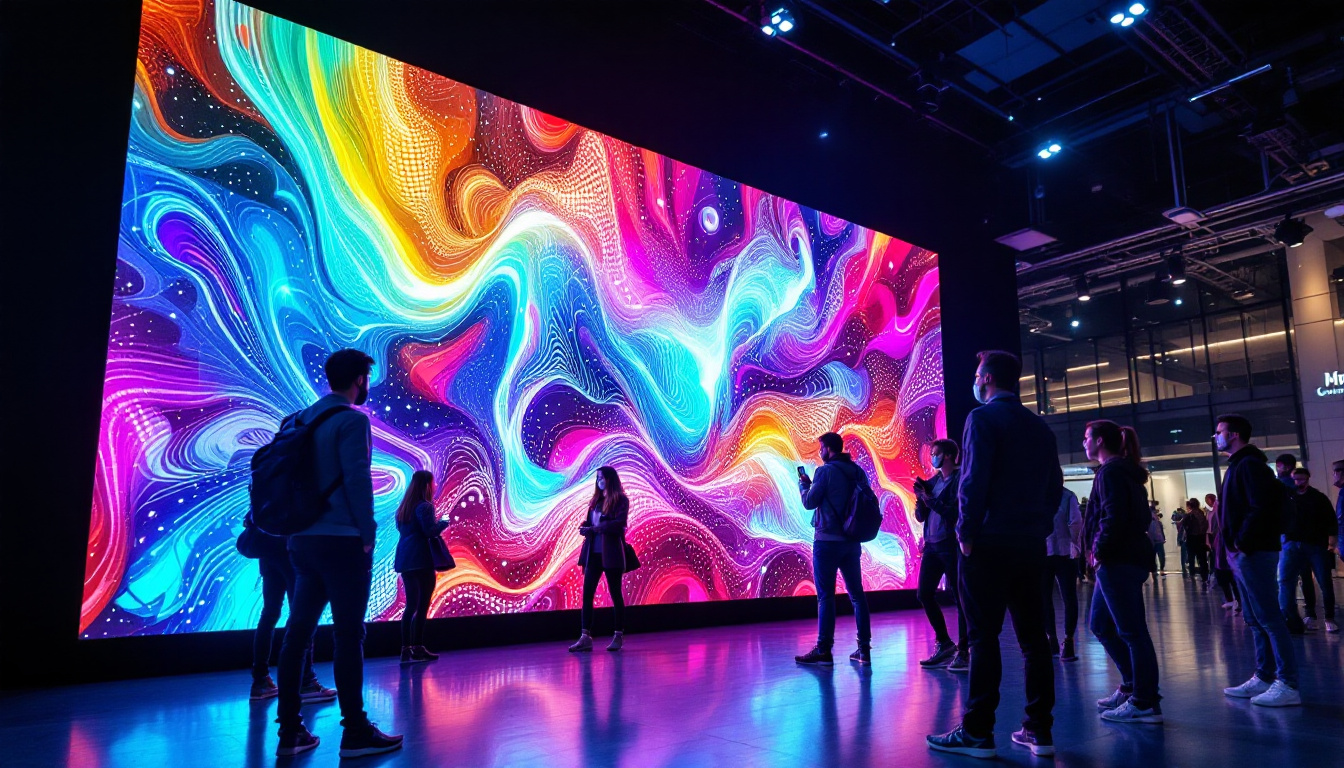
Retail stores, airports, stadiums, and other public venues use large LED displays to attract attention and communicate information effectively. A 110-inch LED screen can deliver bright, dynamic content visible from a distance, making it ideal for advertising and wayfinding.
Durability and weather resistance may be considerations for outdoor installations, influencing the choice of LED panel technology and protective enclosures.
Conclusion: Key Takeaways on 110-Inch LED Screen Dimensions
A 110-inch LED display is a substantial visual asset that combines large physical dimensions with high-resolution capabilities. Understanding the exact width (approximately 95.9 inches) and height (approximately 53.9 inches) of the screen, along with factors like pixel pitch, resolution, and installation requirements, is essential for selecting the right display for any application.
Whether for a luxury home theater, a corporate boardroom, or a dynamic public display, the 110-inch LED screen offers a blend of size, clarity, and versatility. Proper planning around space, viewing distance, and mounting will ensure the display performs optimally, delivering an engaging and immersive visual experience.
Explore Cutting-Edge LED Display Solutions with LumenMatrix
Ready to elevate your visual experience with a 110-inch LED display? LumenMatrix, a pioneer in LED display technology, offers a wide array of innovative solutions tailored to your needs. From captivating Indoor LED Walls to dynamic Outdoor LED Displays, and from versatile Vehicle LED Displays to sleek LED Poster Displays, our products are designed to make your brand shine. Discover the transformative power of LED Sports Displays, interactive Floor LED Displays, and the customization possibilities with our Custom LED Displays. Embrace the future with our All-in-One LED Displays and LED Transparent Displays. Experience the difference in visual communication with LumenMatrix. Check out LumenMatrix LED Display Solutions today and see how we can help you create an unforgettable impact.