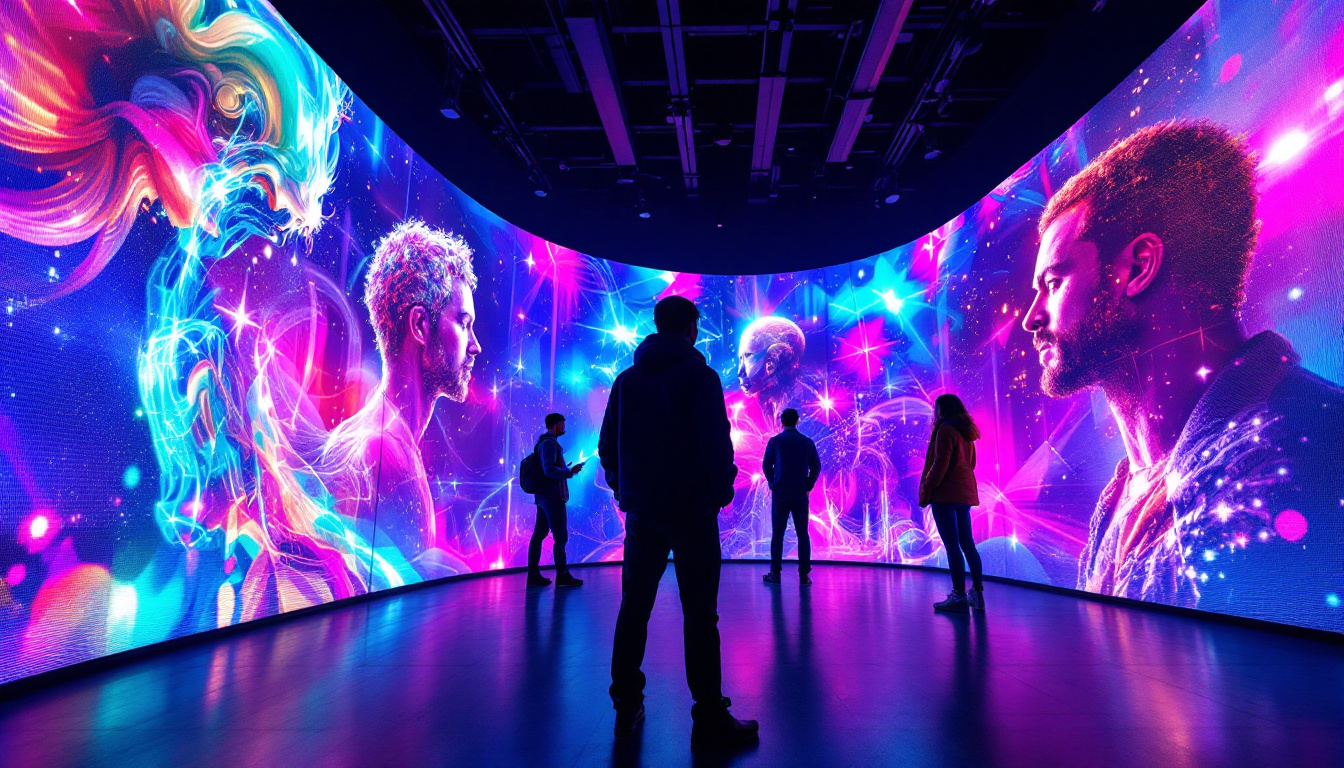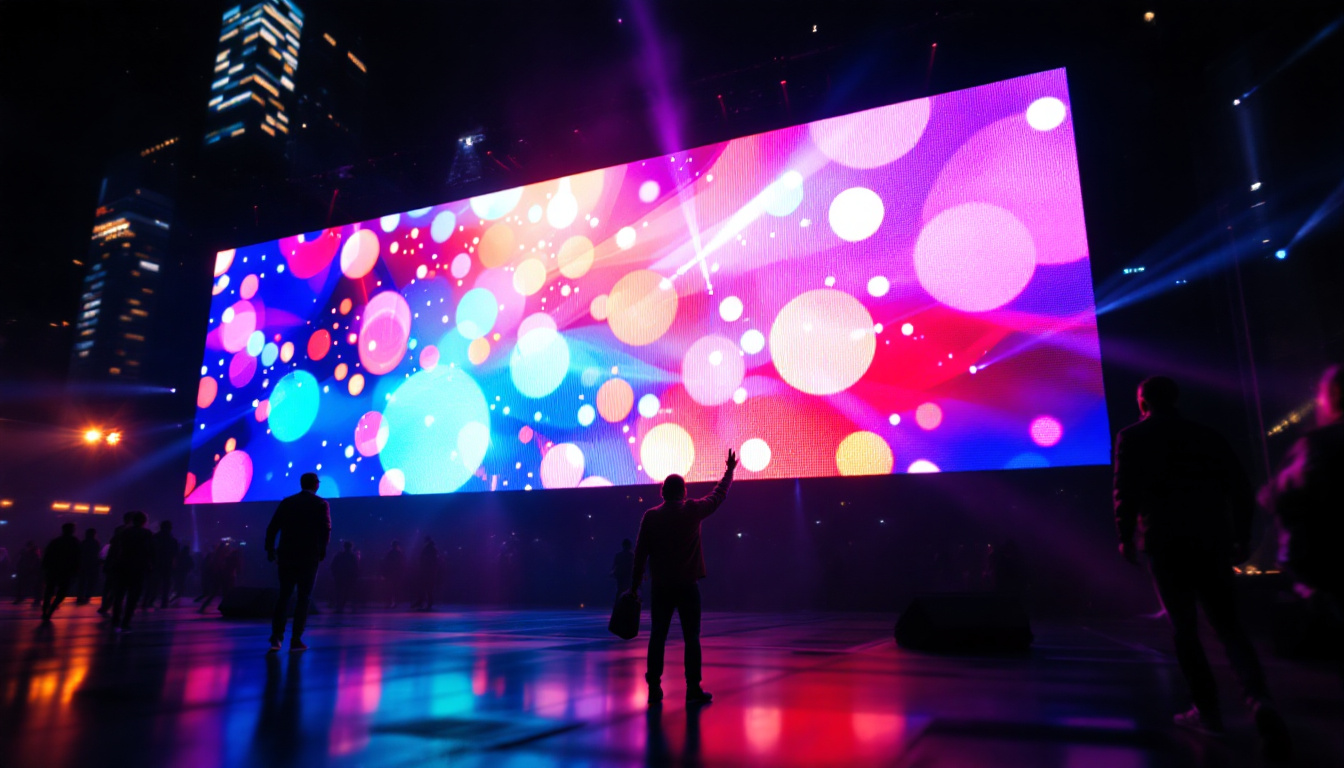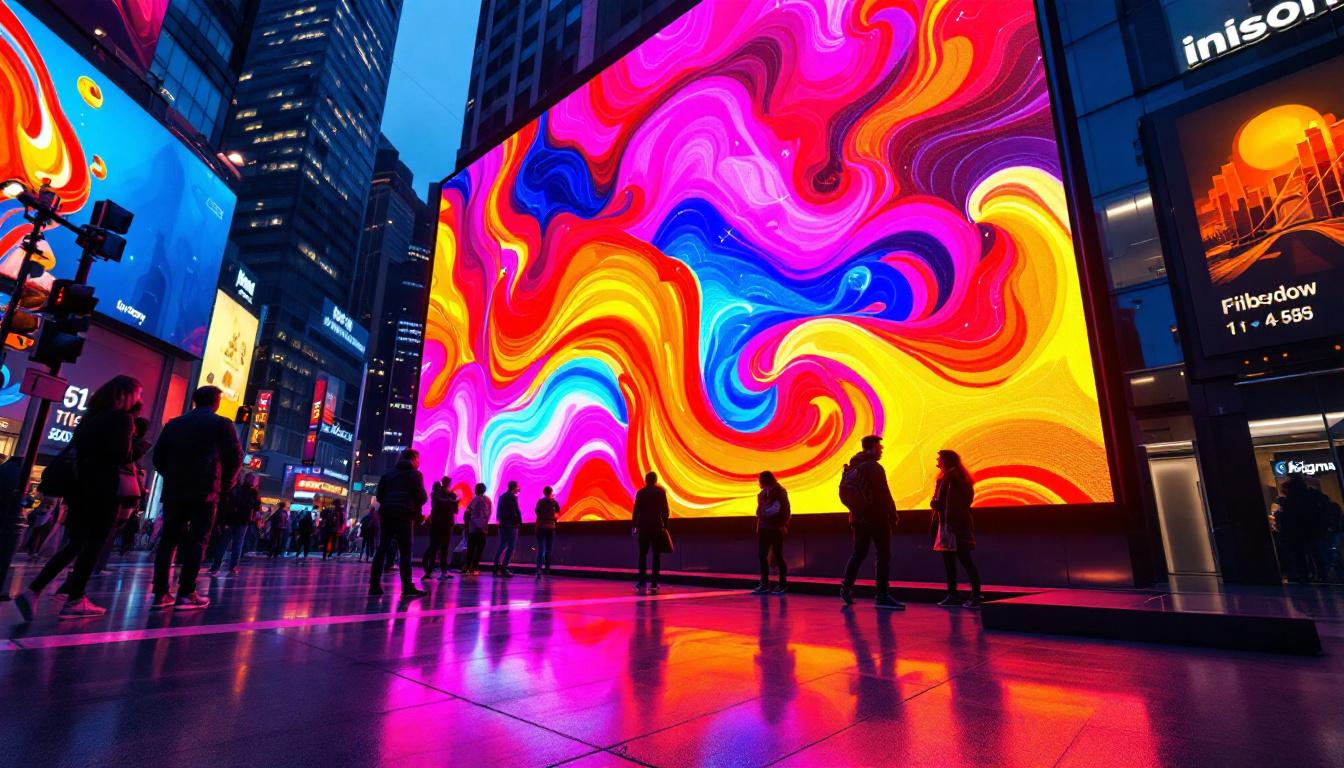
In the rapidly evolving world of digital signage and display technology, LED displays have emerged as a dominant force. Their vibrant colors, high brightness, and energy efficiency make them ideal for a wide range of applications—from advertising billboards and stadium screens to indoor retail displays and interactive kiosks. Among the various types of LED display technologies, “Direct Touch” LED displays are gaining significant attention for their seamless integration of display and touch functionalities.
This article delves into the concept of Direct Touch LED displays, exploring how they work, their advantages, applications, and what sets them apart from other touch-enabled display technologies. Whether you’re a business owner considering digital signage, a technology enthusiast, or an industry professional, understanding Direct Touch LED displays will help you make informed decisions about your visual communication needs.
Understanding LED Display Technology
What is an LED Display?
LED stands for Light Emitting Diode, a semiconductor device that emits light when an electric current passes through it. LED displays use an array of these tiny diodes to produce images, videos, or text. Unlike traditional LCD screens that rely on backlighting, LED displays generate their own light, resulting in higher brightness, better contrast, and more vivid colors.
Modern LED displays can be configured in various forms, including large outdoor billboards, indoor video walls, and even flexible or transparent panels. Their modular design allows for scalable sizes and resolutions, making them versatile for different environments and purposes.
Types of LED Displays
There are primarily two categories of LED displays:
- Direct View LED (DV-LED): In this type, the LEDs themselves form the pixels that create the image. Each pixel consists of one or more LEDs, often red, green, and blue, to produce a full-color display. DV-LED displays are known for their exceptional brightness and are commonly used in outdoor and large-format applications.
- LED-Backlit LCD: These displays use LEDs as a backlight behind an LCD panel. They offer good image quality but generally cannot match the brightness or contrast levels of direct view LED screens.
Direct Touch LED displays fall under the Direct View LED category but incorporate touch functionality directly on the LED panel.
What is Direct Touch LED Display?
Defining Direct Touch Technology
Direct Touch LED displays integrate touch sensors directly onto the LED panel surface, enabling users to interact with the display by touching it. Unlike traditional touchscreens that are layered on top of the display (such as capacitive or resistive touchscreens on LCDs), Direct Touch LED technology embeds the touch capability into the LED module itself.
This integration means that the touch surface is the display surface, eliminating extra layers that can reduce brightness, increase reflection, or degrade image quality. The result is a highly responsive, ultra-bright, and visually stunning interactive display.
How Does Direct Touch LED Work?
Direct Touch LED displays typically use one of the following technologies to detect touch:
- Infrared (IR) Touch: An array of IR sensors is placed around the edges of the display. When a finger or object interrupts the IR beams, the system calculates the touch position. This method works well with large displays and does not require physical contact with the screen surface, preserving image quality.
- Capacitive Touch: Some Direct Touch LED displays incorporate capacitive sensors directly into the LED modules. This allows for multi-touch capabilities and highly accurate touch detection, similar to smartphone screens.
- Optical Touch: Cameras or optical sensors embedded within the display detect touch points by analyzing light reflections and shadows caused by fingers or styluses.
The choice of touch technology depends on the specific application, desired responsiveness, environmental conditions, and cost considerations.
Advantages of Direct Touch LED Displays
Superior Visual Performance
Because the touch sensors are integrated directly into the LED panel, Direct Touch LED displays maintain the inherent advantages of LED technology—high brightness, wide color gamut, and excellent contrast ratios—without the image degradation caused by additional touch layers. This makes them ideal for environments with strong ambient light, such as outdoor public spaces or brightly lit retail stores.
Enhanced Durability and Reliability
Direct Touch LED displays are designed to withstand heavy usage and harsh environments. The absence of extra touch layers reduces the risk of damage and wear. Many models feature ruggedized glass surfaces that are resistant to scratches, impacts, and weather conditions, extending the lifespan of the display.
Seamless Interactivity
With touch sensors embedded directly on the display, users experience highly responsive and accurate touch interactions. Multi-touch support allows for gestures like pinch-to-zoom, swipe, and multi-finger commands, enhancing user engagement. This interactivity is crucial for applications such as interactive kiosks, wayfinding systems, and collaborative workspaces.
Design Flexibility and Space Efficiency
Direct Touch LED displays eliminate the need for bulky touch overlays or additional hardware, resulting in slimmer profiles and cleaner aesthetics. This design flexibility allows for creative installations, including curved or irregularly shaped displays, without compromising touch functionality.
Applications of Direct Touch LED Displays
Retail and Advertising
Retailers leverage Direct Touch LED displays to create immersive shopping experiences. Interactive window displays, digital catalogs, and product information kiosks engage customers and provide personalized content. The high brightness ensures visibility even in sunlight, making these displays effective for both indoor and outdoor use.
Advertising agencies use large-format Direct Touch LED billboards to capture attention and encourage interaction, increasing brand engagement and recall.
Corporate and Education Environments
In corporate settings, Direct Touch LED video walls serve as collaborative tools for meetings, presentations, and brainstorming sessions. Their multi-touch capabilities allow multiple users to interact simultaneously, fostering teamwork and innovation.
Educational institutions benefit from interactive Direct Touch LED displays in classrooms and lecture halls. These displays support dynamic teaching methods, enabling educators to annotate, highlight, and manipulate content in real time, enhancing student engagement and comprehension.
Public Spaces and Transportation
Airports, train stations, and city centers deploy Direct Touch LED displays for wayfinding, ticketing, and information services. Their durability and high visibility make them reliable tools for guiding large crowds efficiently.
Interactive public art installations and event displays also utilize Direct Touch LED technology to create engaging experiences that invite community participation.
Healthcare and Medical Facilities
Healthcare providers use Direct Touch LED displays for patient check-in kiosks, digital signage, and collaborative medical imaging. The hygienic design and easy-to-clean surfaces are essential in clinical environments.
Comparing Direct Touch LED to Other Touchscreen Technologies
Direct Touch LED vs. Capacitive Touch LCD
Capacitive touch LCDs are common in smartphones, tablets, and many interactive displays. While they offer excellent touch sensitivity and color accuracy, they rely on backlighting and multiple layers, which can reduce brightness and contrast compared to LED displays.
Direct Touch LED displays provide superior brightness and durability, making them better suited for large-scale and high-ambient-light environments. However, they tend to be more expensive and are typically used in commercial rather than consumer applications.
Direct Touch LED vs. Infrared Touch Overlays
Infrared touch overlays can be added to any display, including LED video walls, to enable touch functionality. While this is a flexible and cost-effective solution, the overlays add thickness and may slightly reduce image clarity due to the additional glass layer.
Direct Touch LED displays integrate touch sensors within the panel, eliminating these drawbacks and providing a more seamless and robust touch experience.
Key Considerations When Choosing a Direct Touch LED Display
Resolution and Pixel Pitch
The pixel pitch—the distance between the centers of adjacent LEDs—determines the display’s resolution and viewing distance. Smaller pixel pitches (e.g., 1.2mm to 2.5mm) offer higher resolution suitable for close-up viewing, such as indoor interactive kiosks. Larger pixel pitches (above 4mm) are more appropriate for outdoor or large-scale installations where viewers are farther away.
Touch Technology and Responsiveness
Consider the type of touch technology that best fits the application. Capacitive touch offers precise multi-touch capabilities but may be more sensitive to environmental factors. Infrared touch is robust and works well with gloves or styluses but may have limitations in extremely bright or dusty environments.
Environmental Durability
For outdoor installations, ensure the display has appropriate IP ratings for water and dust resistance, as well as temperature tolerance. Anti-reflective coatings and high brightness levels are also critical for readability in sunlight.
Integration and Software Compatibility
Evaluate the ease of integrating the display into existing systems and the availability of software development kits (SDKs) for custom interactive applications. Compatibility with popular operating systems and content management platforms can streamline deployment and maintenance.
The Future of Direct Touch LED Displays
As LED technology continues to advance, Direct Touch LED displays are expected to become more affordable, higher resolution, and more energy-efficient. Innovations such as microLED and miniLED promise even greater image quality and thinner form factors.
Moreover, the integration of artificial intelligence (AI) and Internet of Things (IoT) capabilities will enable smarter, context-aware interactive displays that adapt content dynamically based on user behavior and environmental conditions.
With the growing demand for engaging, interactive digital experiences in retail, education, entertainment, and public services, Direct Touch LED displays are poised to play a pivotal role in the future of visual communication.
Conclusion
Direct Touch LED displays represent a significant leap forward in display technology by combining the unparalleled visual performance of direct view LEDs with integrated, highly responsive touch capabilities. Their durability, brightness, and interactivity make them ideal for a wide range of commercial and public applications where engagement and visibility are paramount.
Understanding the technical aspects, advantages, and practical considerations of Direct Touch LED displays empowers businesses and organizations to select the right solutions for their needs, ensuring impactful and memorable digital experiences.
As the technology matures, Direct Touch LED displays will continue to transform how people interact with digital content, blending the lines between display and interface in ways that were once unimaginable.
Explore the Future of Interactive Displays with LumenMatrix
Ready to elevate your visual communication with the latest in Direct Touch LED technology? Discover LumenMatrix’s comprehensive range of LED display solutions, from vibrant Indoor and Outdoor LED Wall Displays to innovative Custom and All-in-One LED Displays. Experience the future of engagement with our captivating LED Sports Displays, LED Poster Displays, and more. Embrace the revolution in digital signage with LumenMatrix and share your message with unparalleled impact and clarity. Check out LumenMatrix LED Display Solutions today and transform your space into an interactive experience.