In the rapidly evolving world of visual technology, LED displays have become a cornerstone for delivering vibrant, high-quality images across a variety of applications. From massive outdoor billboards to intimate indoor conference rooms, LED screens are revolutionizing how content is projected and consumed. This article delves into the fundamentals of LED display technology, exploring its components, advantages, and practical uses, while also comparing it to other projection methods to provide a comprehensive understanding.
Understanding LED Display Technology
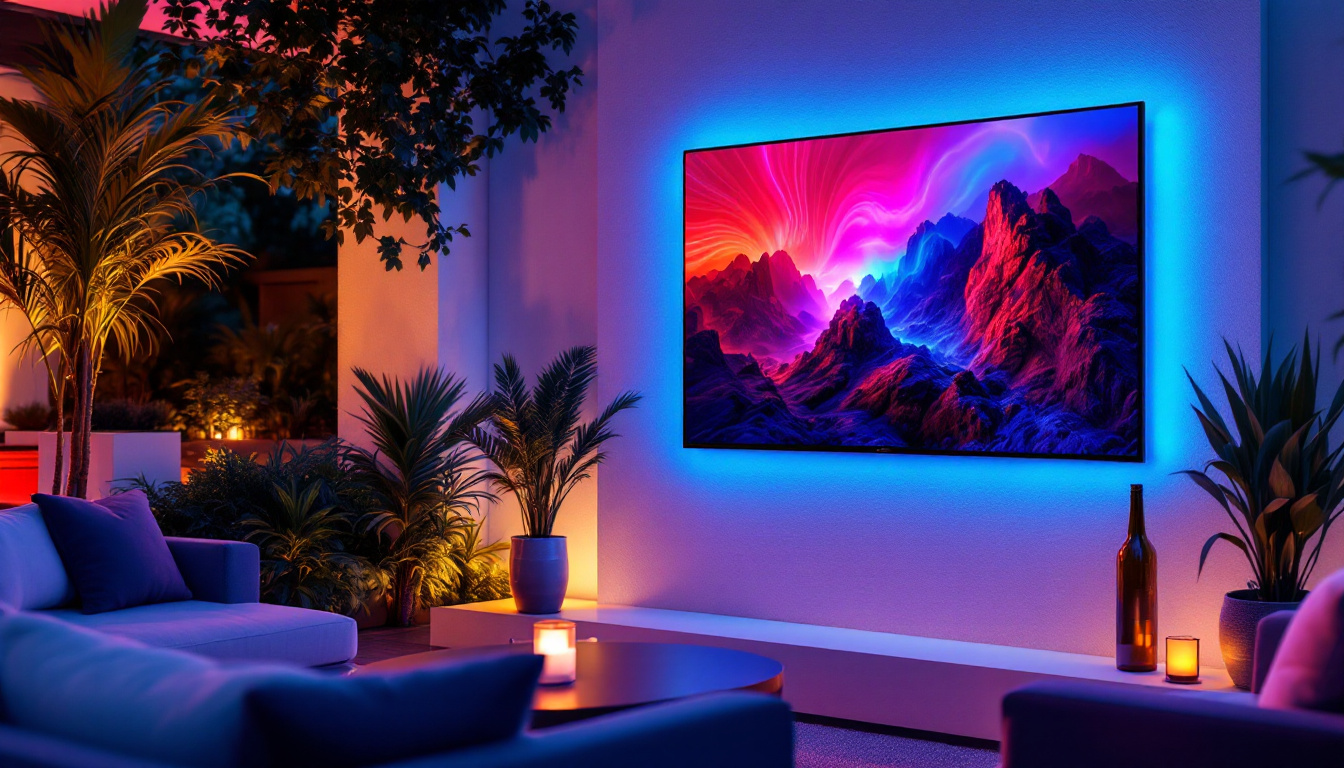
At its core, an LED display is a flat panel that uses light-emitting diodes (LEDs) as pixels to create images. Unlike traditional projection systems that rely on projecting light onto a surface, LED displays generate their own light, resulting in brighter and more vivid visuals. This self-illuminating characteristic not only enhances the viewing experience but also allows for greater energy efficiency, as LED technology consumes less power compared to conventional display methods.
How LED Displays Work
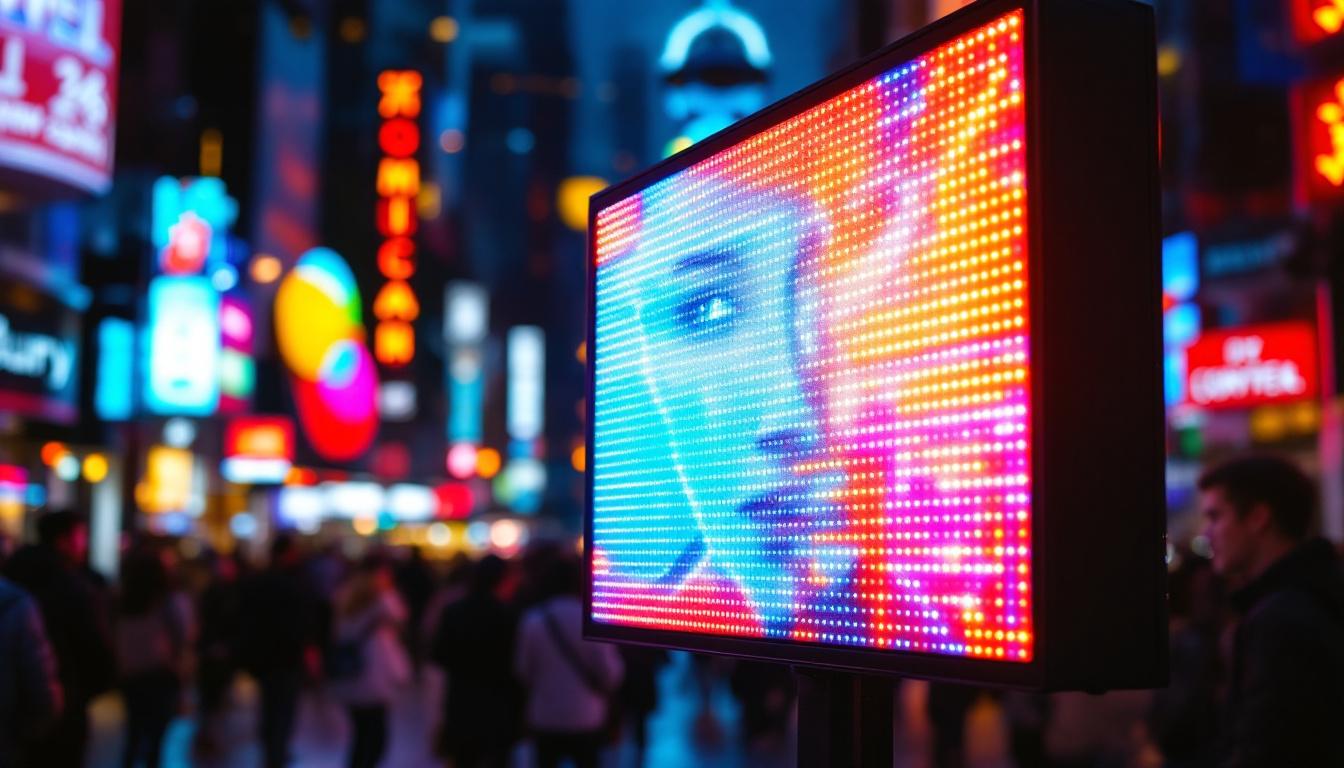
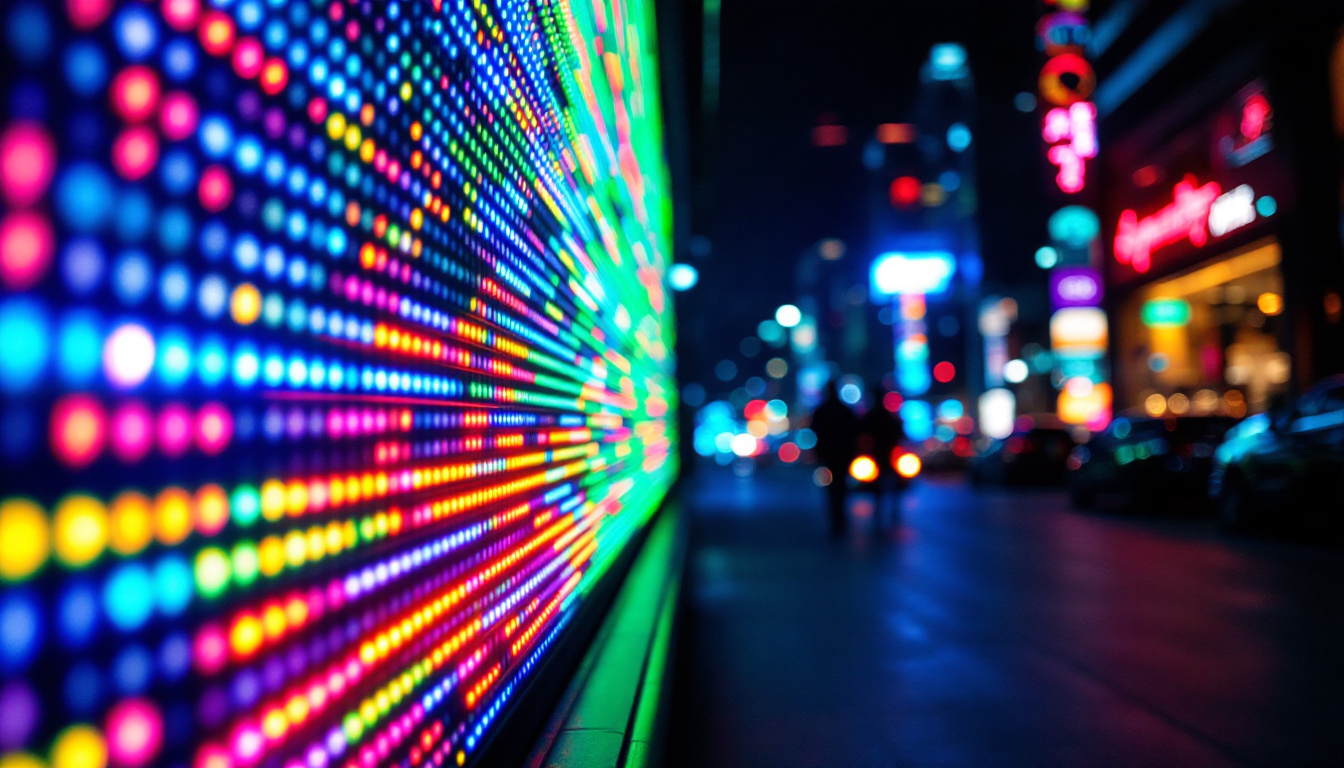
Each pixel on an LED screen is made up of one or more tiny LEDs that emit red, green, and blue light. By adjusting the intensity of these LEDs, the display can produce a full spectrum of colors. This direct emission of light allows for higher contrast ratios and deeper blacks compared to projection systems that depend on ambient light conditions. Furthermore, advancements in LED technology have led to the development of high dynamic range (HDR) displays, which can reproduce a wider range of brightness levels, making images more lifelike and immersive.
Modern LED displays often use surface-mounted device (SMD) technology, where LEDs are mounted directly onto a circuit board. This design enables higher pixel density and improved viewing angles, making images sharper and more consistent from different perspectives. Additionally, SMD technology facilitates the integration of smart features, such as touch interactivity and connectivity options, allowing for a more engaging user experience in applications ranging from retail to entertainment.
Types of LED Displays
LED displays come in several varieties, each suited to different environments and needs:
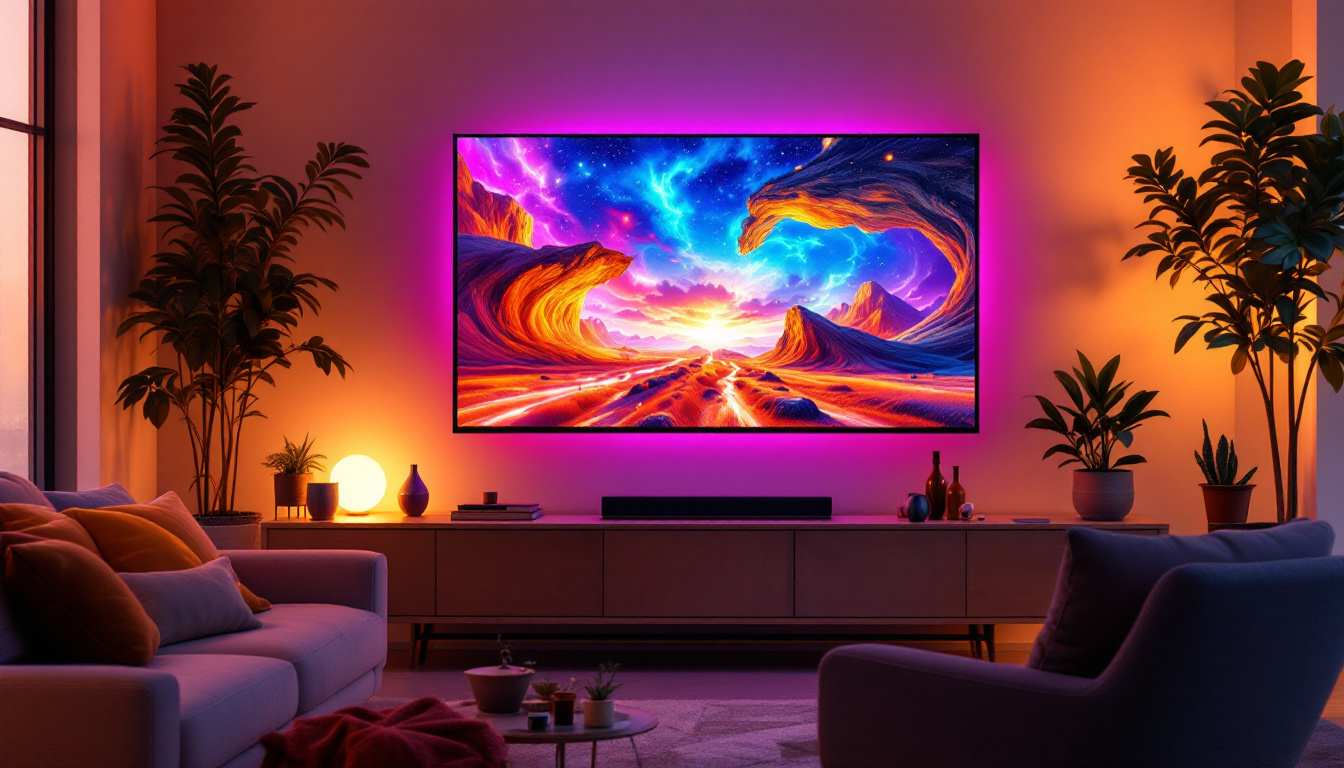
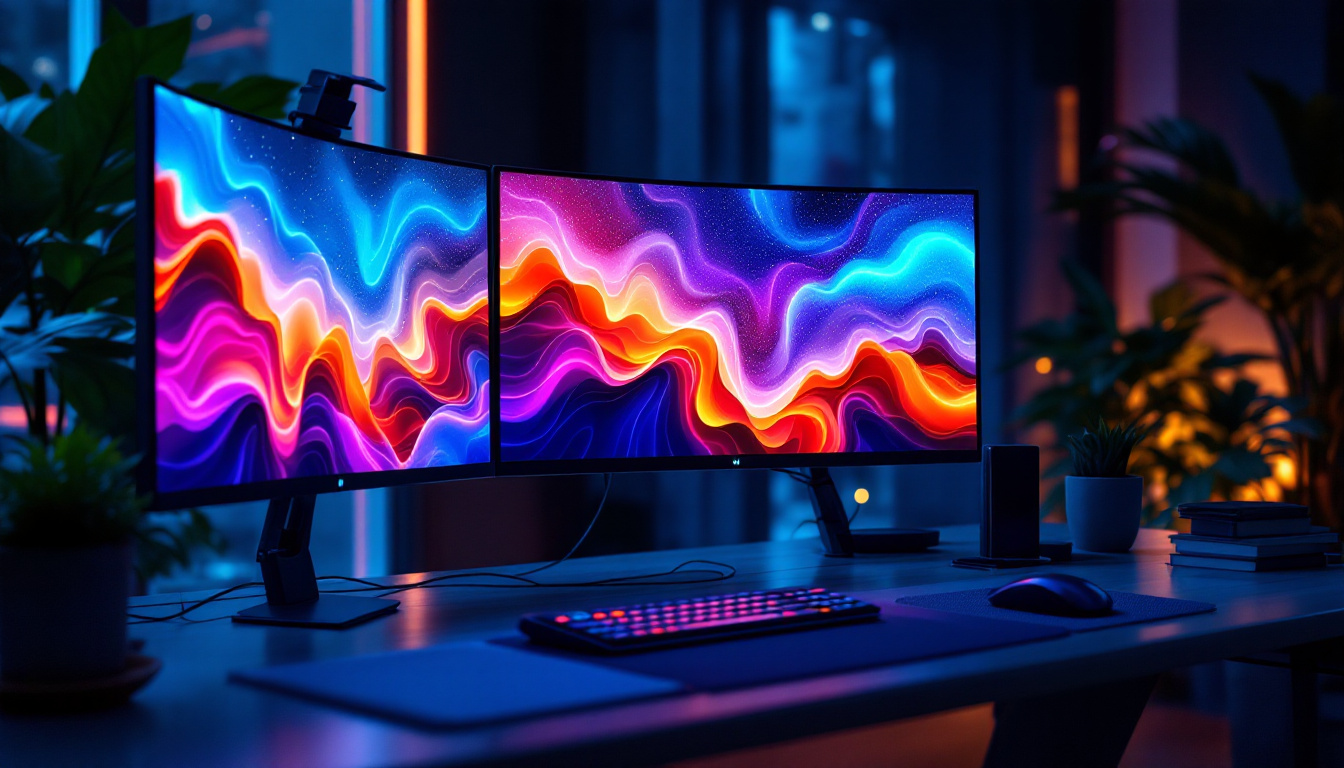
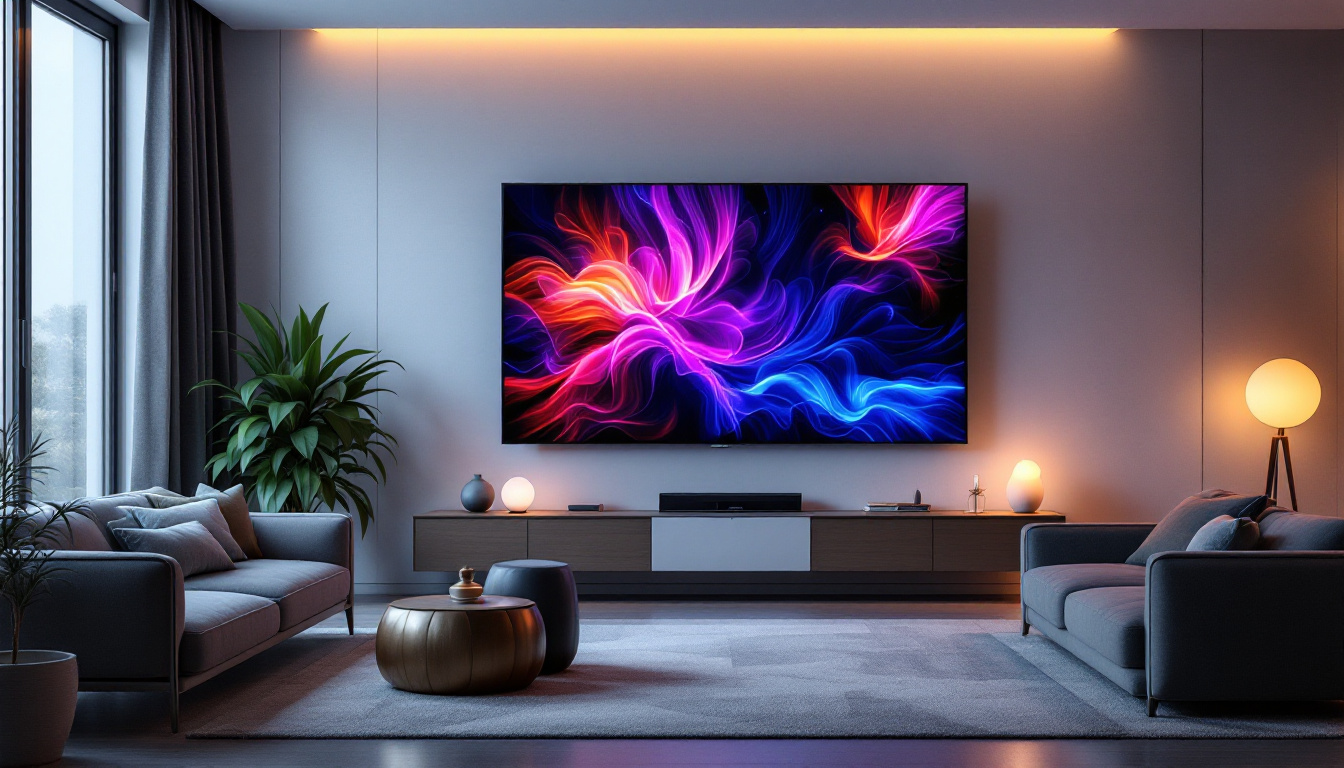
- Indoor LED Displays: Designed for controlled lighting environments, these displays have smaller pixel pitches (distance between LEDs) for higher resolution and clarity at close viewing distances. They are commonly used in venues such as conference rooms, theaters, and shopping malls, where detailed visuals are essential for presentations and advertising.
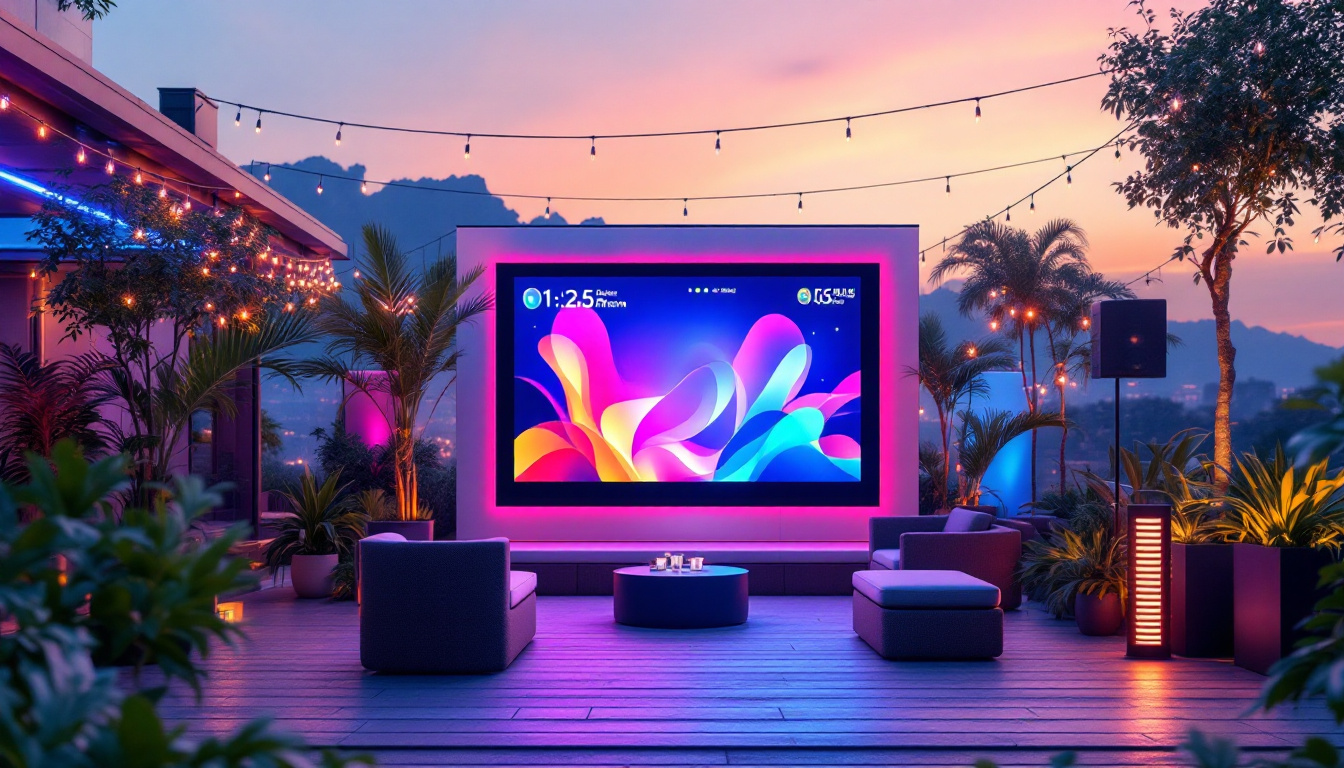
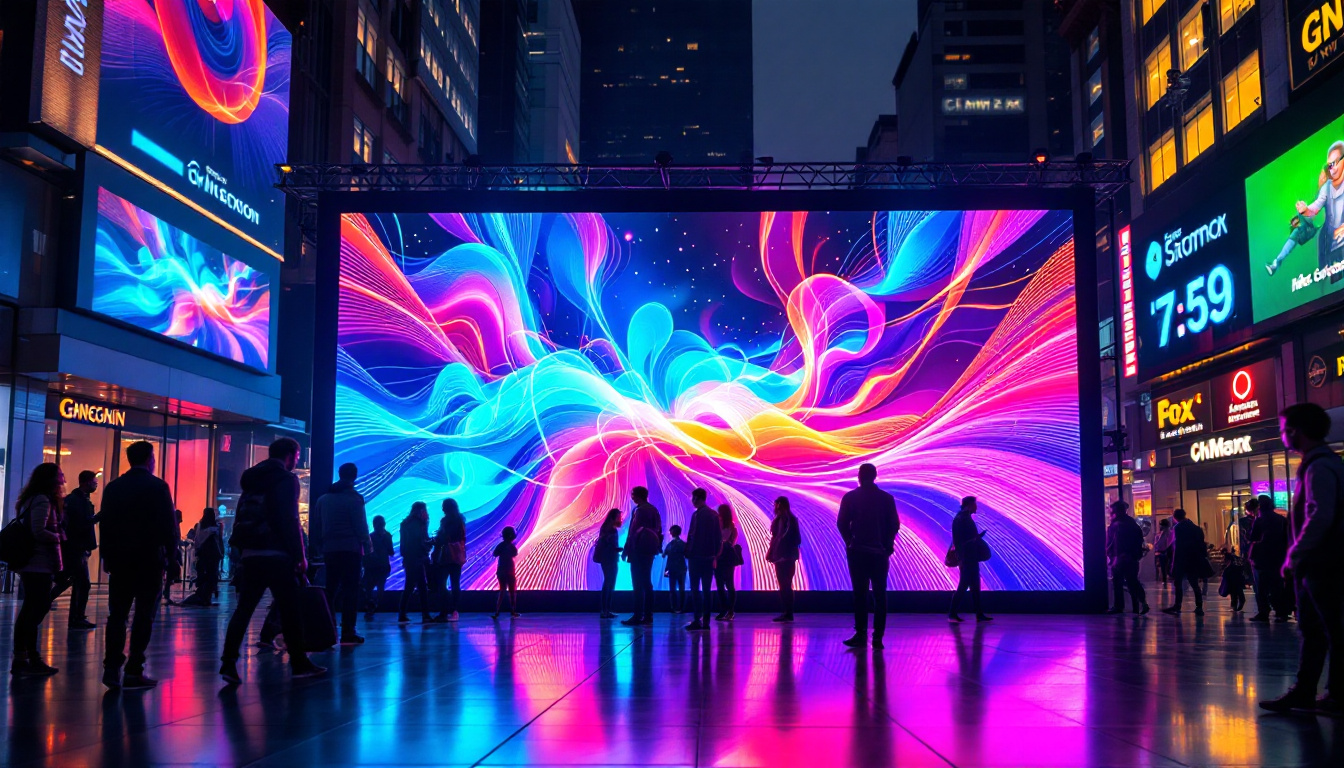
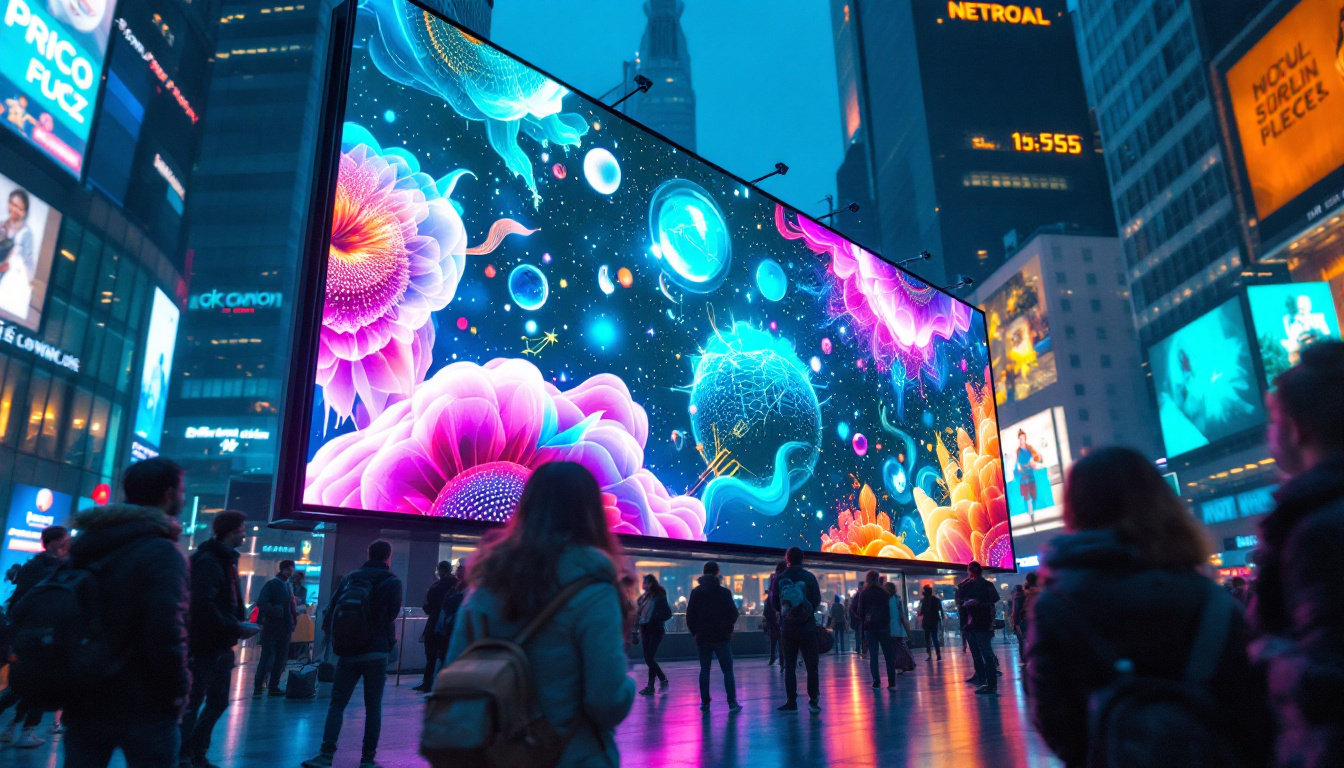
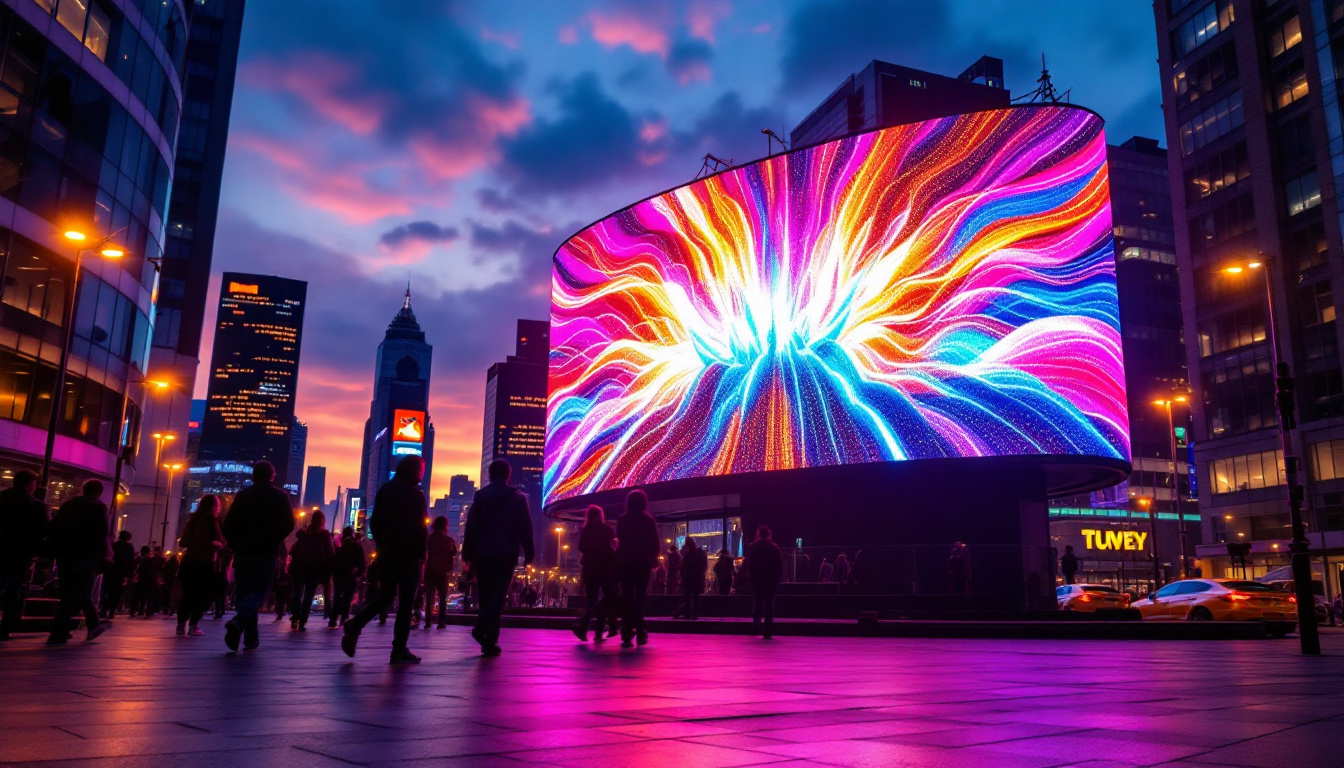
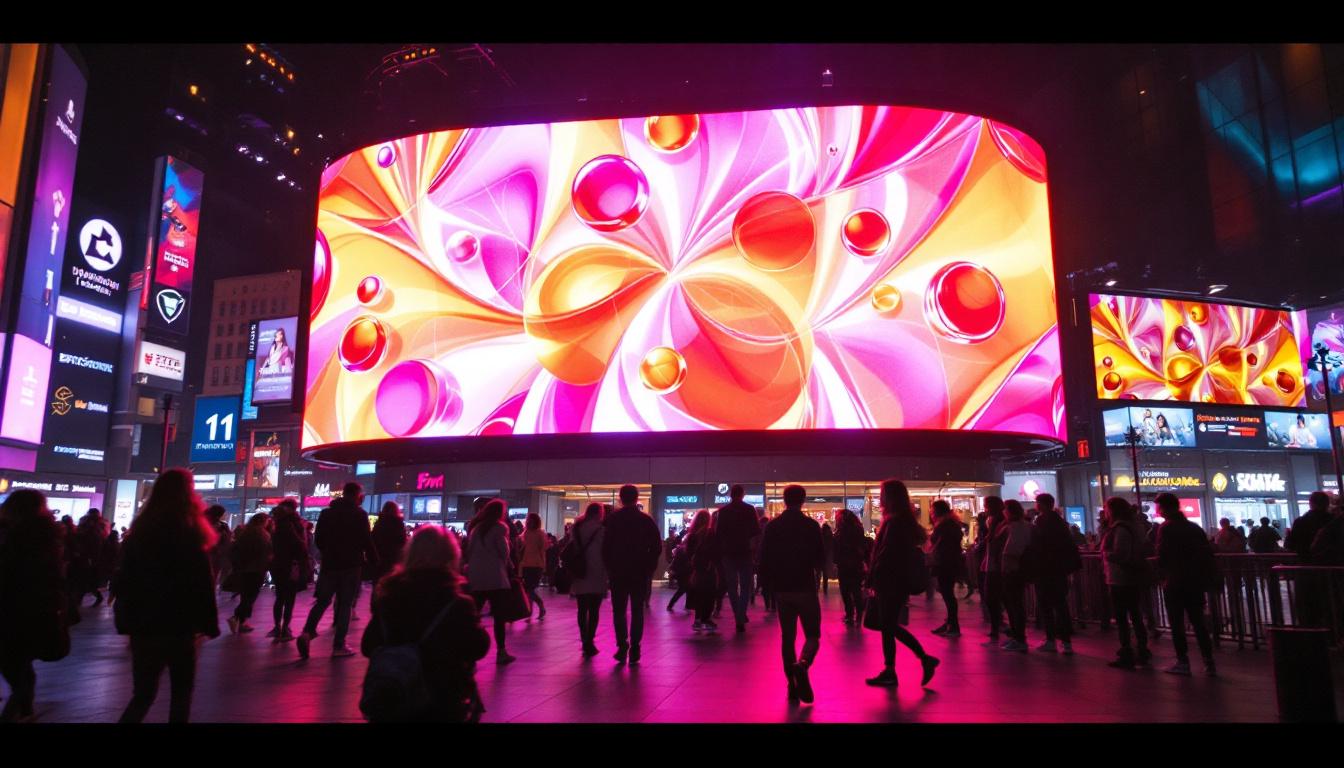
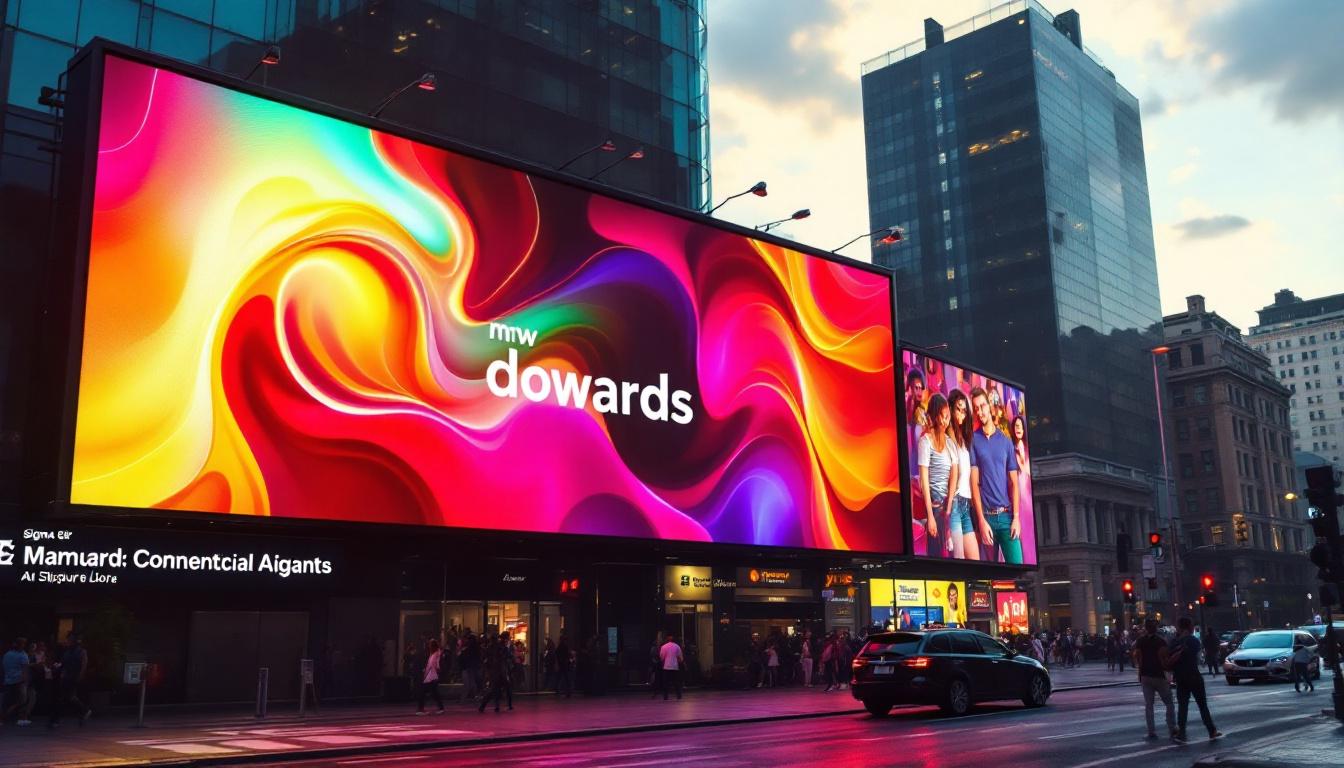
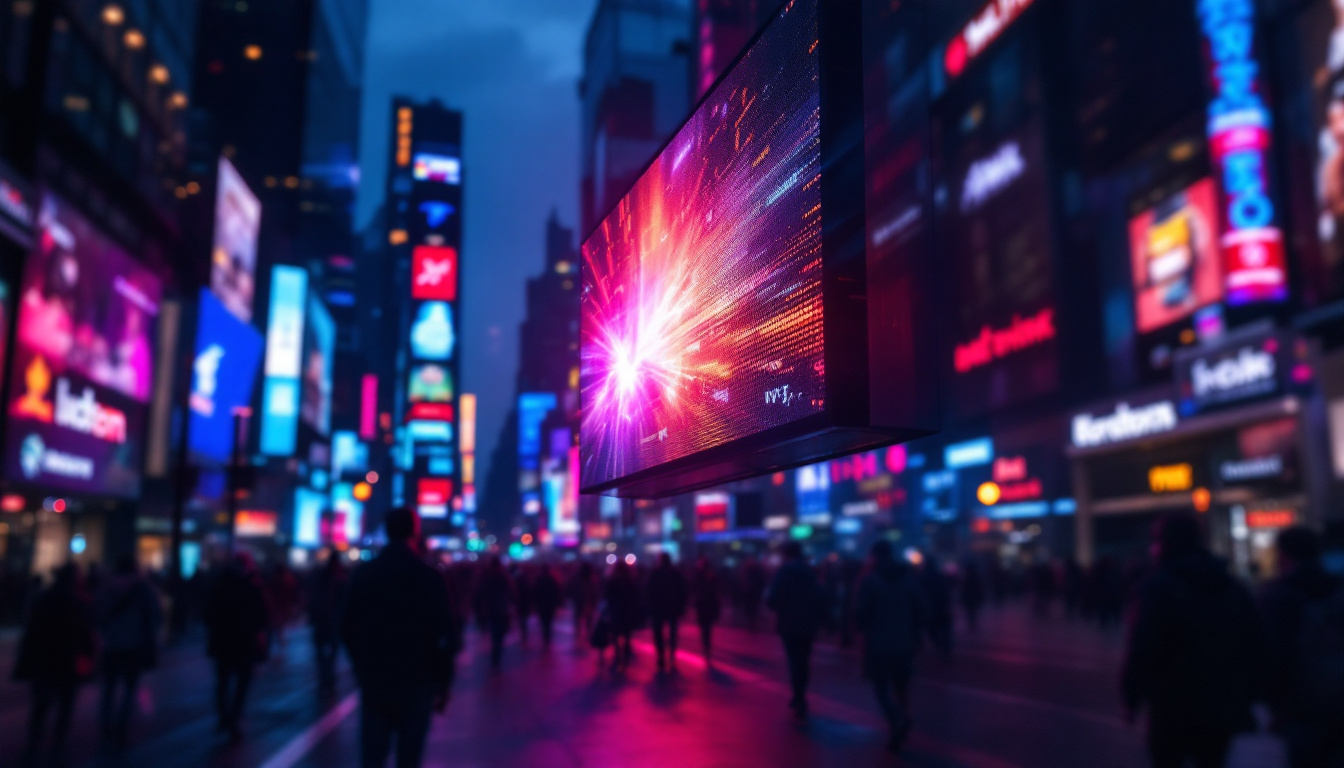
- Outdoor LED Displays: Built to withstand weather conditions, these screens feature higher brightness levels to combat sunlight glare and larger pixel pitches due to typical viewing distances. Outdoor displays are often seen in stadiums, billboards, and public transportation hubs, providing dynamic content that captures the attention of passersby.
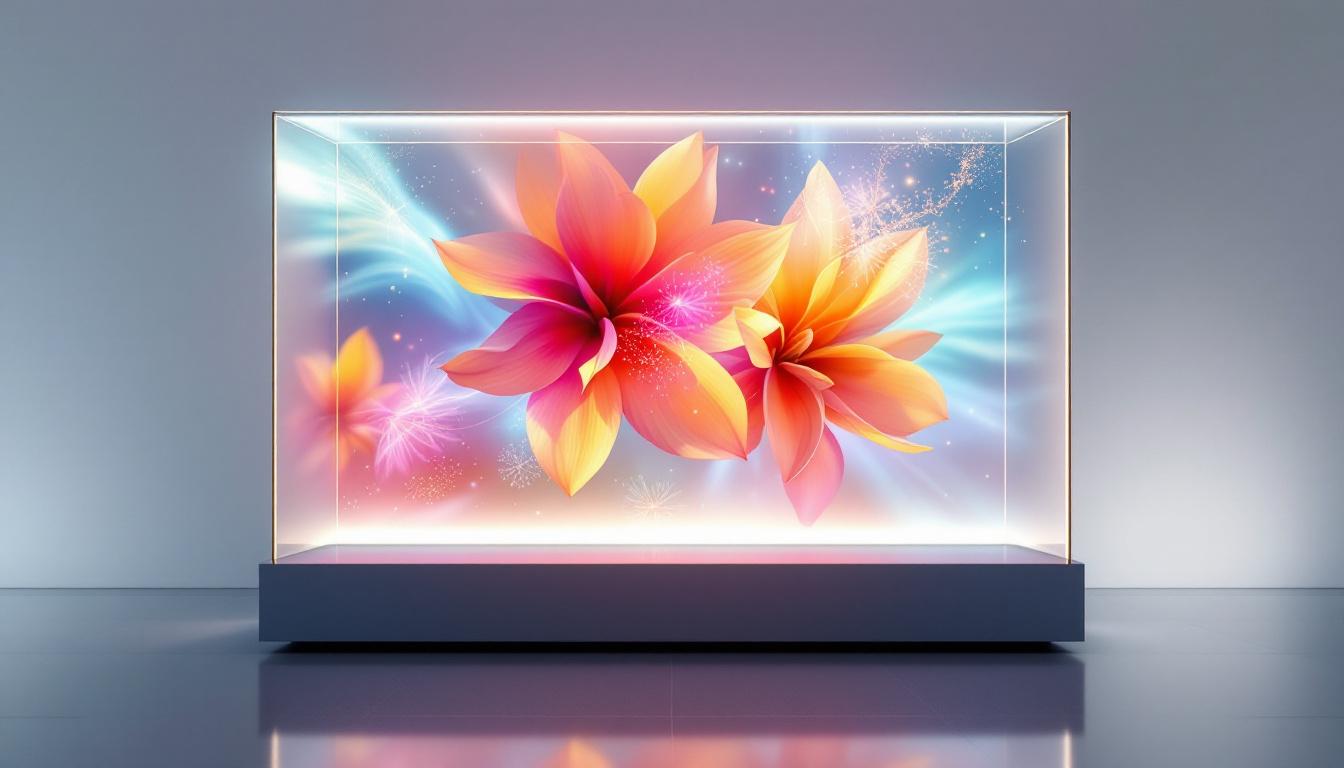
- Transparent LED Displays: These innovative screens allow light to pass through, making them ideal for retail windows and architectural applications where visibility on both sides is desired. This technology not only enhances aesthetic appeal but also enables brands to showcase products while maintaining an open and inviting atmosphere.
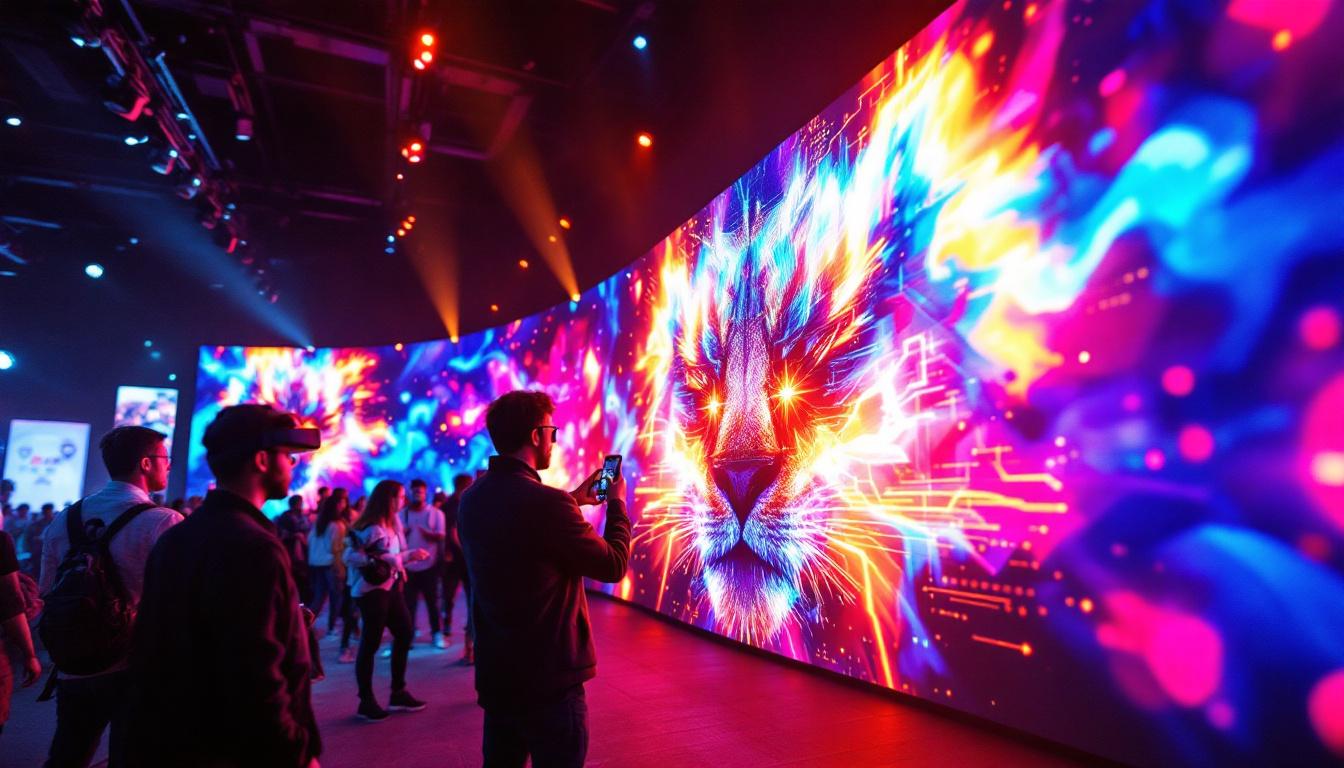
- Flexible and Curved LED Displays: Utilizing bendable substrates, these displays can be shaped to fit unique surfaces, expanding creative possibilities in design and advertising. Their adaptability allows for immersive installations in environments such as museums, art galleries, and experiential marketing events, where the visual narrative can be tailored to the space.
As LED technology continues to evolve, we are witnessing the emergence of microLED and miniLED displays, which promise even greater resolution and energy efficiency. These advancements are paving the way for ultra-high-definition visuals that are not only stunning but also more accessible for a variety of applications, from consumer electronics to large-scale commercial displays. The future of LED technology is bright, with endless possibilities for innovation and creativity in visual communication.
Advantages of LED Displays Over Traditional Projection
While traditional projectors have long been used for screen projection, LED displays offer several compelling benefits that have driven their widespread adoption.
Brightness and Visibility
One of the most significant advantages of LED displays is their superior brightness. With peak brightness levels often exceeding 1,000 nits for indoor screens and 5,000 nits or more for outdoor models, LED displays remain clearly visible even in direct sunlight or brightly lit rooms. In contrast, projectors typically struggle in well-lit environments, requiring darkened rooms to maintain image quality. This high brightness not only enhances visibility but also allows for greater versatility in various settings, from outdoor events to brightly lit conference rooms, ensuring that presentations and displays can be seen clearly by all attendees.
Color Accuracy and Contrast
Because LEDs emit light directly, they can achieve true blacks by turning off individual pixels, resulting in an infinite contrast ratio. This capability enhances color vibrancy and depth, making images more lifelike and engaging. Projectors, which reflect light off surfaces, often have lower contrast ratios and can suffer from washed-out colors. Furthermore, the wide color gamut of LED displays allows for more accurate reproduction of colors, making them particularly appealing for applications in graphic design, photography, and video production where color fidelity is paramount. The ability to display a broader range of colors means that LED screens can bring creative visions to life with stunning precision.
Durability and Maintenance
LED displays are generally more durable and require less maintenance than projection systems. Without bulbs to replace or lenses to clean, LED screens offer longer operational lifespans and reduced downtime. Many LED modules have lifespans exceeding 100,000 hours, translating to years of continuous use. This durability is especially beneficial in high-traffic areas where displays are subject to frequent use and potential wear and tear. Additionally, the robust construction of LED panels makes them resistant to environmental factors such as humidity and temperature fluctuations, further extending their usability in diverse settings.
Installation Flexibility
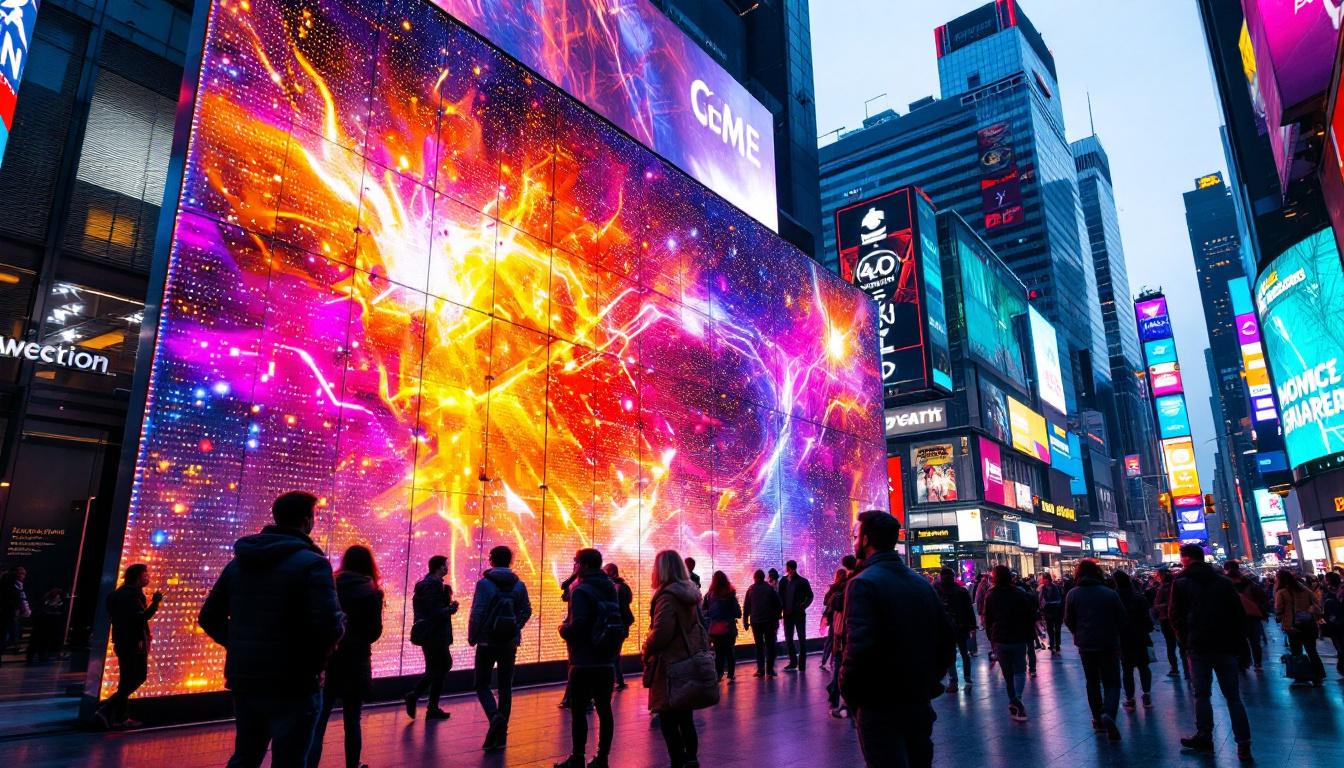
LED displays can be configured into virtually any size or shape by combining multiple panels, offering unparalleled scalability. This modularity allows for custom installations tailored to specific venues, such as stadiums, concert halls, or retail spaces. Projectors, on the other hand, are limited by throw distance and screen size constraints. The flexibility of LED displays also extends to their installation options; they can be mounted on walls, suspended from ceilings, or even integrated into architectural features, providing designers and architects with creative freedom to enhance the aesthetic appeal of a space. Additionally, advancements in wireless technology have made it possible to install LED displays without the clutter of cables, further simplifying the setup process and improving the overall visual experience.
Applications of LED Displays in Screen Projection
The versatility of LED technology has led to its adoption across a broad spectrum of industries and use cases.
Entertainment and Events
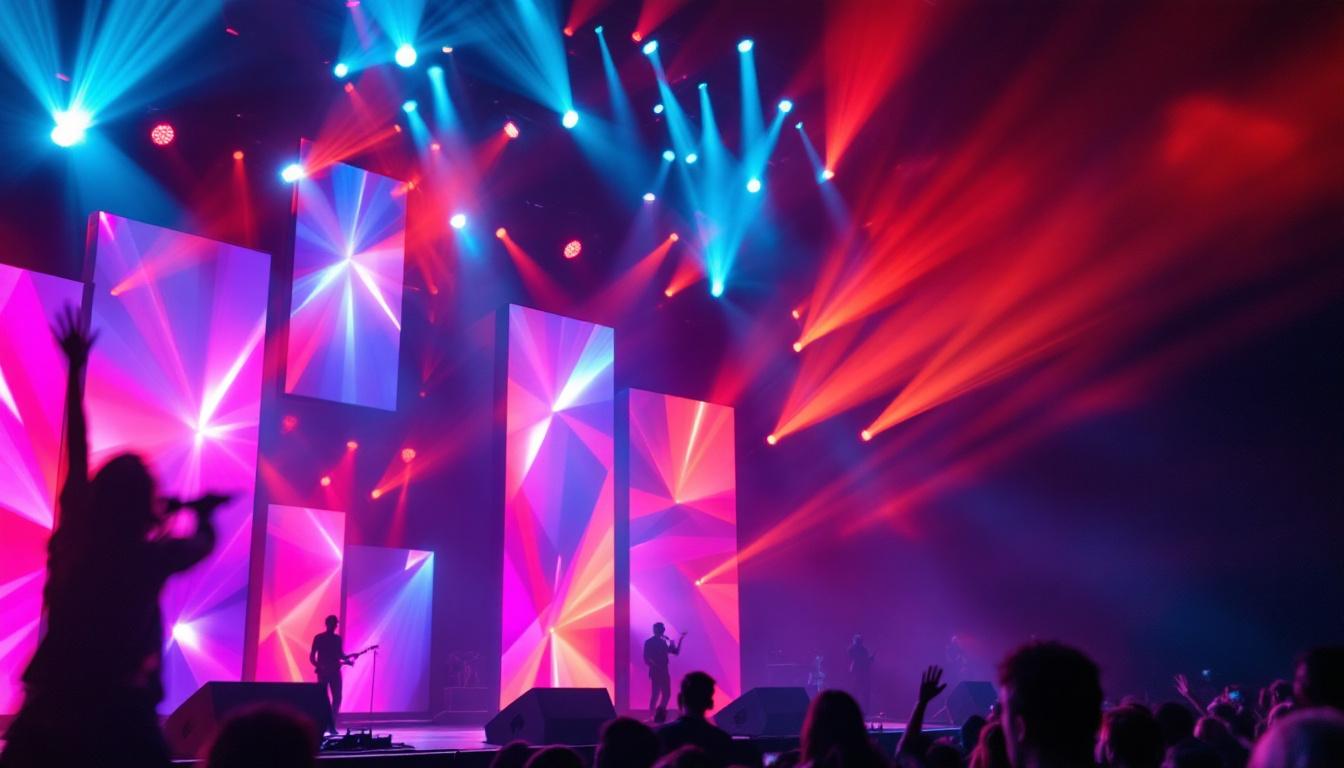
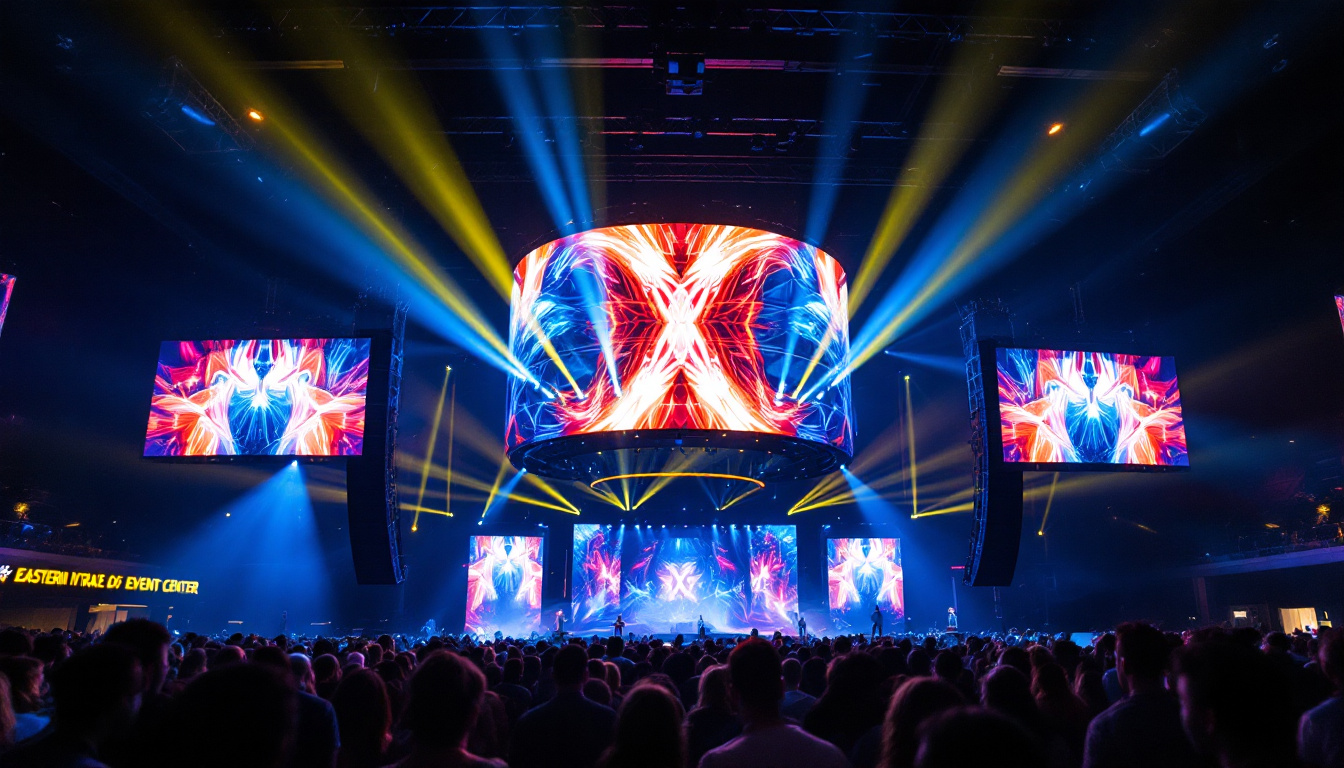
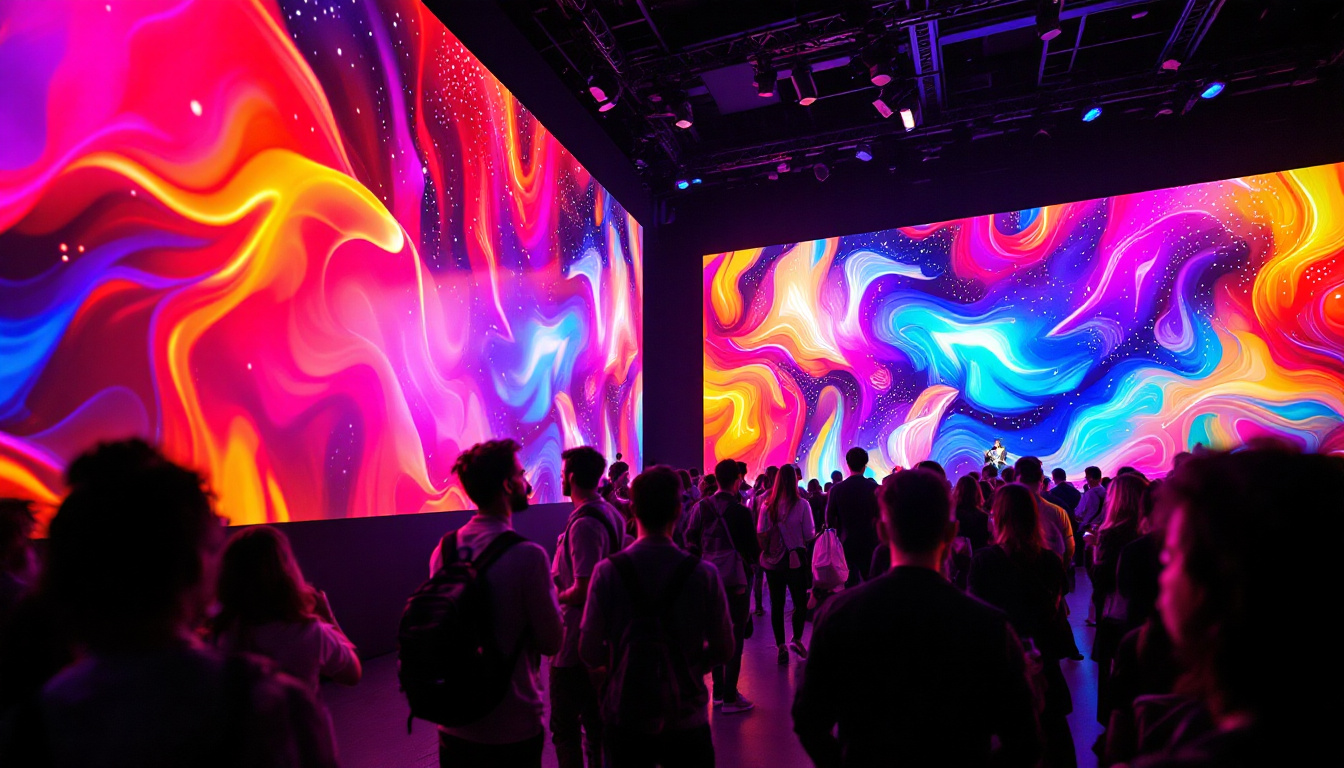
Concerts, festivals, and live events frequently utilize large LED screens to provide immersive visual experiences. These displays enable dynamic content, from live video feeds to intricate animations, enhancing audience engagement. For example, the 2022 Super Bowl halftime show featured massive LED walls that seamlessly integrated with performers and stage design.
Advertising and Digital Signage
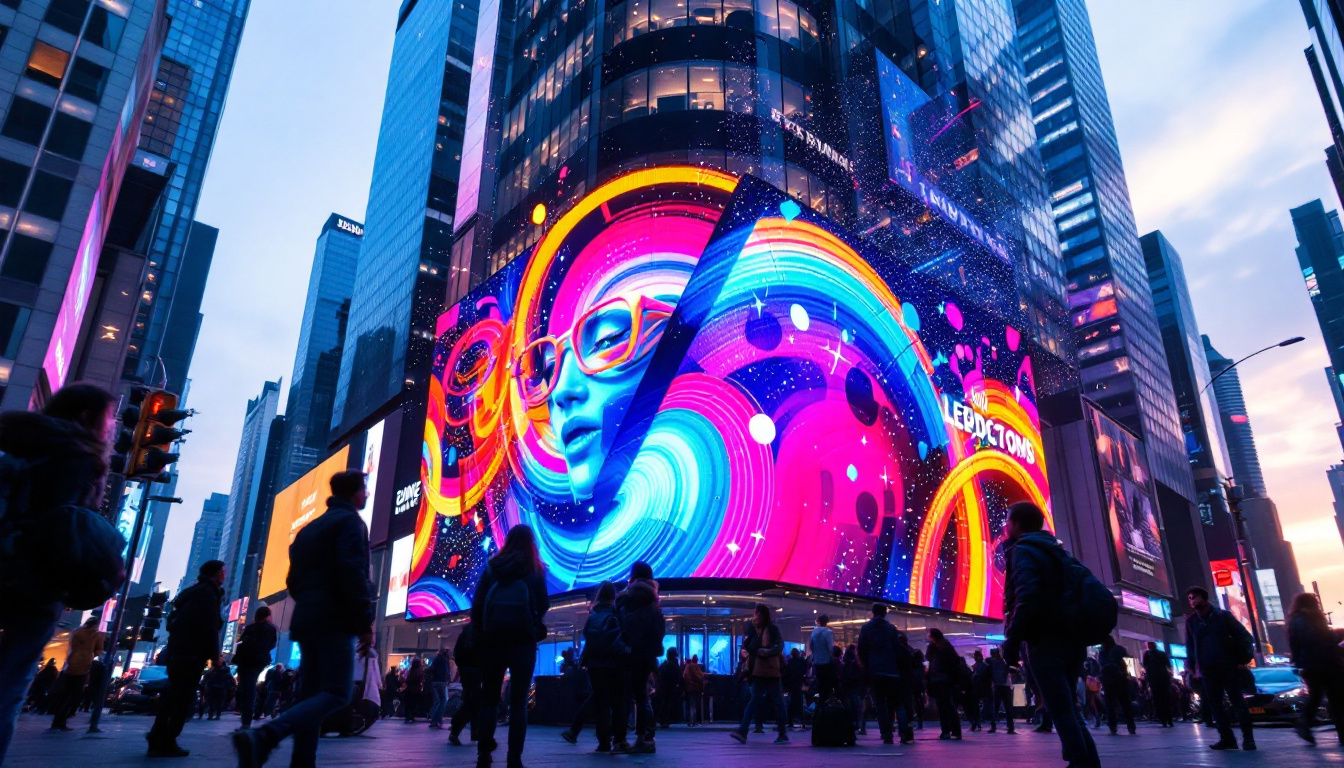
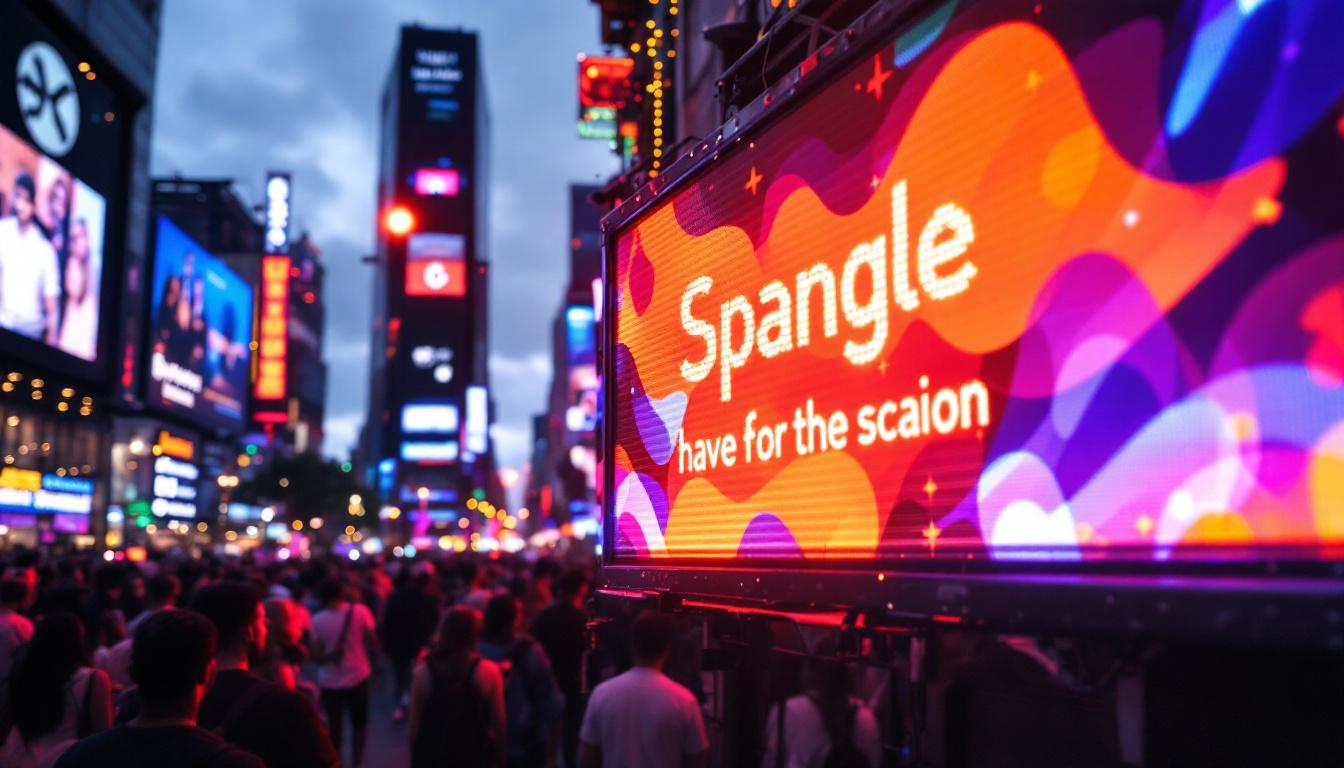
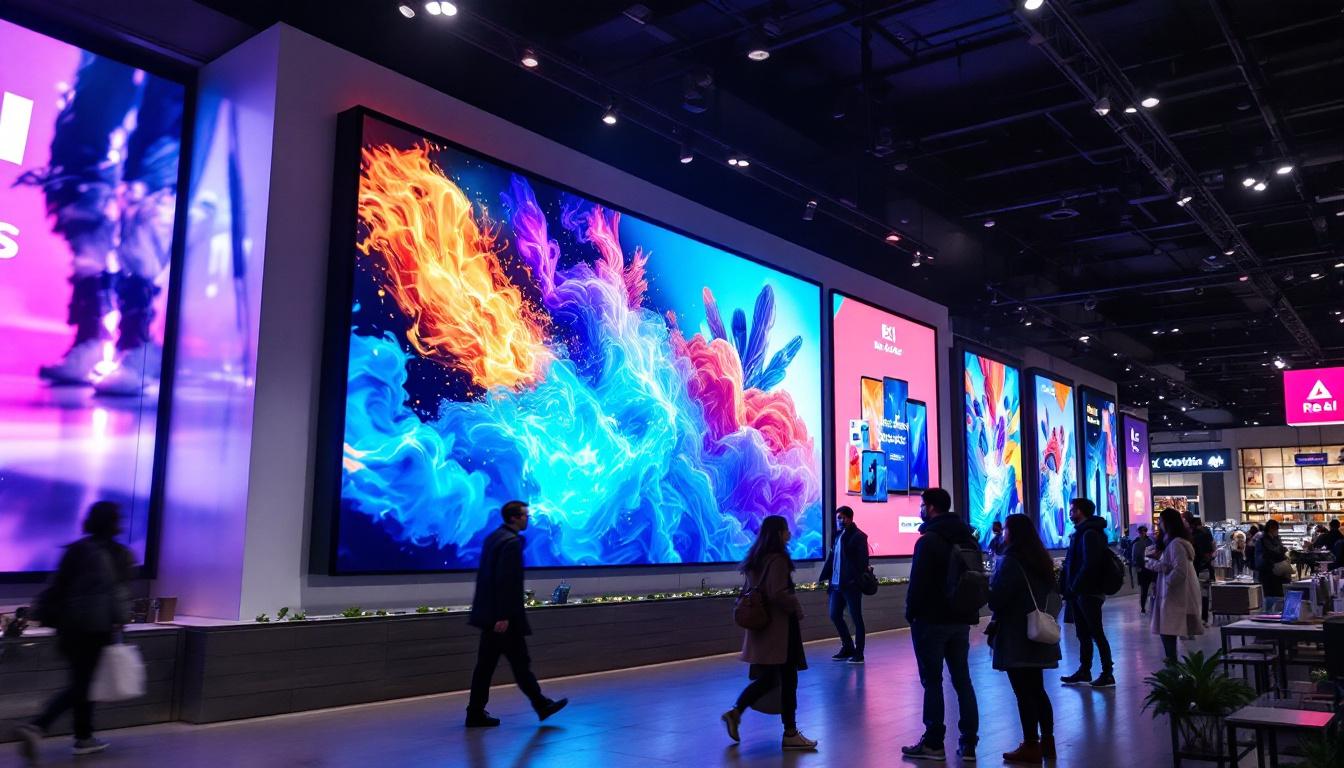
Outdoor LED billboards are a staple in urban landscapes, delivering high-impact advertising messages with vivid colors and motion. Their ability to operate 24/7 and adapt content in real-time makes them invaluable for marketers. According to a 2023 report by Grand View Research, the global digital signage market is expected to reach $31.7 billion by 2028, driven largely by LED technology advancements.
Corporate and Educational Environments
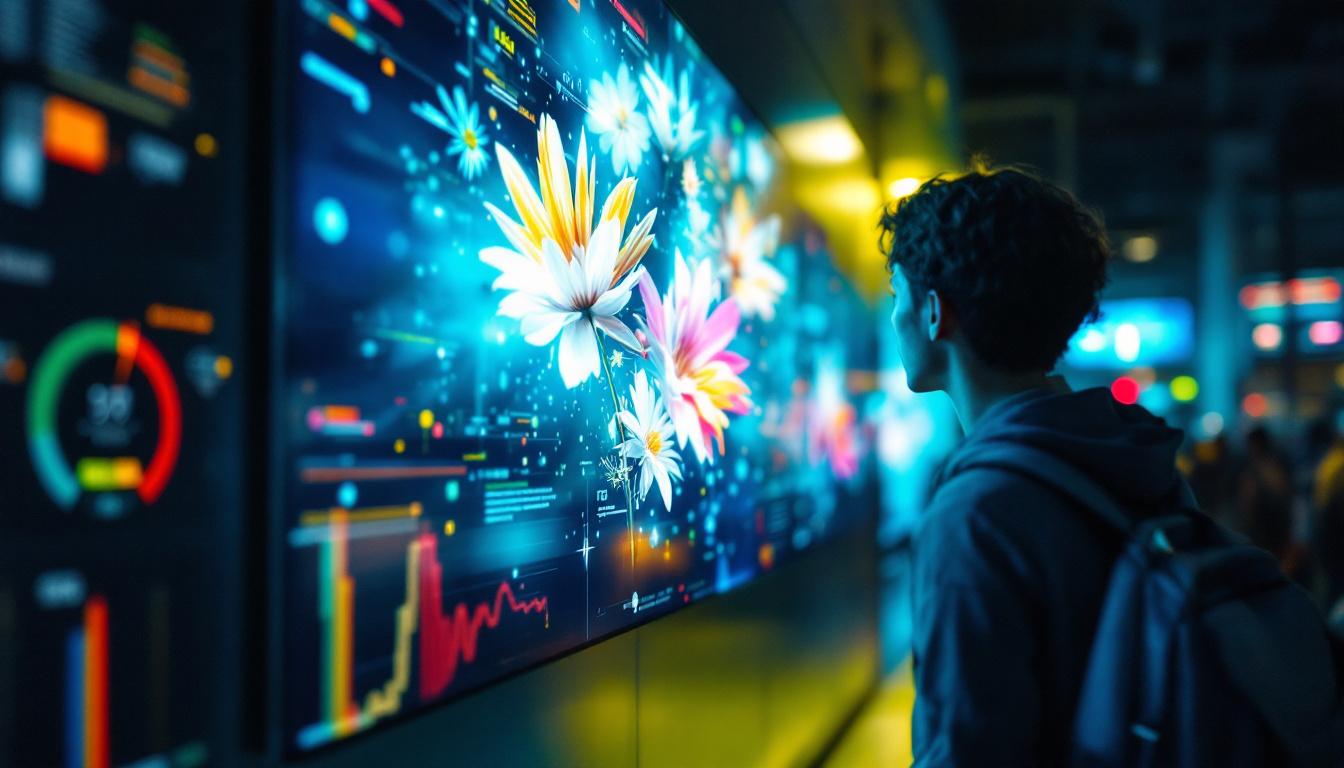
In conference rooms, lecture halls, and training centers, LED displays provide clear, bright visuals that facilitate communication and learning. Their ability to display high-resolution graphics and video content supports diverse presentation needs, from data visualization to interactive collaboration.
Retail and Hospitality
Retailers use LED displays to attract customers and create engaging in-store experiences. Transparent LED screens, in particular, allow for innovative window displays that combine digital content with physical products. Hotels and restaurants also deploy LED screens for digital menus, event promotions, and ambient visuals.
Comparing LED Displays to Other Screen Projection Technologies
To fully appreciate the benefits of LED displays, it’s important to compare them with other common projection methods.
LED vs. LCD Screens
While both LED and LCD screens are flat-panel displays, they differ fundamentally. LCD (Liquid Crystal Display) panels use a backlight, often LED-based, to illuminate pixels, whereas LED displays use individual LEDs as pixels. This distinction gives LED displays better contrast, brightness, and color uniformity. However, LCDs tend to be more cost-effective for smaller displays and consumer electronics.
LED vs. Projection Mapping
Projection mapping involves projecting images onto irregular surfaces, such as buildings or sculptures, to create dynamic visual effects. While projection mapping offers creative flexibility, it depends heavily on ambient lighting and surface characteristics. LED displays provide consistent image quality regardless of environment but are less adaptable to unconventional surfaces.
LED vs. Laser Projectors
Laser projectors offer improved brightness and color accuracy compared to traditional lamp-based projectors and are gaining popularity in cinemas and large venues. However, they still rely on projecting light onto a surface, which can limit visibility in bright conditions. LED displays maintain an edge in brightness, contrast, and durability.
Future Trends in LED Display Technology
The LED display industry continues to innovate, pushing the boundaries of what’s possible in screen projection.
MicroLED and MiniLED Advances
Emerging technologies like MicroLED and MiniLED promise even higher resolutions, better energy efficiency, and thinner form factors. MicroLED, in particular, uses microscopic LEDs to create displays with unparalleled brightness and color fidelity, potentially transforming consumer electronics and large-scale displays alike.
Integration with Augmented Reality (AR) and Virtual Reality (VR)
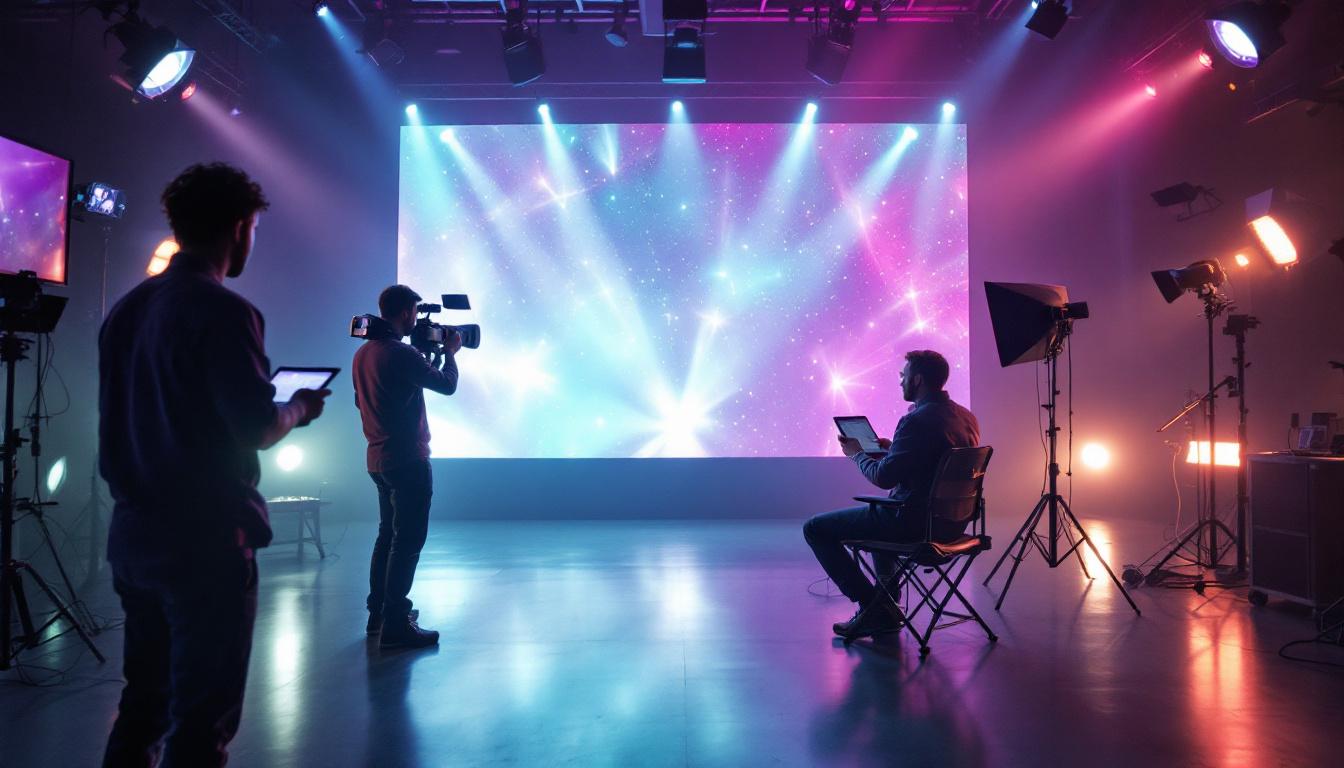
As AR and VR technologies mature, LED displays are being integrated into immersive environments. For example, LED walls are used in virtual production studios to create realistic backgrounds and interactive sets, enhancing storytelling and reducing the need for green screens.
Energy Efficiency and Sustainability
Manufacturers are focusing on reducing the environmental impact of LED displays through improved energy efficiency and recyclable materials. Innovations in power management and heat dissipation contribute to greener operations, aligning with global sustainability goals.
Conclusion
LED displays represent a transformative technology in the realm of screen projection, offering unmatched brightness, color accuracy, and flexibility. Their ability to deliver vivid visuals in diverse environments has made them indispensable across entertainment, advertising, corporate, and retail sectors. As advancements like MicroLED and integration with emerging technologies continue to evolve, LED displays are poised to redefine the future of visual communication.
For anyone considering screen projection solutions, understanding the capabilities and advantages of LED technology is essential to making informed decisions that maximize impact and engagement.
Discover LumenMatrix LED Display Solutions
Ready to elevate your visual experience with the latest in LED display technology? LumenMatrix is at the forefront of innovation, offering a wide range of LED display modules designed to bring your brand to life. Whether you’re looking for an Indoor LED Wall Display, a vibrant Outdoor LED Wall Display, or specialized solutions like Vehicle LED Displays and LED Sports Displays, LumenMatrix has the expertise to transform your space. Embrace the future of screen projection and create unforgettable visual narratives with our Custom LED Displays, All-in-One LED Displays, and LED Transparent Displays. Check out LumenMatrix LED Display Solutions today and start crafting your message with unparalleled impact and clarity.