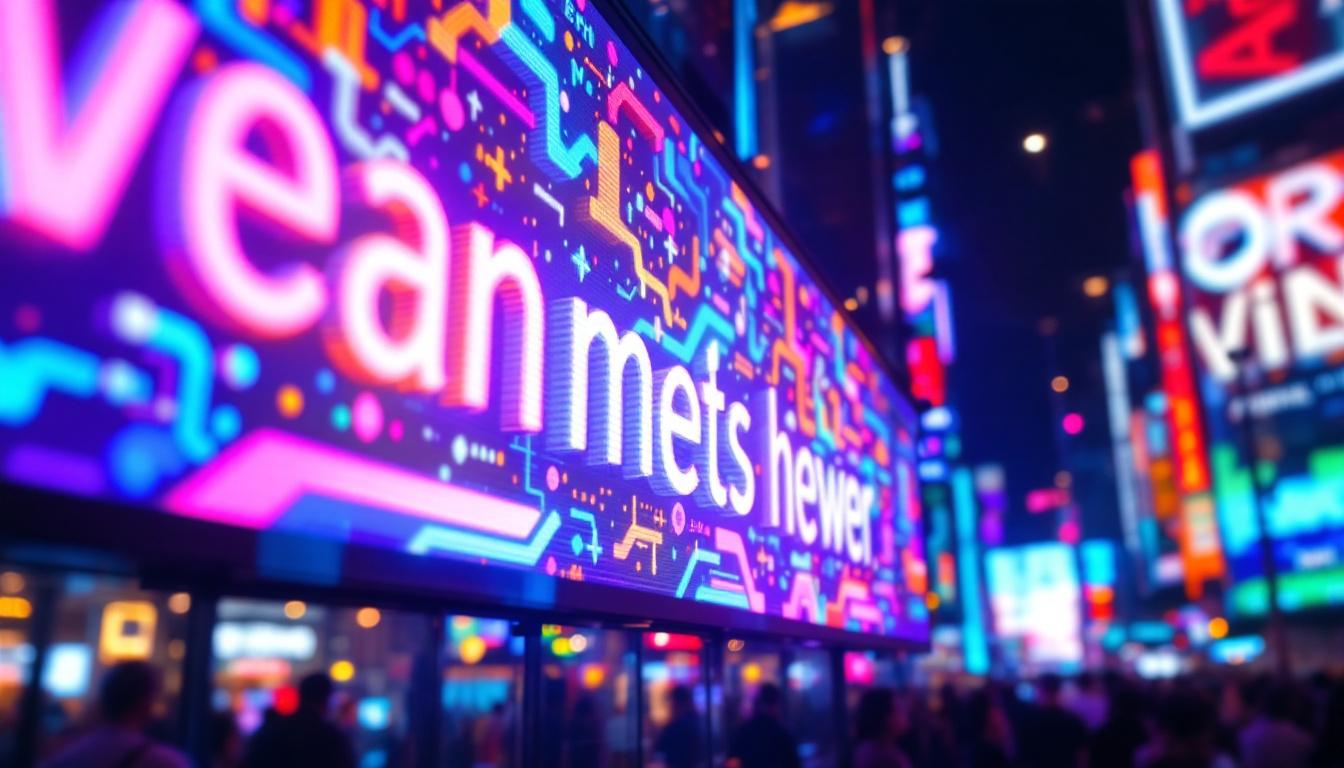
In today’s fast-paced digital world, LED displays have become an integral part of how information is presented, from advertising billboards to stadium screens and even home entertainment systems. The term “Display Cookies” might sound unfamiliar or technical, but it relates closely to the technology and data management behind LED displays. This article aims to demystify LED displays by exploring their technology, applications, and the role of data management — including what “display cookies” might imply in this context.
Understanding LED Display Technology
LED, or Light Emitting Diode, displays are a type of flat panel display that use tiny light-emitting diodes to produce images. Unlike traditional LCD or plasma screens, LED displays offer superior brightness, contrast, and energy efficiency, making them ideal for both indoor and outdoor use. The technology has evolved significantly over the years, leading to a wide range of applications that extend beyond conventional television and computer screens.
How LED Displays Work
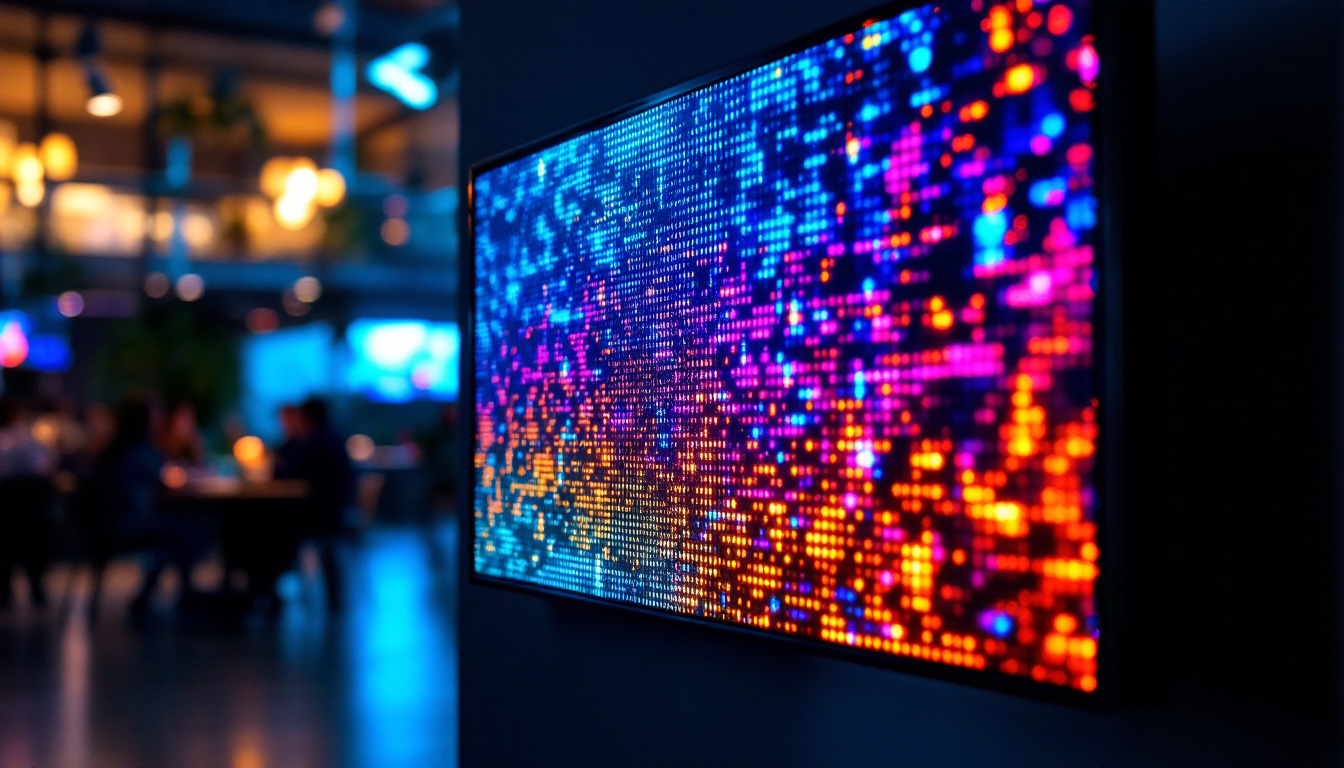
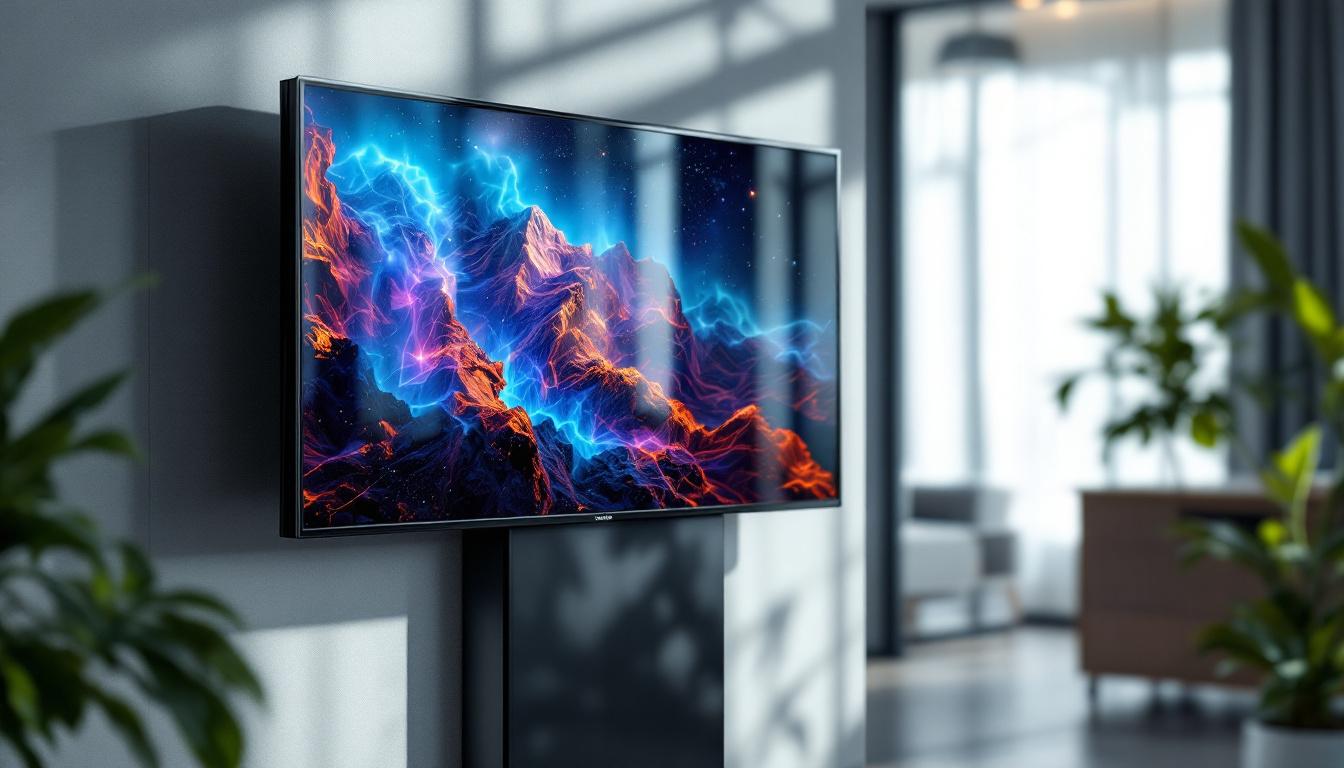
At the core of an LED display are thousands, sometimes millions, of individual LEDs arranged in a grid. Each LED emits light when an electric current passes through it. By controlling the intensity and color of each LED, the display can produce vibrant images and videos. This intricate control is achieved through sophisticated electronics and software that manage the color mixing and brightness levels across the entire display surface.
Modern LED displays use RGB (red, green, blue) diodes to create a full spectrum of colors. By varying the brightness of these three colors, the display can render virtually any color the human eye can perceive. This capability is what makes LED displays highly versatile for various applications. Furthermore, advancements in technology have led to the development of high dynamic range (HDR) displays, which enhance color accuracy and contrast, providing an even more immersive viewing experience.
Types of LED Displays
LED displays come in several forms, each suited to different environments and purposes:
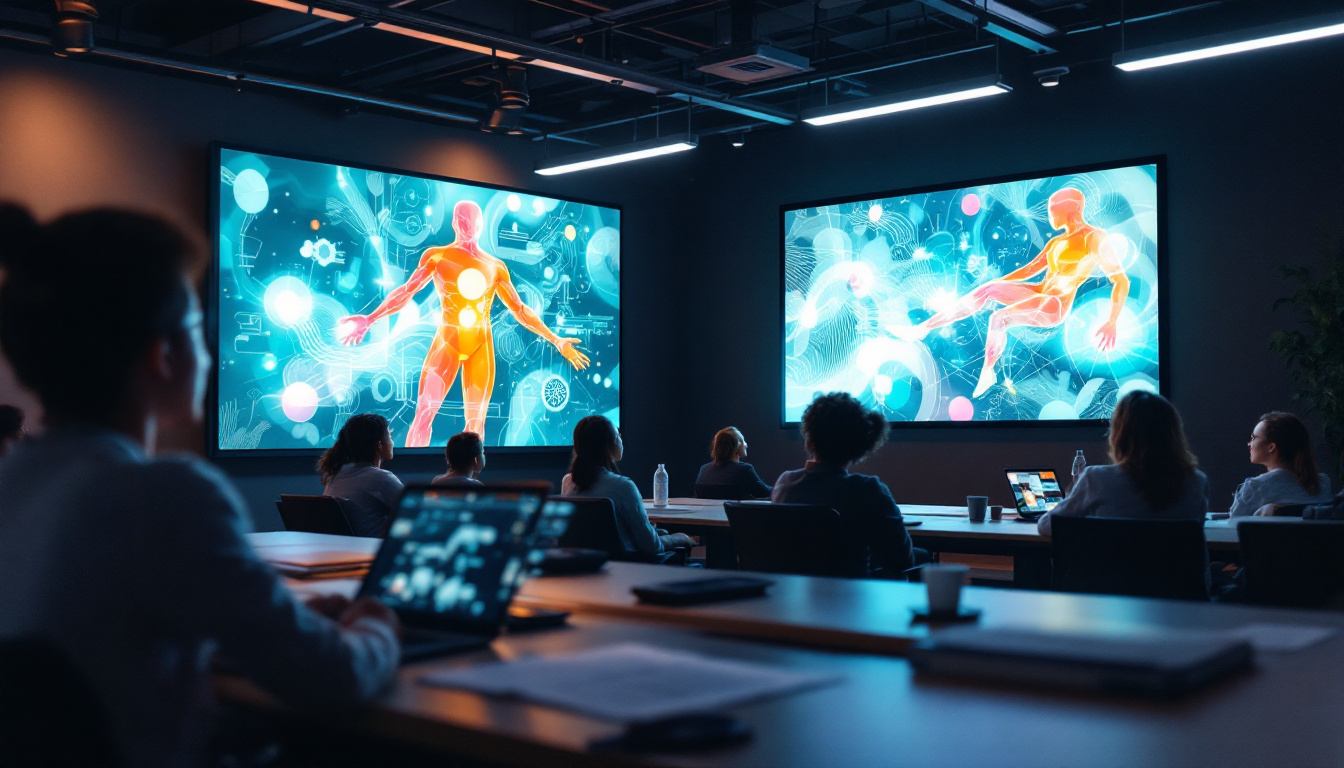
- Indoor LED Displays: Designed for controlled lighting environments, these displays have higher pixel density for sharper images. They are often used in venues such as theaters, conference rooms, and retail spaces where clarity and detail are paramount.
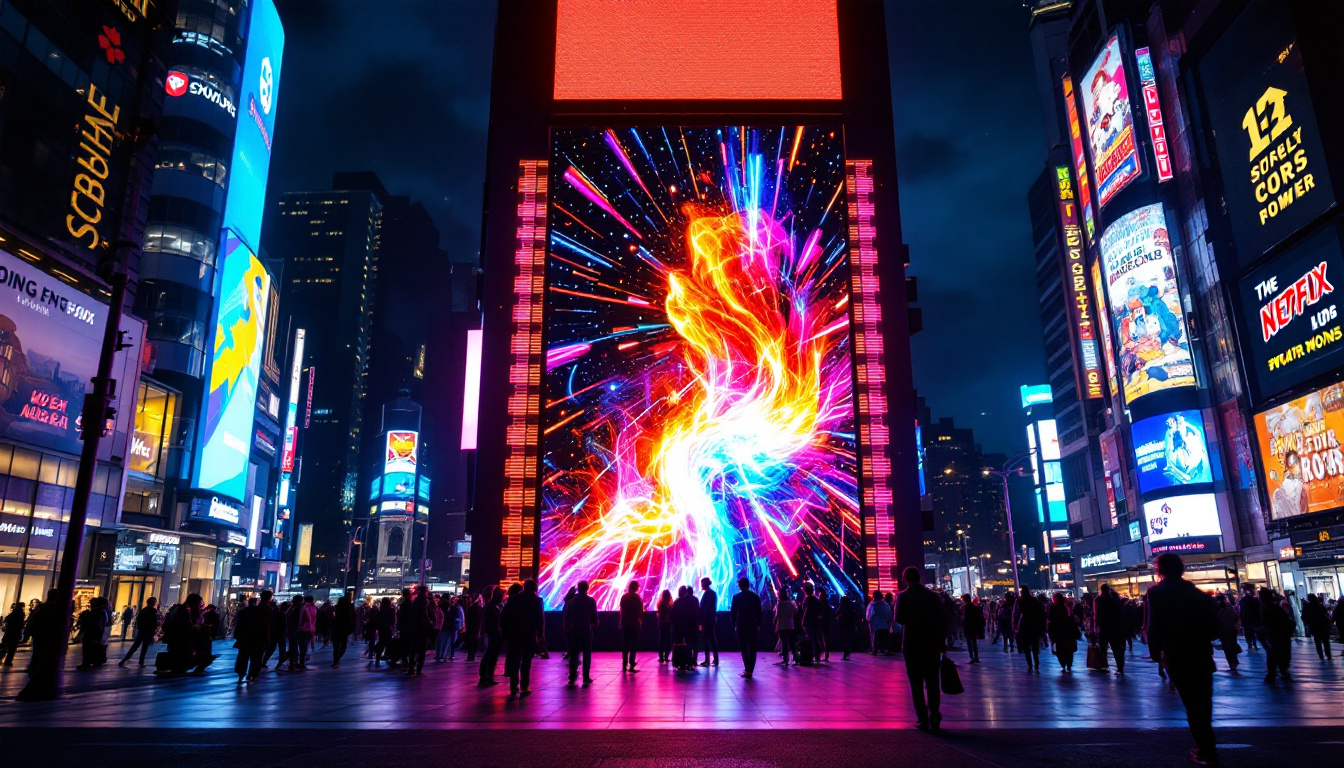
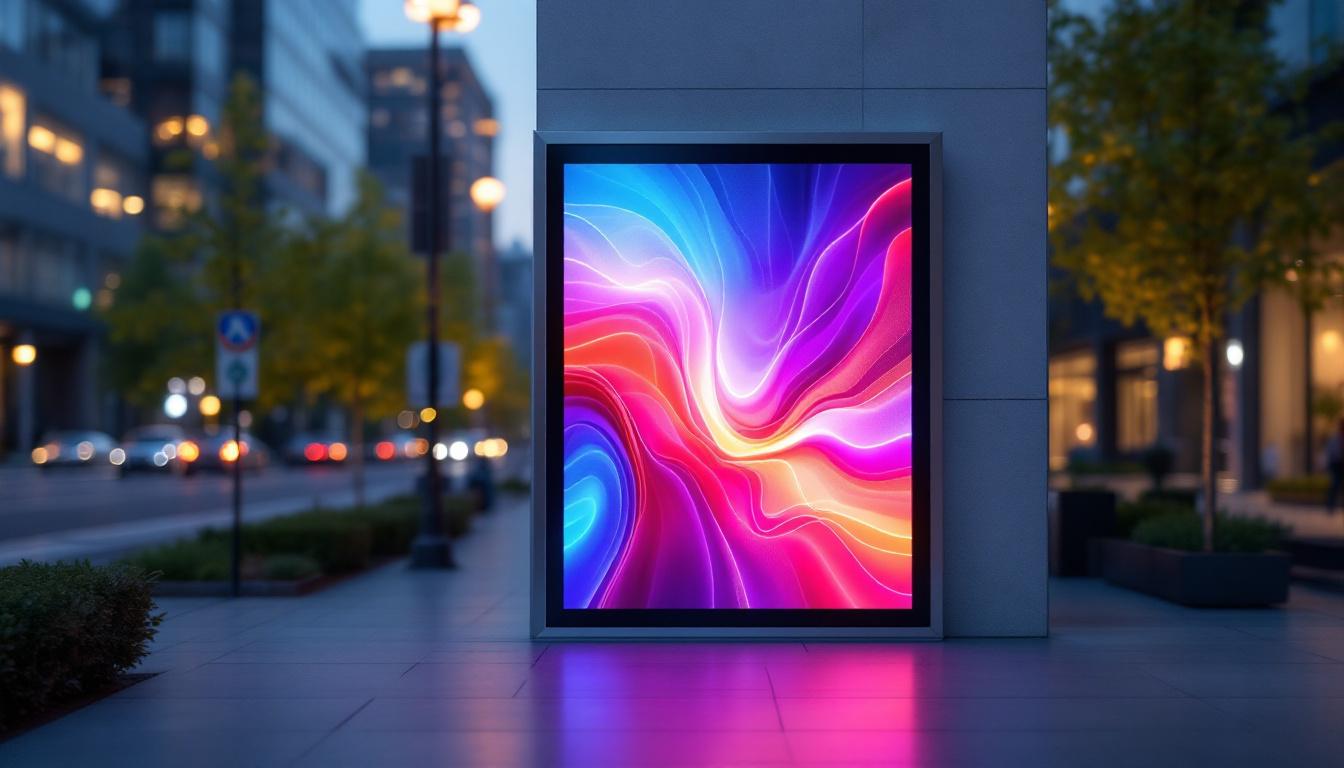
- Outdoor LED Displays: Built to withstand weather conditions and provide high brightness to combat sunlight glare. These displays are commonly found in billboards, sports arenas, and public transportation stations, where visibility is crucial even in bright daylight.
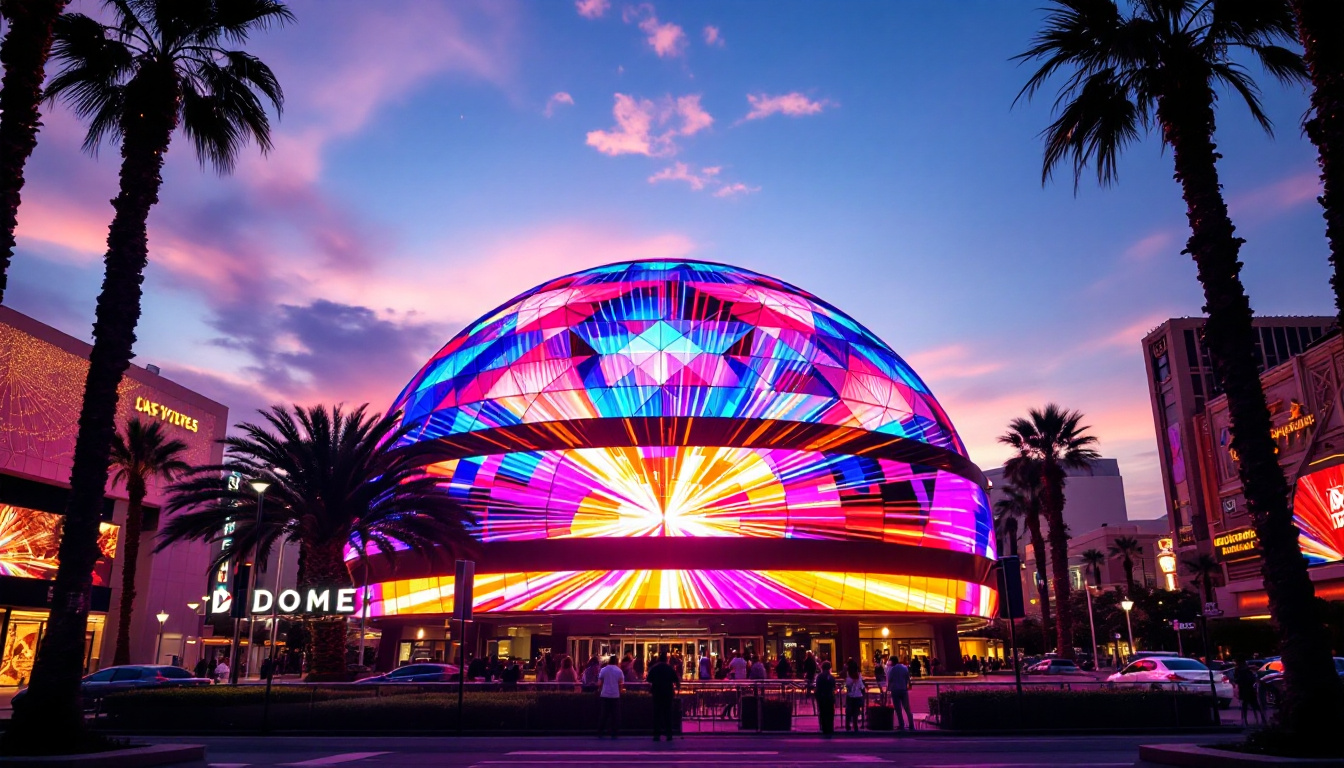
- Flexible LED Displays: These are bendable and can be used for creative installations on curved surfaces. Their adaptability allows designers to create unique shapes and forms that were previously impossible, opening new avenues for artistic expression and advertising.
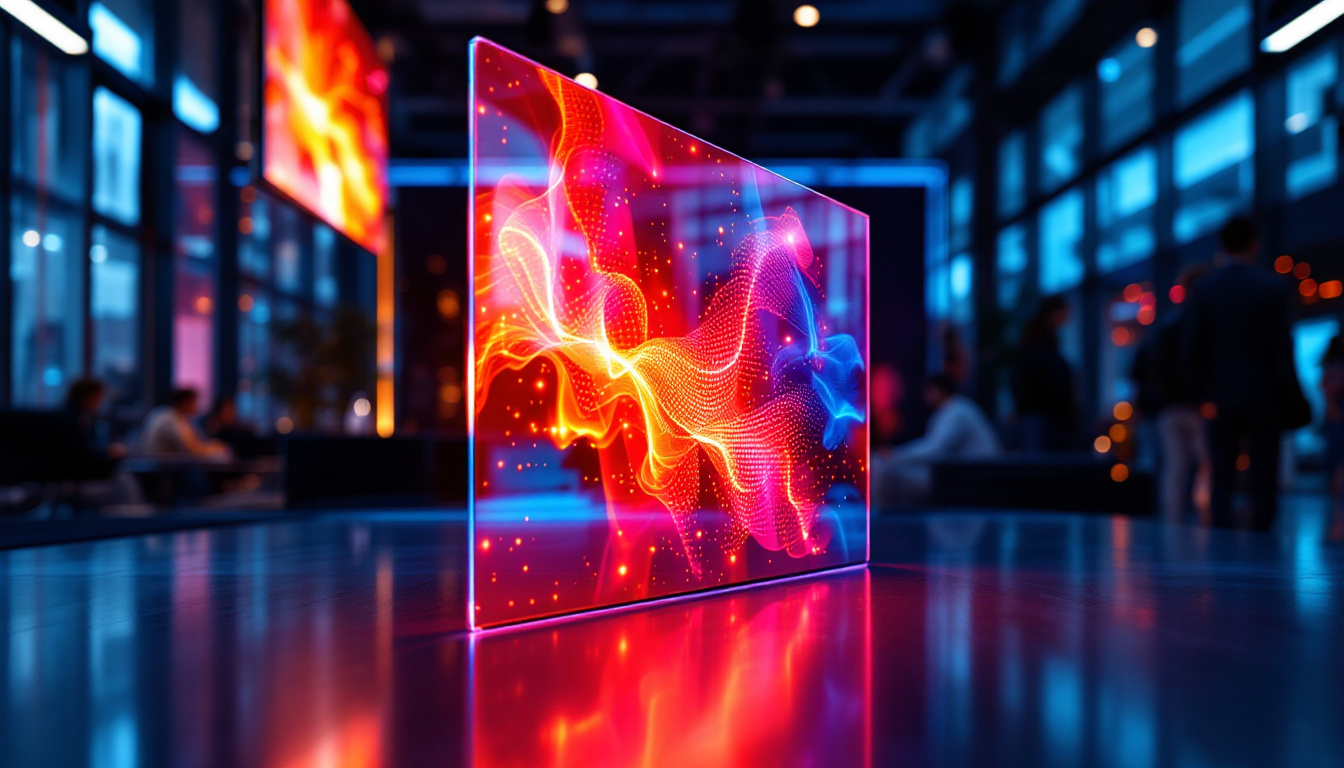
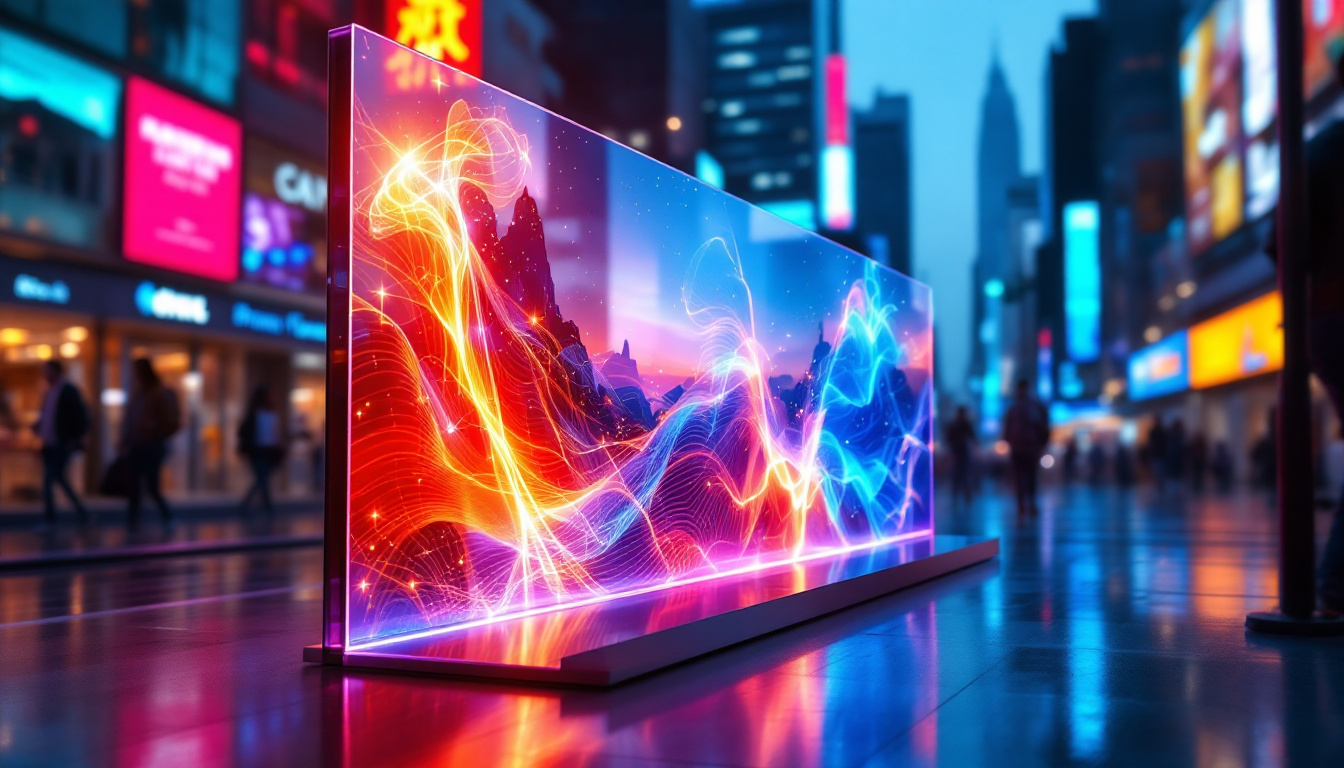
- Transparent LED Displays: Allow light to pass through, making them ideal for glass walls and windows. This innovative design not only serves functional purposes but also enhances aesthetic appeal, allowing businesses to showcase products while maintaining an open and airy environment.
In addition to these types, the evolution of LED technology has also led to the emergence of microLED and miniLED displays. MicroLEDs are tiny, self-emissive pixels that promise even greater efficiency and color accuracy, while miniLEDs utilize smaller backlighting units to enhance contrast and improve black levels in LCD screens. These advancements are paving the way for next-generation displays that could redefine how we interact with visual media.
Applications of LED Displays
LED displays have transformed the way businesses and organizations communicate visually. Their versatility and visual impact make them a preferred choice across many industries.
Advertising and Marketing
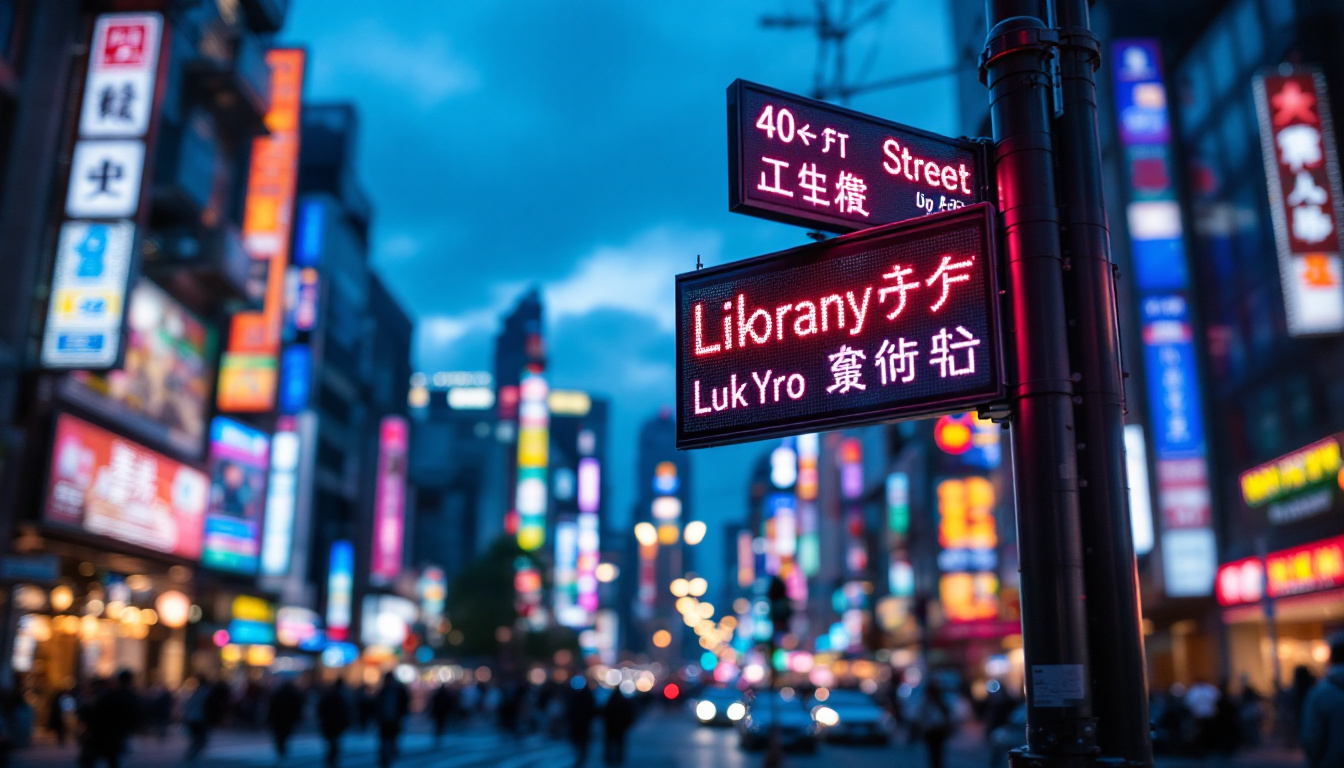
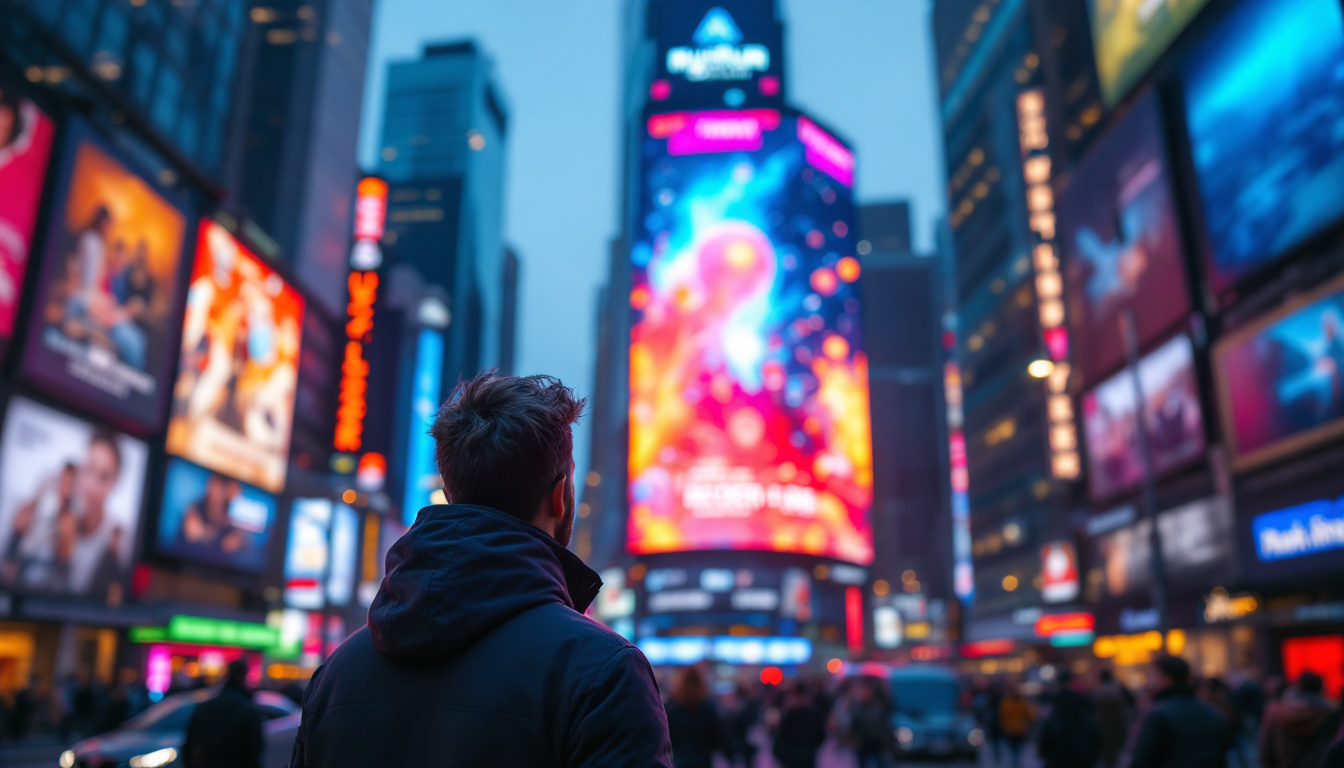
One of the most common uses of LED displays is in outdoor advertising. Digital billboards powered by LED technology can display dynamic content, including animations and videos, capturing the attention of passersby more effectively than static signs.
According to a 2023 report by the Digital Signage Federation, digital outdoor advertising using LED displays has grown by over 15% annually in North America alone. This growth is driven by the ability to update content remotely and in real-time, allowing advertisers to tailor messages based on time of day, weather, or audience demographics.
Sports and Entertainment Venues
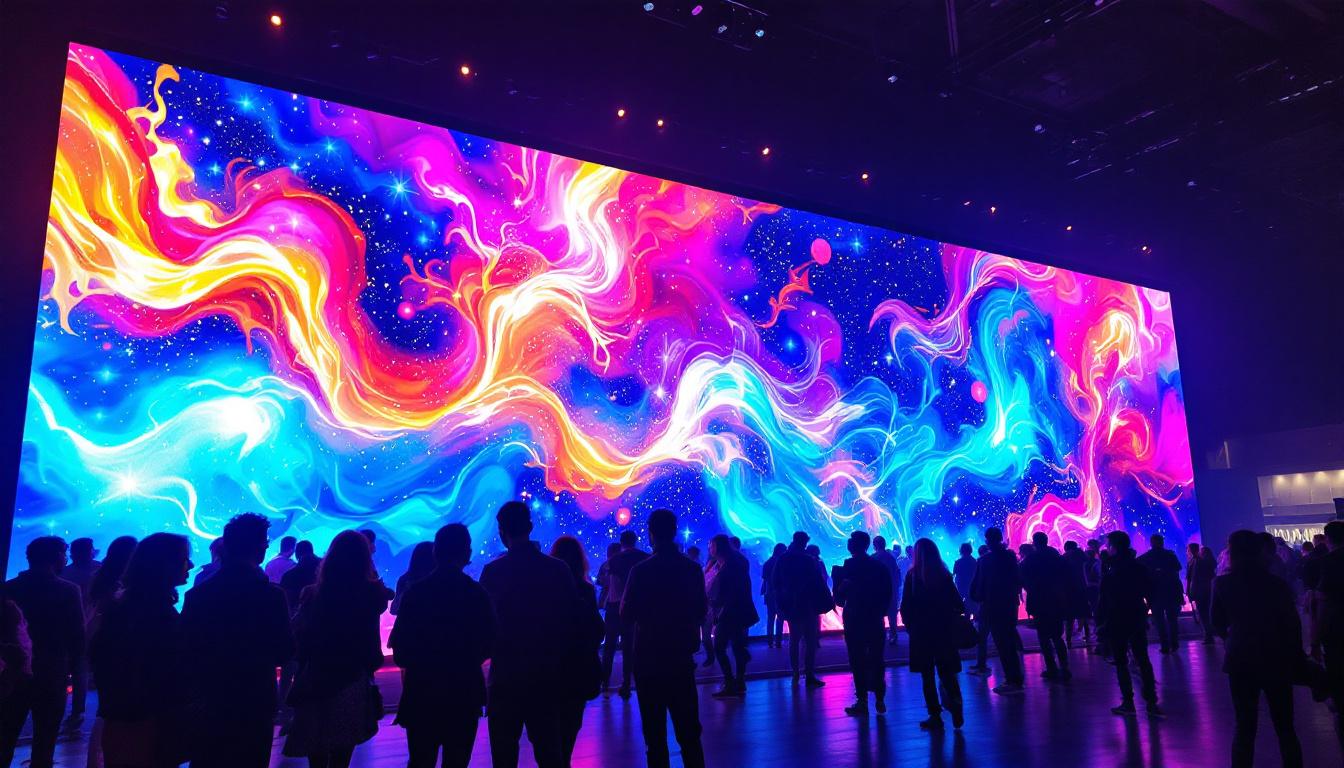
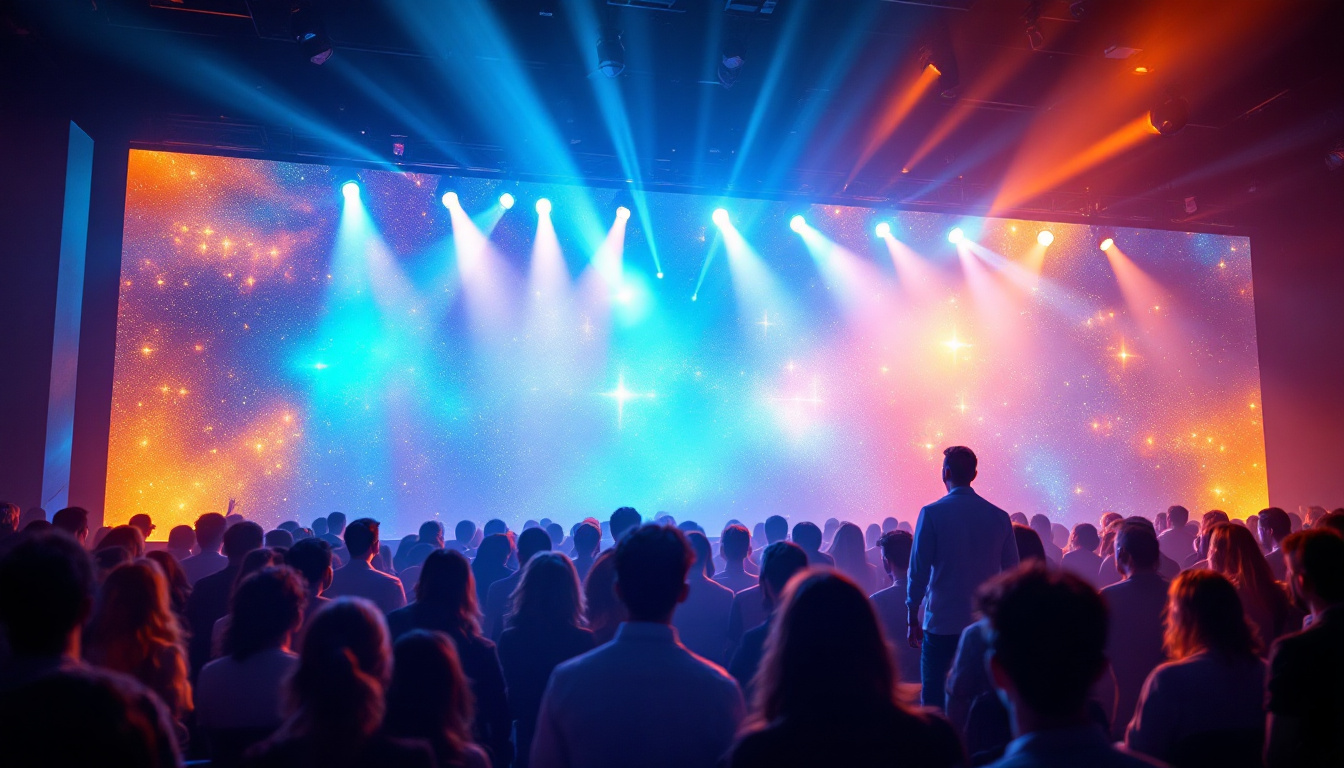
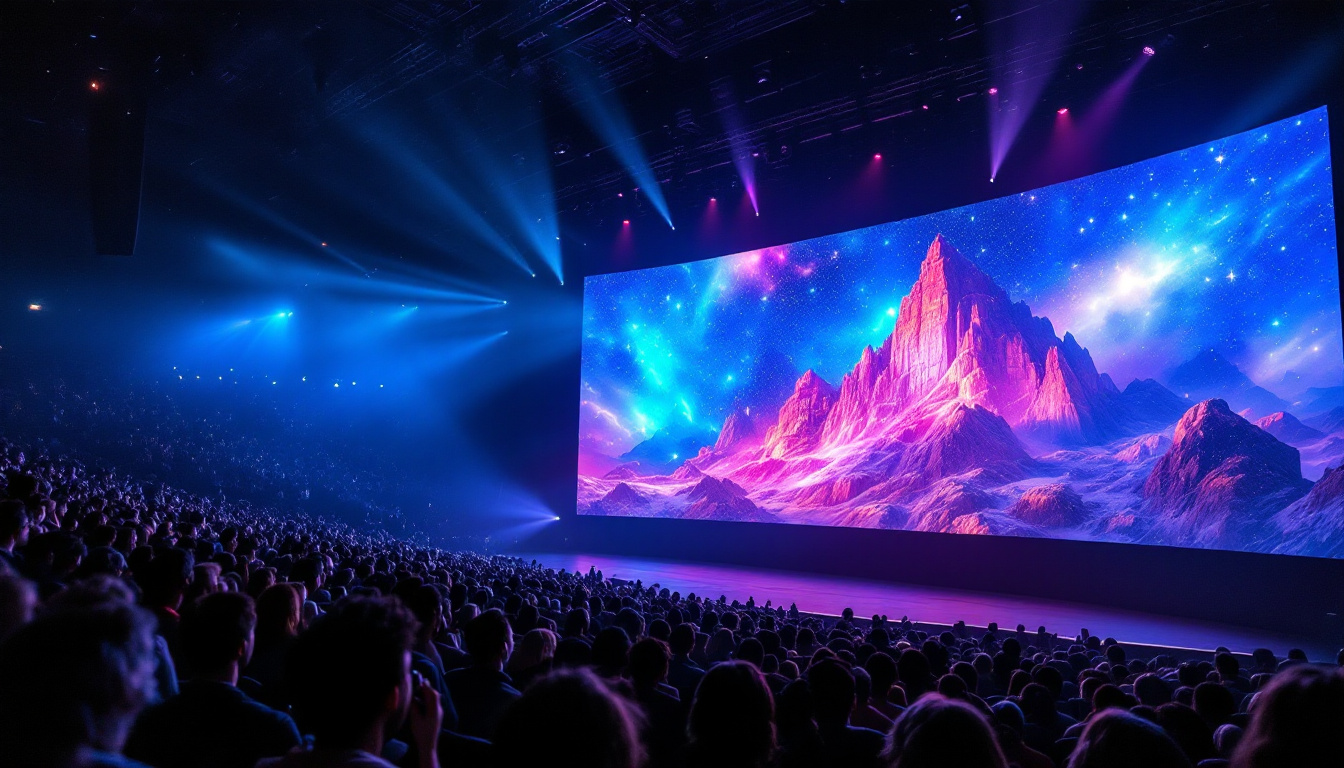
Stadiums and arenas use massive LED screens to enhance spectator experience. These displays show live action replays, scores, and interactive content. The ability to produce bright, high-resolution images visible from great distances is critical in these large venues.
Retail and Hospitality
Retail stores use LED displays for digital signage to promote products, provide directions, or create immersive brand experiences. Hotels and restaurants utilize LED screens for menus, event promotions, and ambient displays that enhance the customer environment.
Transportation and Public Information
LED displays are common in airports, train stations, and bus stops, providing real-time updates on schedules, delays, and safety information. Their high visibility and reliability are essential for effective communication in these busy environments.
What Are Display Cookies in the Context of LED Displays?
The term “display cookies” is more commonly associated with web technology, referring to data stored on a user’s browser to track preferences and behavior. However, in the context of LED displays, “display cookies” can be interpreted metaphorically or technically in two main ways:
1. Data Management and Content Personalization
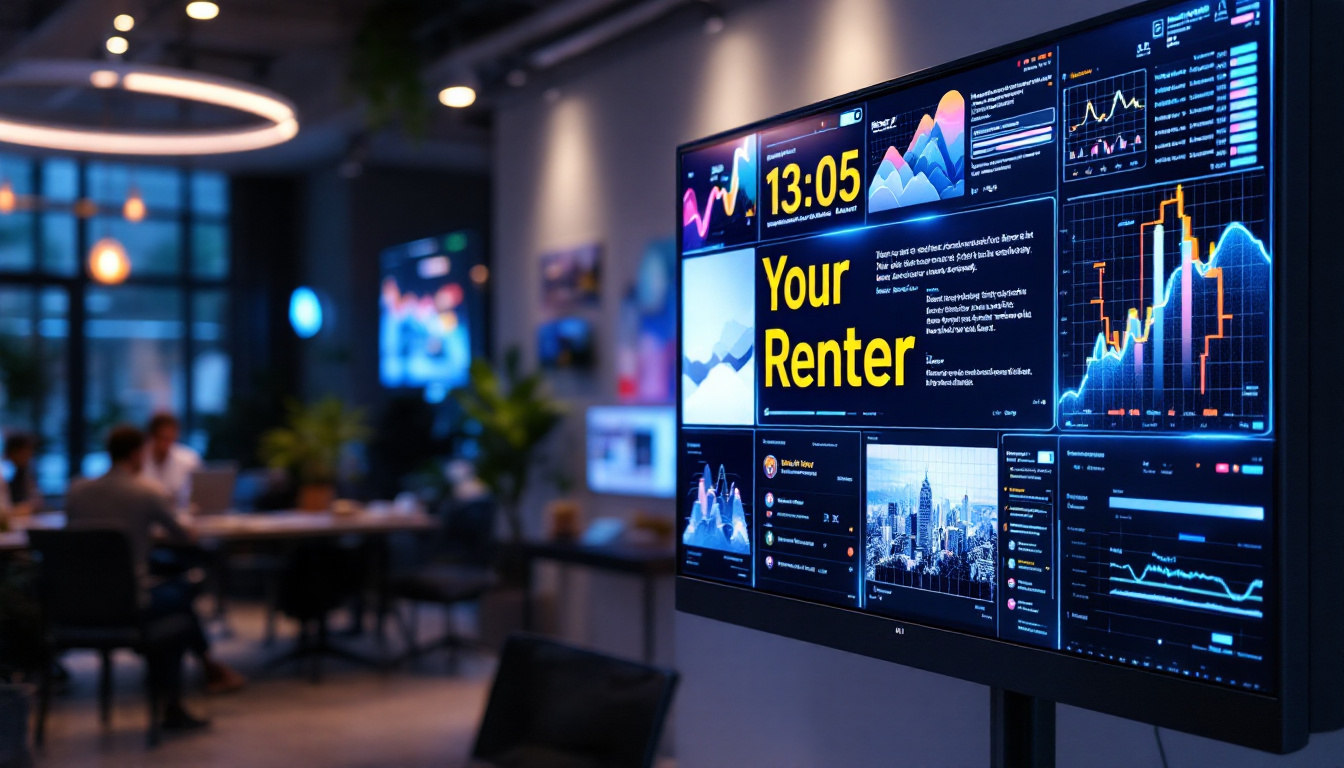
Modern LED display networks are often connected to cloud-based content management systems. These systems can use data — similar to cookies in web browsers — to personalize and optimize the content shown on displays. For example, a digital billboard might change its advertisements based on the time of day, weather conditions, or even audience demographics collected through sensors or mobile data.
This “display cookie” concept refers to the collection and use of data to enhance the effectiveness of LED displays, making them smarter and more responsive to their environment and audience.
2. Technical Cookies for Display Calibration and Diagnostics
On a more technical level, LED display systems may use small data packets or logs — sometimes informally called “cookies” — to store calibration settings, diagnostics, and performance data. These “cookies” help maintain the display’s quality and ensure consistent performance by tracking parameters such as brightness levels, color calibration, and error reports.
Advantages of LED Displays Over Other Technologies
Understanding why LED displays have surged in popularity requires a comparison with other display technologies such as LCD, OLED, and projection systems.
Brightness and Visibility
LED displays can achieve brightness levels exceeding 5,000 nits, far surpassing most LCD and OLED screens. This makes them highly visible even in direct sunlight, a critical advantage for outdoor advertising and public information displays.
Energy Efficiency
LED technology is inherently energy-efficient because it emits light directly, unlike LCDs that require a backlight. This efficiency translates into lower operating costs and reduced environmental impact, which is increasingly important for businesses aiming for sustainability.
Durability and Lifespan
LED displays are known for their long lifespan, often exceeding 100,000 hours of operation. They are also more resistant to physical shock and temperature variations, making them suitable for harsh environments.
Flexibility and Design Freedom
The modular nature of LED panels allows for custom shapes and sizes, enabling creative and architectural integration that other display technologies cannot easily achieve. This flexibility opens new possibilities for branding and interactive installations.
Challenges and Considerations When Using LED Displays
Despite their many benefits, LED displays come with challenges that businesses and organizations should consider before investing.
Initial Cost and Installation
LED displays, especially large-scale and high-resolution models, can require significant upfront investment. Installation often involves structural support, electrical wiring, and sometimes permits, particularly for outdoor displays.
Maintenance and Calibration
Maintaining color accuracy and brightness uniformity requires regular calibration and cleaning. Failure to do so can lead to uneven displays and reduced visual impact.
Content Management Complexity
Managing dynamic content across multiple LED displays can be complex. It requires robust software solutions and sometimes integration with data sources to deliver personalized and timely content effectively.
The Future of LED Displays and Data Integration
As LED display technology continues to evolve, the integration of data analytics and artificial intelligence is expected to become more prominent. This trend will enhance the concept of “display cookies” as intelligent data points that optimize display content in real time.
Smart Cities and Interactive Displays
In smart city initiatives, LED displays will serve as interactive hubs, providing citizens with tailored information, emergency alerts, and community engagement opportunities. Sensors and AI will allow displays to adapt dynamically to changing conditions and user needs.
Augmented Reality and 3D Displays
Emerging technologies like augmented reality (AR) and 3D LED displays will create more immersive experiences. These advancements will require sophisticated data management systems to deliver seamless and context-aware content.
Environmental Sustainability
Future LED displays will likely focus on further reducing energy consumption and using recyclable materials. Innovations in LED chip technology and power management will contribute to greener digital signage solutions.
Conclusion
LED displays represent a powerful medium for communication, combining vivid visuals with flexibility and durability. Understanding the technology behind them, from the basic operation of LEDs to the role of data management — or “display cookies” — is essential for businesses and organizations looking to leverage this technology effectively.
As LED displays become smarter and more integrated with data-driven systems, their ability to deliver personalized, dynamic content will only increase. This evolution promises exciting opportunities for advertisers, event organizers, city planners, and many others who rely on impactful visual communication.
Investing in LED display technology today means preparing for a future where digital signage is not just a screen, but an intelligent, interactive platform that engages audiences like never before.
Explore the Future of Visual Communication with LumenMatrix
Ready to elevate your visual impact? Discover the innovative world of LumenMatrix LED display solutions. From vibrant Indoor LED Walls to dynamic Outdoor LED Displays, and from sleek LED Posters to immersive Custom LED Displays, LumenMatrix is at the forefront of transforming environments and experiences. Embrace the revolution in digital signage and let your message shine with unparalleled clarity and engagement. Check out LumenMatrix LED Display Solutions today and step into the future of intelligent, interactive visual communication.