In today’s digital age, LED displays have become a cornerstone of visual communication, transforming the way businesses, educators, and entertainers engage with their audiences. Among the various types of LED displays, indoor panels stand out for their versatility, brightness, and clarity. This article delves into the world of indoor LED panels, explaining their technology, applications, advantages, and considerations for selection. Whether you’re a business owner looking to upgrade your signage or a tech enthusiast curious about display technology, this comprehensive guide will illuminate the essential aspects of indoor LED displays.
Understanding Indoor LED Panels: Technology and Design
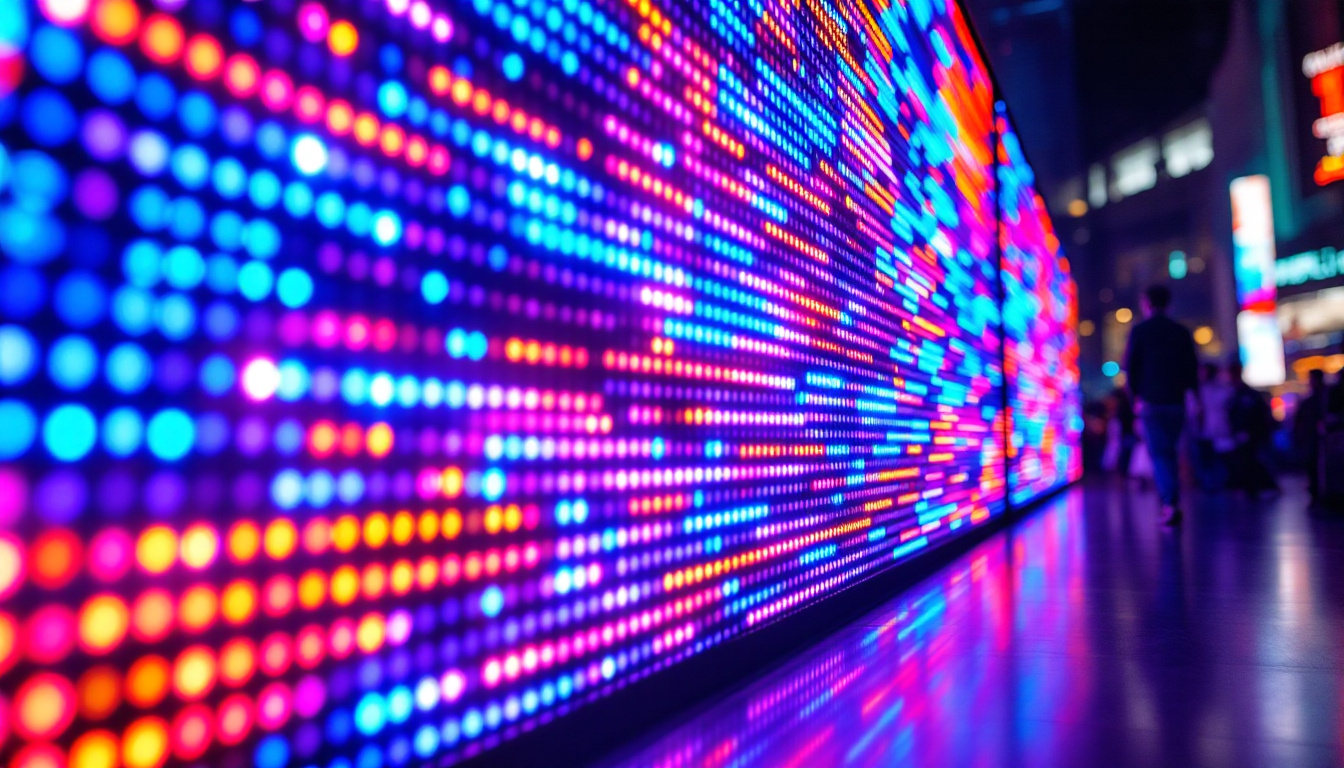
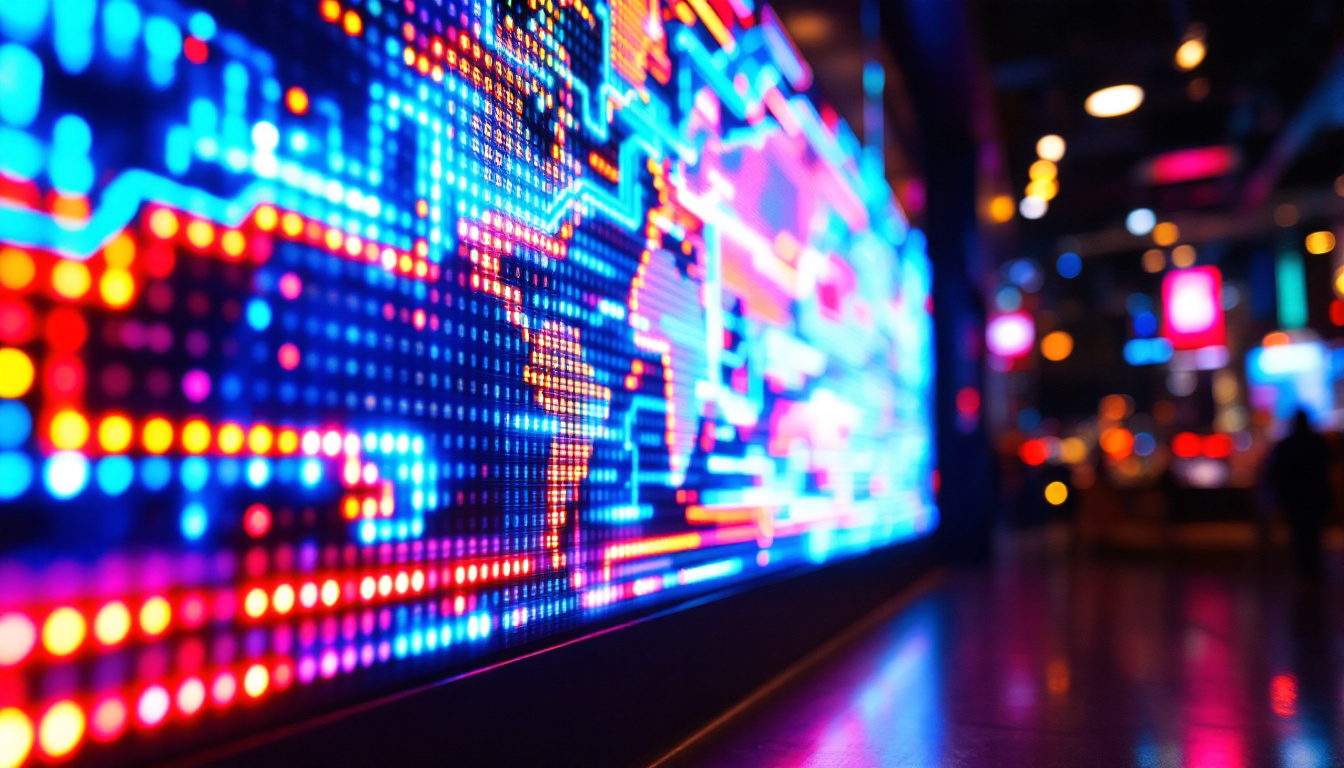
Indoor LED panels are electronic display units composed of numerous light-emitting diodes (LEDs) arranged in a matrix. These panels are specifically designed for use in indoor environments, where controlled lighting conditions allow for optimal brightness and color accuracy without the need for the intense luminosity required outdoors.
How Indoor LED Panels Work
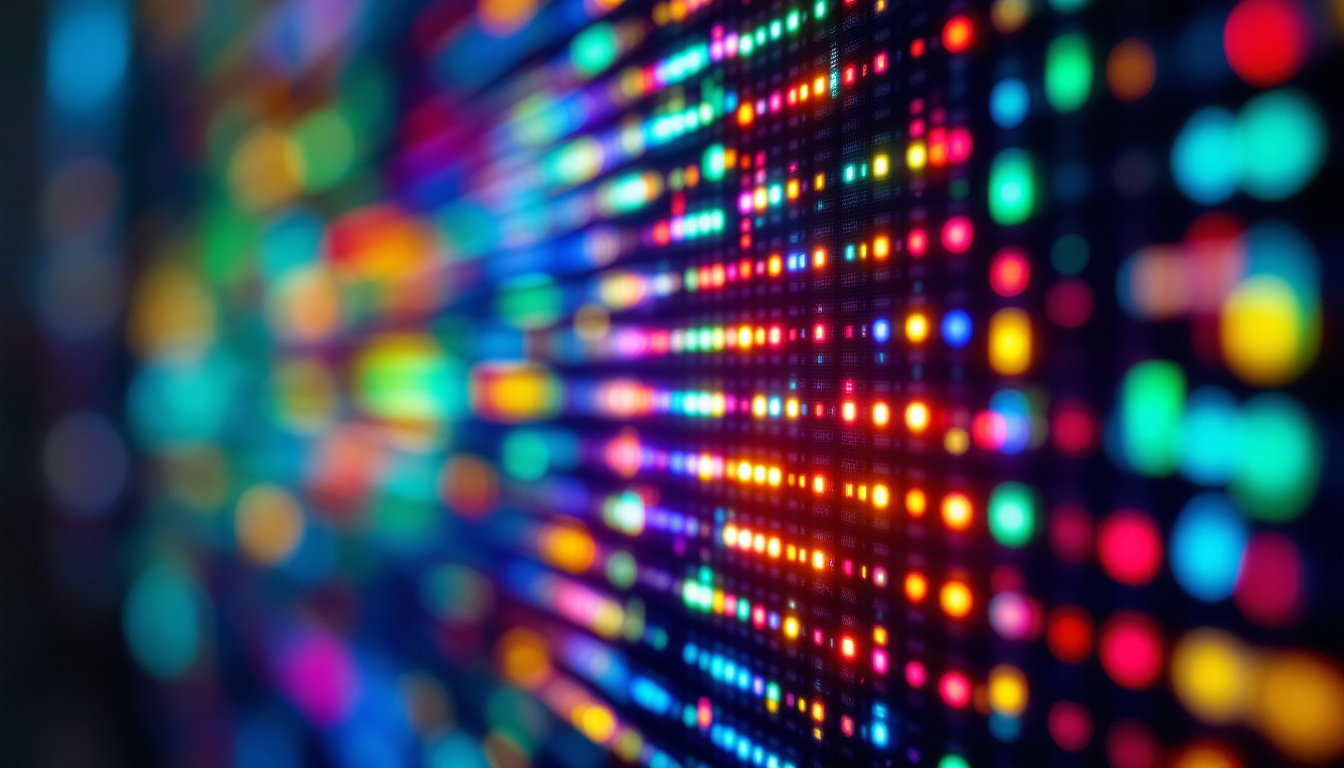
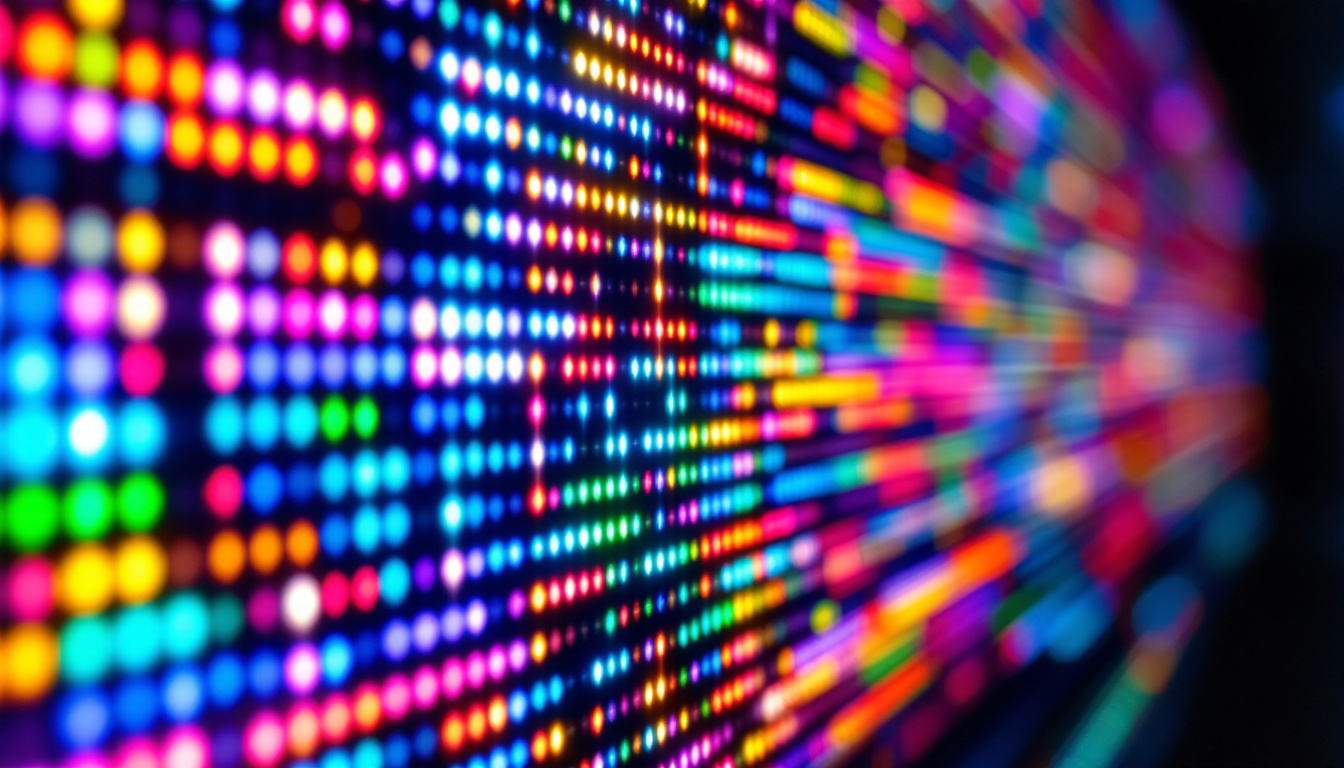
Each LED in the panel acts as a tiny pixel that can emit red, green, and blue light. By adjusting the intensity of these three colors, the panel can produce a full spectrum of colors, creating vivid images and videos. The LEDs are controlled by a driver circuit and a processing unit that receives input from a video source, translating digital signals into light patterns.
The pixel pitch—the distance between the centers of two adjacent LEDs—is a crucial factor in determining the resolution and viewing distance of the display. Indoor panels typically have a smaller pixel pitch, often ranging from 0.9mm to 3mm, which allows for high-resolution images that can be viewed clearly from close proximity. This high pixel density is particularly beneficial in settings like retail stores, where customers can appreciate detailed visuals up close, enhancing their shopping experience.
Key Components of Indoor LED Displays
Beyond the LEDs themselves, several components contribute to the performance of indoor LED panels:
- Cabinet and Module: The panel is made up of modules housed in a cabinet. The quality of the cabinet affects durability, heat dissipation, and ease of installation.
- Power Supply: Provides stable voltage and current to the LEDs, ensuring consistent brightness and longevity.
- Control System: Includes hardware and software that manage the input signals, brightness levels, and synchronization of the display.
- Cooling System: While indoor panels generate less heat than outdoor ones, effective cooling mechanisms prevent overheating and extend the lifespan of the LEDs.
In addition to these components, the integration of advanced technologies such as wireless connectivity and smart control systems has revolutionized the functionality of indoor LED panels. These features allow for remote management and real-time content updates, making it easier for businesses to adapt their displays according to changing marketing strategies or event schedules. Furthermore, with the advent of artificial intelligence, some modern panels can even analyze viewer engagement and adjust content dynamically to maximize impact.
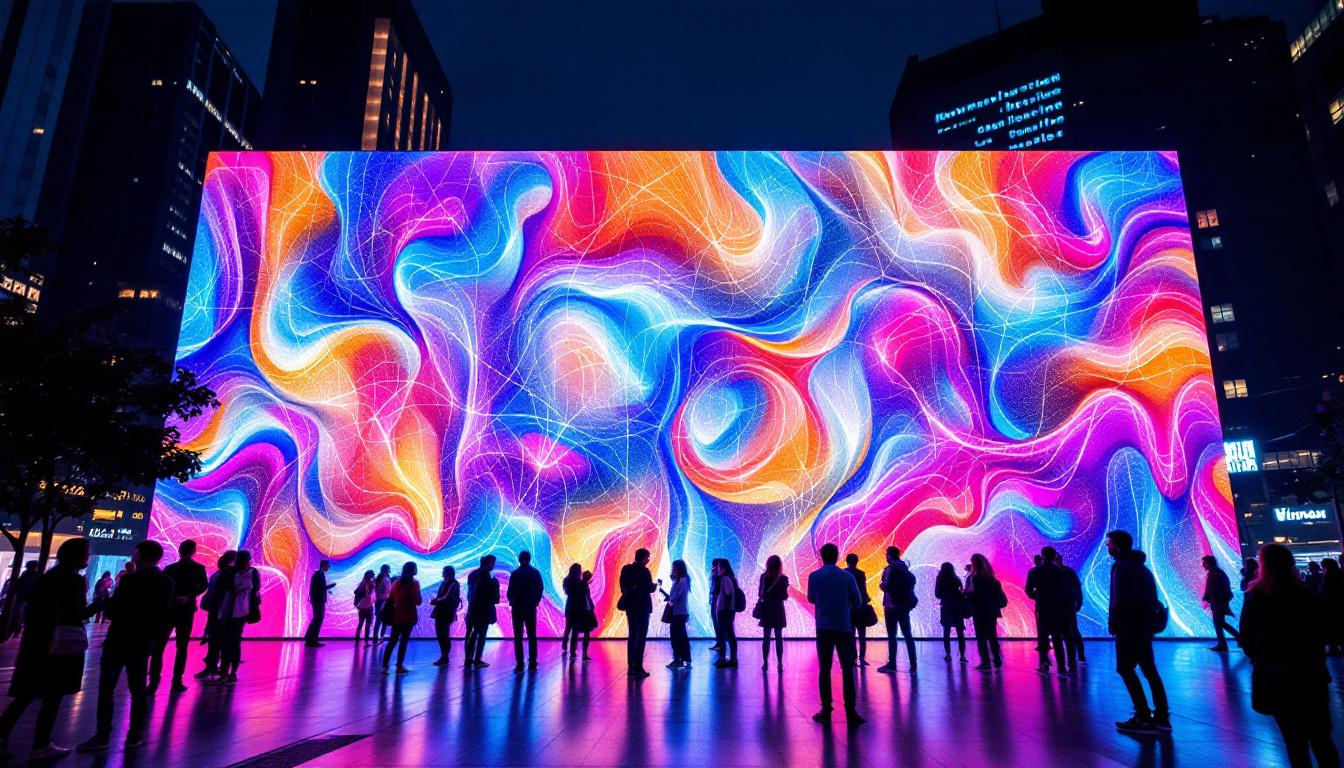
Another significant aspect of indoor LED panels is their versatility in design. They can be customized in various shapes and sizes, allowing for creative installations that can transform any space. From curved displays that wrap around columns to large video walls that create immersive environments, the design possibilities are virtually limitless. This adaptability not only enhances aesthetic appeal but also allows businesses to create unique branding experiences that resonate with their audience, making indoor LED panels a powerful tool in modern marketing and communication strategies.
Applications of Indoor LED Panels
Indoor LED displays have become ubiquitous in various sectors due to their adaptability and impressive visual performance. Their applications range from advertising to entertainment, education, and corporate communication.
Retail and Advertising
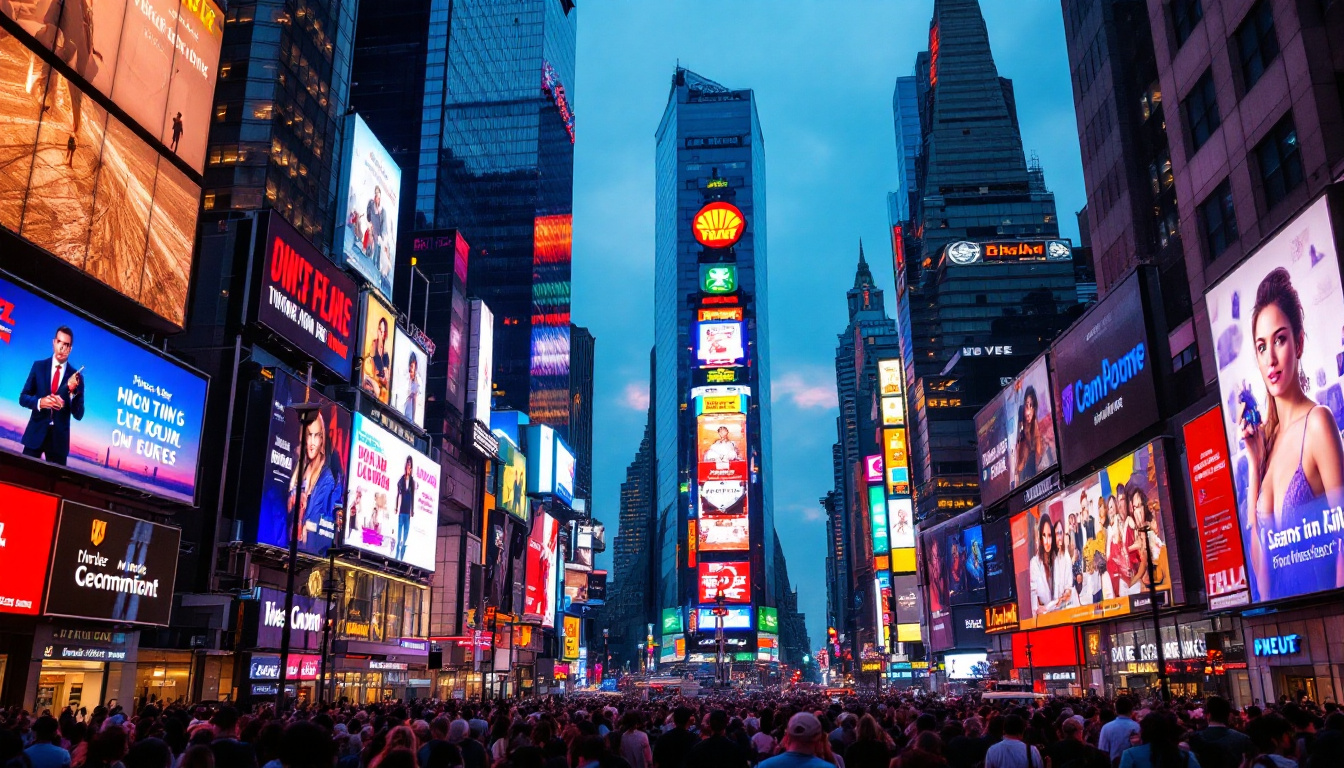
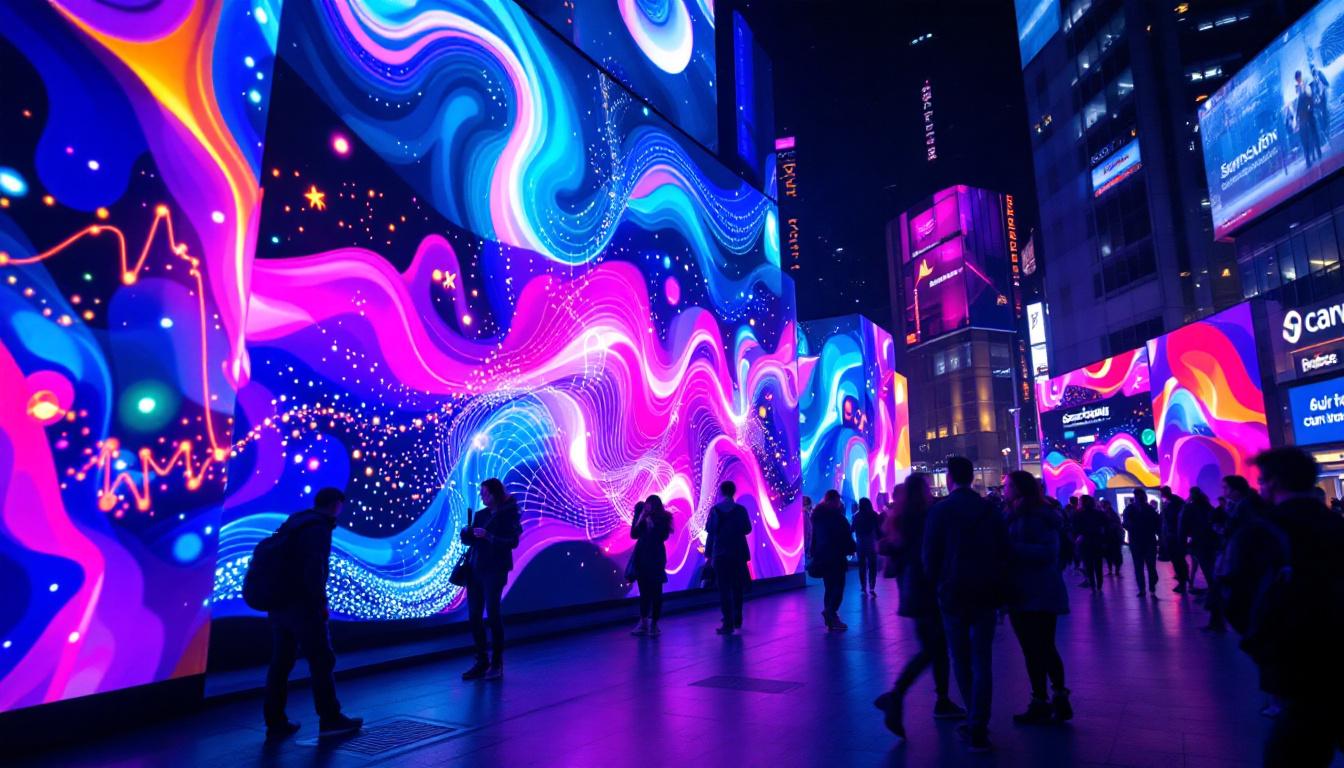
Retail environments leverage indoor LED panels to create dynamic digital signage that attracts customers and promotes products. Unlike static posters, LED displays can rotate multiple advertisements, display real-time promotions, and even interact with customers through touch-enabled screens.
According to a 2023 report by Grand View Research, the global digital signage market is expected to reach $32.84 billion by 2028, with indoor LED displays accounting for a significant share due to their superior image quality and flexibility.
Corporate and Conference Settings
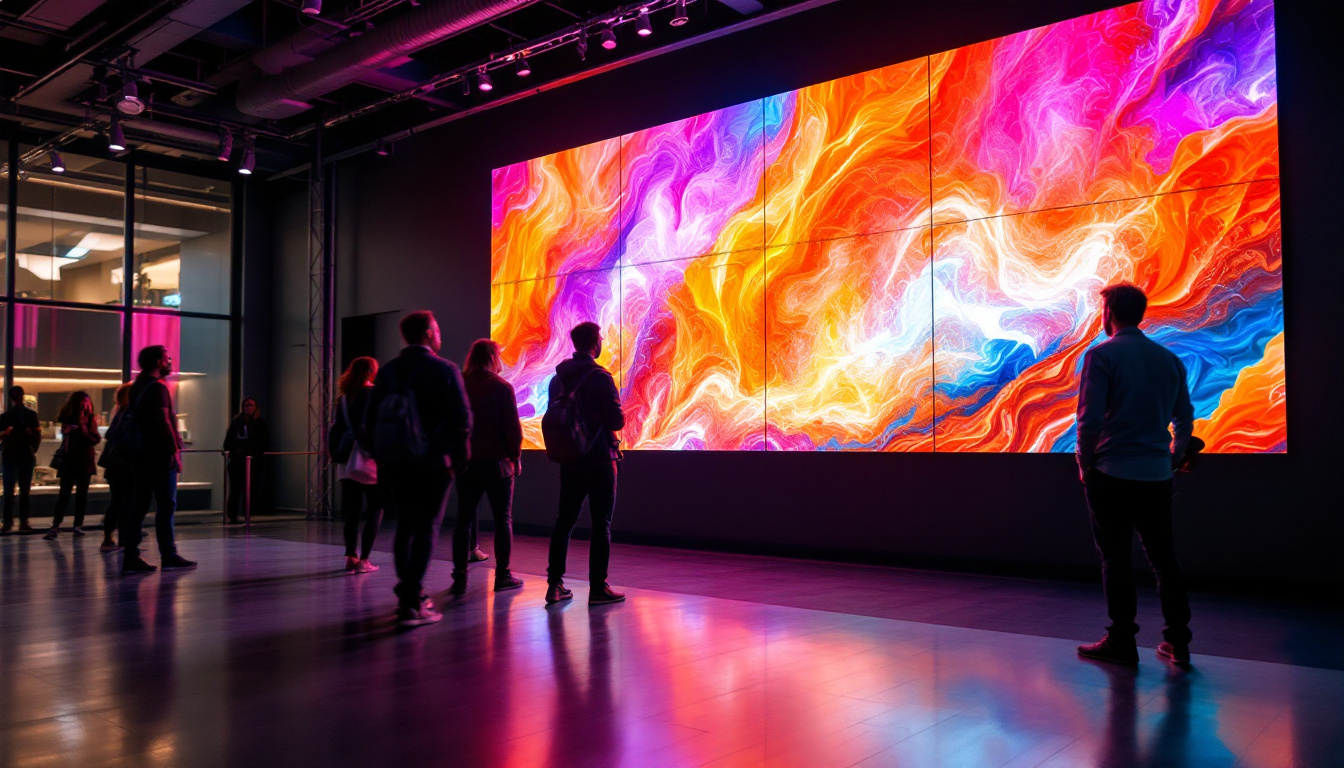
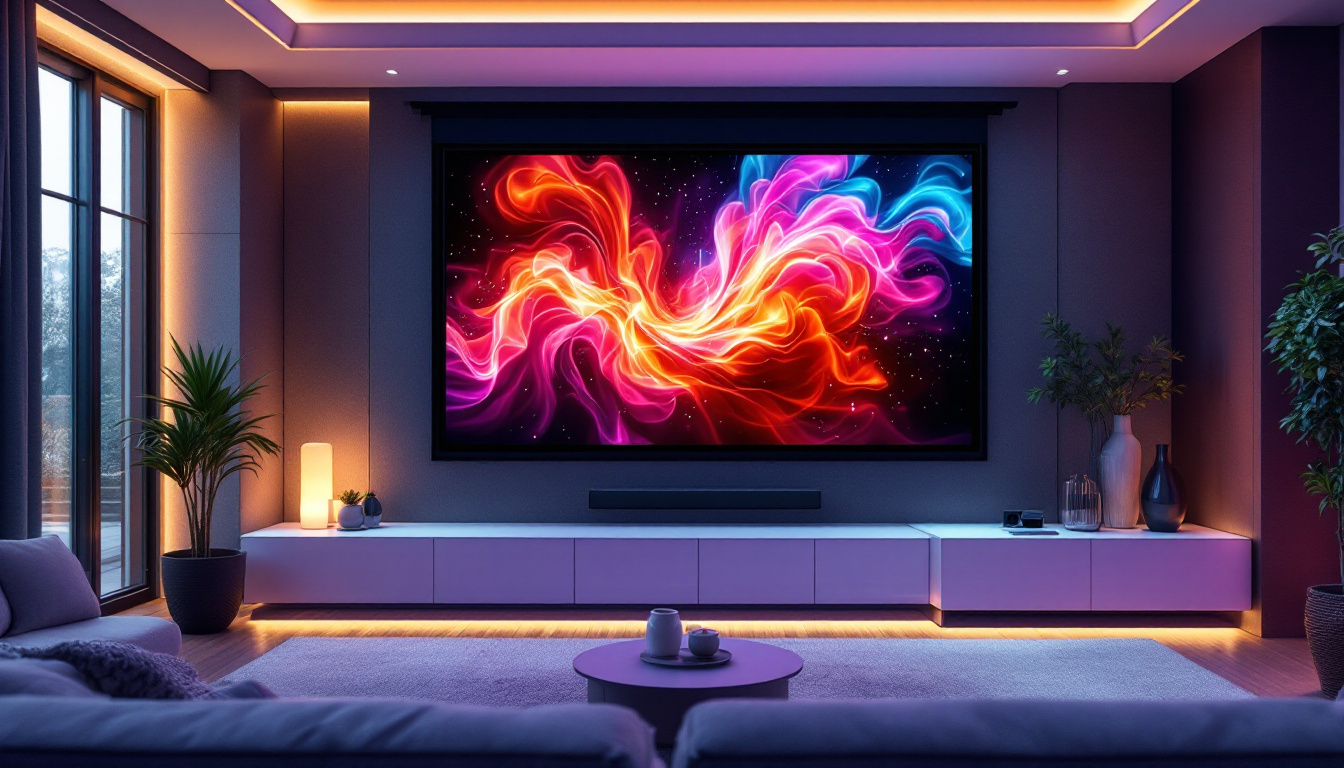
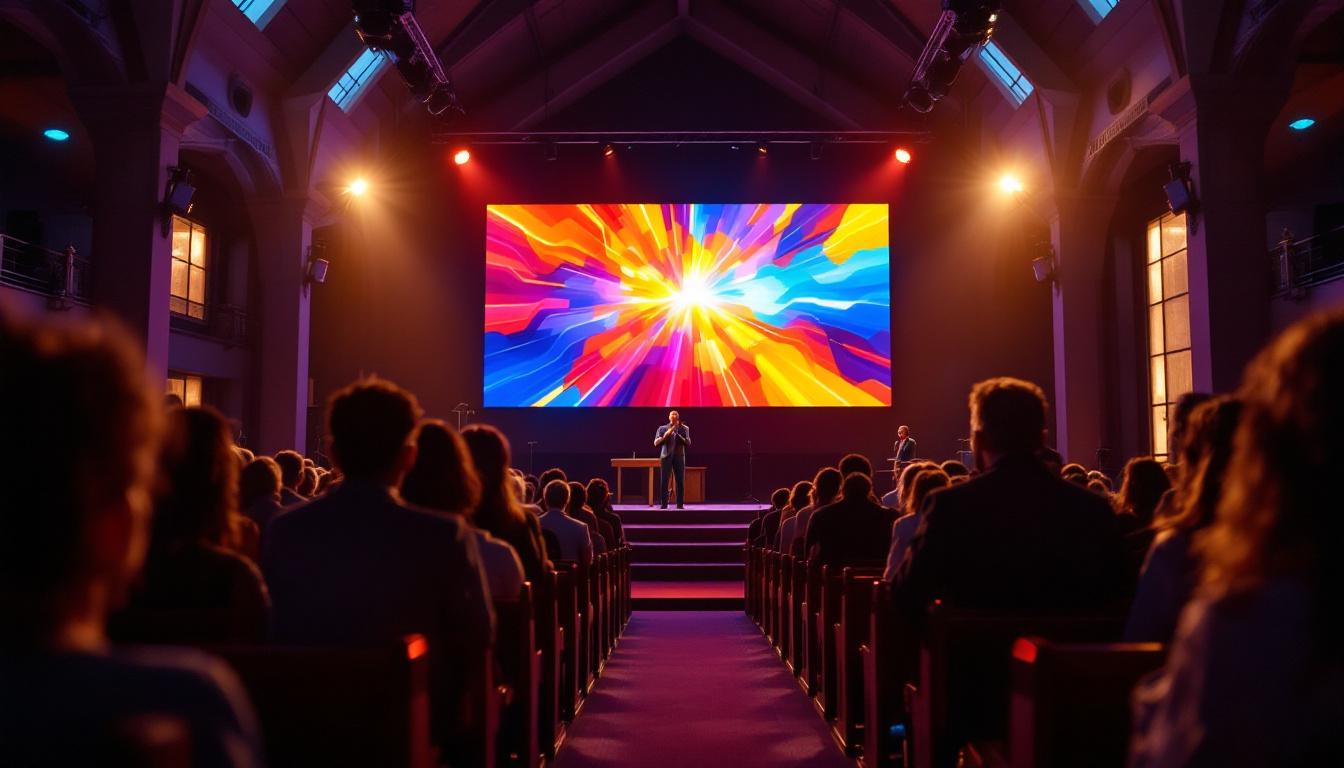
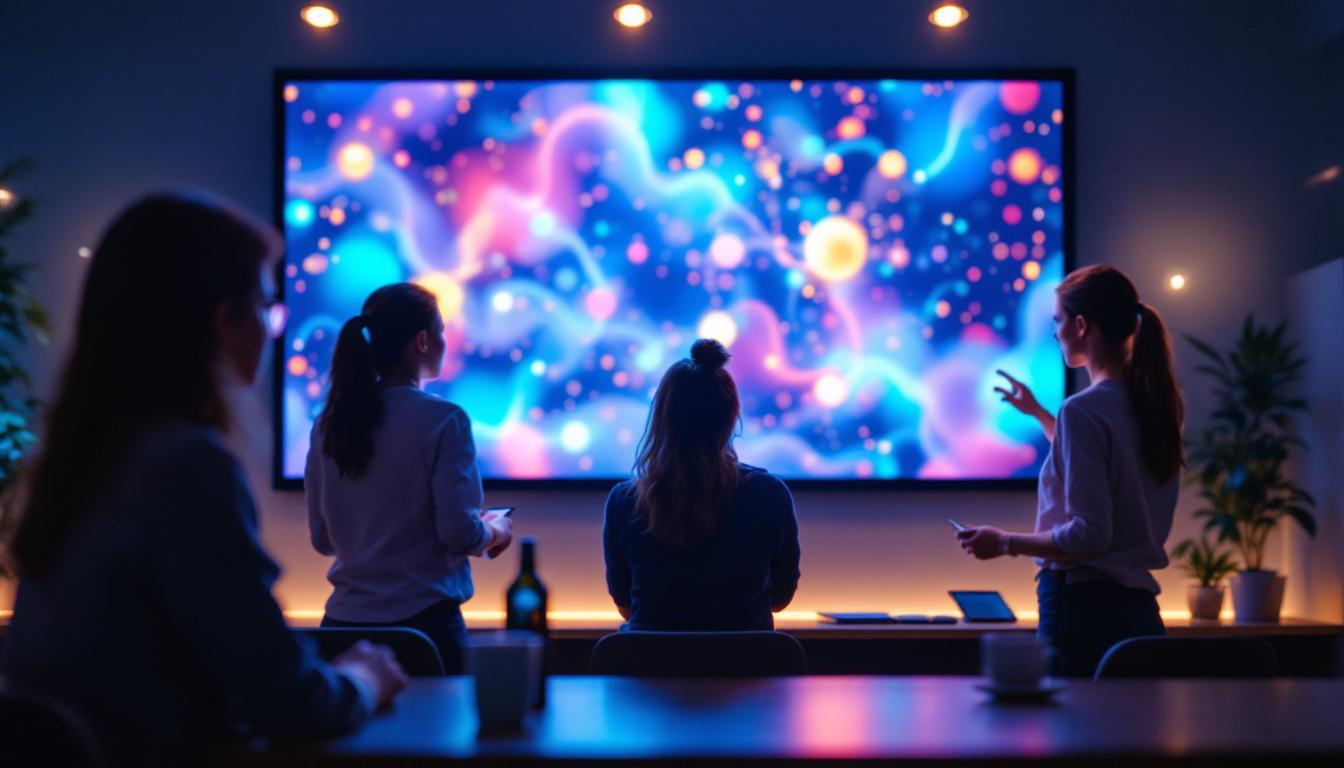
Indoor LED panels are widely used in corporate boardrooms, conference halls, and auditoriums to facilitate presentations, video conferencing, and live streaming. Their high resolution and brightness ensure that content remains clear and engaging even in large rooms with varying lighting conditions.
Companies benefit from the scalability of LED panels, which can be configured to fit walls of different sizes and shapes, creating immersive environments that enhance communication and collaboration.
Education and Training
Educational institutions are increasingly adopting indoor LED displays for lecture halls and training centers. These panels support interactive learning by displaying high-definition videos, animations, and real-time data, making complex subjects more accessible and engaging for students.
Furthermore, the durability and low maintenance requirements of LED panels make them a cost-effective solution for schools and universities.
Entertainment and Events
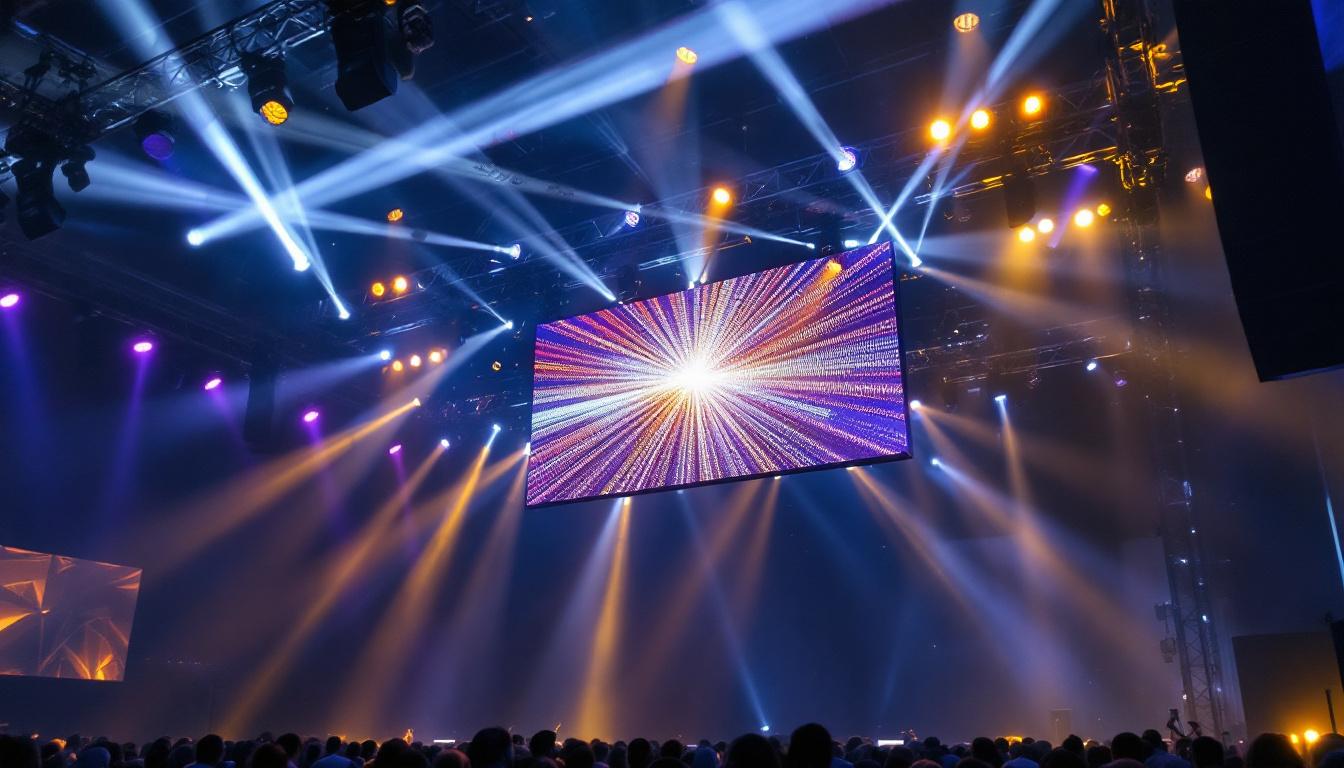
Concerts, theaters, and event venues use indoor LED panels to create stunning backdrops and visual effects. Their ability to display synchronized video content and vibrant colors enhances the overall experience for audiences.
In recent years, the rise of virtual and hybrid events has further increased the demand for high-quality indoor LED displays that can deliver immersive visuals both on-site and to remote viewers.
Advantages of Indoor LED Displays Over Other Technologies
When considering display technologies, indoor LED panels offer several distinct advantages compared to LCD, projection, and other digital signage options.
Superior Brightness and Contrast
LED technology provides higher brightness levels and better contrast ratios than traditional LCD screens. This results in clearer images with deeper blacks and more vibrant colors, which are essential for captivating indoor environments.
Wide Viewing Angles
Indoor LED panels maintain color accuracy and brightness even when viewed from sharp angles. This is particularly important in public spaces where audiences may be positioned off-center or at varying distances from the display.
Energy Efficiency and Longevity
LEDs consume less power than many other display technologies, reducing operational costs over time. Additionally, indoor LED panels typically have a lifespan exceeding 100,000 hours, minimizing the need for frequent replacements.
Modularity and Scalability
Indoor LED displays are highly modular, allowing for custom sizes and shapes. This flexibility enables businesses and venues to design displays that perfectly fit their spatial and aesthetic requirements.
Low Maintenance
Unlike projection systems that require regular bulb replacements and alignment, LED panels are relatively maintenance-free, with fewer moving parts and greater durability.
Choosing the Right Indoor LED Panel: Factors to Consider
Selecting the ideal indoor LED display involves balancing technical specifications, budget, and intended use. Understanding key factors will help ensure the investment delivers maximum value.
Pixel Pitch and Resolution
Pixel pitch directly impacts image sharpness and viewing distance. For applications where viewers are close to the screen, such as retail displays or conference rooms, a smaller pixel pitch (under 2mm) is recommended. Larger pixel pitches may suffice for venues where the audience is farther away.
Brightness and Color Accuracy
Indoor LED panels typically offer brightness levels between 800 and 1500 nits, which is sufficient for most indoor lighting conditions. However, spaces with strong ambient light may require higher brightness to maintain visibility. Color accuracy is also vital for branding and content fidelity, so panels with advanced calibration capabilities are preferable.
Refresh Rate and Response Time
Higher refresh rates (above 1920Hz) reduce flickering and improve the smoothness of video playback, which is particularly important for live broadcasts and fast-moving content. Fast response times enhance the clarity of motion, minimizing blur.
Installation and Maintenance Considerations
Indoor LED panels vary in weight, thickness, and mounting options. Some models are designed for easy front access, facilitating maintenance without dismantling the entire display. Considering the installation environment and available space is crucial for a seamless setup.
Budget and Total Cost of Ownership
While upfront costs for indoor LED panels can be higher than alternative displays, their longevity, energy efficiency, and low maintenance often result in lower total cost of ownership. It is important to factor in installation, control systems, and potential software licenses when budgeting.
Future Trends in Indoor LED Display Technology
The indoor LED display market continues to evolve rapidly, driven by advancements in materials, processing power, and user experience enhancements.
MicroLED and MiniLED Innovations
Emerging technologies like MicroLED and MiniLED promise even higher resolutions, improved brightness, and better energy efficiency. MicroLED, in particular, offers self-emissive pixels with exceptional color accuracy and contrast, potentially rivaling OLED displays in the near future.
Integration with AI and Interactive Features
Artificial intelligence is being integrated into LED display systems to enable smarter content management, personalized advertising, and enhanced interactivity. Gesture recognition, facial detection, and touch capabilities are becoming more common, making displays more engaging and adaptive.
Flexible and Transparent LED Panels
Flexible LED panels allow for curved or irregular installations, opening new creative possibilities for interior design and branding. Transparent LED displays enable windows and glass surfaces to double as digital screens without obstructing natural light, offering innovative solutions for retail and corporate environments.
Conclusion
Indoor LED panels represent a powerful and versatile technology that continues to redefine visual communication across industries. Their superior image quality, flexibility, and durability make them an ideal choice for a wide range of applications, from retail advertising to corporate presentations and entertainment events.
By understanding the technology behind indoor LED displays, their benefits, and key selection criteria, organizations can make informed decisions that maximize impact and return on investment. As LED technology advances, the possibilities for indoor digital displays will only expand, offering richer, more immersive experiences for audiences worldwide.
Discover LumenMatrix’s Innovative LED Solutions
Ready to elevate your visual communication with the latest in LED technology? LumenMatrix is at the forefront of creating immersive and dynamic visual experiences. From Indoor LED Wall Displays to Custom and Transparent LED solutions, our products are designed to captivate your audience and amplify your message. Experience the future of digital signage with LumenMatrix and transform your space into a vibrant canvas of possibilities. Check out LumenMatrix LED Display Solutions today and see the difference innovation can make.