In the rapidly evolving world of digital displays, LED technology stands out as a dominant force shaping how we consume visual content. From smartphones and televisions to massive outdoor billboards, LED displays have become ubiquitous, offering vibrant colors, energy efficiency, and remarkable versatility. This article delves deep into the technology behind LED displays, exploring how they work, their advantages, applications, and future trends.
Understanding LED Display Technology
What is an LED Display?
LED stands for Light Emitting Diode, a semiconductor device that emits light when an electric current passes through it. An LED display is a flat panel display that uses an array of these tiny LEDs as pixels to produce images, videos, and text. Unlike traditional LCDs that rely on backlighting, LED displays use these diodes to generate light directly, resulting in brighter and more vivid visuals.
LED displays come in various forms, including direct-view LED panels and LED-backlit LCDs. The former uses individual LEDs as pixels visible to the viewer, while the latter incorporates LEDs as a backlight source behind an LCD panel. This distinction is crucial when discussing image quality, energy consumption, and application suitability.
How Do LED Displays Work?
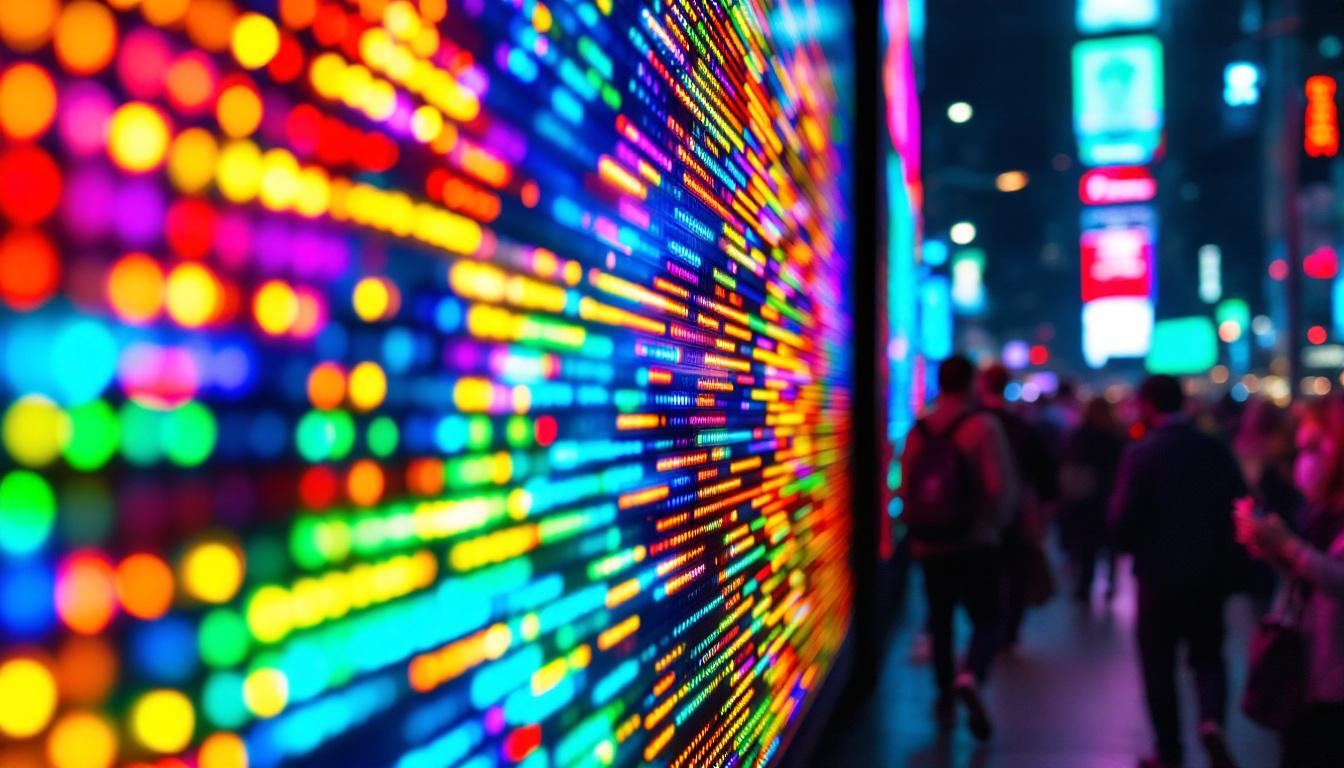
At the core of an LED display is the pixel, which comprises one or more LEDs. Typically, each pixel consists of red, green, and blue LEDs, which combine to create a full spectrum of colors through varying intensities. When these pixels light up in different combinations and brightness levels, they form the images and videos we see.
Direct-view LED displays operate by controlling the brightness of each LED pixel individually. This direct emission of light allows for superior contrast ratios and deeper blacks compared to LCDs, where light leakage can reduce image quality. The control circuitry rapidly switches LEDs on and off, modulating brightness and color to render smooth motion and sharp details.
Types of LED Displays
Direct-View LED Displays
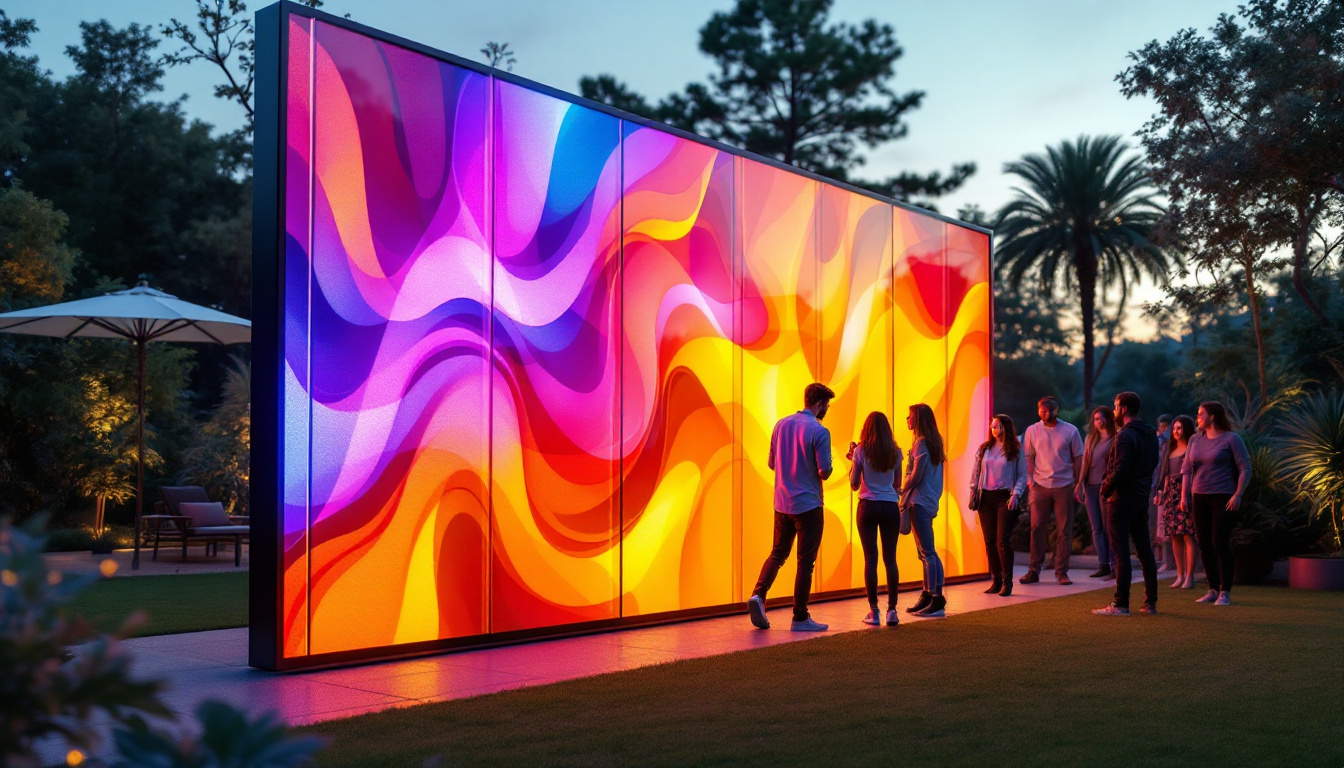
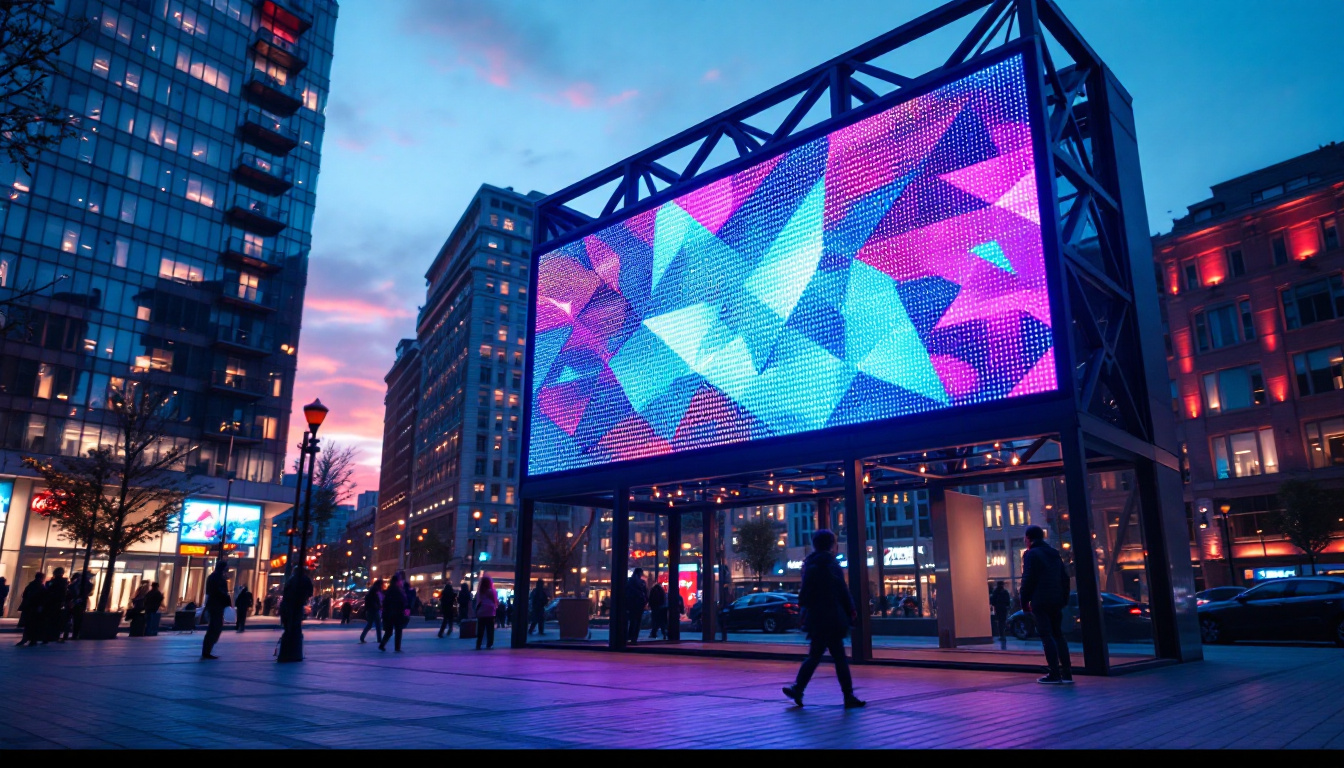
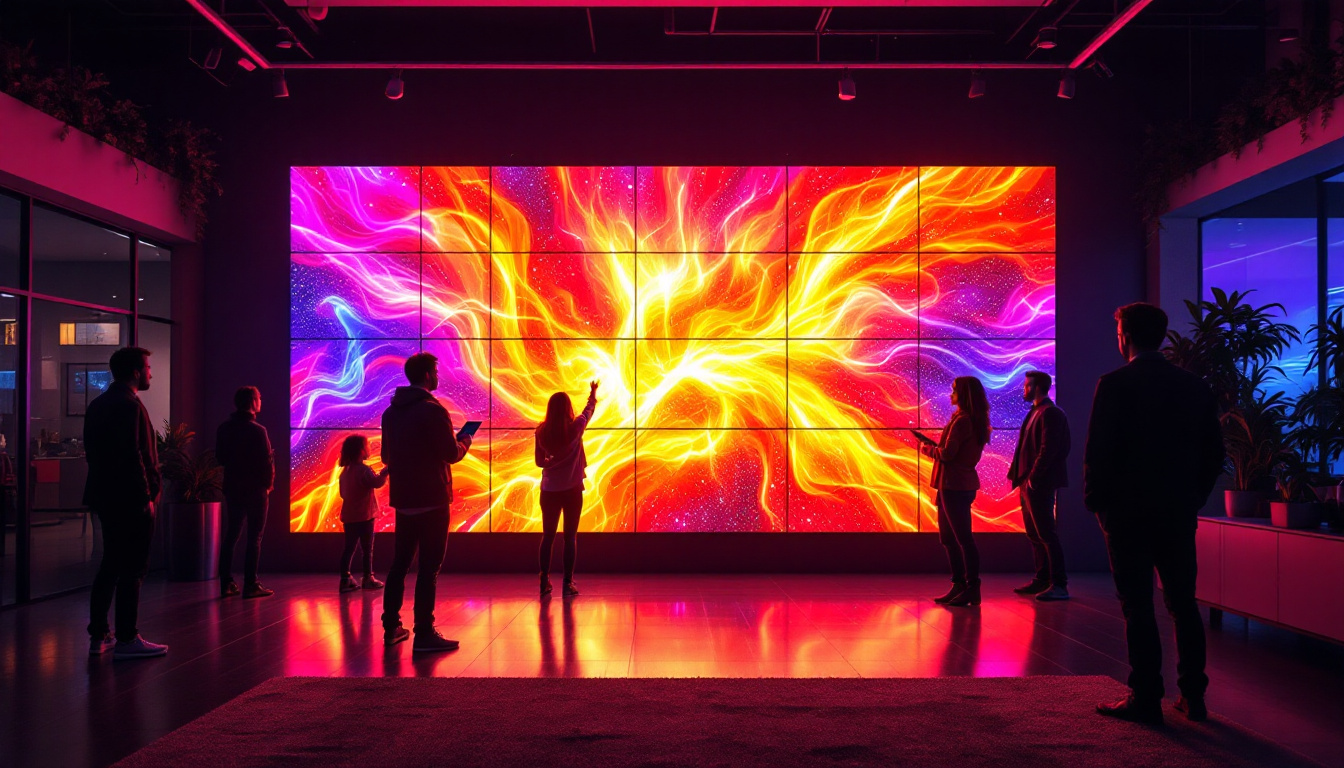
Direct-view LED displays are composed of thousands to millions of tiny LEDs arranged in a grid. These are common in large-scale applications such as stadium screens, digital billboards, and stage backdrops. Their modular design allows for flexible sizing and shapes, making them ideal for outdoor and indoor environments where visibility from a distance is critical.
One of the key parameters for direct-view LED displays is pixel pitch—the distance between the centers of adjacent pixels. A smaller pixel pitch means higher resolution and closer optimal viewing distance. For example, a pixel pitch of 1.2mm is typical for indoor displays viewed from a few feet away, while outdoor displays might have pitches of 10mm or more to accommodate longer viewing distances.
LED-Backlit LCD Displays
Most consumer televisions and computer monitors use LED-backlit LCD technology. In these displays, a liquid crystal layer modulates light passing through it, but the light source is an array of LEDs positioned behind or along the edges of the panel. This design improves brightness, energy efficiency, and color accuracy compared to older cold cathode fluorescent lamp (CCFL) backlights.
LED-backlit LCDs can employ different backlighting methods, such as edge-lit or full-array local dimming. Full-array local dimming enhances contrast by selectively dimming or brightening zones of LEDs, resulting in deeper blacks and better HDR (High Dynamic Range) performance.
Advantages of LED Displays
Superior Brightness and Contrast
One of the most significant advantages of LED displays, especially direct-view types, is their exceptional brightness. LEDs can achieve luminance levels exceeding 1,000 nits for indoor displays and over 5,000 nits for outdoor applications, ensuring clear visibility even under direct sunlight. This brightness capability is crucial for outdoor advertising, sports arenas, and transportation hubs.
Additionally, LED displays offer excellent contrast ratios. Because LEDs emit light directly and can be turned off completely, they produce true blacks and vibrant colors, enhancing image depth and realism. This is particularly beneficial in environments with varying ambient light conditions.
Energy Efficiency and Longevity
Compared to traditional display technologies, LEDs are highly energy-efficient. They consume less power while delivering brighter images, which translates to lower operating costs and reduced environmental impact. For example, LED-backlit LCD TVs typically use 20-30% less power than CCFL-backlit models.
LEDs also have a longer operational lifespan, often rated at 50,000 to 100,000 hours. This durability reduces maintenance and replacement frequency, especially important for large-scale installations where downtime can be costly.
Design Flexibility and Scalability
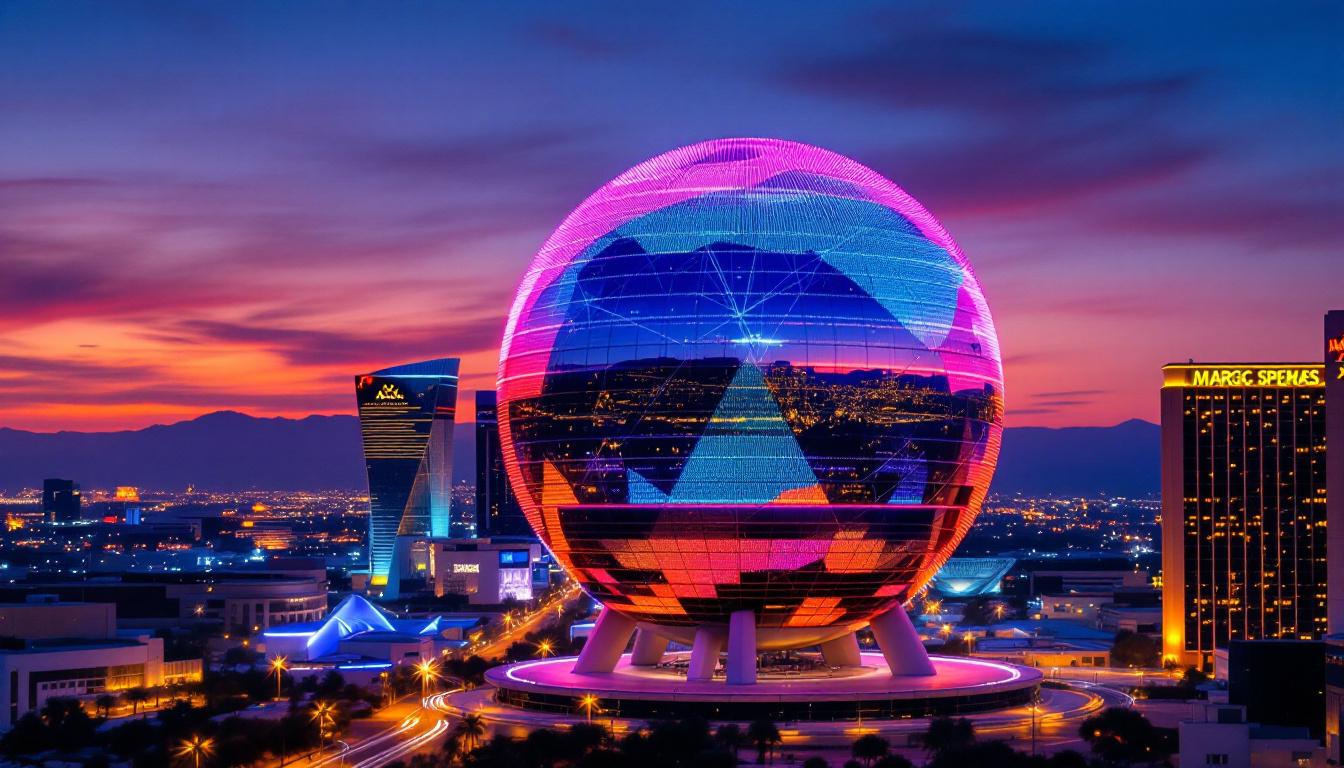
LED technology allows for remarkable design flexibility. Direct-view LED panels can be manufactured in various shapes and sizes, from small indoor displays to massive outdoor video walls spanning thousands of square feet. This scalability enables creative applications in architecture, retail, entertainment, and public spaces.
Moreover, LED displays can be curved, transparent, or flexible, opening new possibilities for immersive and interactive experiences. Transparent LED displays, for instance, can be integrated into glass facades without obstructing views, blending digital content with the physical environment.
Applications of LED Displays
Consumer Electronics
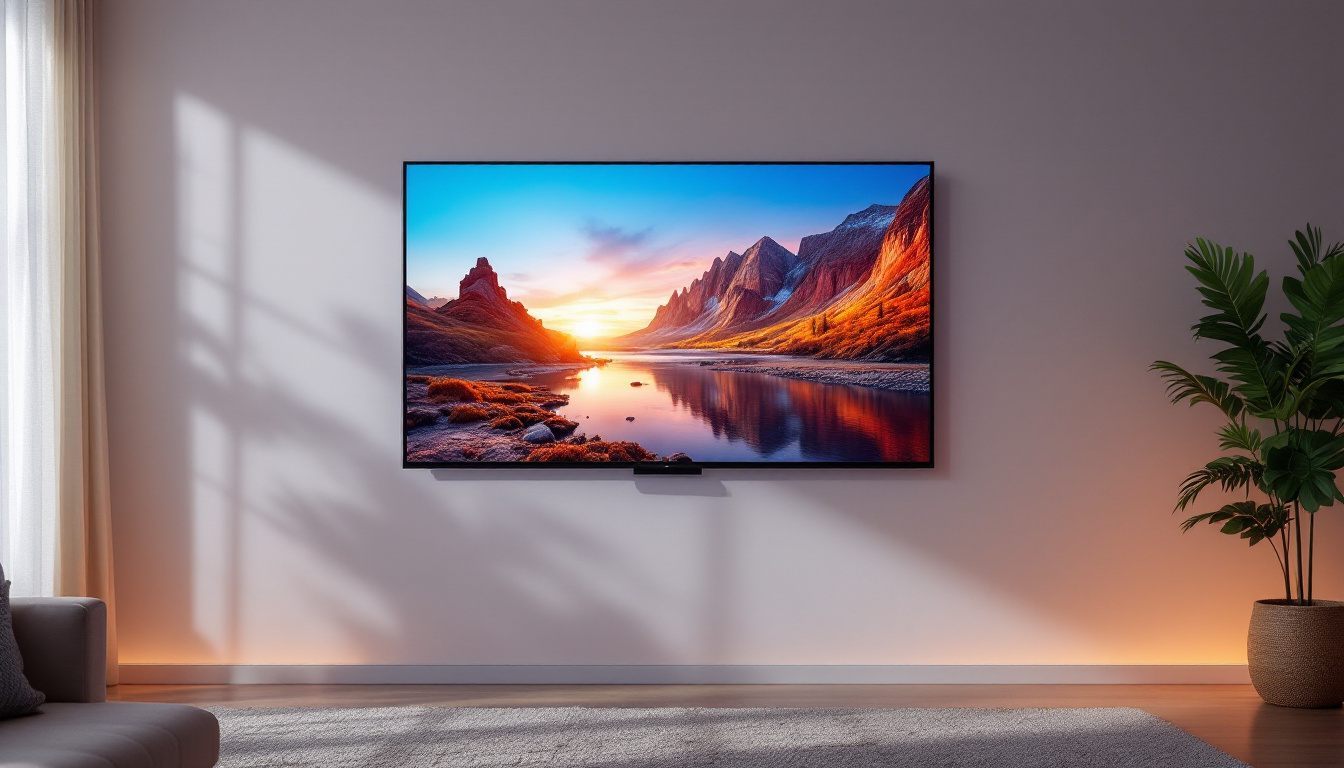
LED technology is foundational in consumer electronics, powering everything from smartphones and tablets to televisions and computer monitors. The shift to LED-backlit LCDs has improved image quality and energy efficiency, contributing to the widespread adoption of high-definition and 4K displays.
Emerging technologies like microLED, which use microscopic LEDs as individual pixels, promise even greater brightness, color accuracy, and energy savings. MicroLED displays are poised to revolutionize premium smartphones, TVs, and wearable devices in the coming years.
Outdoor Advertising and Public Displays
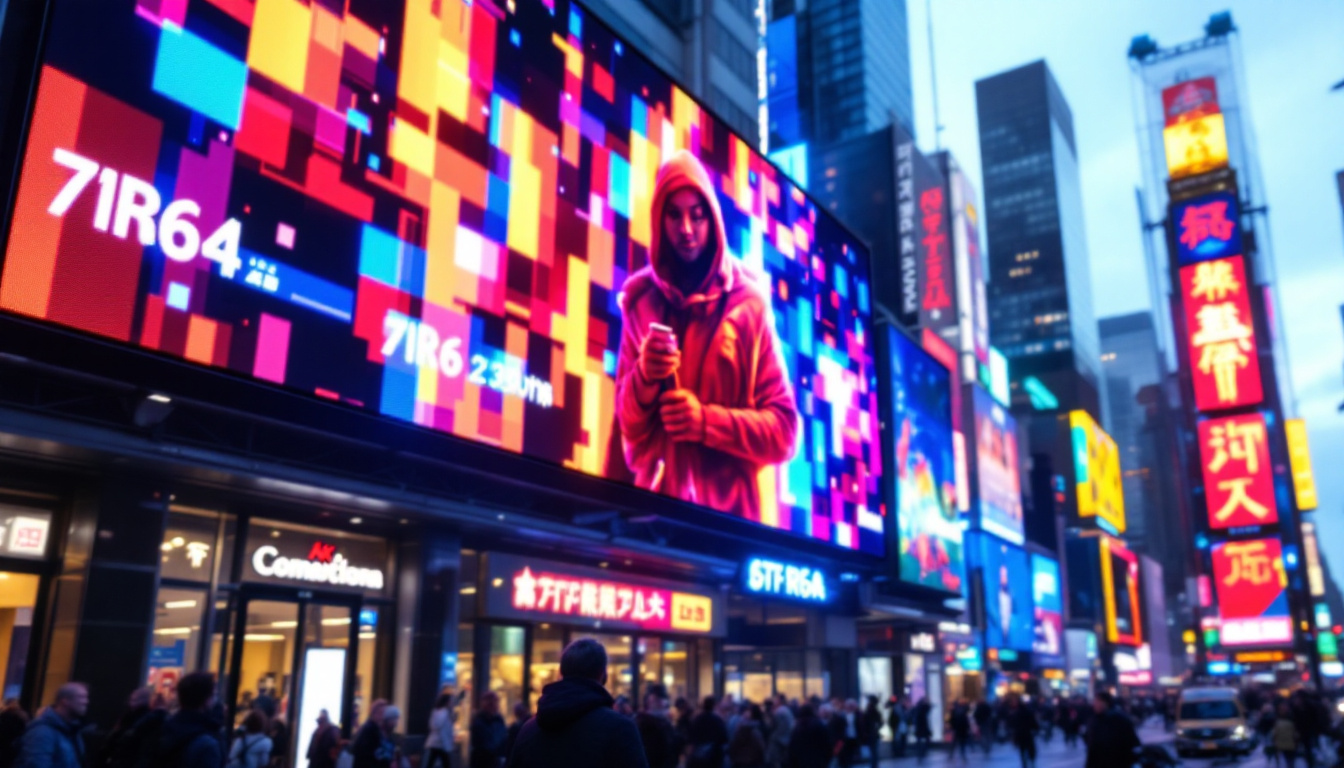
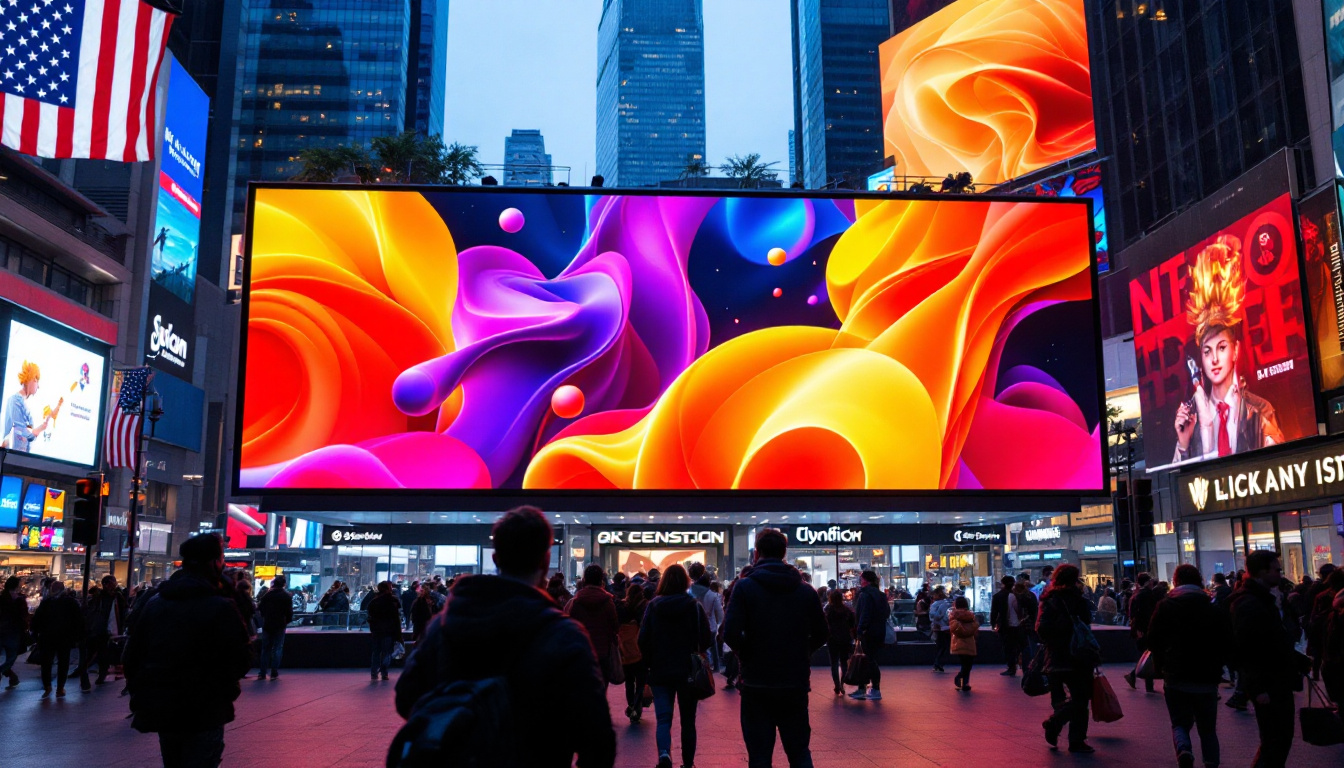
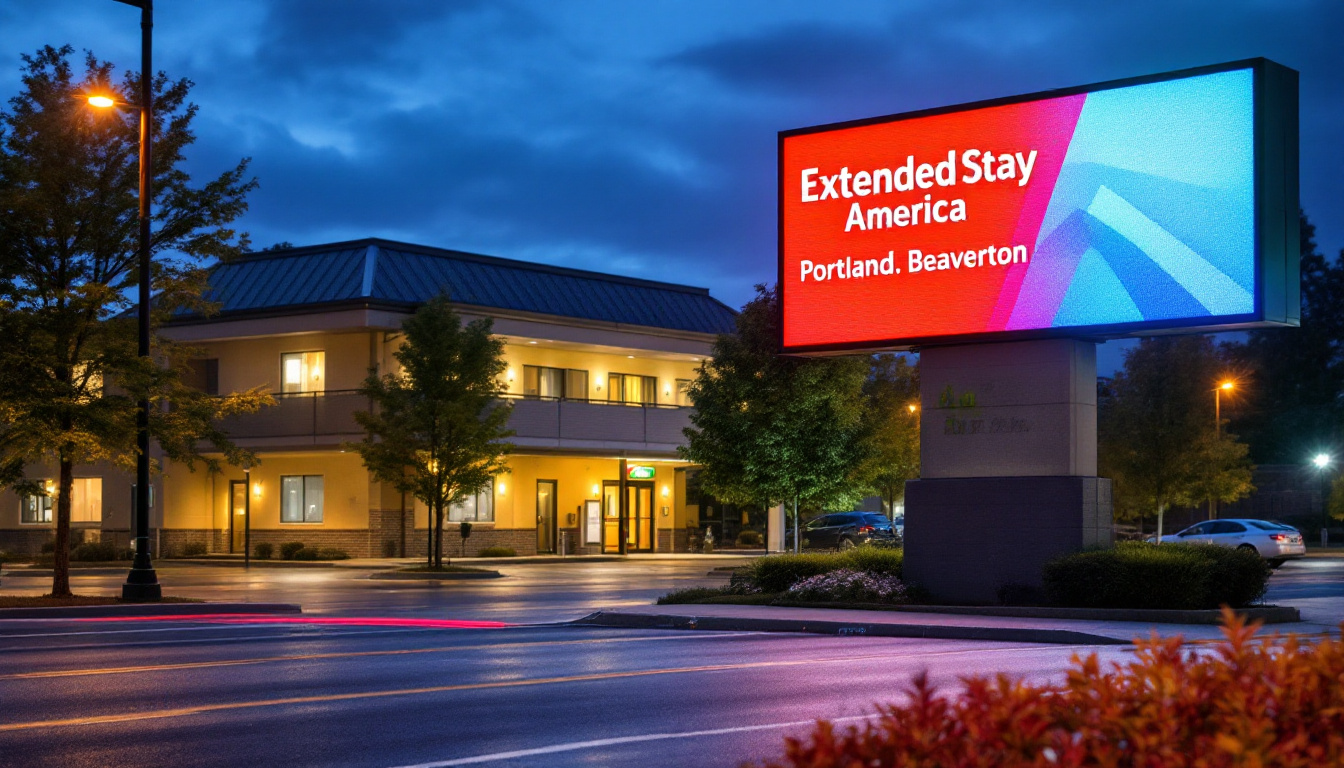
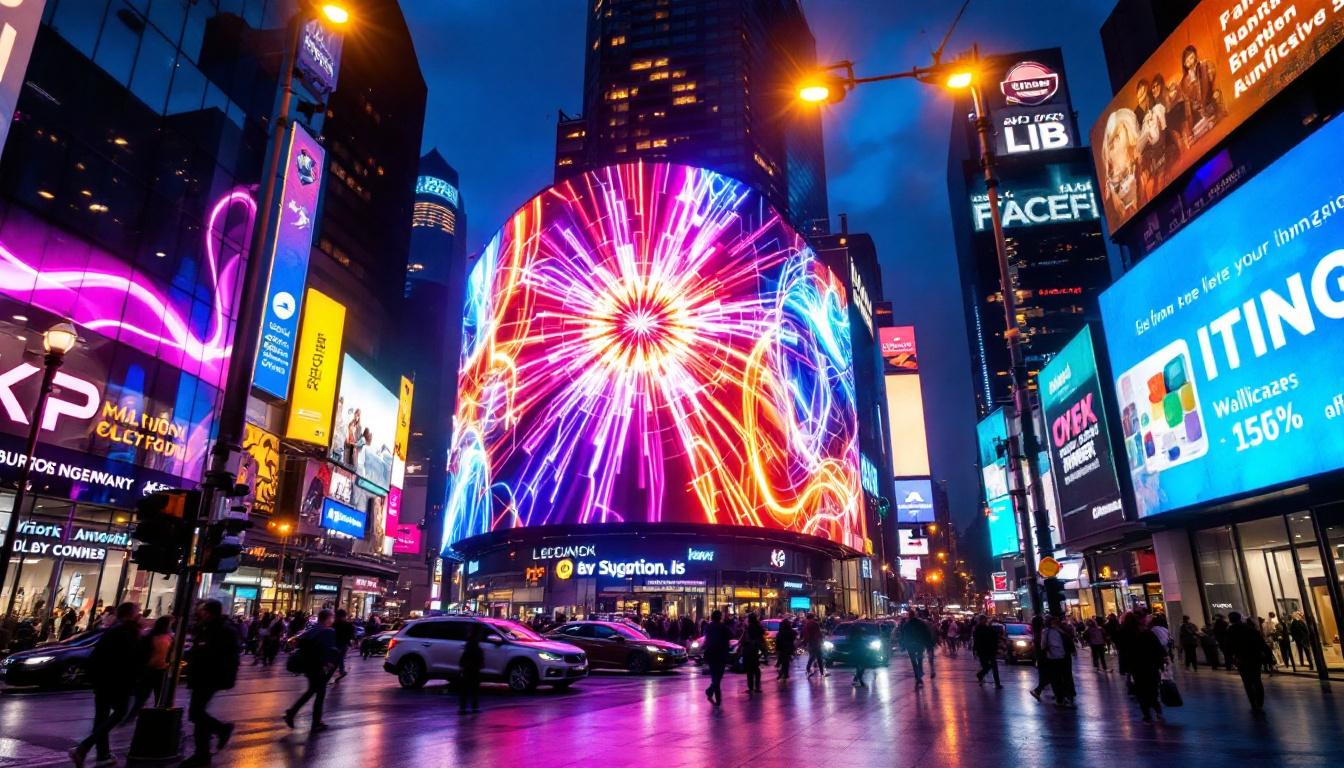
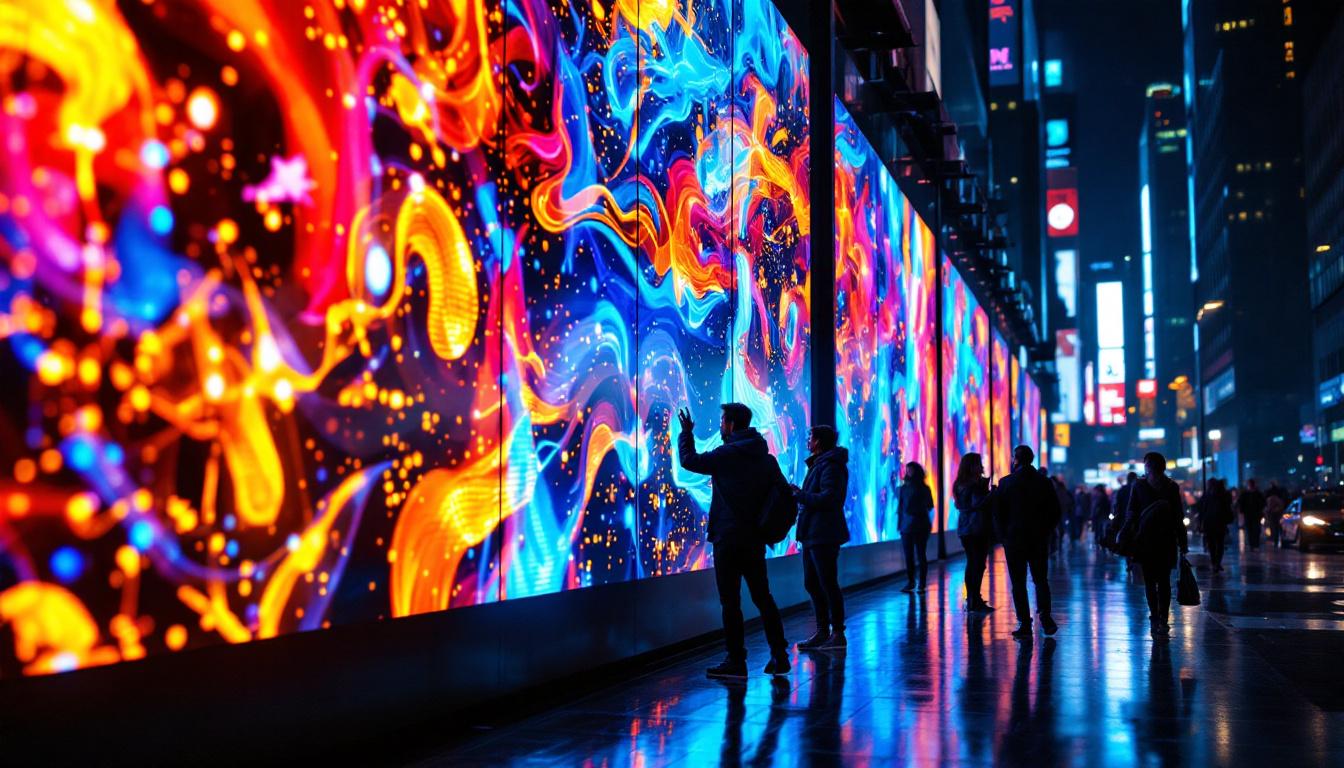
Outdoor LED billboards and digital signage have transformed advertising by enabling dynamic, eye-catching content that can be updated remotely in real time. According to industry reports, the global digital out-of-home advertising market is expected to grow at a compound annual growth rate (CAGR) of over 10% through 2027, driven largely by LED display adoption.
These displays are designed to withstand harsh weather conditions and maintain visibility in bright daylight, making them ideal for highways, shopping centers, and urban centers. Their ability to display video, animations, and interactive content enhances audience engagement and advertising effectiveness.
Entertainment and Events
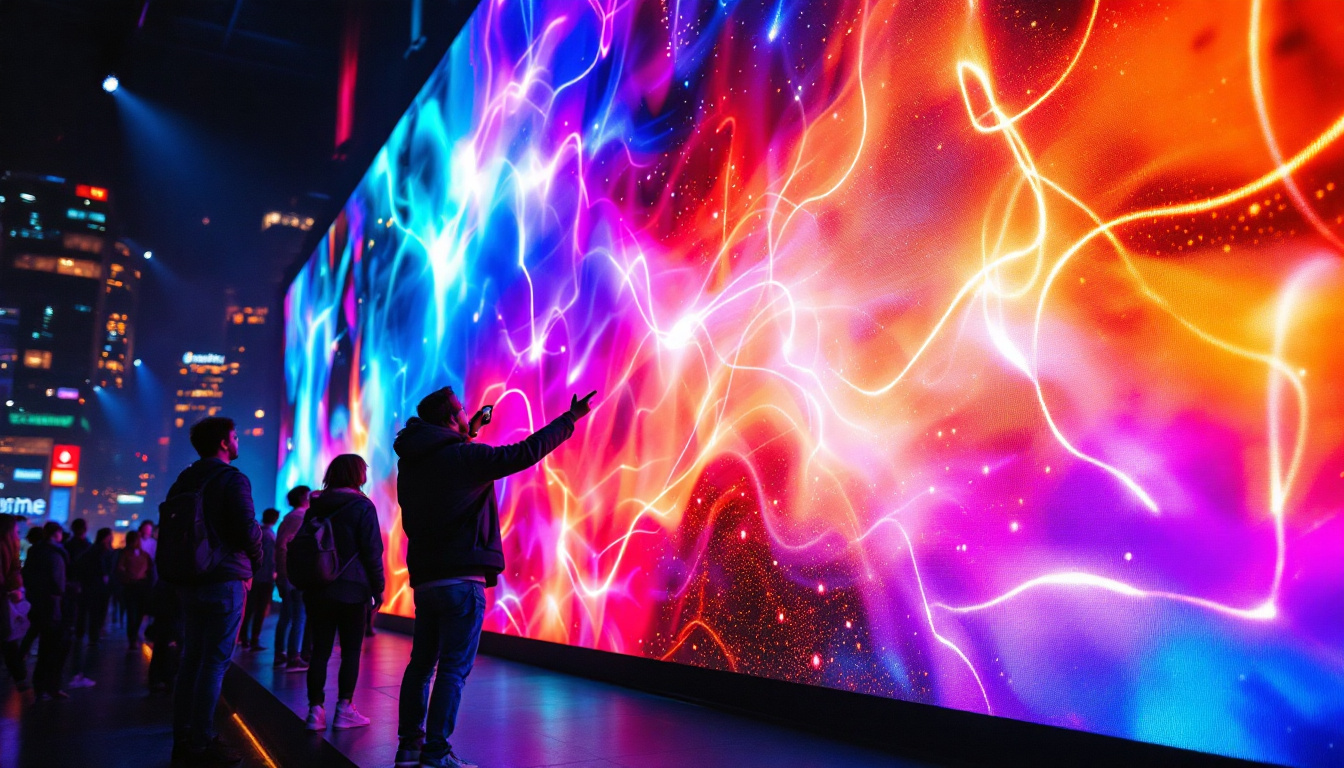
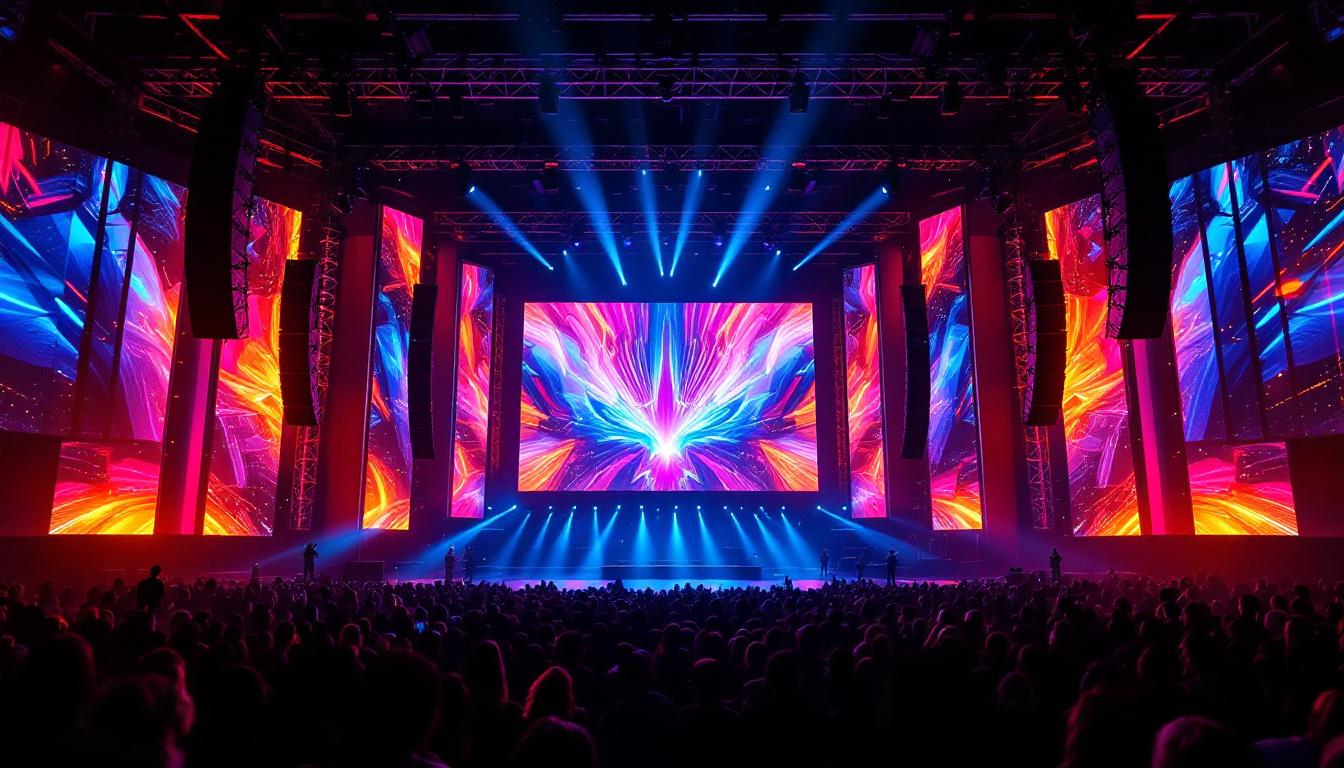
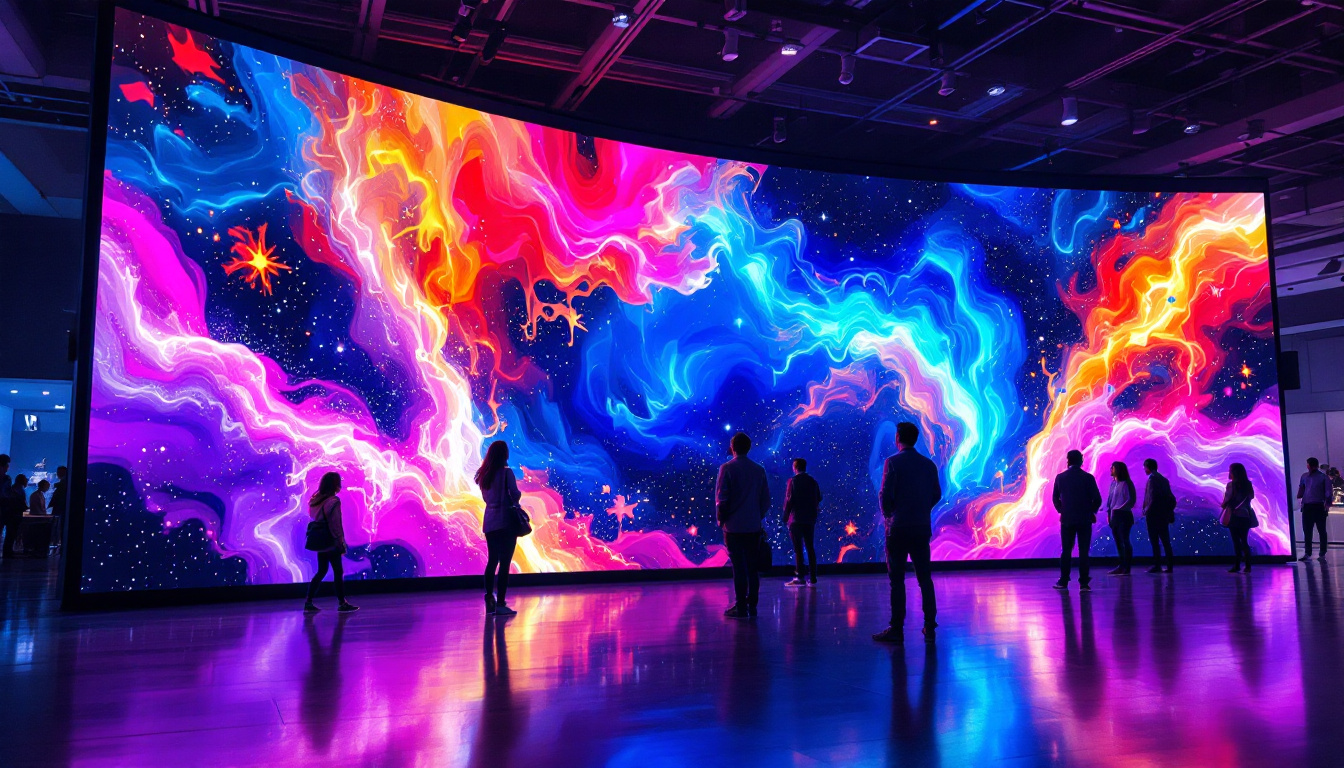
In concerts, sports arenas, and theaters, LED displays provide immersive visual experiences. Large LED video walls serve as dynamic backdrops, enhancing performances with vibrant visuals synchronized to music and action. The low latency and high refresh rates of LED displays ensure smooth motion rendering, critical for live events.
LED technology also supports augmented reality (AR) and virtual reality (VR) applications by delivering high-resolution, bright, and responsive displays that contribute to realistic simulations and interactive environments.
Transportation and Public Information
LED displays are widely used in transportation hubs such as airports, train stations, and bus terminals to provide real-time information. Their high visibility and reliability ensure passengers receive timely updates on schedules, delays, and safety announcements.
Additionally, LED signs are common in traffic management systems, displaying speed limits, warnings, and directions to improve road safety and traffic flow. The durability and low maintenance of LED technology make it well-suited for these critical applications.
Challenges and Considerations
Cost and Installation Complexity
While LED displays offer numerous benefits, initial costs can be higher than alternative technologies, particularly for direct-view LED walls. The expense of manufacturing high-density LED panels and the complexity of installation and calibration contribute to upfront investment.
However, the total cost of ownership often favors LED displays due to lower energy consumption and maintenance requirements. Careful planning and professional installation are essential to maximize performance and longevity.
Pixel Pitch and Viewing Distance
Choosing the appropriate pixel pitch is critical to ensure optimal image quality. A pixel pitch too large for the viewing distance results in visible gaps between pixels, reducing image clarity. Conversely, an unnecessarily small pixel pitch can increase costs without perceptible benefits if viewers are far away.
Understanding the intended application and typical viewing distances helps in selecting the right LED display specification, balancing resolution, cost, and visual impact.
Environmental Impact and Recycling
Although LEDs are more environmentally friendly than many traditional lighting technologies, concerns remain regarding the disposal and recycling of LED panels, which contain electronic components and rare earth materials. Responsible recycling programs and sustainable manufacturing practices are increasingly important to minimize ecological footprints.
The Future of LED Display Technology
MicroLED and MiniLED Innovations
MicroLED technology represents the next frontier in display innovation. By using microscopic LEDs as individual pixels, microLED displays offer unparalleled brightness, contrast, and color accuracy without the burn-in risks associated with OLED displays. They also promise lower power consumption and longer lifespans.
MiniLED, a variation involving thousands of tiny LEDs for backlighting LCD panels, enhances local dimming capabilities, delivering improved HDR performance at a more accessible price point. Both technologies are rapidly gaining traction in premium TVs, monitors, and mobile devices.
Integration with Smart Technologies
LED displays are increasingly integrated with smart technologies such as IoT (Internet of Things), AI-driven content management, and interactive sensors. This integration enables dynamic, personalized content delivery and real-time analytics, enhancing user engagement and operational efficiency.
For example, smart digital signage can adapt advertisements based on audience demographics detected by cameras or environmental conditions like weather and time of day, maximizing relevance and impact.
Sustainability and Energy Efficiency
Future developments in LED technology are focused on further reducing energy consumption and improving recyclability. Advances in materials science aim to create LEDs with higher luminous efficacy and longer lifespans, while manufacturers are adopting circular economy principles to minimize waste.
These efforts align with global sustainability goals and growing consumer demand for environmentally responsible products.
Conclusion
LED display technology has revolutionized the way visual content is presented across numerous industries. Its superior brightness, energy efficiency, design flexibility, and durability make it the preferred choice for applications ranging from consumer electronics to large-scale outdoor advertising and entertainment.
As innovations like microLED and miniLED mature, and integration with smart technologies expands, LED displays will continue to enhance visual experiences while addressing environmental and economic challenges. Understanding the fundamentals and potential of LED technology is essential for businesses, designers, and consumers navigating the dynamic landscape of digital displays.
Explore Cutting-Edge LED Displays with LumenMatrix
Ready to elevate your visual experience with the latest in LED display technology? Look no further than LumenMatrix, a pioneer in crafting innovative LED display modules designed to maximize brand visibility and captivate audiences. Whether you’re interested in Indoor LED Wall Displays, Outdoor LED Wall Displays, or specialized solutions like Vehicle LED Displays, LED Sports Displays, or Custom LED Displays, LumenMatrix has the expertise to bring your vision to life. Embrace the future of visual communication and check out LumenMatrix LED Display Solutions today to see how we can enhance engagement and transform your message into a powerful visual statement.