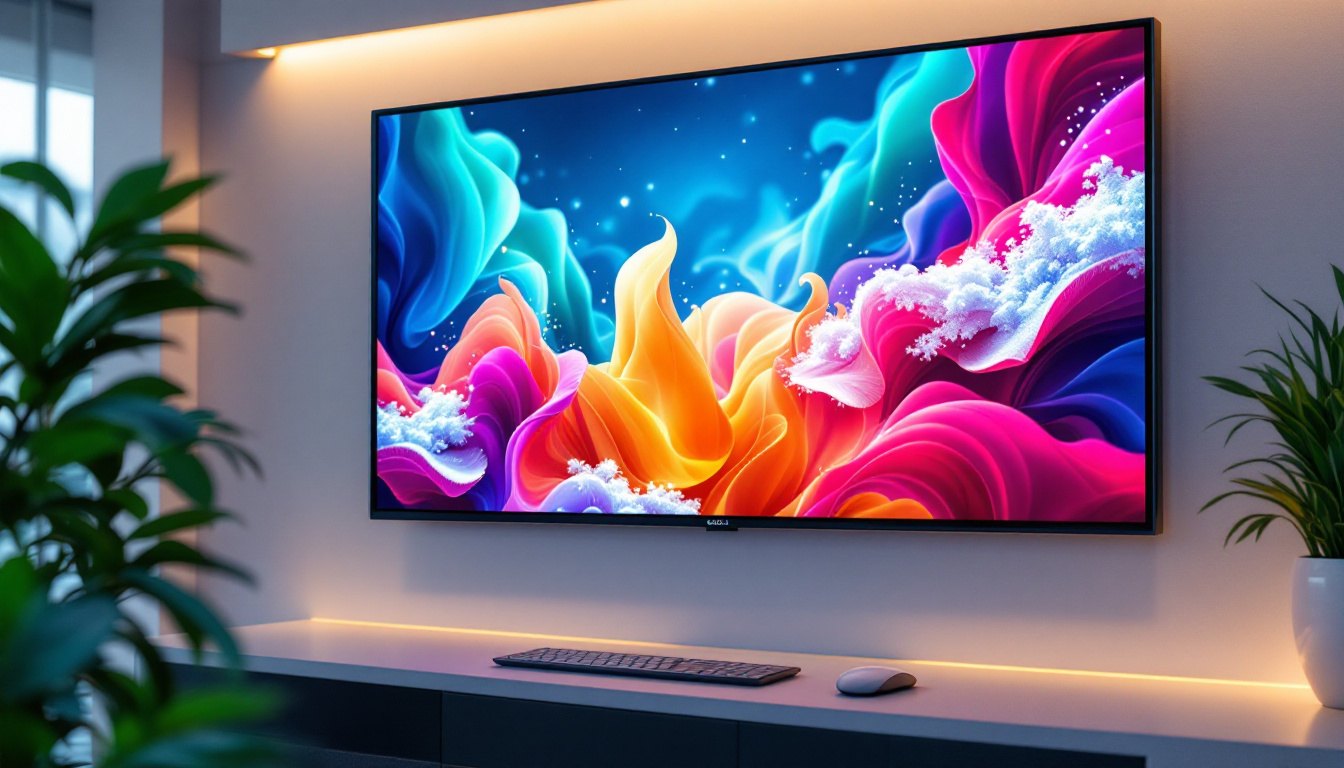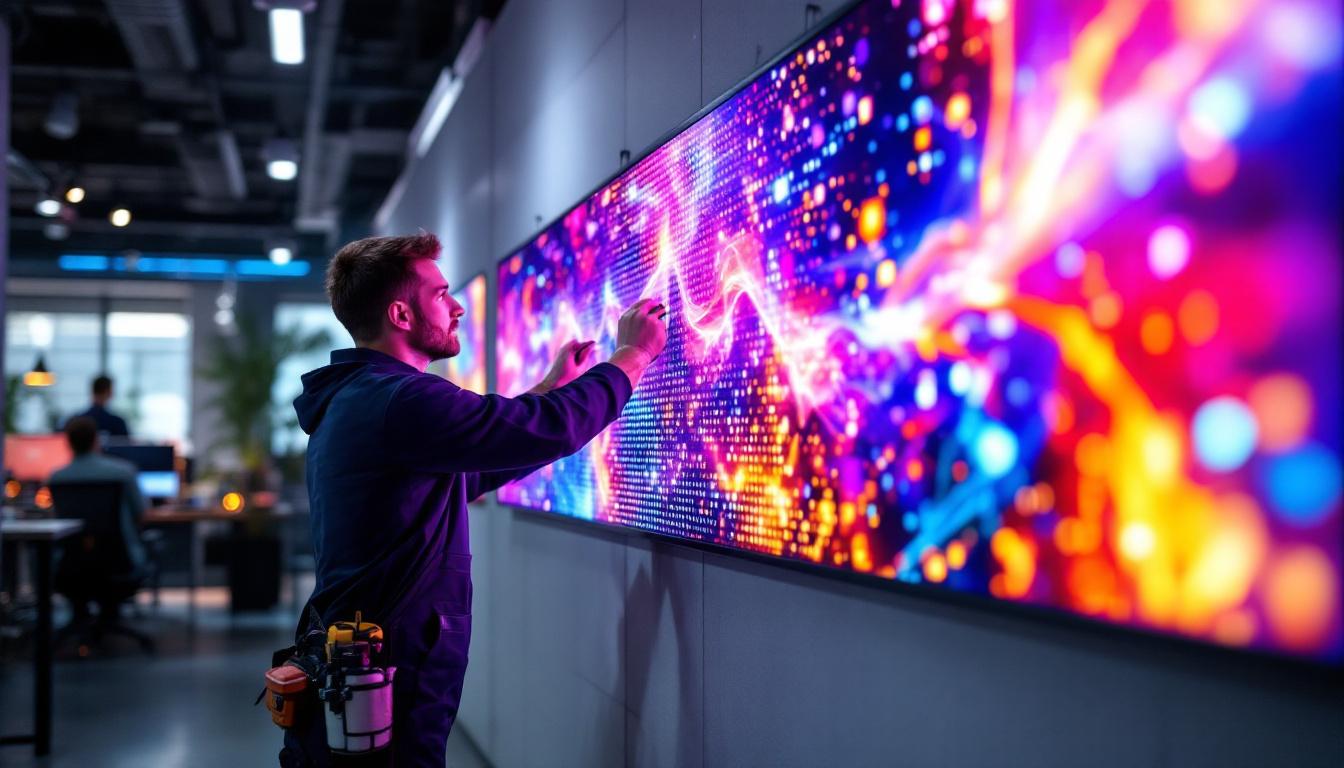
In the rapidly evolving world of digital signage and visual communication, LED displays have emerged as a dominant technology. From vibrant outdoor billboards to sleek indoor video walls, LED displays offer unparalleled brightness, color accuracy, and versatility. This article dives deep into the world of LED displays, explaining their technology, applications, advantages, and considerations for businesses and consumers alike.
Understanding LED Display Technology
What is an LED Display?
LED stands for Light Emitting Diode, a semiconductor device that emits light when an electric current passes through it. An LED display is essentially a screen made up of thousands, sometimes millions, of these tiny LEDs arranged in a matrix. Each LED acts as a pixel or part of a pixel, illuminating in different colors and intensities to create images, videos, or text.
The technology behind LED displays has evolved significantly over the past decade. Modern LED displays use red, green, and blue diodes combined in clusters to produce a full spectrum of colors through additive color mixing. This allows for vibrant and highly customizable visuals that can be viewed clearly even in bright daylight conditions. Moreover, advancements in LED technology have led to improvements in energy efficiency, with many displays now consuming less power while delivering higher brightness levels, which is a crucial factor for both environmental sustainability and cost-effectiveness in large-scale installations.
Types of LED Displays
LED displays come in various forms, each suited for different environments and purposes. The primary types include:
- Indoor LED Displays: Designed for controlled lighting environments such as conference rooms, retail stores, and event venues. These displays have a higher pixel density and smaller pixel pitch, resulting in sharper images at close viewing distances. Their ability to showcase high-resolution content makes them ideal for applications where detail is paramount, such as digital signage and presentations.
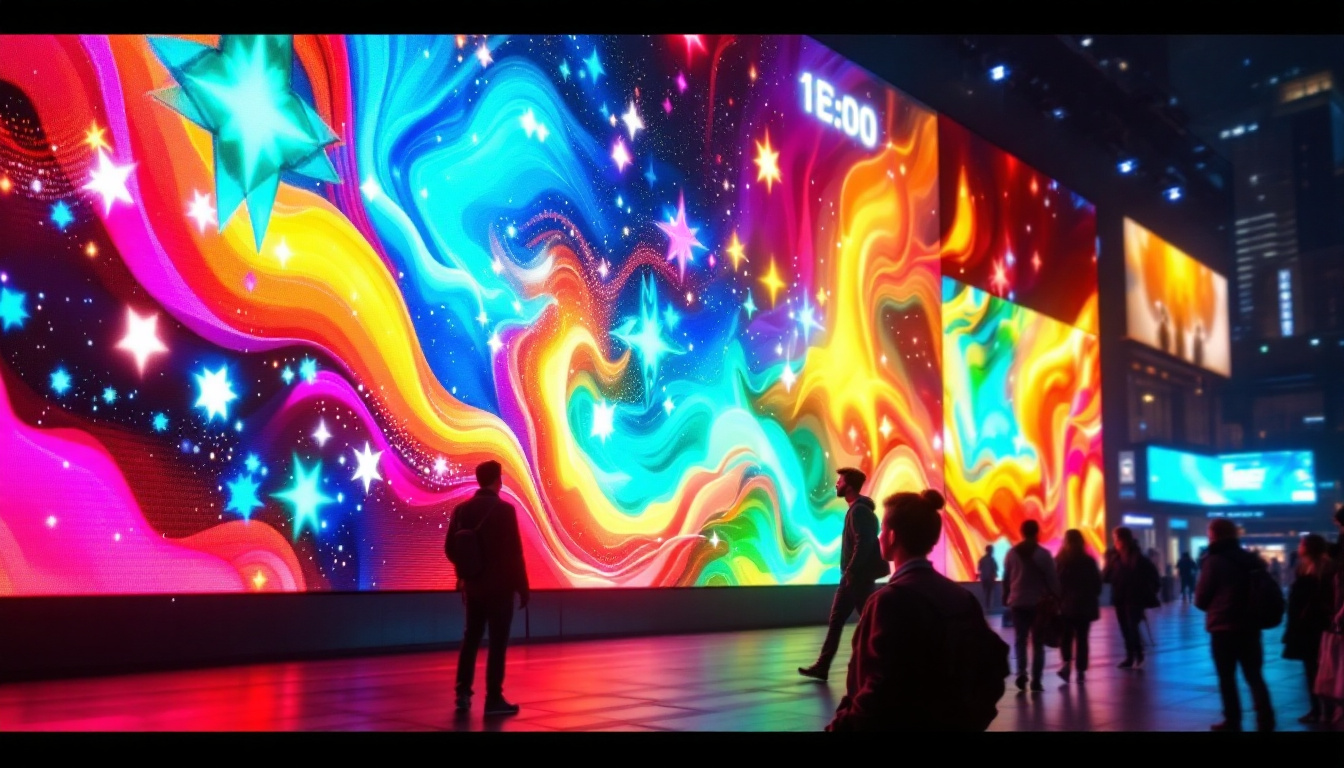
- Outdoor LED Displays: Built to withstand harsh weather conditions, these displays are brighter (often exceeding 5,000 nits) to combat sunlight glare. They typically have a larger pixel pitch since viewers are usually farther away. These displays are commonly used for advertising billboards, sports arenas, and public events, where visibility from a distance is essential.
- Flexible and Transparent LED Displays: A newer innovation, these displays can bend or be integrated into glass surfaces, opening up creative possibilities in architecture and design. Their unique characteristics allow for seamless integration into buildings, enabling dynamic advertising and artistic displays that enhance the aesthetic appeal of urban environments.
Each type has unique characteristics that determine its suitability for specific applications, a topic explored further in the applications section. Additionally, the rapid development of LED technology has led to the emergence of smart LED displays, which incorporate sensors and connectivity features, allowing for interactive experiences. These displays can adapt to their surroundings, changing content based on viewer engagement or environmental conditions, thus providing a more immersive and responsive visual experience. As the demand for innovative advertising solutions and engaging content continues to grow, the versatility of LED displays positions them as a cornerstone of modern visual communication.
Key Advantages of LED Displays
Brightness and Visibility
One of the most significant advantages of LED displays is their exceptional brightness. Unlike LCD or projection technologies, LEDs can produce intense light levels, making them visible even under direct sunlight. Outdoor LED billboards, for example, can reach brightness levels of 6,000 nits or more, ensuring messages are clear and eye-catching at all times.
This brightness advantage also translates into energy efficiency. LEDs consume less power compared to traditional lighting and display technologies, which can result in lower operational costs over time. Furthermore, the ability to adjust brightness levels dynamically based on ambient light conditions not only enhances visibility but also contributes to energy savings, making LED displays an environmentally friendly option.
Color Accuracy and Image Quality
LED displays offer superior color reproduction capabilities. By controlling the intensity of red, green, and blue LEDs at each pixel, these displays can render millions of colors with high accuracy. This makes them ideal for applications where image quality is paramount, such as digital advertising, broadcasting, and live event displays.
Moreover, LED technology supports high refresh rates and wide viewing angles, ensuring smooth motion and consistent color regardless of the viewer’s position. This is particularly important for dynamic content like videos and animations. In addition, advancements in LED technology, such as HDR (High Dynamic Range) support, allow for even greater contrast ratios and depth of color, providing viewers with an immersive visual experience that captivates and engages.
Durability and Longevity
LEDs are known for their long lifespan, often rated between 50,000 to 100,000 hours of operation. This durability reduces the need for frequent replacements and maintenance, making LED displays a cost-effective choice in the long run. The longevity of LED technology also means that these displays can maintain their performance over time, ensuring that color accuracy and brightness levels remain consistent throughout their lifespan.
Additionally, LED displays are robust against environmental factors such as temperature fluctuations, humidity, and physical impact. Outdoor LED units are typically IP65-rated or higher, indicating strong resistance to dust and water ingress. This resilience makes them suitable for a variety of settings, from bustling urban environments to remote locations. Furthermore, many LED displays are designed with modular components, allowing for easy repairs and upgrades, which enhances their overall sustainability and adaptability in a rapidly evolving technological landscape.
Applications of LED Displays
Advertising and Marketing
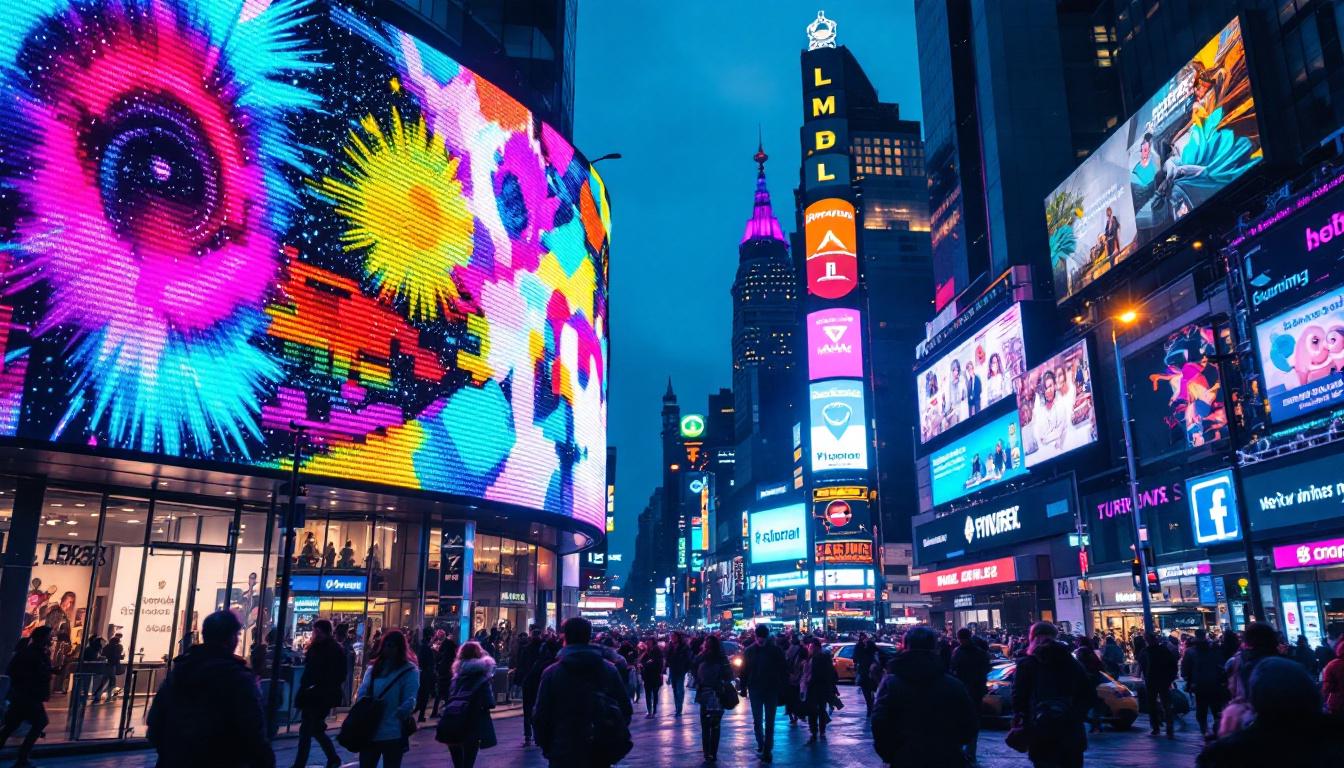
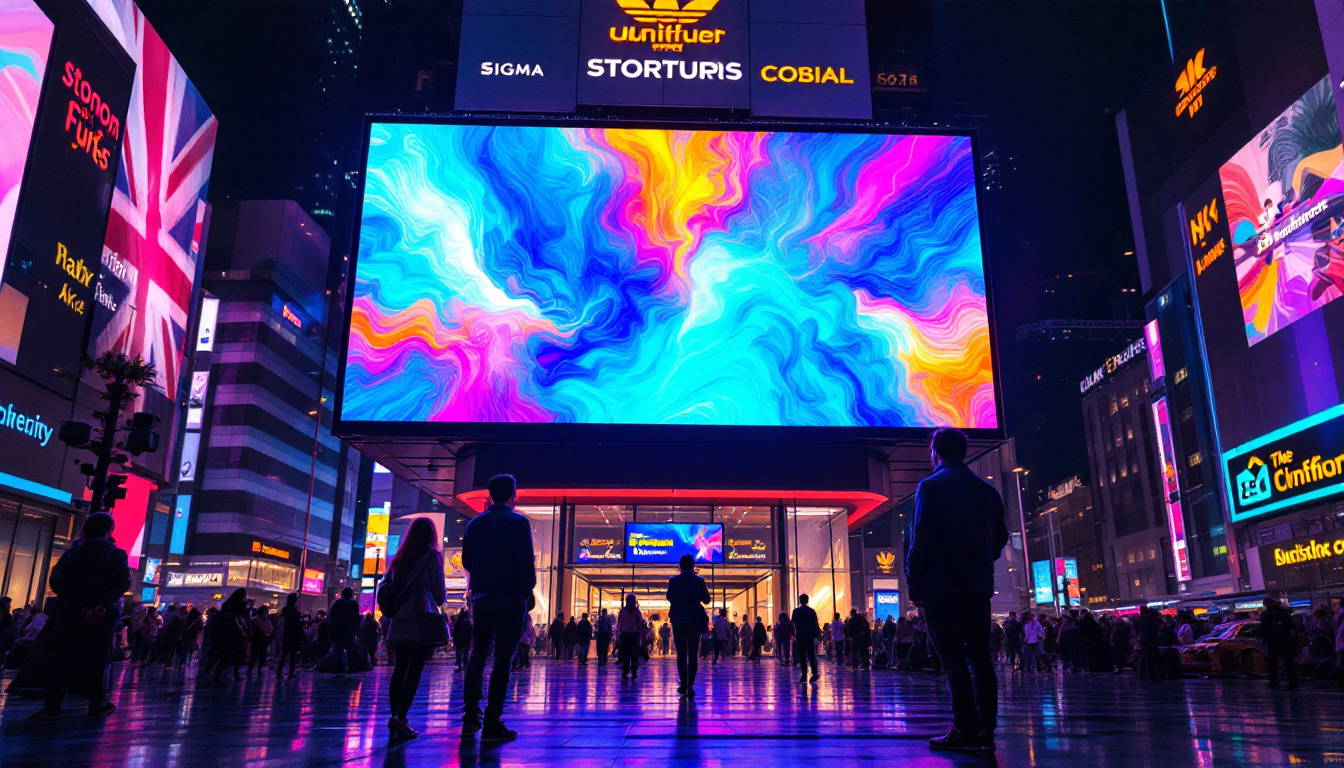
The advertising industry has been one of the biggest adopters of LED display technology. Digital billboards, retail window displays, and transit advertising utilize LED screens to captivate audiences with bright, dynamic content. According to a 2023 report by the Digital Signage Federation, over 70% of outdoor digital billboards worldwide use LED technology.
LED displays enable advertisers to update content in real-time, tailor messages to specific demographics, and incorporate interactive elements. This flexibility enhances engagement and improves return on investment compared to static signage.
Sports and Entertainment Venues
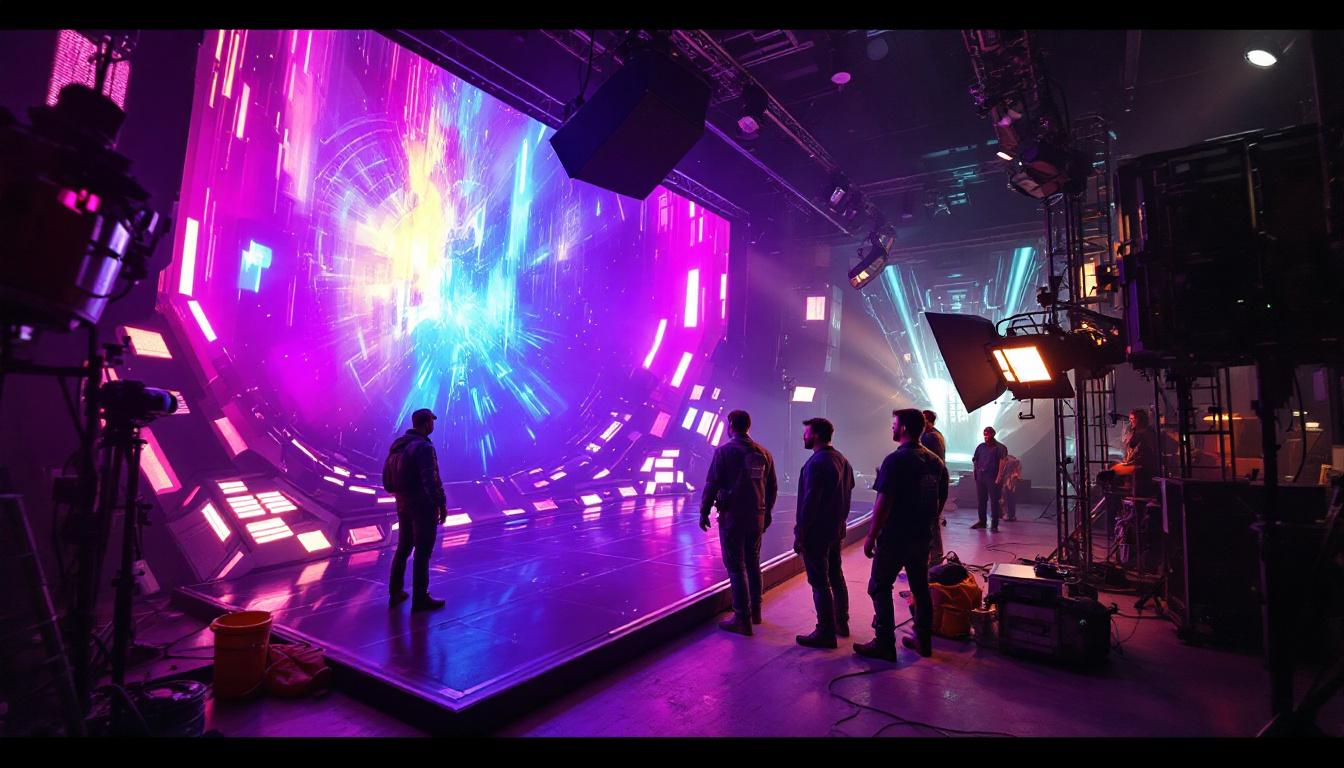
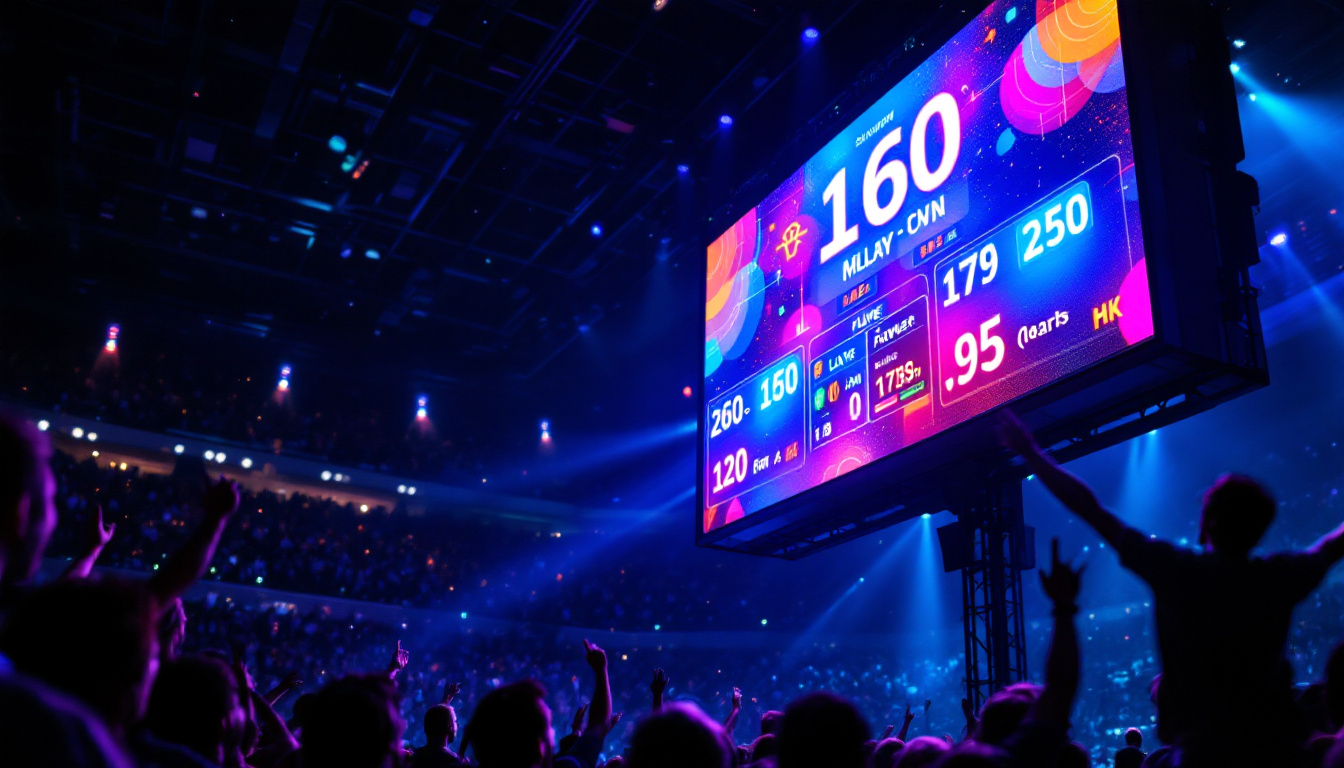
Stadiums, arenas, and concert venues frequently employ massive LED video walls to provide spectators with live feeds, replays, and interactive content. These displays must deliver high resolution and brightness to be effective in large, open-air environments.
For example, the AT&T Stadium in Texas features one of the largest LED video boards globally, measuring 160 feet wide and 72 feet tall. Such installations enhance the fan experience by ensuring visibility from any seat.
Corporate and Educational Environments
In corporate settings, LED displays are used for presentations, video conferencing, and digital signage within lobbies and meeting rooms. Their clarity and versatility help facilitate communication and branding.
Educational institutions also benefit from LED technology by integrating interactive displays in classrooms and auditoriums, supporting modern teaching methods and enhancing student engagement.
Transportation and Public Information
LED displays are integral to transportation hubs such as airports, train stations, and bus terminals. They provide real-time updates on schedules, delays, and safety information. Their visibility and reliability are critical for managing high volumes of passenger traffic efficiently.
Moreover, LED traffic signs and variable message signs help improve road safety by delivering timely alerts and instructions to drivers.
Considerations When Choosing an LED Display
Pixel Pitch and Resolution
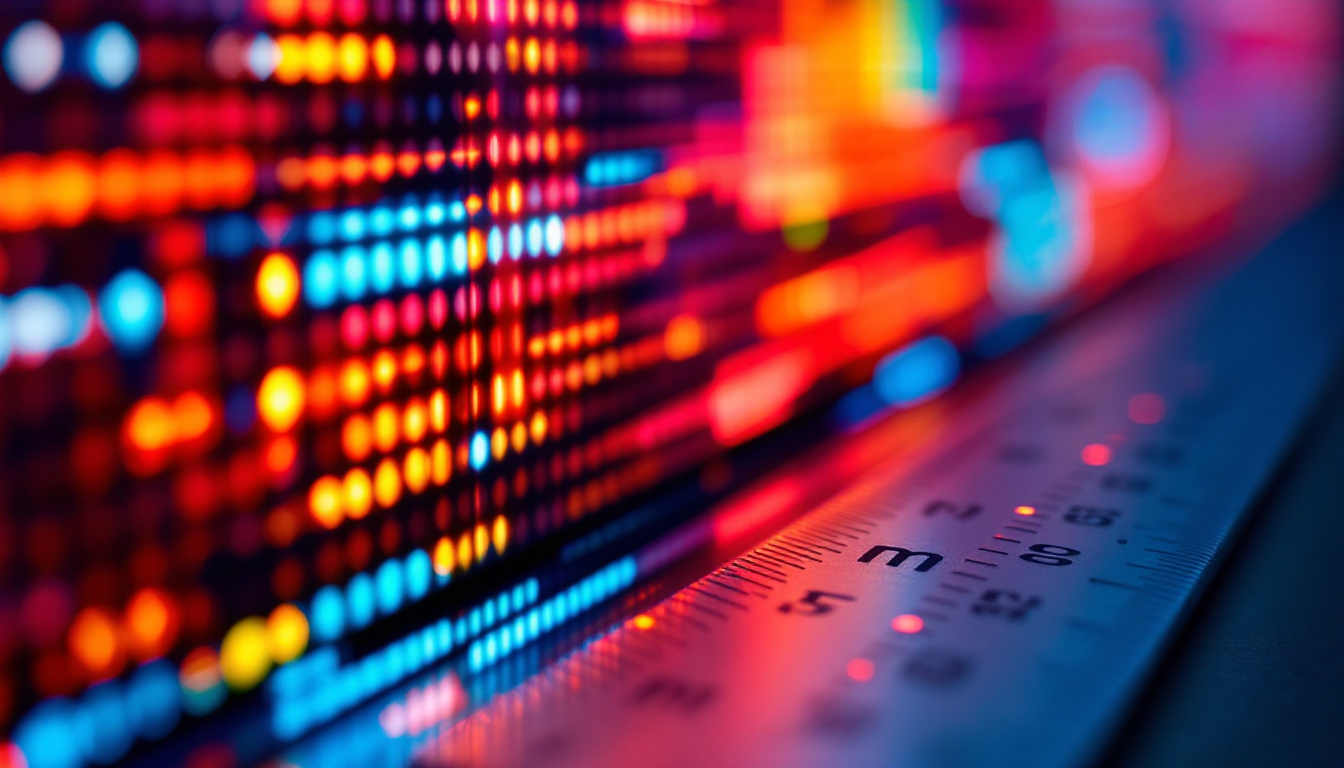
Pixel pitch refers to the distance between the centers of two adjacent LEDs and is measured in millimeters. A smaller pixel pitch means higher pixel density, resulting in sharper images suitable for close viewing distances. For indoor displays where viewers are close, pixel pitches of 1.2mm to 2.5mm are common.
Conversely, outdoor displays often have larger pixel pitches (4mm to 20mm) because viewers are typically farther away. Selecting the appropriate pixel pitch is essential to balance image quality and cost.
Brightness and Contrast Ratios
Brightness requirements depend largely on the installation environment. Outdoor displays need higher brightness to remain visible in sunlight, while indoor displays can operate effectively at lower brightness levels, which also reduces power consumption.
Contrast ratio—the difference between the darkest black and the brightest white the display can produce—is another important factor. Higher contrast ratios contribute to more vivid and lifelike images.
Viewing Angle
LED displays are designed to be viewed from various angles. Wide viewing angles ensure consistent color and brightness regardless of where the viewer stands. This is particularly important in public spaces and venues where audiences are spread out.
Installation and Maintenance
Considerations such as mounting options, weight, and ease of access for maintenance can impact the total cost of ownership. Modular LED panels that allow for easy replacement of individual sections are preferred in large-scale installations.
Additionally, ensuring the display meets relevant safety and environmental standards is critical, especially for outdoor applications.
The Future of LED Display Technology
MicroLED and MiniLED Innovations
Emerging technologies such as MicroLED and MiniLED are pushing the boundaries of LED display performance. MicroLEDs are microscopic LEDs that offer even higher resolution, better color accuracy, and improved energy efficiency compared to traditional LEDs.
While still in the early stages of commercial adoption, MicroLED displays promise to revolutionize consumer electronics, including televisions, smartphones, and wearable devices.
Integration with Smart Technologies
LED displays are increasingly integrated with smart technologies such as IoT sensors, AI-driven content management, and augmented reality. These advancements enable more personalized and interactive experiences, transforming static displays into dynamic communication platforms.
Sustainability and Energy Efficiency
As sustainability becomes a priority, manufacturers are focusing on reducing the environmental impact of LED displays. Innovations include the use of recyclable materials, improved power management systems, and designs that minimize light pollution.
Conclusion
LED displays have become a cornerstone of modern visual communication, offering unmatched brightness, color fidelity, and versatility across a wide range of applications. Whether enhancing advertising campaigns, enriching entertainment experiences, or facilitating information dissemination, LED technology continues to evolve and expand its impact.
Understanding the technical aspects and practical considerations of LED displays empowers businesses and organizations to make informed decisions that maximize the benefits of this powerful technology. With ongoing innovations on the horizon, LED displays are set to illuminate the future of digital signage and beyond.
Illuminate Your Space with LumenMatrix
Ready to transform your environment with vibrant, high-quality LED displays? LumenMatrix is at the forefront of LED display innovation, offering a diverse range of solutions tailored to meet your specific needs. From Indoor and Outdoor LED Walls to specialized displays for vehicles, sports, and even customizable options, we bring your vision to life. Elevate your brand’s presence and create immersive experiences that captivate and engage. Check out LumenMatrix LED Display Solutions today and step into the future of visual communication.