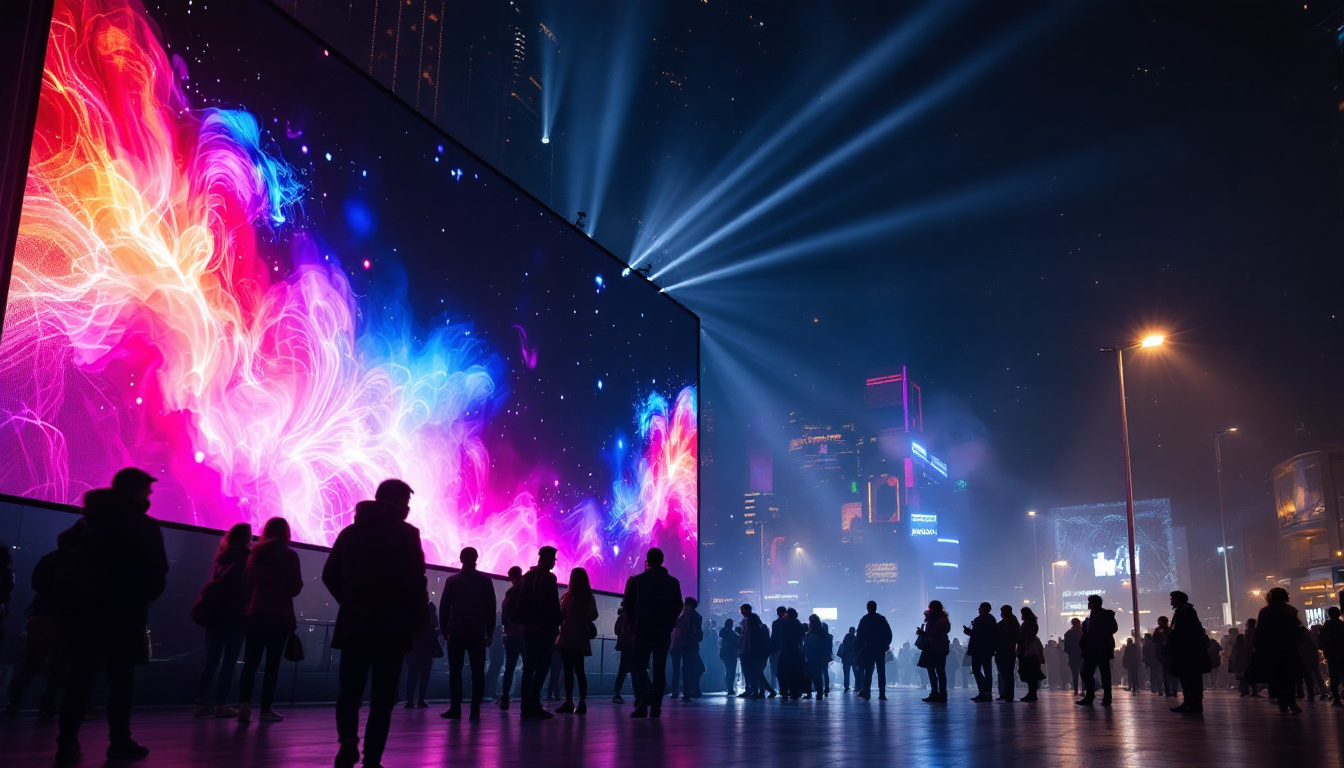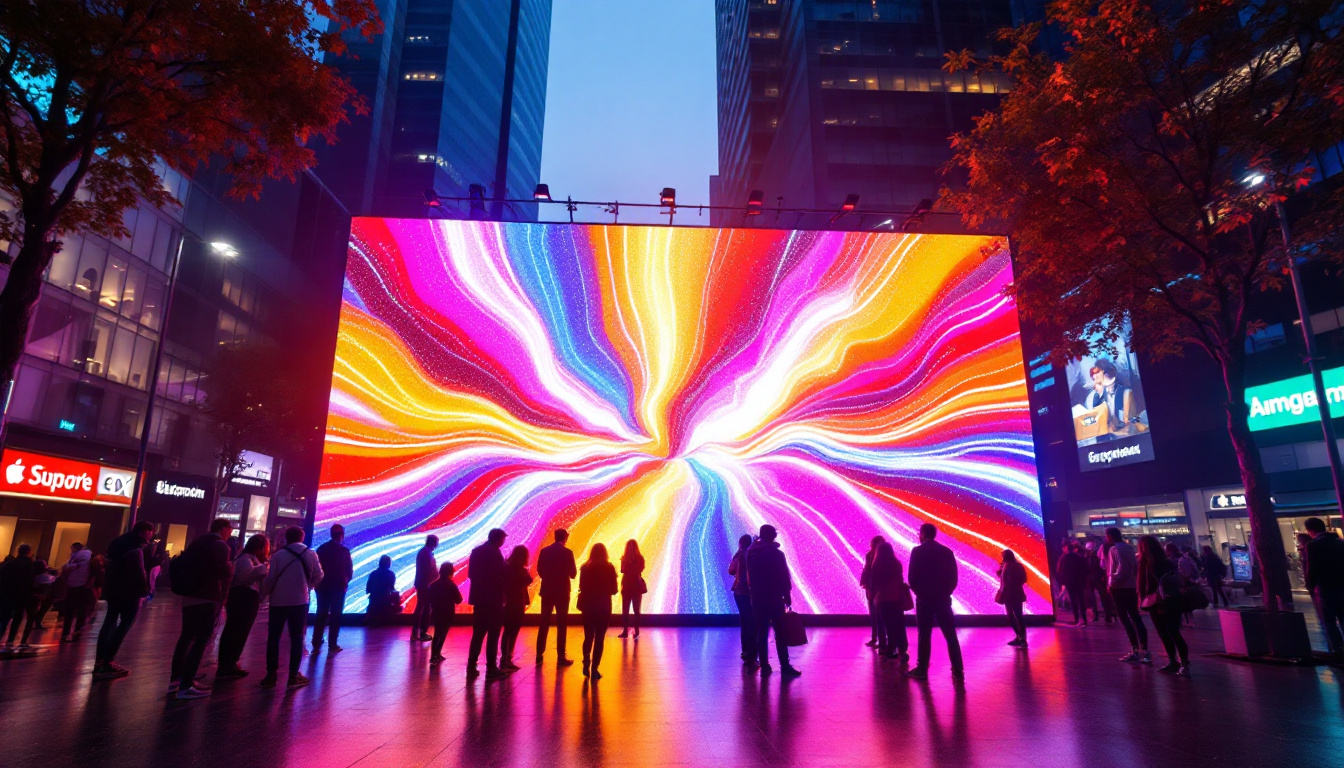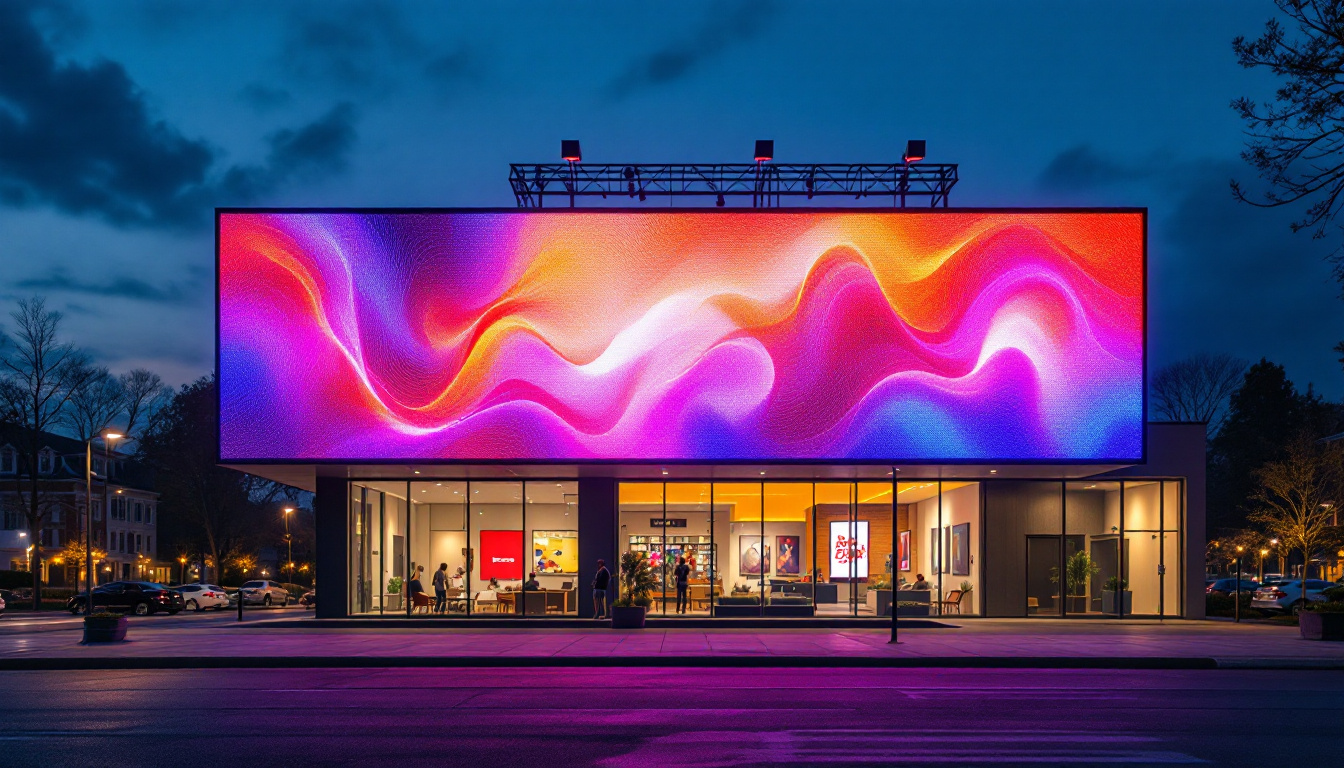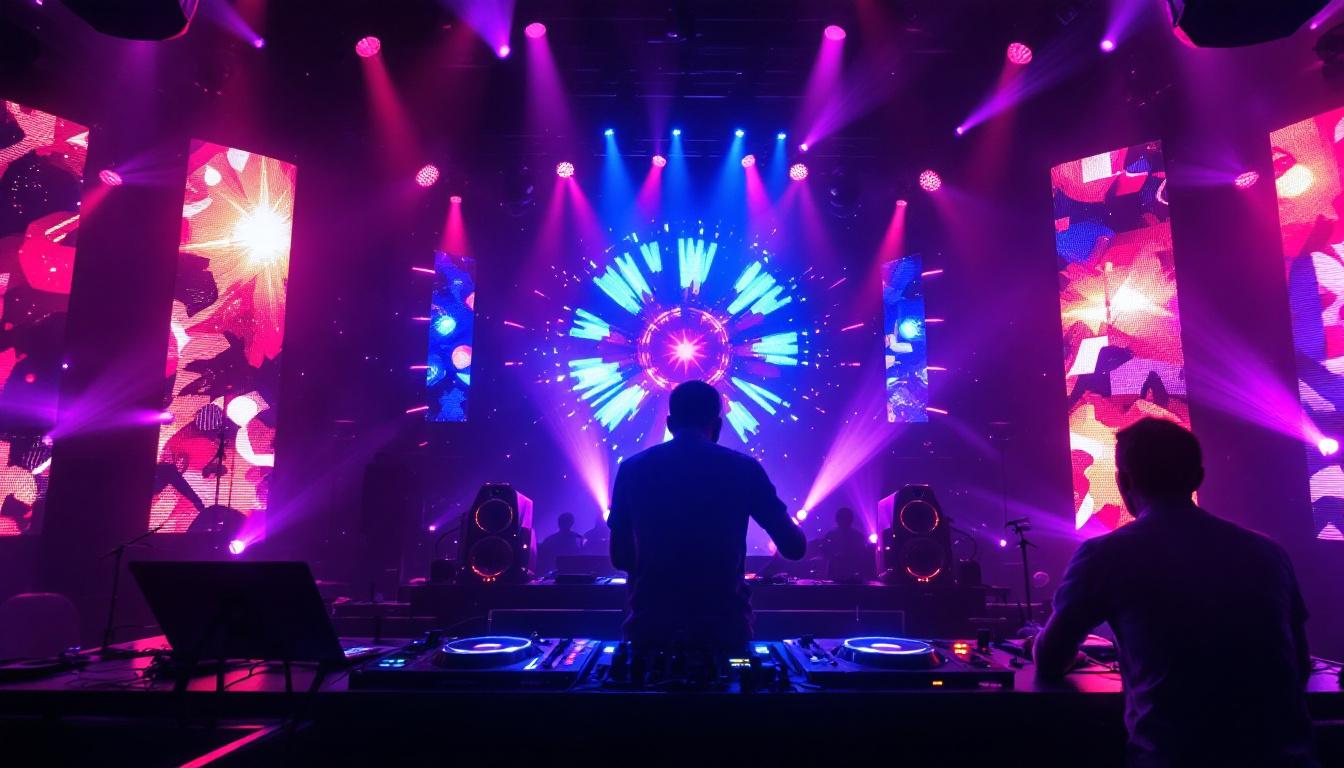
In the dynamic world of live entertainment, DJs have become more than just music mixers; they are visual performers who create immersive experiences. One of the most transformative tools in this evolution is the LED display. From pulsating beats to vibrant visuals, LED displays have revolutionized how DJs engage with their audiences. This article delves into the technology behind DJ LED displays, their types, applications, and how they are shaping the future of live performances.
Understanding LED Display Technology
LED stands for Light Emitting Diode, a semiconductor device that emits light when an electric current passes through it. LED displays use thousands, sometimes millions, of these tiny diodes to create images, videos, and animations. Unlike traditional screens that rely on backlighting, LEDs produce their own light, resulting in brighter and more vivid visuals. This self-illuminating property not only enhances visibility but also allows for greater flexibility in design, making LED displays a popular choice for various applications, from advertising billboards to intricate stage backdrops.
The core advantage of LED technology lies in its efficiency and versatility. LEDs consume less power, have longer lifespans, and offer superior color accuracy compared to older display technologies like LCD or plasma. For DJs, this means their visual setups can be both spectacular and reliable, even in challenging environments like outdoor festivals or dimly lit clubs. Additionally, the lightweight nature of LED panels allows for easier transportation and setup, enabling artists to create dynamic visual experiences without the burden of heavy equipment.
How LED Displays Work
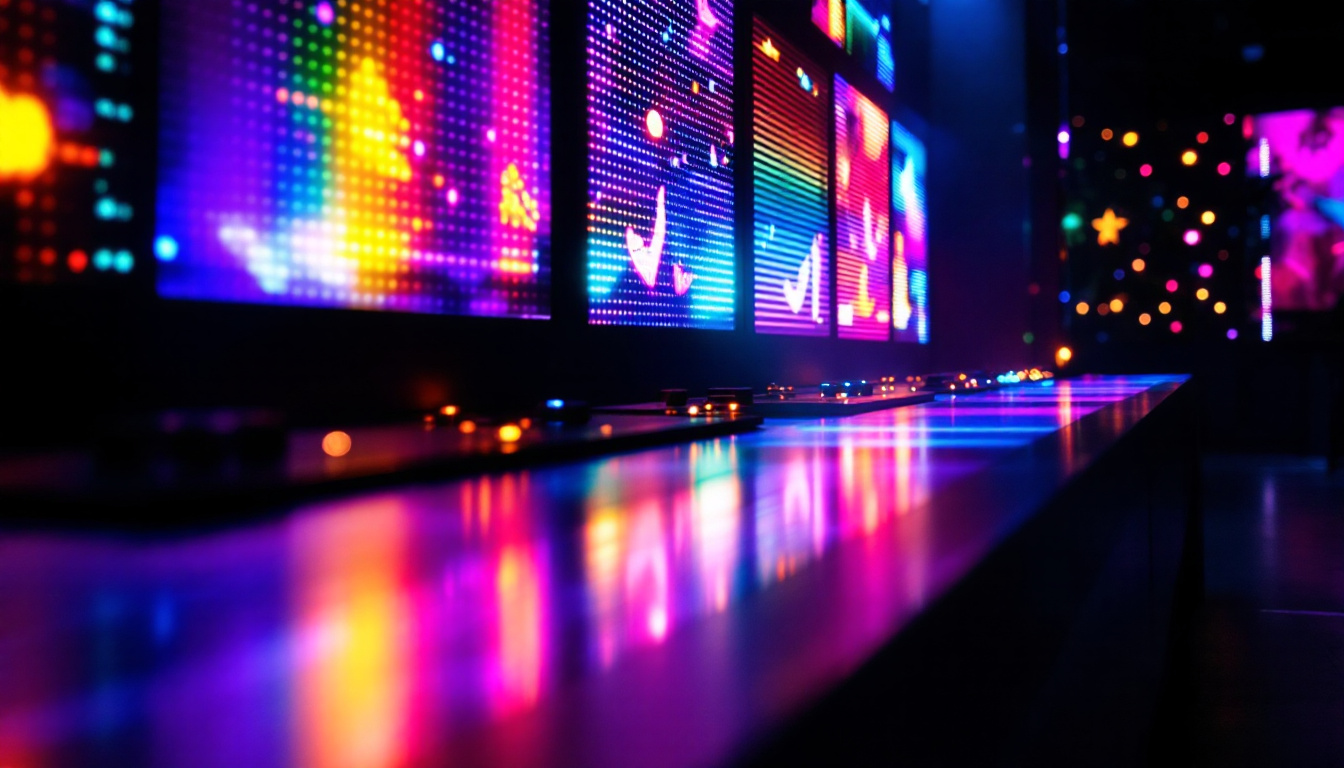
Each pixel in an LED display is composed of red, green, and blue diodes. By adjusting the intensity of these three colors, the display can produce a full spectrum of colors. The pixels are arranged in a grid, and the resolution depends on the pixel pitch—the distance between the centers of two adjacent pixels. Smaller pixel pitches yield higher resolution and sharper images, which is critical when the audience is close to the display. This precision is particularly important in venues where the audience is engaged and immersed in the performance, as it ensures that every detail of the visuals can be appreciated.
Modern LED displays are controlled by sophisticated software that synchronizes visuals with music, lighting, and other stage effects. This integration allows DJs to craft a multisensory experience that enhances the emotional impact of their sets. Furthermore, advancements in technology have led to the development of interactive LED displays that respond to audience movements or input, creating an engaging and participatory atmosphere. This capability transforms the traditional DJ performance into an interactive spectacle, where the visuals are not just a backdrop but a central part of the experience, inviting the audience to become part of the show.
Types of LED Displays Used by DJs
DJ LED displays come in various forms, each suited to different performance styles, venues, and budgets. Understanding these types helps DJs and event organizers choose the right setup for their needs.
Indoor LED Panels
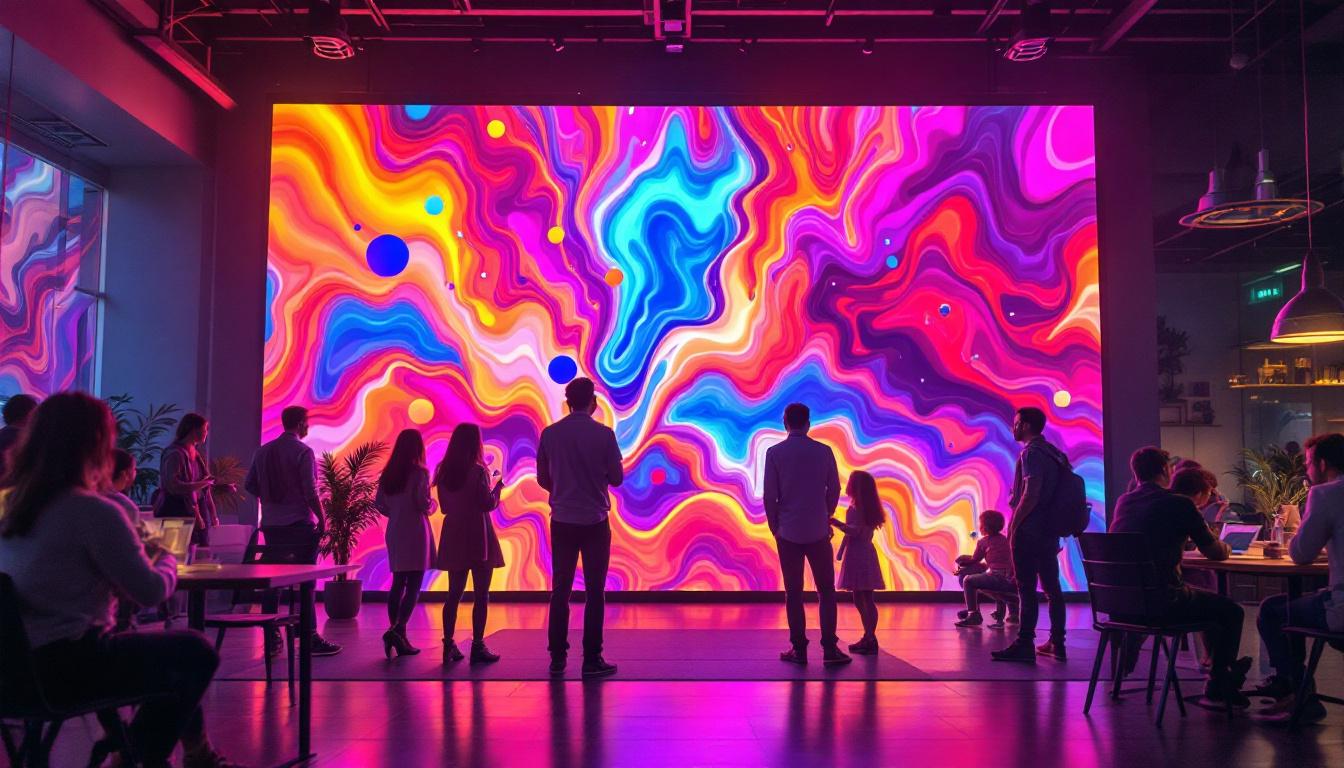
Indoor LED panels are designed for environments like clubs, concert halls, and theaters. They typically feature a small pixel pitch (ranging from 1.2mm to 4mm), offering high resolution and crisp visuals. These panels are lightweight and modular, allowing for flexible configurations such as walls, ceilings, or even DJ booth facades.
Because indoor venues often have controlled lighting, these displays don’t need to be as bright as outdoor models but must excel in color accuracy and refresh rate to avoid flickering on camera feeds. Additionally, many indoor LED panels come equipped with advanced features like video processing capabilities, allowing DJs to synchronize visuals with music beats, creating a more immersive experience for the audience. The ability to customize content in real-time also enables DJs to tailor their shows to different themes or moods, enhancing the overall atmosphere of the event.
Outdoor LED Screens
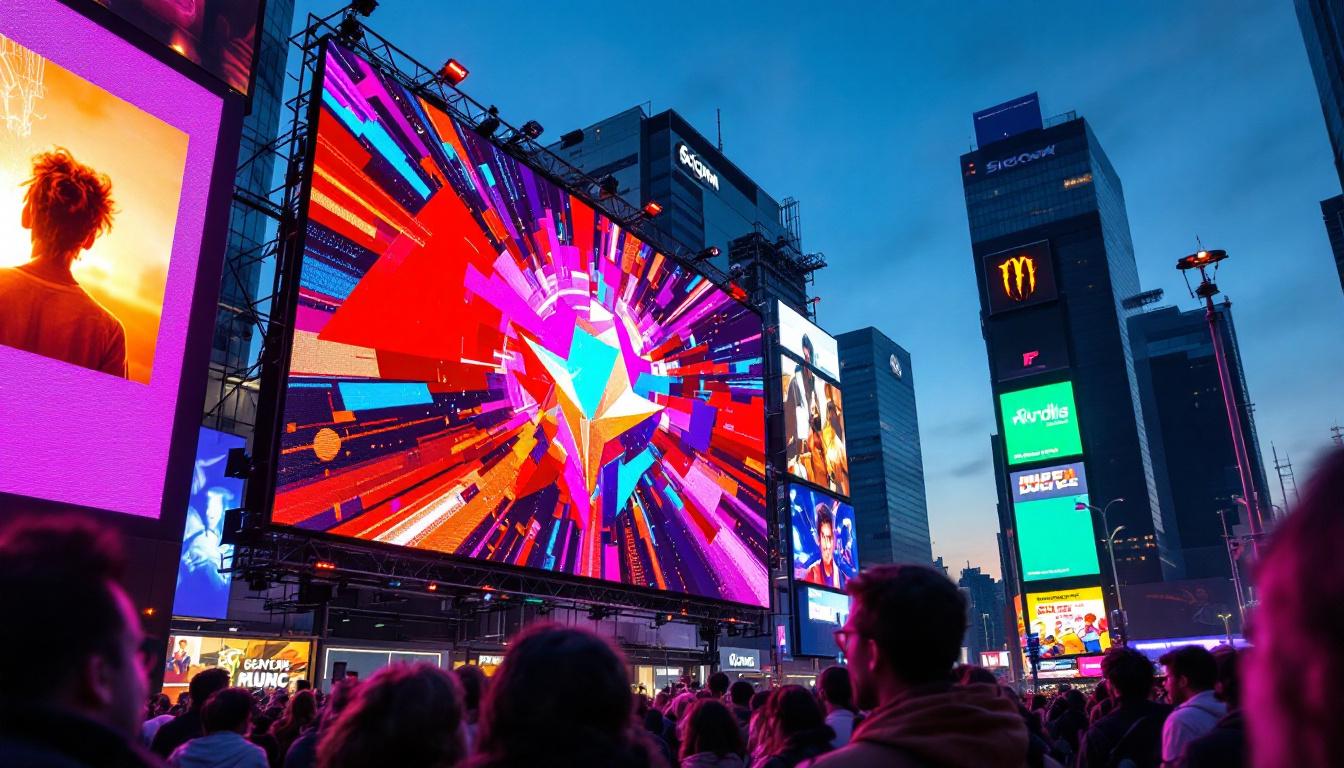
Outdoor LED screens are built to withstand weather conditions such as rain, wind, and sunlight. They usually have a larger pixel pitch (from 4mm to 10mm or more), which is acceptable since audiences view them from greater distances. Their brightness levels are significantly higher—often exceeding 5,000 nits—to remain visible even under direct sunlight.
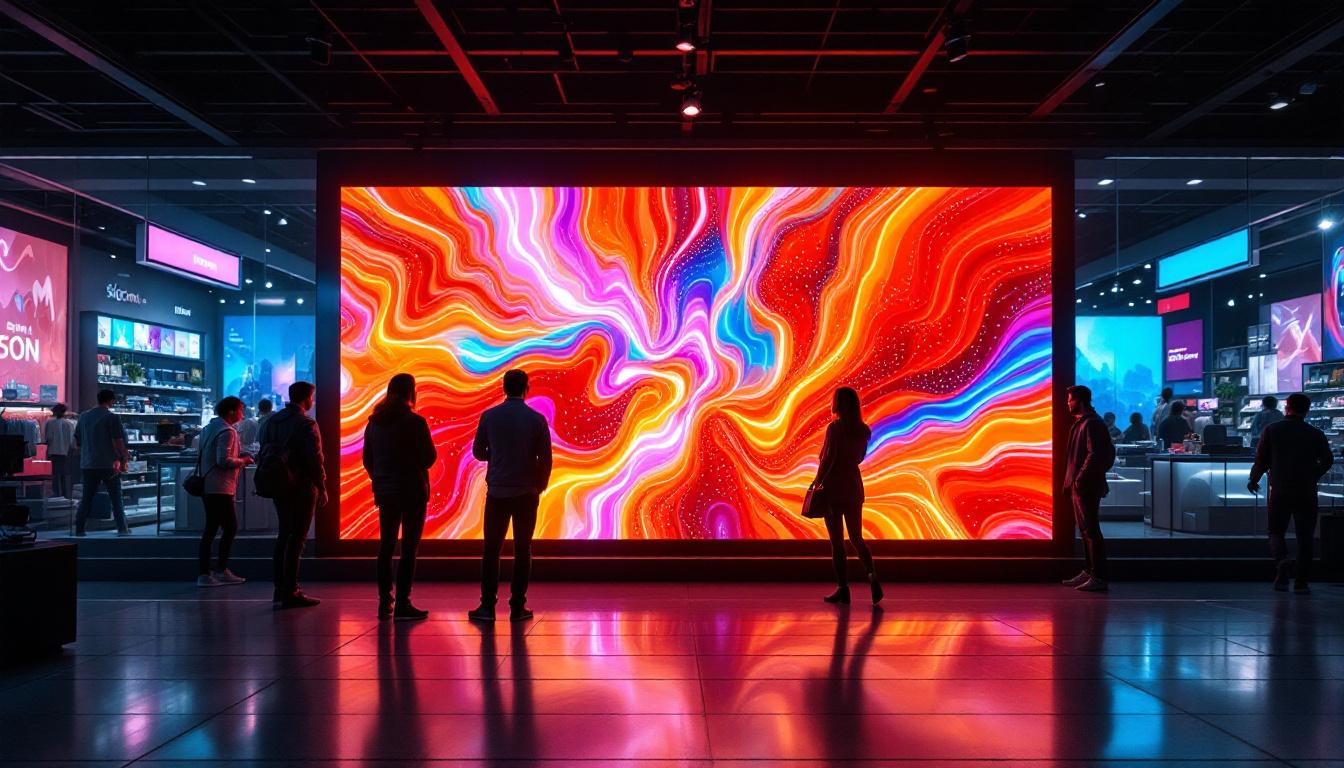
For large-scale music festivals and open-air events, outdoor LED screens provide expansive canvases for visuals that complement the music and energize massive crowds. These screens can also incorporate advanced technologies such as 3D mapping and augmented reality, further enhancing the visual spectacle. As DJs perform, they can project vibrant animations, live feeds, or interactive elements that engage the audience, creating a multi-sensory experience that resonates long after the event has ended. The use of outdoor LED screens has transformed the landscape of live performances, allowing for larger-than-life displays that captivate and inspire.
Flexible and Curved LED Displays
Innovations in LED technology have introduced flexible and curved displays, allowing DJs to break away from traditional flat screens. These displays can wrap around DJ booths, hang in dynamic shapes, or form immersive environments that envelop the audience.
Flexible LED displays often use smaller, lightweight modules and can be customized to fit unique stage designs. This adaptability opens new creative possibilities, enabling DJs to integrate visuals seamlessly into their performance aesthetics. Moreover, the ability to create curved surfaces allows for a more engaging visual experience, as the content can be designed to flow around the audience, drawing them into the performance. This technology not only enhances the visual appeal but also encourages interaction, as viewers can experience the show from multiple angles, making each perspective unique. As the demand for innovative stage designs grows, flexible and curved LED displays are becoming essential tools for DJs looking to push the boundaries of their performances.
Applications of LED Displays in DJ Performances
LED displays have become indispensable in modern DJ performances, serving multiple roles that enhance both the artist’s expression and audience engagement.
Visual Storytelling and Branding
Beyond just showing abstract visuals or light patterns, LED displays allow DJs to tell stories and reinforce their brand identity. Customized animations, logos, and thematic content can be displayed in sync with the music, creating a cohesive narrative that resonates with fans.
For example, renowned DJs often use their signature colors and motifs on LED screens, making their performances instantly recognizable. This visual branding helps build a stronger connection with the audience and increases memorability.
Interactive and Reactive Visuals
Advances in software have enabled LED displays to react in real-time to audio inputs or audience interactions. Visuals can pulse, shift, or morph based on the beat, volume, or specific frequencies of the music. Some setups even incorporate motion sensors or cameras to respond to crowd movements.
This interactivity transforms passive spectators into active participants, heightening the energy in the venue and making each performance unique.
Enhancing Atmosphere and Ambiance
Lighting and visuals are crucial for setting the mood at any event. LED displays can simulate environments—from cosmic galaxies to urban landscapes—that complement the music genre and event theme. By controlling color schemes and animation styles, DJs can guide the emotional journey of their audience throughout the set.
Moreover, LED displays can be synchronized with other stage elements such as lasers, fog machines, and pyrotechnics, creating a fully immersive sensory experience.
Choosing the Right LED Display for Your DJ Setup
Selecting the ideal LED display involves balancing technical specifications, venue requirements, and budget constraints. Here are key factors to consider:
Resolution and Pixel Pitch
The resolution determines the clarity of the displayed content. For close-range viewing, such as in clubs or small venues, a smaller pixel pitch (1.2mm to 3mm) is recommended to ensure sharp images. For larger venues or outdoor events where the audience is farther away, a larger pixel pitch is acceptable.
Brightness and Contrast
Brightness is measured in nits, and higher values are essential for outdoor or brightly lit environments. Indoor displays typically require 800 to 1,500 nits, while outdoor screens may need 5,000 nits or more. Contrast ratio affects how well the display can render dark scenes, which is important for visual depth and detail.
Refresh Rate and Viewing Angle
A high refresh rate (above 3,000 Hz) prevents flicker, especially important for video recording and live streaming. Viewing angle determines how well the display can be seen from different positions in the venue. Wide viewing angles ensure that visuals are clear for all audience members, not just those directly in front of the screen.
Portability and Installation
DJs who tour frequently need LED displays that are lightweight, modular, and easy to assemble. Some manufacturers offer rental-friendly systems designed for quick setup and teardown. Fixed installations, such as permanent club setups, can prioritize durability and integration with existing infrastructure.
The Future of DJ LED Displays
As technology advances, the role of LED displays in DJ performances continues to expand. Emerging trends include:
Higher Resolution and Miniaturization
MicroLED technology is on the horizon, promising even smaller pixel pitches and higher brightness with lower power consumption. This will allow DJs to create ultra-high-definition visuals that are sharper and more vibrant than ever before.
Augmented Reality (AR) Integration
Combining LED displays with AR could enable DJs to project 3D holograms or interactive elements that blend physical and digital realms. This fusion would elevate live performances to unprecedented levels of immersion and creativity.
AI-Driven Visuals
Artificial intelligence is beginning to play a role in generating and adapting visuals in real-time based on audience reactions, music style, and environmental factors. AI-powered LED displays could personalize experiences for different audiences, making each show uniquely tailored.
Conclusion
DJ LED displays are more than just screens; they are integral components of modern live performances that blend technology, art, and music. Understanding the fundamentals of LED technology, the types of displays available, and their applications allows DJs and event producers to harness their full potential. As LED technology continues to evolve, it will undoubtedly open new horizons for creativity, interactivity, and audience engagement in the world of DJing.
Whether performing at an intimate club or a massive festival, the right LED display setup can transform a DJ’s set into an unforgettable audiovisual journey, captivating audiences and setting new standards for live entertainment.
Illuminate Your Performance with LumenMatrix
Ready to elevate your DJ sets and live performances to new heights? Discover LumenMatrix’s advanced LED display modules, designed to bring your creative vision to life with unparalleled brightness, clarity, and dynamism. Whether you’re looking to captivate a club with an Indoor LED Wall Display, energize an outdoor festival with a high-impact Outdoor LED Wall Display, or innovate with Custom LED solutions, LumenMatrix has you covered. Embrace the future of visual storytelling and audience engagement. Check out LumenMatrix LED Display Solutions and transform your next event into an unforgettable audiovisual spectacle.