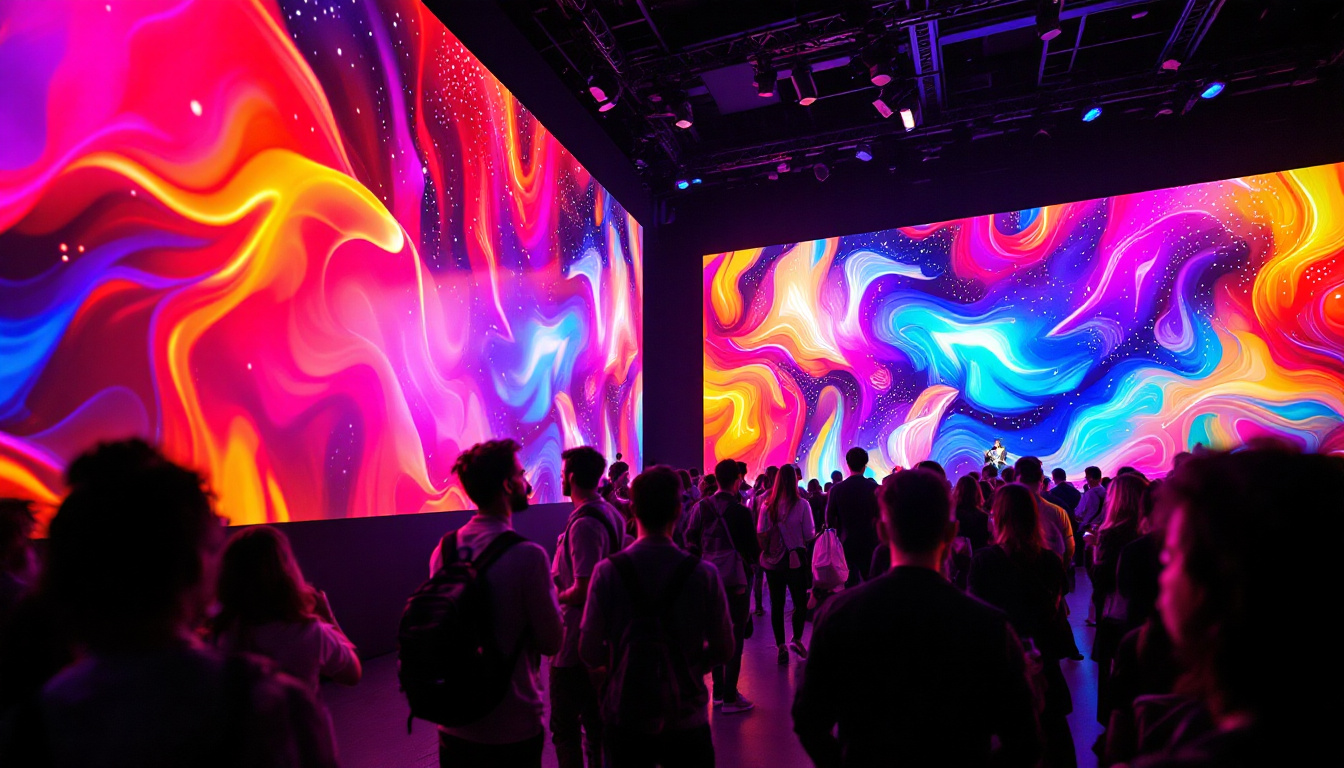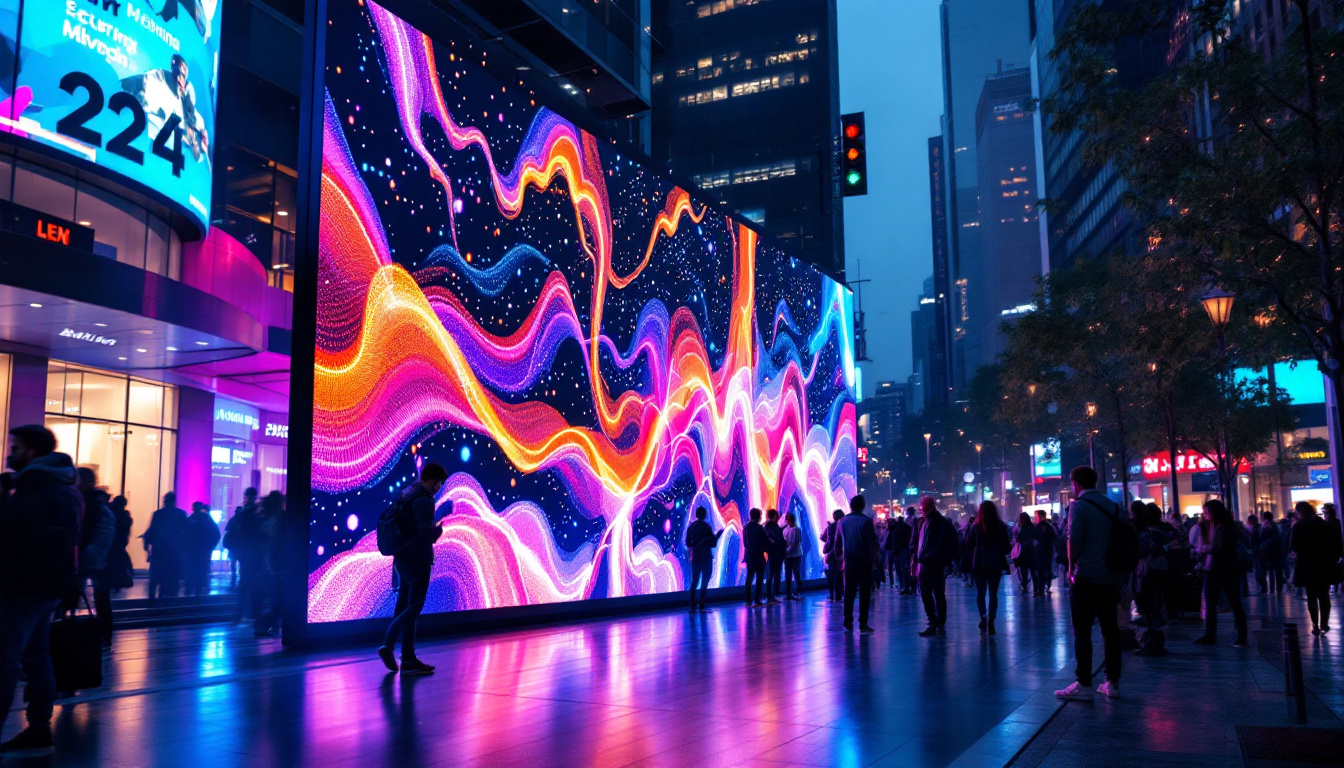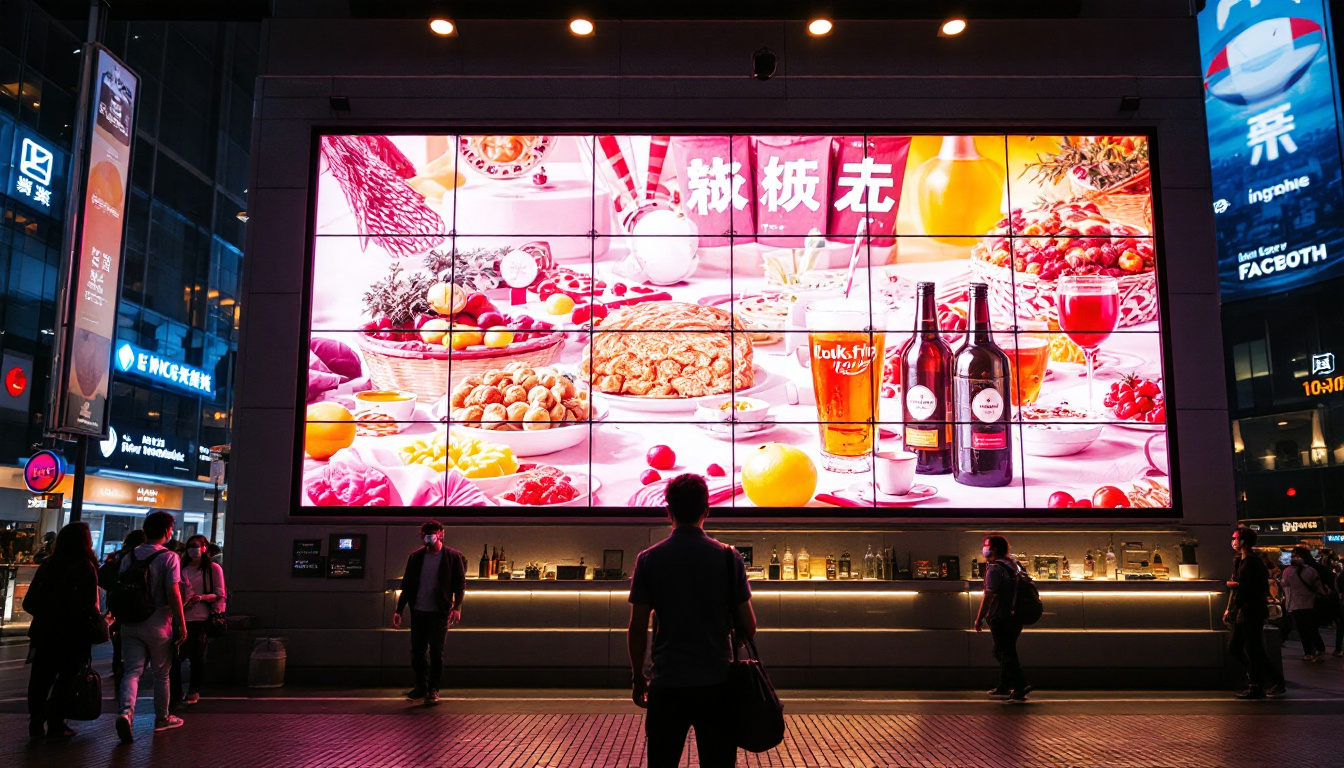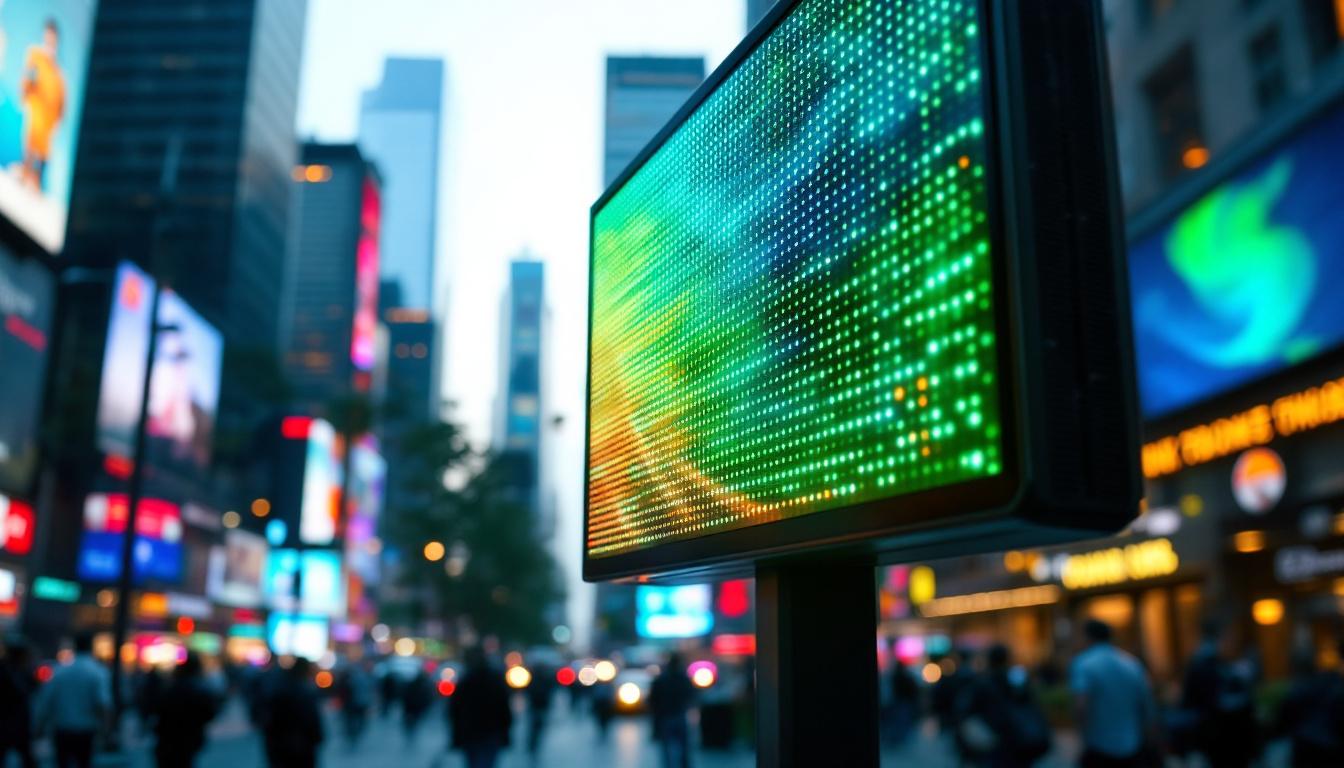
Outdoor lighting technology has evolved dramatically over the past decade, transforming the way we illuminate buildings, landscapes, and public spaces. Among the most innovative and versatile solutions are projection lights and LED displays. These technologies not only enhance visibility but also add aesthetic value, making them popular choices for events, advertising, and architectural lighting.
This article delves into the world of outdoor projection lights and LED displays, explaining their technology, applications, benefits, and considerations for selecting the right system. Whether you are a city planner, event organizer, or business owner, understanding these lighting solutions will help you make informed decisions for your outdoor lighting needs.
Understanding Outdoor Projection Lights
What Are Projection Lights?
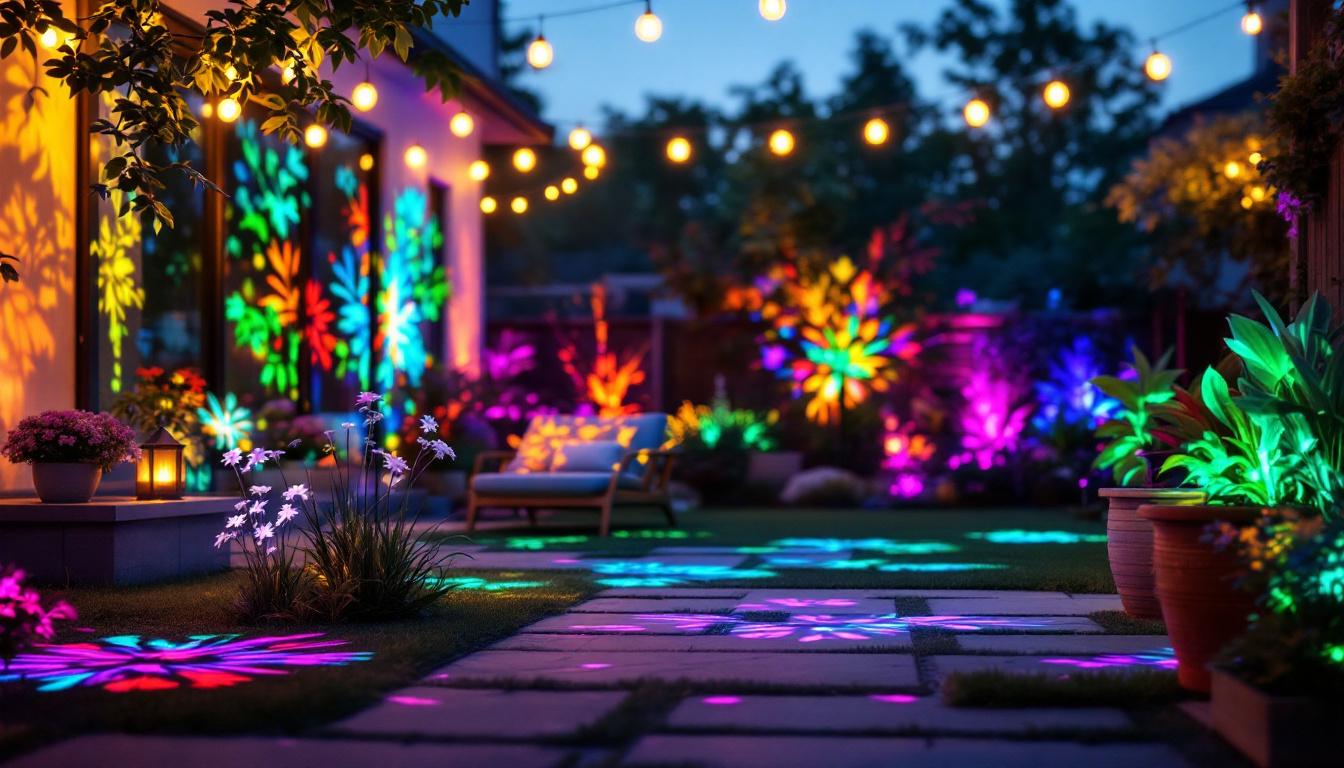
Projection lights, also known as outdoor projectors, are devices that cast images, patterns, or videos onto surfaces such as walls, buildings, or landscapes. Unlike traditional lighting that simply illuminates an area, projection lights create dynamic visual effects by projecting specific content. This technology is widely used for advertising, festive decorations, art installations, and even wayfinding in large outdoor spaces. For instance, during holiday seasons, projection lights can transform the exterior of a home into a winter wonderland, displaying snowflakes or festive scenes that captivate the attention of passersby.
Modern projection lights use high-intensity lamps or LEDs combined with lenses and mirrors to focus and direct the light. The image source can be static, like a logo or pattern, or dynamic, such as animated videos or interactive displays. Outdoor projectors are designed to withstand weather conditions, including rain, wind, and temperature fluctuations, ensuring reliable performance. Many models come equipped with features such as remote control operation and programmable settings, allowing users to customize their displays for different occasions or themes. This versatility makes them a popular choice for event planners and businesses looking to enhance their outdoor spaces.
Types of Outdoor Projection Lights
There are several types of outdoor projection lights, each suited to different applications:
- Gobo Projectors: These projectors use a stencil or template (gobo) to cast specific shapes or logos. They are commonly used for branding and decorative lighting. Gobo projectors can be particularly effective for creating a memorable atmosphere at weddings or corporate events, where personalized designs can be projected onto venue walls.
- Video Projectors: Capable of displaying full-motion videos and complex animations, these projectors are ideal for large-scale events and artistic displays. They can be used in outdoor film screenings, concerts, or festivals, where engaging visuals play a crucial role in the overall experience.
- Laser Projectors: Utilizing laser light sources, these projectors offer high brightness and sharpness, making them suitable for long-distance projections and outdoor shows. Laser projectors are often employed in concerts and public events to create stunning light shows that synchronize with music, captivating audiences with their vivid colors and intricate patterns.
Each type varies in brightness, resolution, and durability, factors that influence their suitability for particular environments. For example, while gobo projectors may be ideal for intimate settings, video projectors are better suited for larger venues where the audience is spread out. Additionally, the choice of projection light can also depend on the desired effect; some may prefer the crispness of laser projectors for sharp graphics, while others might opt for the warmth of LED projectors for a more inviting ambiance. Understanding these nuances can help users select the perfect projection light to achieve their desired visual impact.
LED Displays for Outdoor Use
What Are Outdoor LED Displays?
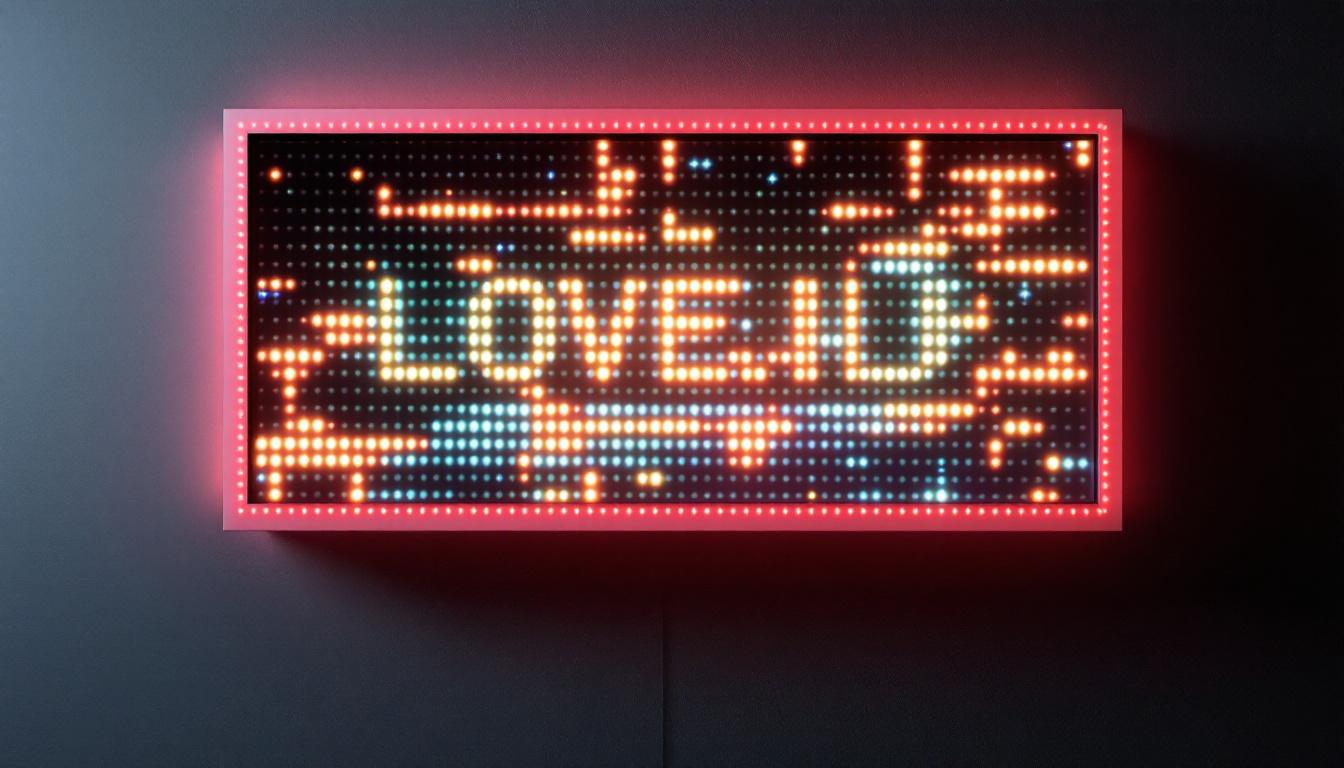
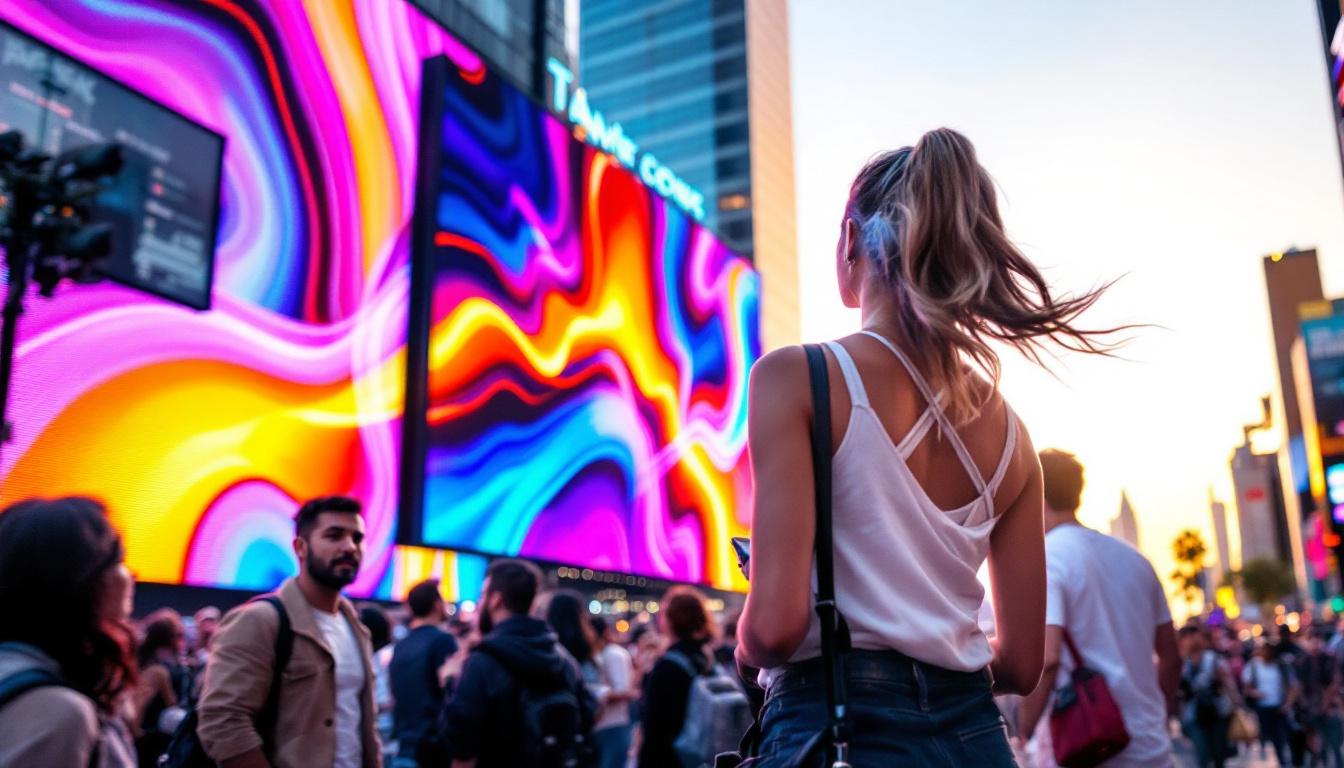
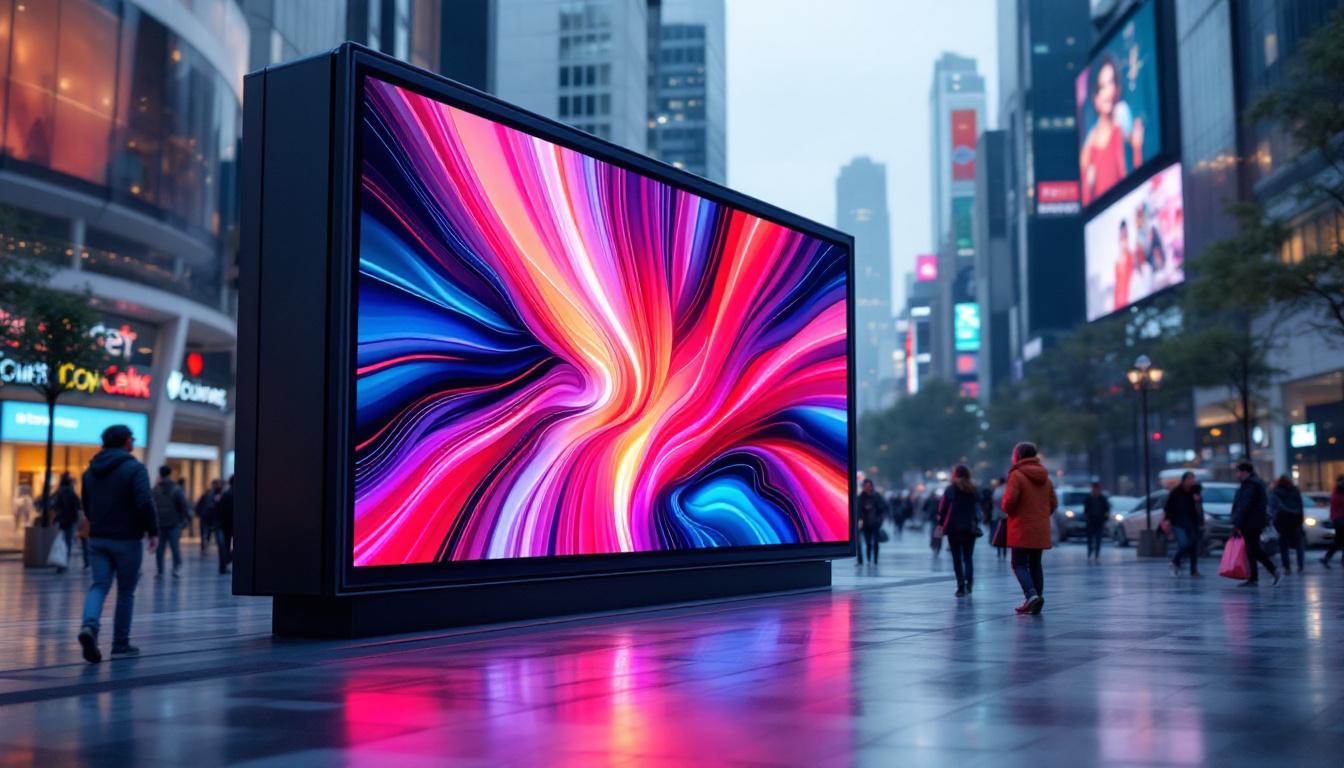
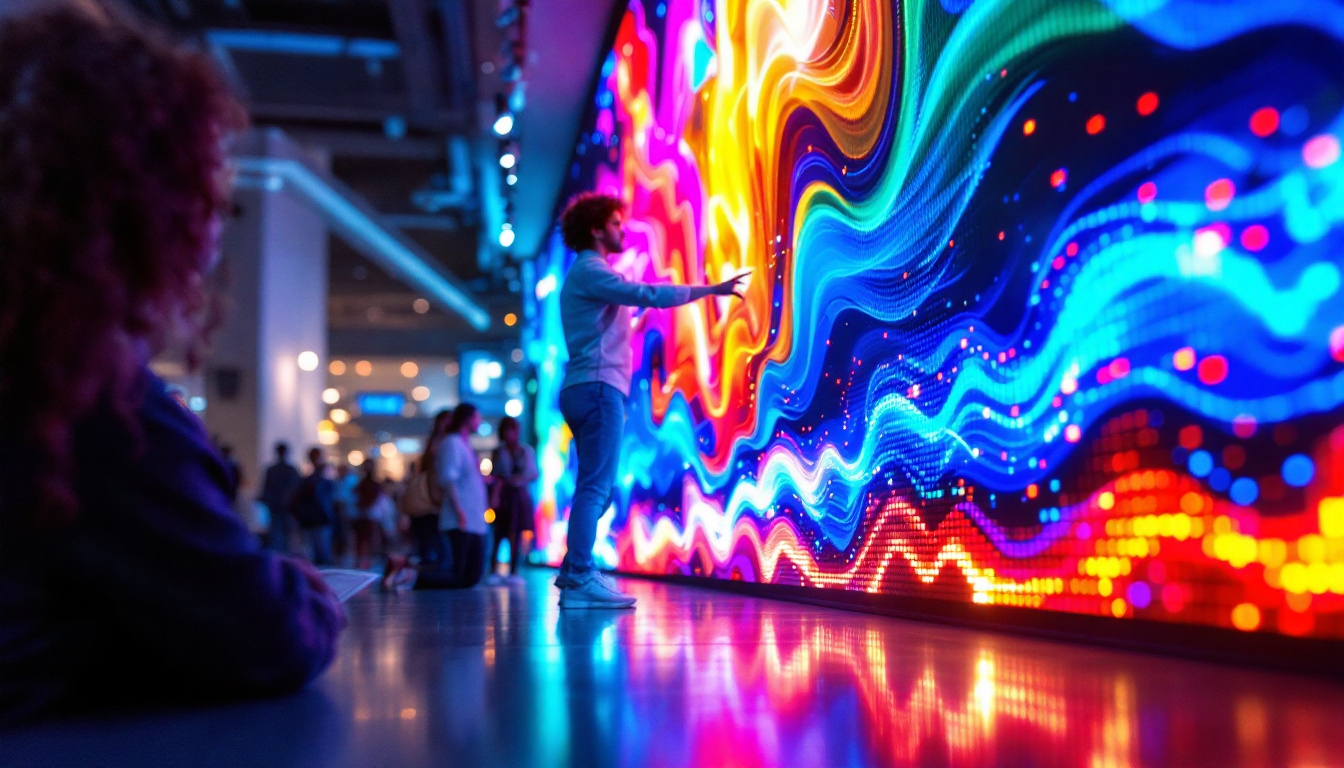
Outdoor LED displays are large electronic screens composed of numerous light-emitting diodes (LEDs) that create images and videos. Unlike projection lights, which cast images onto surfaces, LED displays generate their own light, making them highly visible even in direct sunlight. This self-illumination feature makes LED displays a preferred choice for outdoor advertising, public information boards, and entertainment venues.
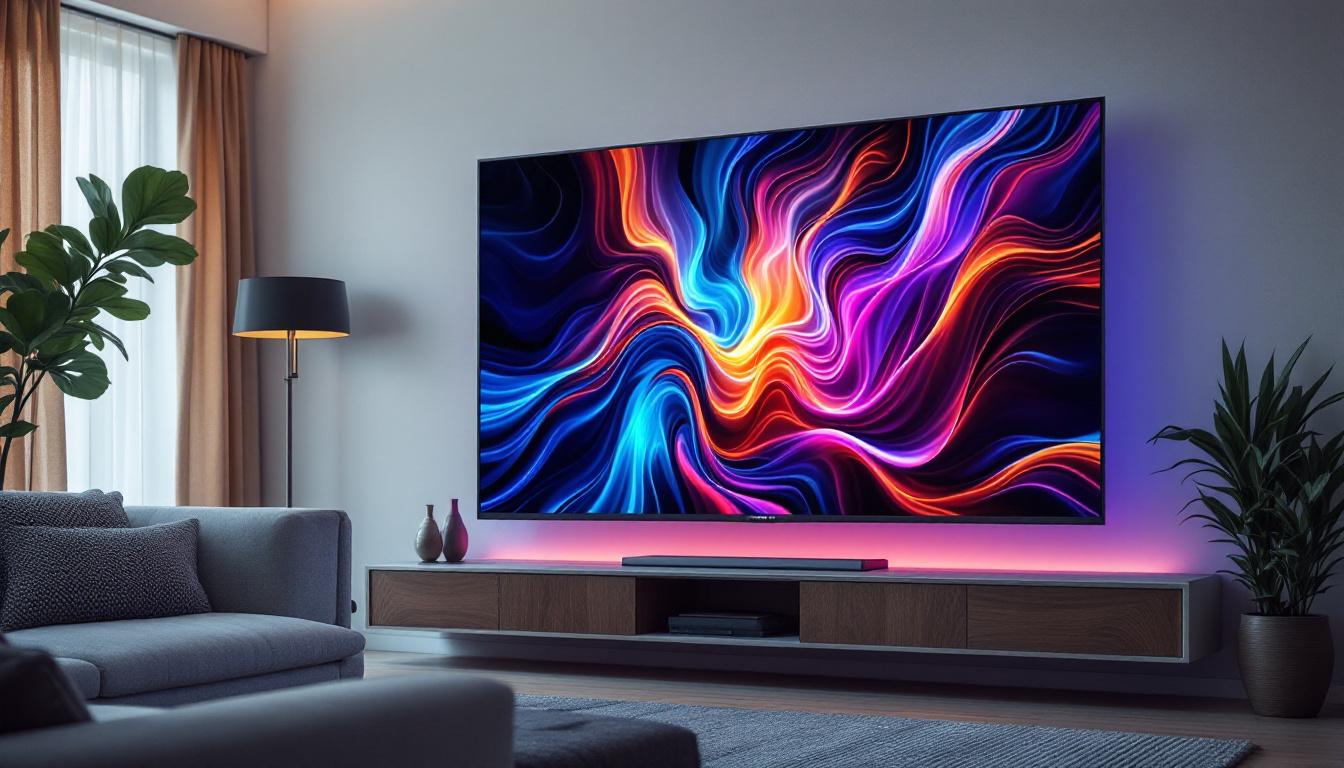
These displays come in various sizes and resolutions, from small digital signs to massive video walls spanning entire building facades. Their modular design allows for flexible installation and maintenance, adapting to different outdoor settings.
Key Features of Outdoor LED Displays
Several characteristics define the effectiveness of outdoor LED displays:
- Brightness: Outdoor LED displays typically offer brightness levels between 5,000 to 10,000 nits, ensuring visibility under bright daylight conditions.
- Weather Resistance: They are built with waterproof and dustproof enclosures (often rated IP65 or higher) to withstand harsh weather.
- Pixel Pitch: This refers to the distance between individual LEDs. Smaller pixel pitches provide higher resolution, suitable for close viewing distances.
- Energy Efficiency: LEDs consume less power compared to traditional lighting, reducing operational costs.
Comparing Projection Lights and LED Displays
Brightness and Visibility
Outdoor LED displays generally surpass projection lights in brightness, making them more visible during daytime and in direct sunlight. Projection lights, while capable of producing vivid images at night or in low-light conditions, can struggle with visibility in bright environments. Therefore, LED displays are often preferred for applications requiring all-day visibility.
Installation and Flexibility
Projection lights offer more flexibility in terms of surface adaptation. They can project onto irregular or textured surfaces, turning almost any outdoor structure into a canvas. LED displays, being physical screens, require flat, stable mounting surfaces and more complex installation. However, their modular nature allows for custom shapes and sizes once installed.
Cost Considerations
Initial costs for projection lights are generally lower than for large LED displays, especially for temporary or seasonal installations. However, LED displays tend to have lower maintenance costs and longer lifespans, making them cost-effective over time. Energy consumption is also typically lower for LED displays, contributing to operational savings.
Content and Interactivity
Projection lights excel in creating immersive, large-scale visual experiences, often used for artistic projections and interactive installations. LED displays, while capable of dynamic content, are more suited for structured messaging, advertising, and information dissemination. Both technologies support digital content management systems, enabling quick updates and customization.
Applications of Outdoor Projection Lights and LED Displays
Architectural and Landscape Lighting
Projection lights are frequently used to highlight architectural features, projecting patterns or colors that enhance a building’s aesthetic appeal. For example, during festivals or special events, projections can transform a plain facade into a vibrant display of light and motion. LED displays, on the other hand, can be integrated into building exteriors to showcase branding or event information.
Advertising and Digital Signage
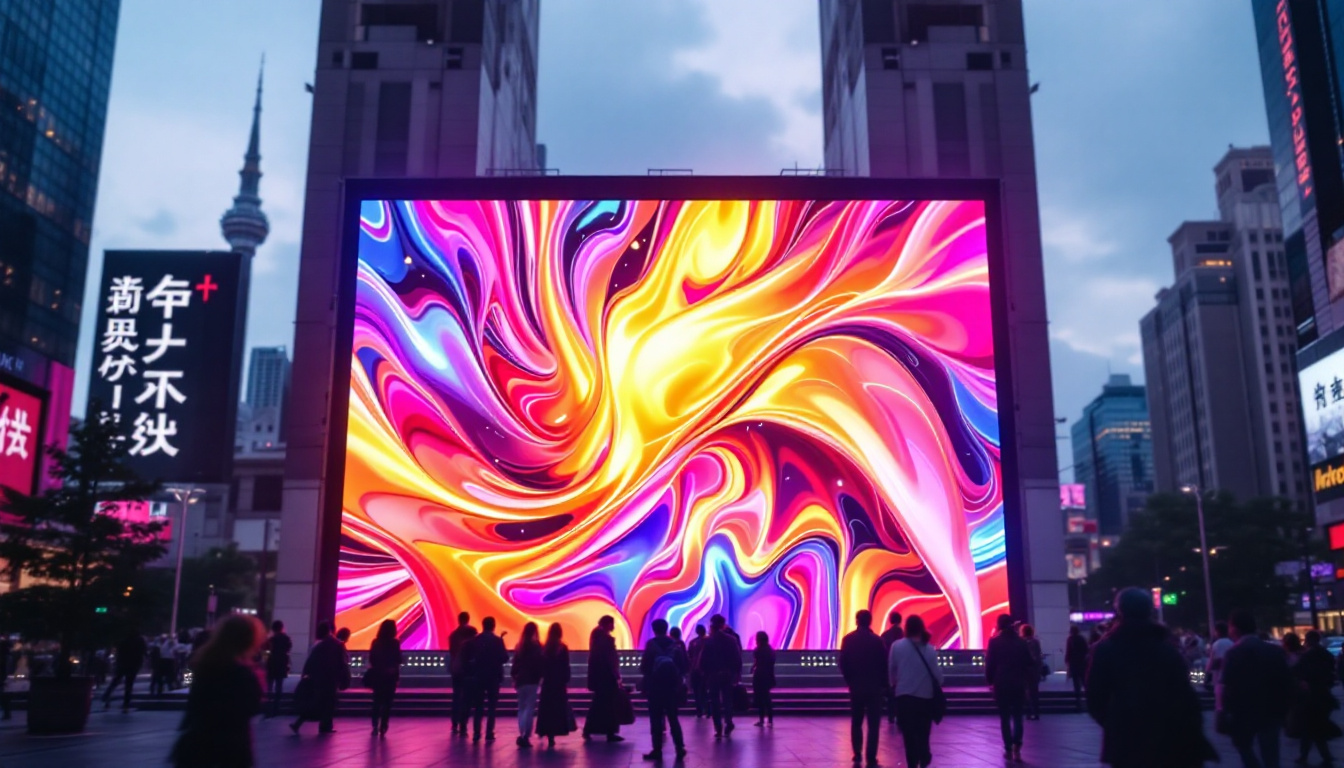
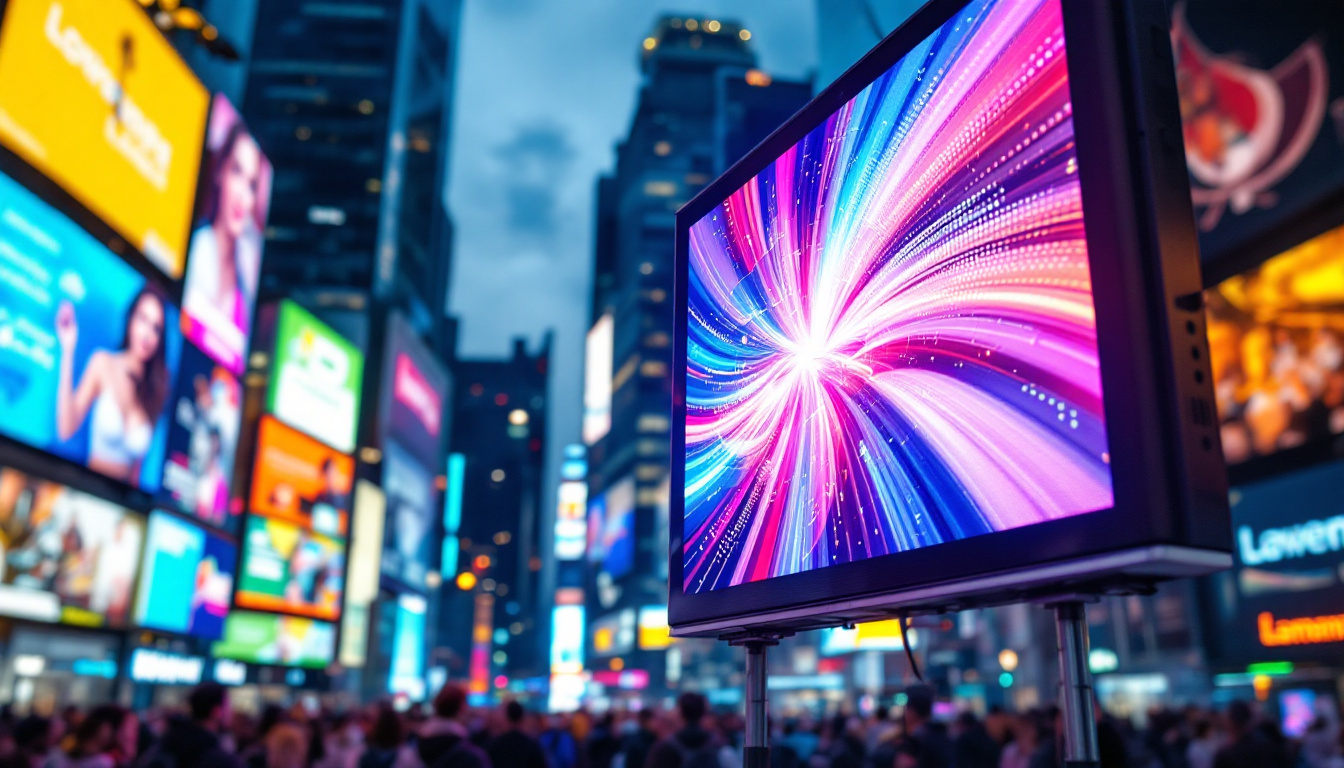
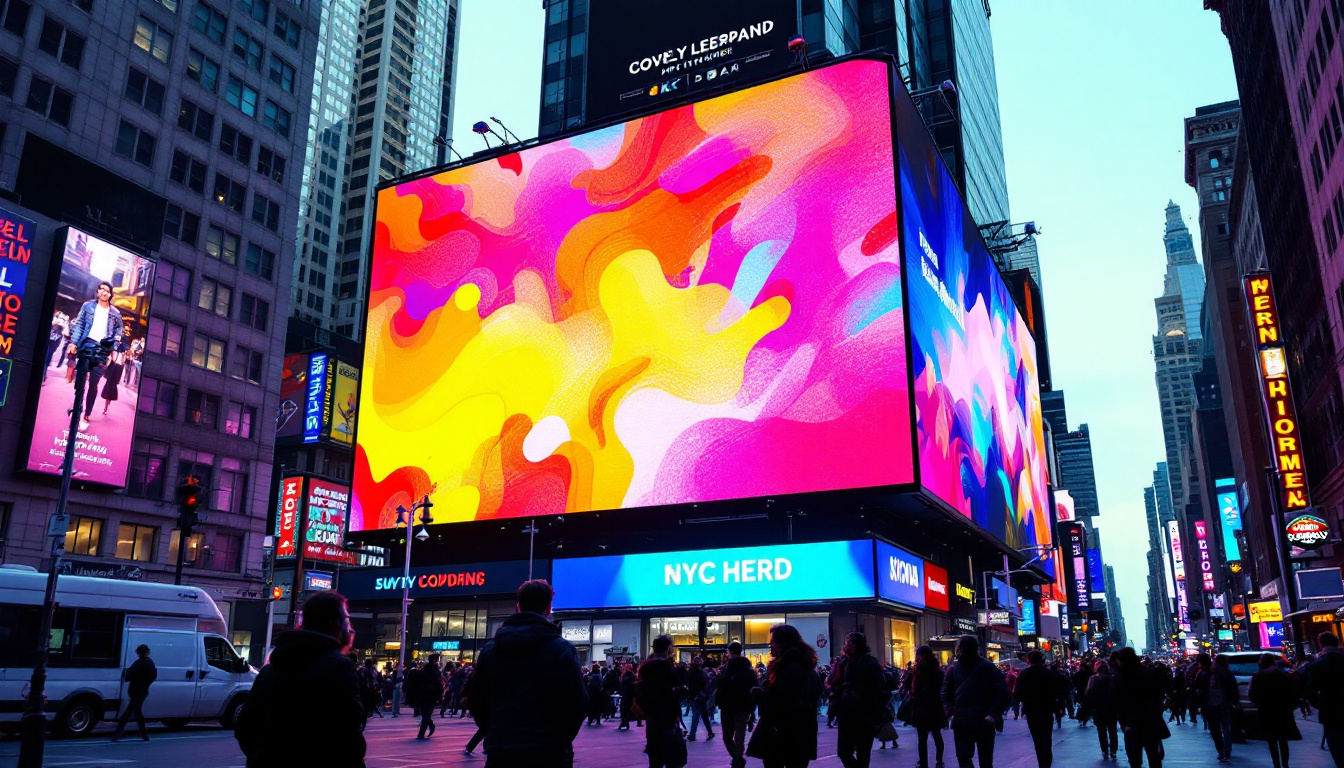
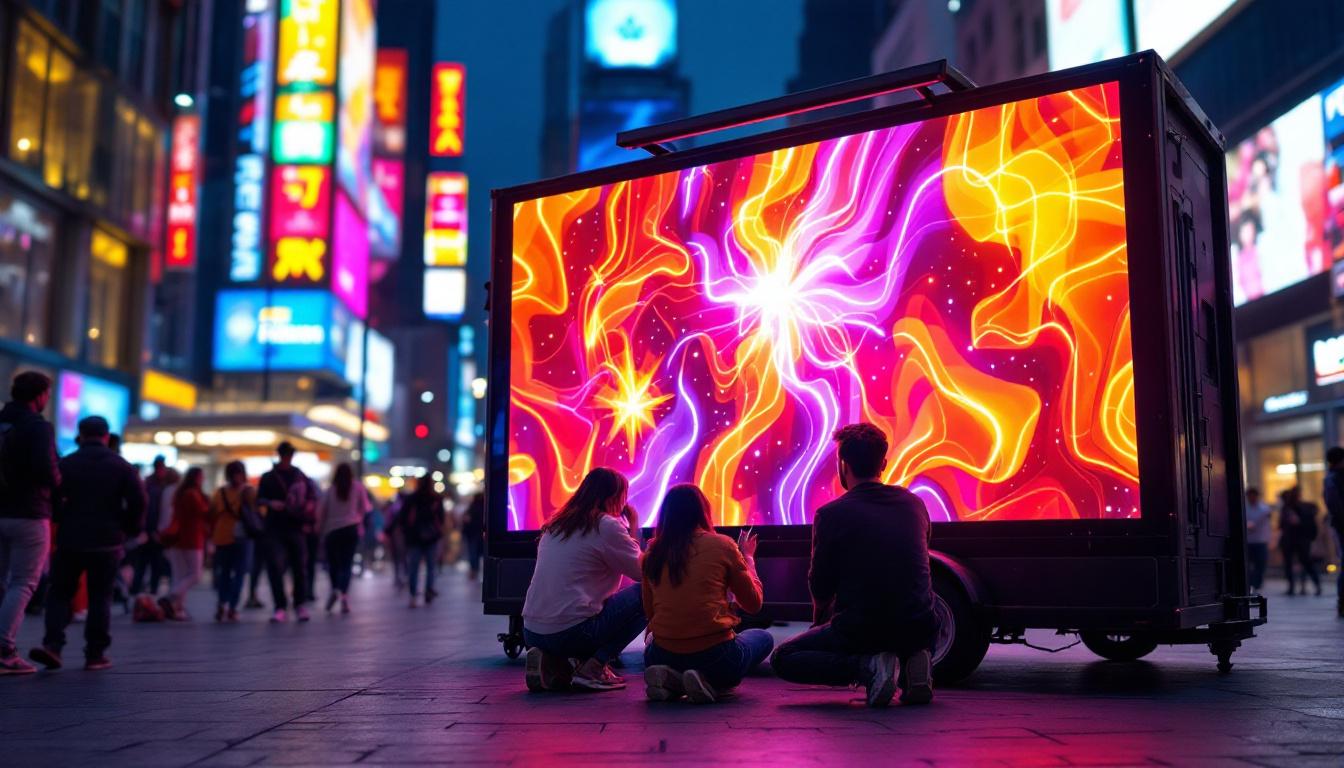
Outdoor LED displays dominate the advertising sector due to their brightness and clarity. From roadside billboards to stadium screens, LED displays capture attention effectively. Projection lights are used for temporary advertising campaigns or pop-up events where installation speed and flexibility are crucial.
Events and Entertainment
Concerts, festivals, and public celebrations benefit from both technologies. Projection lights create immersive environments with dynamic visuals projected onto stages, buildings, or natural landscapes. LED displays provide clear, high-resolution visuals for live feeds, advertisements, and interactive content, enhancing audience engagement.
Public Information and Wayfinding
LED displays serve as effective tools for public information, displaying real-time updates such as weather, traffic, or emergency alerts. Projection lights can also be used creatively for wayfinding by projecting directional arrows or symbols onto pavements or walls, guiding visitors in large outdoor venues.
Choosing the Right Outdoor Lighting Solution
Assessing Environmental Conditions
When selecting between projection lights and LED displays, environmental factors play a critical role. Consider the typical lighting conditions, weather patterns, and surface types at the installation site. LED displays are preferable for sunny, high-traffic areas, while projection lights are ideal for nighttime events or locations where surface projection is desired.
Evaluating Content Needs
Define the type of content you intend to display. For static logos or simple patterns, gobo projectors offer an economical solution. For video content and high-resolution images, LED displays provide superior clarity. If the goal is to create an artistic or immersive experience, projection lights may offer more creative freedom.
Budget and Maintenance
Initial investment and ongoing maintenance costs should be balanced with the expected lifespan and usage frequency. LED displays require a higher upfront cost but offer durability and lower energy consumption. Projection lights can be more cost-effective for short-term or seasonal use but may require more frequent lamp replacements and calibration.
Technical Support and Integration
Consider the availability of technical support and ease of integration with existing systems. Both projection lights and LED displays often come with software for content management, but the complexity and user-friendliness can vary. Ensuring compatibility with your digital infrastructure will streamline operation and content updates.
Future Trends in Outdoor Projection and LED Technology
Advancements in LED Technology
Emerging LED technologies focus on improving brightness, energy efficiency, and resolution. MicroLED displays, which use microscopic LEDs, promise even higher image quality and flexibility in screen size and shape. Additionally, innovations in transparent and flexible LED panels are opening new possibilities for architectural integration.
Laser Projection and Augmented Reality
Laser projection is gaining traction for outdoor use due to its superior brightness and precision. Combined with augmented reality (AR), projection lights can create interactive experiences that blend digital content with the physical environment, enhancing engagement in public spaces and events.
Smart Lighting and IoT Integration
Integration of outdoor lighting with Internet of Things (IoT) technology allows for smarter control, energy management, and adaptive lighting scenarios. Sensors can adjust brightness based on ambient light or crowd presence, optimizing performance and reducing energy consumption.
Conclusion
Outdoor projection lights and LED displays represent two powerful lighting technologies that cater to diverse needs in public spaces, advertising, and entertainment. Understanding their differences, strengths, and limitations is essential for selecting the right solution for your project.
Projection lights offer creative flexibility and are excellent for artistic and temporary installations, while LED displays provide unmatched brightness and clarity for permanent signage and information dissemination. As technology advances, these systems continue to evolve, offering more efficient, versatile, and impactful outdoor lighting solutions.
Investing in the appropriate outdoor lighting technology not only enhances visibility and safety but also transforms spaces into engaging visual experiences that captivate audiences and communicate messages effectively.
Illuminate Your Space with LumenMatrix
Ready to elevate your outdoor space with cutting-edge LED technology? LumenMatrix is at the forefront of LED display innovation, offering a wide array of solutions tailored to your unique needs. From mesmerizing Outdoor LED Wall Displays to dynamic Vehicle LED Displays and beyond, our products are designed to captivate and engage. Discover how our Indoor LED Walls, LED Posters, and Custom LED Displays can transform your visual communication. Embrace the future with LumenMatrix and create unforgettable experiences. Check out LumenMatrix LED Display Solutions today and see your vision come to life.