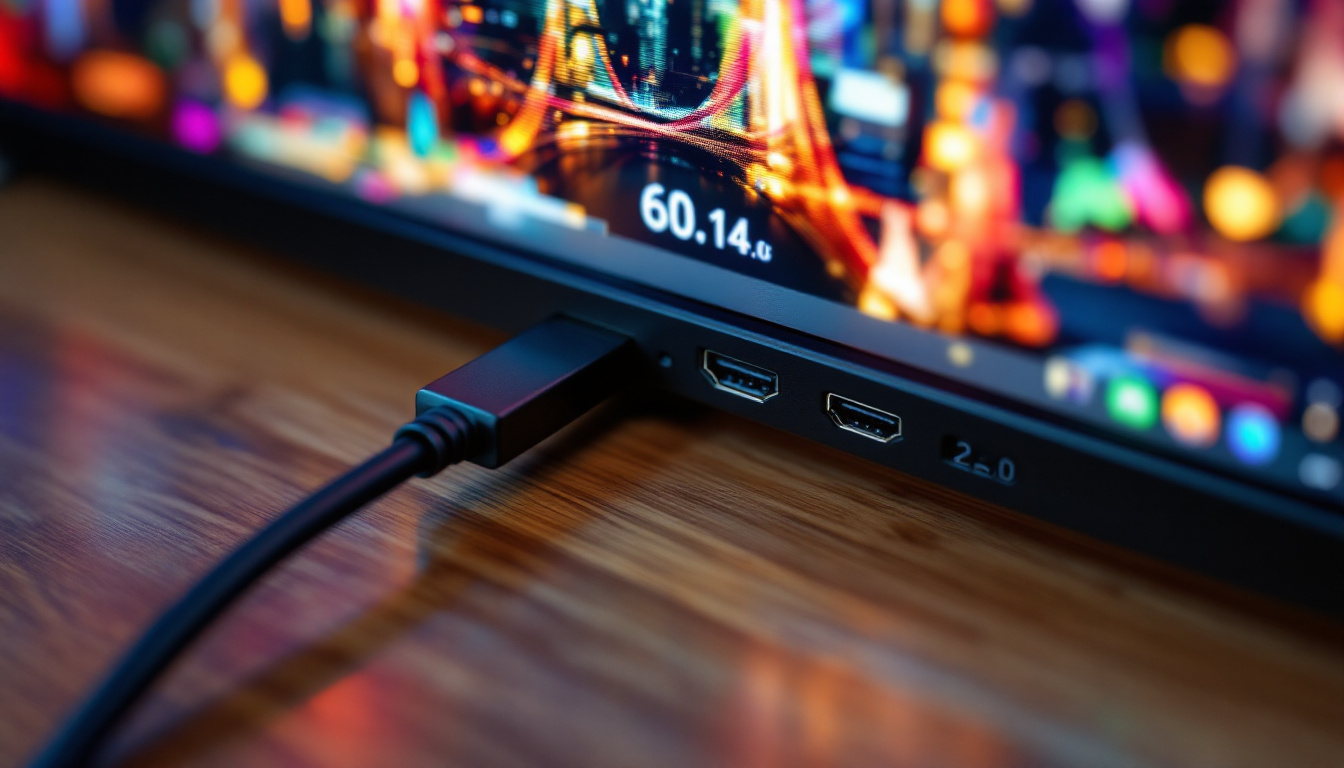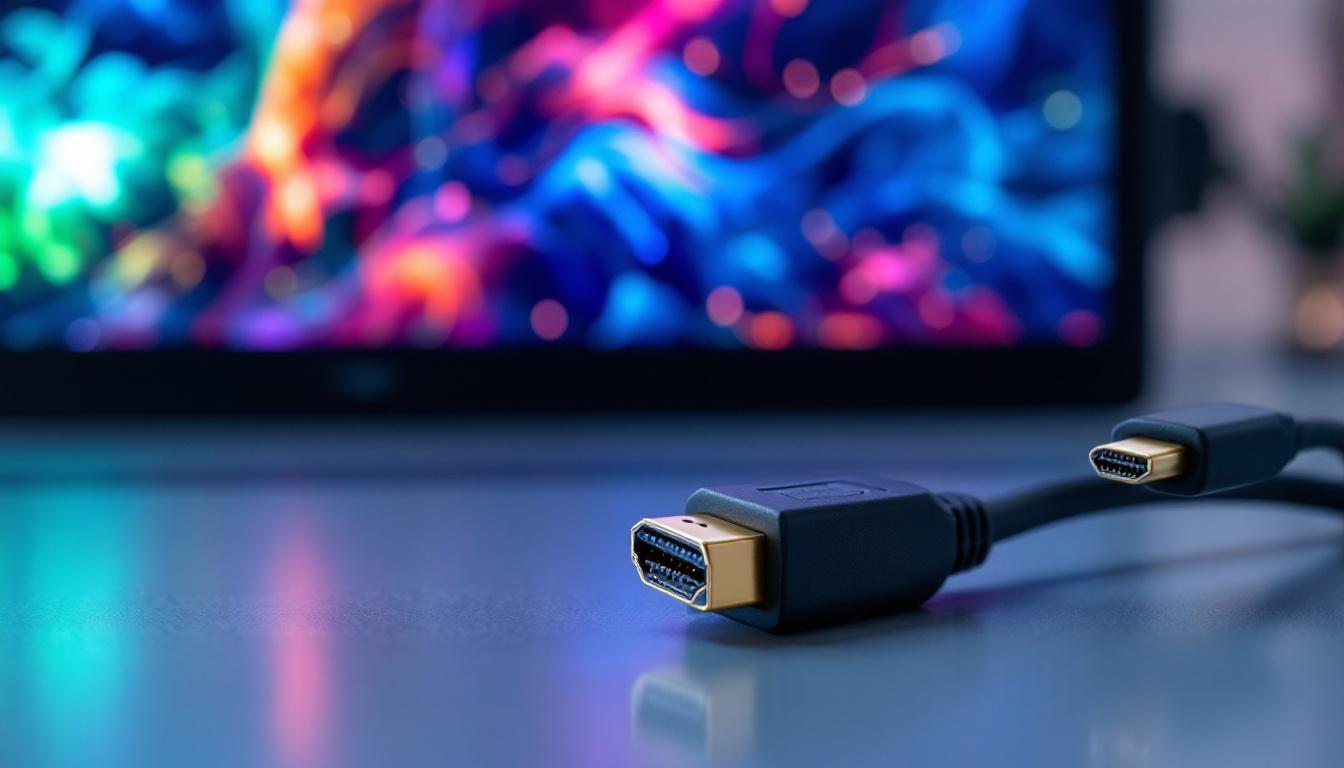
In the world of LED displays and high-definition video transmission, choosing the right interface can significantly impact your viewing experience. Two of the most prominent standards today are DisplayPort 1.4 (DP 1.4) and HDMI 2.1. Both have been engineered to support high resolutions, faster refresh rates, and enhanced color depths, but they serve slightly different purposes and excel in different scenarios.
This article delves into the technical details, practical applications, and advantages of DP 1.4 and HDMI 2.1, helping you understand which interface is best suited for your LED display setup.
Understanding the Basics: What Are DP 1.4 and HDMI 2.1?
DisplayPort 1.4 Overview
DisplayPort 1.4, introduced in 2016, is a digital display interface primarily designed for computer monitors and professional-grade displays. It supports a maximum bandwidth of 32.4 Gbps, enabling it to handle high-resolution video and audio streams efficiently. DP 1.4 is backward compatible with previous DisplayPort versions and supports features like Display Stream Compression (DSC) 1.2, which allows for higher resolutions and refresh rates without visible loss in quality.
One of the key strengths of DP 1.4 lies in its ability to support multiple monitors through daisy-chaining, making it a favorite among professionals who require expansive screen real estate. This capability is particularly advantageous in fields such as graphic design, video editing, and data analysis, where users often benefit from having multiple displays to enhance productivity and streamline workflows. Additionally, DP 1.4 supports HDR (High Dynamic Range) content, which significantly improves color accuracy and contrast, providing a more immersive viewing experience. This makes it an ideal choice for those who work with high-quality visual content or enjoy gaming at high resolutions.
HDMI 2.1 Overview
High-Definition Multimedia Interface (HDMI) 2.1, released in 2017, is the latest iteration of the HDMI standard, widely used in consumer electronics such as TVs, gaming consoles, and home theater systems. HDMI 2.1 boasts a maximum bandwidth of 48 Gbps, significantly higher than its predecessor HDMI 2.0, enabling it to support ultra-high resolutions and refresh rates, including 4K at 120Hz and 8K at 60Hz.
HDMI 2.1 also introduces features like Enhanced Audio Return Channel (eARC), Variable Refresh Rate (VRR), and Quick Frame Transport (QFT), which are particularly beneficial for gamers and home theater enthusiasts. The eARC feature allows for higher-quality audio formats to be transmitted back to the audio system, ensuring that users can enjoy immersive sound experiences without the need for additional cables. Furthermore, VRR helps to eliminate screen tearing and stuttering during gameplay, providing a smoother and more enjoyable experience. The inclusion of QFT reduces latency, making HDMI 2.1 an excellent choice for competitive gamers who require quick response times. As a result, HDMI 2.1 is becoming increasingly popular among tech-savvy consumers looking to future-proof their home entertainment systems.
Technical Comparison: Bandwidth, Resolution, and Refresh Rates
Bandwidth and Data Transmission
Bandwidth is a critical factor when comparing DP 1.4 and HDMI 2.1, as it determines how much data can be transmitted between the source and the display. DisplayPort 1.4 offers up to 32.4 Gbps of bandwidth, while HDMI 2.1 supports up to 48 Gbps.
This difference means HDMI 2.1 can handle higher data rates, which translates to support for higher resolutions and refresh rates without compression. However, DP 1.4 compensates with its support for Display Stream Compression (DSC) 1.2, which can effectively increase its capacity by compressing video streams with negligible quality loss. This makes DP 1.4 a viable option for users who require high fidelity in their visual output while still benefiting from the efficiency of compressed data transmission.
Supported Resolutions and Refresh Rates
DP 1.4 can natively support 4K resolution at 120Hz or 8K resolution at 60Hz using DSC. This makes it suitable for high-end gaming monitors and professional displays that demand sharp visuals and fluid motion.
On the other hand, HDMI 2.1 supports 4K at 120Hz and 8K at 60Hz natively, without requiring compression. This is a significant advantage for users who want the highest possible quality for their home theater or gaming setup. Additionally, HDMI 2.1 introduces features such as Variable Refresh Rate (VRR) and Quick Frame Transport (QFT), which enhance the gaming experience by reducing lag and screen tearing, making it an attractive choice for gamers seeking the ultimate performance.
Color Depth and HDR Support
Both DP 1.4 and HDMI 2.1 support deep color depths up to 12-bit per channel and High Dynamic Range (HDR) formats, including HDR10 and Dolby Vision. These features enhance the vibrancy and realism of images on LED displays, making both interfaces well-suited for content creators and consumers who prioritize image quality.
Moreover, the implementation of HDR in both standards allows for a broader range of colors and improved contrast, which is particularly beneficial for cinematic experiences and professional video editing. The ability to display a wider gamut of colors means that artists and designers can work with more accurate representations of their creations, while viewers can enjoy a more immersive experience when watching films or playing video games. As HDR technology continues to evolve, the importance of choosing the right interface to leverage these advancements becomes increasingly significant for both casual users and industry professionals alike.
Practical Applications: Which Interface Fits Your Needs?
For PC Gaming and Professional Use
DisplayPort 1.4 remains the preferred choice for most PC gamers and professionals. Its ability to support multiple monitors through daisy-chaining, combined with high refresh rates and low latency, makes it ideal for immersive gaming and productivity tasks.
Moreover, many high-end gaming monitors and professional displays come equipped with DP 1.4 ports, ensuring seamless compatibility. The support for Adaptive Sync technologies, such as NVIDIA G-SYNC and AMD FreeSync, further enhances the gaming experience by reducing screen tearing and stuttering. This feature is particularly crucial for fast-paced games where every millisecond counts, allowing gamers to maintain a competitive edge. Additionally, the high bandwidth of DisplayPort 1.4 supports resolutions up to 8K at 60Hz, making it a future-proof choice for those looking to invest in cutting-edge technology.
For Home Theater and Consumer Electronics
HDMI 2.1 is the go-to standard for home entertainment systems. Its widespread adoption across TVs, soundbars, and gaming consoles means it offers excellent compatibility for users looking to build or upgrade a home theater setup.
The inclusion of features like eARC allows for superior audio quality transmission, while VRR and QFT improve gaming responsiveness on compatible TVs and consoles. Furthermore, HDMI 2.1’s support for 8K resolution future-proofs your setup as content and displays continue to evolve. This is especially relevant as streaming services begin to offer more 8K content, and as next-generation gaming consoles push the boundaries of visual fidelity. With the ability to handle dynamic HDR formats, HDMI 2.1 ensures that viewers experience the full spectrum of colors and contrast, enhancing the overall viewing experience.
Compatibility Considerations
While both interfaces are powerful, compatibility is a practical concern. Many consumer TVs and media devices primarily support HDMI, whereas most desktop monitors and graphics cards favor DisplayPort. Adapters exist, but they can introduce limitations or additional latency, so native support is preferable.
It’s also worth noting that as technology progresses, the landscape of connectivity is constantly evolving. Newer devices may prioritize one interface over the other, leading to potential challenges for users with mixed setups. For instance, while a user might have a high-end gaming monitor with DisplayPort, their console or streaming device may only support HDMI. Understanding these nuances can help consumers make informed decisions when purchasing new equipment, ensuring they choose interfaces that not only meet their current needs but also align with their future technology plans.
Additional Features and Innovations
Display Stream Compression (DSC) in DP 1.4
DSC 1.2 is a visually lossless compression technology that allows DP 1.4 to transmit ultra-high resolutions and refresh rates without requiring the full bandwidth that uncompressed video would demand. This technology enables 8K displays at 60Hz or 4K at 120Hz with full color depth and HDR, making DP 1.4 highly efficient for professional and gaming displays.
Enhanced Audio Return Channel (eARC) in HDMI 2.1
eARC significantly improves the audio experience by allowing high-bitrate audio formats like Dolby Atmos and DTS:X to be transmitted from the TV back to an audio receiver or soundbar. This feature is essential for audiophiles and home theater enthusiasts seeking immersive sound quality without complicated wiring setups.
Variable Refresh Rate (VRR) and Quick Frame Transport (QFT)
Both DP 1.4 and HDMI 2.1 support adaptive refresh rate technologies, but HDMI 2.1’s VRR and QFT are particularly optimized for gaming consoles and TVs. VRR reduces screen tearing by synchronizing the display’s refresh rate with the frame rate output of the GPU, while QFT reduces latency by speeding up frame delivery.
Future-Proofing Your LED Display Setup
Emerging Trends in Display Technology
As LED display technology advances, resolutions beyond 8K, higher refresh rates, and more sophisticated HDR formats are becoming more prevalent. HDMI 2.1’s higher bandwidth and broad consumer adoption position it well for these future developments.
However, DisplayPort is also evolving, with DisplayPort 2.0 already introduced, offering up to 80 Gbps bandwidth and even more impressive capabilities. For users invested in professional or multi-monitor setups, keeping an eye on DisplayPort’s advancements is crucial.
Choosing the Right Interface for Longevity
When selecting between DP 1.4 and HDMI 2.1, consider your primary use case, device compatibility, and the types of content you consume. If your setup revolves around PC gaming or professional workstations, DP 1.4 offers excellent performance and flexibility.
For home entertainment and gaming consoles, HDMI 2.1’s superior bandwidth and feature set make it the better choice. Investing in devices that support the latest standards ensures your setup remains relevant and capable of handling new content for years to come.
Conclusion
Both DisplayPort 1.4 and HDMI 2.1 are powerful interfaces capable of delivering stunning visuals on LED displays. While DP 1.4 excels in professional and gaming environments with its multi-monitor support and efficient compression, HDMI 2.1 leads in consumer electronics with higher bandwidth and advanced audio/video features.
Understanding the differences between these standards, along with your specific needs and device compatibility, will help you make an informed decision. Whether you prioritize gaming performance, professional productivity, or immersive home theater experiences, selecting the right interface is key to unlocking the full potential of your LED display.
Explore Cutting-Edge LED Displays with LumenMatrix
Ready to experience the ultimate in LED display technology? LumenMatrix is at the forefront of innovation, offering a wide range of LED display solutions tailored to your needs. Whether you’re looking to enhance your brand visibility with an Indoor LED Wall Display, captivate passersby with an Outdoor LED Wall Display, or create dynamic visual experiences with Custom LED Displays, LumenMatrix has the state-of-the-art modules you need. Elevate your visual communication and engage your audience like never before. Check out LumenMatrix LED Display Solutions today and see your vision come to life in vibrant color and clarity.