In an era where sustainability is more than just a buzzword, the technology we choose plays a crucial role in reducing our environmental impact. Monitors, essential tools in homes and workplaces worldwide, have evolved significantly over the past decade. Among the most eco-friendly options available today are LED displays, which combine energy efficiency with high-quality visuals. This article delves into the world of LED monitors, exploring their environmental benefits, technological features, and why they represent a smart choice for eco-conscious consumers.
Understanding LED Display Technology
What Is an LED Monitor?
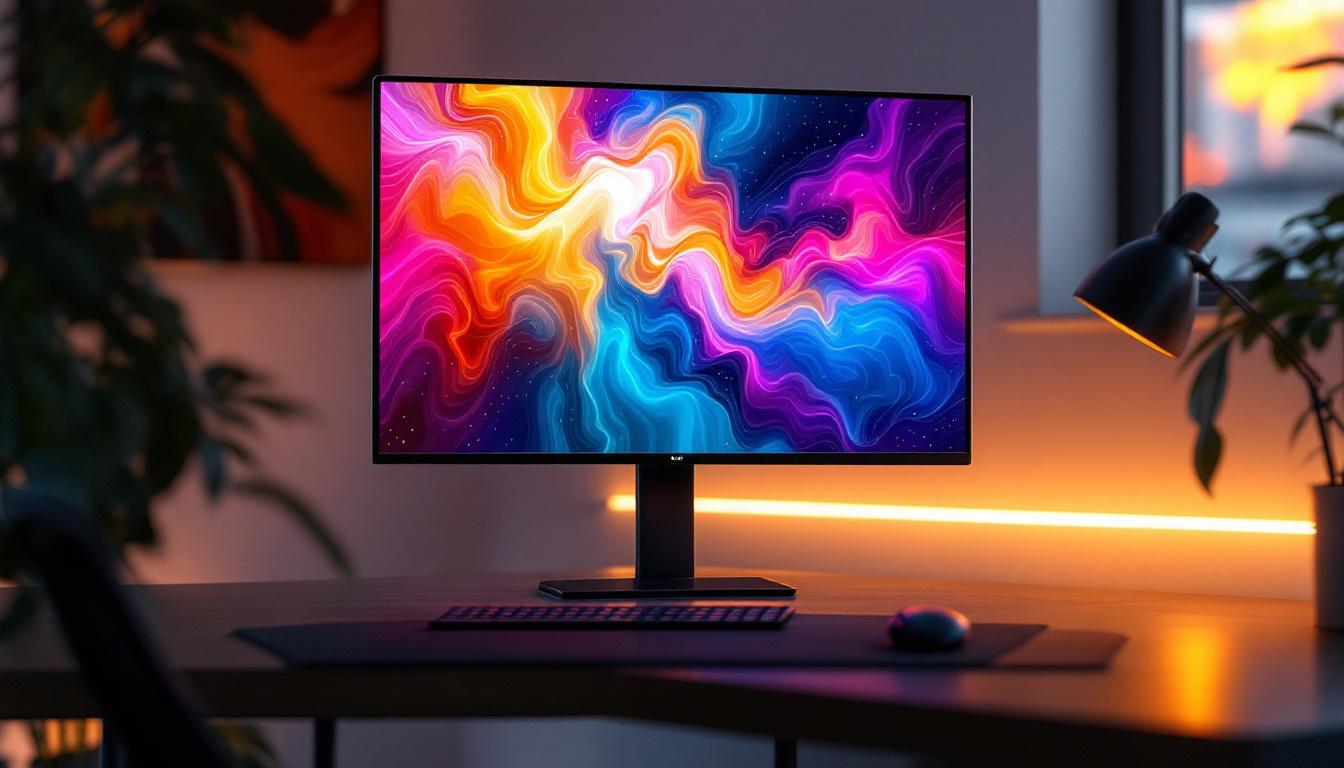
LED monitors are a type of LCD (Liquid Crystal Display) screen that uses Light Emitting Diodes (LEDs) as a backlight source instead of traditional cold cathode fluorescent lamps (CCFLs). This seemingly small change has a profound impact on energy consumption, display quality, and the overall environmental footprint of the device.
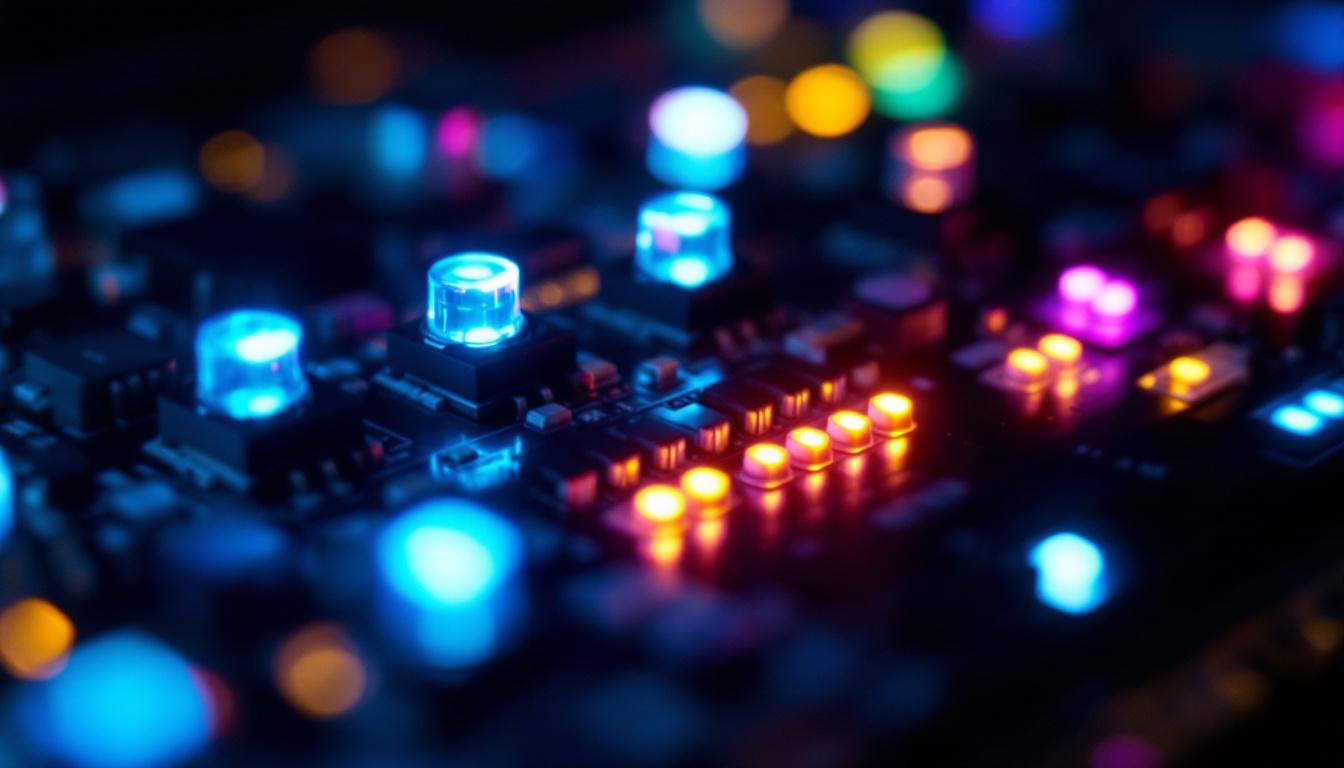
Unlike older LCD monitors that rely on fluorescent backlighting, LED monitors use tiny diodes that emit light when an electric current passes through them. These LEDs can be arranged in various ways, such as edge-lit or full-array, influencing the monitor’s brightness, contrast, and color accuracy. The ability to produce deeper blacks and brighter whites enhances the viewing experience, making LED monitors particularly popular among gamers and graphic designers who require precise color representation.
Moreover, LED technology has evolved to include features like HDR (High Dynamic Range), which allows for a broader spectrum of colors and improved contrast ratios. This means that users can enjoy a more vibrant and lifelike image, whether they are watching movies, playing video games, or working on graphic-intensive projects. The advancements in LED technology have not only improved display quality but have also contributed to the longevity of the monitors, as LEDs typically have a longer lifespan compared to traditional backlighting methods.
Types of LED Backlighting
There are primarily two types of LED backlighting used in monitors: edge-lit and full-array. Edge-lit LED monitors position LEDs along the edges of the screen, which then distribute light across the display using light guides. This design allows for thinner and lighter monitors but may sometimes result in uneven brightness. Users may notice a slight gradient in brightness, especially in darker scenes, which can detract from the viewing experience.
Full-array LED monitors, on the other hand, have LEDs placed directly behind the screen in a grid pattern. This allows for more precise control of brightness and contrast, especially when combined with local dimming technology. Local dimming enables certain areas of the screen to dim or brighten independently, resulting in deeper blacks and improved contrast ratios. While typically more expensive, full-array LED monitors offer superior picture quality and energy efficiency. Additionally, the advancements in this technology have made them increasingly accessible, with a variety of models available to suit different budgets and preferences. As a result, consumers can find full-array monitors that cater to both casual users and professional content creators alike, ensuring that there is an option for everyone looking to enhance their visual experience.
Environmental Benefits of LED Monitors
Energy Efficiency and Reduced Power Consumption
One of the most significant advantages of LED monitors is their energy efficiency. According to the U.S. Department of Energy, LED backlighting can reduce power consumption by up to 40% compared to CCFL-backlit LCD monitors. This reduction translates into lower electricity bills and a smaller carbon footprint over the monitor’s lifespan.
For businesses and individuals who use multiple monitors or keep their screens on for extended periods, these savings can be substantial. For example, a typical LED monitor consumes between 20 to 30 watts of power, whereas older CCFL models may use 40 to 60 watts. Over a year, this difference can equate to dozens of kilowatt-hours saved per device. Moreover, as more consumers and companies shift towards LED technology, the cumulative energy savings can lead to significant reductions in overall energy demand, fostering a more sustainable energy landscape.
Longer Lifespan and Reduced Electronic Waste
LED monitors generally have a longer operational lifespan than their CCFL counterparts. LEDs are more durable and less prone to failure, which means fewer replacements and less electronic waste. The average LED monitor can last between 50,000 to 100,000 hours, depending on usage and quality.
By extending the life of the monitor, users reduce the frequency of disposal and replacement, which helps mitigate the growing problem of electronic waste worldwide. The Environmental Protection Agency (EPA) estimates that over 53 million metric tons of e-waste are generated globally each year, much of which ends up in landfills or is improperly recycled. In addition to the environmental implications, the reduction in electronic waste also alleviates the burden on recycling facilities, allowing them to focus on more efficiently processing the materials that can be salvaged and reused. This not only conserves resources but also minimizes the energy required to produce new devices from raw materials.
Reduced Use of Harmful Materials
CCFL backlights contain mercury, a toxic heavy metal that poses environmental and health risks if not disposed of properly. LED monitors eliminate the need for mercury, making them safer to manufacture, use, and recycle. This shift aligns with global efforts to phase out hazardous substances in electronics, such as the European Union’s Restriction of Hazardous Substances Directive (RoHS).
Furthermore, the move towards LED technology has spurred innovation in materials science, leading to the development of alternative components that are not only safer but also more sustainable. Manufacturers are increasingly exploring the use of recyclable plastics and eco-friendly materials in the production of LED monitors, which further reduces the environmental impact. As consumers become more aware of the importance of sustainability, the demand for such products is likely to increase, prompting manufacturers to adopt greener practices and contribute to a more circular economy in the electronics industry.
Performance Advantages of LED Displays
Improved Picture Quality and Color Accuracy
LED monitors offer superior picture quality compared to older LCD models. The precise control of LED backlighting allows for higher contrast ratios, deeper blacks, and more vibrant colors. This makes LED displays ideal for professionals in graphic design, video editing, and photography, where color accuracy is paramount.
Moreover, many modern LED monitors support wide color gamuts such as Adobe RGB and DCI-P3, providing richer and more lifelike images. The ability to display HDR (High Dynamic Range) content further enhances the viewing experience by offering greater detail in both shadows and highlights.
Faster Response Times and Reduced Eye Strain
LED monitors often feature faster response times and higher refresh rates than older display technologies. This reduces motion blur and ghosting, which is particularly beneficial for gaming and fast-paced video content.
Additionally, many LED monitors incorporate flicker-free technology and blue light filters, which help reduce eye strain during prolonged use. Given that many people spend hours in front of screens daily, these features contribute to better eye health and overall comfort.
Choosing an Eco-Friendly LED Monitor
Energy Star and EPEAT Certifications
When shopping for an eco-friendly LED monitor, look for certifications such as Energy Star and EPEAT (Electronic Product Environmental Assessment Tool). These labels indicate that the product meets stringent energy efficiency and environmental standards.
Energy Star-certified monitors consume less power in both active and standby modes. EPEAT ratings, which range from Bronze to Platinum, evaluate a product’s lifecycle impact, including energy use, material selection, and recyclability. Choosing monitors with these certifications ensures a reduced environmental footprint without compromising performance.
Size and Resolution Considerations
While larger monitors with higher resolutions offer impressive visuals, they also tend to consume more energy. Balancing screen size and resolution with energy efficiency is essential for minimizing environmental impact.
For most users, a 24- to 27-inch LED monitor with Full HD (1920×1080) or Quad HD (2560×1440) resolution provides an excellent balance between performance and power consumption. Ultra-high-definition (4K) monitors are becoming more common but often require more energy and powerful hardware to run efficiently.
Recyclability and End-of-Life Management
Another critical factor in choosing an eco-friendly monitor is its recyclability. Manufacturers increasingly design products with modular components that are easier to disassemble and recycle. Some companies also offer take-back programs to ensure responsible disposal and reuse of materials.
Consumers should inquire about the manufacturer’s recycling policies and seek monitors made with recyclable plastics and metals. Proper end-of-life management helps reduce e-waste and recovers valuable materials for reuse.
The Future of Eco-Friendly Displays
Advancements in LED Technology
LED technology continues to evolve, with innovations such as Mini-LED and Micro-LED displays promising even greater energy efficiency and picture quality. Mini-LEDs use thousands of tiny LEDs to provide more precise local dimming and higher contrast ratios, while Micro-LEDs offer self-emissive pixels that eliminate the need for backlighting altogether.
These advancements could further reduce power consumption and improve sustainability by extending product lifespans and enhancing recyclability. As production costs decrease, these technologies are expected to become more accessible to mainstream consumers.
Integration with Renewable Energy and Smart Systems
Eco-friendly monitors are also increasingly integrated into smart office and home environments powered by renewable energy sources like solar and wind. Smart power management features can adjust brightness and power usage based on ambient light and user activity, optimizing energy consumption without sacrificing user experience.
Such integration supports broader sustainability goals by reducing reliance on fossil fuels and promoting energy conservation at the device level.
Conclusion: Why Choose an LED Monitor?
Choosing an LED monitor is a practical step toward reducing environmental impact while enjoying superior display performance. Their energy efficiency, longer lifespan, absence of hazardous materials, and enhanced picture quality make them an ideal choice for eco-conscious consumers and businesses alike.
As technology advances, LED monitors will continue to improve in sustainability and functionality, supporting a greener future. By selecting certified, energy-efficient models and practicing responsible disposal, users contribute to reducing electronic waste and conserving valuable resources.
Incorporating eco-friendly LED monitors into daily life is not just a technological upgrade—it’s a commitment to environmental stewardship and smarter consumption.
Discover LumenMatrix’s Eco-Friendly LED Solutions
Embrace the future of sustainable visual technology with LumenMatrix. As a pioneer in LED display innovation, we offer a wide array of eco-friendly LED solutions that align with your commitment to the environment. From Indoor and Outdoor LED Wall Displays to specialized options like Vehicle and Sports LED Displays, our products are designed to minimize environmental impact while maximizing visual impact. Experience the difference with our Custom, All-in-One, and Transparent LED Displays that promise energy efficiency and superior performance. Check out LumenMatrix LED Display Solutions today and take a step towards a brighter, greener future.