In the rapidly evolving world of digital signage and display technologies, the edge controller module stands as a critical component in delivering vibrant, high-resolution LED displays. Whether used in advertising billboards, stadium screens, or dynamic information panels, understanding the role and functionality of the edge controller module is essential for professionals in the display industry, system integrators, and technology enthusiasts.
What is an Edge Controller Module?
An edge controller module is a specialized hardware unit designed to manage and drive LED display panels. It acts as the intermediary between the main control system and the LED display, processing video signals and distributing data to the LED pixels with precise timing and synchronization.
Unlike traditional controllers that might handle entire screens, the edge controller module typically manages a specific section or “edge” of the display, hence the name. This modular approach allows for scalable, flexible, and efficient control of large-format LED displays. By utilizing edge controllers, operators can easily expand their display setups without the need for a complete overhaul of existing systems, making it a cost-effective solution for growing businesses or dynamic event environments.
Core Functions of the Edge Controller Module
The primary functions of an edge controller module include signal reception, data processing, and pixel driving. It receives input signals—often HDMI, DVI, or SDI—from a video source or main controller, processes the data to match the LED panel’s resolution and refresh rate, and sends the corrected output to the LED modules.
Additionally, edge controllers handle synchronization to ensure that each LED pixel displays the correct color and brightness at the right time, eliminating flicker and image distortion. This is particularly important for high-refresh-rate displays used in sports arenas or live event broadcasting. Furthermore, these modules often incorporate advanced features such as real-time diagnostics and performance monitoring, allowing technicians to quickly identify and troubleshoot issues, thus ensuring uninterrupted operation during critical events.
Moreover, edge controller modules can support various content formats, enabling seamless integration of graphics, video, and live feeds. This versatility is crucial in environments where content needs to be dynamic and engaging, such as in advertising or immersive installations. With the rise of augmented reality and interactive displays, the role of edge controllers is becoming increasingly vital, as they facilitate the complex data processing required to deliver captivating visual experiences that captivate audiences and enhance storytelling.
Technical Components and Architecture
Understanding the technical makeup of an edge controller module helps clarify why it is indispensable in LED display systems. These modules integrate several key components designed for high-speed data processing and robust signal management.
Signal Input Interfaces
Edge controllers typically support multiple input interfaces such as HDMI, DVI, SDI, and sometimes DisplayPort. This versatility allows them to connect seamlessly with various video sources, including computers, media servers, and broadcast equipment.
Modern edge controllers often support 4K and even 8K video inputs, reflecting the industry’s push towards ultra-high-definition displays. The ability to handle high-resolution inputs ensures that the final LED display output is crisp and detailed.
Processing Unit and FPGA Technology
At the heart of most edge controller modules lies a Field Programmable Gate Array (FPGA) or a similar high-performance processing chip. FPGAs are favored because they can be programmed to handle complex video processing tasks in real-time, including scaling, color correction, and frame synchronization.
This real-time processing capability is crucial for maintaining smooth video playback and accurate color reproduction, especially when dealing with dynamic content or live video feeds.
Output and Pixel Driving
The processed video data is then converted into signals that directly control the LED pixels. The edge controller sends data streams to the LED driver ICs embedded in the display panels, dictating the intensity and color of each pixel.
High refresh rates—often 3840 Hz or higher—are standard to prevent flickering and ensure visual comfort, particularly in environments where cameras are used to capture the display, such as television broadcasts.
Why Edge Controller Modules are Vital for LED Displays
LED displays are composed of thousands or even millions of individual LEDs arranged in panels. Managing such a vast array of pixels requires precise coordination, which is where edge controller modules excel.
Scalability and Modular Design
Large LED displays can span hundreds of square meters. Using a single controller for such a massive screen would be impractical and inefficient. Edge controller modules enable a modular design where each module controls a segment of the display, allowing for easy expansion and maintenance.
This modularity also simplifies troubleshooting. If a segment of the display malfunctions, technicians can isolate the problem to a specific edge controller module rather than the entire system.
Improved Signal Integrity and Reduced Latency
By processing video signals closer to the display panels, edge controller modules reduce the distance data must travel, minimizing signal degradation and latency. This proximity is especially important for live events where real-time video synchronization is critical.
Lower latency ensures that the displayed content matches the live action without noticeable delay, enhancing viewer experience and engagement.
Enhanced Image Quality and Color Accuracy
Edge controllers often incorporate advanced image processing algorithms that optimize color balance, contrast, and brightness on a per-segment basis. This localized control helps achieve uniform image quality across the entire display, compensating for variations in LED panel characteristics or environmental lighting.
Such precision is vital in applications like digital advertising, where brand colors must be rendered accurately, and in broadcast environments where image fidelity is paramount.
Applications of Edge Controller Modules in LED Displays
The versatility of edge controller modules has led to their widespread adoption across various industries and use cases.
Outdoor Advertising and Digital Billboards
Digital billboards require robust, weather-resistant LED displays capable of delivering bright, high-contrast images visible in direct sunlight. Edge controller modules help manage these large-scale displays by ensuring consistent image quality and reliability.
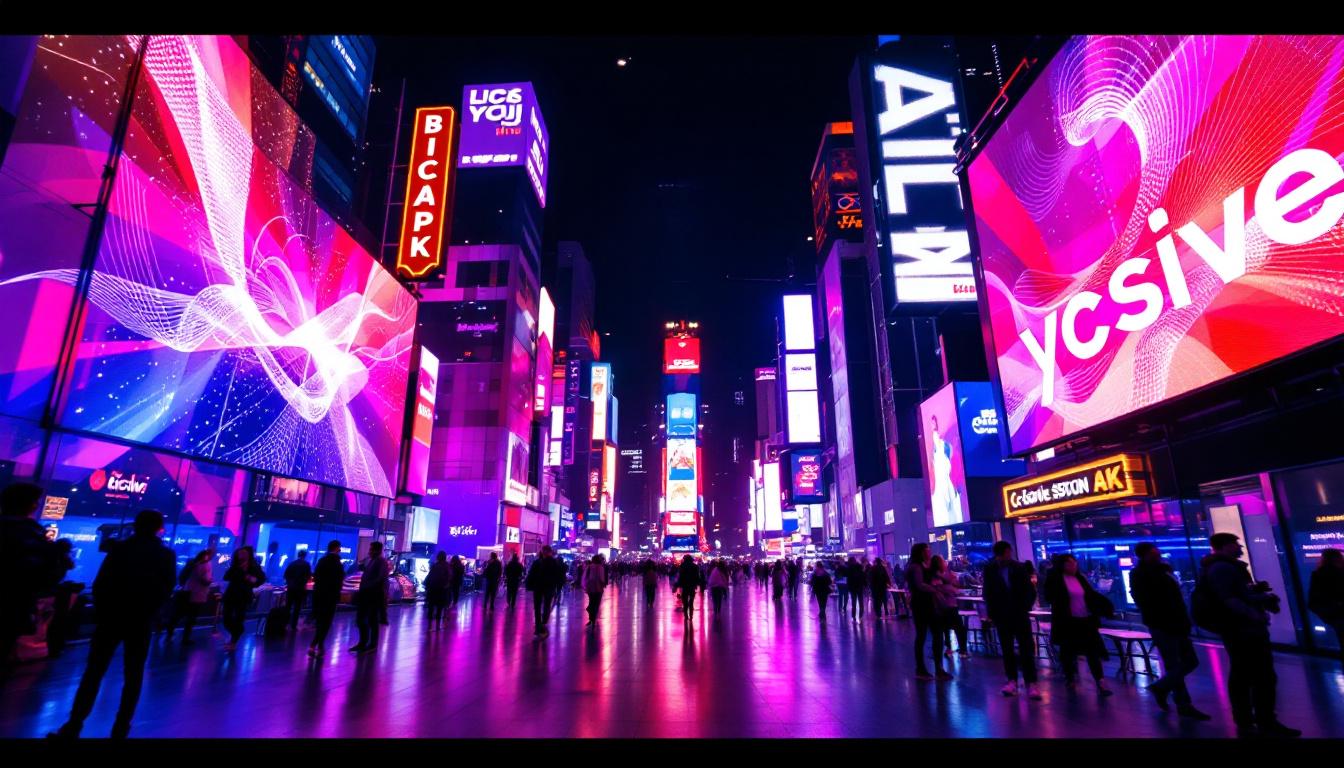
For example, Times Square in New York City features numerous massive LED billboards controlled by modular edge controllers, enabling dynamic, eye-catching advertisements that captivate millions of viewers daily.
Sports Arenas and Stadium Screens
In sports venues, LED displays serve multiple purposes: scoreboards, instant replays, and fan engagement content. Edge controller modules support the high refresh rates and low latency needed to display live video feeds without flicker or delay.
Stadiums like the AT&T Stadium in Texas utilize advanced edge controller modules to handle their massive LED video walls, ensuring smooth and vibrant content delivery during high-profile events.
Broadcast and Live Event Production
Live events, concerts, and television productions increasingly rely on LED walls for immersive backgrounds and dynamic visuals. Edge controller modules facilitate seamless integration with broadcast equipment, supporting multiple video inputs and real-time processing.
This integration allows producers to switch between video sources effortlessly and maintain perfect synchronization across complex LED setups.
Choosing the Right Edge Controller Module
Selecting an appropriate edge controller module depends on several factors, including display size, resolution, input compatibility, and environmental conditions.
Compatibility with LED Panels
Not all edge controller modules are compatible with every LED panel type. It is essential to verify that the controller supports the specific pixel pitch, refresh rate, and driver ICs used in the display.
Manufacturers often provide compatibility charts and technical support to assist in matching controllers with panels, ensuring optimal performance.
Input and Output Requirements
Consider the video sources and formats that the edge controller must support. For example, if the content is primarily 4K video from HDMI sources, the controller must handle 4K inputs without downscaling or latency issues.
Output capabilities, including the number of data lanes and supported refresh rates, should also align with the LED panel specifications.
Environmental and Operational Considerations
For outdoor installations, edge controller modules should be rated for weather resistance, temperature tolerance, and dust protection. Industrial-grade controllers with IP65 or higher ratings are common in such scenarios.
Operational reliability, ease of maintenance, and firmware update support are additional factors that influence long-term performance and total cost of ownership.
Future Trends in Edge Controller Modules
The LED display industry is continuously advancing, and edge controller modules are evolving in parallel to meet emerging demands.
Integration of AI and Machine Learning
Future edge controllers are expected to incorporate AI-driven image processing to enhance color calibration, dynamic brightness adjustment, and content optimization based on ambient conditions and viewer preferences.
Such intelligent processing will improve energy efficiency and visual impact, making LED displays more adaptive and engaging.
Higher Resolutions and Refresh Rates
As 8K and even higher resolutions become mainstream, edge controller modules will need to support increased data throughput and faster processing speeds. This will enable ultra-high-definition LED displays for premium applications like virtual reality environments and advanced simulation systems.
Enhanced Connectivity and Remote Management
Advancements in network technology, including 5G and Wi-Fi 6, will facilitate real-time remote monitoring and control of edge controller modules. This capability will simplify maintenance, enable predictive diagnostics, and reduce downtime for large-scale LED installations.
Conclusion
The edge controller module is a pivotal element in the architecture of modern LED displays. By managing signal processing, synchronization, and pixel driving at the display’s edge, these modules enable scalable, high-quality, and reliable visual experiences across diverse applications.
As LED technology continues to advance, the role of edge controller modules will expand, incorporating smarter processing, higher resolution support, and enhanced connectivity to meet the demands of tomorrow’s digital signage and display environments.
For professionals involved in designing, deploying, or maintaining LED displays, a thorough understanding of edge controller modules is essential to optimize performance and ensure the success of their digital display projects.
Discover LumenMatrix’s Advanced LED Solutions
Ready to elevate your LED display capabilities? Explore LumenMatrix’s comprehensive range of innovative LED solutions tailored to your needs. From captivating Indoor and Outdoor LED Wall Displays to dynamic Vehicle and Sports LED Displays, LumenMatrix offers an array of options including LED Poster Displays, Floor LED Displays, Custom LED Displays, All-in-One LED Displays, and LED Transparent Displays. Embrace the future of visual communication with LumenMatrix and create unforgettable visual experiences that engage and inspire. Check out LumenMatrix LED Display Solutions today and transform your space with cutting-edge technology.