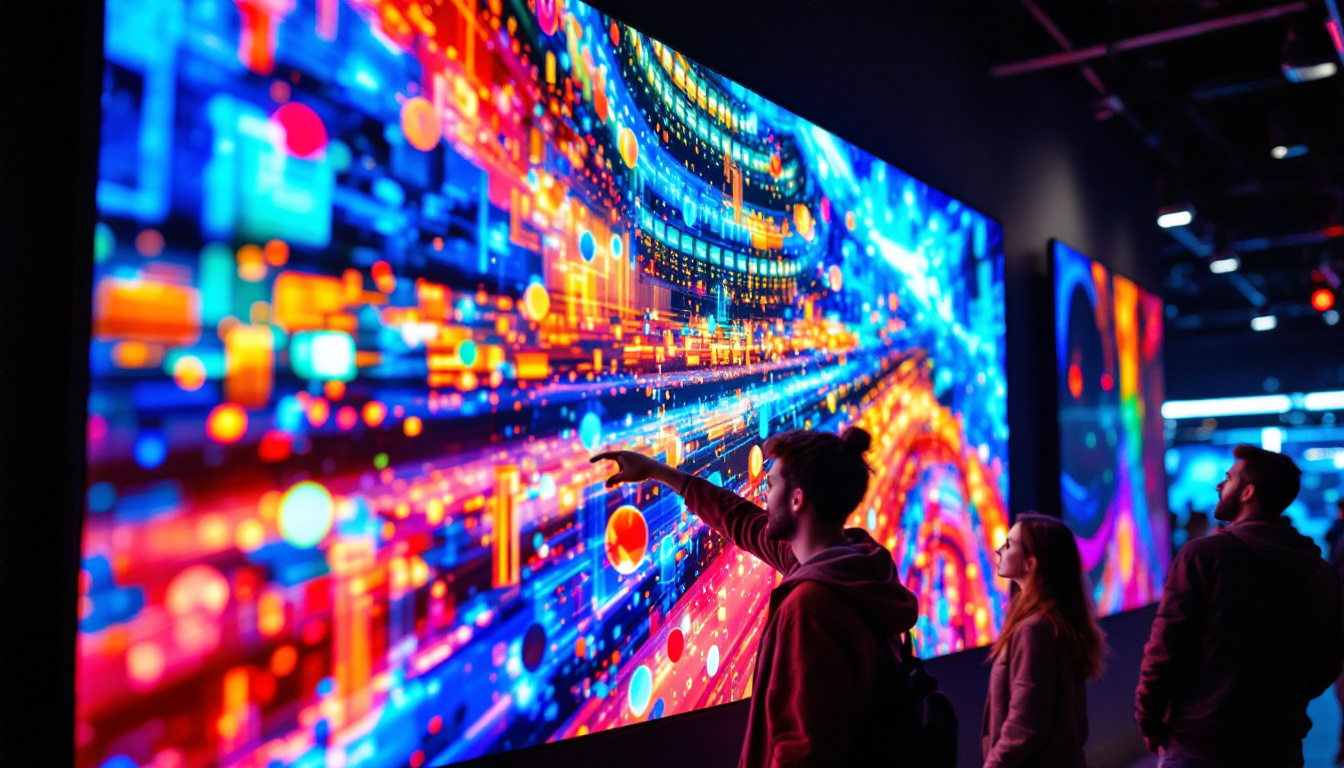
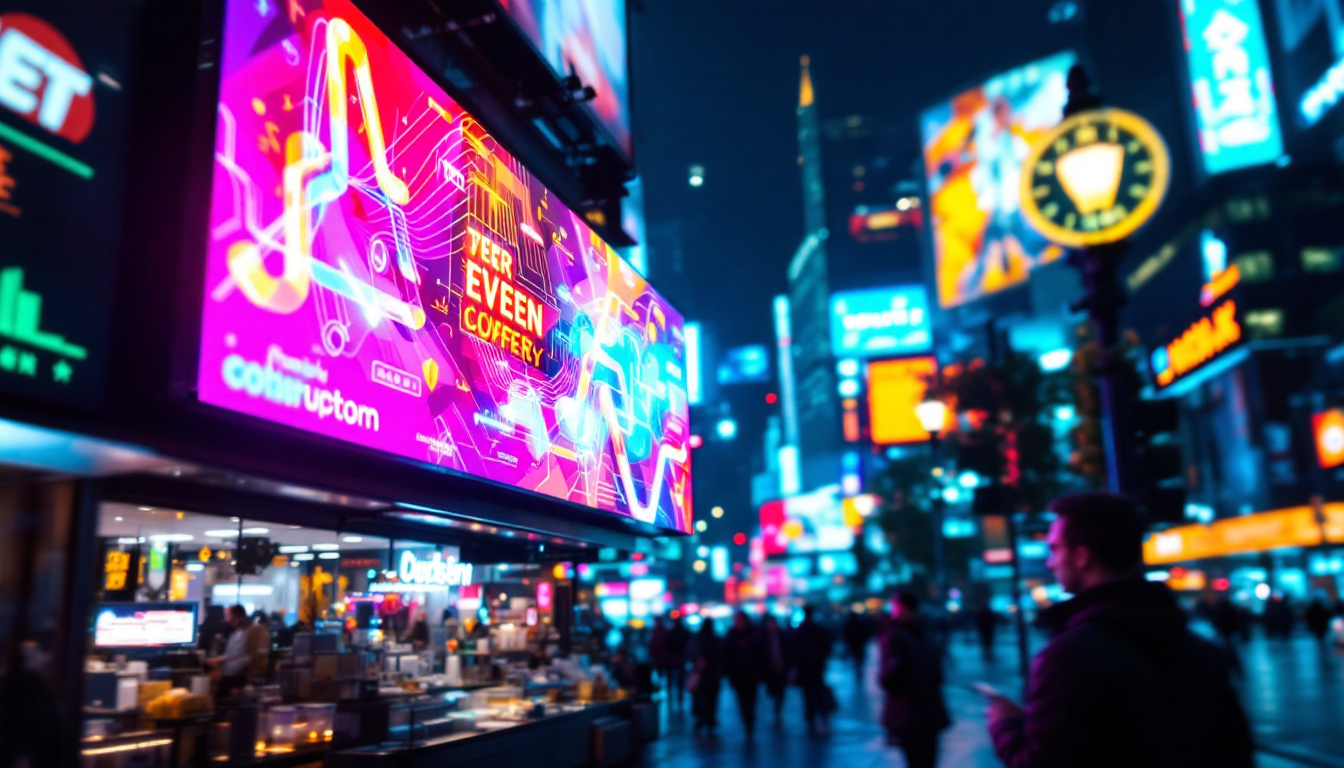
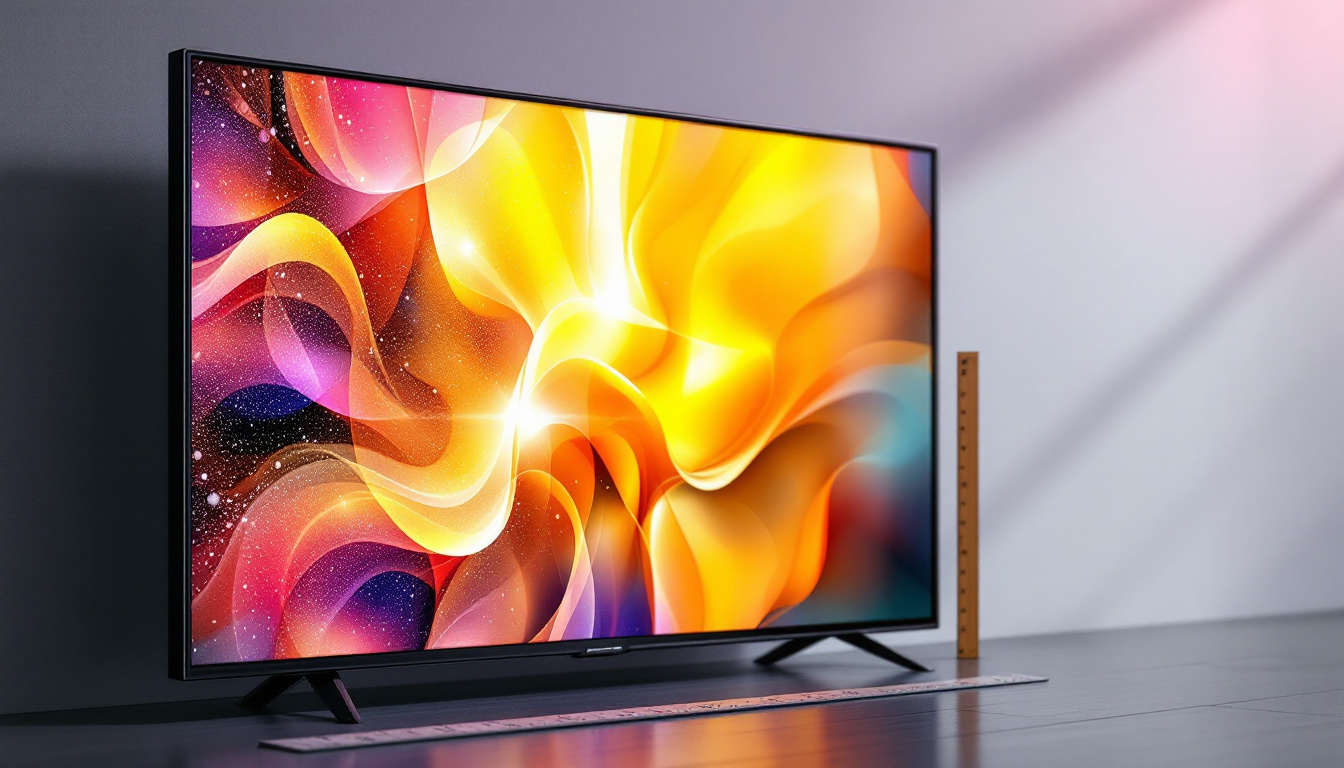
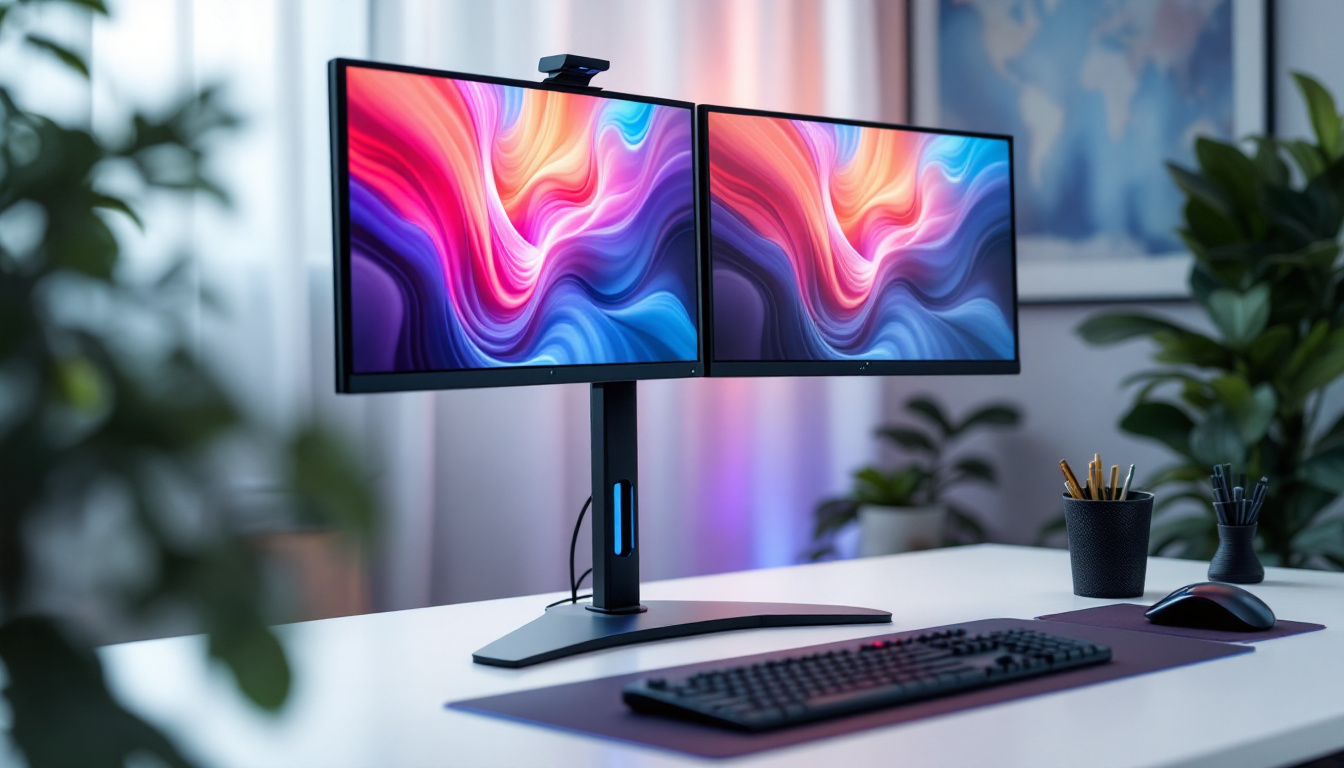
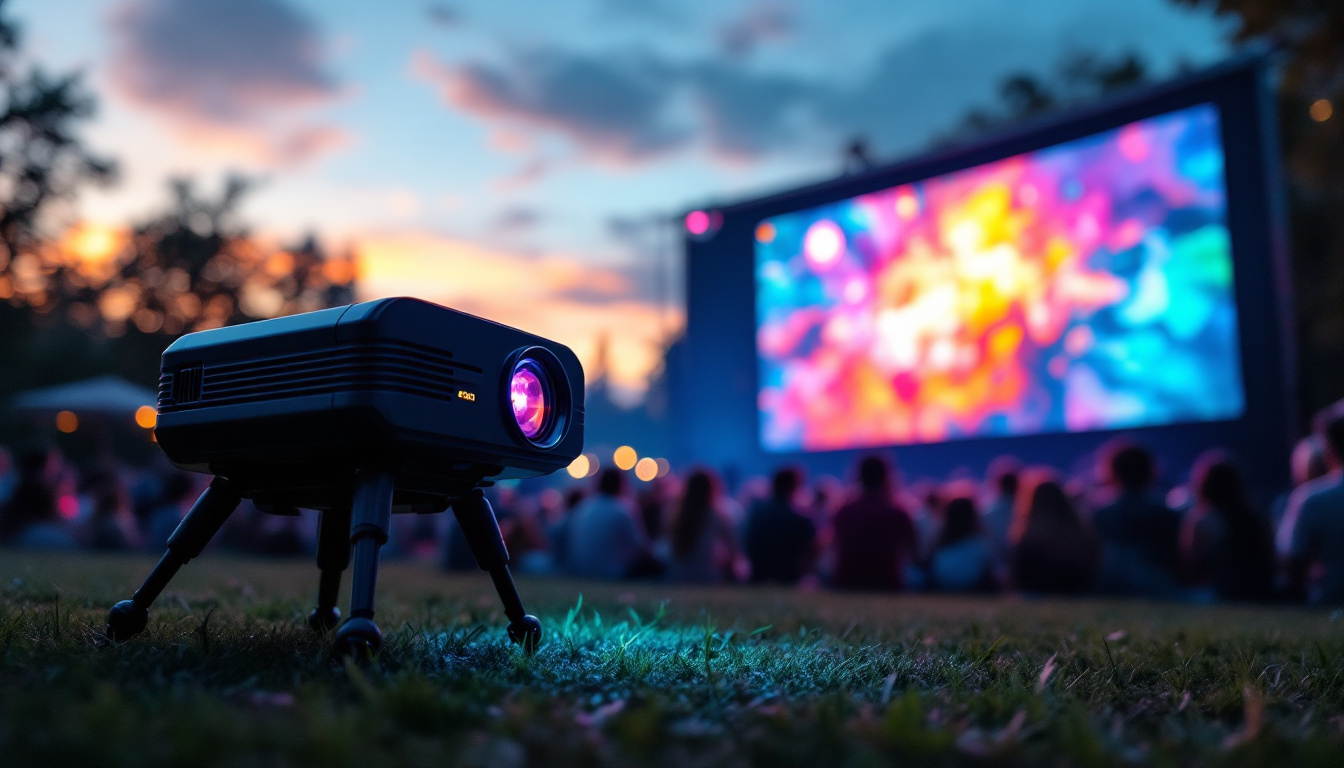
In an era where digital visuals dominate communication, LED displays have emerged as a cornerstone technology across industries. From vibrant billboards lighting up cityscapes to intricate indoor screens enhancing retail experiences, LED displays have transformed how information and entertainment are delivered. This article delves into the fundamentals of LED displays, exploring their technology, applications, advantages, and future trends.
Understanding LED Display Technology
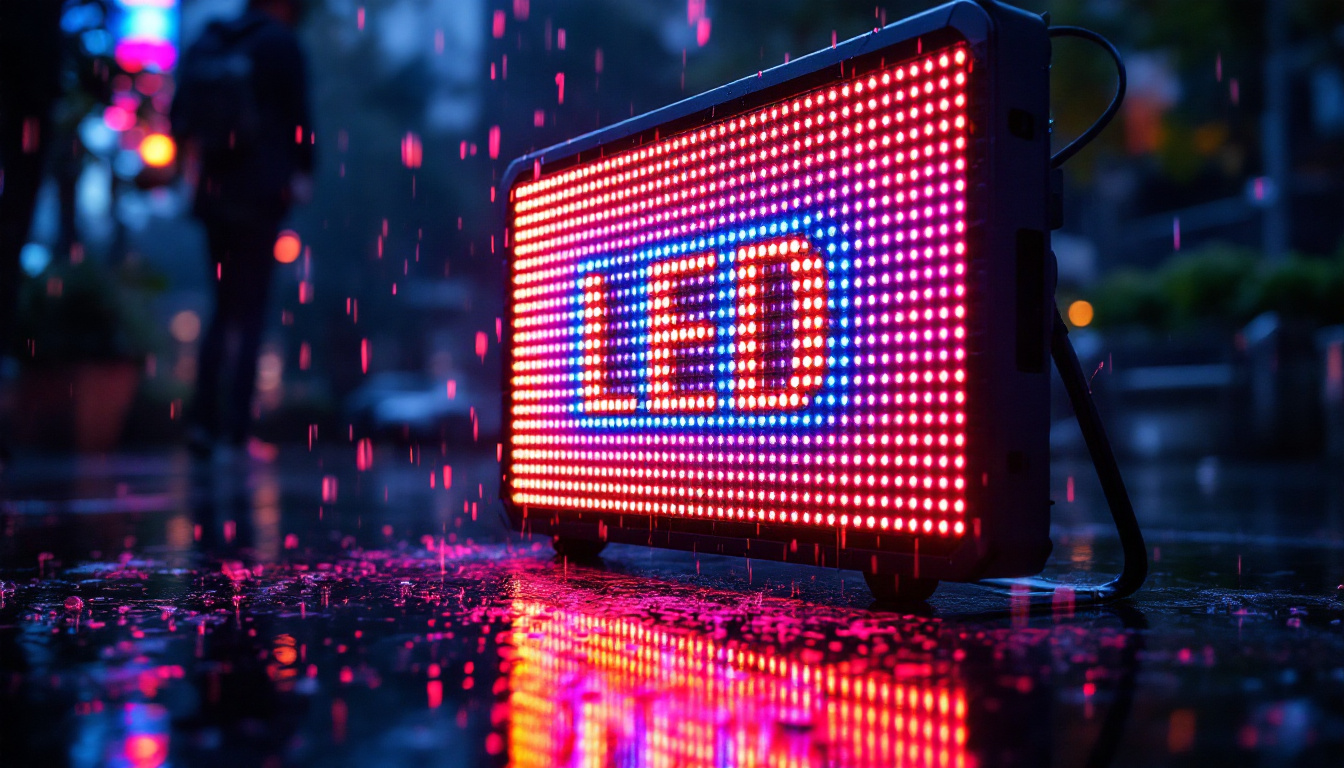
LED, or Light Emitting Diode, is a semiconductor device that emits light when an electric current passes through it. LED displays are composed of numerous tiny LEDs arranged in a matrix to form images, videos, or text. The brilliance and flexibility of LED technology have made it a preferred choice for digital signage and large-format displays worldwide. The energy efficiency of LEDs also contributes to their popularity, as they consume significantly less power compared to traditional lighting solutions, making them an environmentally friendly option for both businesses and consumers.
How LED Displays Work
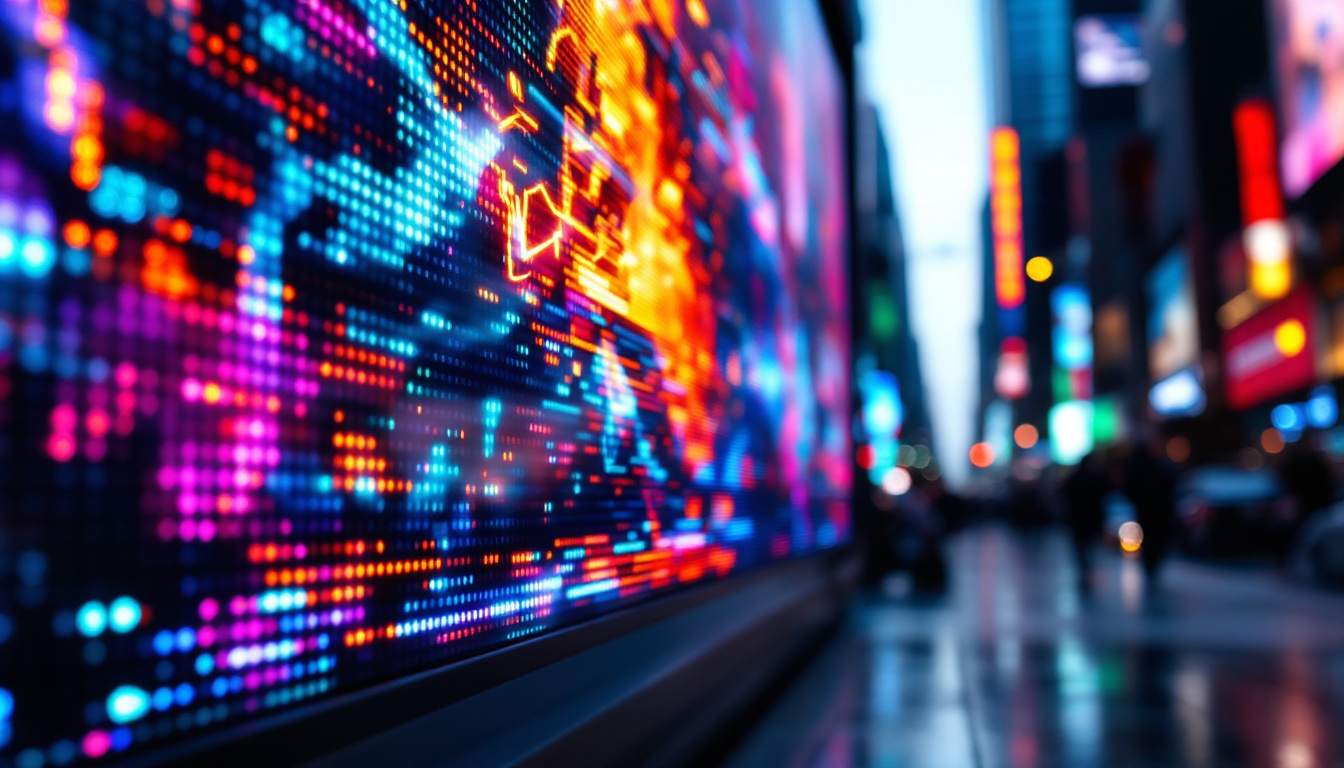
At the core of an LED display are individual diodes that emit light in various colors—primarily red, green, and blue (RGB). By adjusting the intensity of these three colors, the display can produce a wide spectrum of colors, enabling vivid and dynamic visuals. These diodes are organized into pixels, and thousands or even millions of pixels combine to create the full image. The technology behind LED displays allows for rapid refresh rates, which is crucial for displaying fast-moving content such as sports events or video games without blurring or ghosting.
The control system sends signals to each pixel to regulate brightness and color, ensuring accurate image reproduction. Modern LED displays use sophisticated driving circuits and software to manage this process efficiently, resulting in smooth motion and sharp visuals. Additionally, advancements in pixel technology have led to the development of high dynamic range (HDR) displays, which enhance contrast and color accuracy, providing an even more immersive viewing experience.
Types of LED Displays
LED displays come in several forms, each suited to different environments and purposes:
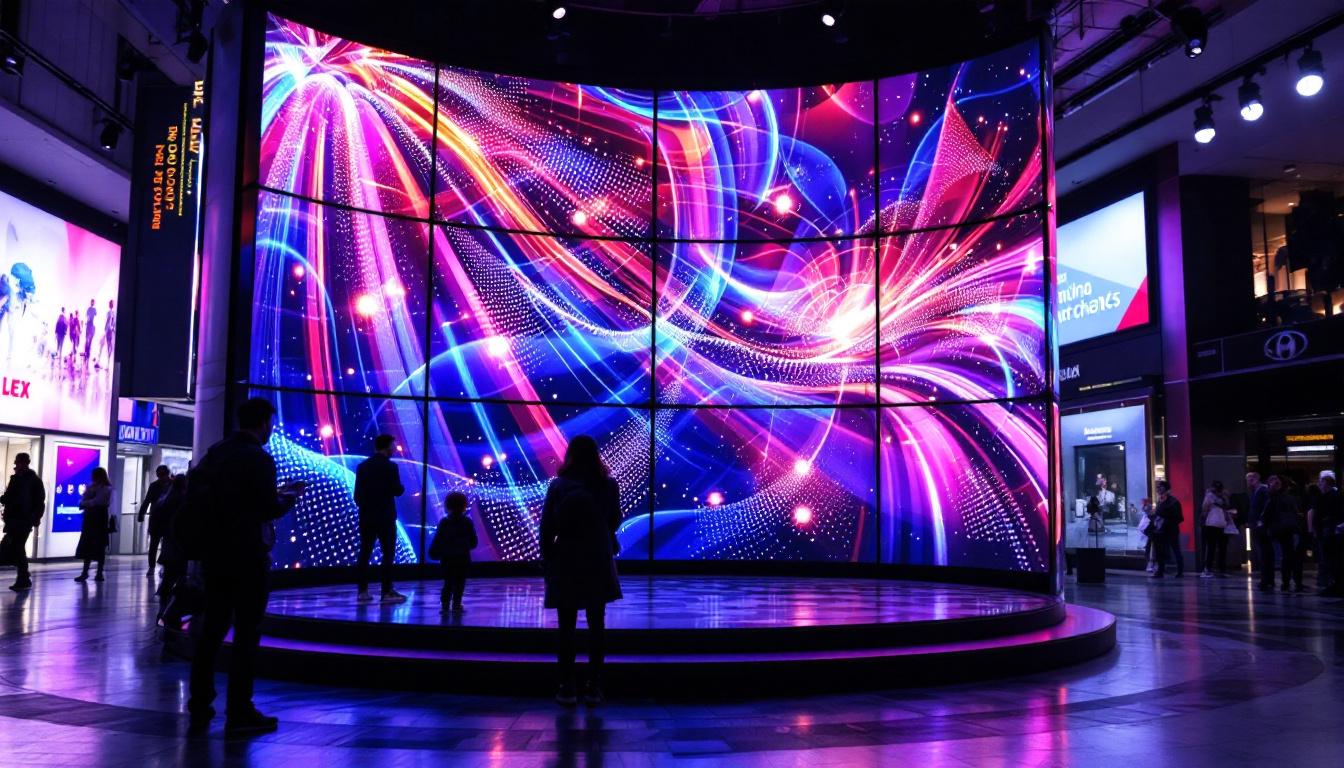
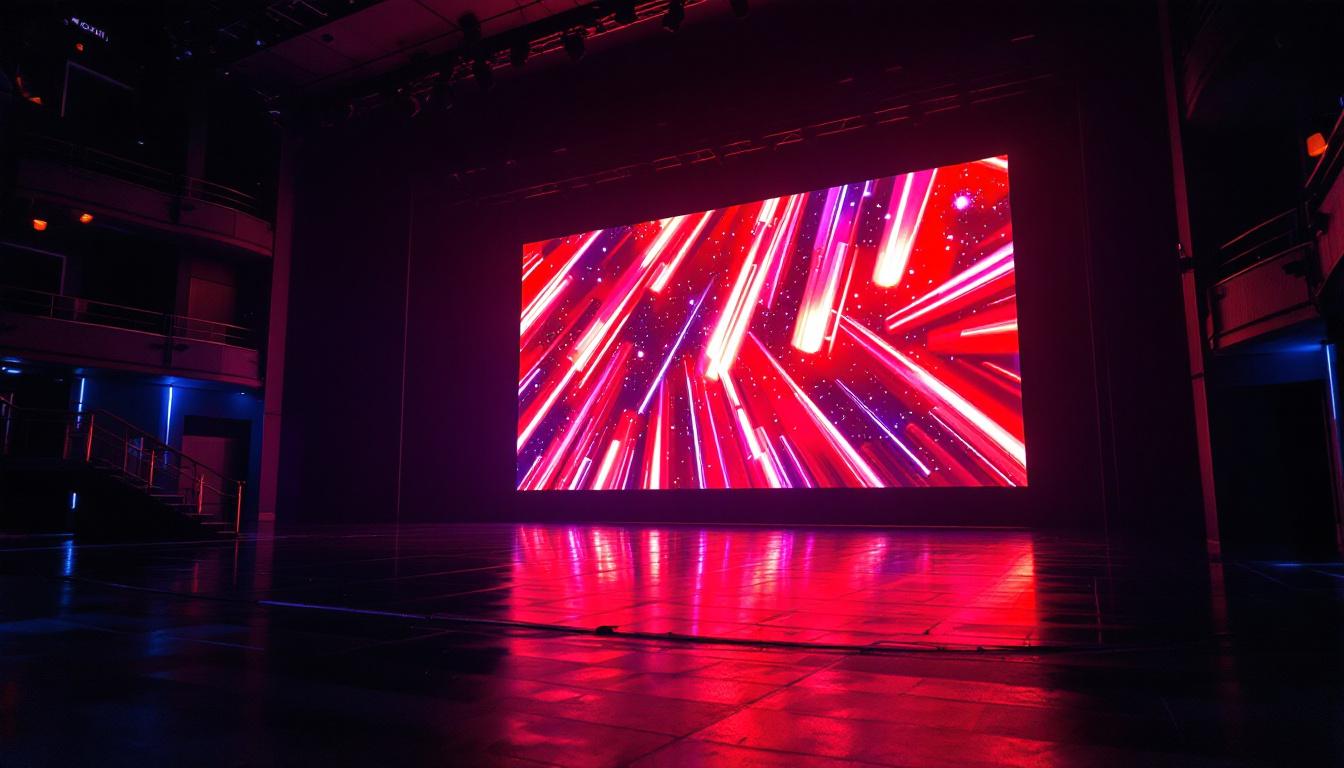
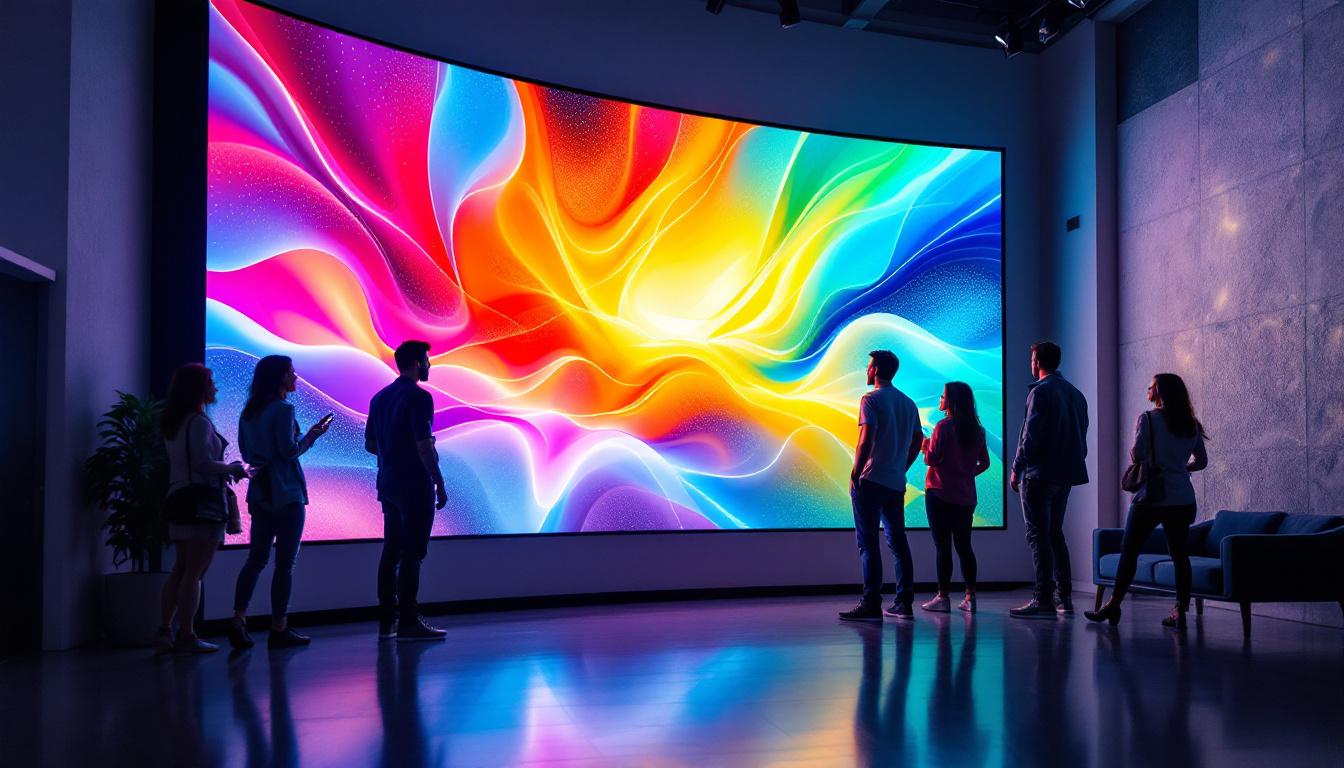
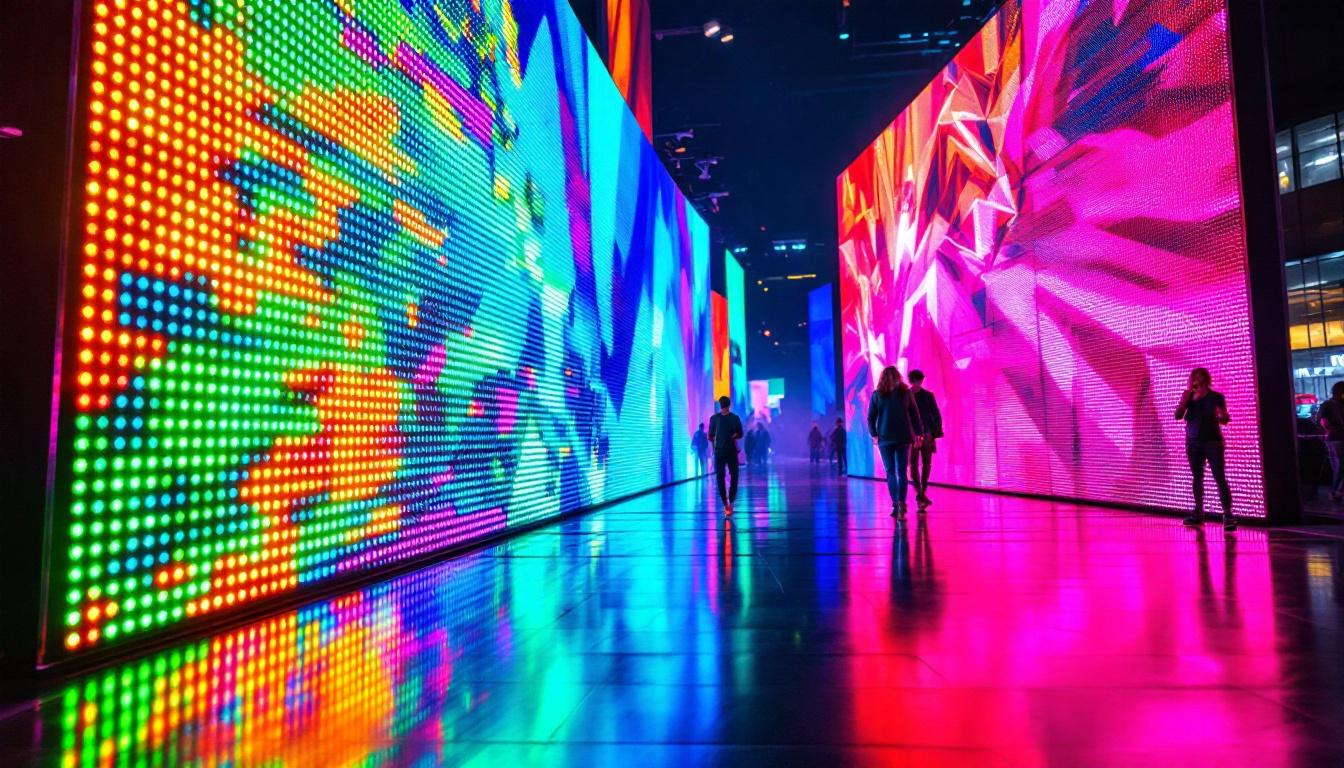
- Indoor LED Displays: Designed for close viewing distances, these displays have a smaller pixel pitch (the distance between pixels), typically ranging from 1 to 4 millimeters, offering high resolution and clarity. They are commonly used in retail environments, conference rooms, and entertainment venues, where detailed visuals are essential for engaging audiences.
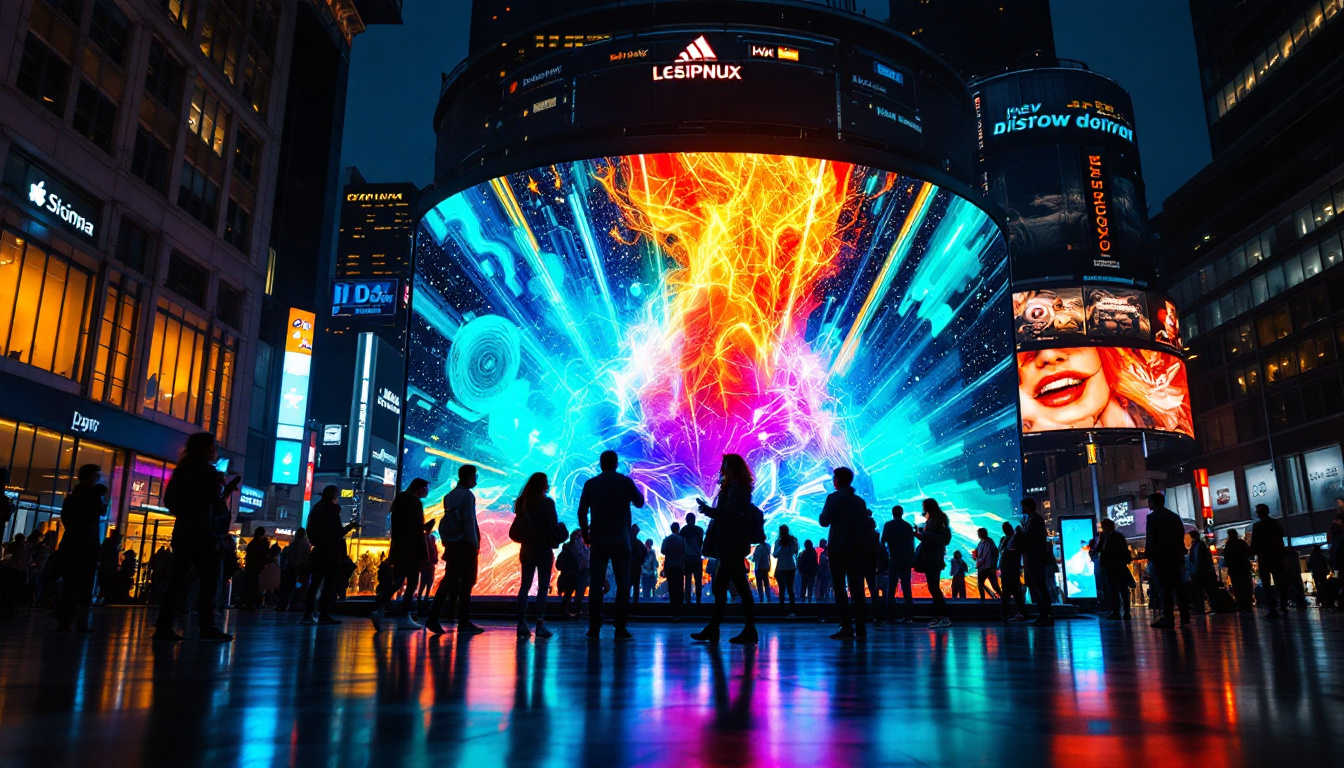
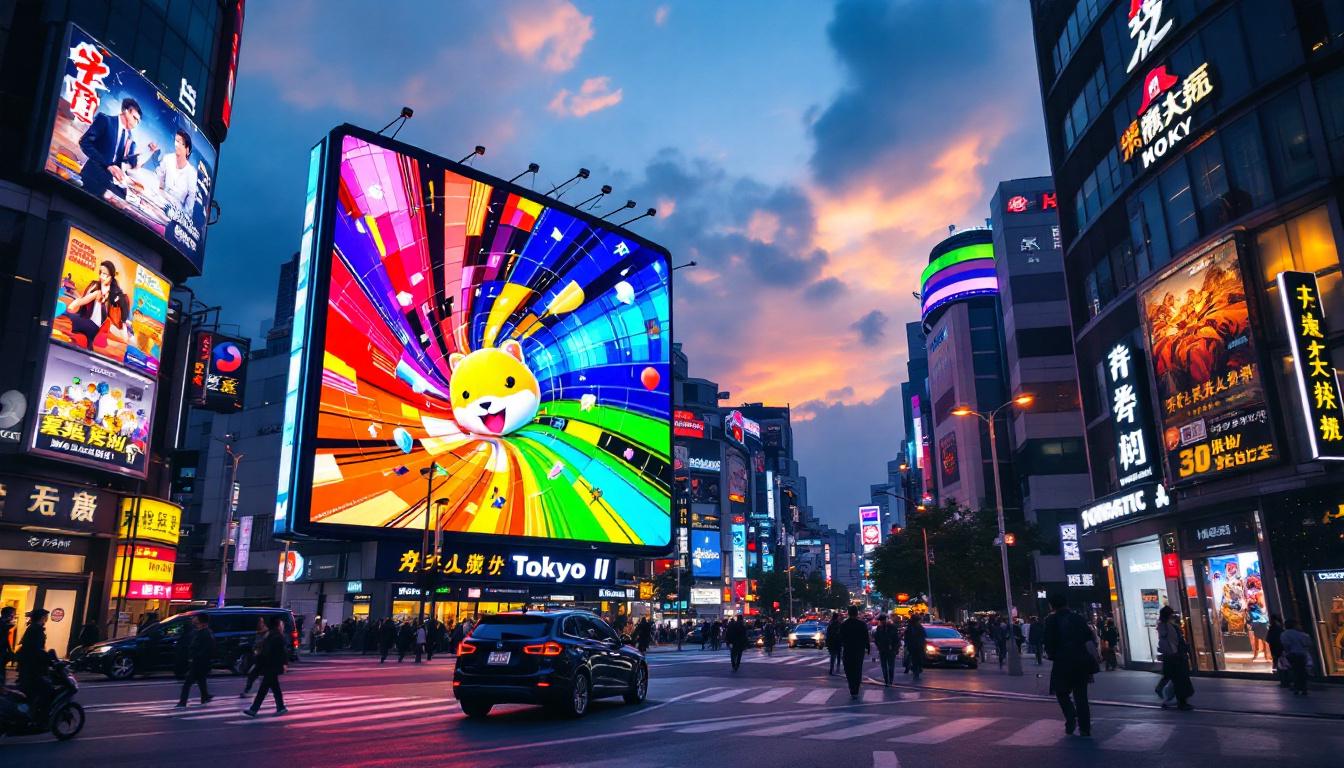
- Outdoor LED Displays: Built to withstand weather conditions, these have a larger pixel pitch (usually 10 mm or more) to maintain visibility from greater distances and feature enhanced brightness to combat sunlight glare. These displays are often seen in stadiums, billboards, and transportation hubs, where they must be visible in varying light conditions and from far away.
- Flexible and Transparent LED Displays: Innovations in LED technology have led to flexible panels that can curve around surfaces and transparent screens that allow light to pass through, expanding creative possibilities in architecture and advertising. These displays can be integrated into windows or walls, providing a seamless blend of digital content with the physical environment, making them ideal for modern retail spaces and innovative art installations.
Moreover, the advent of smart LED displays has introduced features such as touch interactivity and connectivity with mobile devices, enhancing user engagement and providing a more personalized experience. As the technology continues to evolve, we can expect even more exciting applications and improvements in LED display systems, further solidifying their place in our daily lives.
Applications of LED Displays Across Industries
The versatility of LED displays has led to widespread adoption in various sectors, each harnessing the technology’s unique strengths to engage audiences effectively.
Advertising and Outdoor Signage
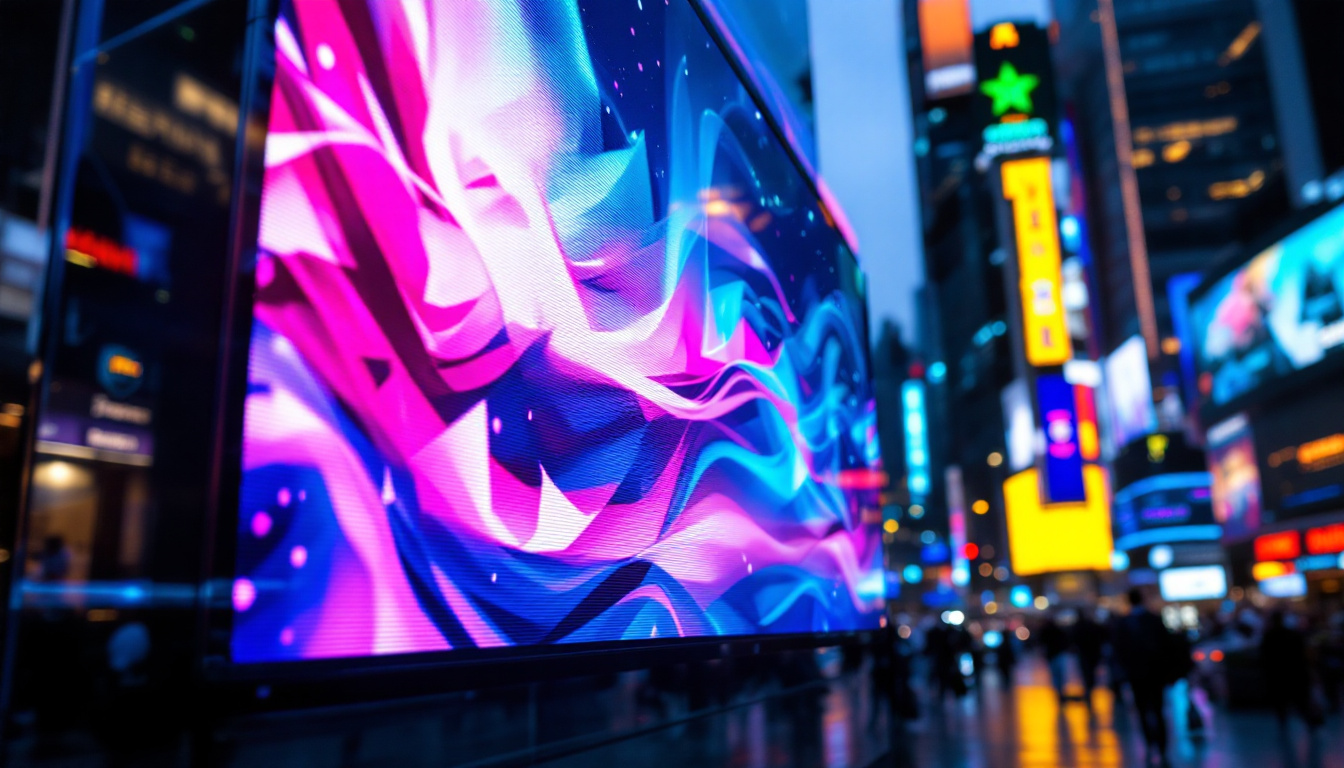
Outdoor LED billboards are a staple in advertising, providing dynamic content that can be updated in real-time. According to a 2023 report by the Digital Signage Federation, LED billboards have increased advertising engagement rates by up to 30% compared to static signs. Their high brightness and visibility make them ideal for busy urban environments, where capturing attention quickly is crucial. Additionally, the ability to display targeted advertisements based on time of day or audience demographics allows advertisers to maximize their impact, tailoring messages to specific groups and enhancing the relevance of their campaigns. This adaptability not only improves viewer engagement but also offers businesses a more efficient use of their advertising budget.
Sports and Entertainment Venues
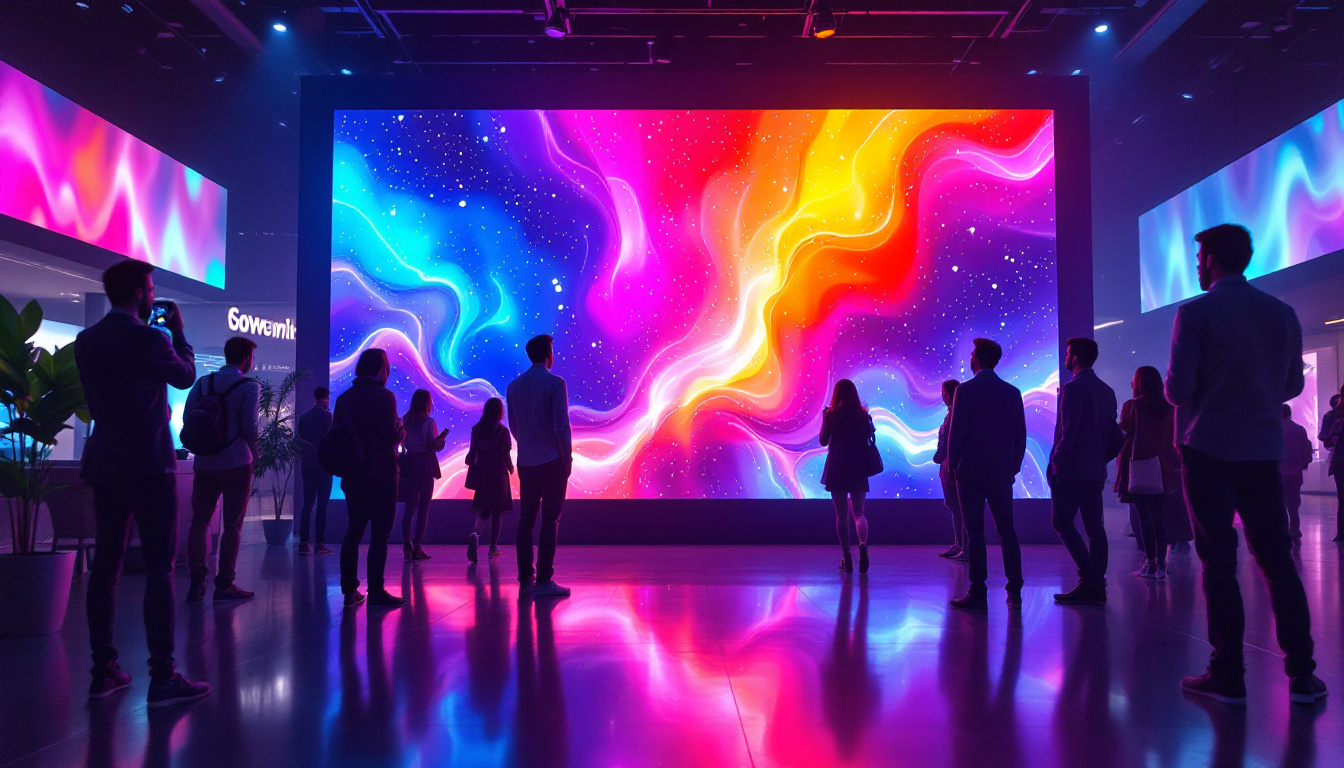
Stadiums and arenas utilize massive LED screens to enhance the spectator experience. These displays provide live game footage, replays, and interactive content, ensuring that every seat has a clear view. The 2022 FIFA World Cup showcased some of the most advanced LED display installations, with stadium screens exceeding 10,000 square feet in size. Beyond just displaying game highlights, these screens can also serve as platforms for fan engagement, featuring live polls, social media feeds, and player statistics, creating a more immersive and interactive experience for attendees. The integration of augmented reality (AR) elements into these displays is also on the rise, allowing fans to enjoy a richer, more engaging viewing experience that blends the physical and digital worlds.
Retail and Hospitality
Indoor LED displays in retail stores and hotels create immersive environments that boost customer engagement. Digital signage can showcase promotions, product information, and interactive content, contributing to increased sales. Research indicates that digital signage can influence up to 68% of purchasing decisions in retail settings. Furthermore, the use of LED displays allows for a more personalized shopping experience; for instance, retailers can implement facial recognition technology to tailor advertisements based on the demographics of the customers present. This level of customization not only enhances the shopping experience but also fosters brand loyalty as customers feel more connected to the products being offered.
Transportation and Public Information
LED displays are integral in airports, train stations, and bus terminals, providing real-time schedules, alerts, and wayfinding information. Their reliability and visibility ensure passengers stay informed, enhancing overall operational efficiency. In addition to displaying essential travel information, these screens can also be utilized for advertising and public service announcements, creating a dual-purpose platform that benefits both travelers and local businesses. Moreover, advancements in LED technology have led to the development of energy-efficient displays that reduce operational costs for transportation hubs while maintaining high visibility, even in bright daylight. The integration of touchless technology and mobile connectivity is also becoming more prevalent, allowing passengers to interact with the displays through their smartphones, further streamlining the travel experience.
Advantages of LED Displays Over Other Technologies
While several display technologies exist, LEDs offer distinct benefits that have driven their widespread adoption.
Energy Efficiency and Longevity
LEDs consume significantly less power compared to traditional incandescent or fluorescent lighting. This energy efficiency translates into lower operational costs, particularly important for large-scale installations running continuously. Additionally, LED displays boast impressive lifespans, often exceeding 100,000 hours of use, reducing maintenance and replacement expenses.
Superior Brightness and Contrast
LED displays can achieve brightness levels upwards of 5,000 nits, far surpassing LCD and projection-based systems. This capability ensures clear visibility even in direct sunlight. The technology also offers excellent contrast ratios, producing deep blacks and vibrant colors that enhance image quality.
Flexibility and Scalability
LED panels can be configured in various sizes and shapes, from small indoor screens to massive outdoor walls. Their modular nature allows for easy scalability and customization to meet specific spatial and visual requirements.
Durability and Weather Resistance
Outdoor LED displays are engineered to withstand harsh environmental conditions, including rain, wind, and temperature fluctuations. High Ingress Protection (IP) ratings ensure that displays remain operational and visually consistent over time.
Key Considerations When Choosing an LED Display
Selecting the right LED display involves evaluating several factors to ensure optimal performance and return on investment.
Pixel Pitch and Resolution
The pixel pitch determines the display’s resolution and viewing distance. Smaller pixel pitches provide higher resolution suitable for close-up viewing, while larger pitches are better for distant audiences. For example, a retail store might opt for a 2 mm pixel pitch, whereas a highway billboard could use 16 mm.
Brightness and Viewing Environment
Understanding the ambient lighting conditions is crucial. Outdoor displays require higher brightness levels to remain visible under sunlight, while indoor environments can utilize lower brightness to reduce eye strain and power consumption.
Installation and Maintenance
Consider the ease of installation and access for maintenance. Modular LED panels simplify repairs and upgrades, minimizing downtime. Additionally, evaluating the vendor’s support and warranty services can impact long-term satisfaction.
Content Management and Software
The ability to update and manage content efficiently is vital. Many LED display systems come with integrated content management software, enabling remote control, scheduling, and real-time updates, which are essential for dynamic advertising and information dissemination.
The Future of LED Display Technology
As LED technology continues to evolve, several trends are shaping the future landscape of digital displays.
MicroLED and MiniLED Innovations
MicroLED and MiniLED technologies represent the next generation of LED displays, offering even higher resolution, improved brightness, and better energy efficiency. MicroLEDs, in particular, promise pixel-level control without the need for backlighting, resulting in ultra-thin, flexible displays with exceptional image quality.
Integration with Artificial Intelligence
AI-powered content management systems are enabling more personalized and context-aware displays. For instance, retail LED screens can adjust advertisements based on customer demographics or behavior in real-time, enhancing engagement and conversion rates.
Environmental Sustainability
Manufacturers are focusing on eco-friendly materials and production methods to reduce the environmental impact of LED displays. Energy-efficient designs and recyclable components are becoming standard, aligning with global sustainability goals.
Conclusion
LED displays have revolutionized the way visual information is presented, combining technological sophistication with practical benefits. Their adaptability across industries, from advertising to transportation, underscores their value in today’s digital landscape. Understanding the underlying technology, applications, and future trends equips businesses and organizations to make informed decisions when investing in LED display solutions. As advancements continue, LED displays will undoubtedly remain at the forefront of visual communication innovation.
Discover LumenMatrix LED Display Solutions
Ready to elevate your visual communication with the latest in LED technology? Look no further than LumenMatrix, a pioneer in crafting immersive LED display modules that bring your brand to life. Whether you’re seeking to captivate with an Indoor LED Wall Display, make a statement with an Outdoor LED Wall Display, or innovate with Custom and Transparent LED solutions, LumenMatrix has the expertise to transform your space. Experience the future of digital signage and join the visual revolution. Check out LumenMatrix LED Display Solutions today and see your vision become a vibrant reality.