Find Brightness LCD TV Near Me: LED Display Explained
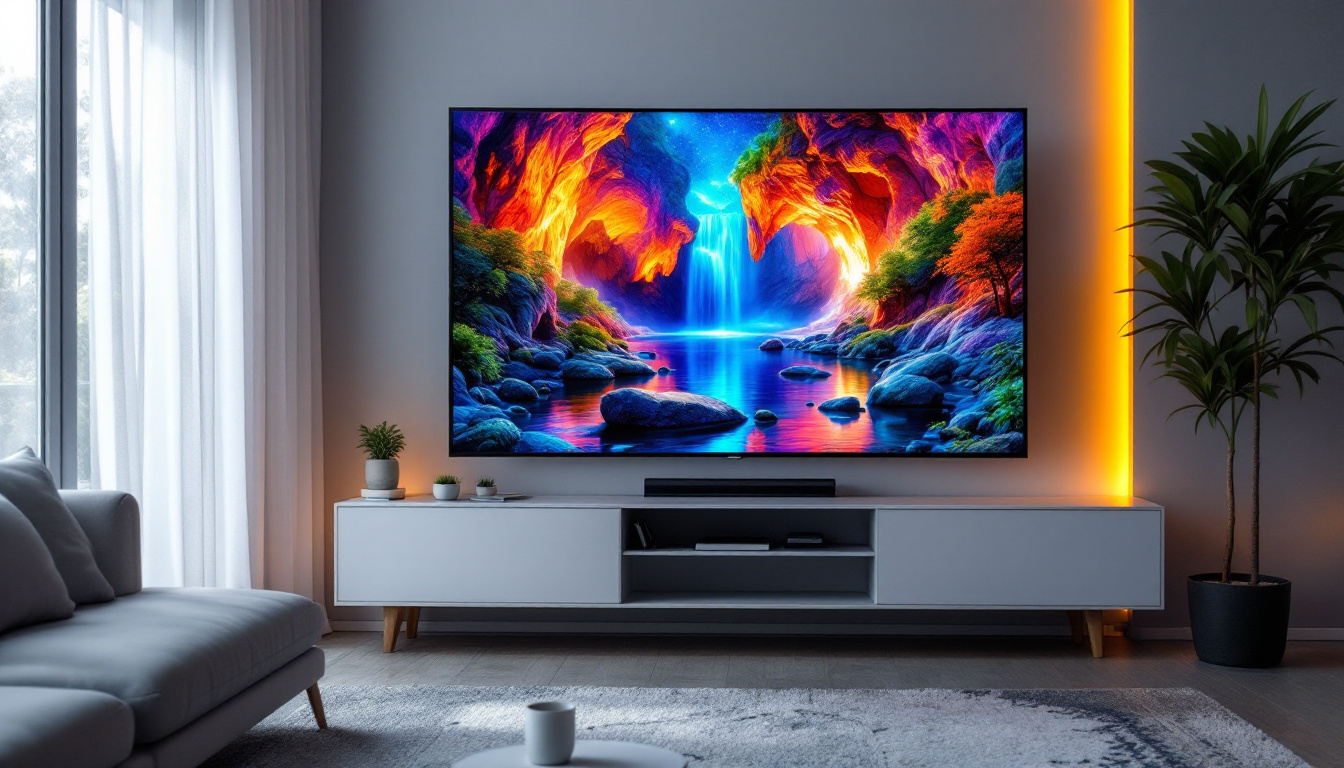
Choosing the right television can be a daunting task, especially with the plethora of options available in the market today. Among the many factors that influence a TV’s performance, brightness plays a crucial role in delivering an immersive viewing experience. If you are searching for a “brightness LCD TV near me,” understanding how LED displays work and how brightness affects picture quality can guide you to make an informed decision. This article delves into the fundamentals of LED display technology, the significance of brightness in LCD TVs, and practical tips on finding the best brightness LCD TV near your location.
Understanding LED Display Technology in LCD TVs
What Is an LED Display?
LED displays are a type of LCD (Liquid Crystal Display) technology that uses Light Emitting Diodes (LEDs) as a backlight source. Unlike traditional LCD TVs that use Cold Cathode Fluorescent Lamps (CCFLs), LED TVs employ LEDs to illuminate the screen, which offers several advantages in terms of brightness, energy efficiency, and color accuracy.
The LEDs can be arranged in different configurations, such as edge-lit or full-array, impacting the uniformity and intensity of the backlight. Edge-lit LED TVs place LEDs around the edges of the screen, using light guides to distribute light evenly. Full-array LED TVs, on the other hand, have a grid of LEDs directly behind the screen, allowing for more precise control over brightness and contrast through local dimming. This local dimming capability enhances the viewing experience by improving the depth of blacks and the vibrancy of colors, making it particularly beneficial for watching movies and high-definition content.
Moreover, the advancements in LED technology have led to the development of quantum dot displays, which utilize tiny semiconductor particles to enhance color reproduction. This innovation allows for a wider color gamut and improved accuracy, making the images on the screen more lifelike. As a result, consumers are increasingly drawn to these cutting-edge displays for their home entertainment systems, seeking the best possible viewing experience.
Why LED Backlighting Matters
The backlighting system in an LCD TV is crucial because the liquid crystals themselves do not emit light. Instead, they modulate the light passing through them to create images. The quality and brightness of the backlight directly affect the TV’s ability to display vivid colors, deep blacks, and overall picture clarity.
LED backlighting offers better brightness levels compared to CCFLs, enabling TVs to perform well even in brightly lit rooms. Additionally, LEDs consume less power and have a longer lifespan, making LED-backlit LCD TVs a popular choice among consumers. The energy efficiency of LED technology not only reduces electricity bills but also contributes to a smaller carbon footprint, aligning with the growing trend towards environmentally conscious consumer choices.
Furthermore, the improved thermal management of LED displays means they run cooler than their CCFL counterparts, which can enhance the longevity of the television. As manufacturers continue to innovate, we can expect even more enhancements in LED technology, including features like adaptive brightness that adjusts the backlight based on ambient light conditions, ensuring optimal viewing in any environment. This adaptability makes LED-backlit TVs not just a technological advancement, but a versatile solution for modern home entertainment needs.
The Importance of Brightness in LCD TVs
How Brightness Impacts Viewing Experience
Brightness in TVs is typically measured in nits, with one nit equaling one candela per square meter. The higher the nit value, the brighter the display. Brightness is a critical factor for several reasons:
- Visibility in Ambient Light: In rooms with a lot of natural or artificial light, a higher brightness level ensures the picture remains clear and vibrant without washing out.
- HDR Performance: High Dynamic Range (HDR) content requires TVs to reach peak brightness levels to showcase highlights effectively, enhancing the contrast between bright and dark areas.
- Color Accuracy and Contrast: Adequate brightness helps in reproducing accurate colors and deeper contrasts, which are essential for an immersive viewing experience.
For most living room environments, a brightness level between 300 and 600 nits is sufficient. However, for HDR content or brightly lit spaces, TVs capable of 1,000 nits or more provide a noticeable improvement.
Common Brightness Levels in LED LCD TVs
Modern LED LCD TVs vary widely in brightness. Entry-level models may offer brightness levels around 250-350 nits, which is acceptable for dimmer rooms. Mid-range TVs typically range from 400 to 600 nits, providing good performance in moderately lit environments.
Premium models, especially those designed to support HDR10, Dolby Vision, or HDR10+ standards, often exceed 1,000 nits peak brightness. Some flagship TVs can reach as high as 1,500 to 2,000 nits, delivering exceptional clarity and vividness.
In addition to the raw brightness figures, the technology behind the display also plays a significant role in how brightness is perceived. For instance, local dimming features allow certain areas of the screen to be dimmed while others remain bright, enhancing contrast and depth. This capability is particularly beneficial in scenes with both bright highlights and deep shadows, as it allows for a more nuanced and dynamic viewing experience. Furthermore, advancements in panel technology, such as Quantum Dot and Mini-LED, have further improved brightness levels and color accuracy, making it possible to achieve stunning visuals that were once thought to be unattainable in consumer-grade televisions.
Moreover, the viewing angle can also affect how brightness is perceived. Many modern LCD TVs utilize wide viewing angle technologies to maintain brightness and color consistency from various positions in the room. This is particularly important for family movie nights or gatherings where viewers may be seated at different angles to the screen. As a result, investing in a TV with superior brightness and viewing angle performance can significantly enhance the overall viewing experience, making it more enjoyable for everyone involved.
How to Find a Brightness LCD TV Near You
Researching Local Retailers and Showrooms
When searching for a “brightness LCD TV near me,” starting with local electronics retailers and showrooms is a practical approach. Visiting physical stores allows you to see the TVs in action, compare brightness levels firsthand, and consult with sales experts.
Many stores now have demo units with HDR content playing, enabling you to evaluate how well the TV handles brightness and contrast. It’s advisable to visit during daylight hours to test the TV’s performance under different ambient lighting conditions.
Utilizing Online Tools and Store Locators
Most major TV manufacturers and retail chains offer online store locators that can help you find nearby outlets stocking the latest LED LCD TVs. Additionally, websites often provide detailed specifications, including peak brightness levels, which can help narrow down your options before visiting in person.
Online reviews and video demonstrations on platforms like YouTube can also provide insights into a TV’s brightness performance and real-world usability. Combining online research with local store visits ensures a well-rounded evaluation.
Questions to Ask When Shopping for Brightness LCD TVs
To ensure you select a TV with optimal brightness, consider asking the following questions when visiting a store or speaking with a sales representative:
- What is the peak brightness (in nits) of this model?
- Does the TV support HDR formats, and how does it perform with HDR content?
- Is the TV edge-lit or full-array LED, and does it have local dimming?
- How does the TV perform in bright rooms versus dark rooms?
- Are there any settings to adjust brightness and contrast for different viewing environments?
Additional Factors Affecting Brightness and Picture Quality
Screen Size and Resolution
Screen size and resolution can influence perceived brightness and image sharpness. Larger screens require more powerful backlighting to maintain uniform brightness across the display. Meanwhile, higher resolution (such as 4K or 8K) enhances detail, complementing brightness to produce a more lifelike picture.
Viewing Environment and Room Lighting
The environment where the TV is placed plays a significant role in how brightness affects your viewing experience. Rooms with large windows or strong overhead lighting may necessitate TVs with higher brightness capabilities to combat glare and reflections.
Conversely, in darker rooms, extremely high brightness may cause eye strain, so adjustable brightness settings and ambient light sensors can help optimize comfort.
TV Calibration and Settings
Brightness alone does not guarantee the best picture quality. Proper calibration of the TV’s brightness, contrast, color temperature, and gamma settings is essential to maximize performance. Many TVs offer preset modes such as Cinema, Sports, or Vivid, but manual calibration or professional calibration services can fine-tune the display for your specific environment.
Future Trends in LED LCD TV Brightness
Mini-LED and Micro-LED Technologies
Emerging backlighting technologies like Mini-LED and Micro-LED are pushing the boundaries of brightness and contrast in LCD TVs. Mini-LED uses thousands of tiny LEDs for backlighting, allowing for more precise local dimming zones and higher peak brightness without sacrificing black levels.
Micro-LED technology, still in early stages for consumer TVs, promises self-emissive pixels similar to OLED but with superior brightness and longevity. These advancements are expected to redefine brightness standards in the near future.
Improved HDR Standards
HDR technology continues to evolve, with new standards such as HDR10+ Adaptive and Dolby Vision IQ adjusting brightness dynamically based on ambient lighting conditions. This ensures optimal brightness and contrast regardless of the viewing environment, enhancing the overall experience.
Conclusion
Finding a brightness LCD TV near you involves understanding the critical role brightness plays in picture quality and how LED display technology contributes to this. By familiarizing yourself with LED backlighting types, brightness levels, and how they impact viewing experiences, you can make a more informed choice tailored to your environment and preferences.
Visiting local retailers, leveraging online resources, and asking the right questions will help you identify TVs that meet your brightness needs. Additionally, staying informed about emerging technologies and HDR advancements ensures you select a TV that remains relevant and enjoyable for years to come.
Ultimately, the right brightness LCD TV combines technical excellence with practical usability, delivering vivid, clear, and immersive visuals that enhance your entertainment experience.
Explore Cutting-Edge Brightness with LumenMatrix
Ready to elevate your viewing experience with unparalleled brightness and clarity? LumenMatrix, a pioneer in LED display technology, offers a wide array of innovative solutions designed to bring your visual experience to life. Whether you’re looking for an Indoor LED Wall Display for your home theater, an Outdoor LED Wall Display for high-impact advertising, or any of our specialized displays like Vehicle, Sports, or Floor LED Displays, LumenMatrix has you covered. Embrace the future of visual communication with our Custom, All-in-One, and LED Transparent Displays, and see how our commitment to excellence can transform your space. Don’t wait to experience the difference—check out LumenMatrix LED Display Solutions today and step into a world of vibrant colors and dynamic brightness.