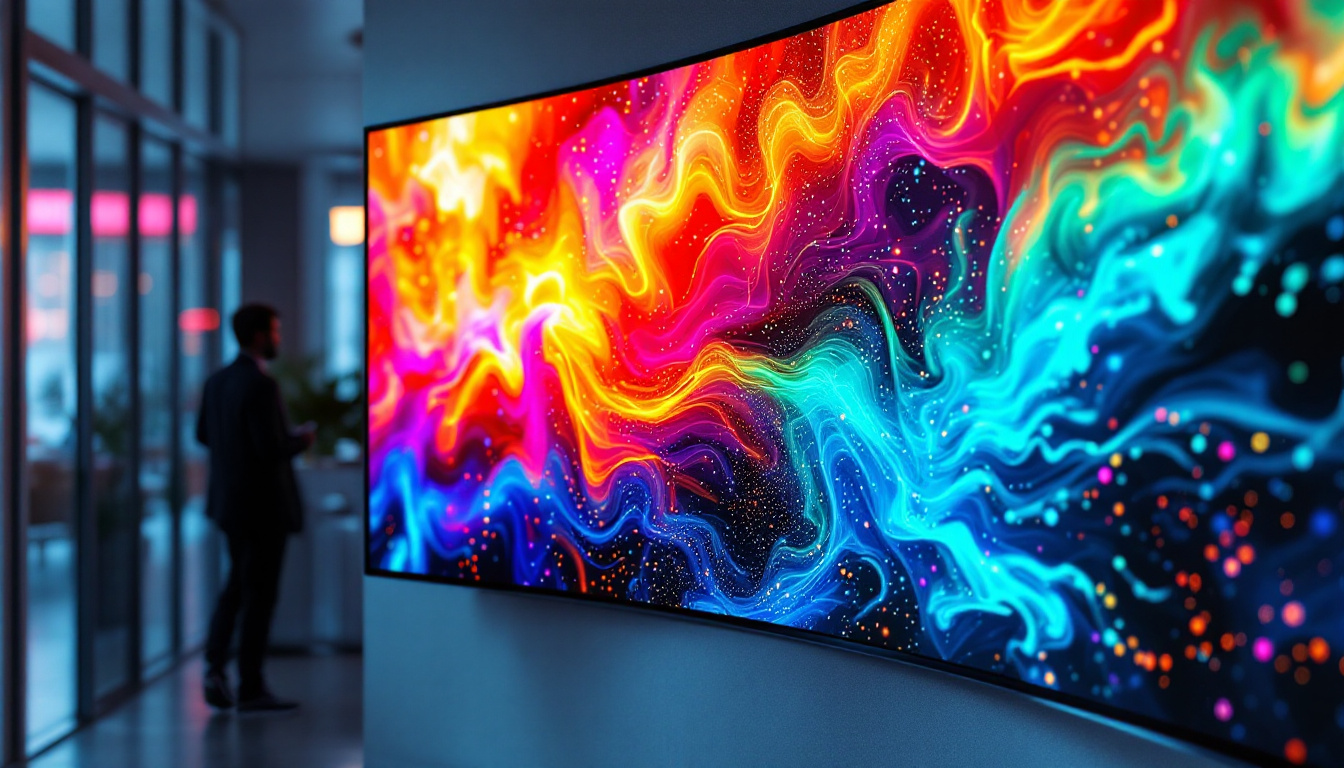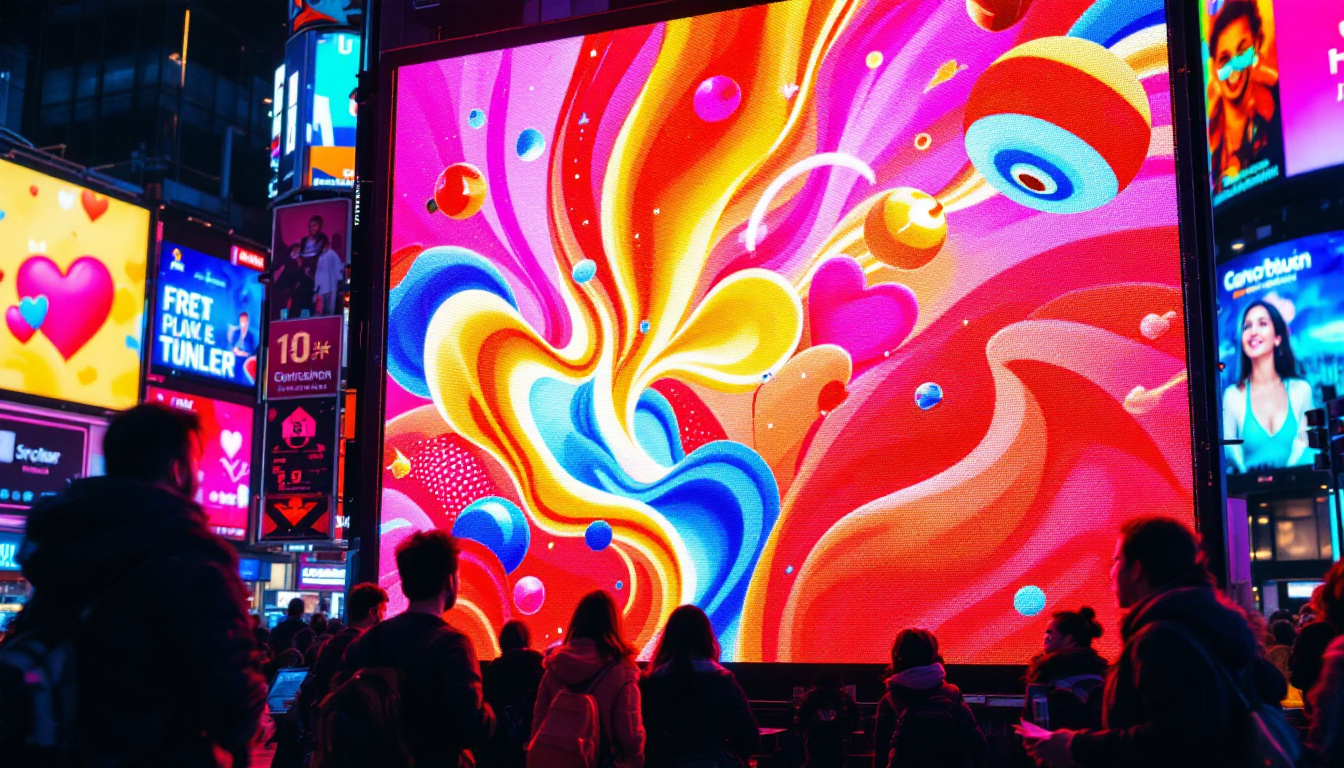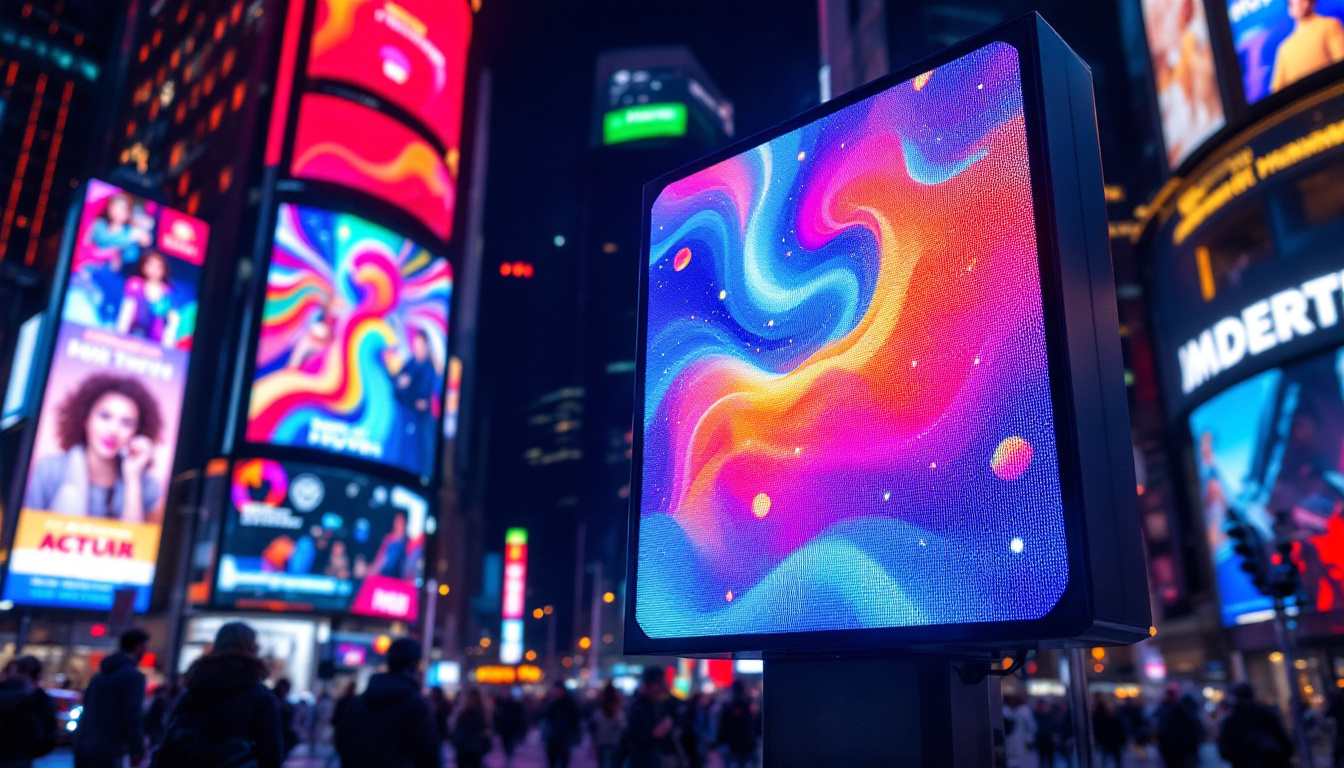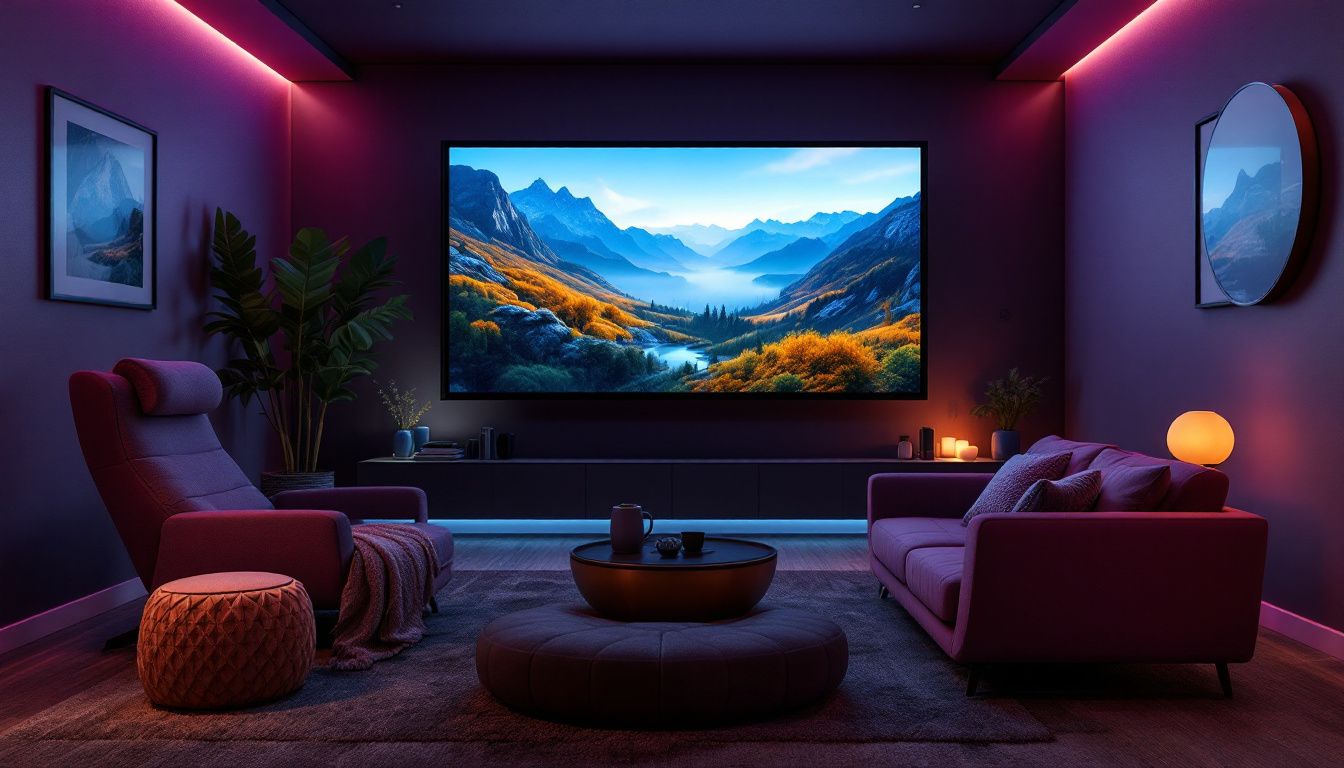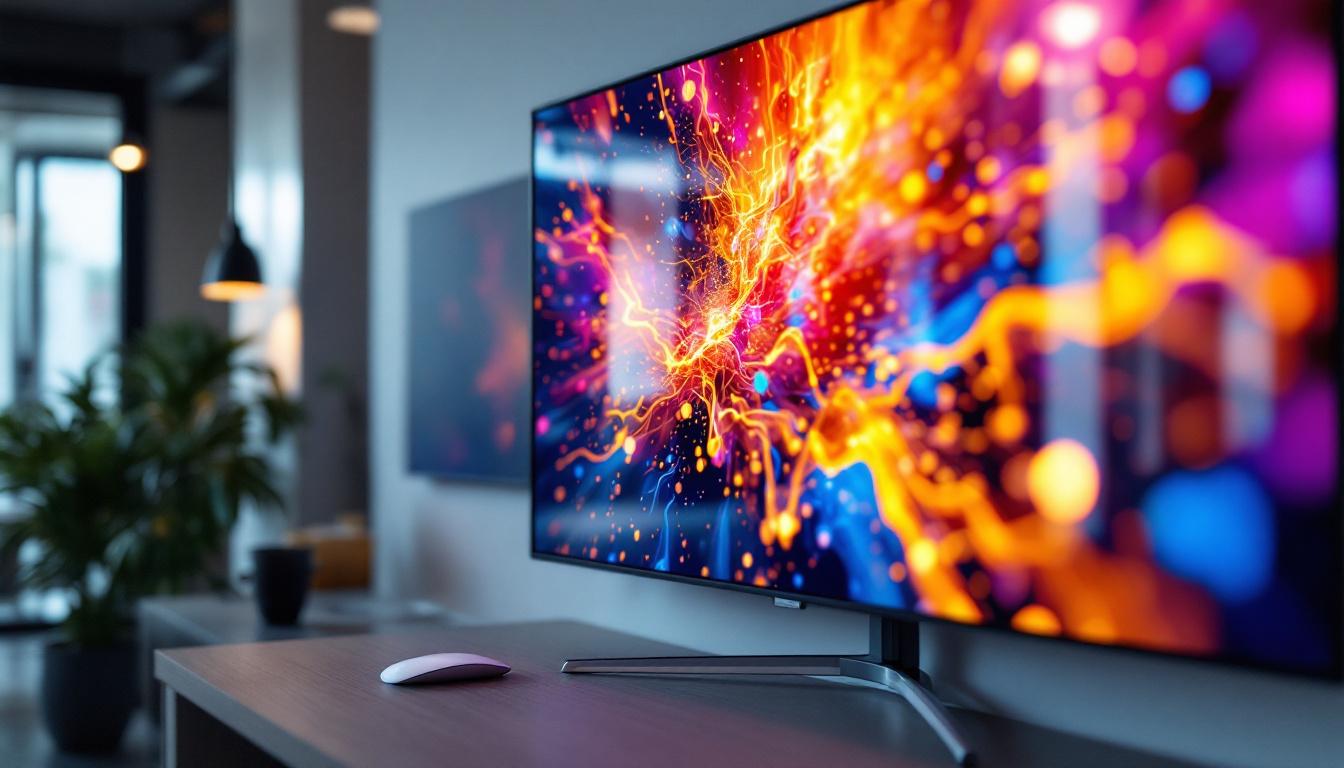
In the evolving world of display technology, LED displays have become a cornerstone for both consumer electronics and commercial applications. From the vibrant screens of smartphones and televisions to massive digital billboards and stadium displays, LED technology offers unparalleled brightness, energy efficiency, and versatility. This article delves into the intricacies of flat panel LED displays, explaining their underlying technology, types, advantages, and future trends.
Understanding LED Display Technology
At its core, an LED (Light Emitting Diode) display is a flat panel that uses tiny light-emitting diodes to create images. Unlike traditional LCD screens that require backlighting, LED displays generate their own light, which results in higher contrast ratios and more vivid colors. This capability allows for deeper blacks and brighter whites, making LED displays ideal for a variety of viewing environments, from dimly lit rooms to brightly lit outdoor settings.
LEDs are semiconductors that emit light when an electric current passes through them. The color of the light depends on the semiconductor material used. In flat panel LED displays, millions of these microscopic LEDs are arranged in grids to form pixels, which collectively produce the images seen on the screen. This pixel arrangement not only enhances image clarity but also allows for more flexible designs, enabling manufacturers to create screens in various shapes and sizes, catering to diverse consumer needs.
The Evolution from LCD to LED
While LED technology is often used interchangeably with LCD, it’s important to distinguish between the two. Most “LED TVs” on the market are actually LCD panels with LED backlighting. Traditional LCD screens use cold cathode fluorescent lamps (CCFLs) for backlighting, which consume more power and offer less precise control over brightness. This limitation often resulted in uneven lighting across the screen, affecting the overall viewing experience.
LED-backlit LCDs replaced CCFLs, allowing for thinner panels, improved energy efficiency, and better color accuracy. However, true LED displays, often referred to as OLED or microLED, use LEDs as individual pixels, eliminating the need for backlighting altogether. This innovation not only enhances the display’s ability to render true blacks but also allows for a wider color gamut. Furthermore, the flexibility of OLED technology has paved the way for curved and even foldable screens, revolutionizing how we interact with visual media. As technology continues to advance, the potential applications for LED displays expand, promising even more immersive experiences in entertainment, advertising, and beyond.
Types of Flat Panel LED Displays
Flat panel LED displays come in various forms, each suited to different applications and performance requirements. Understanding these types helps in selecting the right display for specific needs.
1. LED-Backlit LCD Displays
This is the most common type of LED display found in consumer electronics such as televisions, computer monitors, and smartphones. Here, an LCD panel modulates light from an LED backlight to produce images. The LED backlight can be edge-lit or direct-lit:
- Edge-lit LED: LEDs are placed around the edges of the screen, and light is spread across the panel using light guides. This allows for ultra-thin designs but may have less uniform brightness.
- Direct-lit LED: LEDs are placed directly behind the LCD panel, offering better brightness uniformity and contrast but resulting in thicker displays.
In addition to their design variations, LED-backlit LCD displays often come equipped with advanced technologies such as local dimming, which enhances contrast by controlling the backlight in specific areas of the screen. This feature is particularly beneficial for viewing high-definition content, as it allows for deeper blacks and more vibrant colors. Furthermore, many of these displays support HDR (High Dynamic Range), which expands the range of colors and brightness levels, providing a more immersive viewing experience.
2. OLED (Organic Light Emitting Diode) Displays
OLED displays use organic compounds that emit light when electrically stimulated. Unlike LED-backlit LCDs, OLEDs are self-emissive, meaning each pixel produces its own light. This results in exceptional contrast ratios, true blacks, and wide viewing angles.
OLED technology is widely used in high-end smartphones, premium televisions, and wearable devices. However, OLED panels can be more expensive to manufacture and may suffer from burn-in over prolonged use. Despite these challenges, manufacturers are continuously innovating to enhance the longevity of OLED displays, incorporating features like pixel shifting and screen savers to mitigate burn-in risks. Additionally, the vibrant colors and rapid response times of OLED displays make them ideal for gaming and cinematic experiences, where visual fidelity is paramount.
3. MicroLED Displays
MicroLED is an emerging technology that uses microscopic LEDs to form each pixel. Like OLEDs, microLEDs are self-emissive but offer higher brightness levels, better energy efficiency, and longer lifespans without the risk of burn-in.
While still in the early stages of commercialization, microLED displays are gaining traction for large-scale applications such as digital signage, stadium screens, and next-generation televisions. The modular nature of microLED technology allows for seamless assembly of displays in various configurations, enabling custom sizes and shapes that can cater to specific installation environments. This adaptability opens up exciting possibilities for creative advertising and immersive installations, where traditional display formats may fall short.
4. Direct View LED Displays
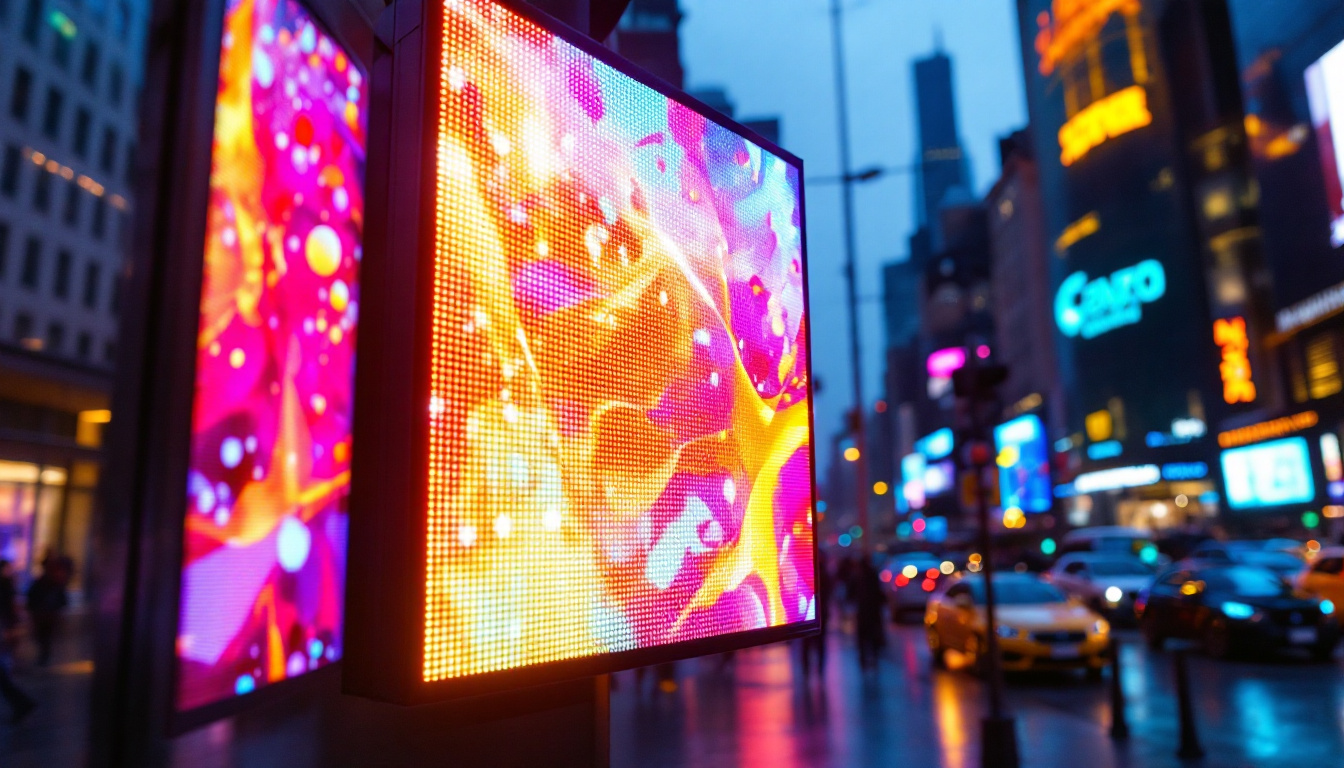
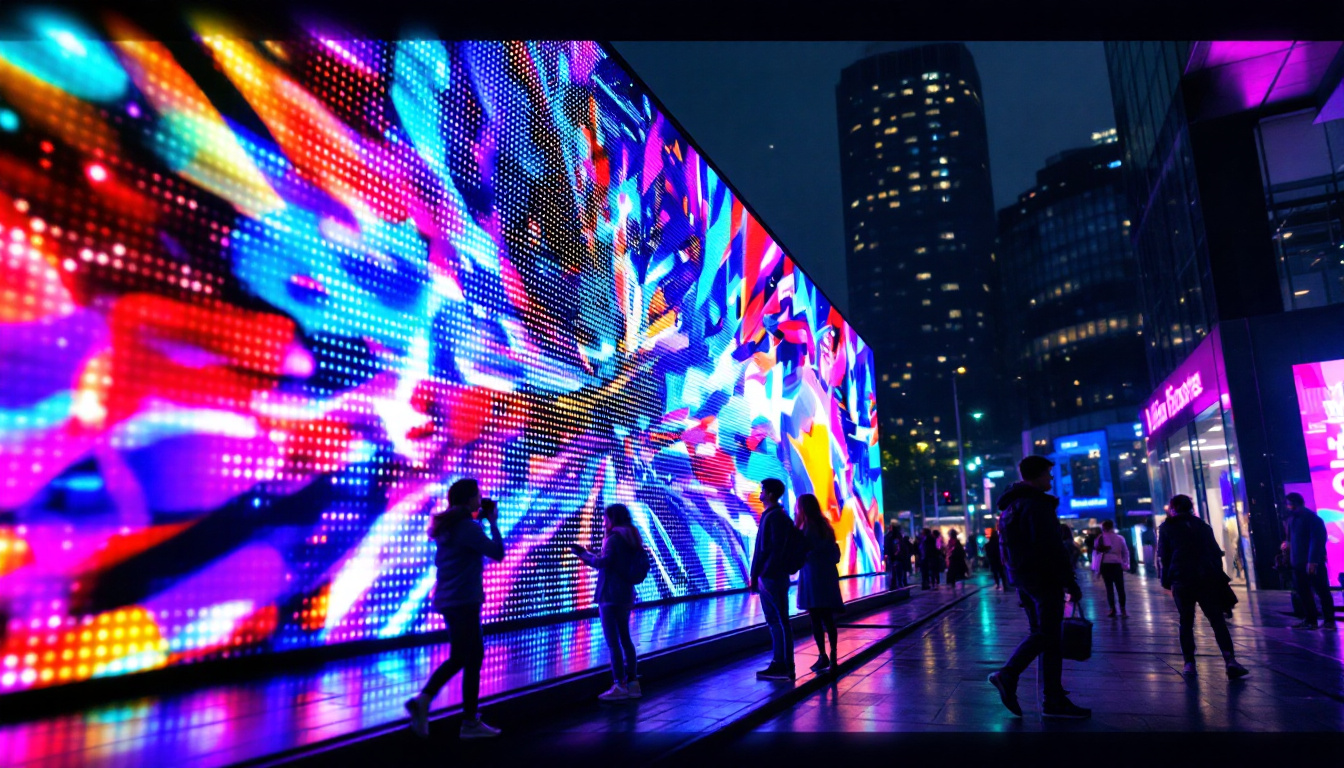
These displays consist of large arrays of LEDs arranged to form pixels directly visible to the viewer, without any intervening LCD layers. They are commonly used in outdoor billboards, stadium displays, and large video walls due to their high brightness and durability.
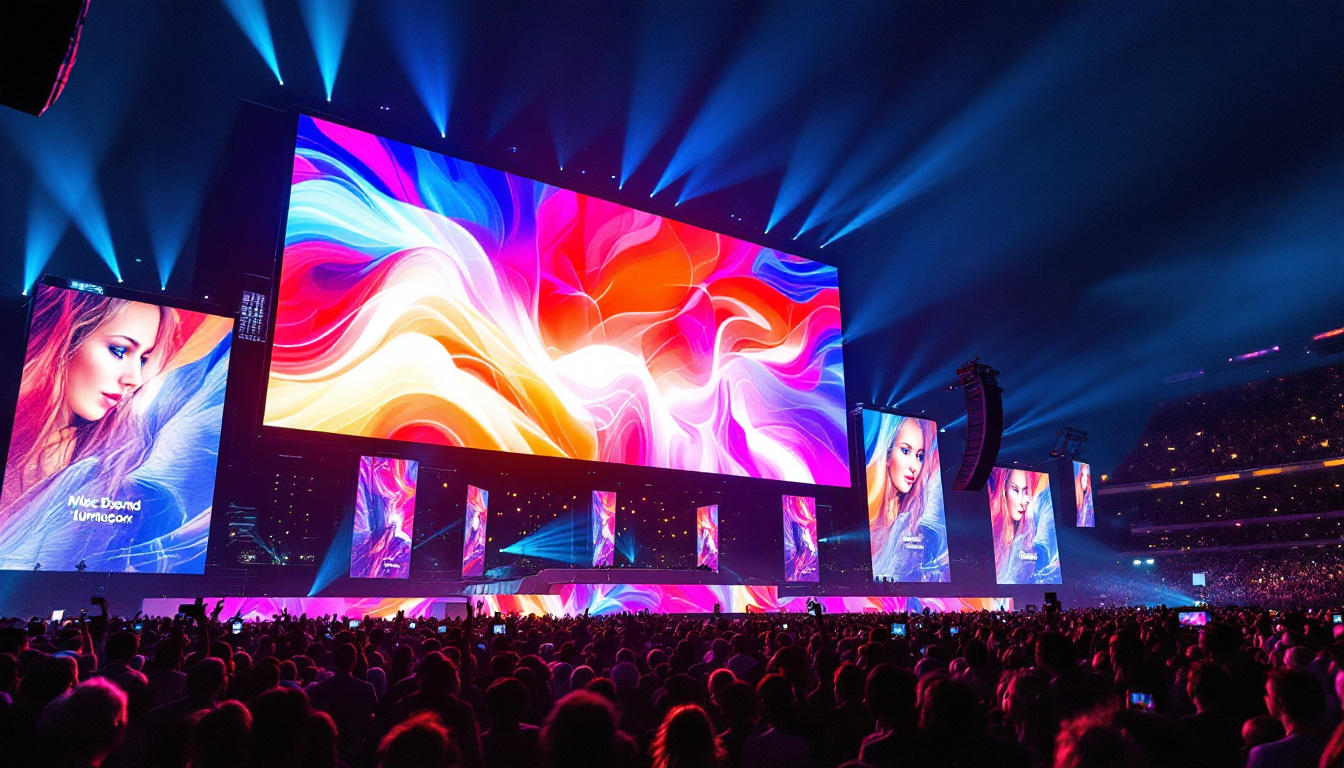
Direct view LEDs offer excellent visibility even in bright sunlight and can be configured in various shapes and sizes, making them highly versatile for advertising and public information displays. Moreover, advancements in pixel pitch technology have allowed for higher resolution displays, enabling clearer images and text from greater distances. This is particularly advantageous in crowded environments like sports arenas or concert venues, where the audience is spread out over a large area. Additionally, many direct view LED displays now come with enhanced weatherproofing and robust construction, ensuring they can withstand the elements while maintaining performance and reliability over time.
Key Advantages of LED Flat Panel Displays
LED displays have revolutionized visual technology by offering several compelling benefits over older display types. These advantages contribute to their widespread adoption across diverse industries.
Superior Image Quality
LED technology provides vibrant colors, deep blacks, and high contrast ratios, resulting in stunning image quality. OLED and microLED displays, in particular, excel in delivering rich visuals with wide color gamuts and precise brightness control.
For consumers, this means more immersive viewing experiences, whether watching movies, gaming, or browsing photos. For businesses, it translates into eye-catching advertising and clear, readable information displays.
Energy Efficiency and Longevity
LED displays consume significantly less power compared to traditional CCFL-backlit LCDs and plasma screens. This efficiency not only reduces electricity costs but also supports environmental sustainability efforts.
Moreover, LEDs have longer operational lifespans, often exceeding 50,000 hours of use. This durability minimizes maintenance and replacement costs, especially important for commercial and industrial applications.
Thin and Lightweight Design
Because LEDs are compact and do not require bulky backlighting assemblies, LED flat panel displays can be designed to be extremely thin and lightweight. This allows for sleek consumer devices and flexible installation options in commercial settings.
Wide Viewing Angles and Fast Response Times
Modern LED displays offer wide viewing angles without significant color or contrast degradation, ensuring consistent image quality from different perspectives. Additionally, their fast response times reduce motion blur, which is critical for gaming and video playback.
Applications of Flat Panel LED Displays
The versatility of LED displays has led to their adoption across numerous sectors. Their adaptability in size, resolution, and brightness makes them suitable for a wide range of environments.
Consumer Electronics
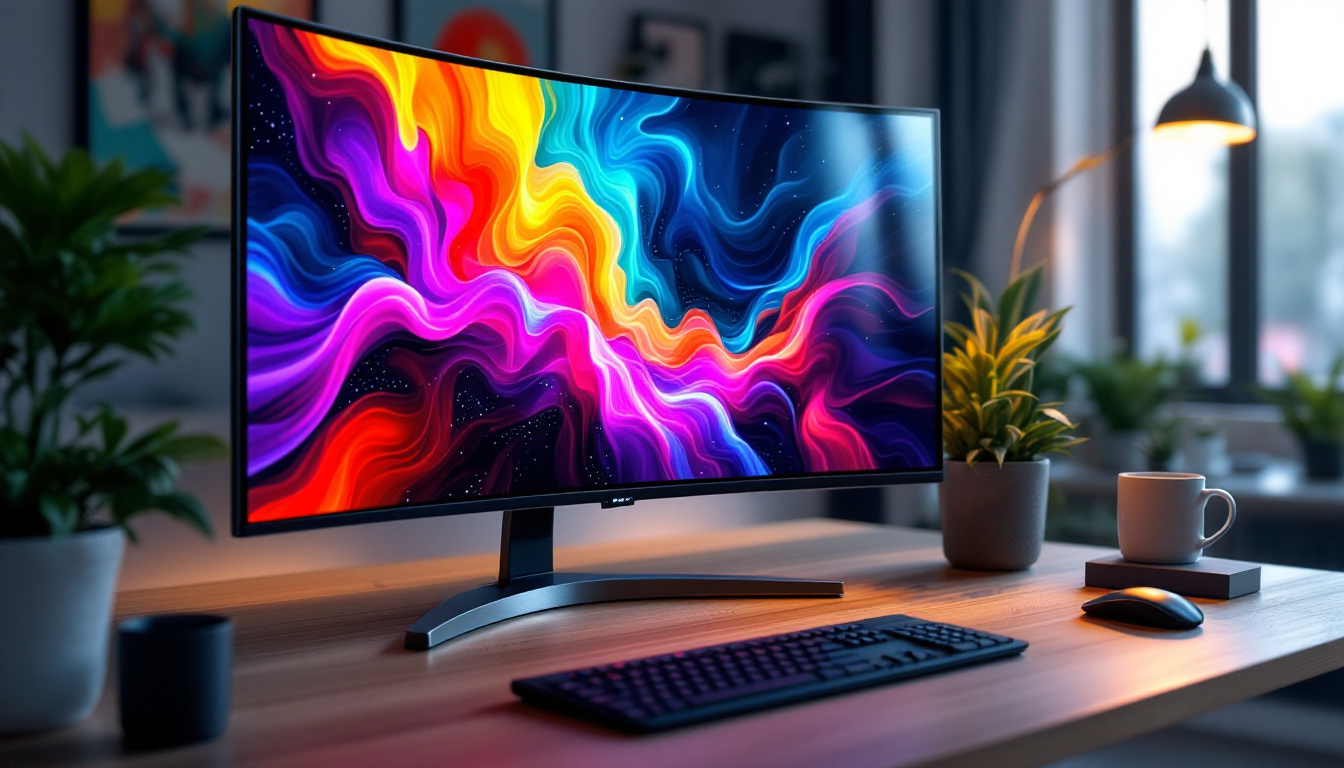
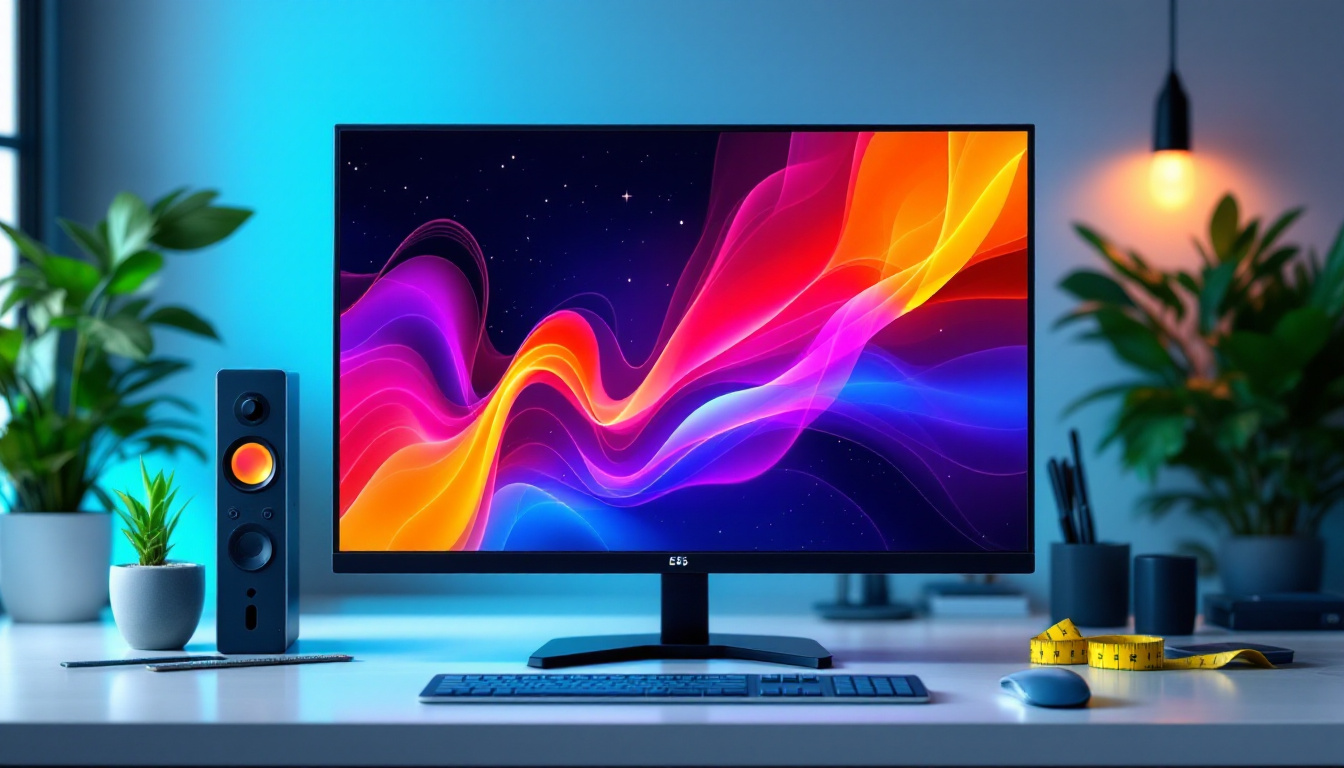
LED technology dominates the consumer electronics market. Televisions, smartphones, tablets, and laptops commonly utilize LED-backlit LCD or OLED displays. The demand for higher resolution screens, such as 4K and 8K TVs, has further driven advancements in LED panel manufacturing.
Digital Signage and Advertising
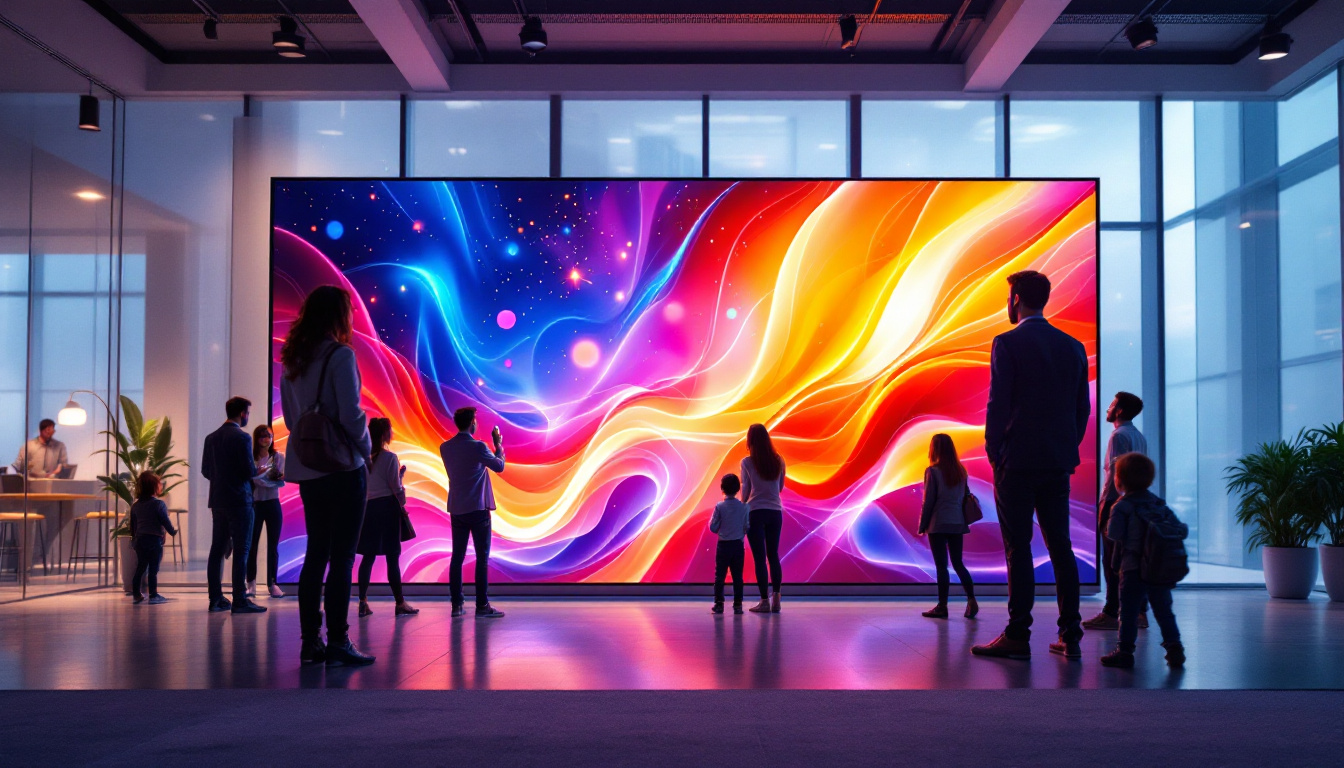
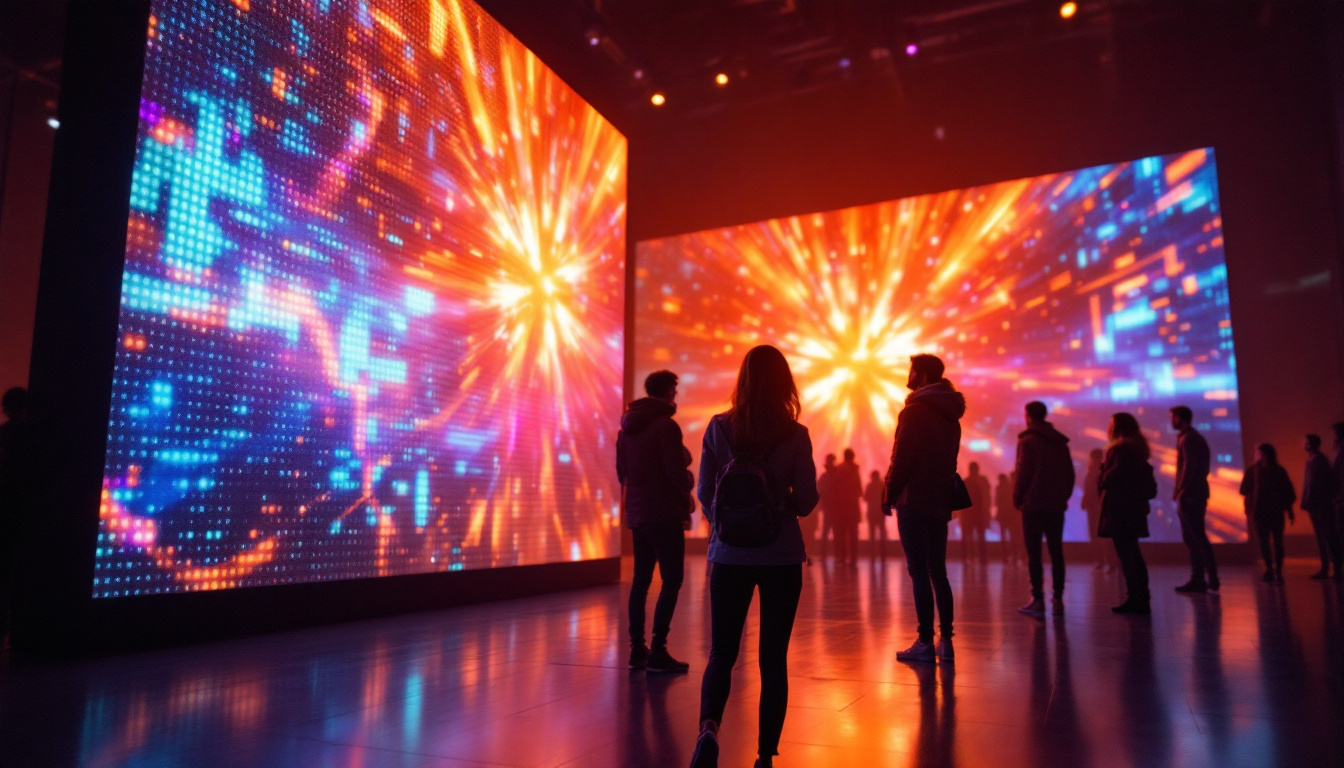
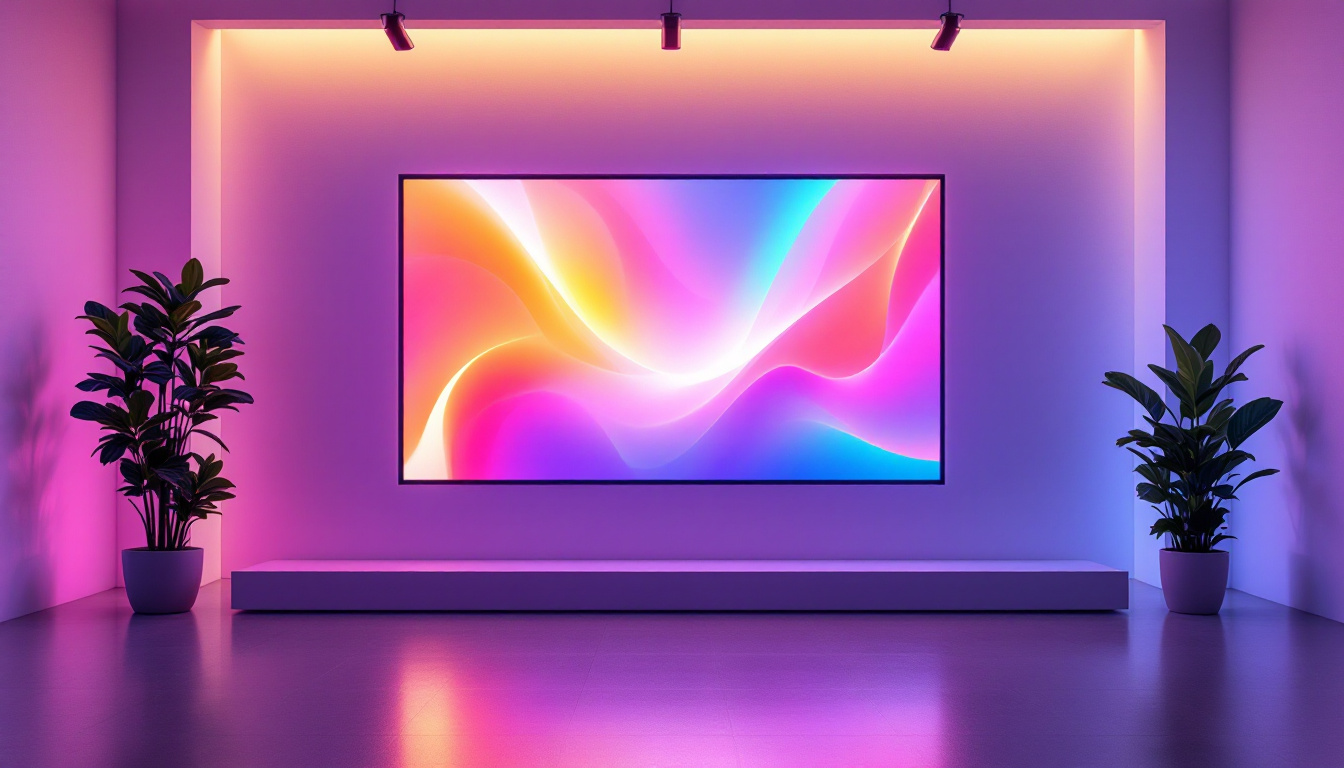
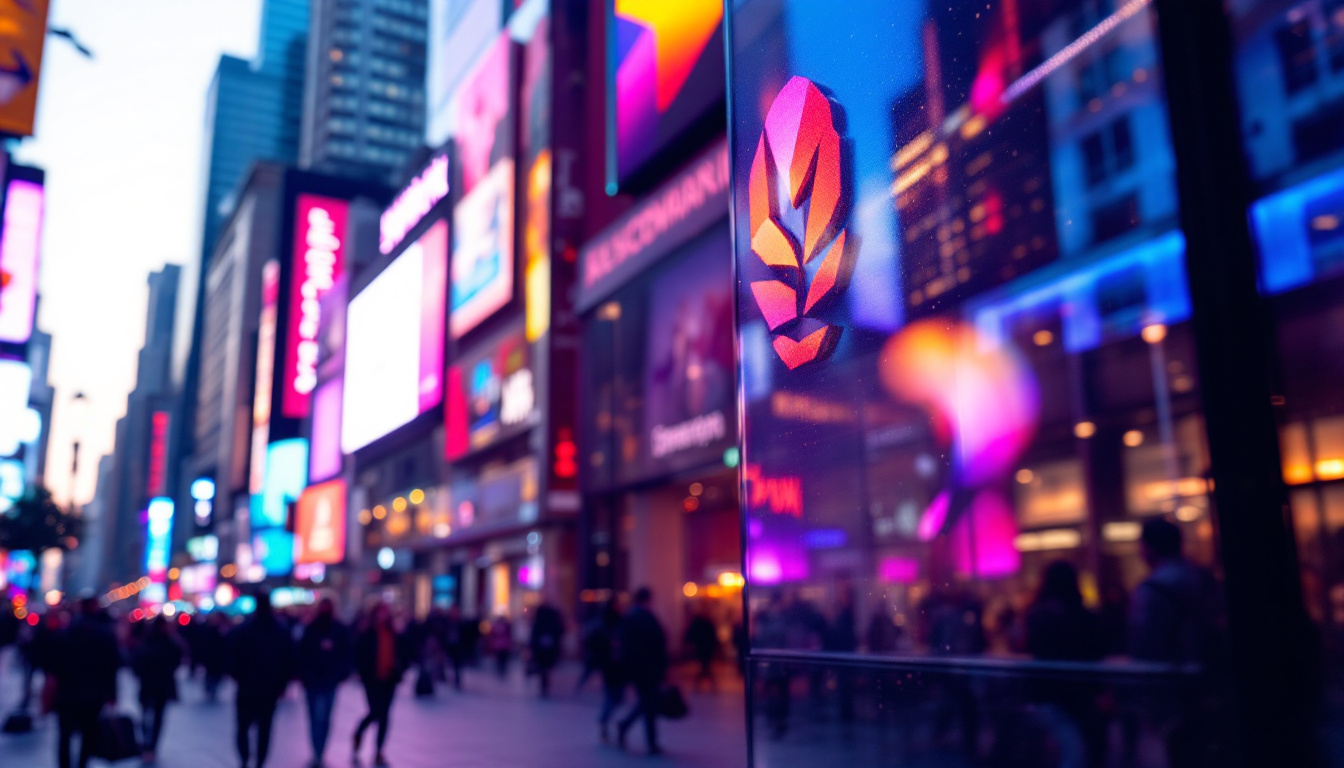
Outdoor and indoor digital signage rely heavily on LED displays due to their brightness, durability, and scalability. From storefronts to airports and shopping malls, LED screens deliver dynamic content that captures attention and enhances customer engagement.
Sports and Entertainment Venues
Stadiums and arenas use large direct view LED video walls to broadcast live events, advertisements, and interactive content. The high brightness and weather resistance of these displays ensure visibility even in challenging outdoor conditions.
Industrial and Medical Applications
LED displays are used in control rooms, medical imaging devices, and instrumentation panels where accurate color representation and reliable performance are critical. Their clarity and responsiveness improve operational efficiency and diagnostic accuracy.
Future Trends in LED Display Technology
The LED display industry continues to innovate rapidly, driven by consumer demand for higher quality, more energy-efficient, and versatile screens.
Advancements in MicroLED and MiniLED
MicroLED technology is poised to disrupt the market by combining the best features of OLED and traditional LEDs—offering high brightness, excellent color accuracy, and long lifespan without burn-in issues. Though currently expensive, mass production techniques are expected to reduce costs over the next few years.
MiniLED, a variant using smaller LEDs for backlighting, is already making waves in premium laptops and monitors by enabling better local dimming and contrast than conventional LED-backlit LCDs.
Flexible and Transparent Displays
Research into flexible LED panels is enabling foldable smartphones, rollable TVs, and other innovative form factors. Transparent LED displays are also emerging, offering new possibilities for augmented reality and heads-up displays in automotive and retail environments.
Integration with Smart Technologies
LED displays are increasingly integrated with IoT and AI-driven systems, allowing for dynamic content adaptation based on user preferences, environmental conditions, or real-time data. This integration enhances interactivity and personalization in digital signage and consumer devices.
Conclusion
Flat panel LED displays represent a significant leap forward in display technology, combining superior image quality, energy efficiency, and design flexibility. From everyday consumer gadgets to large-scale commercial installations, LED displays continue to shape how information and entertainment are delivered visually.
As advancements in microLED and OLED technologies mature, the future promises even more vibrant, durable, and versatile displays that will redefine the boundaries of visual experiences across industries.
Discover the Future of Visual Display with LumenMatrix
Embrace the cutting-edge advancements in LED technology with LumenMatrix, a pioneer in crafting immersive visual experiences. Whether you’re looking to elevate your brand presence with an Indoor LED Wall Display, captivate passersby with an Outdoor LED Wall Display, or innovate on the move with a Vehicle LED Display, LumenMatrix has a tailored solution for you. From LED Sports Displays to Custom LED solutions, our mission is to transform your visual communication with clarity and impact. Don’t just take our word for it; check out LumenMatrix LED Display Solutions and see how we can illuminate your world.