In the rapidly evolving world of digital advertising and information dissemination, LED displays have emerged as a cornerstone technology. From bustling city centers to corporate lobbies, LED displays captivate audiences with their vibrant visuals and dynamic content. This article delves into the fundamentals of LED displays, exploring their technology, applications, benefits, and considerations for businesses and organizations looking to leverage this powerful medium.
Understanding LED Display Technology
What is an LED Display?
LED stands for Light Emitting Diode, a semiconductor device that emits light when an electric current passes through it. An LED display is a flat panel or flexible surface that uses an array of these tiny diodes to create images, videos, or text. Unlike traditional displays that rely on backlighting, LEDs produce their own light, resulting in brighter and more energy-efficient screens.
Modern LED displays are composed of thousands to millions of individual LEDs arranged in a grid. Each LED can emit red, green, or blue light, and by combining these primary colors at varying intensities, the display can produce a full spectrum of colors. This capability allows LED displays to deliver vivid, high-contrast images that remain visible even in direct sunlight. The technology behind LED displays has evolved significantly, with advancements in color accuracy and energy efficiency, making them a popular choice for both commercial and residential applications.
Furthermore, the lifespan of LED displays is remarkable, often exceeding 50,000 hours of use, which translates to years of uninterrupted performance. This longevity, combined with their low power consumption and minimal heat generation, makes LED displays not only cost-effective but also environmentally friendly. As a result, many businesses are transitioning from traditional display technologies to LED solutions, recognizing the long-term savings and sustainability benefits.
Types of LED Displays
LED displays come in several forms, each suited to different environments and purposes:
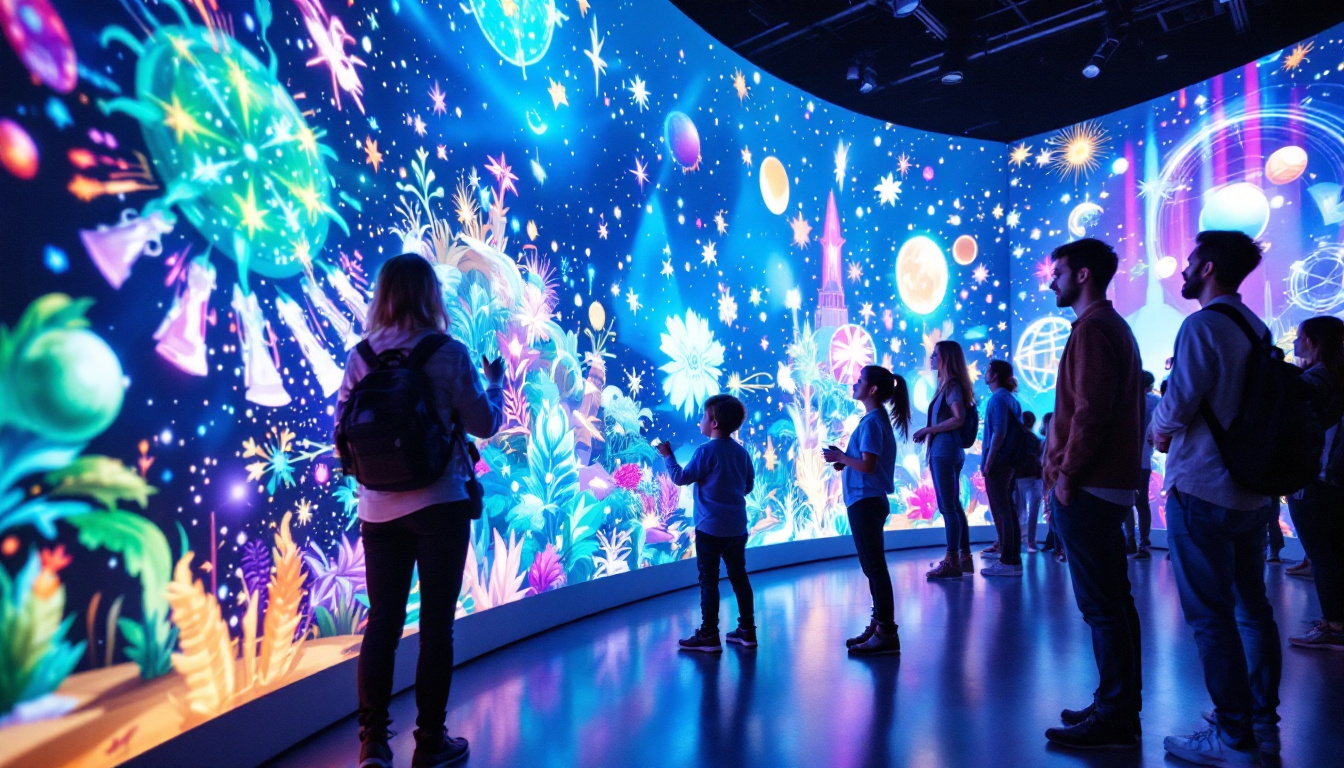
- Indoor LED Displays: Designed for controlled lighting environments, these displays have a higher pixel density, offering sharper images and finer detail. They are common in retail stores, conference rooms, and event venues. Indoor displays often feature advanced technologies like HDR (High Dynamic Range), enhancing the visual experience by providing deeper blacks and brighter whites.
- Outdoor LED Displays: Built to withstand weather conditions, these displays have higher brightness levels—often exceeding 5,000 nits—to remain visible under direct sunlight. They are used for billboards, stadium screens, and public information boards. Outdoor displays are also equipped with protective coatings to guard against rain, dust, and UV damage, ensuring durability and longevity in various climates.
- Flexible and Transparent LED Displays: An emerging innovation, these displays can bend or allow light to pass through, enabling creative applications such as curved installations or glass facades. Their versatility opens up new avenues for advertising and design, allowing for seamless integration into architecture and interior spaces. This technology is particularly appealing in retail environments, where it can enhance customer engagement through dynamic visual storytelling.
In addition to these types, LED displays are also categorized by their pixel pitch, which refers to the distance between the centers of two adjacent pixels. A smaller pixel pitch results in higher resolution and is ideal for close viewing distances, making it perfect for indoor applications where viewers are near the screen. Conversely, larger pixel pitches are suitable for outdoor displays, where viewers are typically farther away. This nuanced understanding of pixel pitch helps businesses choose the right display for their specific needs, ensuring optimal visual impact and audience engagement.
Key Advantages of LED Displays for Signage
Superior Visibility and Brightness
One of the primary reasons LED displays dominate the signage market is their exceptional brightness. Outdoor LED signage can reach brightness levels up to 10,000 nits, making them clearly visible even in direct sunlight. This contrasts sharply with LCD or projection-based displays, which often struggle in bright environments. The high luminance of LED technology ensures that advertisements and information stand out, capturing the attention of passersby effectively.
Moreover, LED displays offer wide viewing angles, ensuring that content is legible from multiple perspectives. This characteristic is crucial in public spaces where audiences are dispersed and moving. The ability to maintain clarity and vibrancy from various angles means that businesses can reach a larger audience without the need for multiple displays. Additionally, advancements in LED technology have led to improved color accuracy and contrast ratios, further enhancing the visual appeal of the content being displayed.
Energy Efficiency and Longevity
Compared to other display technologies, LEDs consume significantly less power. For businesses conscious of operational costs and environmental impact, this translates into meaningful savings and a reduced carbon footprint. Typical LED displays can operate for 50,000 to 100,000 hours before requiring replacement, which is substantially longer than traditional lighting or display options. This longevity not only reduces the frequency of replacements but also minimizes waste, making LED displays a more sustainable choice for signage.
Furthermore, the energy efficiency of LED displays means that they can be operated continuously without incurring exorbitant electricity bills. This is particularly advantageous for businesses that rely on 24/7 visibility, such as convenience stores and gas stations. The lower heat output of LEDs also contributes to less strain on air conditioning systems, further enhancing energy savings and creating a more comfortable environment for both customers and employees.
Dynamic and Customizable Content
LED signage enables real-time content updates, allowing businesses to tailor messages based on time of day, audience demographics, or special events. This dynamic capability enhances engagement and can drive higher conversion rates in advertising campaigns. The flexibility of LED displays means that businesses can quickly adapt their messaging in response to market trends or customer feedback, ensuring that their content remains relevant and impactful.
For example, a retail store might display promotional offers during peak shopping hours and switch to branding or informational content at other times. Similarly, transportation hubs can update schedules and alerts instantly, improving passenger experience. The ability to incorporate animations, videos, and interactive elements into LED signage further enriches the viewer’s experience, making it not just informative but also entertaining. This interactivity can lead to increased dwell times and a greater likelihood of customer engagement, ultimately benefiting the business’s bottom line.
Applications of LED Displays in Modern Signage
Outdoor Advertising and Billboards
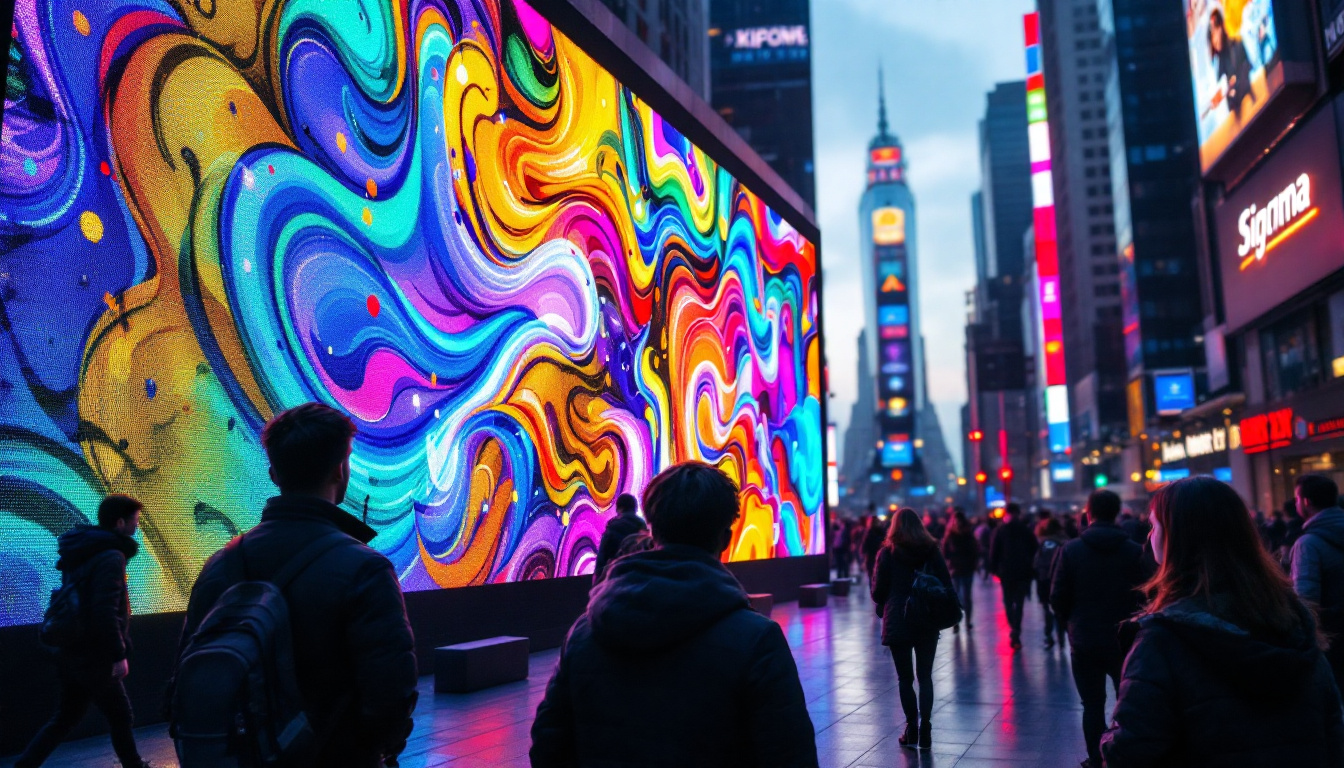
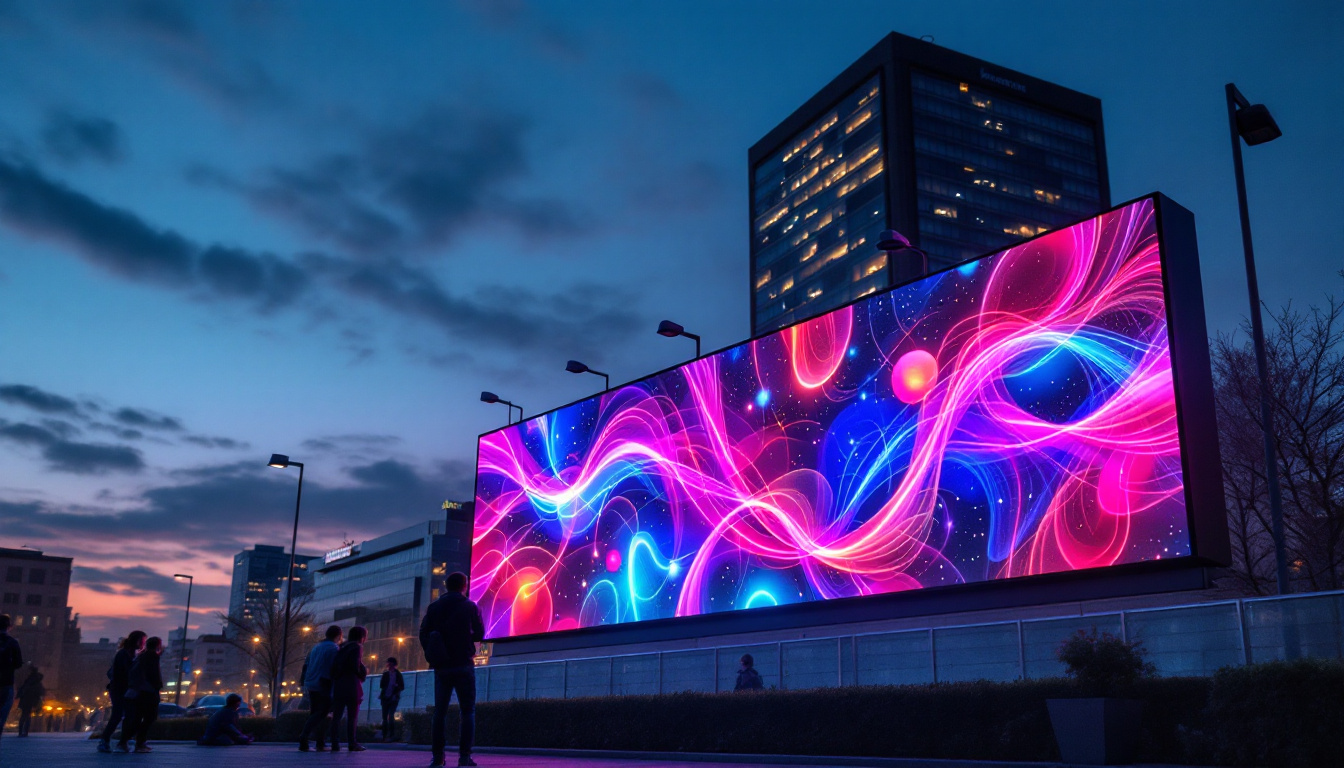
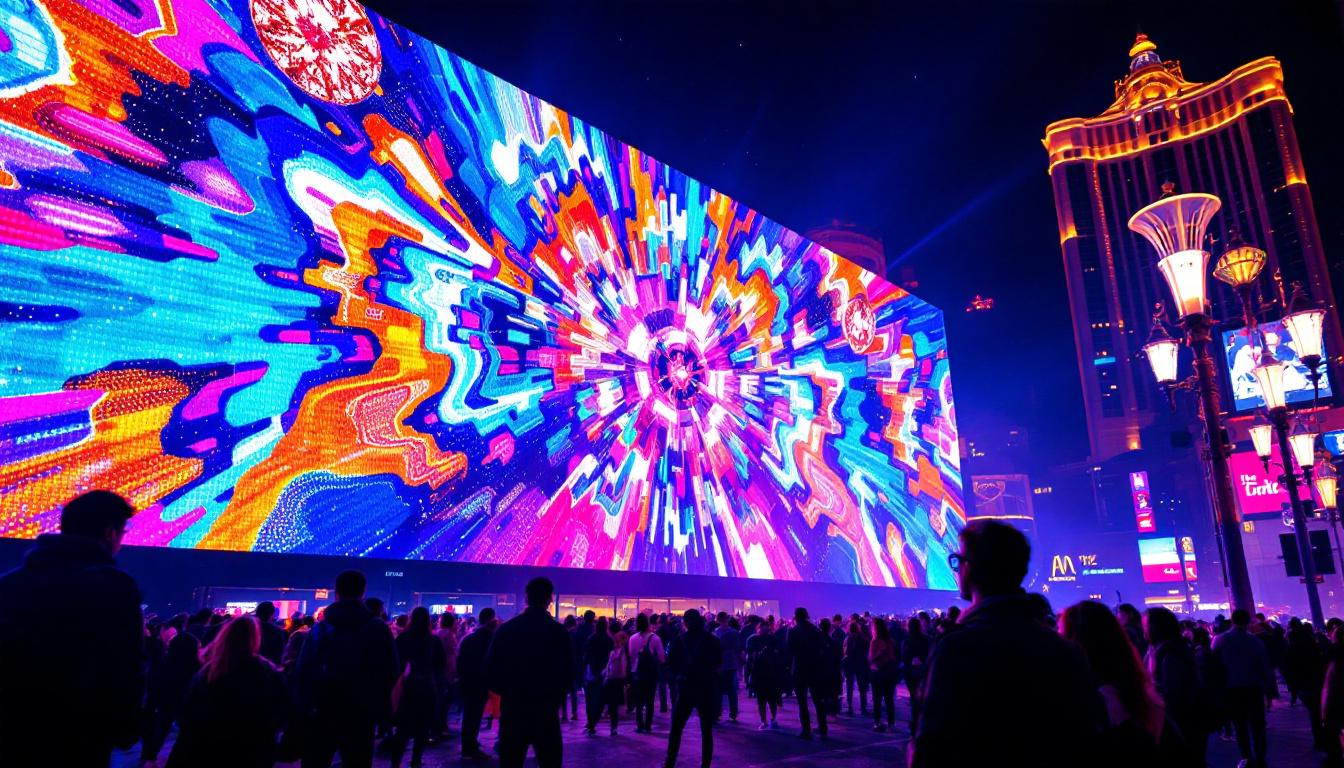
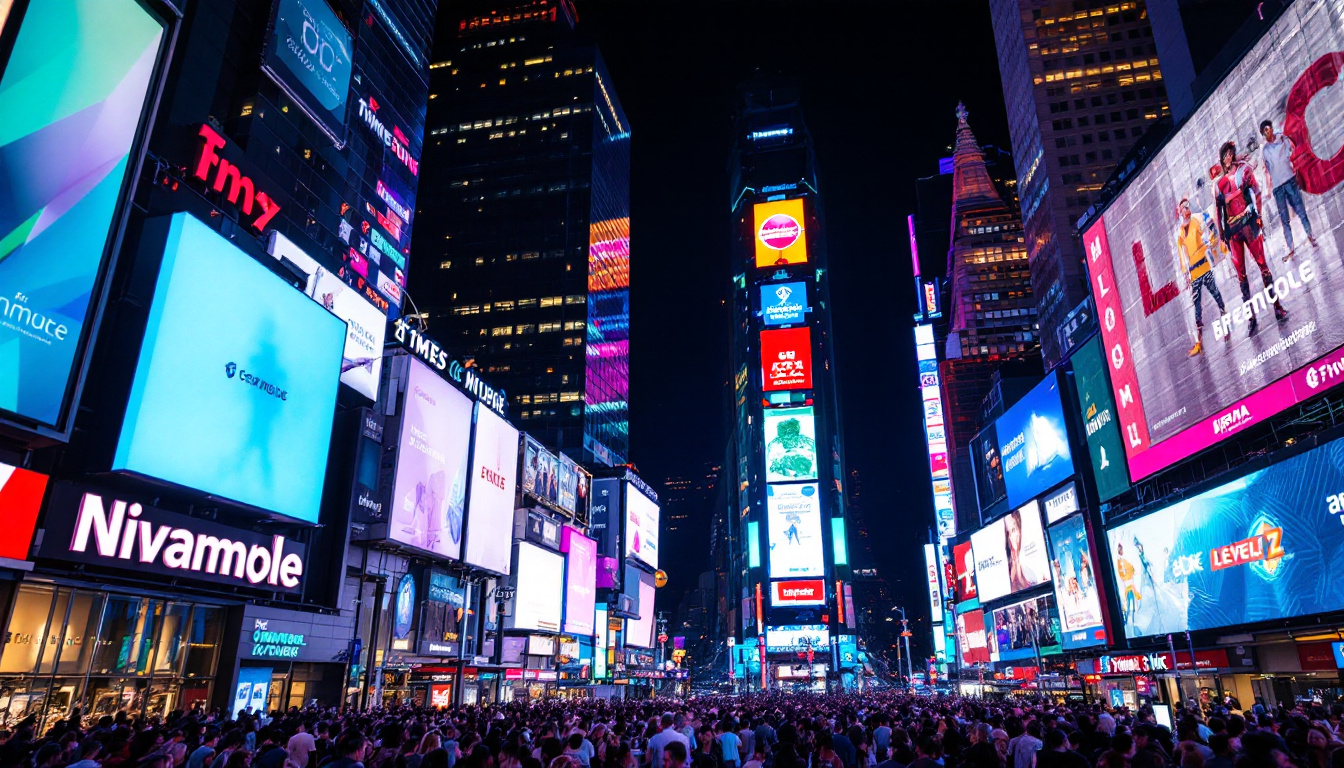
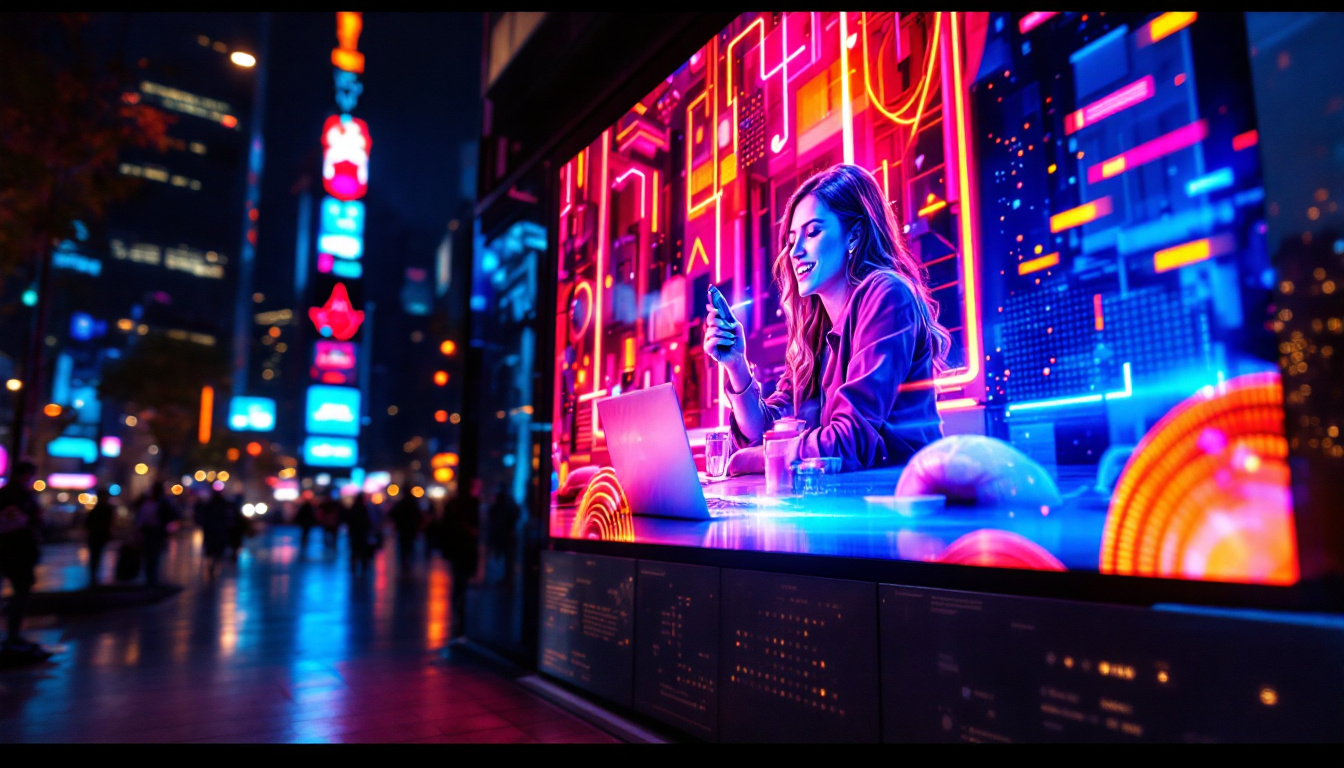
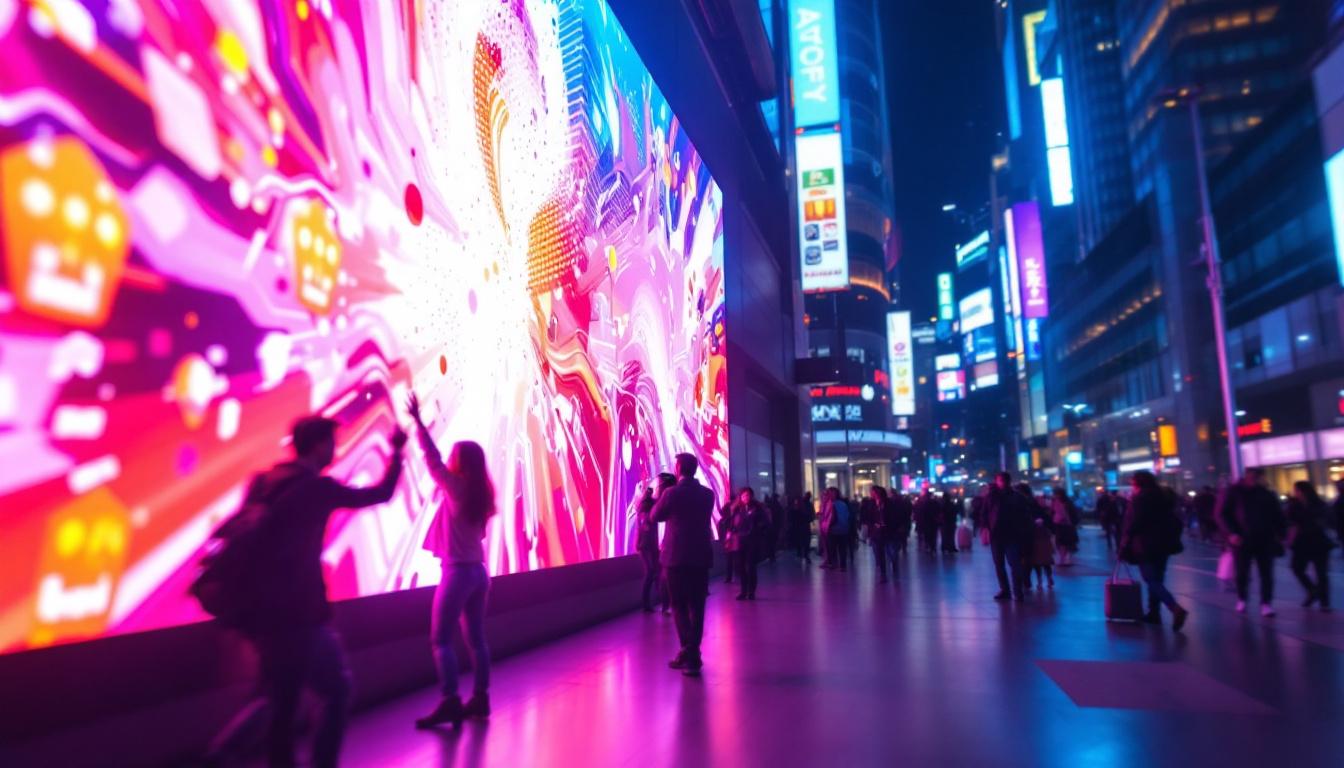
Outdoor LED billboards have revolutionized advertising by providing advertisers with a flexible platform to deliver high-impact messages. According to a 2023 report by the Digital Signage Federation, LED billboards have increased audience engagement by up to 40% compared to static billboards.
These displays can cycle through multiple ads, incorporate animations, and even interact with mobile devices via QR codes or NFC technology. Their ability to attract attention in busy urban environments makes them a favorite among marketers.
Retail and Hospitality Environments
In retail settings, LED displays serve as digital price tags, promotional boards, or immersive brand experiences. For instance, fashion retailers use LED walls to showcase runway footage or highlight new collections, creating an engaging atmosphere that encourages shoppers to linger.
Restaurants and hotels utilize LED signage for menus, event announcements, and wayfinding, improving customer service and operational efficiency.
Corporate Communications and Events
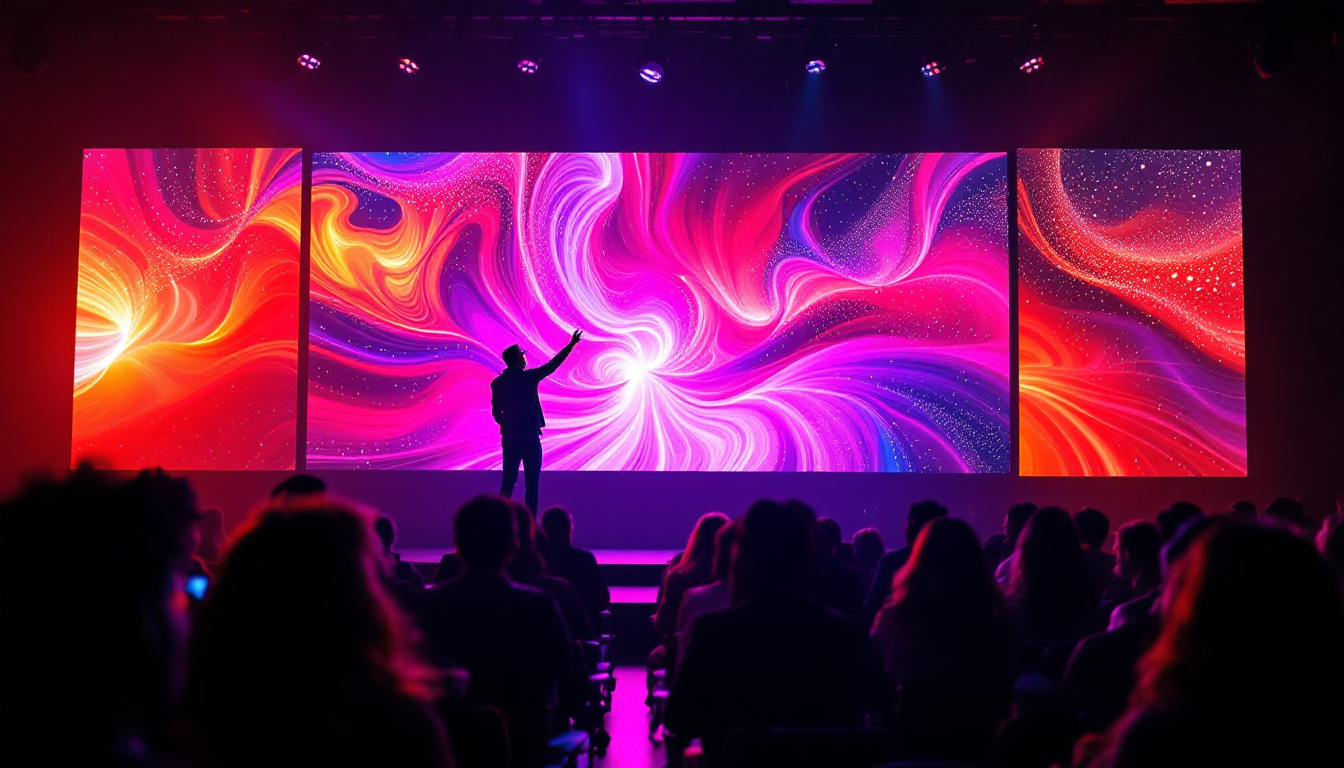
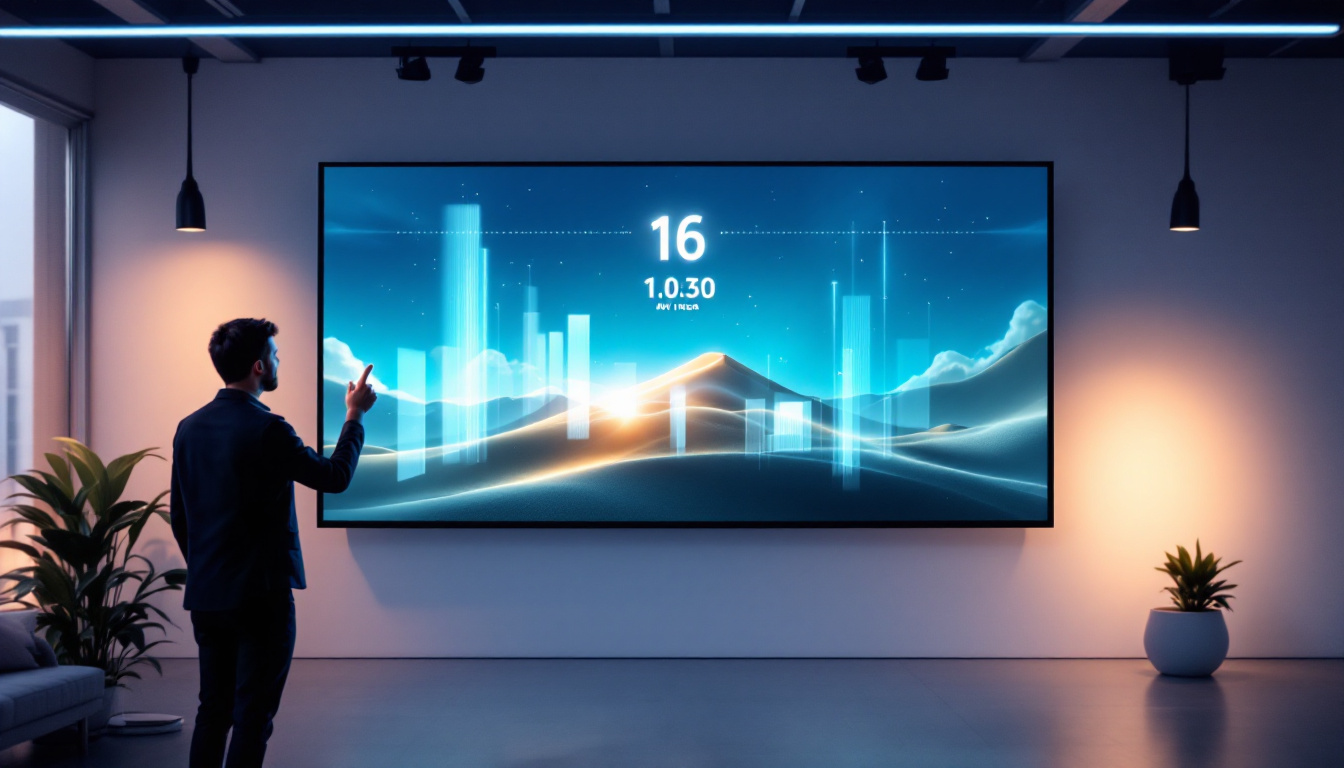
Corporate offices employ LED displays in lobbies and meeting rooms to communicate company news, display performance metrics, or welcome visitors. During conferences and trade shows, large LED screens enhance presentations and provide dynamic backdrops that reinforce branding.
Transportation and Public Information
Airports, train stations, and bus terminals rely heavily on LED displays for real-time updates, directional signage, and emergency alerts. Their reliability and clarity are essential for managing large crowds and ensuring safety.
Choosing the Right LED Display: Factors to Consider
Pixel Pitch and Resolution
Pixel pitch refers to the distance between the centers of two adjacent LEDs, typically measured in millimeters. A smaller pixel pitch means higher resolution and sharper images, which is ideal for close viewing distances. For example, indoor LED displays often have pixel pitches as low as 1mm, while outdoor displays may range from 4mm to 20mm depending on viewing distance.
Understanding the intended viewing distance is critical. A display with too large a pixel pitch will appear pixelated up close, while an unnecessarily small pixel pitch can increase costs without visible benefits at long distances.
Brightness and Environmental Durability
Brightness requirements vary depending on location and ambient light conditions. Outdoor displays demand higher brightness and weatherproofing features such as IP65 or higher ratings to resist dust and water. Additionally, temperature regulation systems like fans or heat sinks help maintain optimal performance in extreme climates.
Content Management Systems (CMS)
Modern LED signage solutions come with sophisticated CMS platforms that enable users to schedule, update, and monitor content remotely. When selecting an LED display, consider the ease of use, compatibility with existing software, and support for various media formats.
Installation and Maintenance
Installation complexity depends on the size and type of the LED display. Modular designs facilitate easier assembly and maintenance, allowing individual panels to be replaced without dismantling the entire structure. Additionally, consider the availability of technical support and warranty terms to ensure long-term reliability.
Future Trends in LED Display Technology
Mini-LED and Micro-LED Innovations
Emerging technologies like Mini-LED and Micro-LED promise even greater brightness, contrast, and energy efficiency. Micro-LEDs, in particular, offer the potential for ultra-high-resolution displays with superior color accuracy and faster response times, which could redefine digital signage standards in the coming years.
Integration with AI and IoT
Artificial intelligence and the Internet of Things (IoT) are transforming LED signage into interactive, data-driven platforms. AI-powered analytics can optimize content based on audience behavior, while IoT connectivity enables real-time data integration such as weather updates, social media feeds, or inventory levels.
Sustainability and Eco-Friendly Materials
As sustainability becomes a priority, manufacturers are exploring eco-friendly materials and recycling programs for LED components. Energy-efficient designs and longer-lasting products contribute to reducing electronic waste and operational costs.
Conclusion
LED displays have become an indispensable tool in the signage industry, offering unparalleled brightness, flexibility, and durability. Whether used for advertising, corporate communication, or public information, LED technology enhances engagement and delivers impactful messages with clarity and vibrancy.
For businesses and organizations considering LED signage, understanding the technology, applications, and key selection criteria is essential to maximizing return on investment. As innovations continue to advance, LED displays will remain at the forefront of digital communication, shaping the way information is shared and experienced worldwide.
Discover LumenMatrix’s Innovative LED Solutions
Ready to elevate your signage and captivate your audience with the latest in LED technology? Explore LumenMatrix’s comprehensive range of LED display solutions, from vibrant Indoor and Outdoor LED Wall Displays to dynamic Vehicle and Sports Displays. Each product is crafted to revolutionize visual communication and enhance brand visibility. Embrace the future of digital signage with LumenMatrix and create unforgettable visual experiences. Check out LumenMatrix LED Display Solutions today and transform the way you share your message.