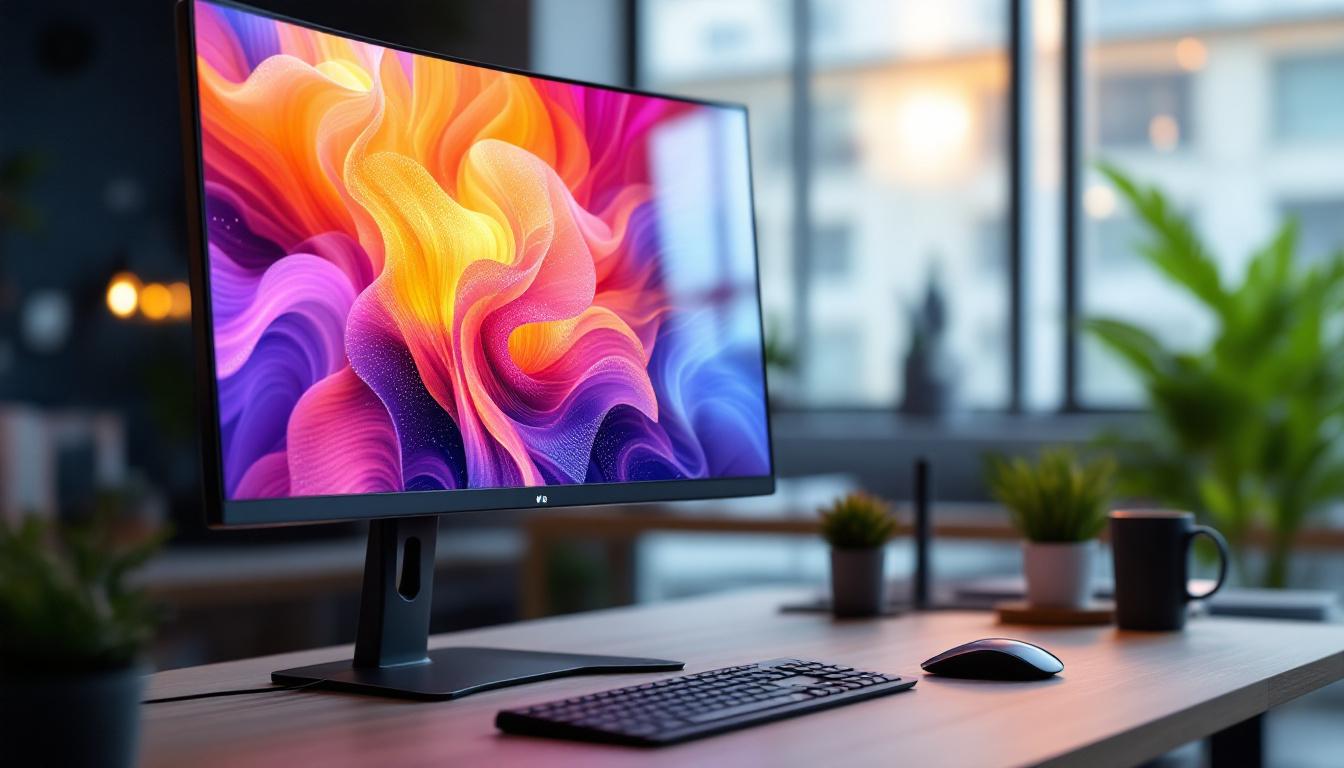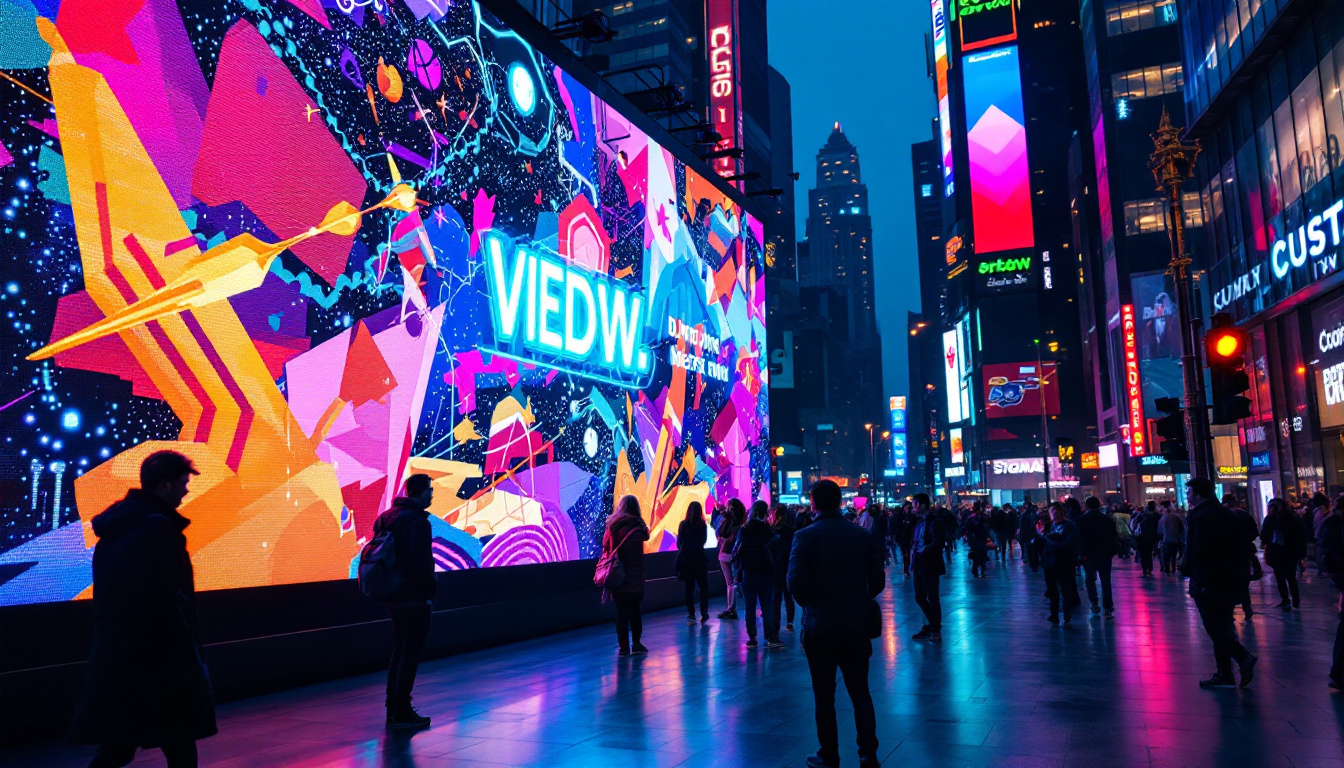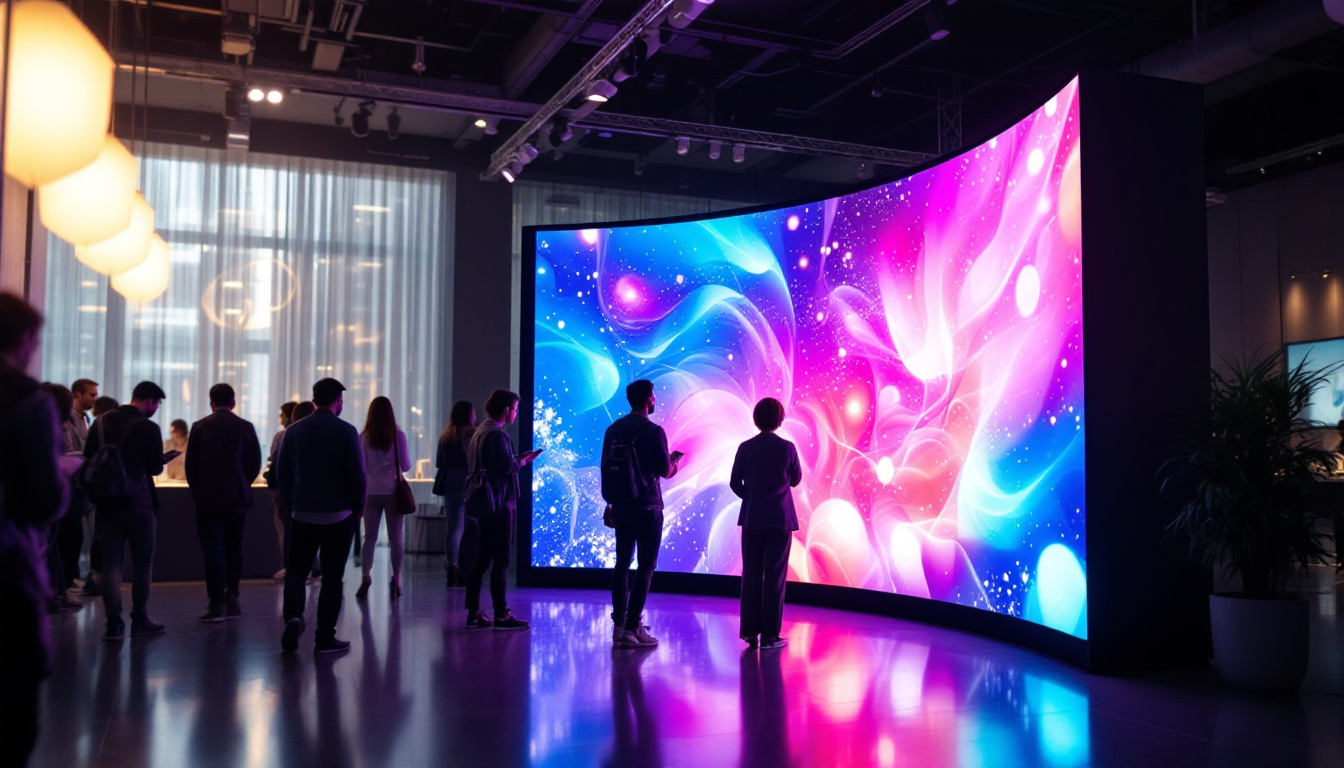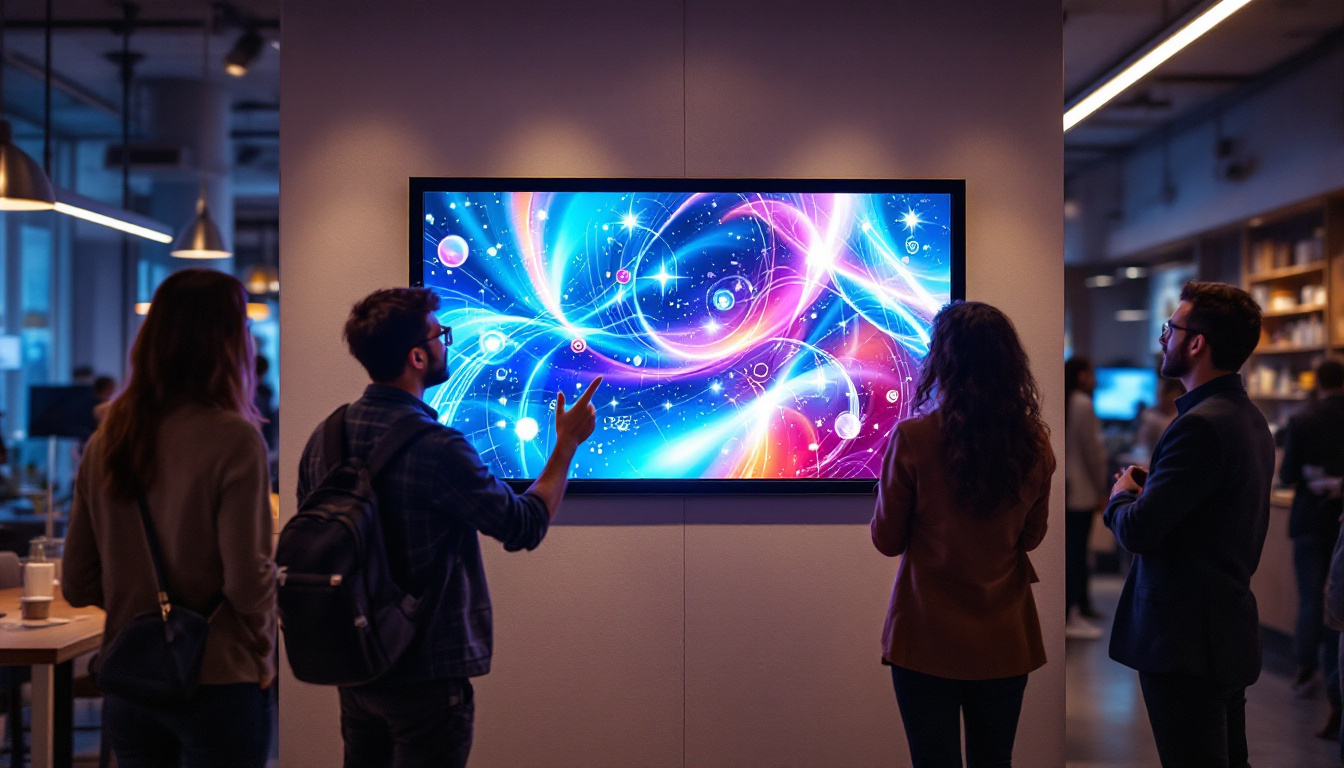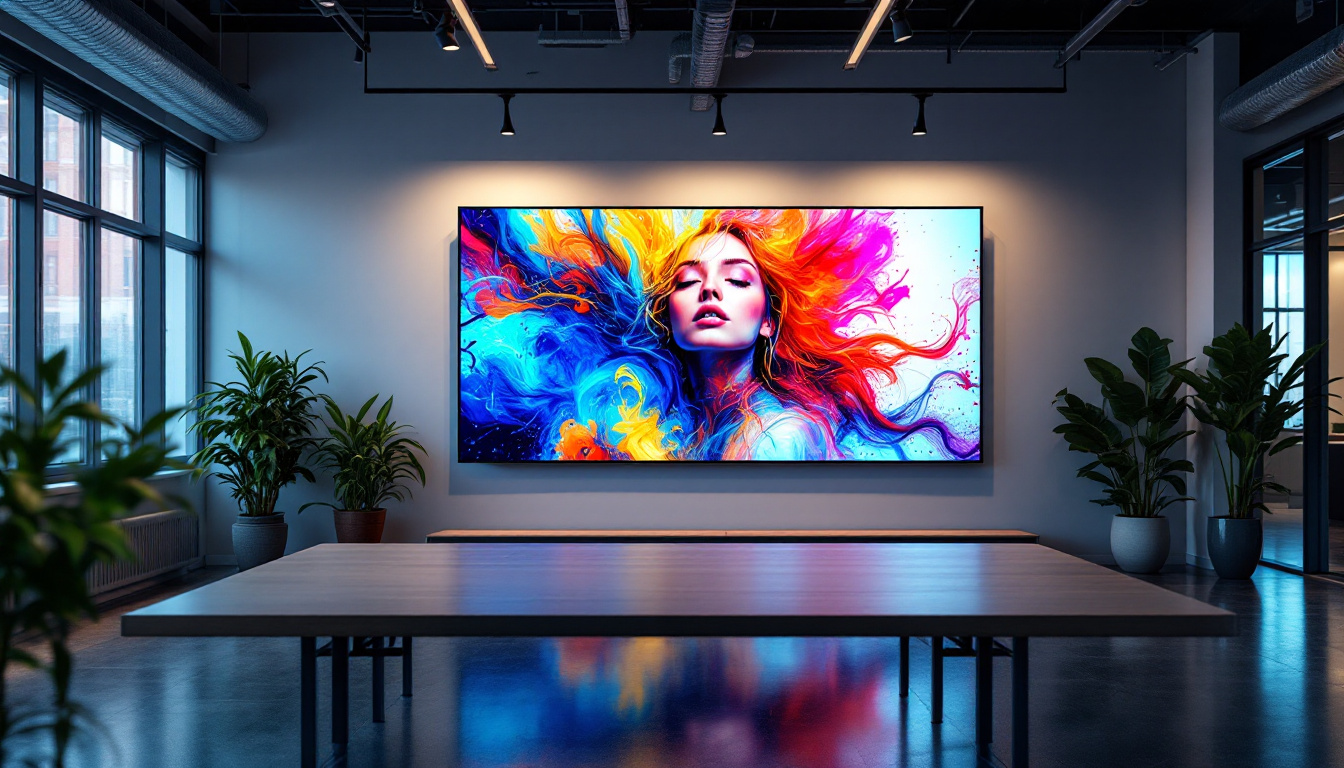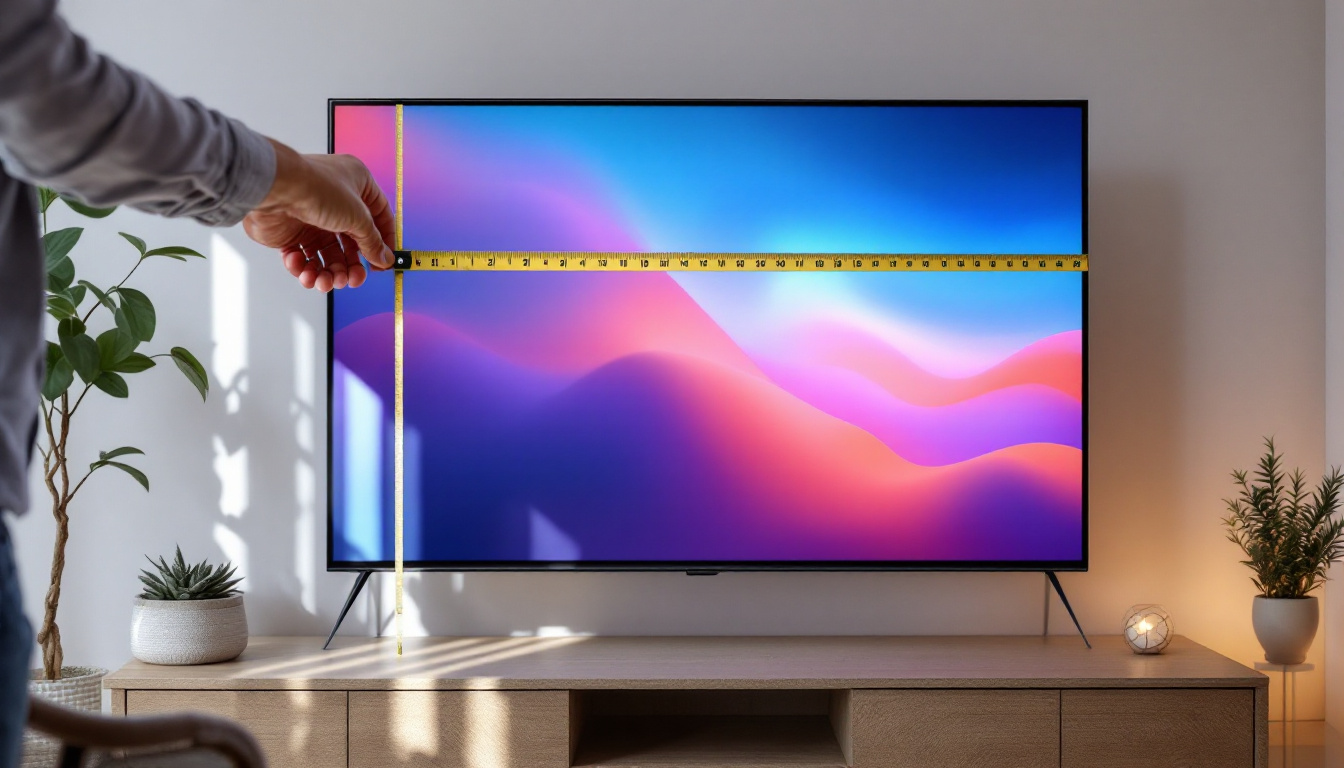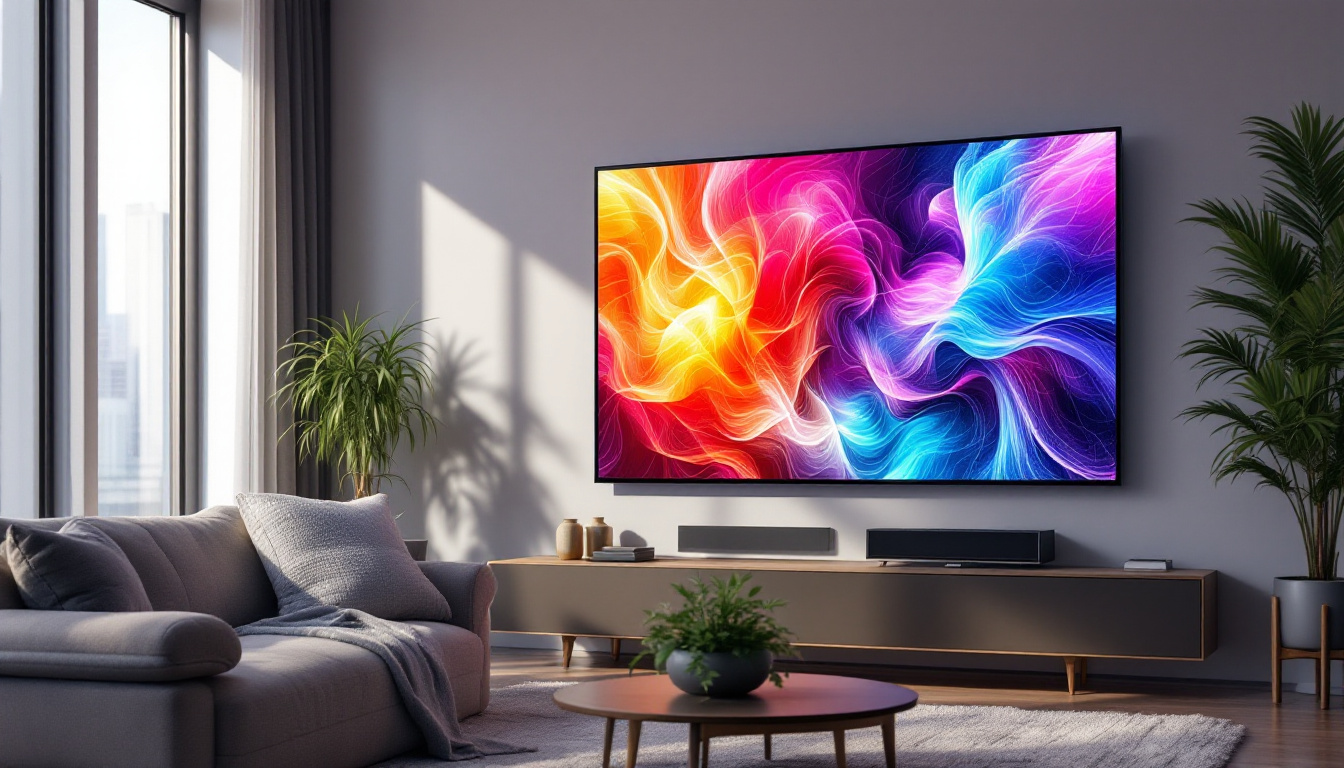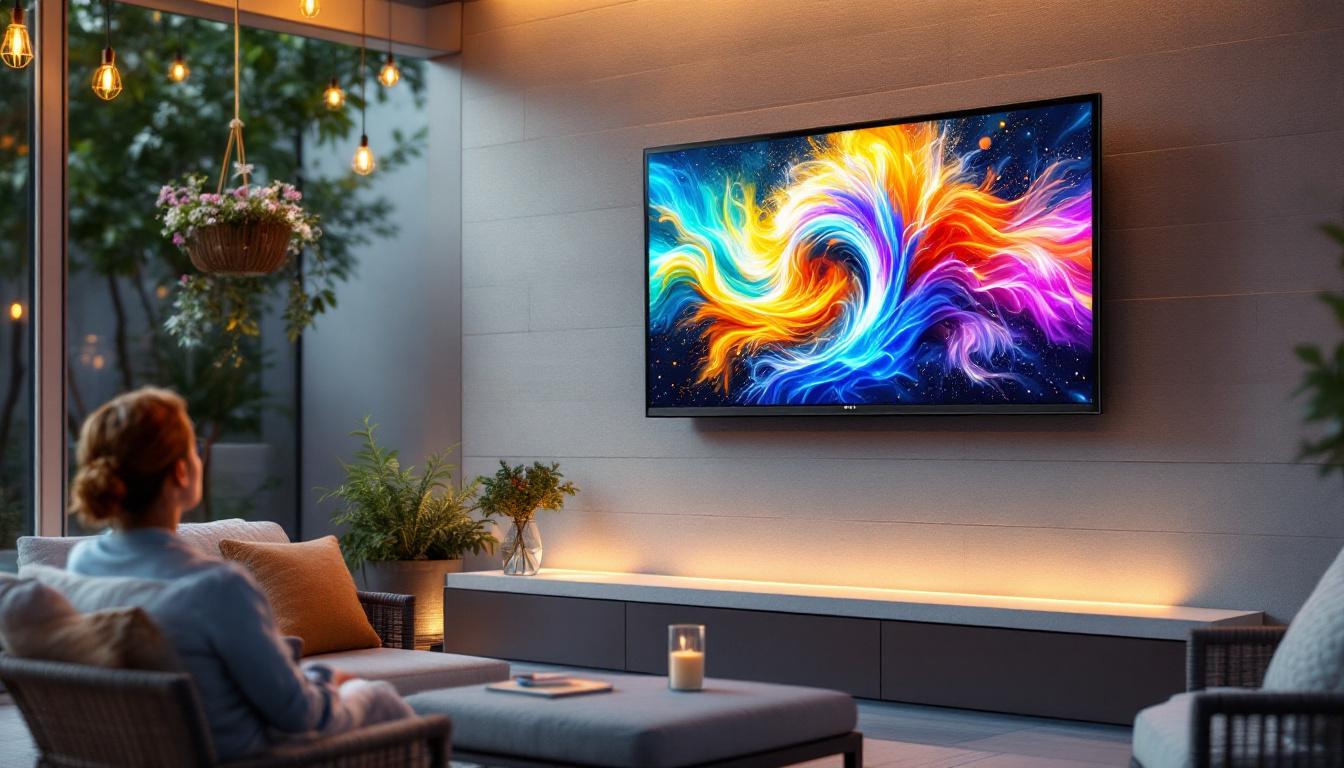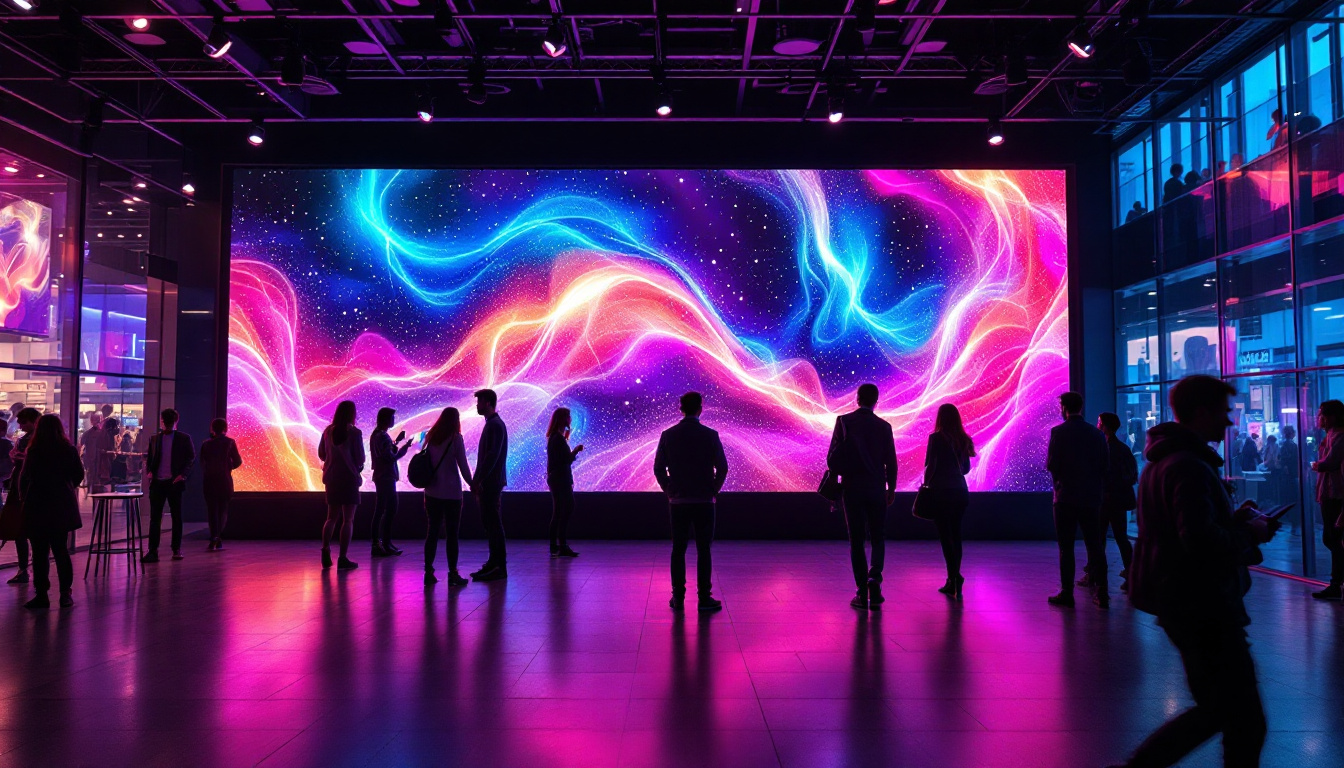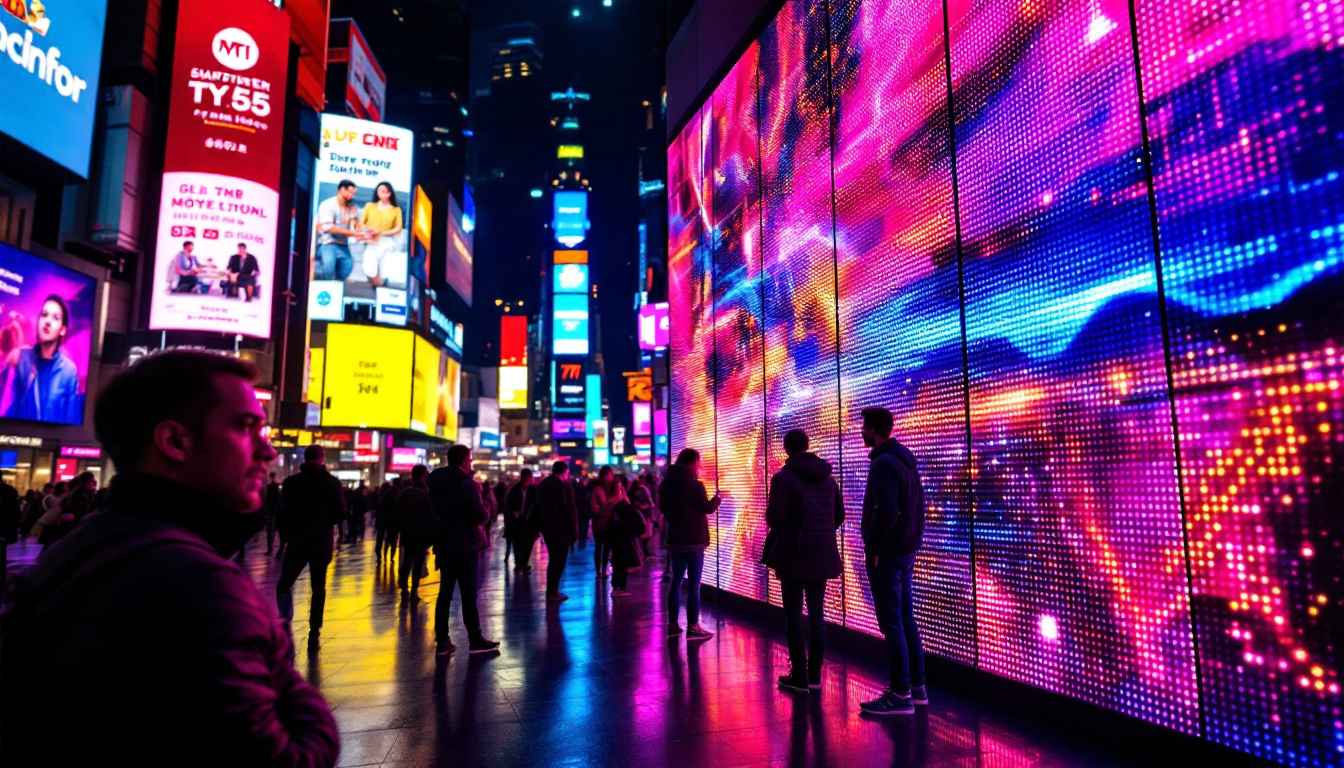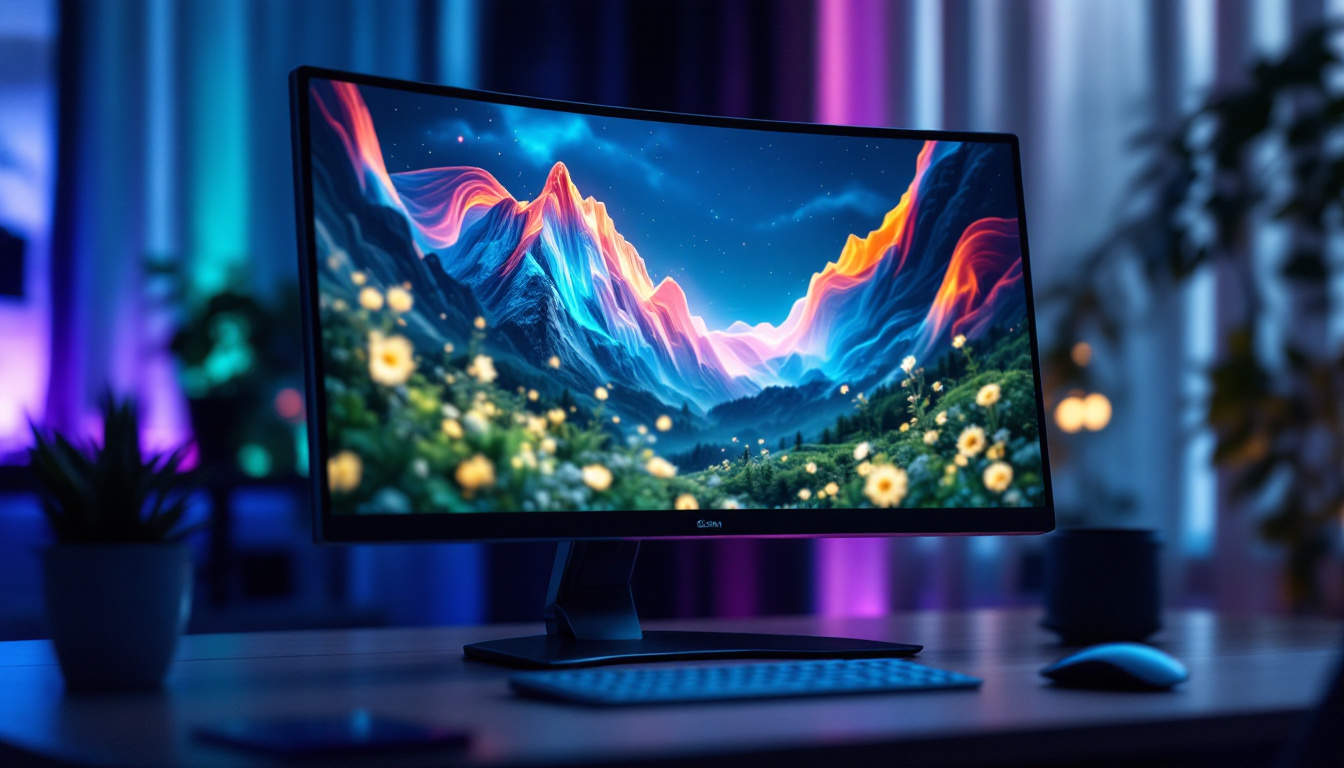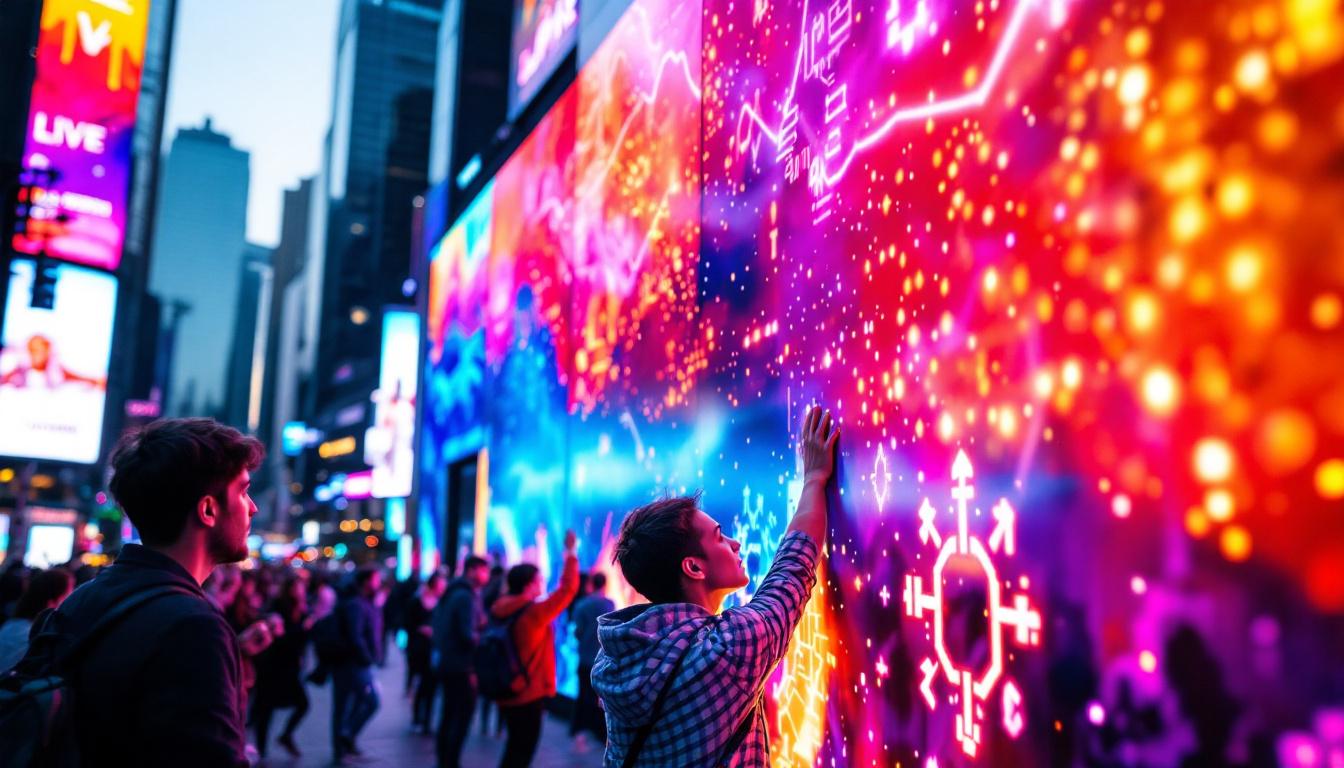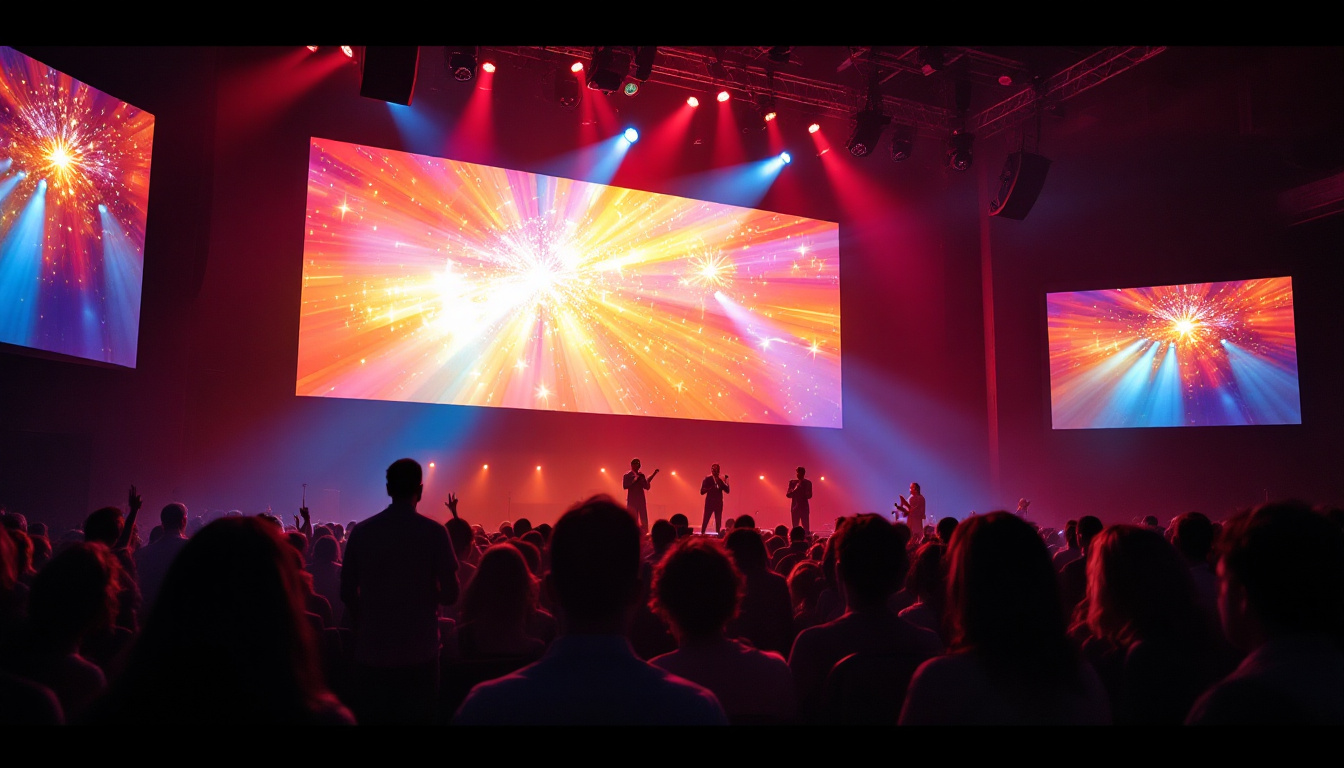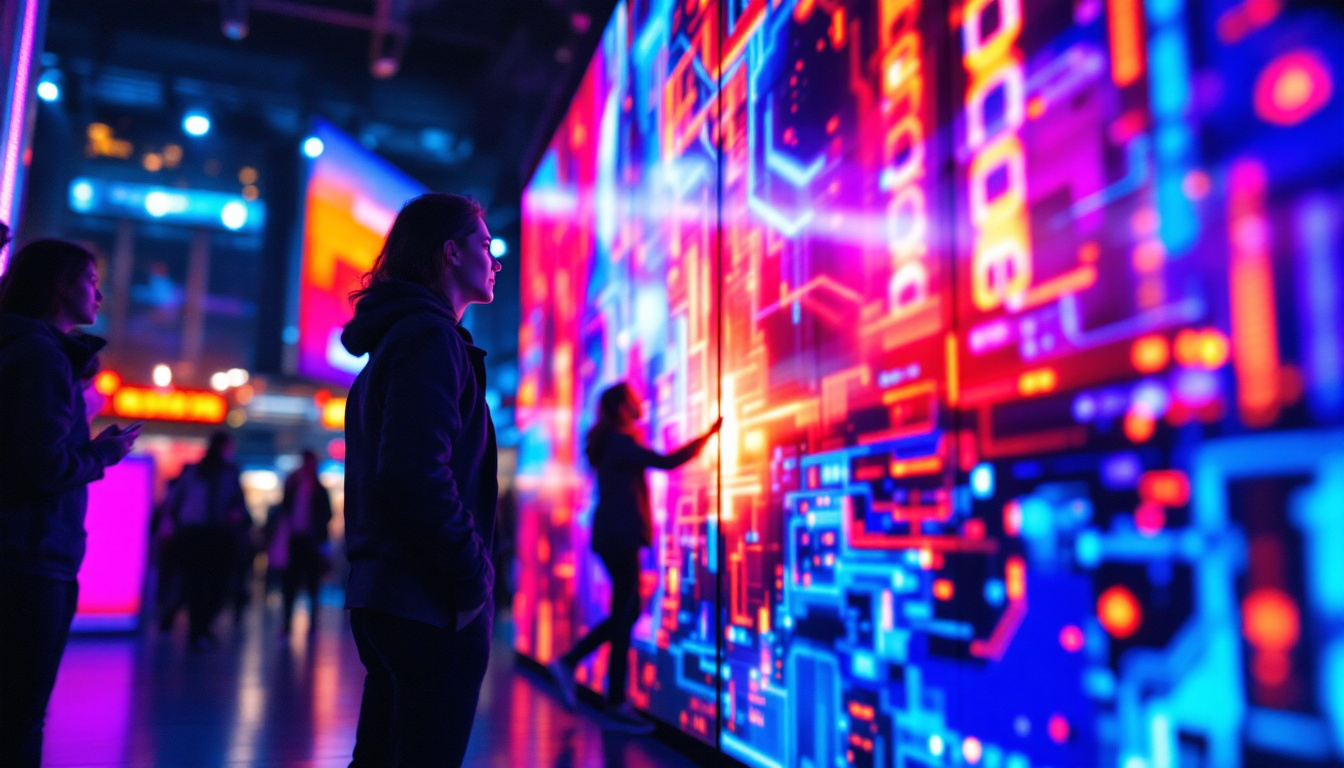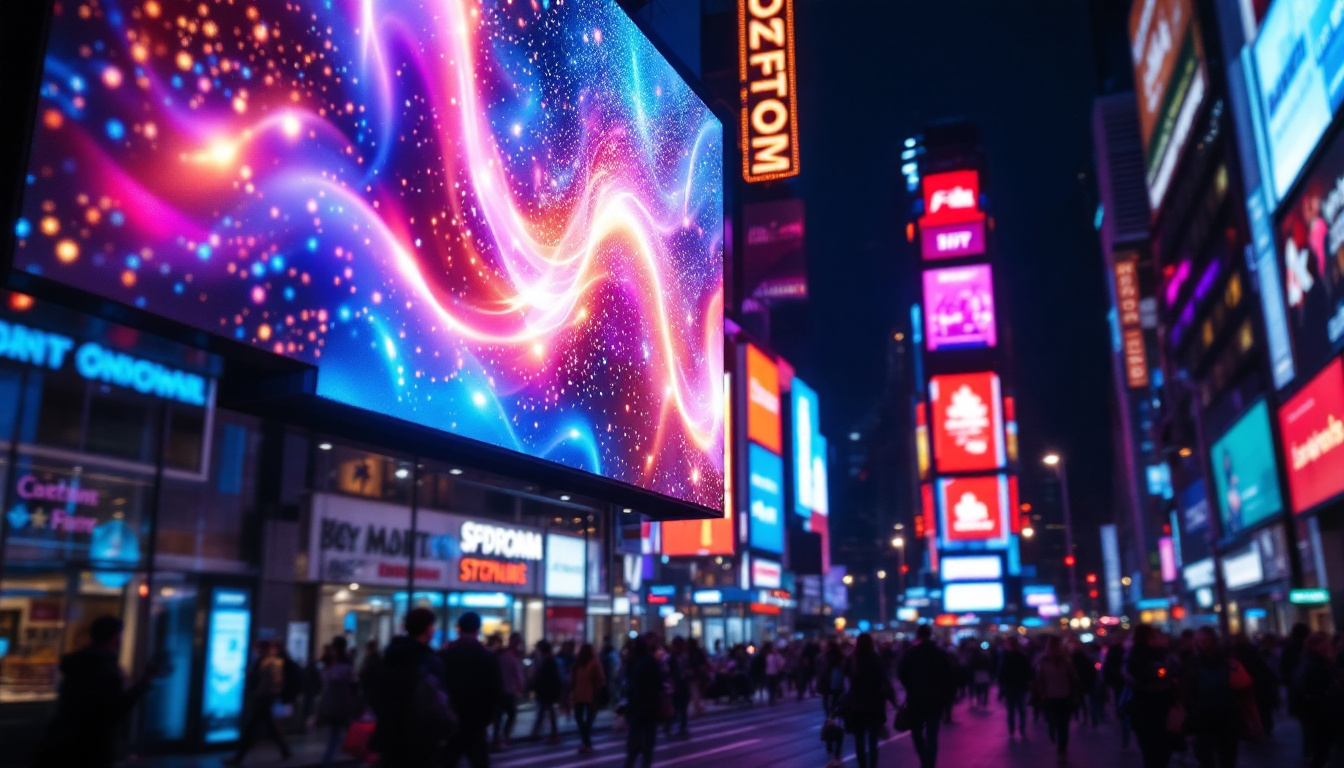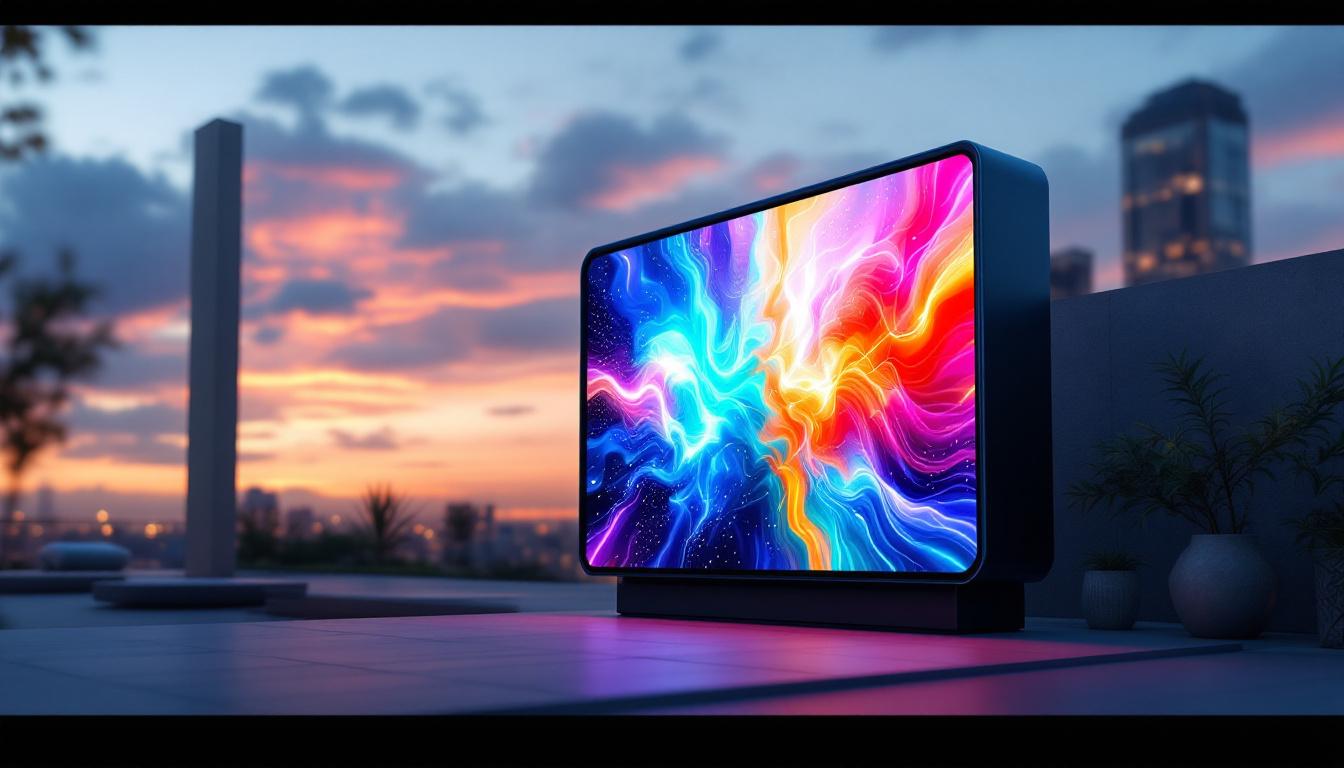
In today’s digital age, the demand for immersive visual experiences continues to grow across various industries—from entertainment and retail to corporate events and public spaces. One of the most innovative solutions gaining traction is the use of free standing screen rooms equipped with LED displays. These structures combine architectural ingenuity with cutting-edge display technology to create dynamic environments that captivate audiences and transform spaces.
This article delves into the concept of free standing screen rooms, focusing on how LED displays are integrated into these setups. It explores the technology behind LED screens, their benefits, practical applications, and considerations for choosing the right system. Whether you’re an event organizer, business owner, or technology enthusiast, understanding these elements will help you leverage LED screen rooms effectively.
What Are Free Standing Screen Rooms?
Defining the Concept
Free standing screen rooms are modular, self-supporting structures designed to house LED display panels on one or more sides, creating an enclosed or semi-enclosed space. Unlike traditional rooms built with walls, these screen rooms use LED panels as both the structural and visual elements, offering a unique blend of functionality and aesthetics.
The design can vary widely—from simple rectangular enclosures to complex multi-sided configurations—depending on the intended use and spatial requirements. Because they don’t require permanent installation, these rooms are highly versatile and can be assembled or disassembled quickly, making them ideal for temporary events or flexible retail environments. This adaptability allows businesses to create dynamic spaces that can be tailored to specific events, whether it’s a pop-up shop, a trade show exhibit, or a promotional event, ensuring that the visual experience is as engaging as possible.
Historical Context and Evolution
The idea of using screens as walls isn’t entirely new, but advances in LED technology have revolutionized what’s possible. Early video walls were bulky, low-resolution, and expensive, limiting their use to large venues and permanent installations. With the advent of lightweight, high-resolution LED panels, it became feasible to create free standing screen rooms that are visually stunning and structurally sound.
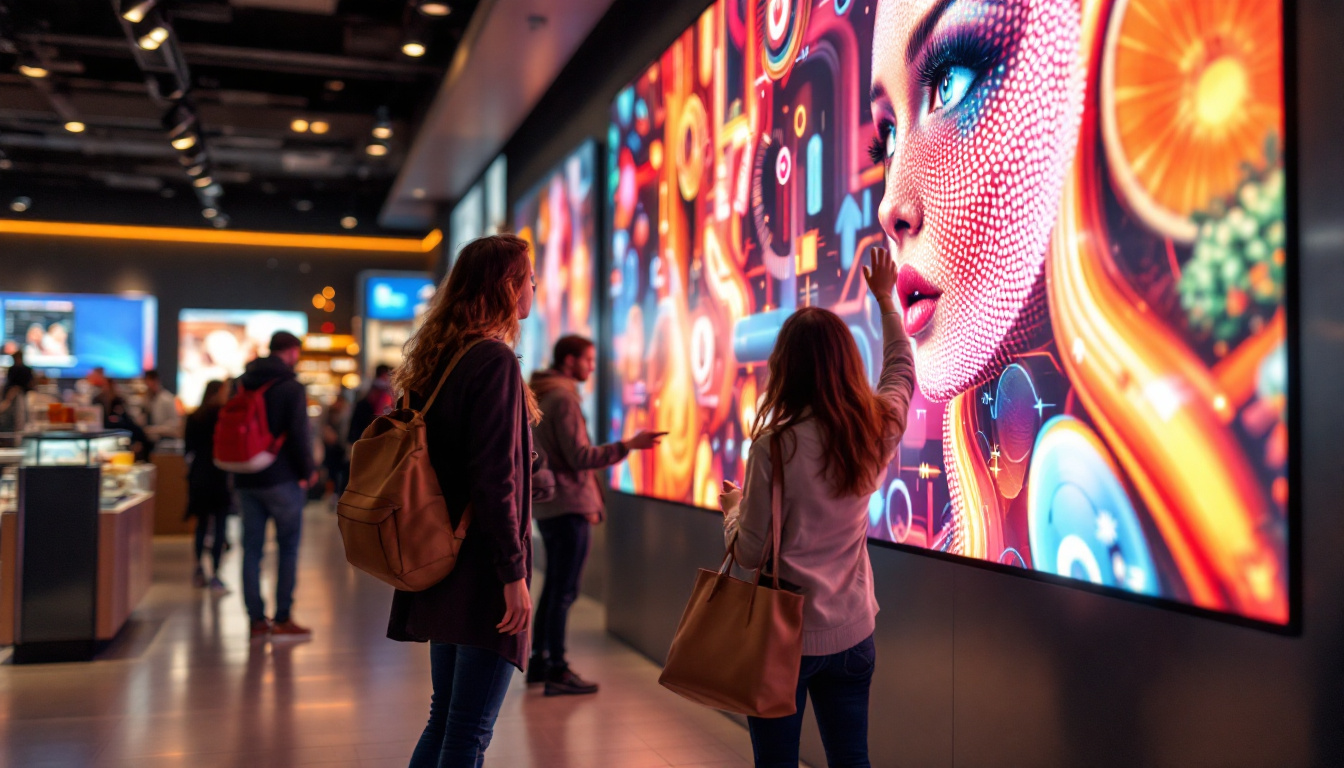
Today, these rooms are used in everything from immersive art exhibitions and product launches to corporate presentations and experiential marketing campaigns. Their ability to transform any space into an interactive environment has made them a popular choice for brands looking to engage audiences in novel ways. Furthermore, the integration of interactive technology, such as touchscreens and augmented reality, allows for even deeper audience engagement, enabling viewers to not only observe but also interact with the content displayed. This evolution has opened up new avenues for storytelling and brand experiences, making free standing screen rooms a cutting-edge solution in the ever-evolving landscape of marketing and event design.
Understanding LED Display Technology
How LED Displays Work
LED stands for Light Emitting Diode, a semiconductor device that emits light when an electric current passes through it. LED displays are composed of thousands of these tiny diodes arranged in a grid to form pixels, which together produce images and videos with vibrant colors and high brightness.
Unlike LCD or projection-based displays, LED screens emit their own light, allowing for superior contrast ratios and visibility even in bright environments. This makes them particularly suitable for free standing screen rooms, which often operate in varied lighting conditions.
Types of LED Displays Used in Screen Rooms
There are several types of LED displays, but two main categories are typically used in free standing screen rooms:
- Indoor LED Displays: Designed for controlled lighting environments, these panels have a higher pixel density for sharper images and are usually less bright than outdoor variants.
- Outdoor LED Displays: Built to withstand weather conditions, these screens are brighter and more durable but may have a lower pixel density compared to indoor panels.
For free standing screen rooms, indoor LED panels are most common, as they provide the fine detail needed for close viewing distances and are easier to integrate into architectural designs.
Key Specifications to Consider
When selecting LED displays for free standing screen rooms, several technical specifications impact performance and user experience:
- Pixel Pitch: The distance between individual LEDs, measured in millimeters. Smaller pixel pitch means higher resolution and sharper images, which is crucial for close-up viewing.
- Brightness: Measured in nits, brightness affects visibility. Indoor screens typically range from 800 to 1500 nits, sufficient for most interior lighting conditions.
- Refresh Rate: The number of times the image is updated per second. Higher refresh rates (above 120Hz) reduce flicker and improve video quality, especially for camera recording.
- Viewing Angle: Wider viewing angles ensure the image remains clear and color-accurate from different perspectives inside the room.
Benefits of Free Standing Screen Rooms with LED Displays
Immersive Visual Experience
One of the most compelling advantages of free standing screen rooms is their ability to create fully immersive environments. By surrounding users with high-resolution LED screens on multiple sides, these rooms can simulate environments, display dynamic content, and engage audiences in ways traditional displays cannot.
This immersive quality is particularly valuable in sectors such as entertainment, museums, and experiential marketing, where capturing attention and evoking emotional responses are critical.
Flexibility and Portability
Unlike permanent installations, free standing screen rooms are modular and portable. They can be assembled, disassembled, and reconfigured with relative ease, allowing businesses and event organizers to adapt the space to different needs or relocate it entirely.
This flexibility reduces costs associated with permanent construction and enables creative freedom in how and where the rooms are used.
Enhanced Engagement and Interaction
When combined with interactive technologies such as touch sensors, motion tracking, or augmented reality, LED screen rooms can foster active participation from users. This interactivity enhances engagement, making the experience memorable and impactful.
For example, retail brands use these rooms to showcase products in virtual environments, allowing customers to explore features in detail or customize options in real time.
Energy Efficiency and Longevity
Modern LED displays are energy-efficient compared to older display technologies, consuming less power while delivering brighter images. Additionally, LEDs have a long operational lifespan—often exceeding 100,000 hours—making them a cost-effective investment over time.
These factors contribute to the sustainability and economic viability of free standing screen rooms, especially for businesses mindful of environmental impact.
Applications of Free Standing Screen Rooms
Corporate and Event Spaces
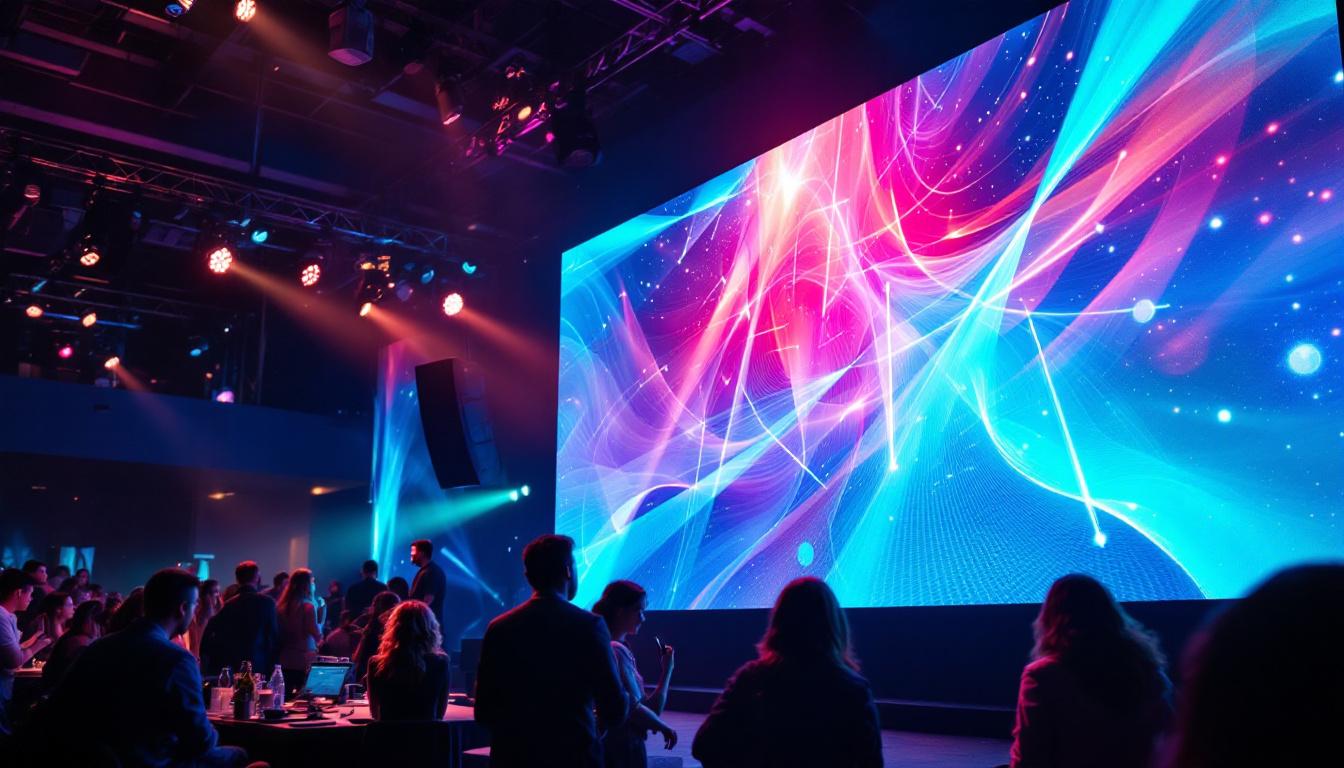
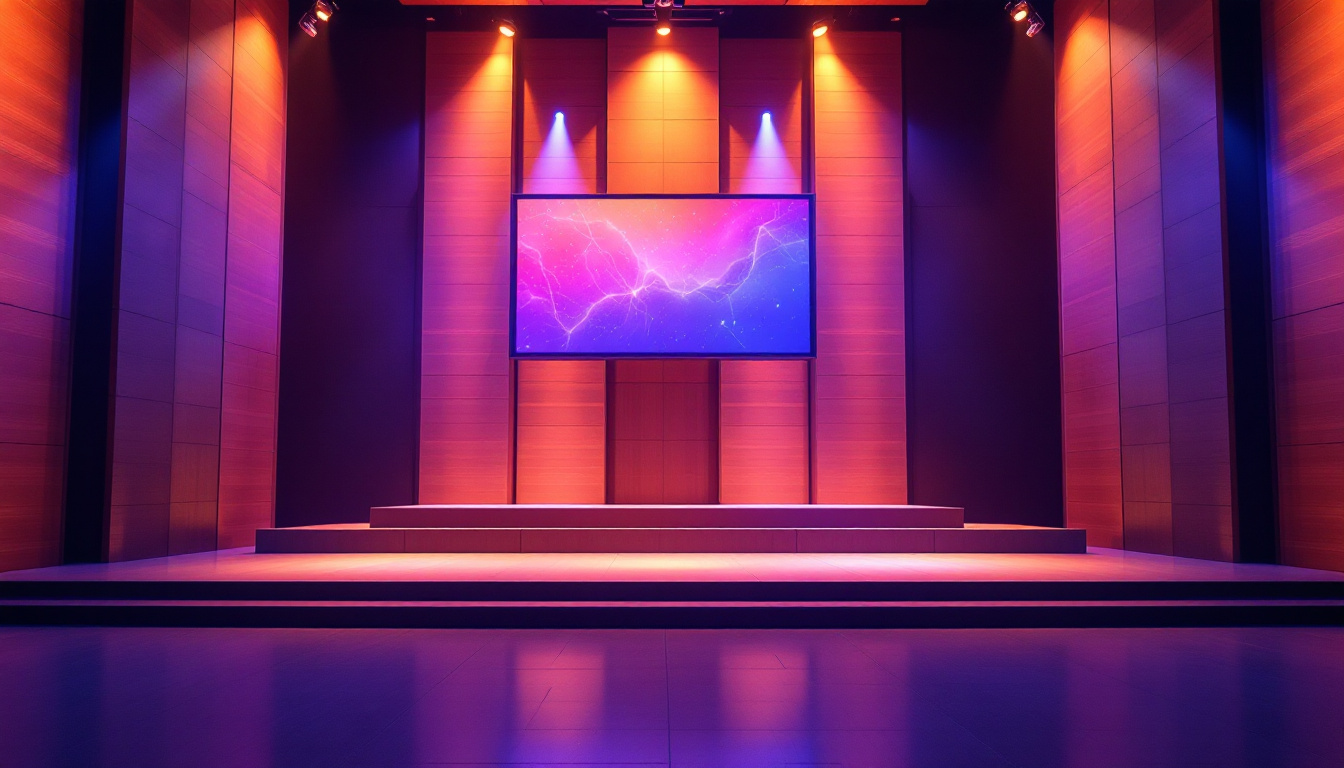
In corporate settings, free standing screen rooms serve as innovative meeting rooms, presentation spaces, or product demonstration areas. They provide an engaging backdrop for pitches, training sessions, or conferences, helping to communicate messages more effectively.
Event organizers use these rooms to create themed environments or branded experiences that leave a lasting impression on attendees.
Retail and Showrooms
Retailers leverage LED screen rooms to create immersive showrooms where customers can interact with digital catalogs, view products in 3D, or experience virtual try-ons. This integration of digital and physical retail enhances customer engagement and can drive sales.
Entertainment and Museums
Museums and entertainment venues use free standing screen rooms to craft immersive exhibits and interactive installations. These rooms can simulate historical environments, natural landscapes, or fantastical worlds, providing educational and entertainment value simultaneously.
Advertising and Experiential Marketing
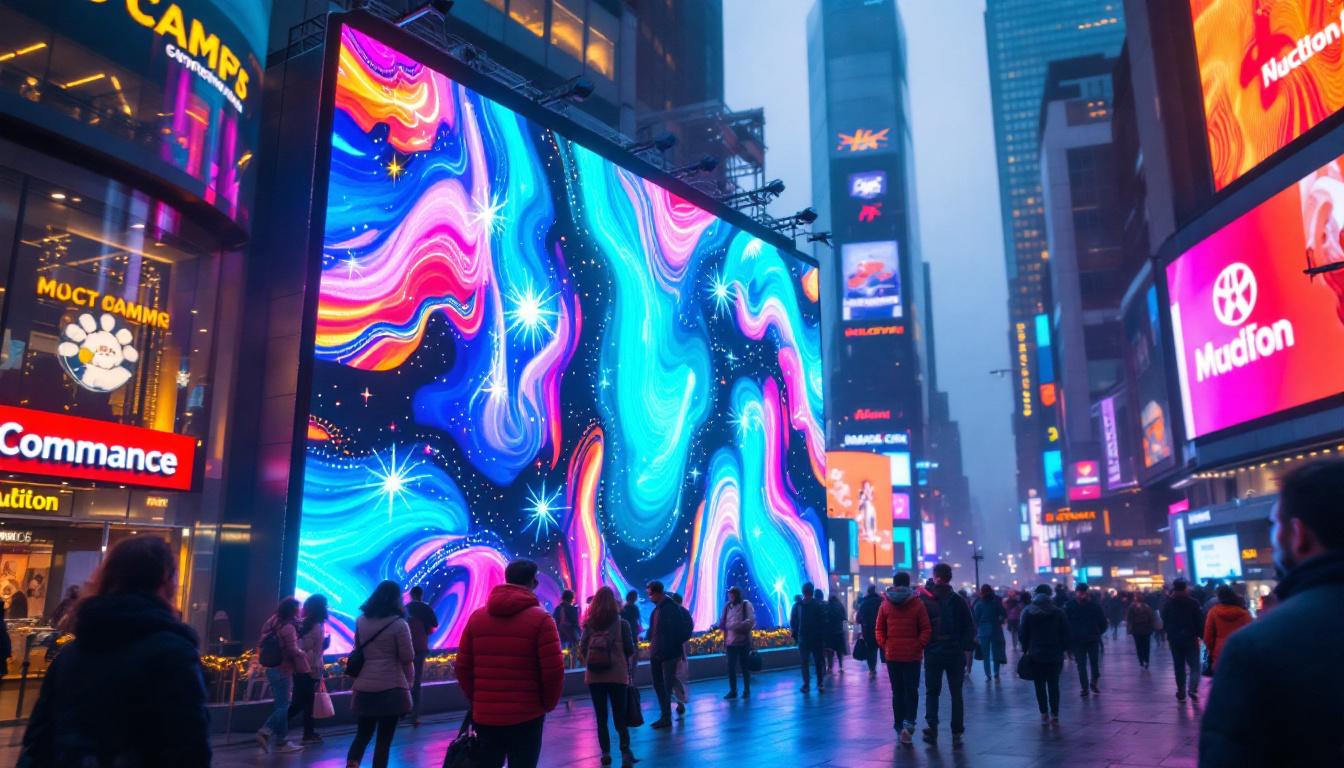
Brands increasingly use these rooms for experiential marketing campaigns, where consumers step inside a branded environment filled with dynamic content. This approach fosters deeper connections with the brand and encourages social sharing, amplifying reach.
Design and Installation Considerations
Structural Integrity and Safety
Because LED panels in free standing screen rooms often double as walls, ensuring structural stability is paramount. The frames and supports must be engineered to bear the weight of the panels and withstand environmental factors like vibrations or accidental impacts.
Professional installation teams typically handle these aspects, adhering to safety standards and regulations to protect users and equipment.
Content Management and Control Systems
Managing content across multiple LED panels requires sophisticated control systems that synchronize displays seamlessly. These systems allow operators to schedule content, adjust brightness, and monitor performance in real time.
Choosing compatible hardware and software is essential to maximize the visual impact and operational efficiency of the screen room.
Acoustic and Lighting Integration
While LED screens provide stunning visuals, the overall experience depends on complementary elements such as sound and ambient lighting. Acoustic treatments may be necessary to prevent echo and ensure clear audio within the enclosed space.
Lighting designers also work to balance the brightness of the LED panels with ambient light sources, avoiding glare or visual fatigue.
Maintenance and Accessibility
Regular maintenance is crucial to keep LED panels functioning optimally. Free standing screen rooms should be designed with accessibility in mind, allowing technicians to easily reach panels for cleaning, repairs, or upgrades without dismantling the entire structure.
Future Trends in Free Standing Screen Rooms and LED Displays
Higher Resolution and Mini-LED Technology
As LED technology advances, pixel pitches continue to shrink, enabling even higher resolution displays. Mini-LEDs, which use smaller diodes, offer improved contrast and color accuracy, pushing the boundaries of visual fidelity in screen rooms.
Integration with Augmented and Virtual Reality
Combining LED screen rooms with AR and VR technologies will create hybrid environments that blend physical and digital experiences. This integration promises new possibilities for training, entertainment, and retail applications.
Smart and Adaptive Environments
Future screen rooms may incorporate AI-driven content adaptation, adjusting visuals based on audience behavior, time of day, or environmental conditions. Such smart environments will enhance personalization and engagement.
Conclusion
Free standing screen rooms equipped with LED displays represent a powerful convergence of architectural design and digital technology. Their ability to create immersive, flexible, and visually stunning environments makes them invaluable across a broad spectrum of industries.
Understanding the technology behind LED displays, the benefits they offer, and the practical considerations for design and installation is essential for anyone looking to harness this innovative solution. As LED technology continues to evolve, free standing screen rooms will undoubtedly become even more versatile and impactful, shaping the future of visual experiences.
Discover LumenMatrix LED Display Solutions
Ready to elevate your space with the immersive, flexible, and visually stunning capabilities of LED display technology? Look no further than LumenMatrix, a leader in innovative LED solutions that transform environments and captivate audiences. From Indoor and Outdoor LED Wall Displays to specialized options like Vehicle, Sports, and Floor LED Displays, LumenMatrix offers a diverse range of products to meet your unique needs. Embrace the future of visual communication and make your brand stand out. Check out LumenMatrix LED Display Solutions today and see how we can help you share your message with impact and clarity.