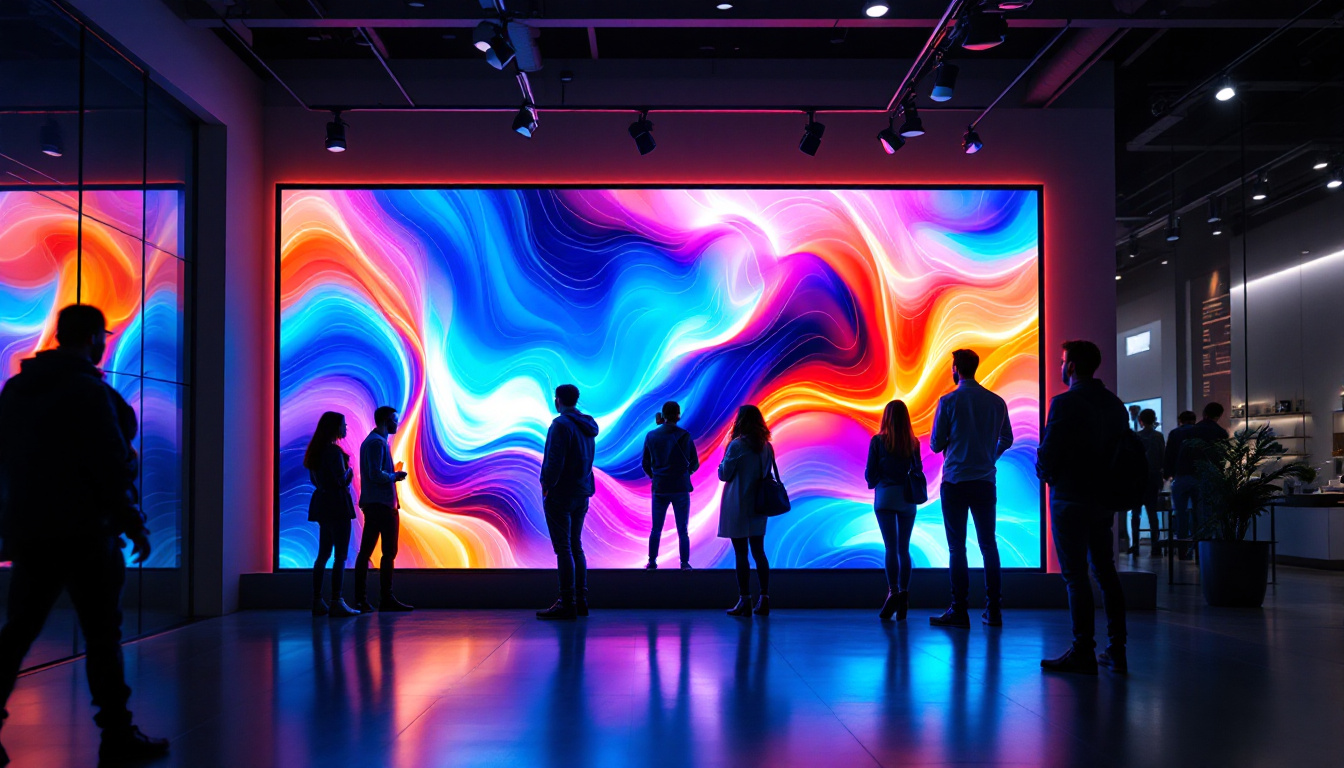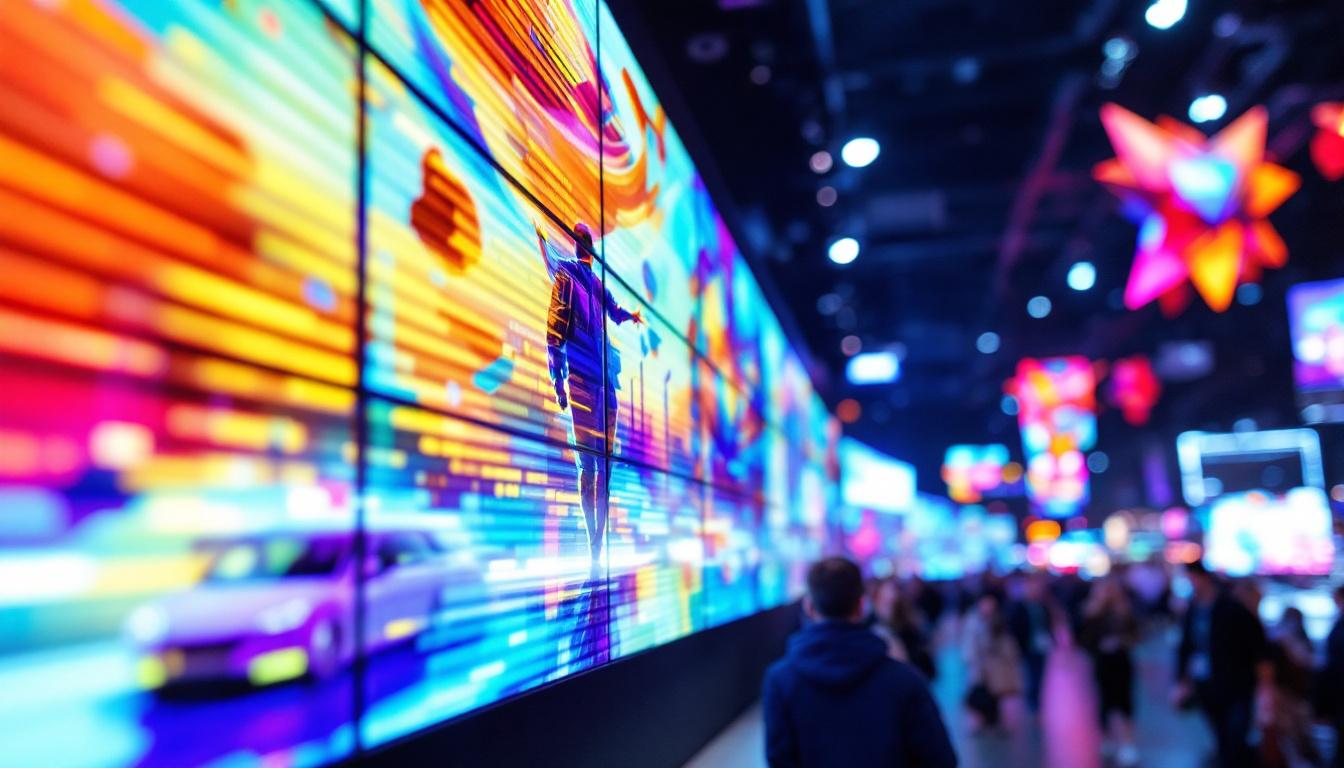
In the digital age, visual communication has become more dynamic and immersive than ever before. Among the technologies driving this transformation, LED displays stand out as a versatile and powerful medium. From massive outdoor billboards to intricate indoor video walls, LED displays are reshaping how content is presented and consumed. This article explores the fundamentals of LED display technology, its applications in graphic video websites, and the future trends that will shape this vibrant industry.
Understanding LED Display Technology
LED, or Light Emitting Diode, displays are composed of numerous tiny light sources that emit bright, vivid colors when electrically powered. Unlike traditional LCD or projection screens, LEDs generate their own light, which results in higher brightness levels and better contrast ratios. This intrinsic property makes LED displays particularly effective in various lighting environments, from brightly lit outdoor settings to dim indoor venues. Furthermore, the energy efficiency of LED technology contributes to its growing popularity, as it consumes significantly less power compared to older display technologies, making it an environmentally friendly choice for consumers and businesses alike.
How LED Displays Work
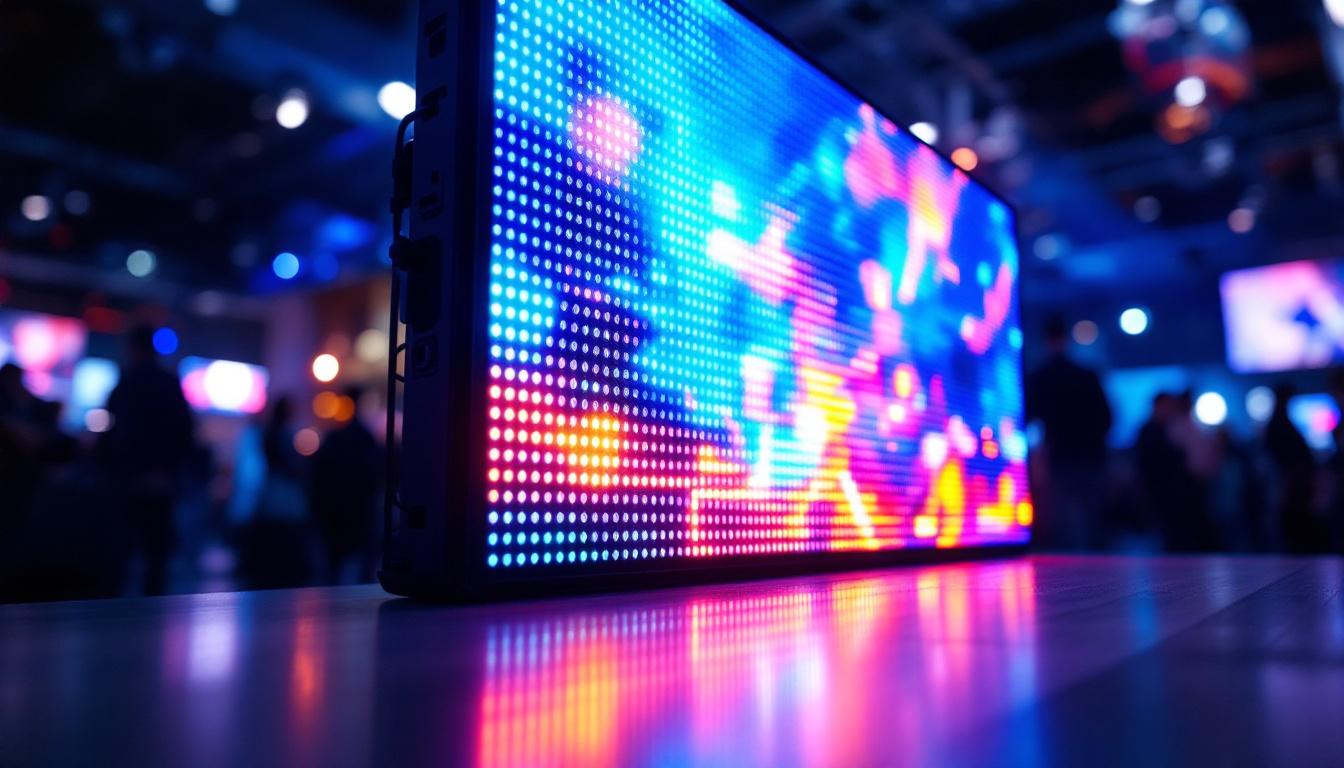
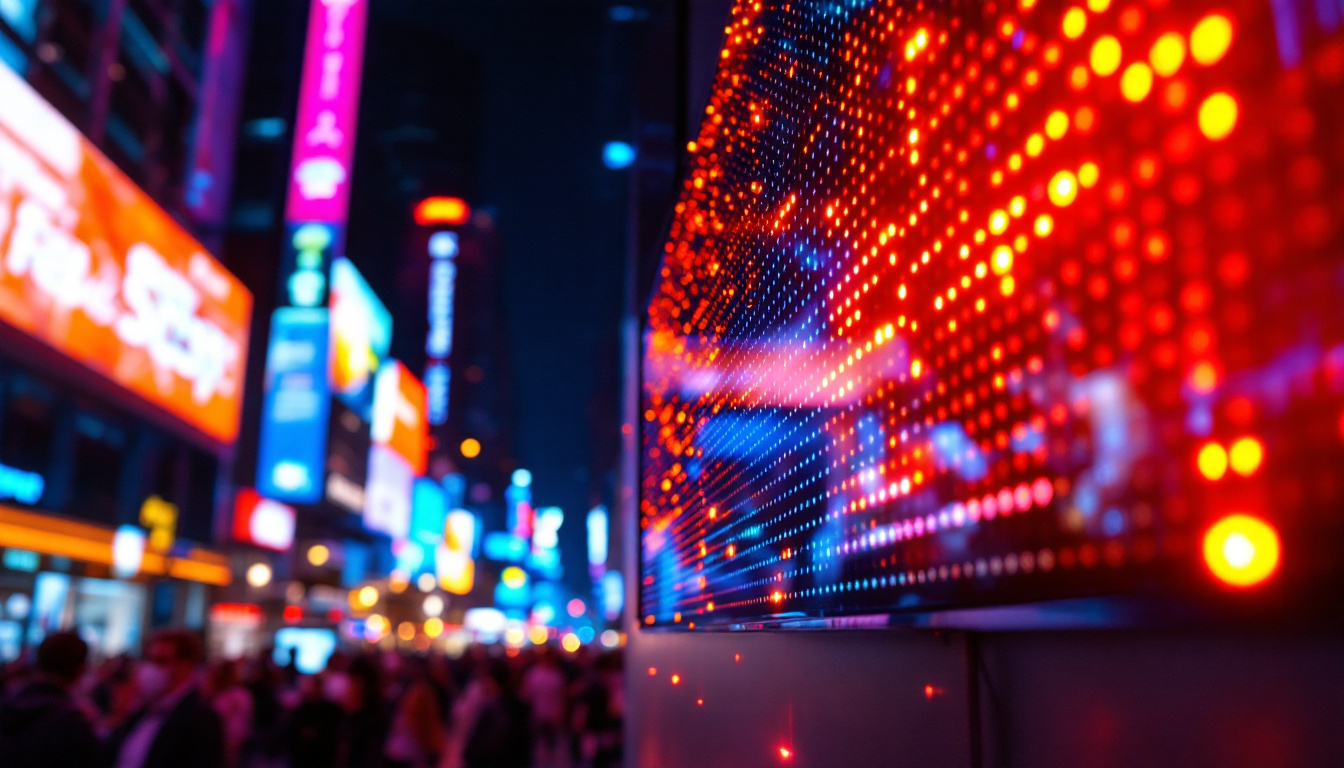
At the core of an LED display are thousands to millions of individual diodes arranged in a matrix. Each diode can emit red, green, or blue light, and by varying the intensity of these colors, the display can produce a full spectrum of colors. This RGB color mixing is fundamental to rendering detailed and vibrant images or videos. The precision with which these diodes can be controlled allows for smooth transitions and dynamic content, making LED displays ideal for applications that require high-quality visuals, such as live event broadcasting or immersive gaming experiences.
The diodes are mounted on panels or modules that can be combined to create large-scale video walls. These panels communicate with a control system that processes video input, translating it into signals that drive the LEDs to display the desired content. The modular nature of LED displays not only facilitates easy installation and maintenance but also allows for scalability, enabling users to customize the size and shape of their display to suit specific needs, whether for a small retail setup or a massive outdoor advertising campaign.
Types of LED Displays
LED displays come in several variations, each suited to different applications:
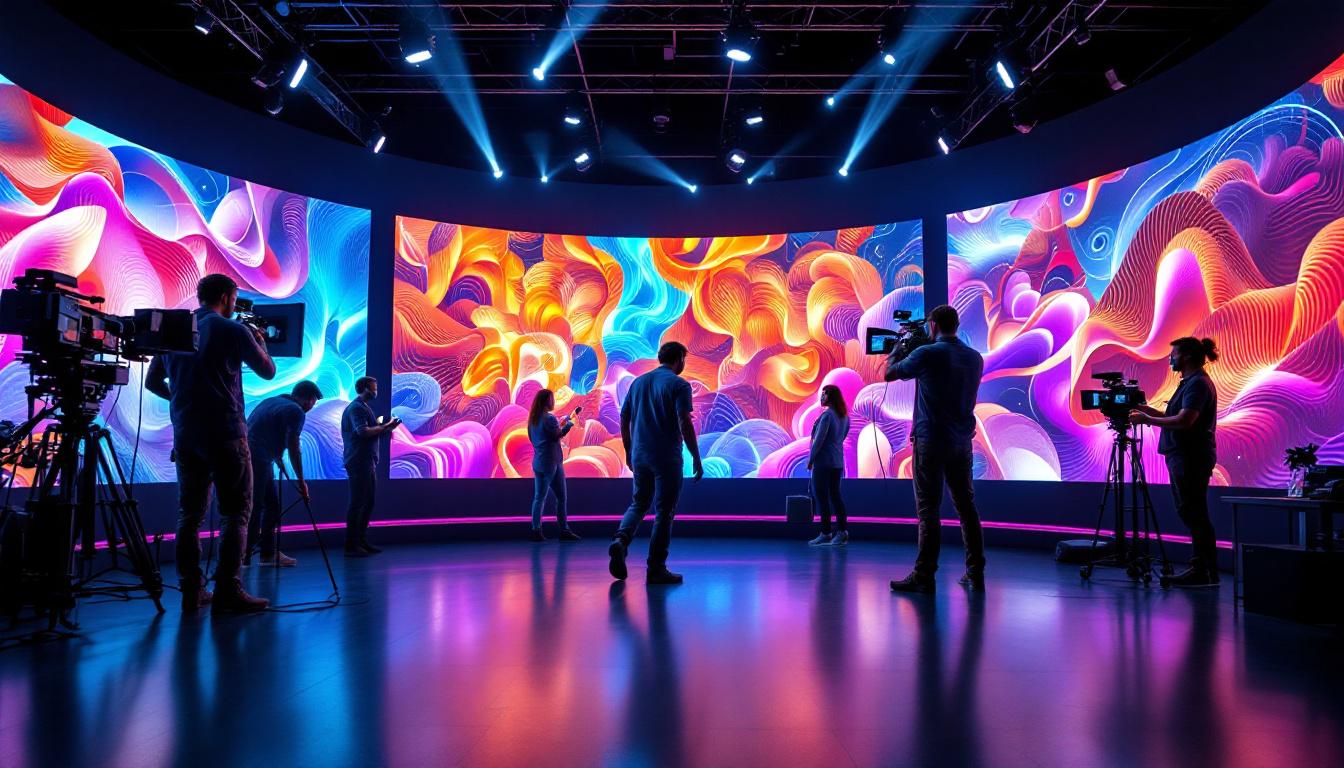
- Indoor LED Displays: Designed for close viewing distances, these displays have a high pixel density (often less than 2mm pixel pitch), delivering crisp images suitable for conference rooms, retail spaces, and broadcast studios. Their ability to showcase high-resolution content makes them a preferred choice for presentations and promotional displays, where clarity and detail are paramount.
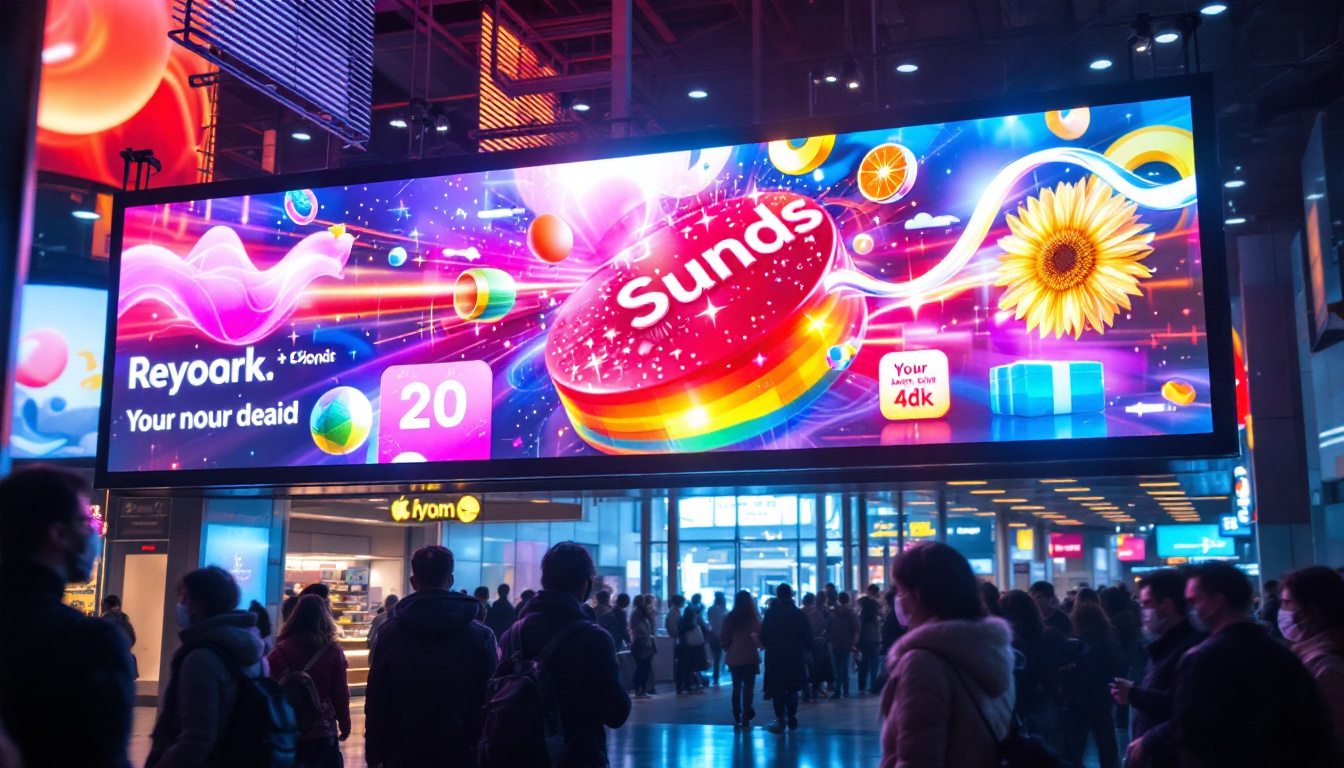
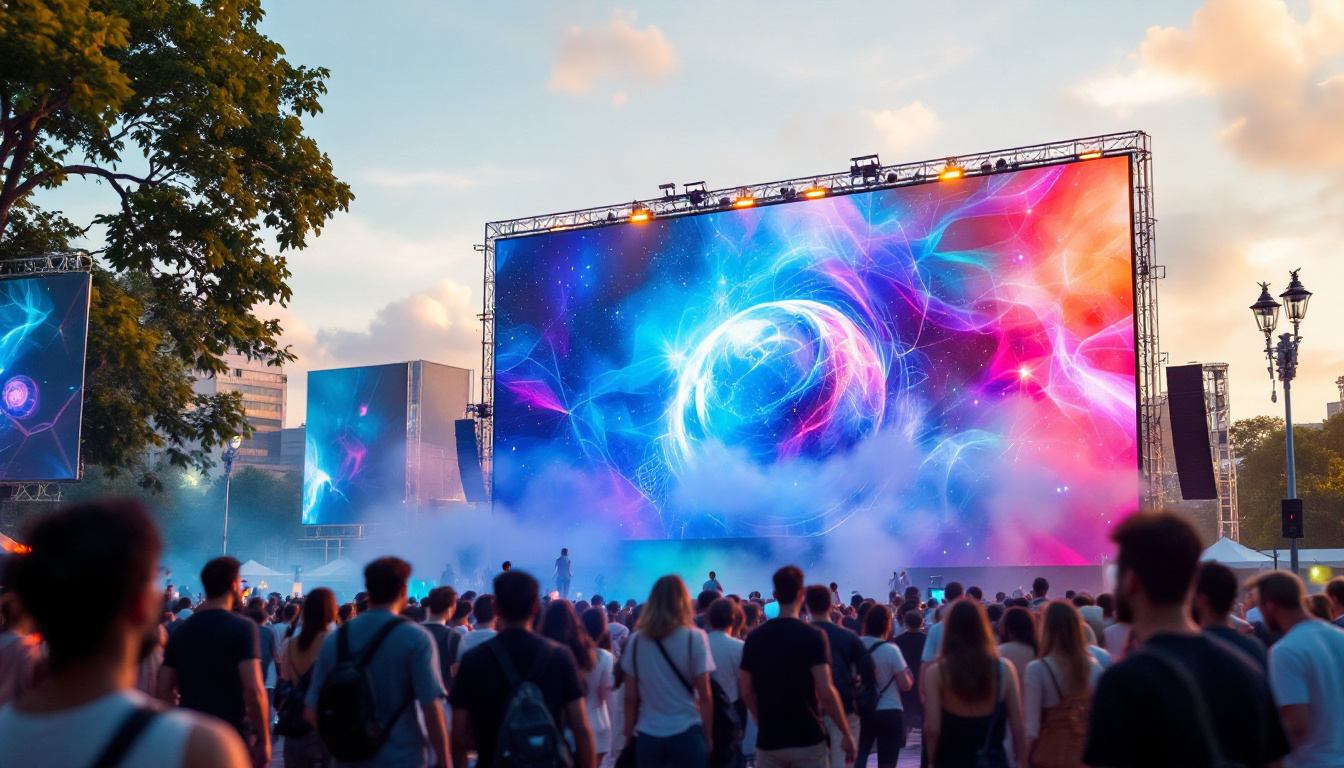
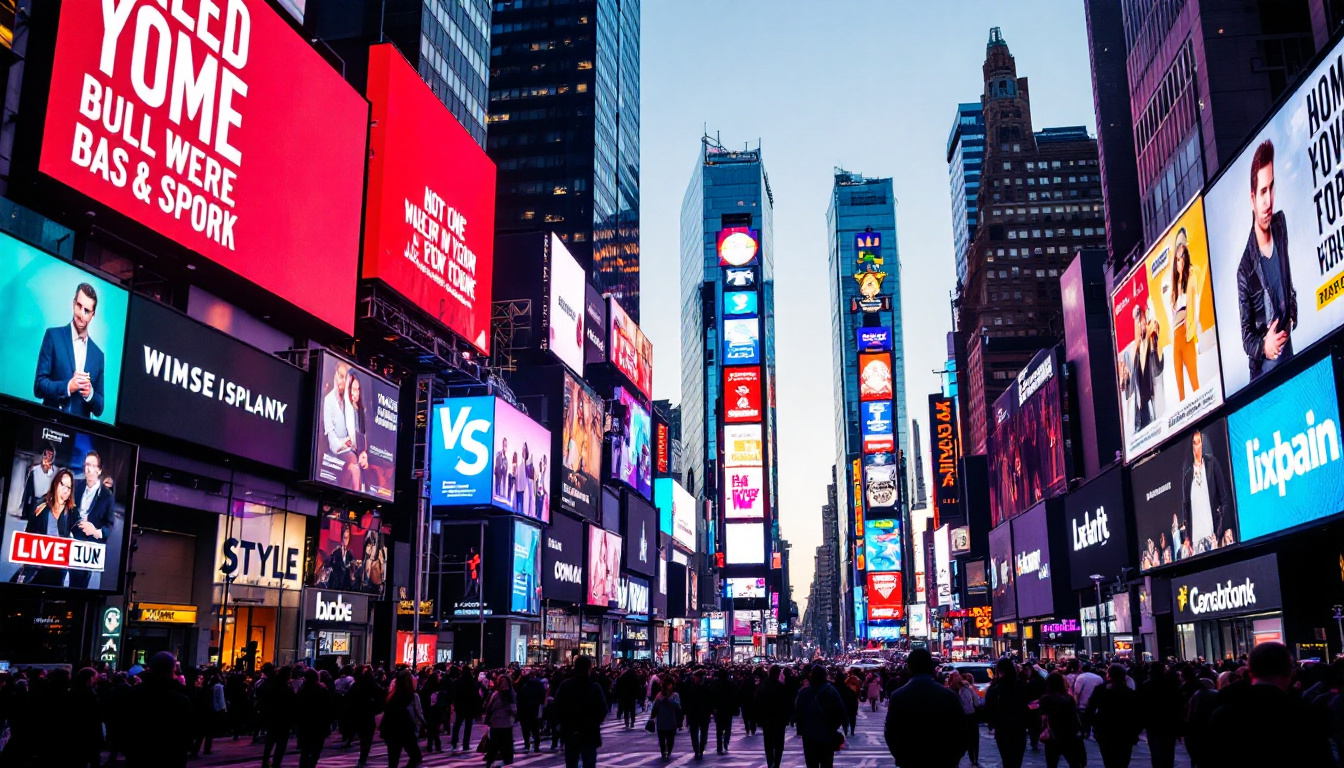
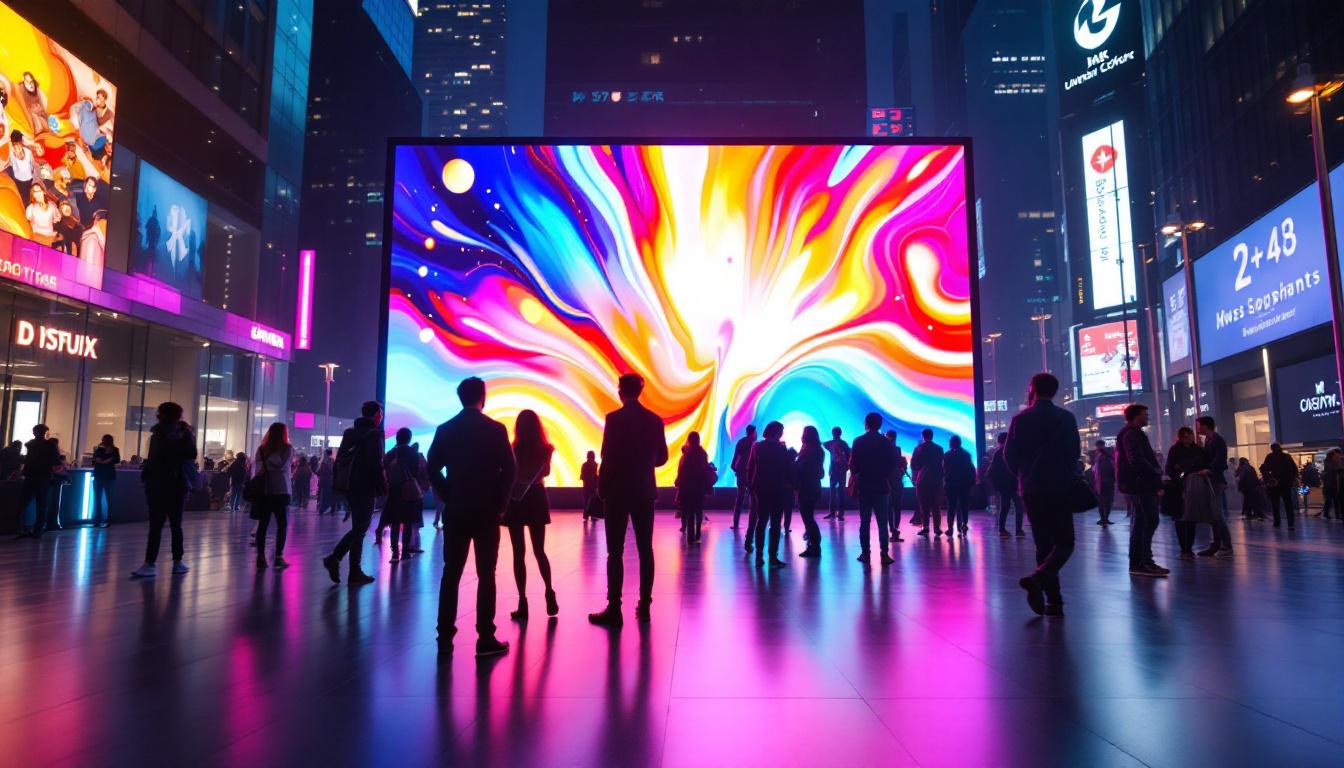
- Outdoor LED Displays: Built with weatherproof materials and higher brightness levels (up to 5,000 nits or more), these are used for billboards, stadium screens, and public information displays. Their durability against the elements ensures that they remain functional and visually appealing, even in harsh weather conditions, making them an effective medium for advertisers looking to capture the attention of passersby.
- Flexible and Transparent LED Displays: Emerging technologies allow for curved, bendable, or see-through LED panels, expanding creative possibilities in architecture and advertising. These innovative displays can be integrated into building facades or used in retail environments to create eye-catching visual experiences that blend seamlessly with their surroundings, offering a new dimension to digital signage.
The Role of LED Displays in Graphic Video Websites
Graphic video websites, which specialize in delivering high-quality video content often rich with animations and interactive elements, benefit immensely from LED display technology. These websites frequently showcase their content on LED screens for marketing, live events, or digital signage, enhancing user engagement and brand visibility.
Enhancing Visual Storytelling
LED displays provide an unparalleled platform for visual storytelling on graphic video websites. The high brightness and color accuracy ensure that videos and animations appear vibrant and lifelike. This is particularly important for industries like entertainment, retail, and sports, where captivating visuals can significantly influence audience perception and interaction.
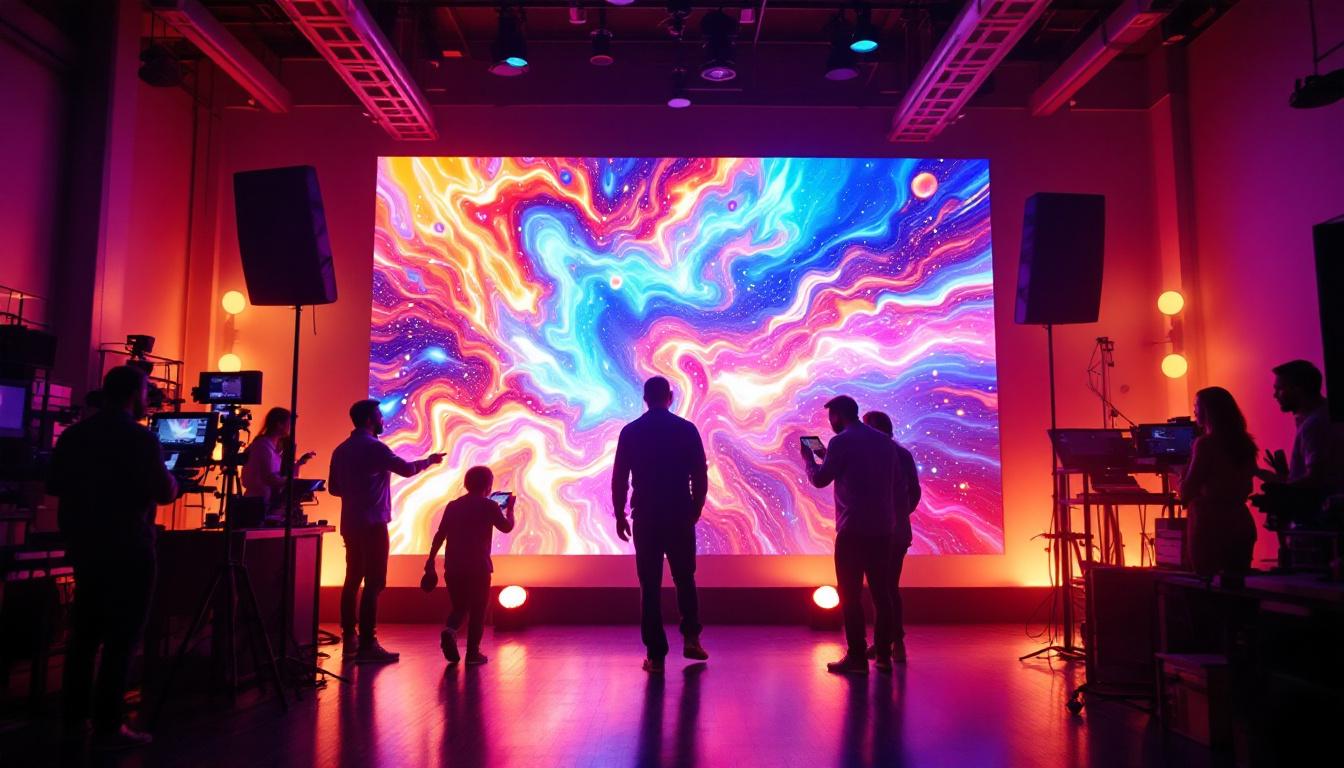
For example, a graphic video website promoting a new film might use an LED video wall at a premiere event to display trailers, behind-the-scenes footage, and interactive content, creating an immersive experience that extends beyond the screen. The ability to showcase high-definition visuals in real-time creates a sense of urgency and excitement, drawing audiences in and encouraging them to engage with the content on a deeper level. Furthermore, the strategic placement of these displays in high-traffic areas maximizes exposure, ensuring that the visuals capture the attention of passersby and potential viewers alike.
Interactive and Dynamic Content Delivery
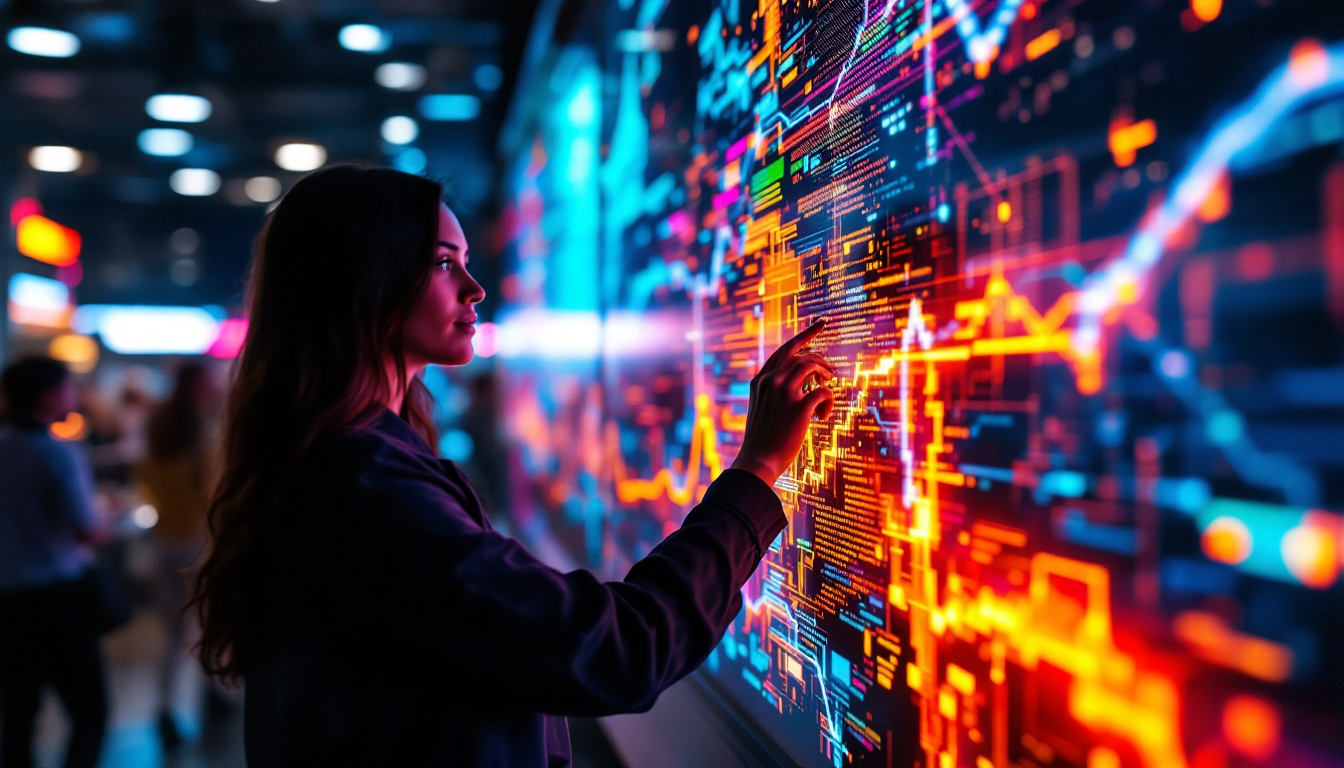
Modern LED displays can be integrated with sensors, cameras, and software to enable interactive experiences. Graphic video websites often leverage this capability to create dynamic installations where viewers can influence the displayed content through gestures, touch, or mobile devices.
This interactivity not only increases engagement but also provides valuable data on viewer behavior, helping content creators tailor their offerings more effectively. For instance, by analyzing how users interact with different elements on the screen, creators can adjust their content strategy to highlight popular features or themes, ultimately leading to a more personalized viewing experience. Additionally, the incorporation of gamification elements, such as quizzes or polls displayed on LED screens, can further enhance user participation and foster a community around the content.
Case Study: LED Displays in Live Streaming Events
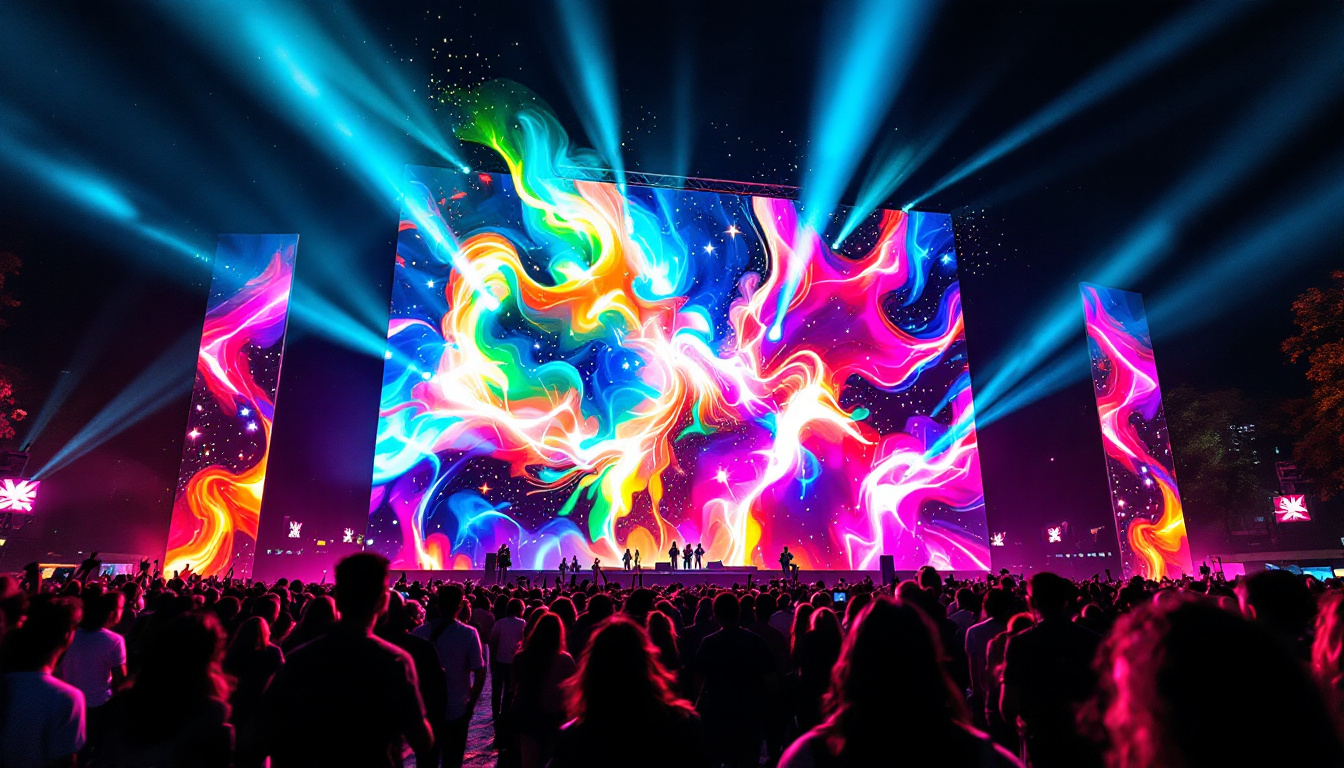
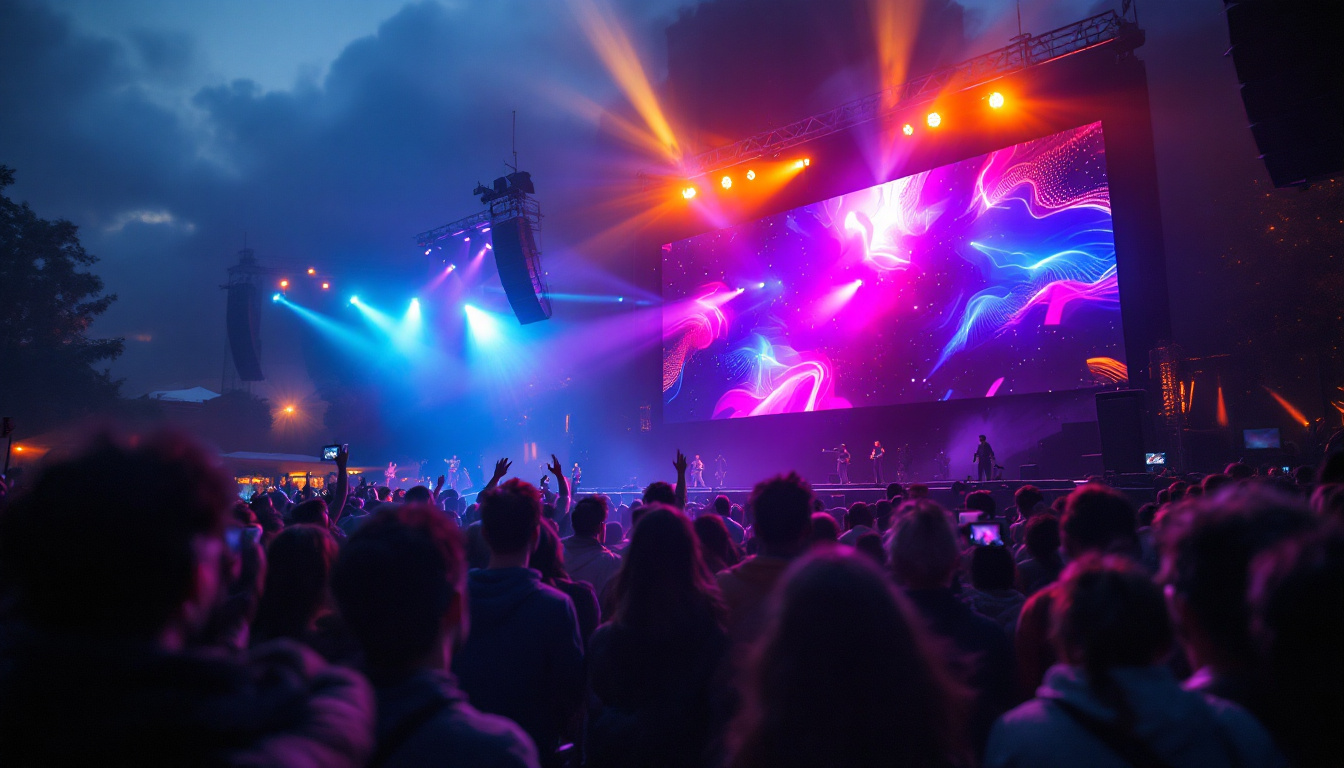
Live streaming has become a cornerstone of digital content delivery, especially for concerts, conferences, and esports tournaments. LED displays play a critical role in these events by providing large, high-resolution screens that broadcast live video feeds, graphics, and real-time data to both in-person and online audiences.
For instance, during major esports championships, LED video walls display player stats, live gameplay, and audience reactions, all synchronized with the online broadcast. This integration enhances the viewing experience and bridges the gap between physical and virtual attendees. Moreover, the use of LED displays allows event organizers to create stunning visual effects that complement the action on stage, such as dynamic backgrounds or animated overlays that respond to the gameplay. This not only captivates the audience but also elevates the overall production value of the event, making it a memorable experience for all involved. As technology continues to advance, the potential for LED displays in live streaming events will only expand, paving the way for even more innovative and engaging content delivery methods.
Technical Considerations for Implementing LED Displays
Deploying LED displays, especially for graphic video websites and related events, requires careful planning and technical expertise. Several factors influence the quality and effectiveness of the display.
Pixel Pitch and Resolution
Pixel pitch refers to the distance between the centers of two adjacent LEDs and is measured in millimeters. A smaller pixel pitch means higher resolution and sharper images, which is crucial for close-up viewing scenarios.
For indoor graphic video websites showcasing detailed animations or text, pixel pitches of 1.5mm to 2.5mm are common. Outdoor displays, which are viewed from greater distances, can have larger pixel pitches, such as 6mm to 10mm, balancing cost and visual clarity.
Brightness and Contrast Ratio
Brightness is measured in nits, with typical indoor LED displays ranging from 800 to 1,500 nits, while outdoor displays can exceed 5,000 nits to remain visible under direct sunlight. Contrast ratio, the difference between the darkest black and brightest white, affects image depth and realism.
For graphic video websites aiming to impress viewers with vivid visuals, selecting displays with high brightness and contrast is essential to ensure content stands out in any environment.
Refresh Rate and Color Accuracy
High refresh rates (above 120Hz) reduce flicker and motion blur, which is particularly important for video content and fast-moving graphics. Color accuracy ensures that the displayed content matches the creator’s intent, maintaining brand consistency and visual integrity.
Installation and Maintenance
LED displays require precise installation to ensure seamless image quality across panels. Maintenance considerations include access for repairs, weatherproofing for outdoor units, and software updates for content management systems.
Many providers offer modular designs that simplify installation and maintenance, reducing downtime and operational costs.
Future Trends in LED Display Technology
The LED display industry is rapidly evolving, driven by advances in materials science, electronics, and software integration. Understanding these trends can help graphic video websites and content creators stay ahead of the curve.
MicroLED and MiniLED Innovations
MicroLED technology uses microscopic LEDs to create displays with even higher brightness, contrast, and energy efficiency than traditional LEDs. MiniLEDs, slightly larger but still smaller than conventional LEDs, are also gaining traction for their improved performance in backlighting LCD screens.
These innovations promise thinner, lighter, and more flexible displays with superior image quality, opening new possibilities for immersive content presentation.
Integration with Augmented Reality (AR) and Virtual Reality (VR)
LED displays are increasingly integrated with AR and VR technologies to create hybrid experiences. For example, LED walls can serve as dynamic backdrops that react in real-time to AR content, enhancing live events and interactive installations.
This convergence will enable graphic video websites to offer richer, multi-sensory experiences that blend physical and digital realms seamlessly.
Sustainability and Energy Efficiency
As environmental concerns grow, LED manufacturers are focusing on reducing power consumption and using eco-friendly materials. Advances in LED chip design and power management contribute to longer-lasting displays with lower carbon footprints.
For businesses and websites committed to sustainability, choosing energy-efficient LED displays aligns with corporate social responsibility goals and reduces operational costs.
Conclusion: The Impact of LED Displays on Graphic Video Content
LED display technology has revolutionized how graphic video websites present and distribute content. Its ability to deliver bright, colorful, and dynamic visuals in various environments makes it an indispensable tool for marketers, event organizers, and content creators alike.
By understanding the technical aspects of LED displays and staying informed about emerging trends, stakeholders can maximize the impact of their visual communications, creating memorable and engaging experiences for their audiences.
As LED technology continues to advance, the boundary between digital content and real-world interaction will blur further, opening exciting new avenues for innovation in graphic video presentation.
Discover LumenMatrix LED Display Solutions
Ready to elevate your visual content with the latest in LED display technology? Look no further than LumenMatrix, a pioneer in crafting immersive LED experiences that captivate and engage. Whether you’re in need of an Indoor LED Wall Display for your corporate events, an Outdoor LED Wall Display for impactful advertising, or any of our specialized solutions like Vehicle, Sports, or Floor LED Displays, LumenMatrix has the innovative products to bring your vision to life. Embrace the future of visual storytelling and check out LumenMatrix LED Display Solutions today to transform your graphic video content into unforgettable experiences.