In the digital age, the way we consume media has evolved dramatically, with high-definition (HD) movies becoming a staple of entertainment worldwide. Platforms like Hd Movies 24 have made accessing HD content easier than ever. However, the quality of the viewing experience heavily depends on the display technology used. Among the various display technologies, LED displays have emerged as a popular choice for delivering vibrant, crisp visuals. This article explores the fundamentals of LED displays, their technology, and why they are essential for enjoying HD movies on platforms like Hd Movies 24.
Understanding LED Display Technology
What is an LED Display?
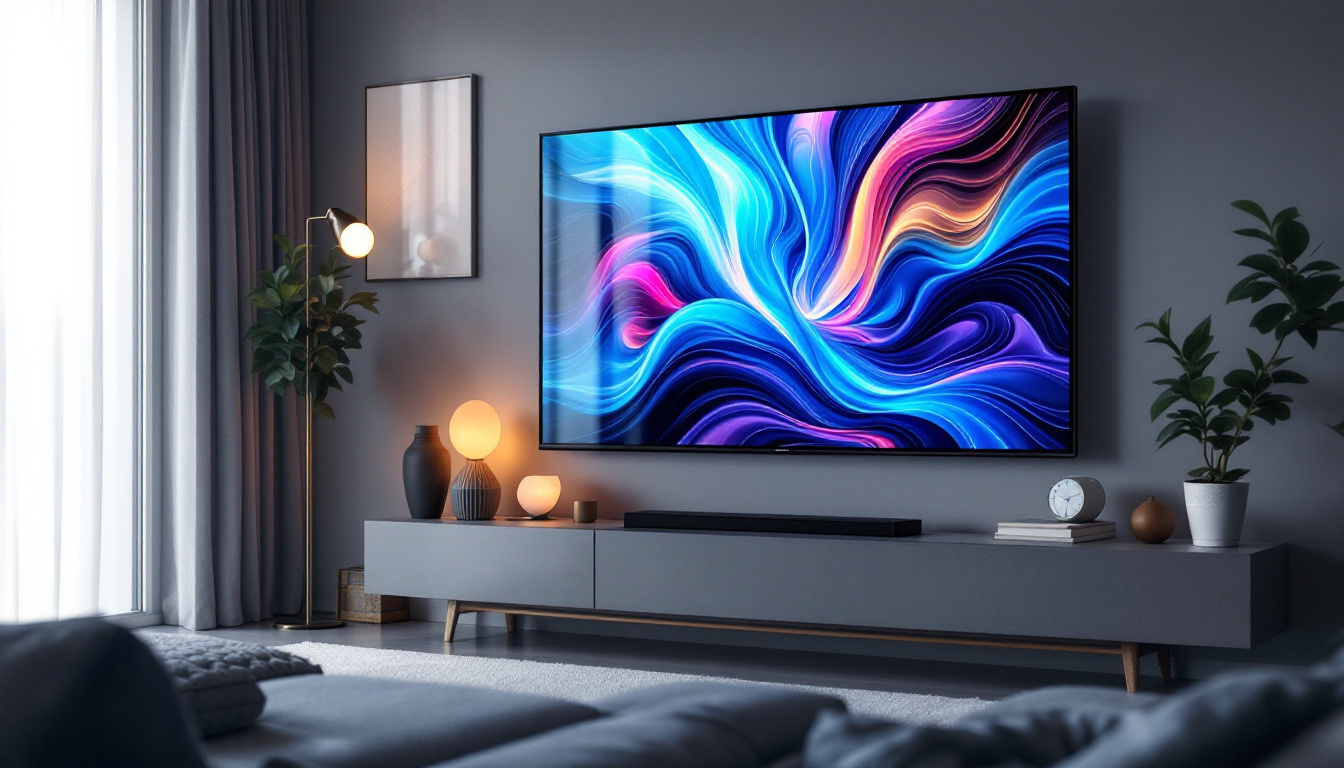
LED stands for Light Emitting Diode, a semiconductor device that emits light when an electric current passes through it. An LED display uses an array of these diodes to produce images by controlling the light intensity of each diode. Unlike traditional LCD (Liquid Crystal Display) screens that rely on backlighting, LED displays use these tiny light sources to illuminate the screen, resulting in brighter and more energy-efficient visuals. This technology has revolutionized the way we experience digital content, providing sharper images and vibrant colors that enhance everything from gaming to movie watching.
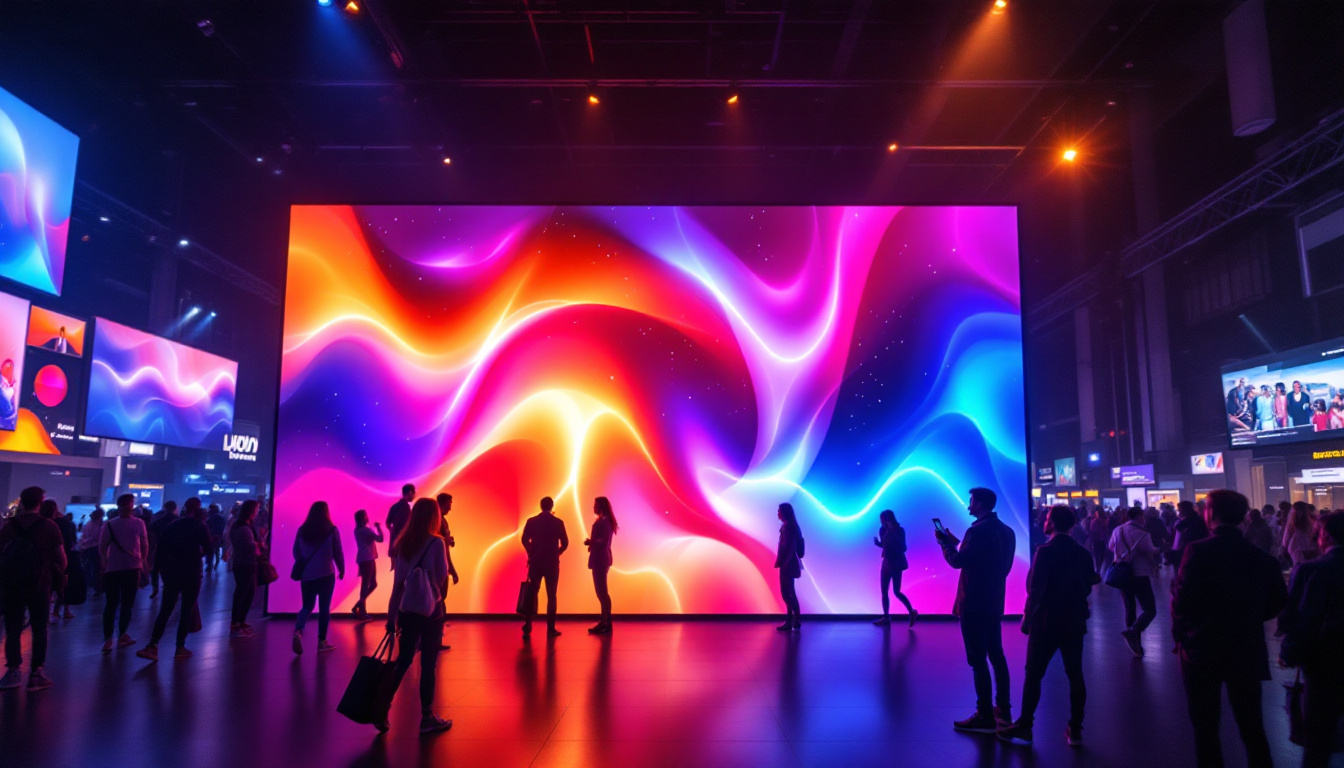
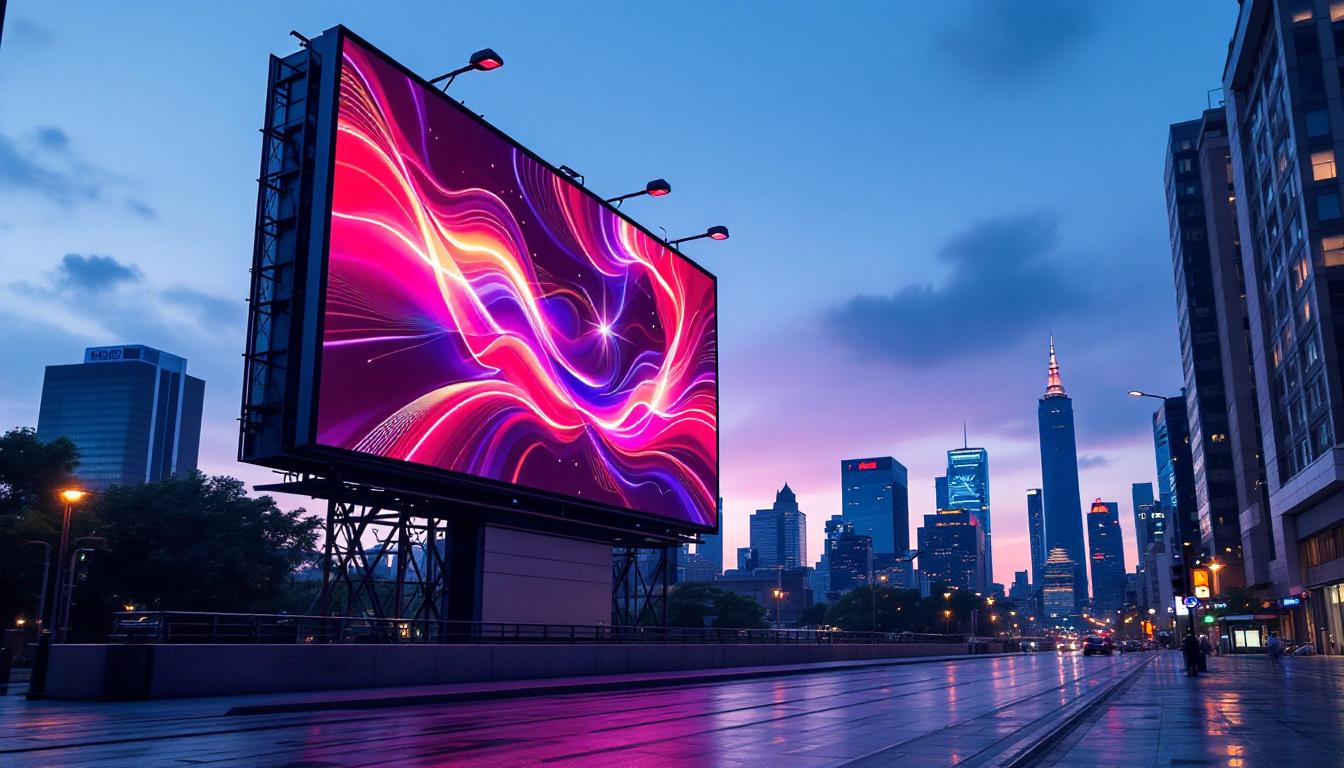
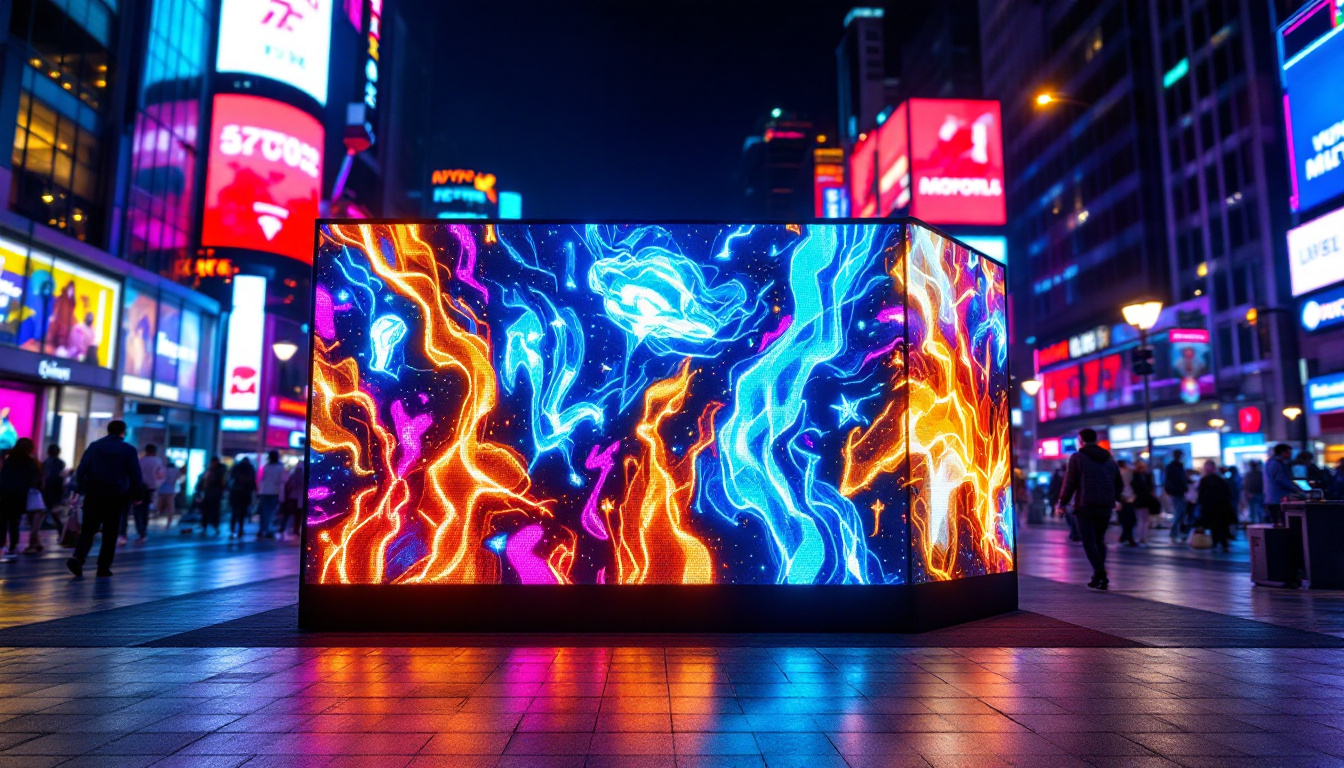
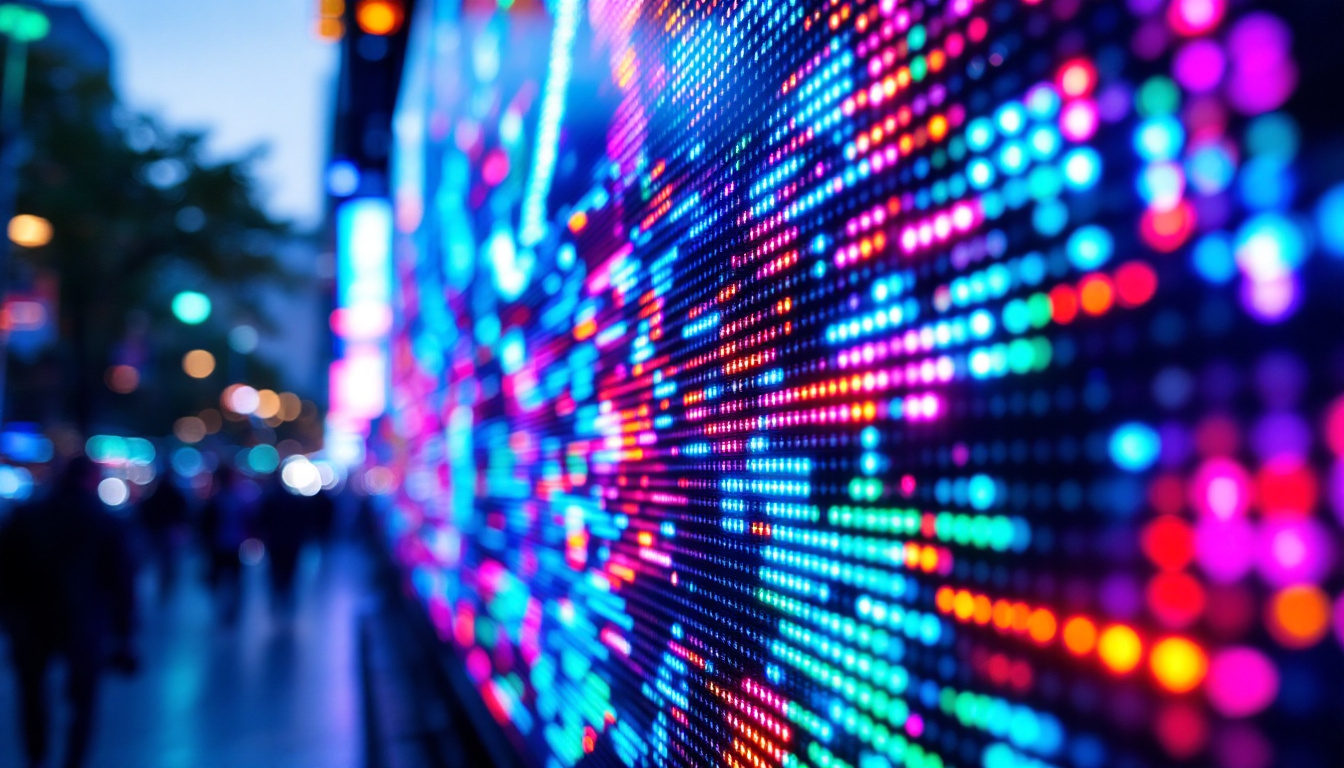
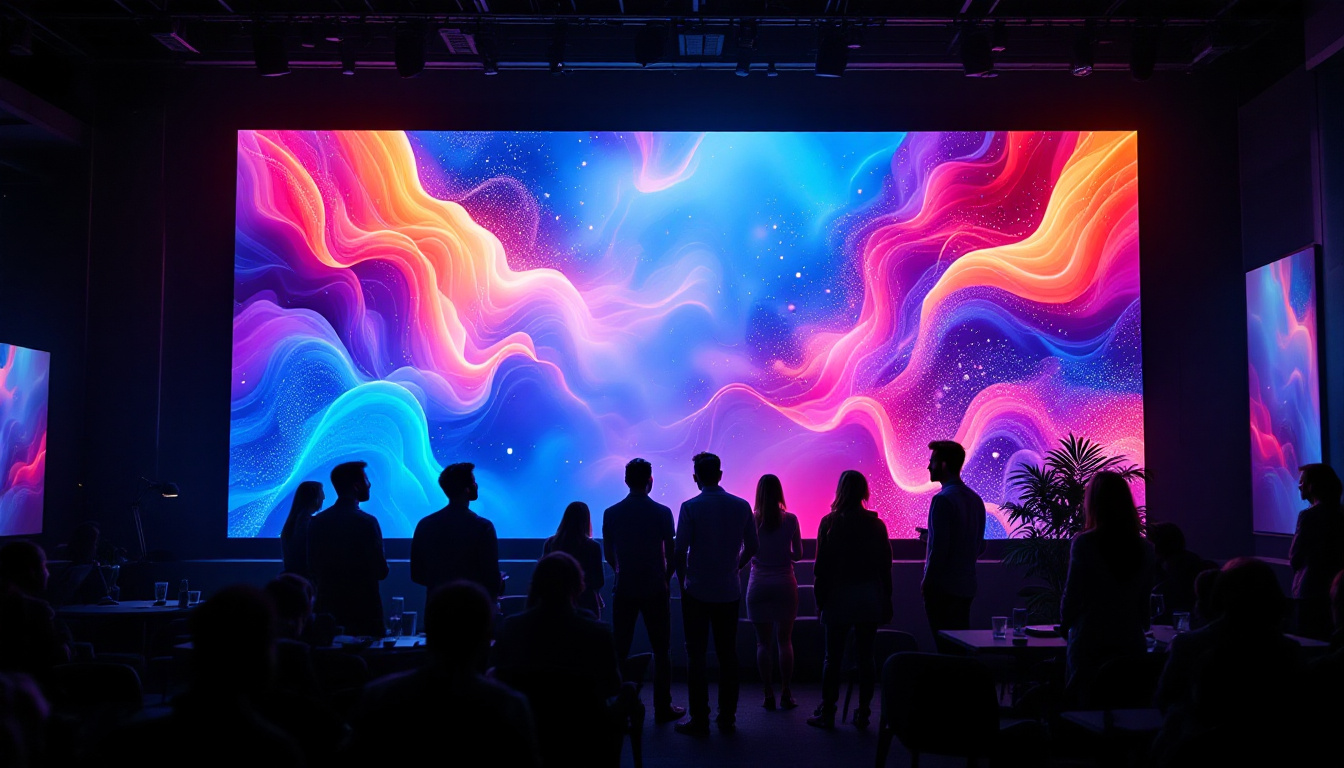
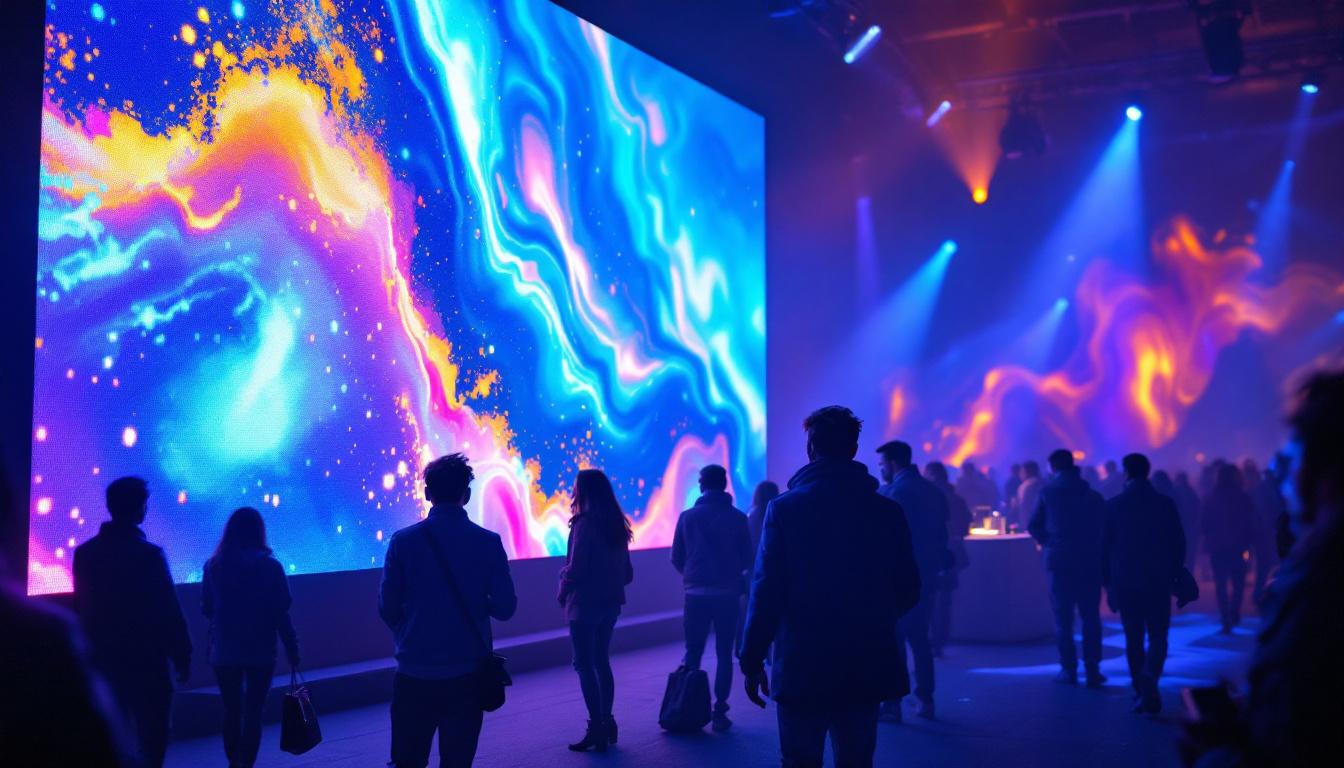
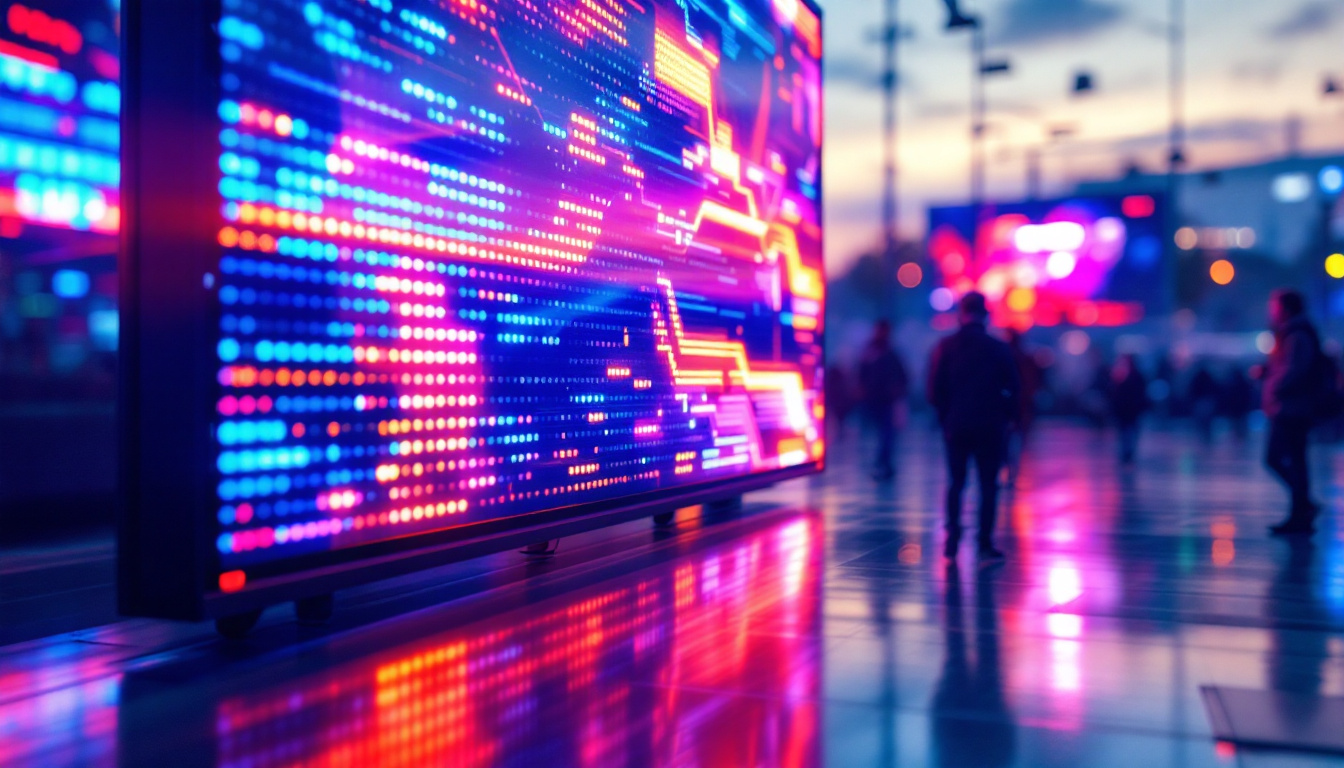
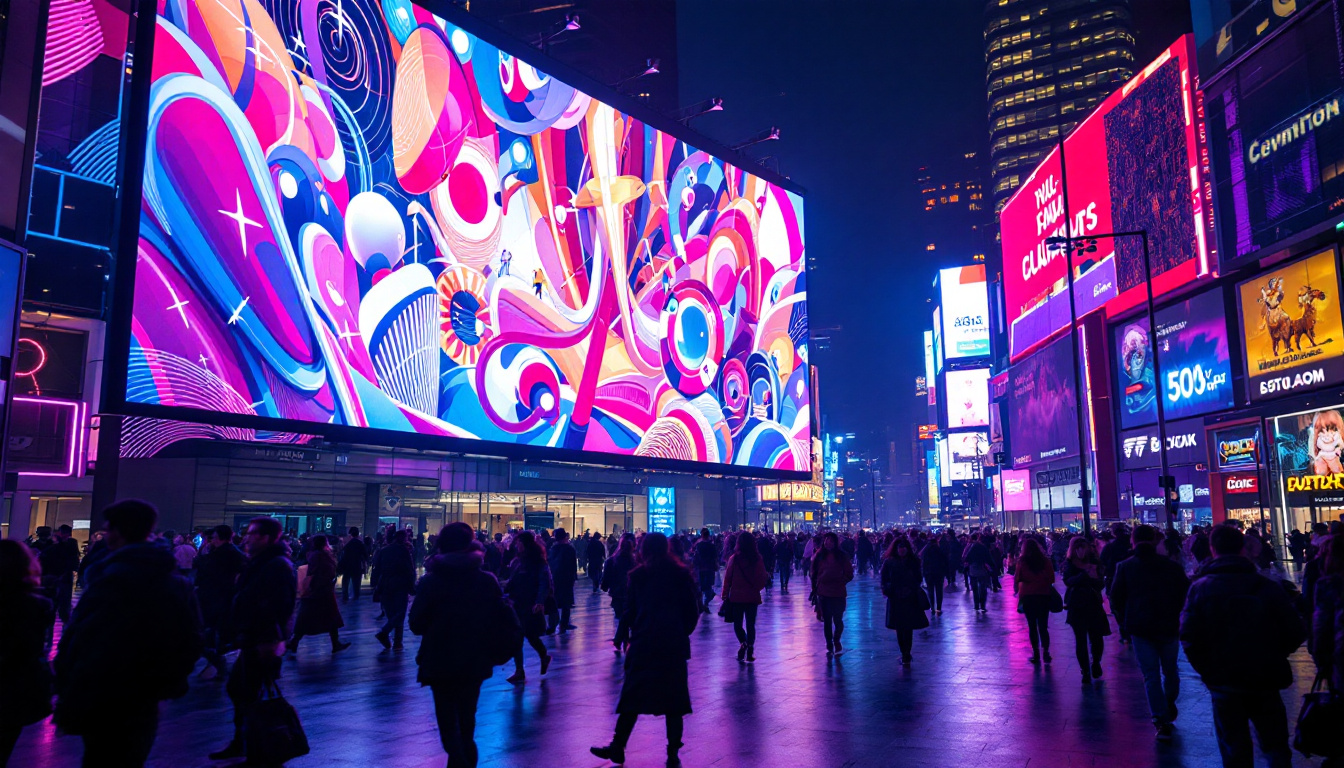
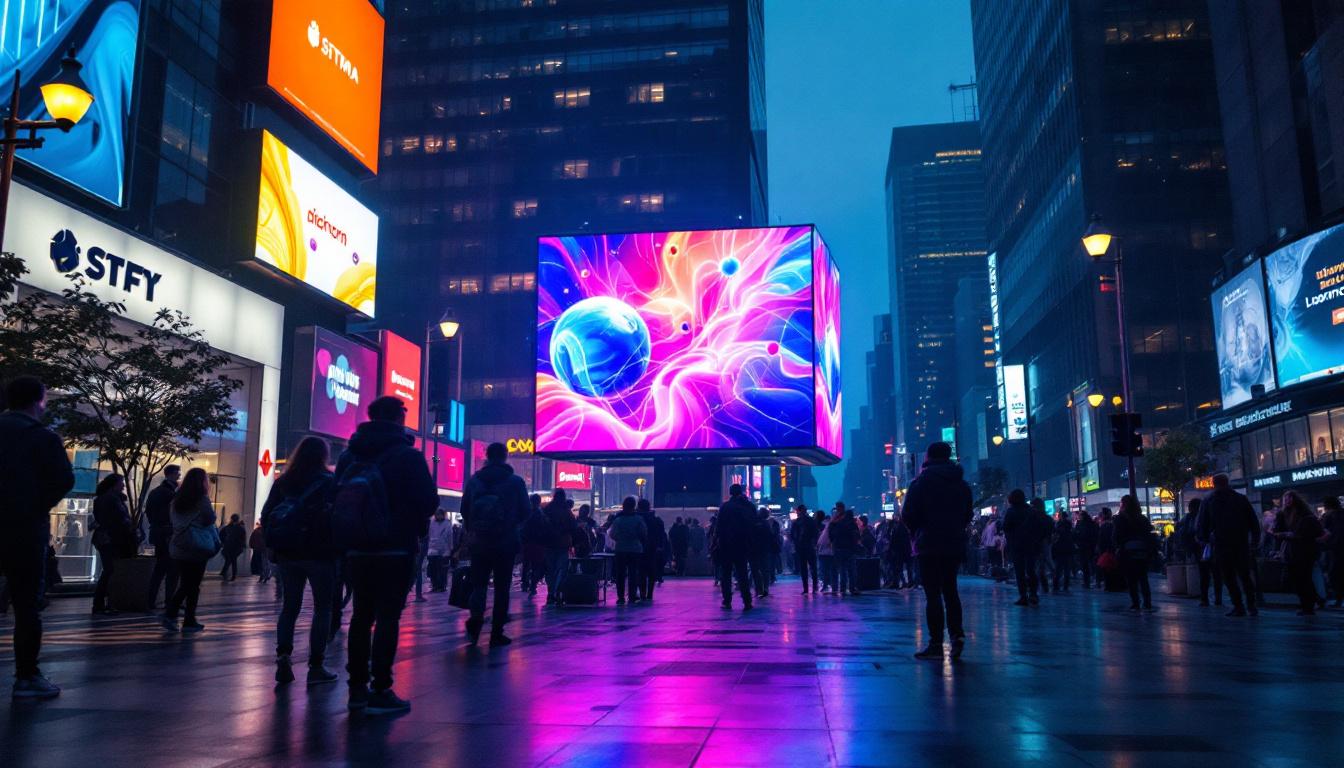
LED displays come in various forms, including direct-view LED panels and LED-backlit LCDs. Direct-view LED displays consist entirely of LEDs forming the pixels, often used in large-scale applications such as billboards and stadium screens. On the other hand, LED-backlit LCDs use LEDs as a backlight behind an LCD panel, common in consumer televisions and monitors. The versatility of LED technology allows it to be adapted for different environments, from indoor settings to outdoor displays, making it a popular choice for advertising and public information systems.
Types of LED Displays
There are primarily two types of LED display technologies used in consumer electronics:
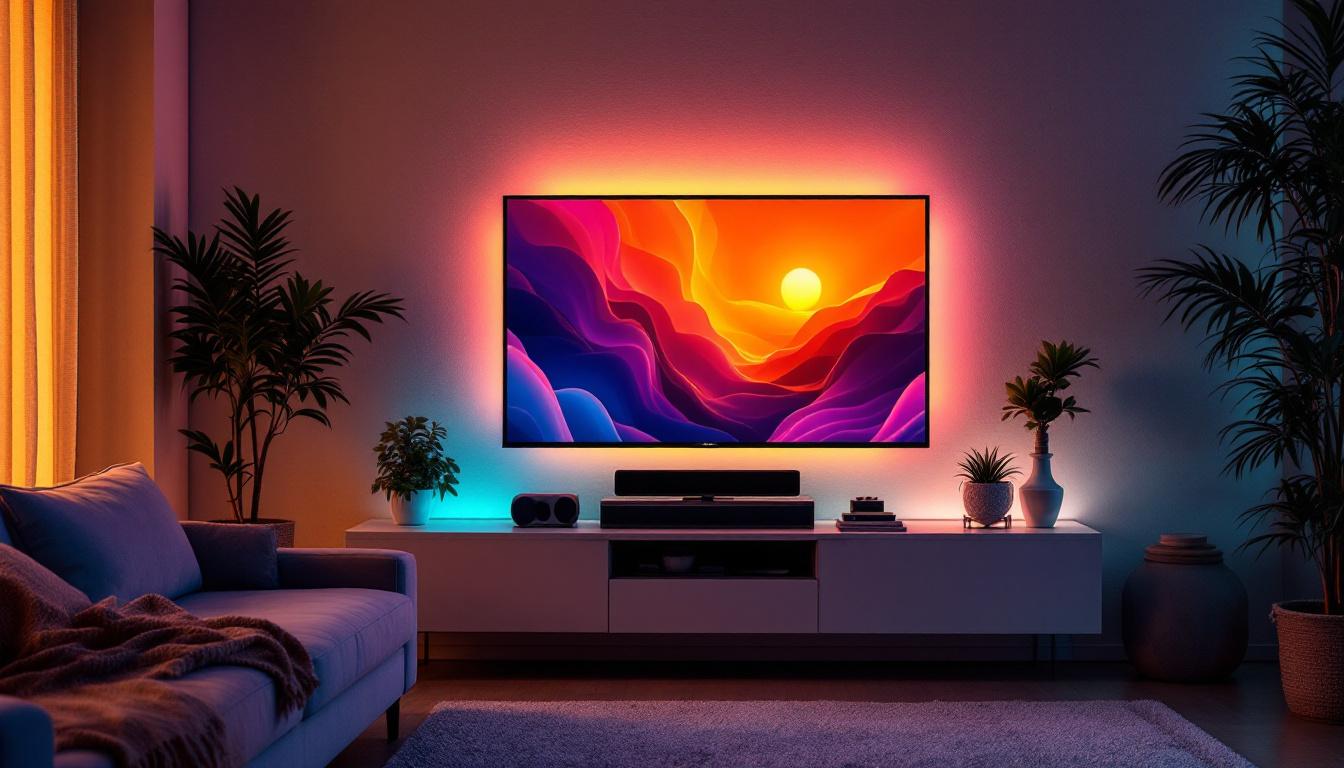
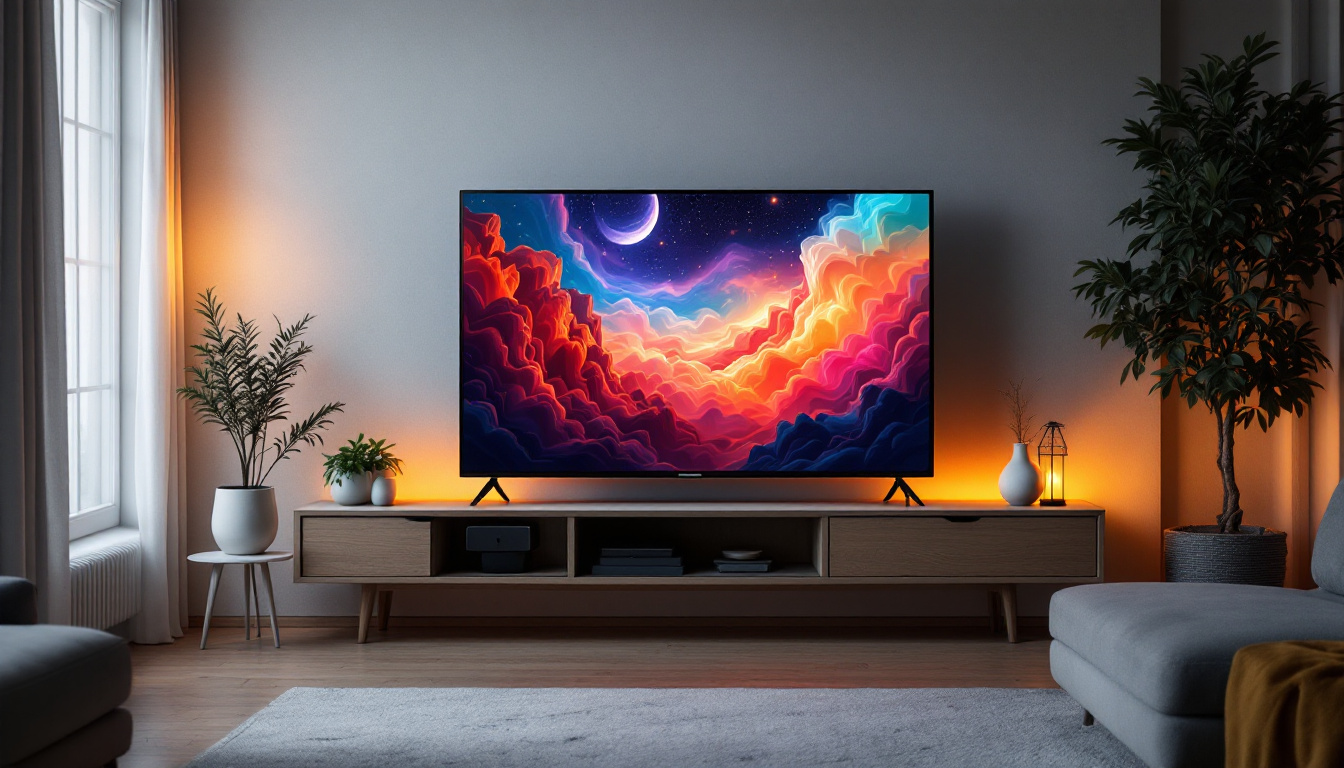
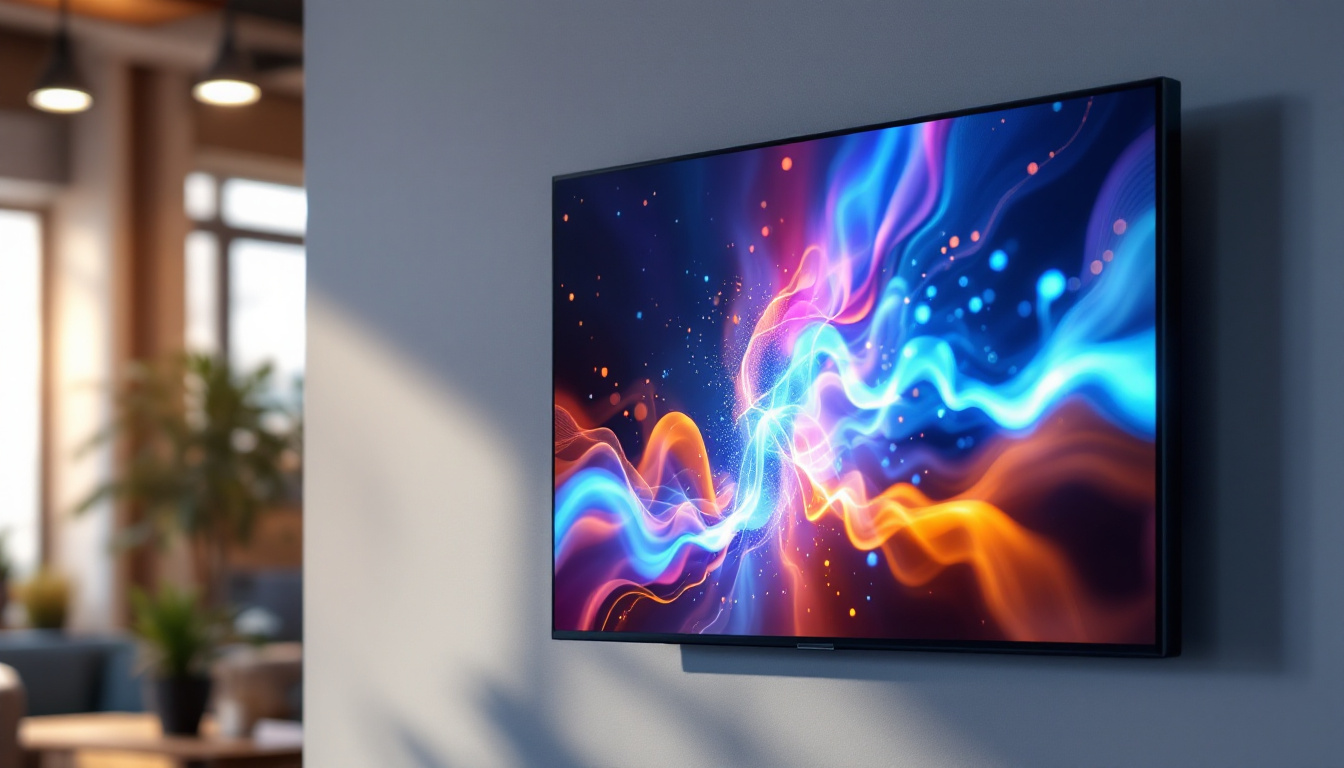
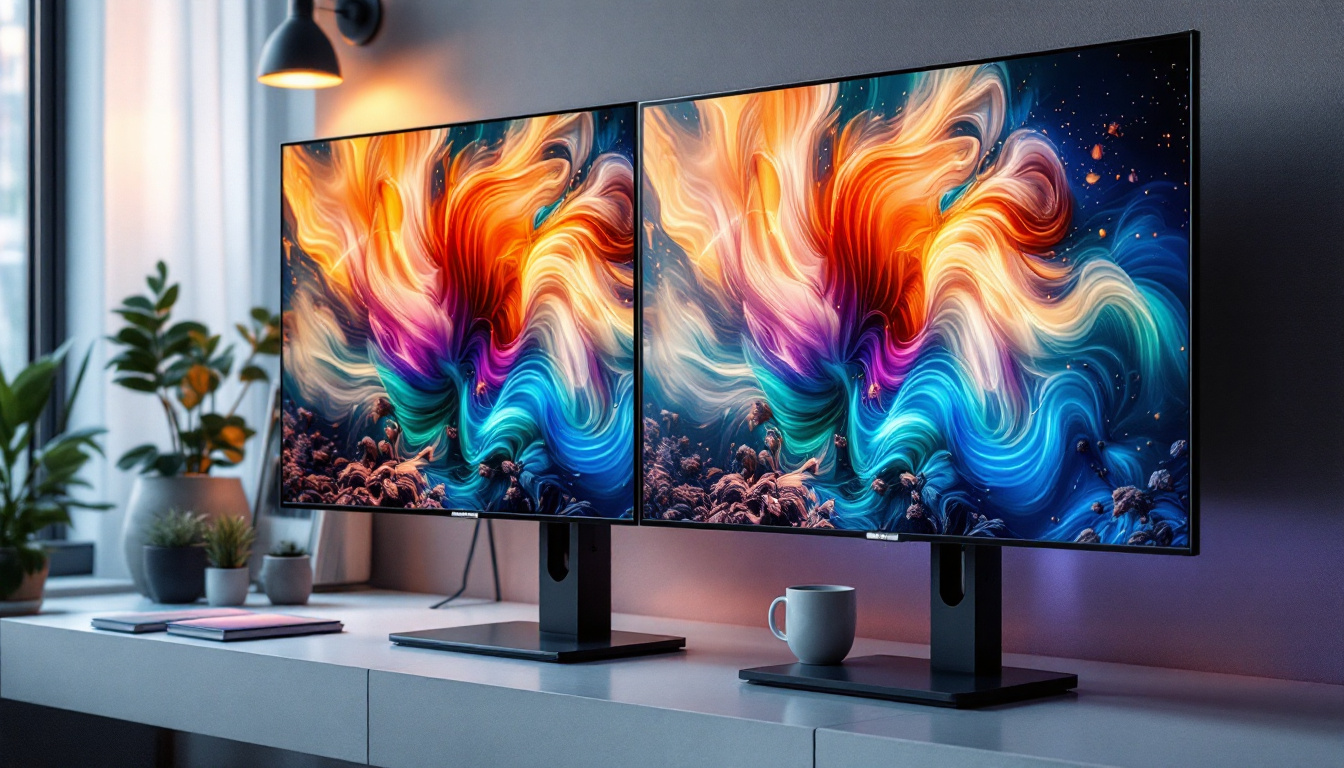
- LED-backlit LCD: This is the most common type found in modern TVs and monitors. It combines an LCD panel with an LED backlight, improving brightness and contrast compared to older CCFL (Cold Cathode Fluorescent Lamp) backlit models. These displays are particularly effective in brightly lit rooms, where their enhanced brightness can counteract ambient light, ensuring a clear and enjoyable viewing experience.
- OLED (Organic LED): A more advanced technology where each pixel emits its own light. OLED displays offer superior color accuracy, deeper blacks, and wider viewing angles but are generally more expensive. The ability of OLED screens to turn off individual pixels allows for true black levels, which not only enhances contrast but also contributes to energy savings when displaying darker images.
Understanding these types helps consumers make informed decisions when selecting a display for HD movie viewing. Additionally, the choice between LED-backlit LCD and OLED can significantly impact the overall viewing experience. For instance, gamers may prefer OLED for its rapid response times and stunning visuals, while those who watch a lot of television in bright rooms might lean towards the LED-backlit LCD for its superior brightness. Furthermore, as technology advances, we are witnessing the emergence of MicroLED displays, which combine the best features of both LED and OLED, promising even greater efficiency and picture quality in the near future.
Why LED Displays Enhance HD Movie Viewing
Brightness and Contrast
One of the key advantages of LED displays is their ability to produce high brightness levels and excellent contrast ratios. High brightness ensures that images remain clear and vibrant even in well-lit environments, while strong contrast ratios allow for deeper blacks and more detailed shadows. This combination is crucial for HD movies, which often feature dynamic scenes with varying light conditions.
For example, a movie with dark, atmospheric scenes will benefit from an LED display’s capability to render blacks more accurately, preserving the director’s intended mood and visual storytelling. Similarly, bright outdoor scenes will appear more lifelike and immersive. The ability of LED displays to adjust brightness dynamically also means that viewers can enjoy a consistent experience regardless of the ambient lighting in the room, making it easier to appreciate the nuances of cinematography.
Color Accuracy and Range
LED displays generally offer a wider color gamut compared to older display technologies. This means they can reproduce a broader spectrum of colors, resulting in more vivid and true-to-life images. For HD movies, accurate color representation enhances the viewing experience by bringing out subtle hues and tones that contribute to the overall cinematic effect.
Modern LED displays often support standards like HDR (High Dynamic Range), which further expands color and brightness capabilities. HDR content, increasingly common in HD movies, leverages these enhancements to deliver stunning visuals that closely mimic real-world lighting and colors. With HDR, viewers can experience the full range of a filmmaker’s vision, from the sunlit landscapes to the intricate details in shadowy corners, making every frame a work of art.
Energy Efficiency and Longevity
LED technology is also known for its energy efficiency. Compared to traditional display technologies, LED displays consume less power, which is beneficial for both consumers and the environment. Additionally, LEDs have a longer lifespan, meaning the display will maintain its quality over many years of use, making it a cost-effective choice for movie enthusiasts.
Moreover, the reduced energy consumption of LED displays contributes to lower electricity bills, allowing viewers to enjoy their favorite films without worrying about excessive energy costs. This aspect is particularly appealing for those who frequently host movie nights or binge-watch series. As technology continues to advance, LED displays are becoming even more eco-friendly, incorporating sustainable materials and manufacturing processes that further reduce their environmental impact. This commitment to sustainability not only enhances the viewing experience but also aligns with the growing consumer demand for greener technology solutions.
How Hd Movies 24 Utilizes LED Display Technology
Optimizing Content for LED Displays
Hd Movies 24, as a platform offering high-definition movie streaming, understands the importance of display quality in user experience. The platform optimizes its content to leverage the capabilities of LED displays, ensuring that movies are encoded with high bitrates and support HDR formats where available.
This optimization means that when users watch movies on an LED display, they benefit from sharper images, richer colors, and better contrast, all of which contribute to a more immersive and enjoyable viewing experience.
Compatibility and Accessibility
Hd Movies 24 ensures that its streaming service is compatible with a wide range of devices equipped with LED displays, including smart TVs, laptops, tablets, and smartphones. This broad compatibility allows users to enjoy HD movies with optimal display quality regardless of their device.
Moreover, Hd Movies 24 supports adaptive streaming technologies that adjust video quality based on the user’s internet connection and device capabilities. This ensures smooth playback without compromising too much on visual fidelity, particularly on LED displays that can showcase HD content effectively.
Choosing the Right LED Display for HD Movie Watching
Screen Size and Resolution
When selecting an LED display for HD movie viewing, screen size and resolution are critical factors. A larger screen enhances immersion, allowing viewers to appreciate fine details and cinematic effects. However, the resolution must match or exceed the content’s quality to avoid pixelation.
For HD movies, a minimum resolution of 1920×1080 pixels (Full HD) is recommended. Many modern LED displays offer 4K Ultra HD resolution (3840×2160 pixels), which provides four times the detail of Full HD and is increasingly supported by streaming platforms like Hd Movies 24.
Refresh Rate and Response Time
While refresh rate and response time are often emphasized in gaming displays, they also impact movie watching. A higher refresh rate (e.g., 120Hz) can reduce motion blur in fast-moving scenes, making action sequences and sports footage appear smoother. Similarly, a low response time minimizes ghosting effects, preserving image clarity during rapid movements.
Choosing an LED display with these features can enhance the overall quality of HD movie playback, especially for genres with dynamic visuals.
Smart Features and Connectivity
Many LED displays today come equipped with smart features, including built-in streaming apps, voice control, and multiple connectivity options like HDMI, USB, and Wi-Fi. These features simplify access to platforms like Hd Movies 24, allowing users to stream HD movies directly without additional devices.
Connectivity options also enable users to connect external sound systems or gaming consoles, further enhancing the home entertainment setup.
Future Trends in LED Display Technology and HD Movie Streaming
Advancements in Display Technology
The LED display landscape continues to evolve with innovations such as MicroLED and MiniLED technologies. MicroLED displays use microscopic LEDs to form pixels, offering superior brightness, contrast, and energy efficiency without the burn-in issues associated with OLEDs. MiniLED technology enhances backlighting precision in LCDs, resulting in better HDR performance and deeper blacks.
These advancements promise to elevate HD movie viewing experiences even further, delivering cinema-quality visuals in home environments.
Impact on Streaming Platforms like Hd Movies 24
As display technologies improve, streaming platforms are adapting by offering higher-resolution content, including 4K and even 8K movies, along with enhanced HDR formats. Hd Movies 24 is likely to expand its library and streaming capabilities to keep pace with these developments, ensuring users can fully utilize their advanced LED displays.
Additionally, improvements in internet infrastructure and compression algorithms will allow smoother streaming of high-quality content, reducing buffering and latency issues.
Conclusion
LED display technology plays a pivotal role in shaping the quality of HD movie viewing experiences. Its advantages in brightness, contrast, color accuracy, and energy efficiency make it an ideal choice for watching movies on platforms like Hd Movies 24. Understanding the different types of LED displays and their features helps consumers select the best device to enjoy their favorite films in stunning detail.
As technology continues to advance, both LED displays and streaming platforms will evolve to deliver even more immersive and visually striking entertainment. For movie lovers seeking the best possible experience, investing in a quality LED display is a step toward bringing the magic of the cinema into the comfort of home.
Discover LumenMatrix’s Innovative LED Display Solutions
Ready to elevate your HD movie-watching experience to cinematic heights? LumenMatrix is at the forefront of LED display innovation, offering a diverse range of solutions that cater to any setting. Whether you’re looking to create an immersive indoor theater environment, an eye-catching outdoor display, or even a unique vehicle-mounted message board, LumenMatrix has the technology to bring your vision to life. With our commitment to enhancing engagement and communication, our LED displays are designed to captivate audiences and deliver your content with unparalleled clarity and impact. Don’t just watch movies—immerse yourself in them with LumenMatrix. Check out LumenMatrix LED Display Solutions and transform the way you experience visual storytelling.