In today’s fast-paced digital world, LED displays have become a cornerstone technology across numerous industries—from advertising and entertainment to transportation and public information systems. Understanding how these displays work and how to plan their deployment effectively is crucial for professionals aiming to maximize performance and return on investment. This article delves into the essentials of LED display technology, exploring its components, advantages, and practical applications, while also providing insights into how a high performance planner PDF can assist in the strategic planning and execution of LED display projects.
Understanding LED Display Technology
What is an LED Display?
LED stands for Light Emitting Diode, a semiconductor device that emits light when an electric current passes through it. LED displays are composed of thousands to millions of these tiny diodes arranged in a matrix to form images, videos, or text. Unlike traditional LCD or plasma screens, LED displays generate their own light, which results in brighter images and better contrast, especially in outdoor or brightly lit environments.
The technology behind LED displays has evolved significantly over the past decade. Modern LED panels can be configured in various sizes and resolutions, making them suitable for everything from small indoor screens to massive outdoor billboards. The flexibility and scalability of LED technology have made it a preferred choice for dynamic visual communication.
Types of LED Displays
There are primarily two types of LED displays: Direct View LED (DV-LED) and LED-backlit LCD. Direct View LED displays use LEDs as the actual pixels, providing superior brightness and color accuracy. These are commonly used in large-scale outdoor installations like stadium screens and digital signage.
On the other hand, LED-backlit LCDs use LEDs as a backlight behind an LCD panel. While they offer improved energy efficiency and thinner profiles compared to older LCD technologies, they do not match the brightness and viewing angles of Direct View LED displays. Understanding these differences is fundamental when planning a display project to ensure the chosen technology aligns with the intended use case.
Key Components of LED Displays
LED Modules and Pixels
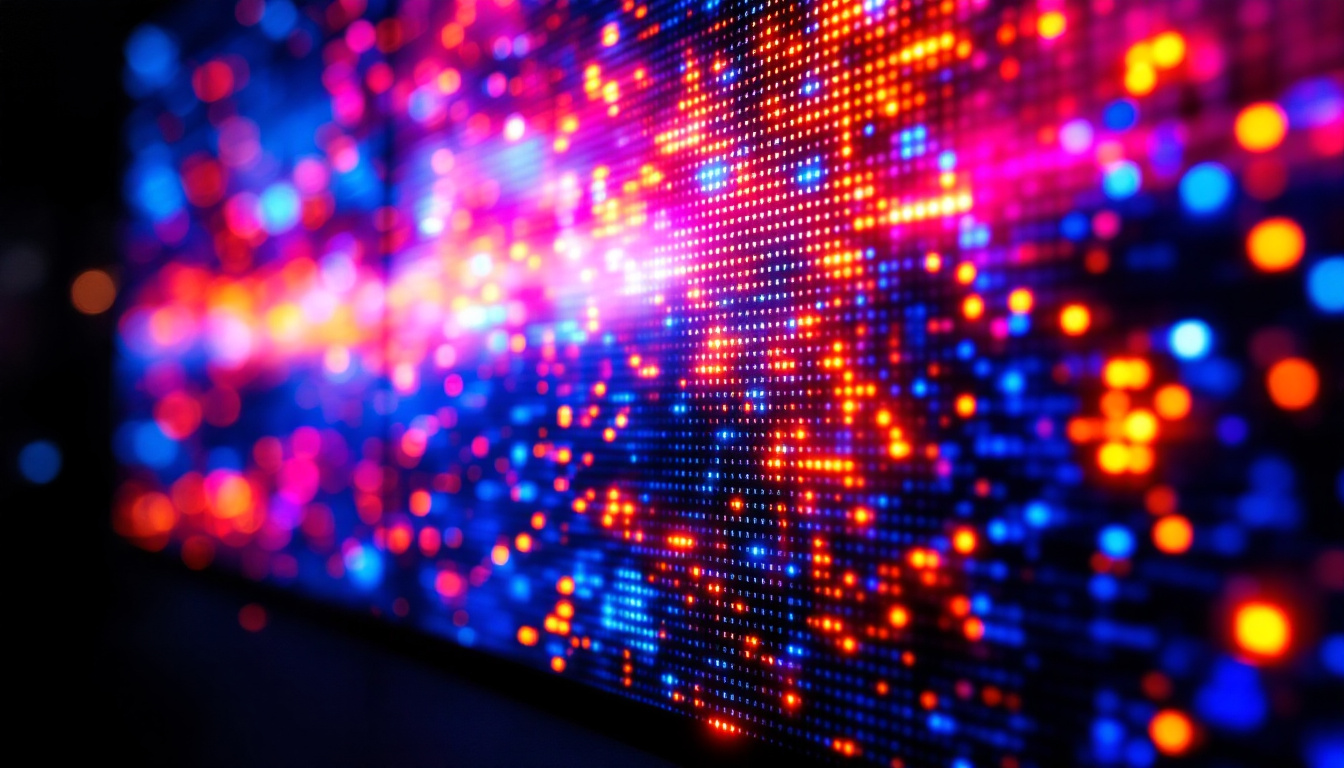
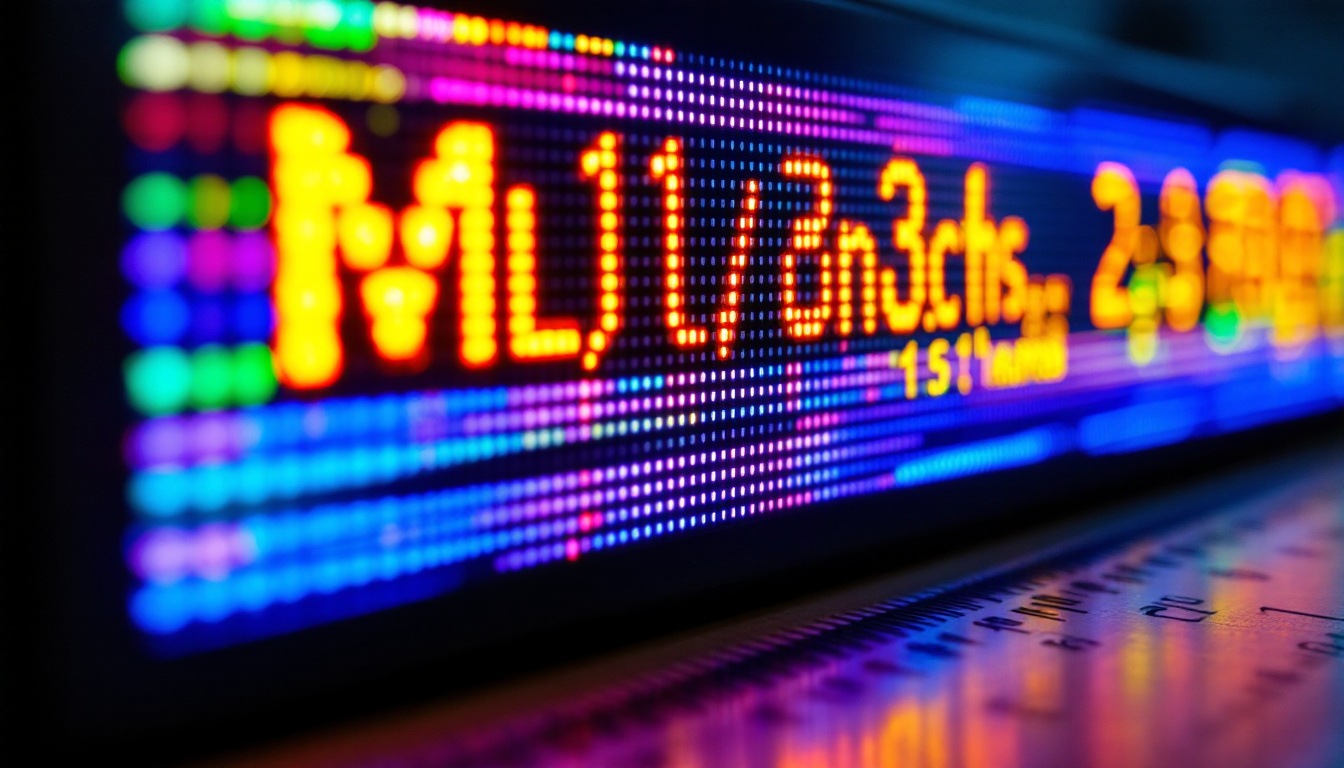
The basic building block of any LED display is the LED module, which contains an array of LEDs arranged in pixels. Each pixel typically consists of three LEDs—red, green, and blue—that combine to produce a full spectrum of colors through varying intensities. The pixel pitch, defined as the distance between the centers of two adjacent pixels, directly affects the resolution and viewing distance of the display.
For instance, a smaller pixel pitch (e.g., 1.5mm) results in higher resolution and is ideal for close-up viewing environments like retail stores or control rooms. Conversely, larger pixel pitches (e.g., 10mm or more) are suitable for outdoor billboards where viewers are generally farther away.
Control Systems and Software
LED displays rely on sophisticated control systems to manage image processing, color calibration, and synchronization. These systems receive input signals from various sources such as computers, media players, or live video feeds, and convert them into signals that control each LED pixel’s brightness and color.
Modern control software offers features like real-time content scheduling, remote monitoring, and diagnostics, which are essential for maintaining high performance and minimizing downtime. When planning an LED display installation, selecting compatible control hardware and software is critical to achieving seamless operation.
Power Supply and Cooling
LED displays require stable power supplies to ensure consistent brightness and prevent damage to the LEDs. High-performance planners must account for power consumption, especially for large-scale installations, to avoid overloading electrical circuits and to optimize energy efficiency.
Additionally, effective cooling mechanisms—such as fans, heat sinks, or advanced thermal management systems—are necessary to dissipate heat generated by the LEDs and electronic components. Overheating can degrade performance and shorten the lifespan of the display, making thermal considerations a vital part of the planning process.
Advantages of LED Displays
Brightness and Visibility
One of the most significant advantages of LED displays is their exceptional brightness. Outdoor LED screens can reach brightness levels exceeding 5,000 nits, making them clearly visible even under direct sunlight. This capability is essential for applications such as traffic signs, sports arenas, and outdoor advertising, where visibility is paramount.
Moreover, LED displays offer wide viewing angles—often up to 160 degrees horizontally and vertically—ensuring that content is visible from various perspectives without color distortion or loss of brightness.
Energy Efficiency and Longevity
Compared to traditional lighting and display technologies, LEDs are highly energy-efficient. They consume less power while delivering brighter and more vibrant images. This efficiency translates into lower operating costs, which is a crucial consideration for businesses and municipalities managing large-scale installations.
LEDs also have a long operational lifespan, often exceeding 100,000 hours before significant brightness degradation occurs. This durability reduces maintenance frequency and replacement costs, contributing to a better total cost of ownership.
Flexibility and Customization
LED displays can be customized in shape, size, and resolution to fit specific needs. Curved, flexible, and transparent LED panels are increasingly popular in architectural and retail applications, offering innovative ways to engage audiences.
The ability to display dynamic, real-time content—from social media feeds to live event broadcasts—makes LED displays a versatile tool for communication and marketing strategies.
Planning Your LED Display Project with a High Performance Planner PDF
The Role of a High Performance Planner PDF
Deploying an LED display is a complex endeavor involving multiple technical and logistical factors. A High Performance Planner PDF serves as a comprehensive guide and checklist that helps project managers, engineers, and stakeholders align their objectives and resources effectively.
This planner typically includes detailed sections on site assessment, technical specifications, budgeting, installation timelines, and maintenance schedules. By consolidating all relevant information into a single, accessible document, the planner facilitates better decision-making and risk management throughout the project lifecycle.
Key Elements to Include in Your Planner
When creating or utilizing a High Performance Planner PDF for an LED display project, certain elements are essential for thorough planning:
- Site Survey and Environmental Analysis: Understanding the installation environment, including lighting conditions, weather exposure, and structural support capabilities.
- Technical Specifications: Defining pixel pitch, resolution, brightness requirements, and control system compatibility.
- Power and Cooling Requirements: Calculating power consumption and designing appropriate cooling solutions.
- Content Strategy: Planning the type of content, scheduling, and integration with content management systems.
- Budget and Cost Analysis: Estimating initial investment, operational costs, and potential ROI.
- Installation and Maintenance Plan: Scheduling installation phases, testing procedures, and ongoing maintenance routines.
Benefits of Using a Planner PDF
Using a structured planner document ensures that all stakeholders have a clear understanding of project goals and technical requirements. It minimizes the risk of oversights that could lead to costly delays or suboptimal performance.
Additionally, a well-prepared planner can be a valuable tool when negotiating with suppliers and contractors, providing a clear framework for expectations and deliverables. It also aids in compliance with regulatory standards and safety protocols, which are critical for public-facing installations.
Real-World Applications and Case Studies
Outdoor Advertising and Digital Billboards
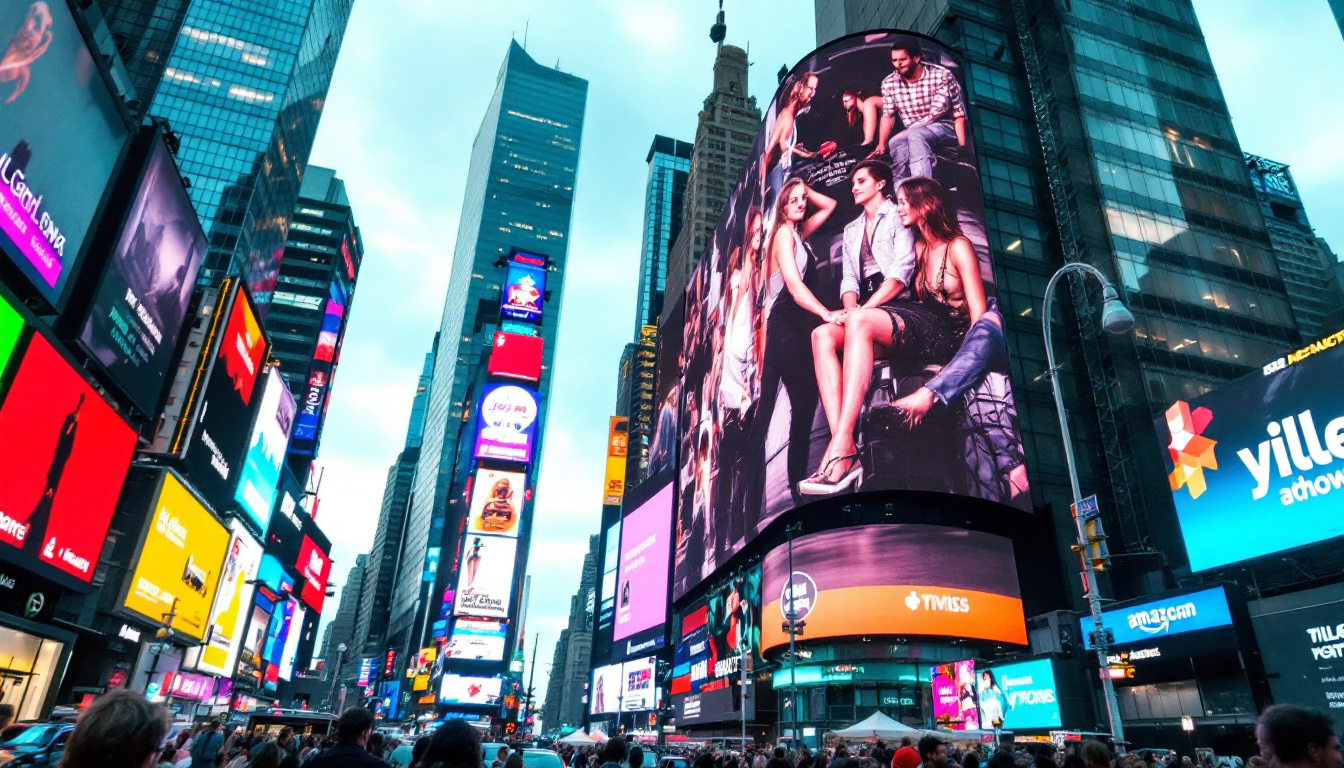
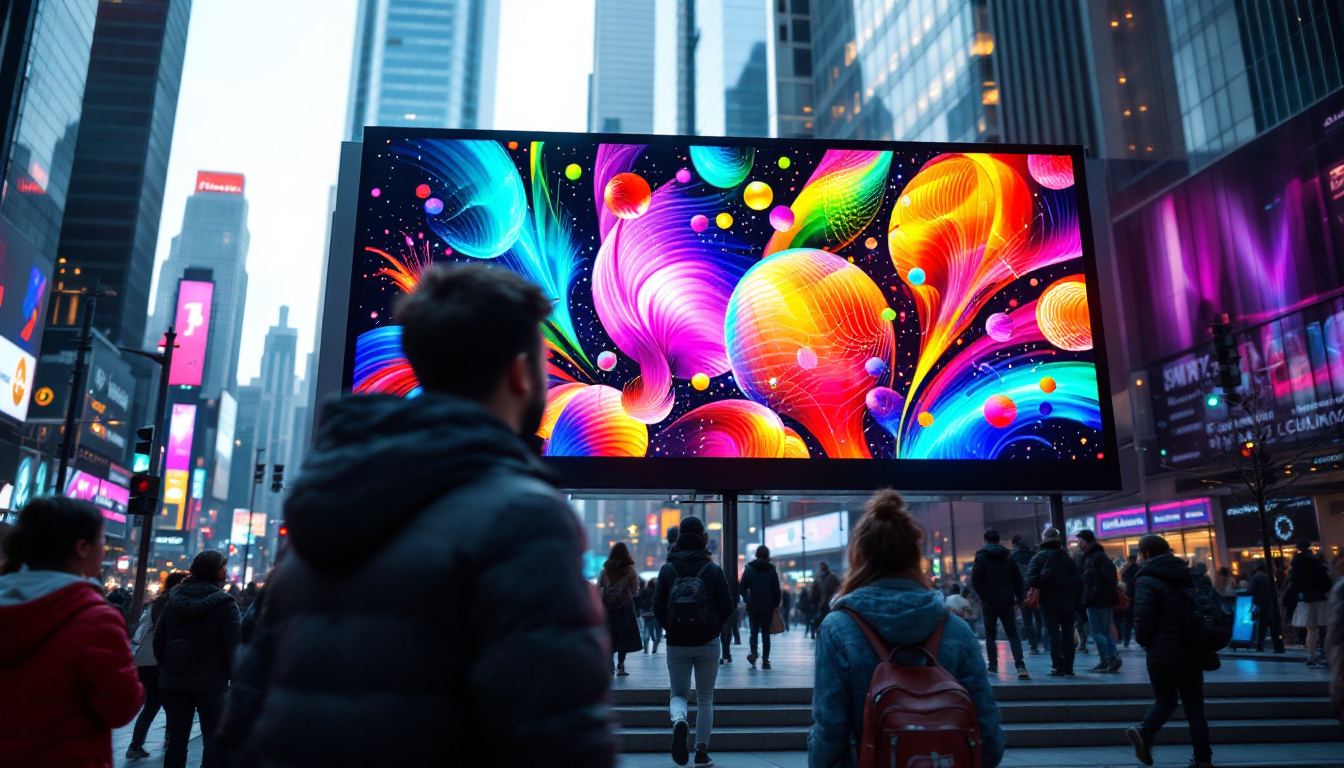
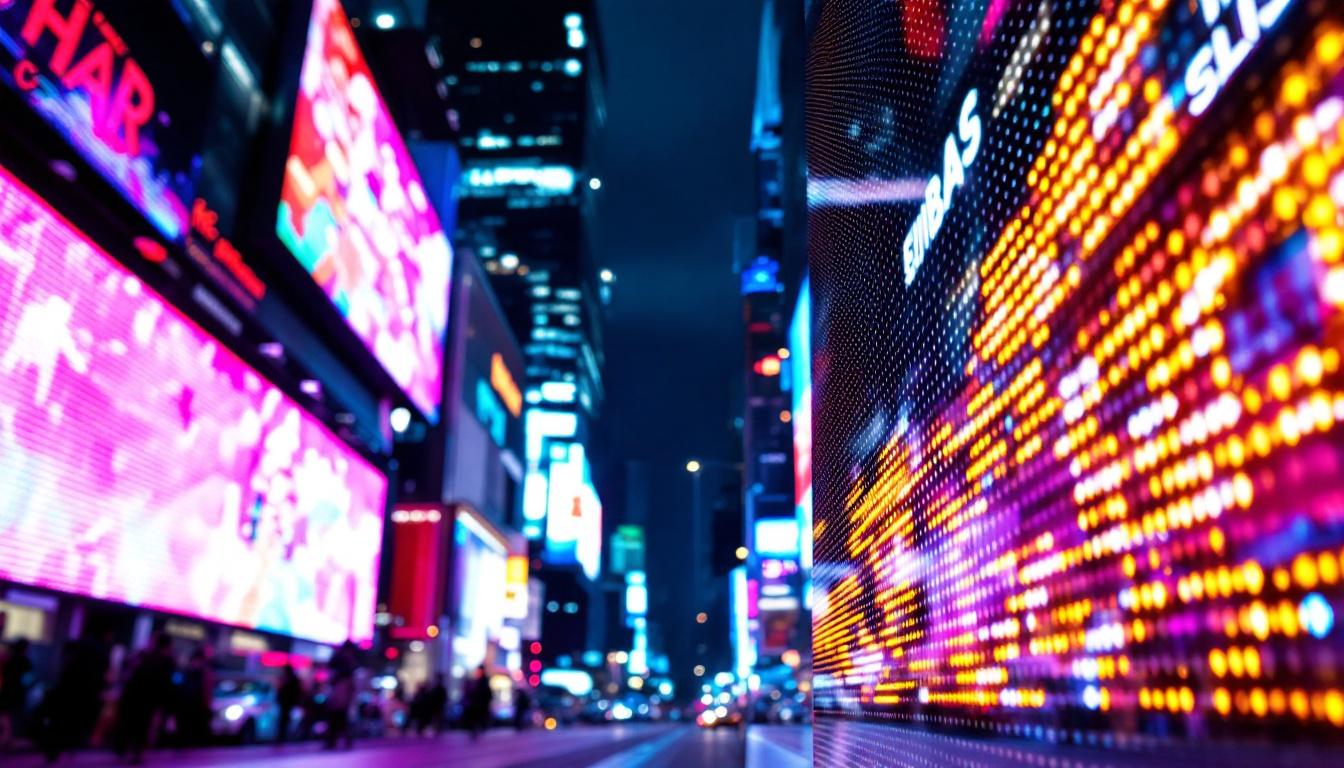
One of the most prominent uses of LED displays is in outdoor advertising. Cities around the world have embraced digital billboards for their ability to deliver eye-catching, dynamic content that can be updated instantly. For example, Times Square in New York City features some of the largest and most advanced LED displays globally, showcasing the technology’s impact on urban marketing.
High performance planning in these projects ensures that displays meet brightness standards, resist weather conditions, and integrate with city infrastructure. The planner PDF helps coordinate between advertising agencies, city planners, and installation teams to deliver effective campaigns.
Sports and Entertainment Venues
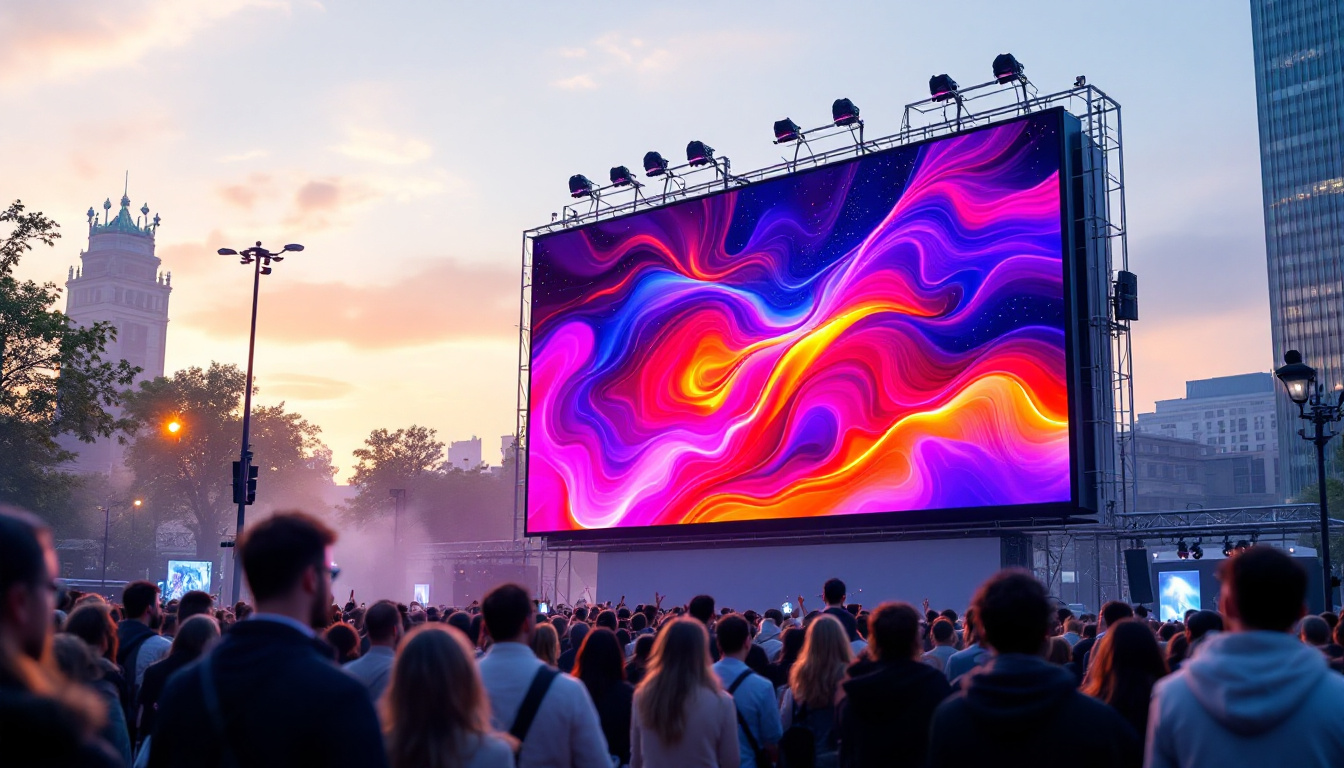
LED displays have transformed the spectator experience in sports arenas and concert venues. From giant scoreboards to immersive stage backdrops, these screens provide real-time information and enhance visual storytelling.
Planning for such installations requires careful consideration of viewing angles, resolution, and synchronization with live event feeds. A detailed planner helps manage the complexity of integrating multiple display units and ensuring seamless operation during high-profile events.
Transportation and Public Information Systems
LED displays are widely used in airports, train stations, and bus terminals to provide travelers with real-time updates. Their high visibility and reliability make them ideal for critical information dissemination.
In these contexts, planners must prioritize durability, ease of maintenance, and integration with existing communication networks. The planner PDF serves as a blueprint to align technical requirements with operational needs, ensuring that displays function optimally in demanding environments.
Future Trends in LED Display Technology
MicroLED and MiniLED Innovations
Emerging technologies like MicroLED and MiniLED promise to push LED display performance even further. MicroLEDs are significantly smaller than traditional LEDs, enabling ultra-high resolution and improved color accuracy in compact displays. These advancements are poised to revolutionize consumer electronics, including TVs, smartphones, and wearable devices.
MiniLED technology, which uses smaller LEDs for backlighting LCD panels, offers enhanced contrast and brightness, bridging the gap between traditional LCDs and Direct View LEDs. Keeping abreast of these trends is essential for planners aiming to future-proof their investments.
Integration with IoT and Smart Technologies
LED displays are increasingly integrated with Internet of Things (IoT) platforms, allowing for smarter content management and interactive capabilities. Sensors can adjust brightness based on ambient light, while data analytics can optimize content scheduling based on audience engagement.
High performance planners must consider these technological integrations to leverage the full potential of LED displays in creating dynamic, responsive environments.
Conclusion
LED display technology continues to evolve, offering unparalleled opportunities for vibrant, high-impact visual communication. Understanding the technical aspects—from LED modules and pixel pitch to control systems and power management—is essential for successful deployment.
A High Performance Planner PDF is an invaluable tool that guides professionals through the complexities of planning, installing, and maintaining LED displays. By incorporating detailed site assessments, technical specifications, budgeting, and maintenance strategies, planners can ensure that LED display projects achieve their full potential in performance and longevity.
As LED technology advances and integrates with smart systems, staying informed and methodical in planning will remain critical. Whether for advertising, entertainment, or public information, LED displays offer a dynamic platform that, when properly planned and executed, can transform how messages are delivered and experienced.
Explore Cutting-Edge LED Display Solutions with LumenMatrix
Ready to elevate your visual communication strategy with the latest in LED display technology? LumenMatrix is at the forefront of innovation, offering a diverse range of LED display solutions tailored to your unique needs. From captivating Indoor LED Wall Displays to dynamic Outdoor LED Wall Displays, and specialized options like Vehicle LED Displays and LED Sports Displays, our mission is to transform your message into an unforgettable visual experience. Discover how LumenMatrix can enhance your brand visibility and audience engagement. Check out LumenMatrix LED Display Solutions today and take the first step towards revolutionizing your visual communication.