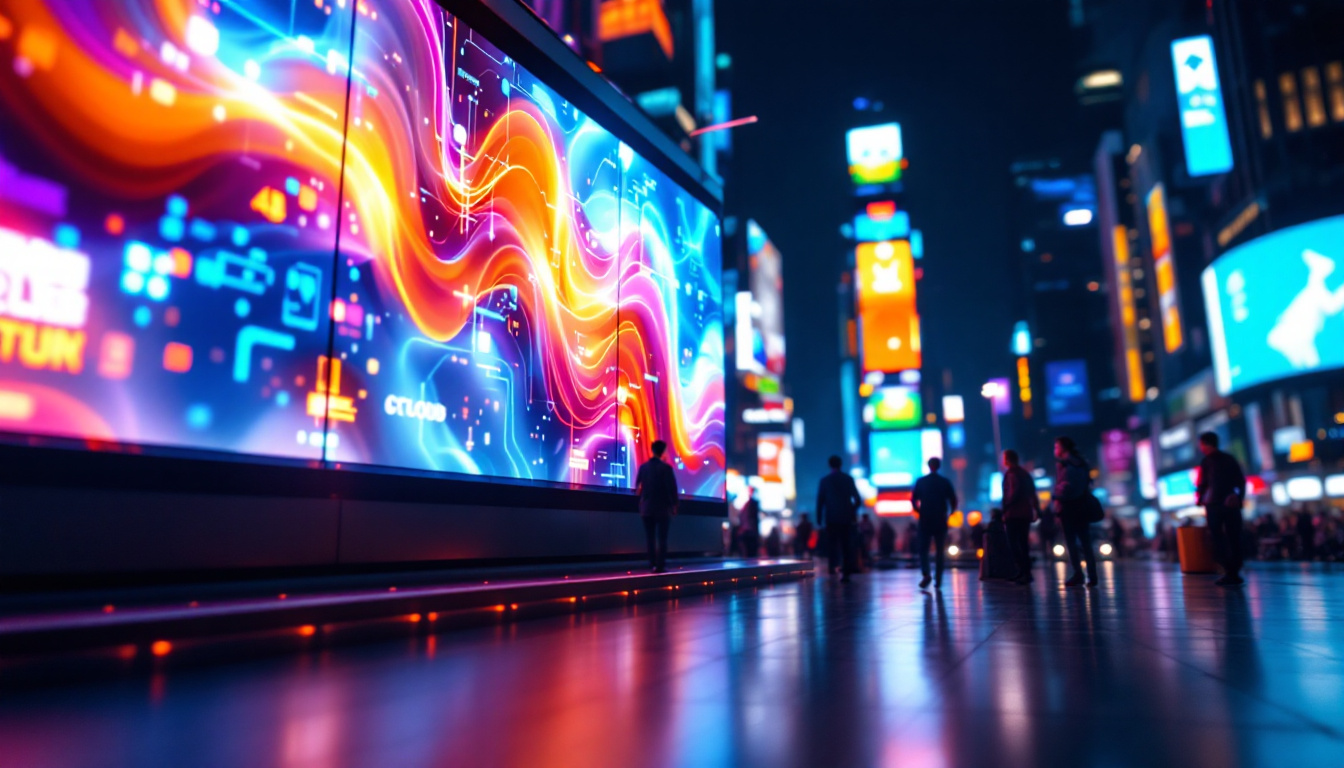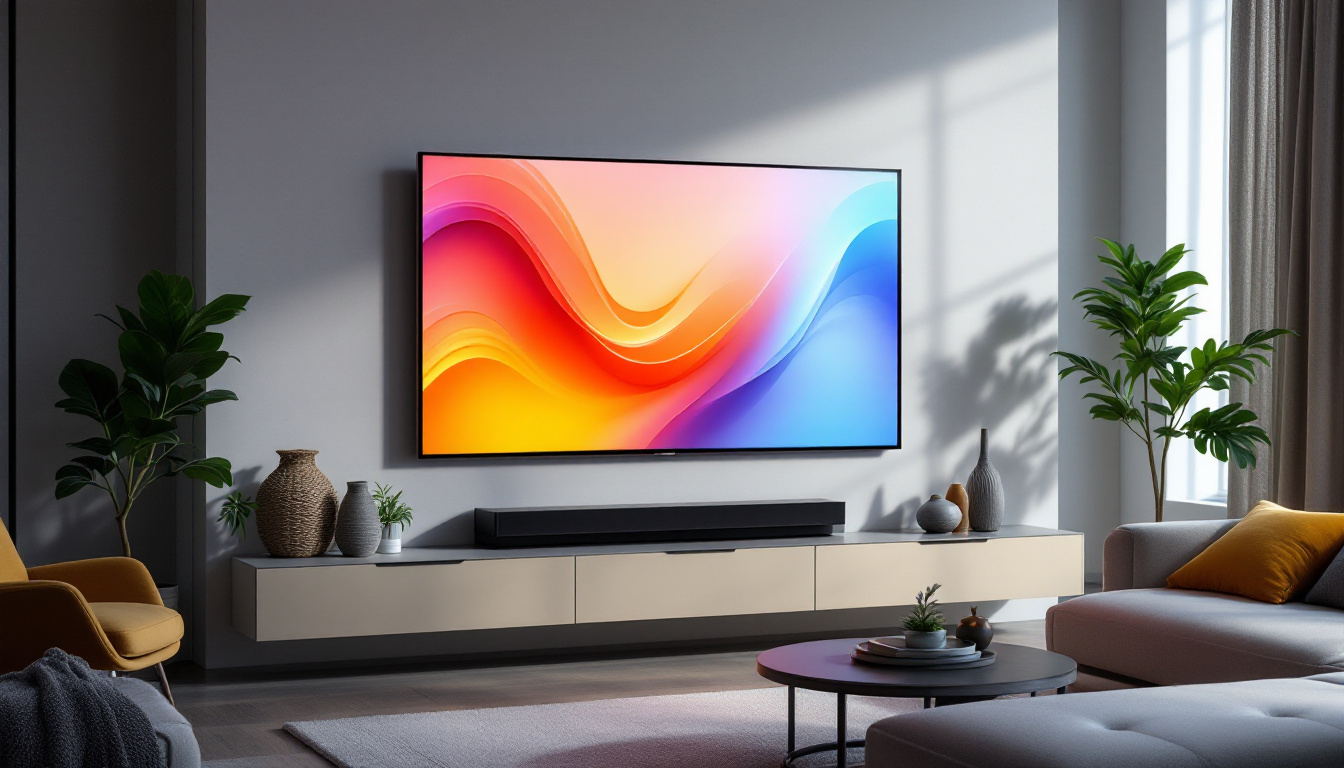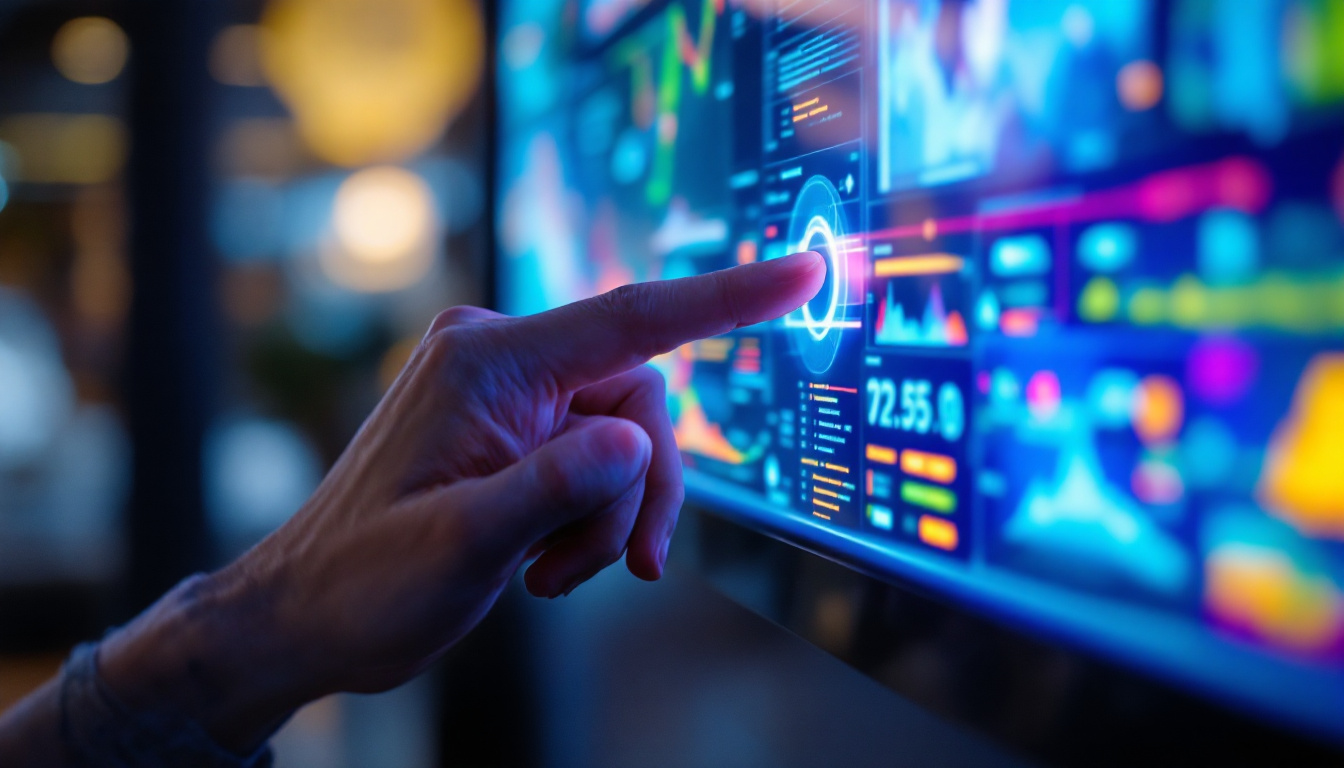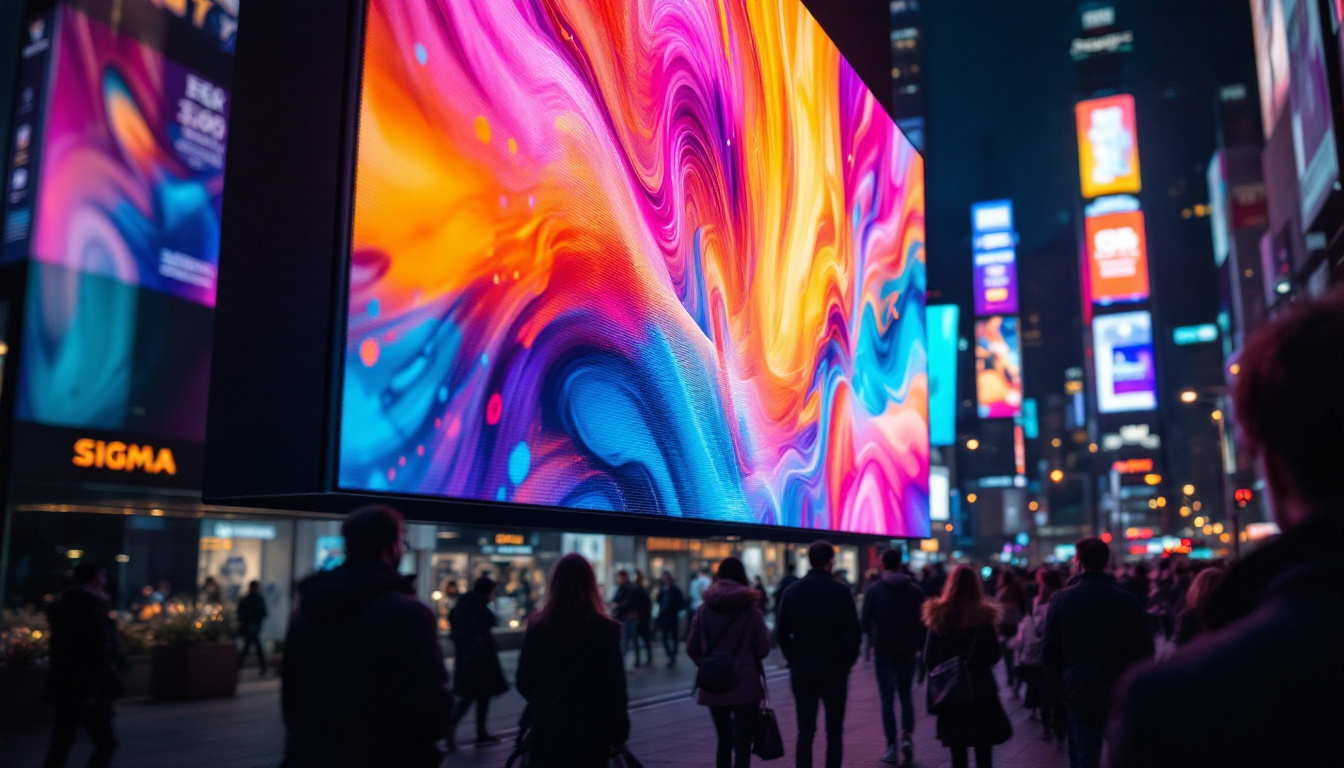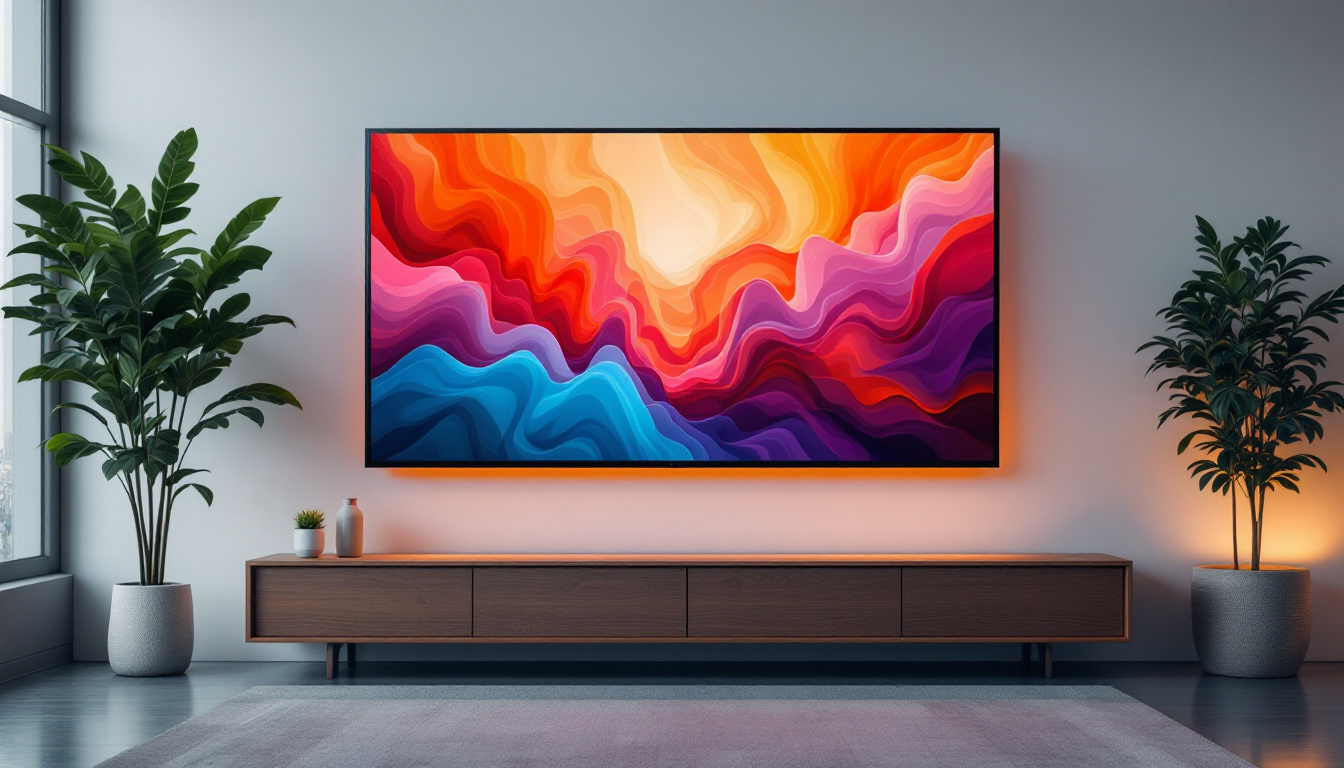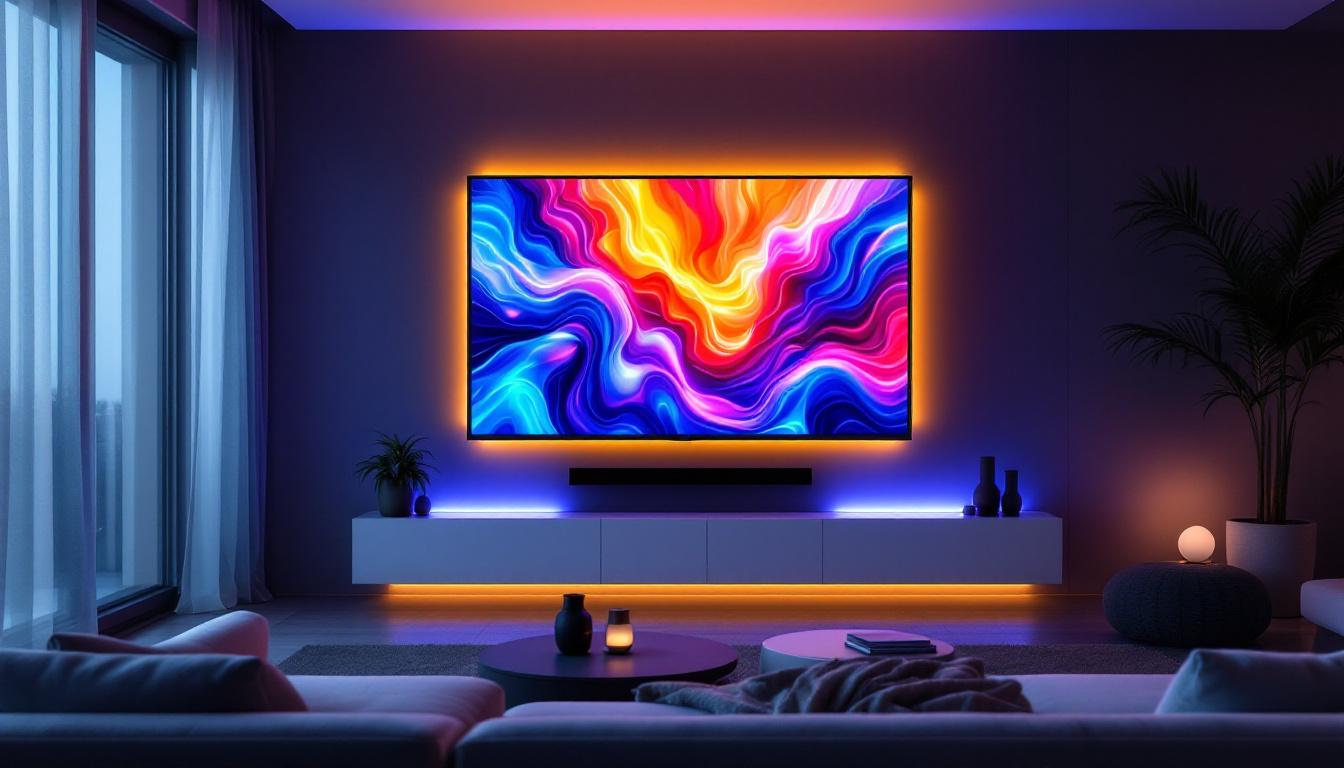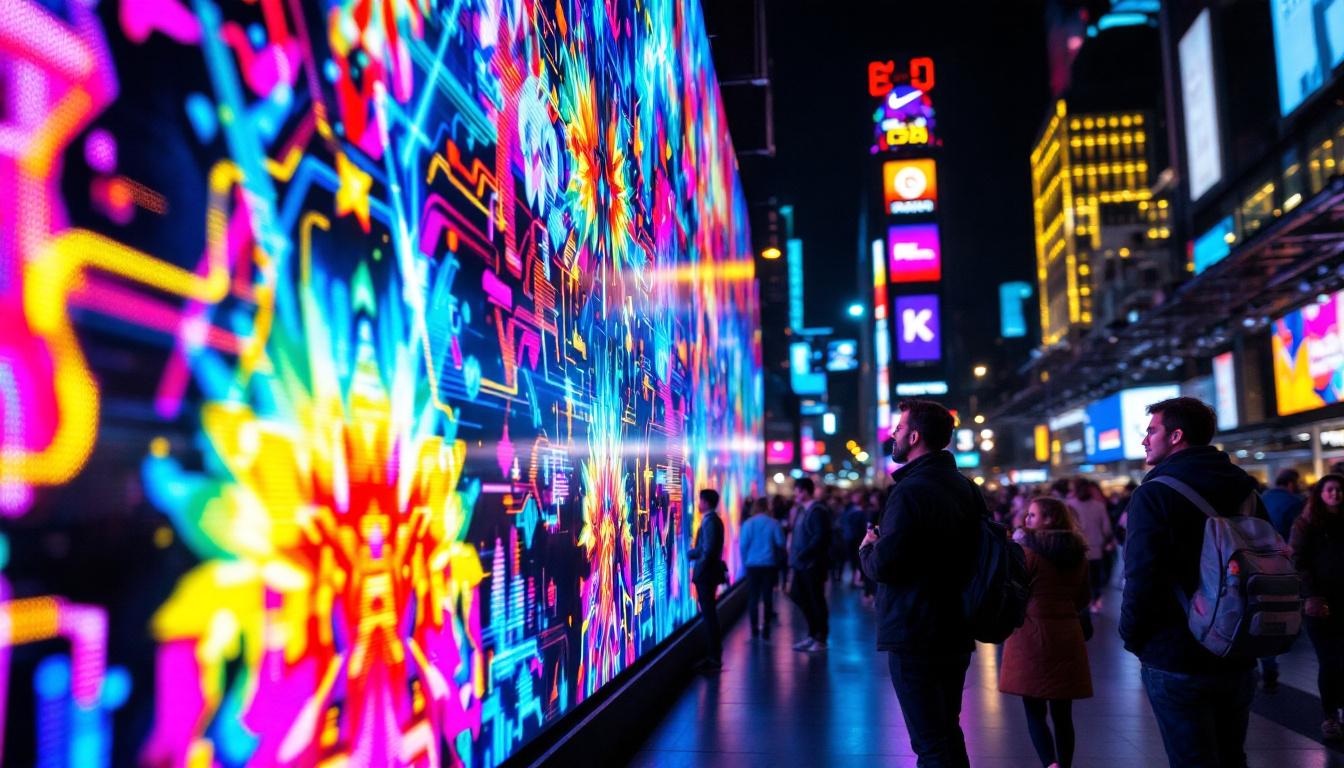
In the evolving world of architectural design and digital signage, block walls integrated with LED displays have become a compelling solution for both aesthetic appeal and functional communication. This article delves into the concept of block walls featuring LED displays, exploring their construction, technology, applications, and benefits. Whether you are an architect, urban planner, business owner, or technology enthusiast, understanding this innovative fusion can provide valuable insights into modern building and advertising trends.
Understanding Block Walls and Their Role in Modern Construction
Block walls, traditionally made from concrete blocks or cinder blocks, have long been a staple in construction due to their durability, cost-effectiveness, and ease of installation. These walls serve as structural elements in residential, commercial, and industrial buildings, offering strength and fire resistance. Their robust nature makes them ideal for load-bearing applications, while their versatility allows for various finishes and designs, catering to both functional and aesthetic requirements. Moreover, block walls can be engineered to meet specific local building codes, ensuring safety and compliance in diverse environments.
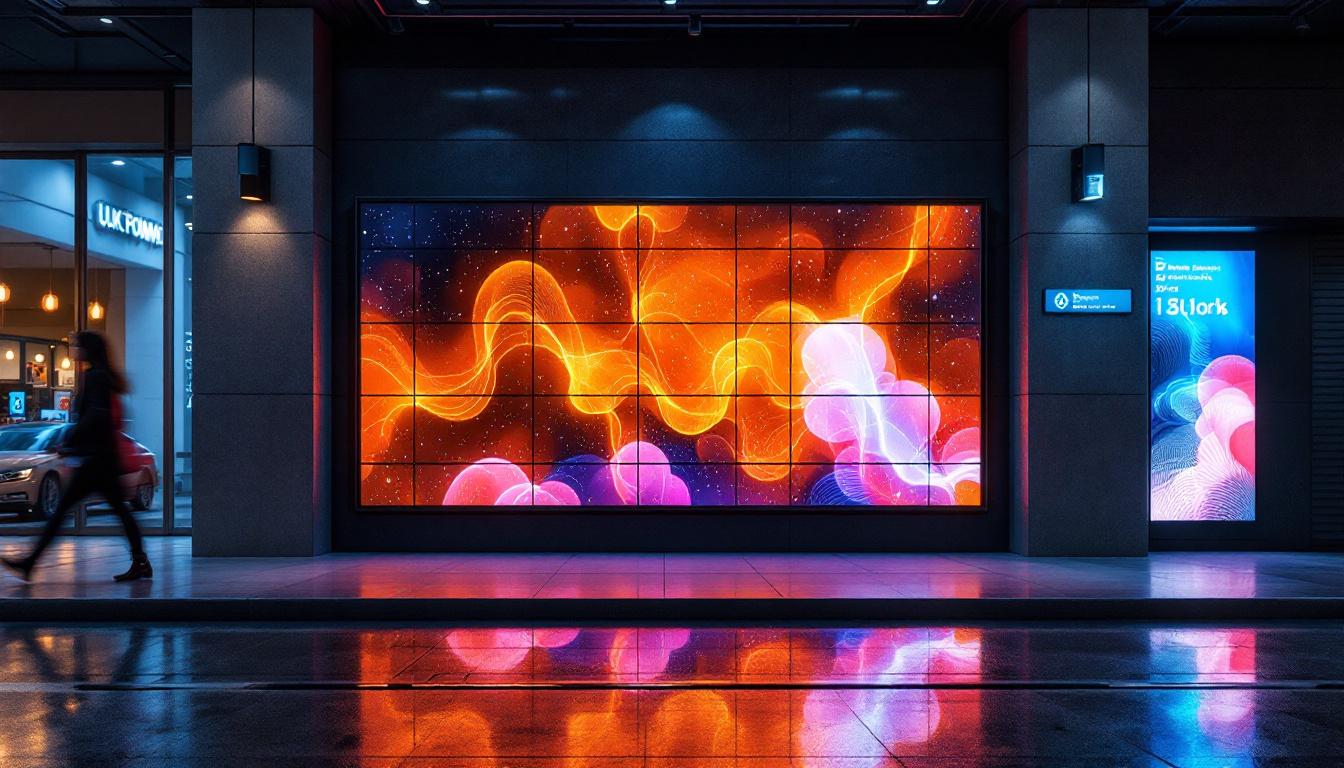
In recent years, the integration of digital technology with construction materials has opened new avenues for block walls. By embedding LED displays into these walls, designers can transform static surfaces into dynamic, interactive canvases. This blend of architecture and technology is reshaping how spaces communicate information and engage audiences. The ability to update content in real time means that businesses can promote current events, sales, or community messages, making block walls not just structural components but also vital tools for communication and engagement in urban settings.
What Are Block Walls?
Block walls are constructed using modular blocks made from materials such as concrete, clay, or stone. These blocks are typically rectangular and stacked in courses, bonded together with mortar. The modularity allows for quick assembly and flexibility in design. Block walls provide excellent thermal mass, sound insulation, and structural integrity, making them suitable for a wide range of applications. Additionally, advancements in block manufacturing have led to the development of eco-friendly options, such as recycled concrete blocks, which contribute to sustainability efforts in construction. These innovations not only enhance the performance of block walls but also align with the growing demand for environmentally responsible building practices.
Why Combine Block Walls with LED Displays?
The marriage of block walls and LED displays addresses several contemporary needs. First, it allows buildings to serve as communication hubs, delivering real-time information, advertisements, or artistic content. Second, it enhances urban aesthetics by turning otherwise plain surfaces into visually engaging installations. The use of vibrant colors and animations can attract attention and create focal points in public spaces, encouraging foot traffic and interaction. Finally, it supports sustainability by reducing the need for separate signage structures and enabling energy-efficient digital displays. This integration not only streamlines the visual landscape of a city but also promotes a culture of innovation and creativity, where architecture and technology coexist harmoniously. As cities evolve, the potential for block walls with integrated LED technology will likely expand, paving the way for smarter, more responsive urban environments.
The Technology Behind LED Displays Embedded in Block Walls
Embedding LED displays into block walls requires careful consideration of both the display technology and the construction methodology. The goal is to ensure durability, visibility, and seamless integration without compromising the structural integrity of the wall.
Types of LED Displays Suitable for Block Walls
LED displays come in various forms, but for block wall integration, certain types are preferred:
- Surface-Mounted LED Panels: These panels are attached directly onto the surface of block walls. They are ideal for retrofit projects where the existing wall remains unchanged.
- Embedded LED Modules: These modules are integrated within the blocks themselves during manufacturing or installation, creating a flush and seamless display surface.
- Flexible LED Screens: Made from pliable materials, these screens can conform to curved or irregular block wall surfaces, expanding design possibilities.
Key Technical Considerations
Several technical factors influence the successful integration of LED displays into block walls:
- Pixel Pitch: This refers to the distance between individual LED pixels and affects resolution and viewing distance. For block walls, pixel pitch is chosen based on the expected audience proximity.
- Brightness and Contrast: Outdoor block walls require high brightness levels (often exceeding 5,000 nits) to ensure visibility in daylight.
- Weatherproofing: LED components must be protected against moisture, dust, and temperature fluctuations, especially in exterior applications.
- Power and Data Management: Efficient wiring and control systems are essential to manage the display without disrupting the wall’s structure.
Installation Techniques
Installation can vary depending on whether the LED display is surface-mounted or embedded:
- Surface Mounting: Panels are affixed using brackets or frames anchored to the block wall. This method allows for easier maintenance and upgrades.
- Embedding: During block manufacturing, cavities or channels are created to house LED modules. Alternatively, blocks with built-in LED arrays can be stacked like traditional masonry units.
Both methods require precise alignment and secure fastening to maintain the wall’s strength and ensure the display’s longevity.
Applications of Block Walls with LED Displays
The versatility of block walls combined with LED displays has led to a variety of innovative applications across different sectors. These installations not only serve practical functions but also contribute to urban beautification and interactive experiences.
Commercial and Retail Environments
Retailers and commercial property owners use LED-embedded block walls for dynamic advertising and promotional content. These displays can be programmed to show sales, product launches, or brand messages, attracting customers and enhancing the shopping experience.
For example, shopping malls have adopted LED block walls at entrances and common areas to create immersive digital environments that engage visitors and encourage longer stays.
Public Spaces and Urban Design
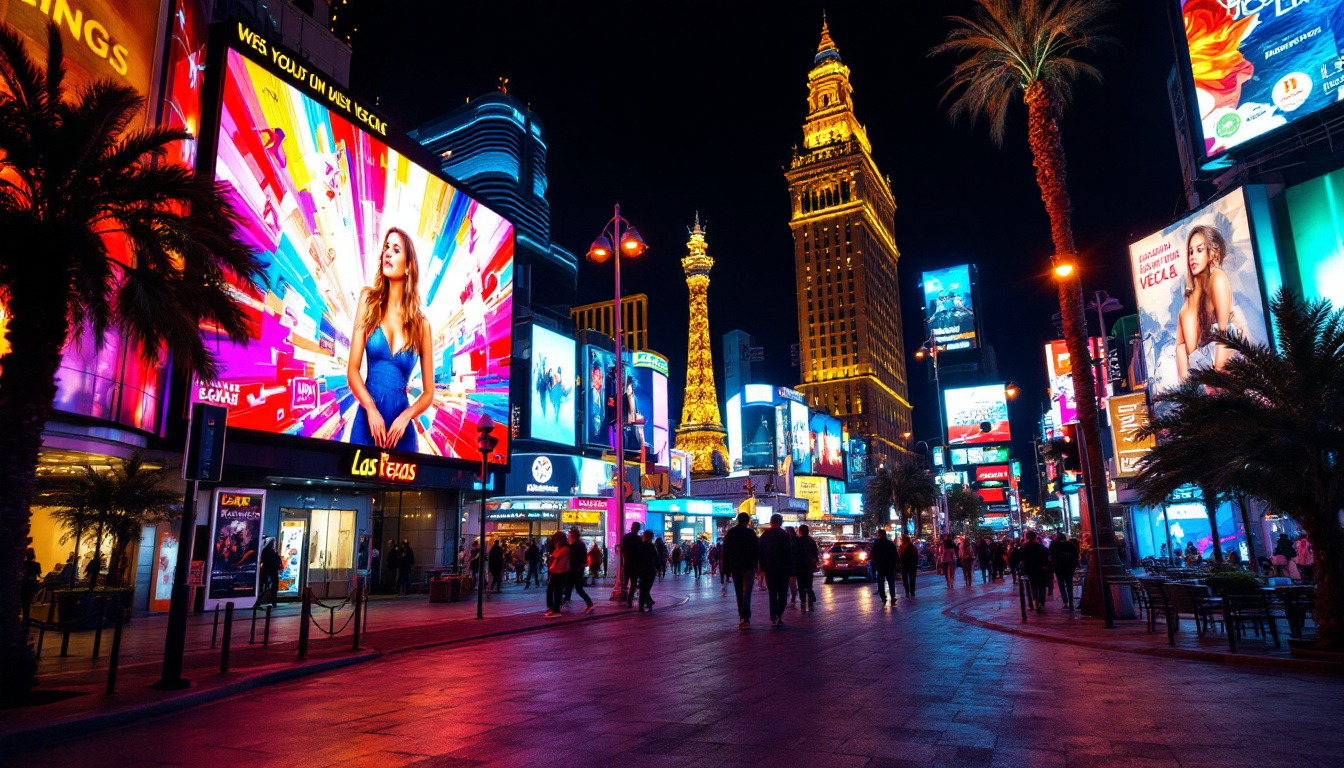
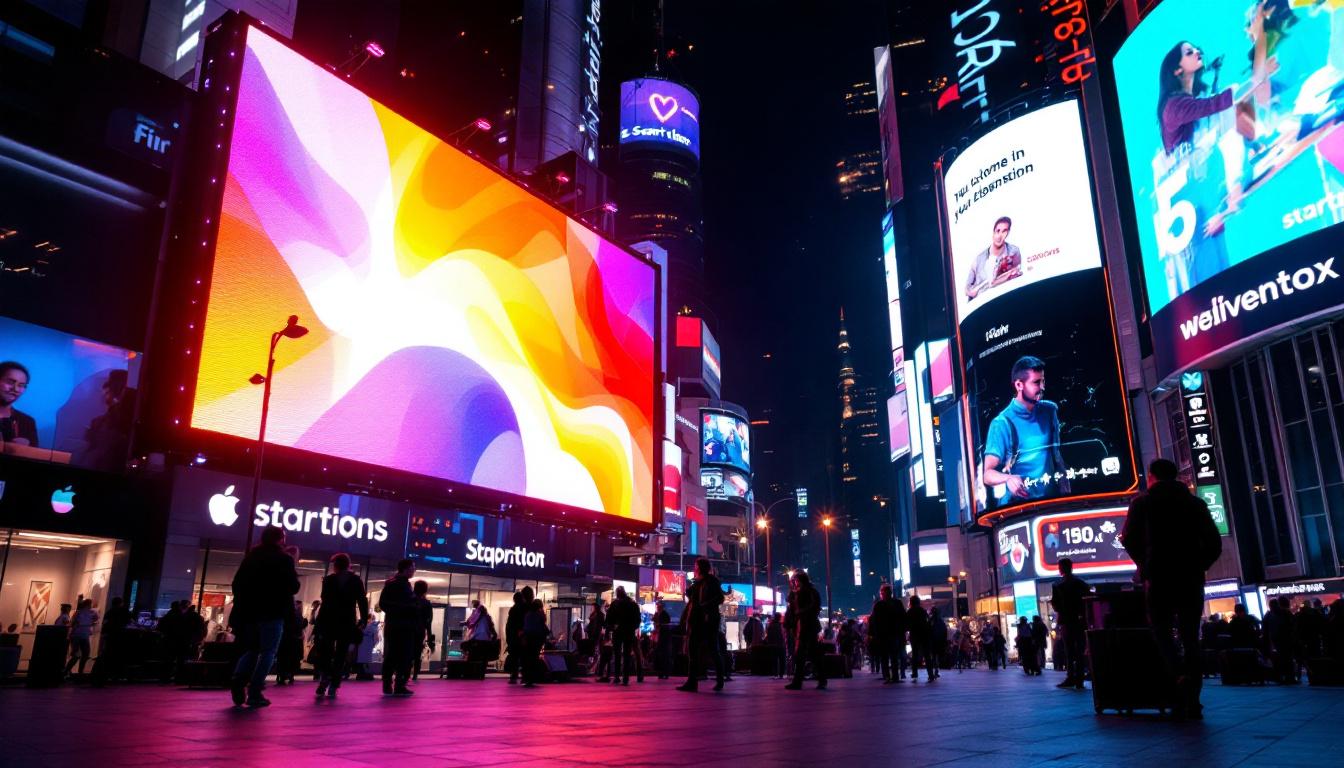
City planners and architects incorporate LED block walls into public spaces such as plazas, parks, and transit stations. These walls can display public service announcements, event information, or interactive art installations. The ability to update content remotely allows for timely communication and community engagement.
In some cities, LED block walls have become landmarks themselves, contributing to a sense of place and identity while promoting digital literacy and cultural expression.
Corporate and Institutional Settings
Corporate campuses and educational institutions use LED block walls to convey information, celebrate achievements, or enhance security through digital signage. These walls can be customized to display data dashboards, news feeds, or emergency alerts, improving operational efficiency and safety.
Entertainment and Hospitality
The entertainment industry leverages LED block walls for stage backdrops, immersive environments, and interactive experiences. Hotels and resorts integrate these walls into lobbies and event spaces to create memorable atmospheres and communicate with guests effectively.
Benefits of Using LED Displays in Block Walls
Integrating LED displays into block walls offers numerous advantages that extend beyond mere visual appeal. These benefits make them an attractive option for a wide range of projects.
Enhanced Visual Communication
LED block walls provide a vibrant and flexible platform for delivering messages. Unlike traditional static signage, digital displays can be updated instantly, allowing for real-time content changes that respond to audience needs and environmental conditions.
Durability and Longevity
Block walls are inherently strong and long-lasting. When combined with rugged LED technology designed for outdoor use, the resulting installation can withstand harsh weather, vandalism, and wear over time, reducing maintenance costs.
Energy Efficiency
Modern LED technology is highly energy-efficient compared to other digital display types. Advances in LED chip design and power management mean that these displays consume less electricity while maintaining high brightness and color accuracy.
Design Flexibility
The modular nature of block walls and LED panels allows for creative freedom in size, shape, and placement. Designers can tailor installations to suit architectural styles, spatial constraints, and branding requirements.
Cost-Effectiveness
While the initial investment in LED block walls may be higher than traditional signage, the long-term benefits such as reduced maintenance, energy savings, and increased engagement often justify the expense. Additionally, the dual function of structural support and digital display optimizes space usage.
Challenges and Considerations
Despite the many advantages, there are challenges associated with integrating LED displays into block walls that must be addressed to ensure successful implementation.
Structural Integrity and Engineering
Embedding LED modules within block walls requires careful structural analysis to avoid compromising load-bearing capacity. Collaboration between engineers, architects, and technology providers is essential to balance aesthetics and safety.
Maintenance and Accessibility
LED displays require periodic maintenance, including cleaning, repairs, and software updates. Designing for easy access without damaging the wall or display is crucial, especially for embedded installations.
Environmental Impact
While LED displays are energy-efficient, their production and disposal involve environmental considerations. Selecting sustainable materials and recycling components can mitigate negative impacts.
Cost and Budget Constraints
The integration of LED technology into block walls can be costly upfront. Project planners must weigh the benefits against budget limitations and explore financing options or phased implementations.
Future Trends in Block Walls with LED Displays
The intersection of construction and digital technology is rapidly evolving. Several trends are shaping the future of block walls featuring LED displays:
Smart and Interactive Walls
Advancements in sensors and IoT (Internet of Things) integration are enabling block walls to become interactive surfaces. Touch sensitivity, motion detection, and data analytics can transform walls into engaging interfaces for users.
Improved Materials and Manufacturing
Innovations in block manufacturing, such as 3D printing and embedded electronics, are making it easier to produce customized blocks with integrated LED arrays. This can reduce installation time and increase design possibilities.
Energy Harvesting and Sustainability
Incorporating solar panels and energy storage within block walls can make LED displays self-sufficient, reducing reliance on external power sources and enhancing sustainability.
Augmented Reality (AR) and Mixed Reality (MR) Integration
Combining LED block walls with AR and MR technologies can create immersive environments that blend physical and digital experiences, opening new horizons for entertainment, education, and advertising.
Conclusion
Block walls with integrated LED displays represent a remarkable convergence of traditional construction and cutting-edge digital technology. Their ability to transform static architectural elements into dynamic communication platforms offers exciting opportunities across diverse sectors. By understanding the technology, applications, benefits, and challenges, stakeholders can make informed decisions to harness this innovation effectively.
As urban environments become increasingly connected and visually oriented, LED block walls will likely play a pivotal role in shaping the future of public spaces, commercial venues, and institutional facilities. Embracing this trend can lead to more engaging, efficient, and sustainable built environments.
Discover the Future of Visual Communication with LumenMatrix
Ready to elevate your space with the latest in LED display technology? LumenMatrix is at the forefront of creating immersive environments that captivate and engage. From dynamic Indoor and Outdoor LED Wall Displays to innovative solutions like Vehicle LED Displays and LED Transparent Displays, we have everything you need to bring your architectural designs to life. Experience the power of advanced visual storytelling and make a lasting impression with our versatile LED display modules. Check out LumenMatrix LED Display Solutions today and join the revolution in visual communication.