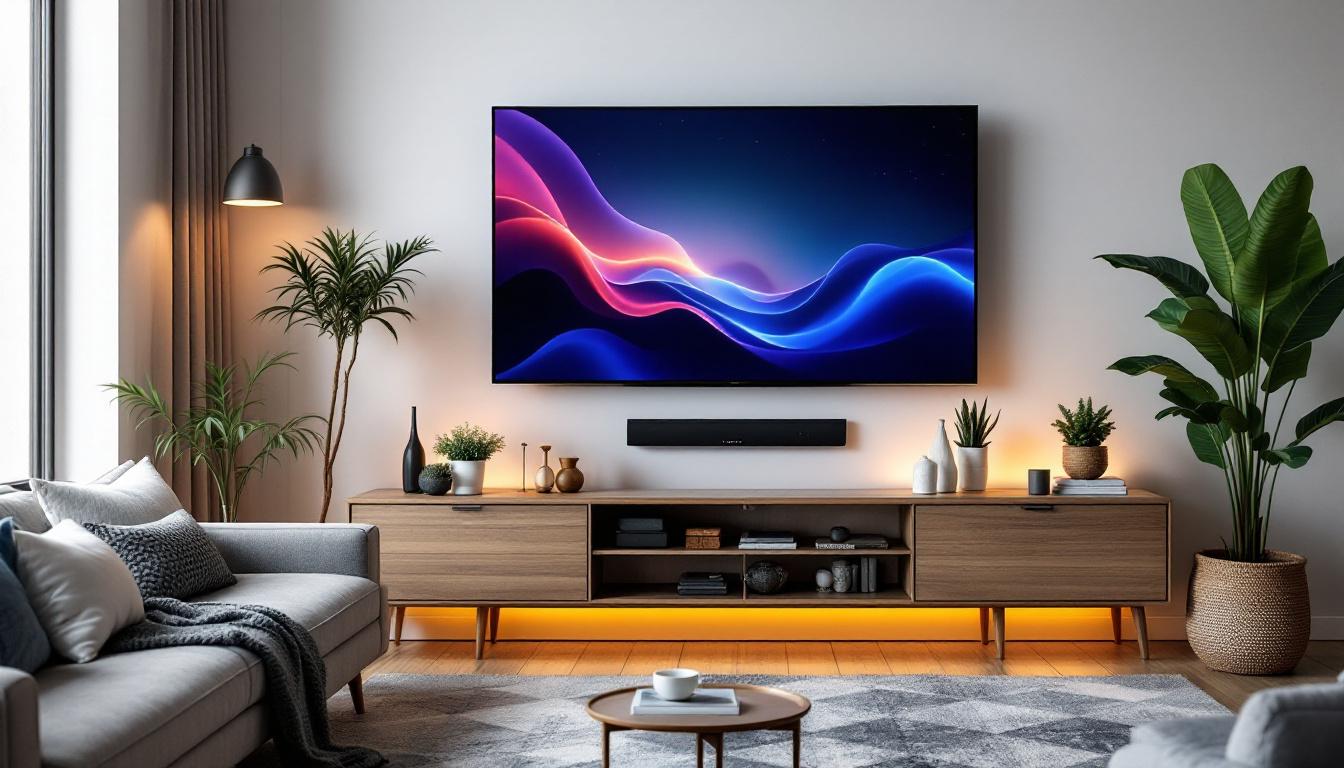
How High Should A TV Be On The Wall: LED Display Explained
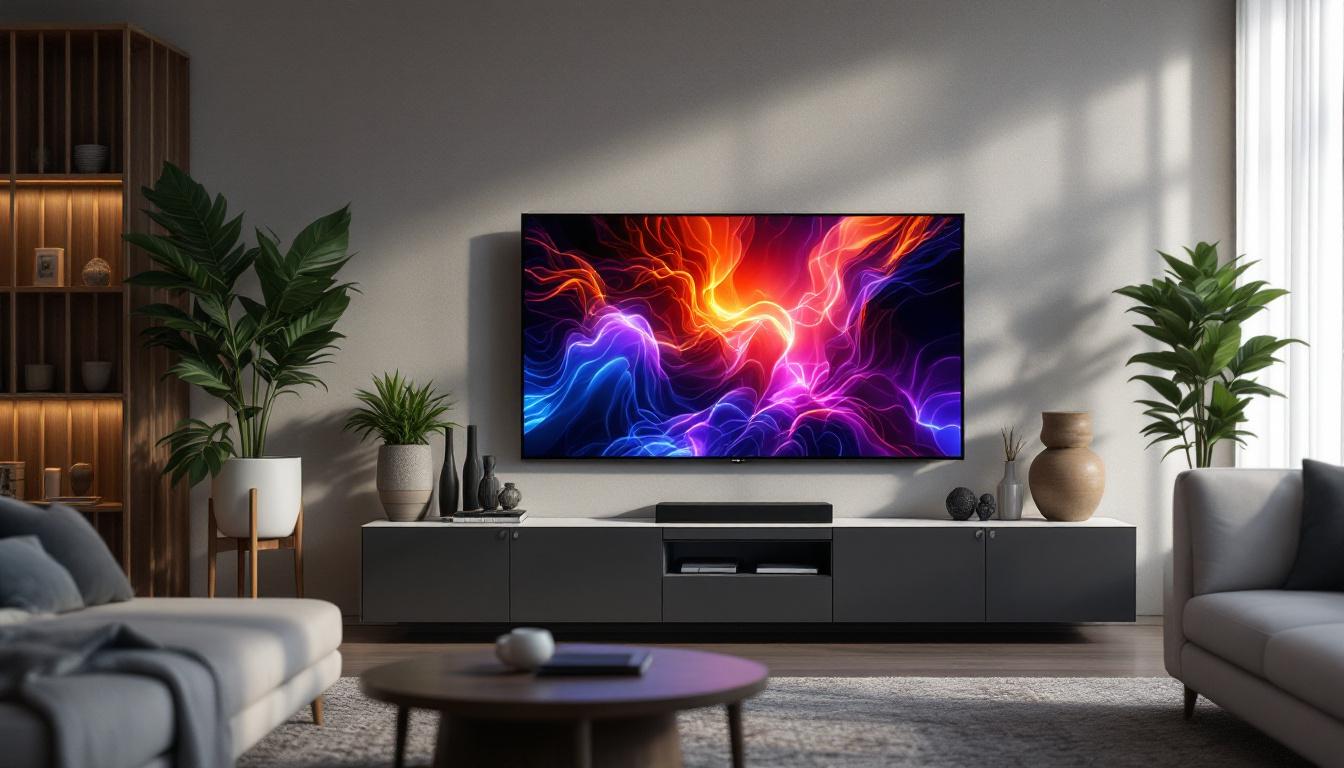
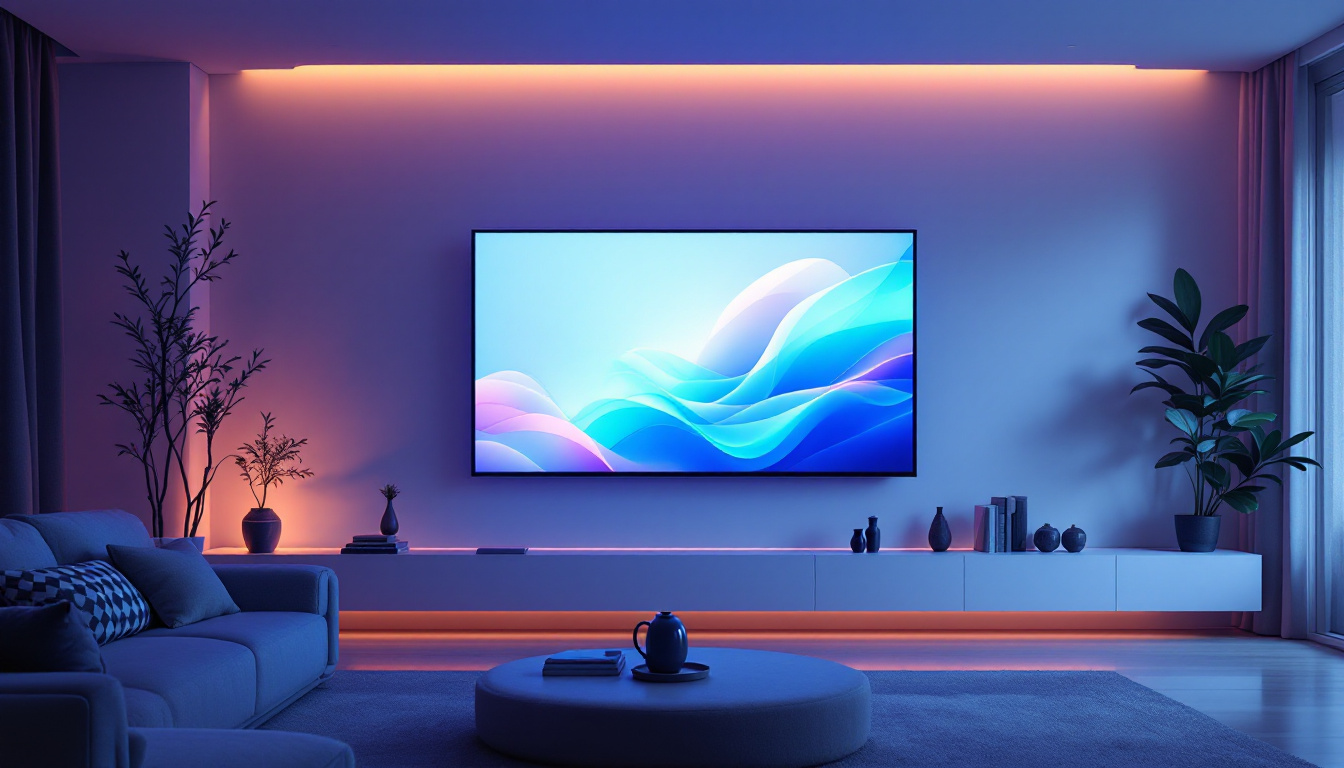
Mounting a TV on the wall is a popular choice for modern living spaces, offering a sleek look and saving valuable floor space. However, one common question that arises is: how high should a TV be on the wall? This question is especially relevant for LED displays, which have become the standard for home entertainment due to their vibrant colors, energy efficiency, and slim profiles.
Choosing the optimal height for your LED TV can significantly impact your viewing comfort, eye strain, and overall experience. This article explores the key factors influencing TV placement, practical guidelines, and expert tips to ensure your LED display is mounted at the perfect height.
Understanding the Importance of TV Height
Before diving into specific measurements, it’s essential to understand why TV height matters. The position of your TV affects more than just aesthetics; it directly influences your comfort and health during viewing sessions.
Watching a TV that is too high or too low can cause neck strain, headaches, and eye discomfort. According to a study published by the American Optometric Association, improper screen alignment can lead to computer vision syndrome symptoms, which are transferable to TV viewing when the screen is positioned poorly.
Ergonomics and Viewing Comfort
Ergonomics plays a crucial role in determining TV height. Ideally, the center of the screen should align with the viewer’s eye level when seated. This alignment minimizes the need for head tilting or excessive eye movement, reducing fatigue during extended viewing.
For most adults seated on a couch, eye level ranges from 40 to 42 inches from the floor. Mounting the TV so that its center is at this height creates a natural and comfortable viewing angle. Additionally, consider the type of seating you use; if you have a recliner or a low-profile sofa, you may need to adjust the height accordingly to maintain that optimal eye level. This attention to detail can make a significant difference in your overall viewing experience, allowing you to enjoy your favorite shows or movies without discomfort.
Impact on Viewing Experience
Beyond comfort, the height influences the perceived picture quality. Viewing an LED TV from an optimal angle ensures accurate color reproduction and contrast. LED displays typically have wide viewing angles, but the best picture quality is experienced when looking directly at the screen.
Mounting the TV too high can cause the image to appear washed out or distorted due to the angle of view, especially on larger screens. This can detract from the immersive experience that LED technology is designed to provide. Furthermore, the height can also affect sound quality; when a TV is positioned too high, the sound may not reach the viewers’ ears at the right angle, leading to an uneven audio experience. For those who enjoy cinematic soundscapes, this can be particularly disappointing. Therefore, taking the time to find the right height not only enhances visual enjoyment but also ensures that the audio complements the viewing experience, making it more engaging and enjoyable.
Factors to Consider When Determining TV Height
Several variables affect the ideal height for mounting your LED TV. Considering these factors helps tailor the setup to your specific environment and preferences.
1. Seating Position and Distance
The height of your seating and the distance between the TV and seating area are primary considerations. For example, if you have a low-profile sofa or recliner, your eye level will be lower, requiring the TV to be mounted slightly lower as well.
Distance also matters because the size of the TV and viewing distance impact how much of your field of vision the screen occupies. The Society of Motion Picture and Television Engineers (SMPTE) recommends a viewing angle of about 30 degrees for an immersive experience, which influences height and placement. Ideally, the center of the screen should align with your eye level when seated, which can enhance comfort during extended viewing sessions, whether you’re binge-watching your favorite series or enjoying a movie night with friends.
2. Screen Size and Aspect Ratio
Screen size affects how high the TV should be mounted. Larger TVs naturally have a bigger vertical dimension, so the center of the screen will be higher if mounted at the same height as a smaller TV.
For example, a 55-inch LED TV has a height of approximately 27 inches, while a 65-inch model measures about 32 inches tall. The center of the screen for the larger TV will be higher if mounted at the same bottom edge height. Additionally, the aspect ratio of the TV can also play a role in determining the optimal height. Most modern TVs have a 16:9 aspect ratio, which means they are wider than they are tall, further emphasizing the need to consider both height and width when planning your setup. This balance ensures that you enjoy a cinematic experience without straining your neck or eyes.
3. Room Layout and Lighting
The layout of your room, including furniture placement and lighting conditions, influences TV height decisions. Windows and light sources can cause glare on the screen if the TV is mounted too high or in direct line with bright lights.
Adjusting the TV height to minimize reflections and glare enhances viewing quality. Additionally, wall space availability and the presence of other fixtures like fireplaces or shelving units may dictate practical mounting heights. For instance, if your living room has large windows that let in a lot of natural light, you might want to consider a darker wall color behind the TV or even blackout curtains to reduce glare. This not only improves visibility but also contributes to a more immersive viewing experience, allowing you to enjoy your favorite shows and movies without distractions from external light sources.
4. Wall Mount Type and Tilt Capability
Modern wall mounts come with various features such as tilting, swiveling, and extending arms. A tilting mount allows the TV to be positioned higher on the wall while angling the screen downward toward the viewer, maintaining optimal viewing angles.
If you plan to mount the TV above eye level, investing in a mount with tilt functionality is advisable to prevent neck strain and maintain picture quality. Furthermore, some mounts offer the ability to swivel, which can be particularly useful in multi-purpose rooms where seating arrangements may change. This flexibility allows you to adjust the viewing angle based on where you are sitting, ensuring that everyone in the room has a great view of the screen, whether they’re lounging on the couch or sitting at the dining table during a casual movie night. Additionally, consider the weight capacity of the mount, as larger TVs can be quite heavy, and ensuring a secure installation is crucial for both safety and performance.
Recommended Height Guidelines for LED TVs
While individual preferences and room specifics vary, industry experts and ergonomics studies provide general guidelines for mounting LED TVs at an optimal height.
Center of Screen at Eye Level
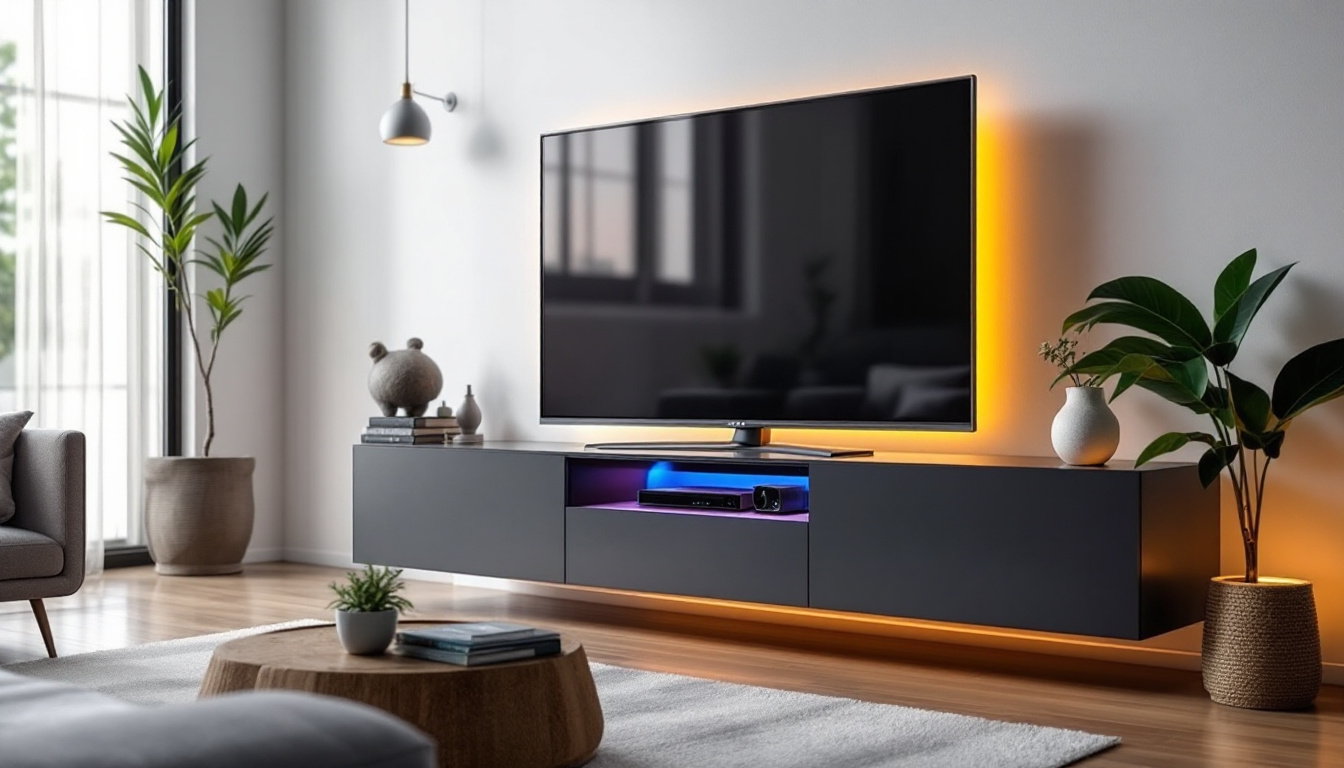
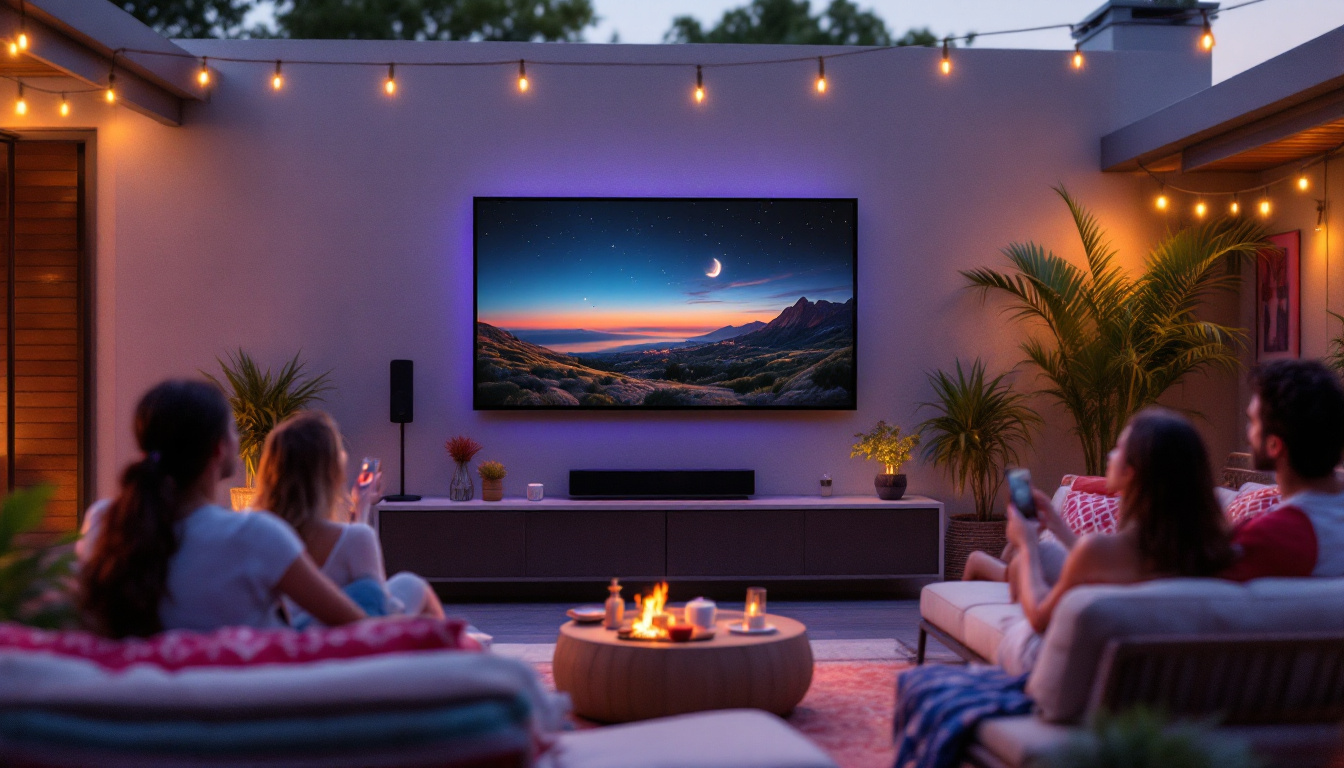
The most widely accepted recommendation is to mount the TV so that the center of the screen is at the viewer’s seated eye level. For the average adult, this is approximately 42 inches from the floor.
This height reduces the need for neck tilting and helps maintain a natural line of sight. It is particularly important for long viewing sessions such as binge-watching or gaming.
Height Based on Screen Size
Another approach is to calculate the mounting height based on the screen size. A practical formula is to place the bottom of the TV approximately 24 to 30 inches from the floor for smaller screens (up to 50 inches) and 30 to 36 inches for larger screens (above 50 inches).
This method ensures the screen is positioned comfortably without dominating the wall space or being too high for casual viewing.
Adjustments for Specific Rooms
In rooms where viewers may stand or move around frequently, such as kitchens or open-plan living areas, mounting the TV slightly higher (around 48 inches to the center) may be appropriate. This height allows visibility from multiple angles and distances.
Conversely, in dedicated home theaters or media rooms with specialized seating, the TV can be mounted lower to create a more immersive experience.
Practical Tips for Mounting Your LED TV
Beyond height, several practical considerations can help ensure a successful and safe installation of your LED TV.
Measure Before You Mount
Always take precise measurements of your seating height, wall space, and TV dimensions before drilling holes. Use painter’s tape to mark the intended position on the wall to visualize the setup.
Use a Level and Stud Finder
Ensuring the TV is mounted level is crucial for both aesthetics and structural safety. Use a spirit level and a stud finder to locate wall studs that can support the weight of your LED TV and mount.
Consider Cable Management
Plan for cable routing to keep power cords, HDMI cables, and other connections neat and out of sight. In-wall cable management kits or raceways can help maintain a clean look.
Test Viewing Angles
Before finalizing the mount, sit in your usual viewing spots and test the angle and height. Adjust as needed, especially if using a tilting or swiveling mount.
Common Mistakes to Avoid When Mounting LED TVs
Understanding common pitfalls can help prevent discomfort and costly reinstallation.
Mounting Too High
One of the most frequent mistakes is mounting the TV too high, often above eye level. This causes viewers to crane their necks upward, leading to strain and discomfort over time.
Ignoring Viewing Distance
Placing the TV without considering the distance from the seating area can result in a poor viewing experience. If the TV is too close or too far, it can cause eye strain or reduce immersion.
Overlooking Room Lighting
Failing to account for glare and reflections from windows or lights can diminish picture quality. Positioning the TV to avoid direct light sources improves visibility and enjoyment.
Conclusion: Achieving the Perfect Height for Your LED TV
Mounting your LED TV at the correct height is a balance of ergonomics, room layout, and personal preference. By aligning the center of the screen with your eye level, considering screen size and seating arrangement, and using adjustable mounts when necessary, you can optimize your viewing comfort and picture quality.
Taking the time to plan and measure before installation ensures a safe, aesthetically pleasing, and enjoyable home entertainment setup. With these guidelines, your LED display will not only look great on the wall but also provide an immersive and comfortable viewing experience for years to come.
Enhance Your Viewing Experience with LumenMatrix
Now that you understand the importance of mounting your LED TV at the perfect height for optimal viewing comfort and picture quality, take the next step with LumenMatrix. As a leader in LED display technology, LumenMatrix offers a wide range of innovative solutions that can transform your entertainment space. From Indoor LED Wall Displays to Custom LED Displays, our products are designed to bring your visual experiences to life. Check out LumenMatrix LED Display Solutions and elevate your home entertainment setup to new heights.