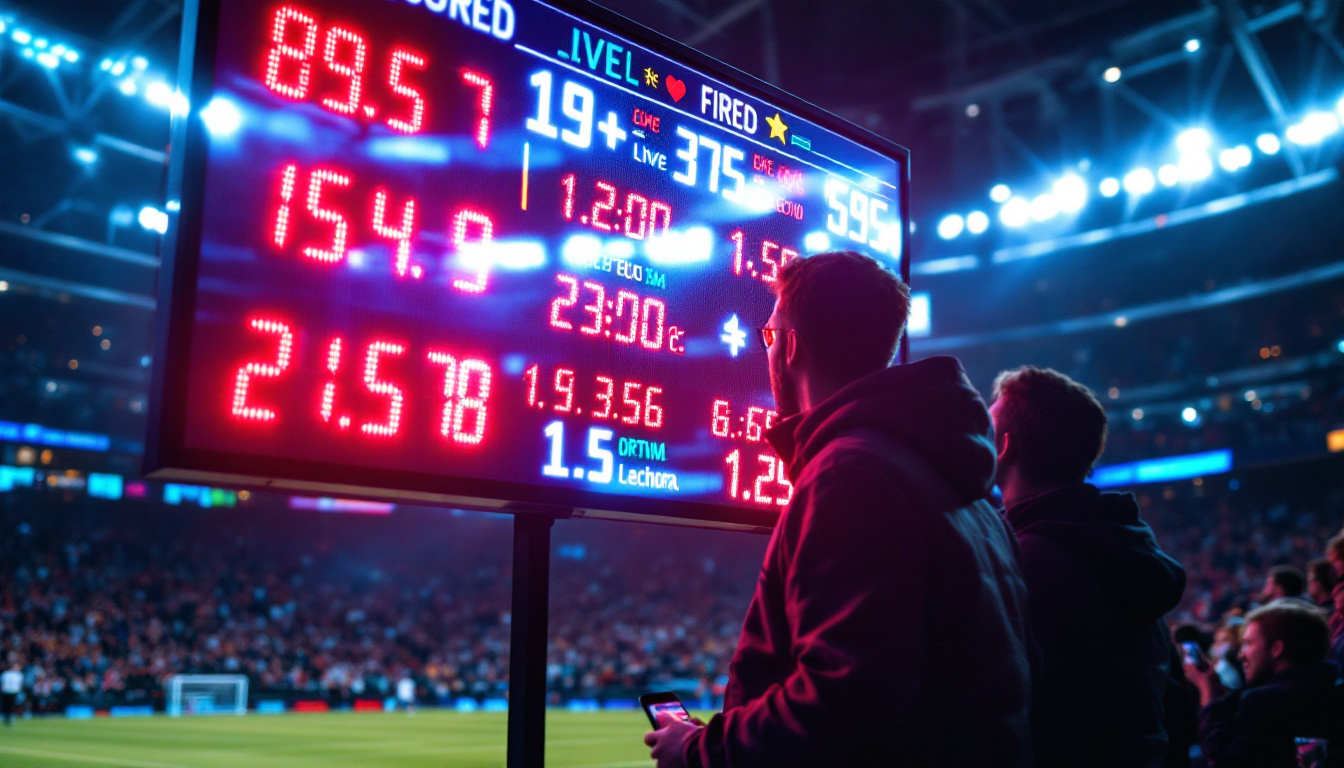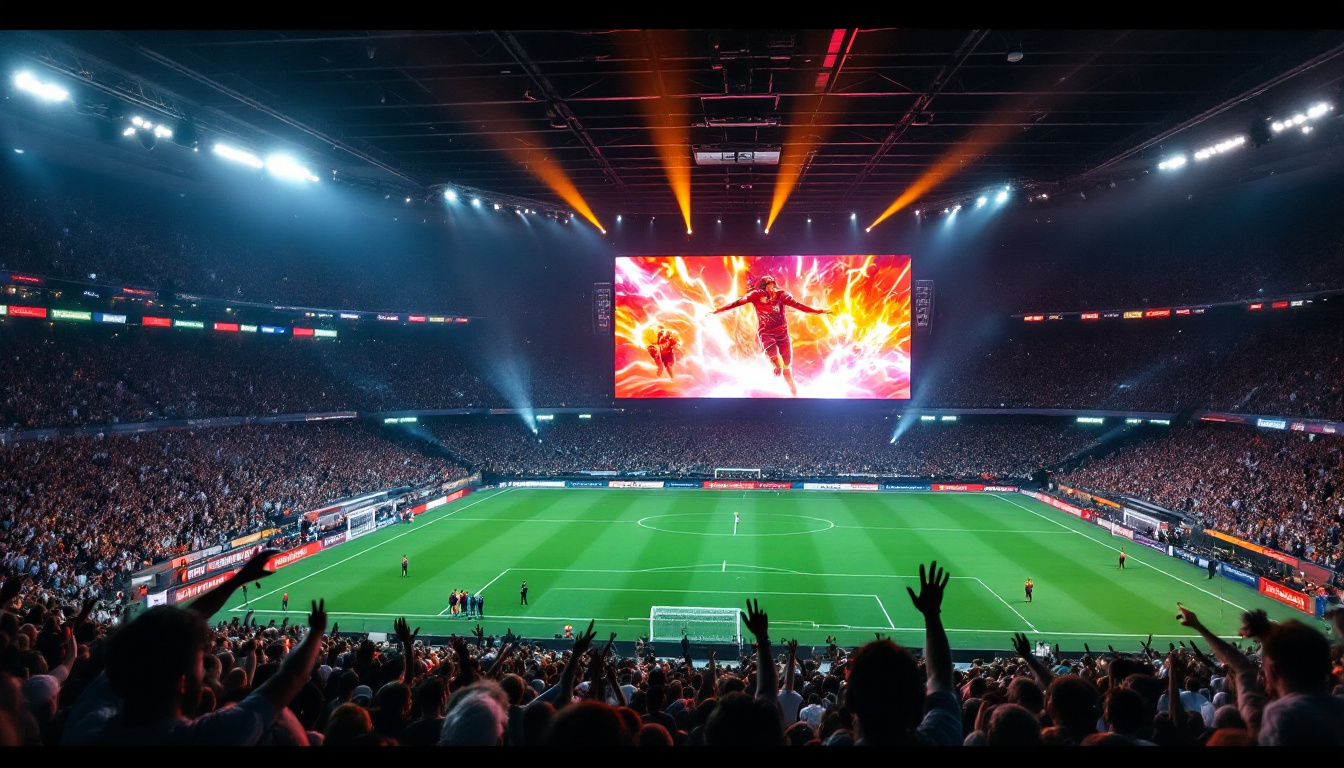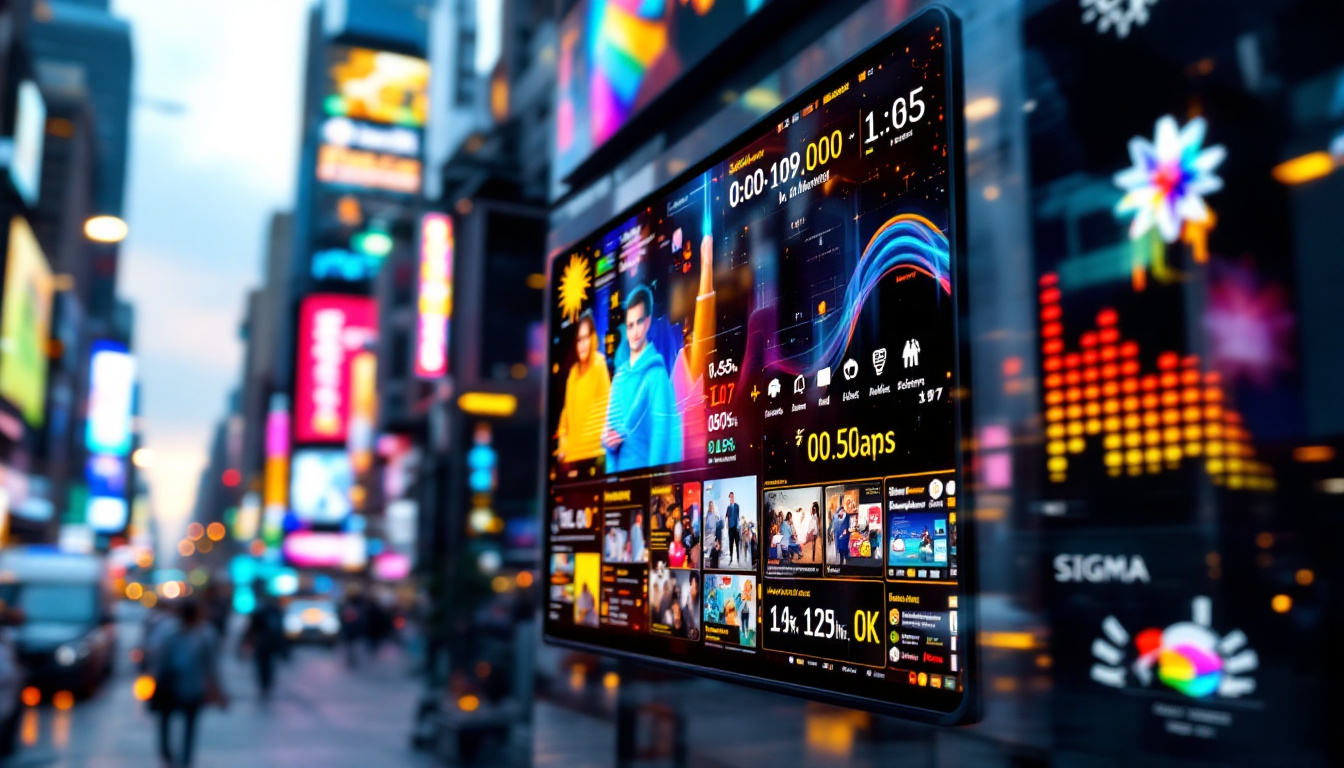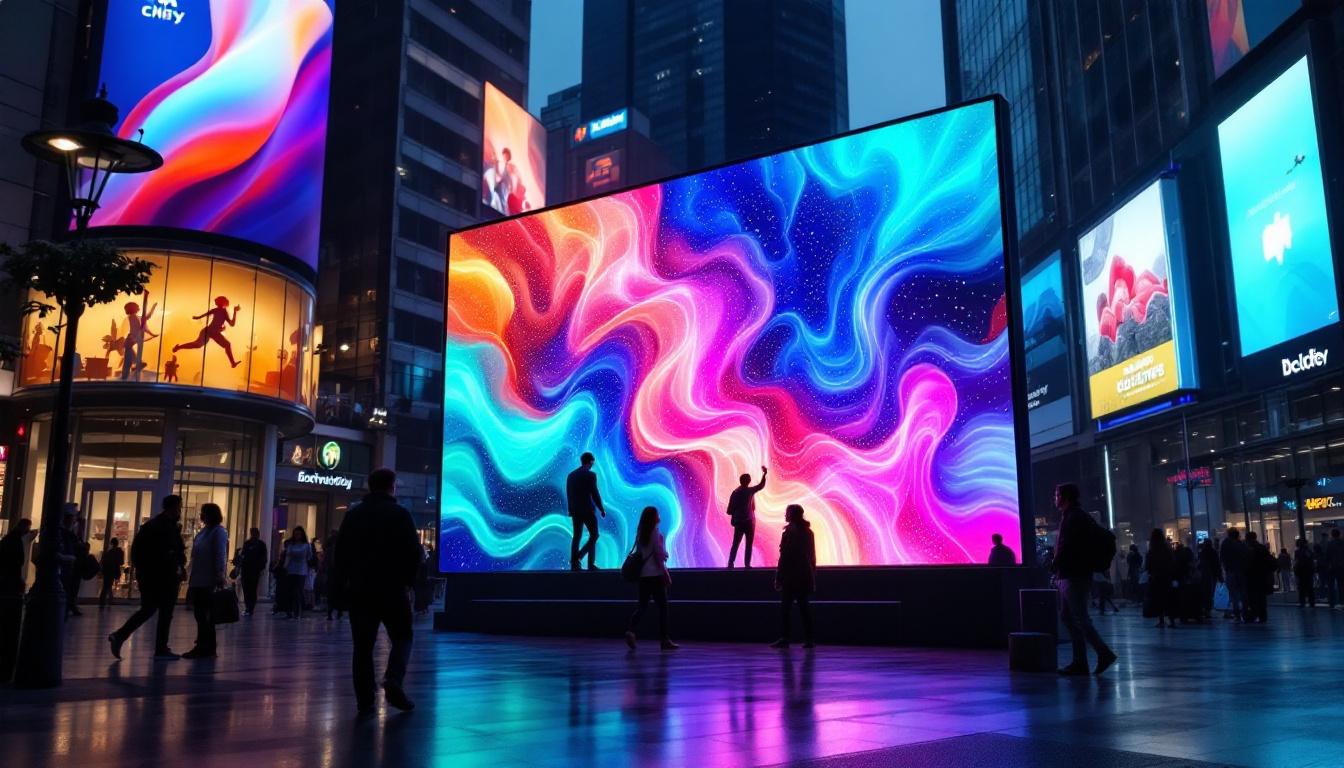
Times Square in New York City is one of the world’s most iconic advertising hubs, renowned for its dazzling LED billboards that light up the cityscape day and night. For businesses and marketers, securing a spot on a Times Square billboard represents a unique opportunity to capture the attention of millions of passersby and tourists. But how much does it actually cost to advertise on one of these LED displays? And what factors influence the pricing? This article dives deep into the costs, technology, and strategic considerations behind Times Square billboards, providing a comprehensive overview for advertisers and curious readers alike.
The Allure of Times Square Advertising
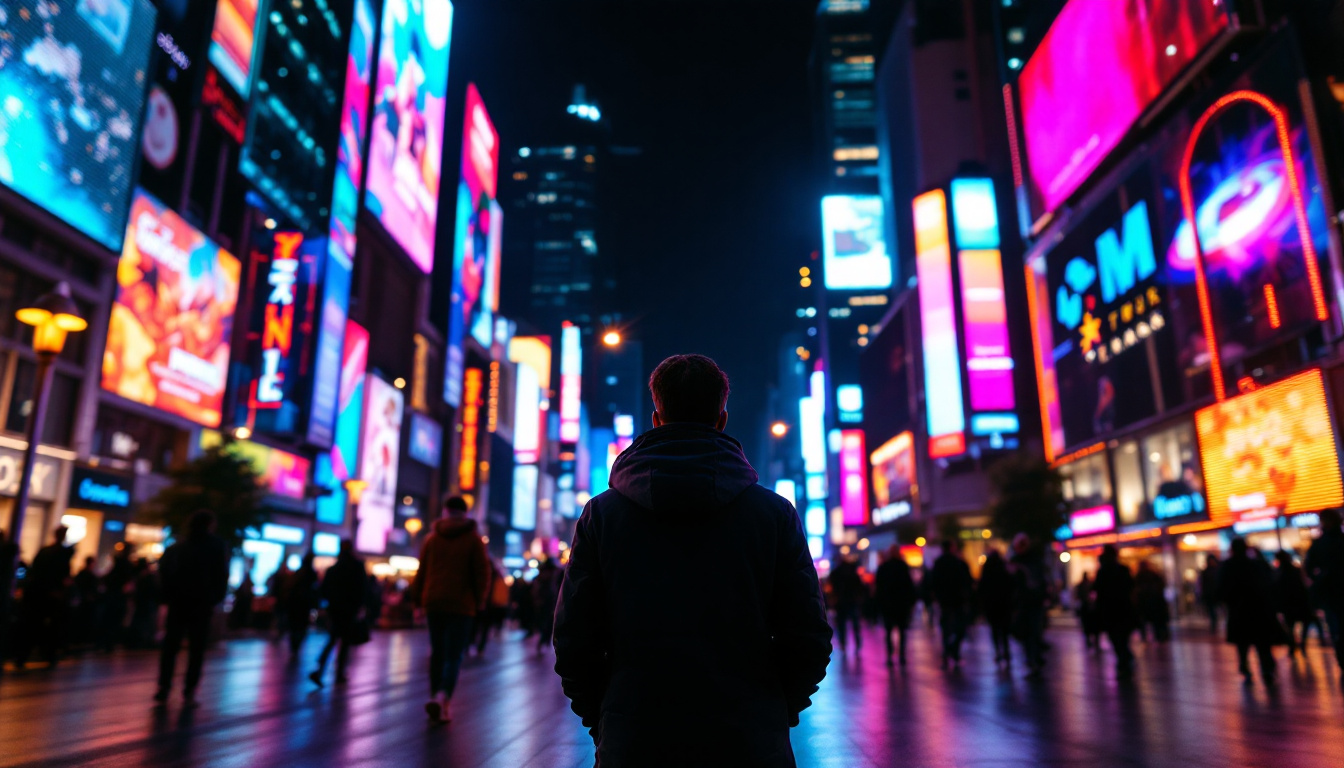
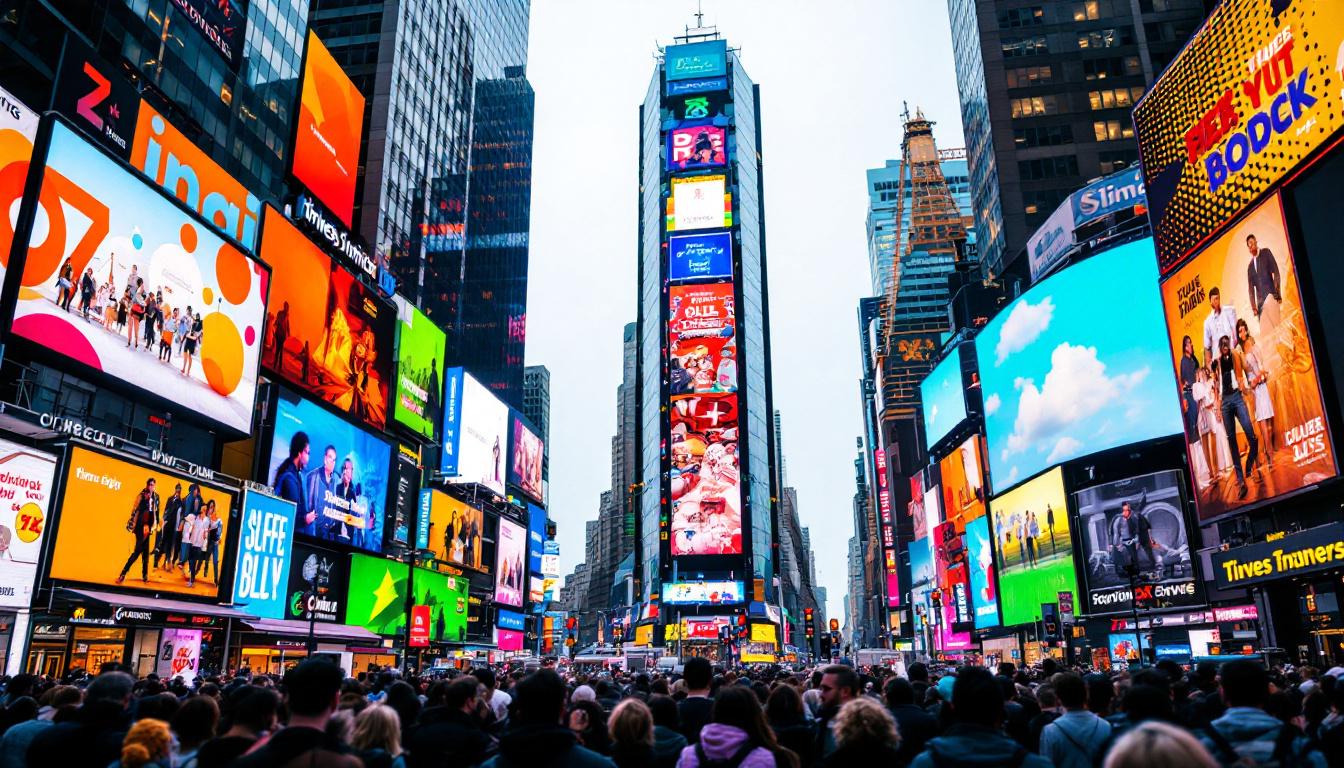
Times Square is often called “The Crossroads of the World,” attracting an estimated 330,000 pedestrians daily and over 50 million visitors annually. This massive foot traffic combined with the area’s global media exposure makes it a prime location for brands seeking maximum visibility.
Advertising here isn’t just about local reach; it’s about making a statement on a global stage. The LED billboards in Times Square are seen not only by those on the streets but also by millions worldwide through media coverage, social media shares, and live broadcasts. This unparalleled exposure is why brands from startups to multinational corporations vie for space on these digital displays.
Why LED Billboards?
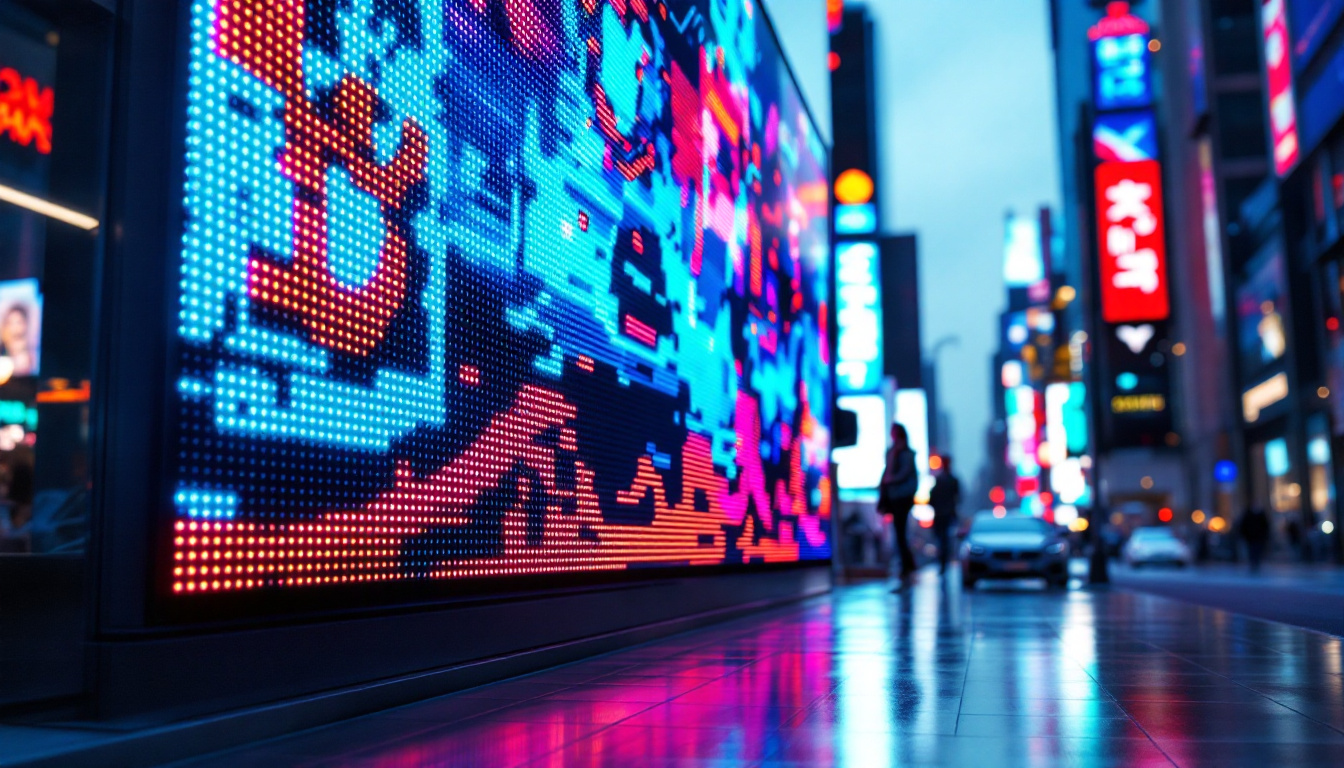
LED (Light Emitting Diode) technology has revolutionized outdoor advertising, especially in high-traffic areas like Times Square. Unlike traditional static billboards, LED displays offer dynamic content capabilities, including animations, video, and real-time updates. This flexibility allows advertisers to create eye-catching campaigns that stand out amid the visual cacophony of Times Square.
Moreover, LED billboards are energy-efficient and have a longer lifespan compared to older technologies such as neon or incandescent lighting. Their brightness and clarity ensure visibility even in daylight, making them ideal for the bustling urban environment of Times Square.
In addition to their technical advantages, LED billboards also enable advertisers to engage with their audience in innovative ways. For instance, many campaigns incorporate interactive elements, such as QR codes or social media hashtags, encouraging passersby to participate and share their experiences online. This interactivity not only enhances brand engagement but also creates a sense of community among viewers, as they become part of the advertising narrative.
Furthermore, the strategic placement of these billboards allows brands to target specific demographics effectively. For example, a fashion brand might choose to display its latest collection during peak tourist seasons, while a tech company could launch a product just before major events like the New Year’s Eve celebration. This level of strategic timing and placement ensures that the messages resonate with the right audience, maximizing the impact of each advertisement.
Understanding the Cost Structure of Times Square Billboards
Advertising on a Times Square LED billboard is a significant investment. Costs vary widely depending on several factors, including the billboard’s size, location, duration of the campaign, time of day, and production expenses.
Average Pricing Estimates
On average, renting a Times Square LED billboard can cost anywhere from $5,000 to $50,000 per day. Premium locations, such as those directly facing major pedestrian intersections or near Broadway theaters, can command prices on the higher end of this range or even exceed it.
For example, a 14-foot by 48-foot LED display in a prime spot might cost around $30,000 per day during peak seasons. Some of the largest and most prominent billboards, like the Nasdaq MarketSite or the Reuters sign, can cost upwards of $100,000 per day for exclusive advertising rights.
Duration and Timing Impact
Advertisers often negotiate rates based on the length of their campaigns. Longer-term leases, such as monthly or quarterly contracts, may offer some cost efficiencies compared to daily rentals. However, the overall cost remains substantial given the premium location.
Timing also plays a crucial role. Rates tend to spike during high-traffic periods such as the holiday season, New Year’s Eve, and major events like the Broadway Week or the United Nations General Assembly. Advertisers looking to capitalize on these peak times should expect to pay a premium.
Additional Costs to Consider
Beyond the rental fee, advertisers must budget for content creation and production. Designing content tailored for LED displays requires specialized skills to optimize resolution, color vibrancy, and animation effects. Production costs can range from a few thousand to tens of thousands of dollars depending on the complexity of the campaign.
Technical fees may also apply for uploading and scheduling content, as well as for any real-time updates or interactive elements. Some billboard operators offer creative services, while others require advertisers to provide finalized content ready for display.
Factors Influencing Billboard Pricing in Times Square
Location Within Times Square
Not all billboards in Times Square are created equal. The exact placement dramatically affects pricing. Billboards positioned at the heart of Times Square, near the intersection of Broadway and Seventh Avenue, command the highest rates due to maximum visibility.
Conversely, displays located on the periphery or in less trafficked areas of the district may be more affordable but offer reduced exposure. Advertisers must weigh the trade-off between cost and audience reach when selecting a location.
Size and Resolution
The physical dimensions and pixel density of the LED billboard directly impact the cost. Larger billboards with higher resolution screens provide more impactful visuals but require greater investment.
For instance, a billboard measuring 20 feet by 60 feet with ultra-high-definition LED panels will cost significantly more than a smaller, lower-resolution screen. The ability to display crisp, detailed images and videos enhances brand perception but comes at a premium.
Time of Day and Day of Week
Some billboard operators offer variable pricing based on the time of day. For example, prime evening hours when foot traffic and visibility peak may cost more than early morning slots. Similarly, weekends and holidays might carry surcharges due to increased audience density.
Exclusivity and Content Control
Advertisers who want exclusive rights to a billboard for extended periods or who require full control over the content schedule may face higher costs. Shared or rotating billboard spaces, where multiple advertisers cycle through the display, are generally more affordable but offer less exposure per brand.
How to Maximize ROI on a Times Square Billboard
Strategic Content Design
Given the high cost of Times Square advertising, ensuring that content resonates with the audience is critical. Dynamic, visually striking designs that leverage motion and bright colors tend to perform best in the bustling environment.
Incorporating clear calls to action and concise messaging helps capture attention quickly. Since pedestrians often only glance at billboards for a few seconds, simplicity combined with creativity is key.
Timing Campaigns Around Events
Aligning billboard campaigns with major events or holidays can amplify impact. For example, launching a campaign during New Year’s Eve celebrations or the Thanksgiving holiday shopping season can increase visibility and engagement.
Integrating with Digital Marketing
Many brands enhance their Times Square billboard campaigns by integrating them with social media and digital advertising. Encouraging viewers to share photos or use specific hashtags can extend the campaign’s reach beyond physical viewers.
Additionally, real-time updates or interactive elements on the billboard can create buzz and foster audience participation.
Case Studies: Notable Times Square Billboard Campaigns
Apple’s Product Launches
Apple frequently uses Times Square billboards to unveil new products. Their campaigns often feature sleek, minimalist designs with high-resolution video showcasing product features. The brand’s ability to command premium billboard space underscores the value of Times Square advertising for global tech leaders.
Coca-Cola’s Holiday Campaigns
Coca-Cola’s holiday-themed billboards in Times Square are a seasonal tradition. Their use of vibrant animations and festive imagery captures the spirit of the season, leveraging Times Square’s holiday crowds to boost brand sentiment.
Netflix’s Show Promotions
Netflix has utilized Times Square LED billboards to promote original series and movies, often incorporating interactive or augmented reality elements. These campaigns demonstrate how entertainment brands can creatively use the medium to engage audiences.
How to Book a Times Square Billboard
Booking a billboard in Times Square typically involves working with media agencies or billboard operators who manage the digital signage inventory. These companies provide pricing details, available time slots, and technical specifications.
Advertisers should start planning months in advance, especially for high-demand periods, to secure preferred locations and dates. It’s also advisable to consult with creative professionals experienced in LED content design to ensure the campaign meets technical and aesthetic standards.
Key Steps in the Booking Process
- Research and Budgeting: Understand the costs and set a realistic budget.
- Contact Operators: Reach out to billboard companies or media agencies specializing in Times Square advertising.
- Negotiate Terms: Discuss duration, exclusivity, and pricing.
- Content Development: Create or commission content optimized for LED displays.
- Scheduling and Deployment: Coordinate upload and scheduling of the content.
- Campaign Monitoring: Track performance and make adjustments if possible.
Conclusion
Advertising on a Times Square LED billboard is a powerful way to elevate brand visibility and make a memorable impact. However, the costs are substantial and influenced by numerous factors including location, size, timing, and content complexity.
For brands considering this investment, understanding the pricing dynamics and strategic considerations is essential to maximize return on investment. With careful planning, creative execution, and alignment with broader marketing efforts, a Times Square billboard campaign can deliver unparalleled exposure and lasting brand recognition.
Ultimately, the question “How much is a Times Square billboard?” depends on specific campaign goals and parameters, but it remains one of the most prestigious and effective advertising platforms in the world.
Illuminate Your Brand with LumenMatrix
Ready to make your mark in the world’s most illustrious advertising arena? LumenMatrix is at the forefront of LED display innovation, offering a diverse range of solutions to bring your brand to life in Times Square and beyond. From the vibrant streets to the digital frontier, our Indoor and Outdoor LED Wall Displays, Vehicle LED Displays, and more, are designed to captivate and engage. Elevate your message with our cutting-edge technology and let your brand shine. Check out LumenMatrix LED Display Solutions today and transform your advertising vision into a spectacular reality.