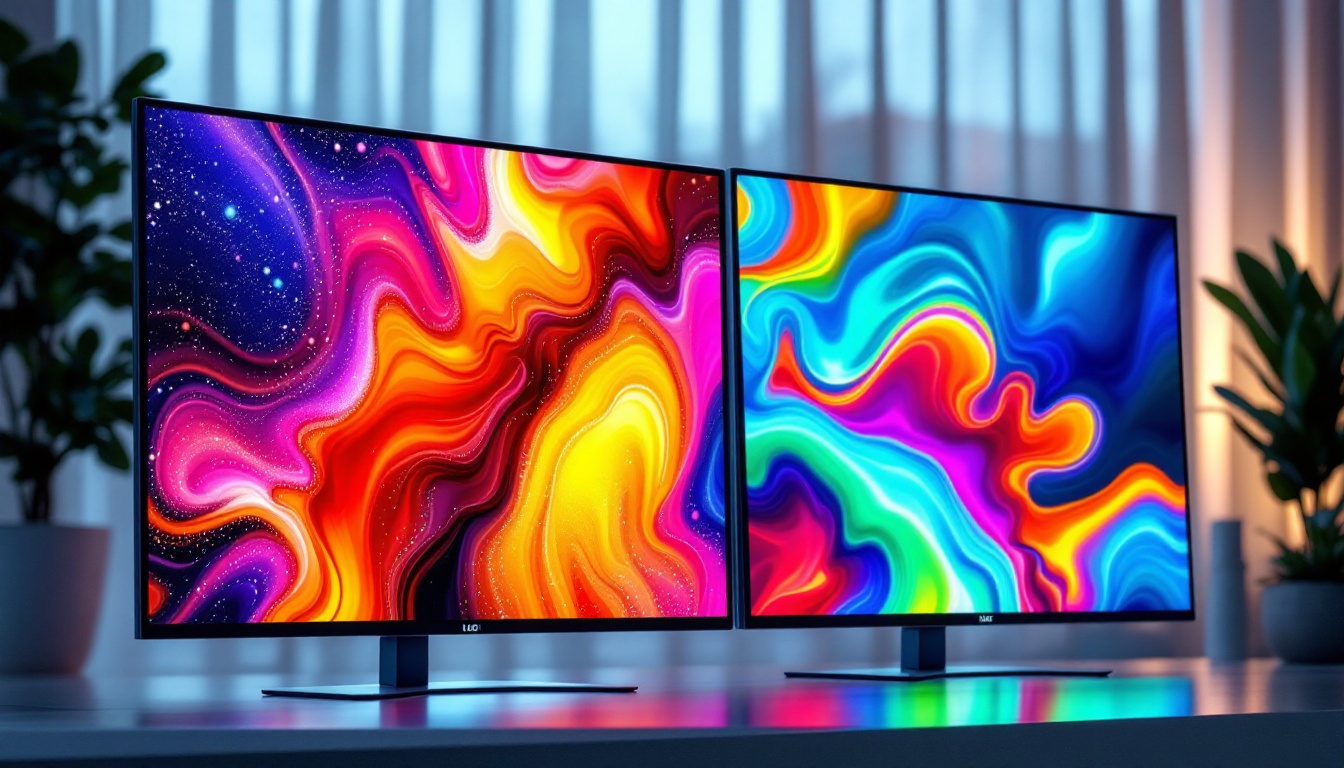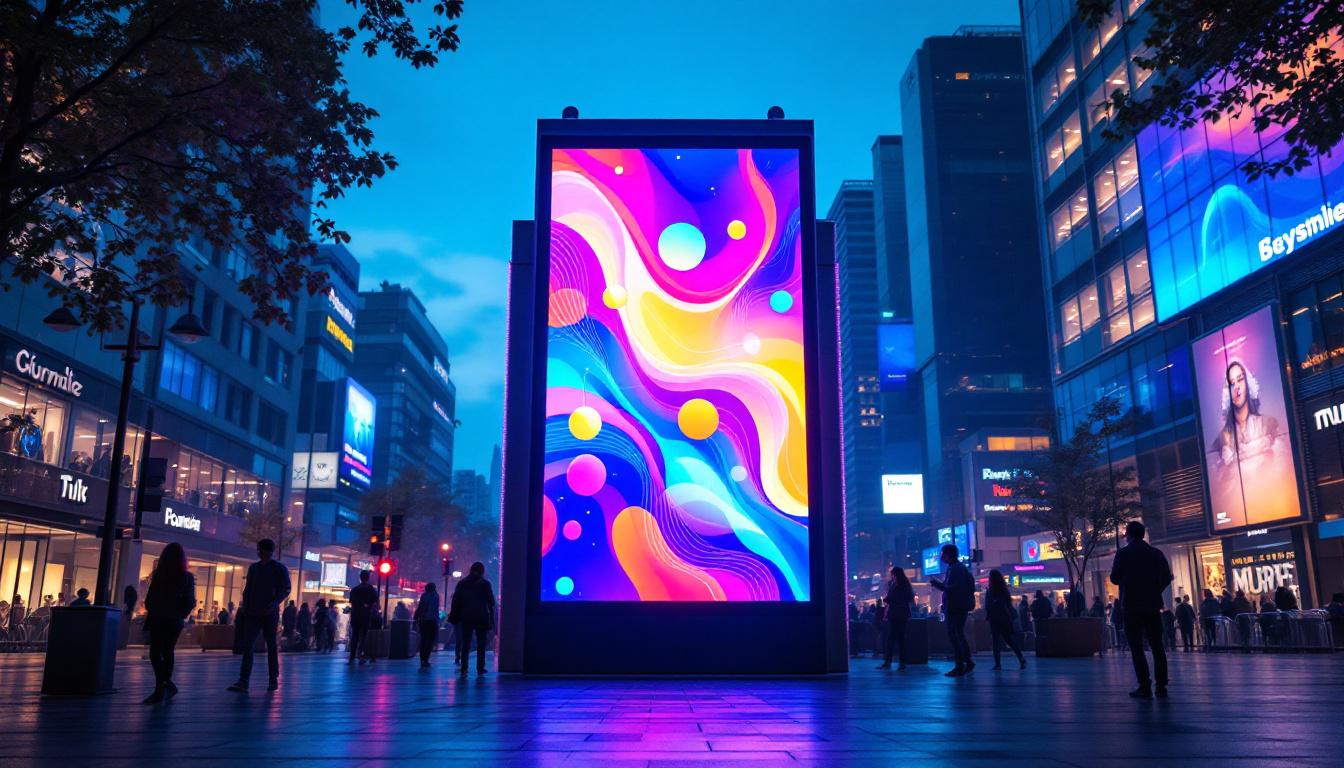
In the evolving landscape of visual communication, LED displays have emerged as a powerful medium that blends technology with creativity. From dazzling billboards in Times Square to immersive stage backdrops and dynamic retail signage, LED displays are transforming how messages are conveyed and experiences are crafted. This article delves into the fundamentals of LED display technology, explores its diverse applications, and highlights why it has become an indispensable tool in modern visual storytelling.
Understanding LED Display Technology
What is an LED Display?
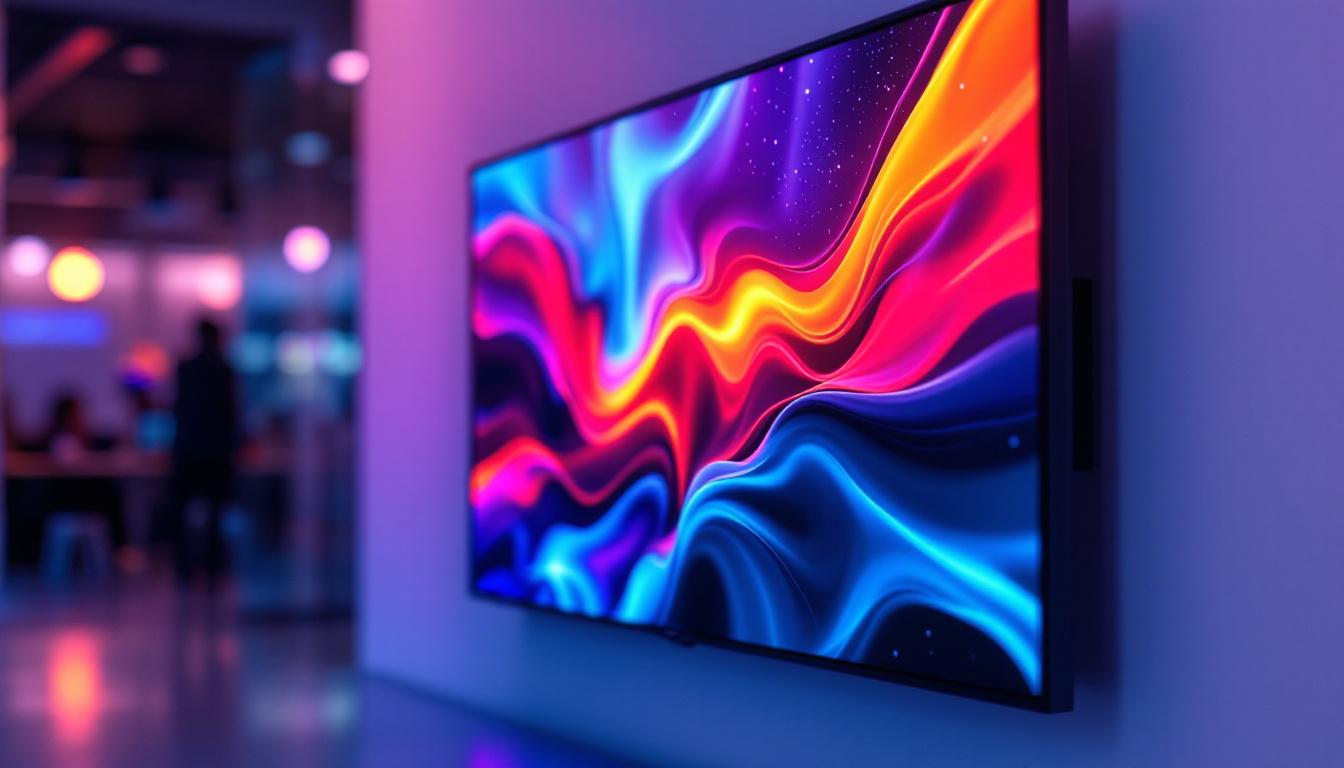
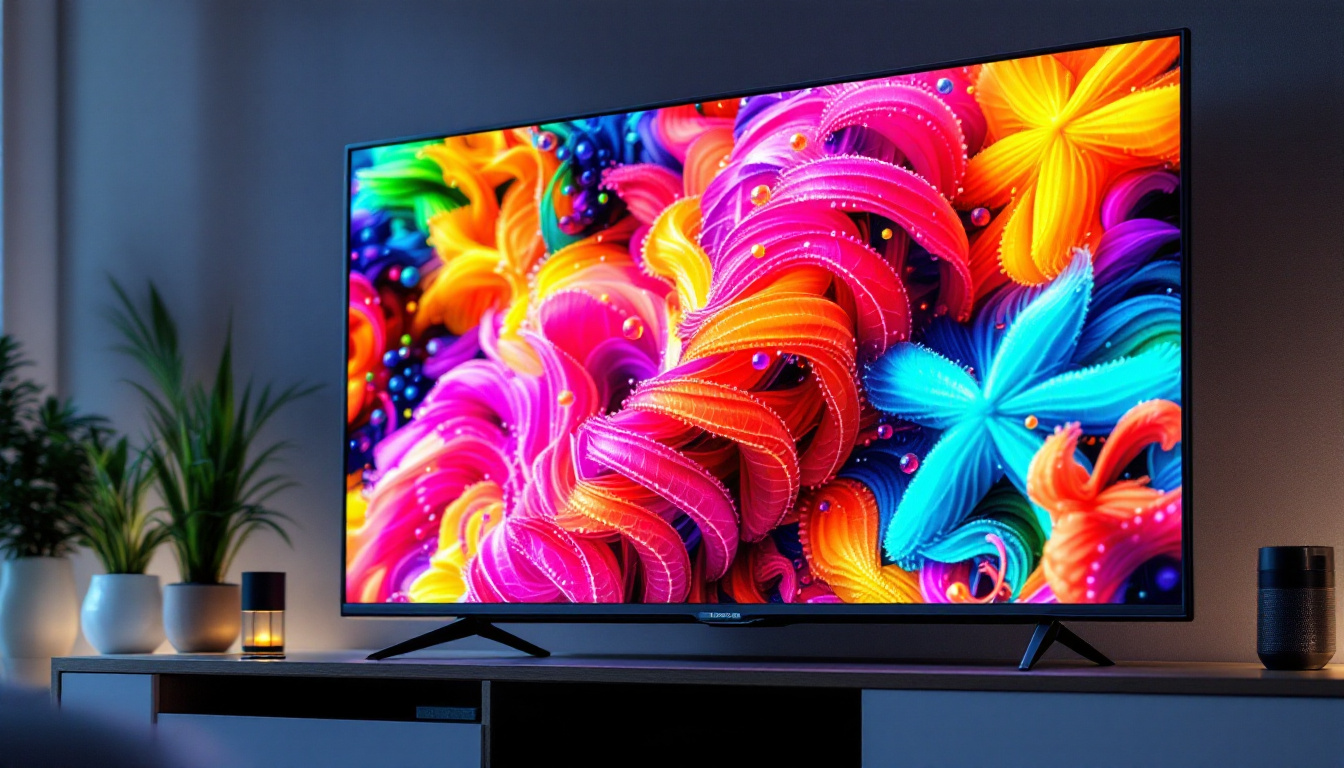
LED stands for Light Emitting Diode, a semiconductor device that emits light when an electric current passes through it. An LED display is a flat panel that uses a matrix of these tiny LEDs to produce images, videos, and text. Unlike traditional LCD or plasma screens, LED displays are self-illuminating, which means each diode emits its own light, resulting in brighter, more vibrant visuals with higher contrast ratios.
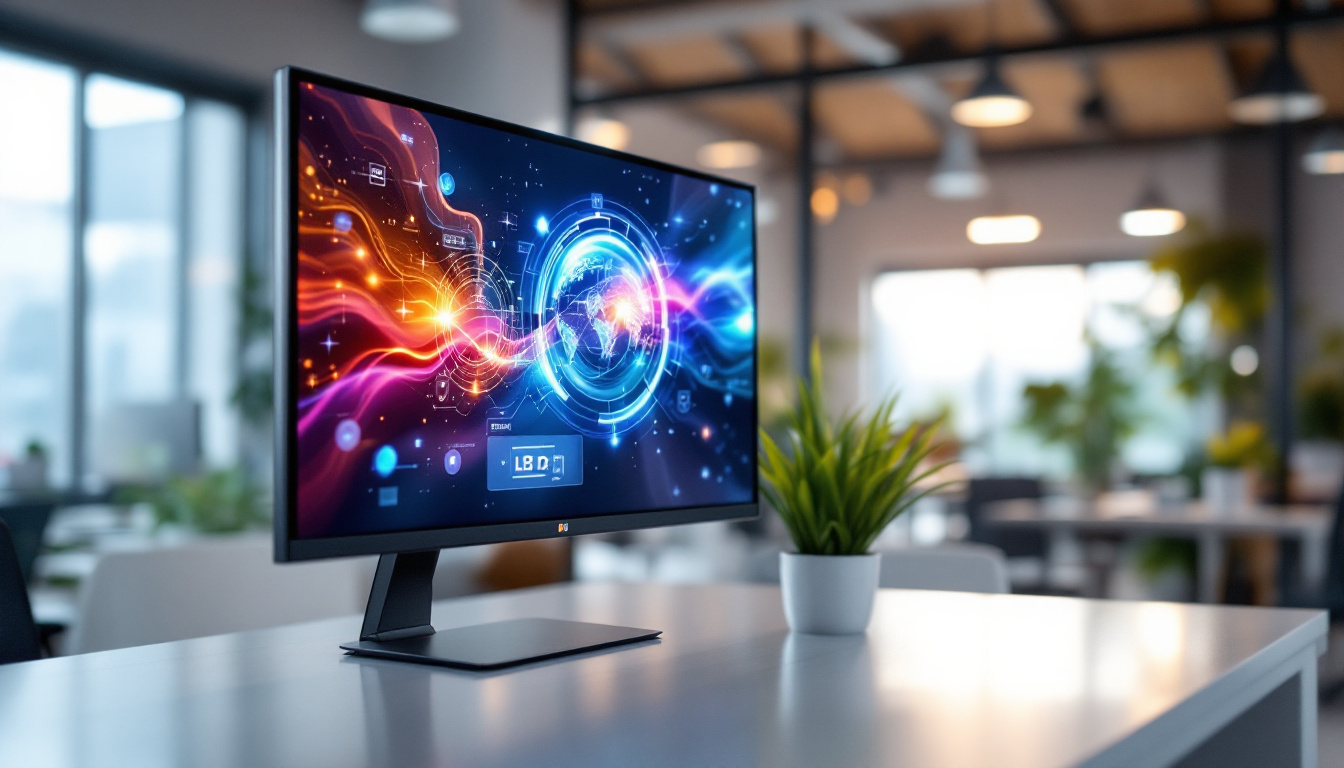
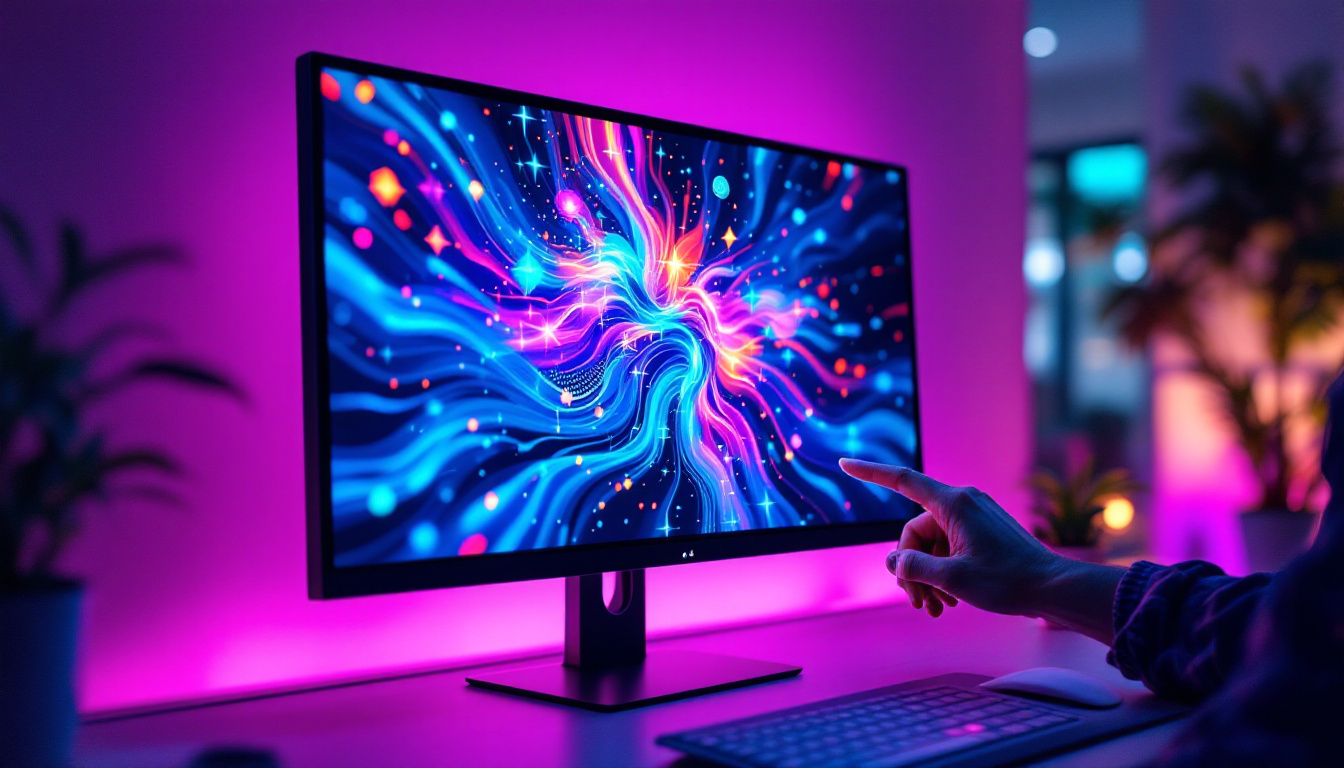
The technology behind LED displays can be categorized primarily into two types: direct-view LED and LED-backlit LCD. Direct-view LED displays use LEDs as the pixels themselves, making them ideal for large-scale outdoor screens and digital signage. In contrast, LED-backlit LCDs use LEDs as a light source behind an LCD panel, commonly found in televisions and computer monitors.
Key Components and How They Work Together
An LED display consists of several critical components working in harmony. The basic unit is the pixel, which typically comprises red, green, and blue LEDs. These three colors combine at varying intensities to create a full spectrum of colors visible to the human eye. The density of pixels, measured in pixels per inch (PPI) or pixel pitch (distance between pixels), determines the resolution and clarity of the display.
Control systems are equally essential. They process incoming video signals and manage the timing and brightness of each LED to produce smooth, high-quality images. Modern LED displays incorporate advanced software for color calibration, image processing, and remote management, enabling seamless integration into complex visual environments.
Advantages Over Traditional Display Technologies
LED displays offer several advantages that have accelerated their adoption across industries:
- Brightness and Visibility: LEDs can achieve brightness levels exceeding 5,000 nits, making them visible even under direct sunlight, unlike many LCDs.
- Energy Efficiency: LEDs consume less power compared to other lighting technologies, reducing operational costs and environmental impact.
- Durability and Longevity: LED displays are robust, with lifespans often exceeding 100,000 hours, and can withstand harsh weather conditions.
- Flexibility in Design: LED panels can be manufactured in various shapes and sizes, including curved and flexible formats, enabling creative installations.
Applications of LED Displays in Creative Coverings
Advertising and Outdoor Signage
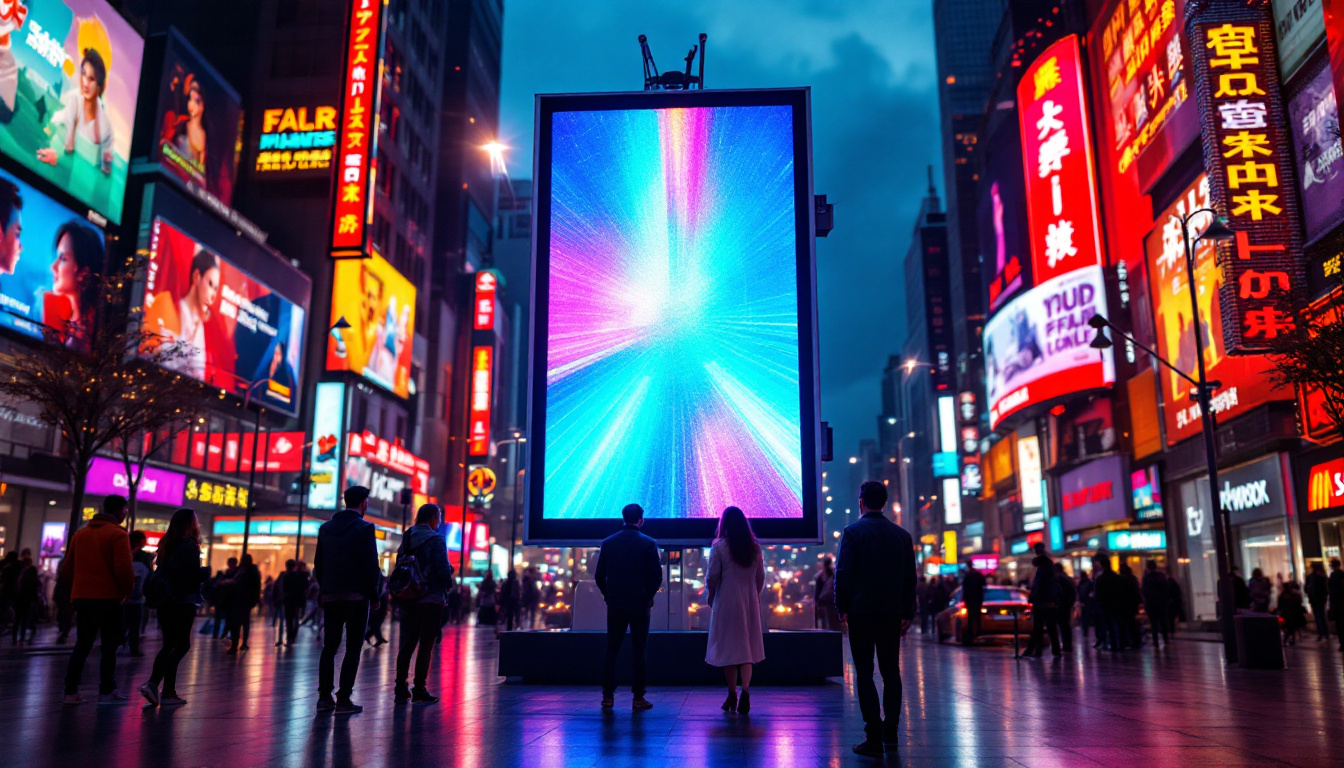
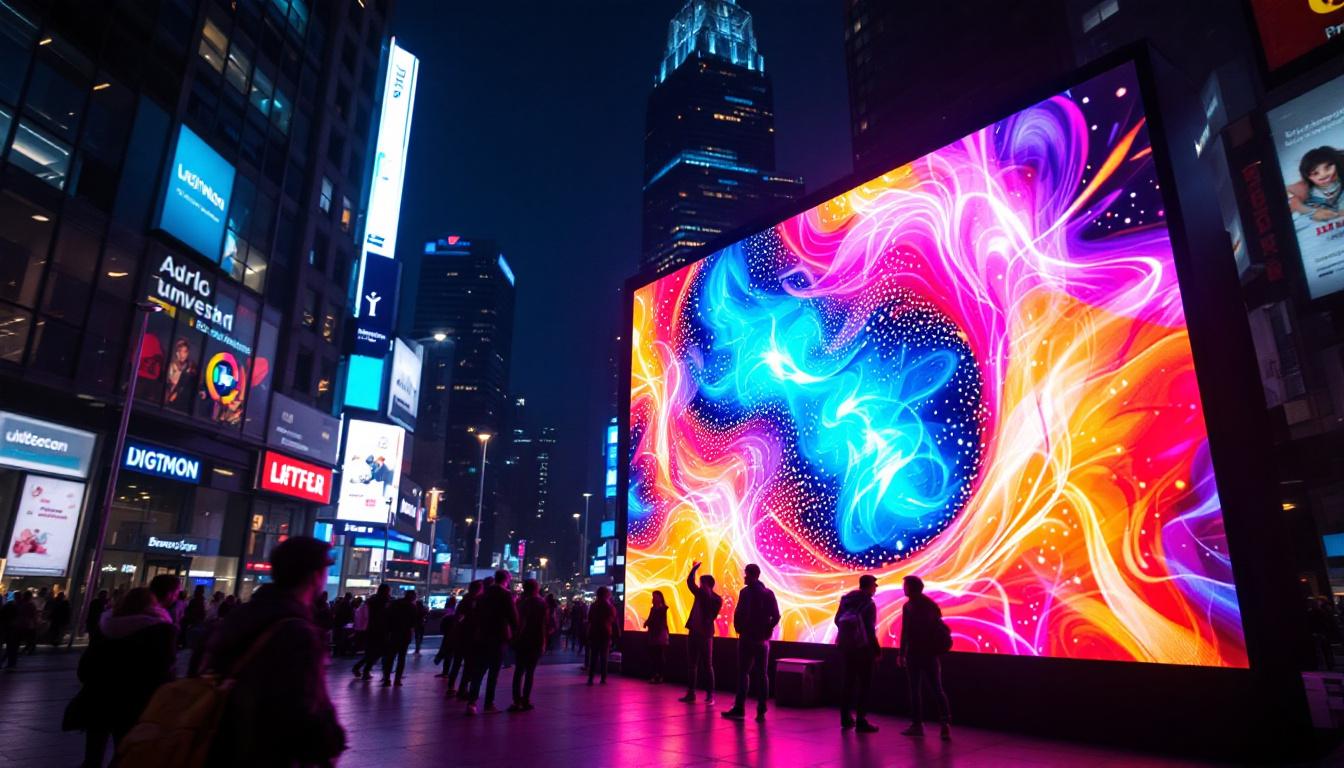
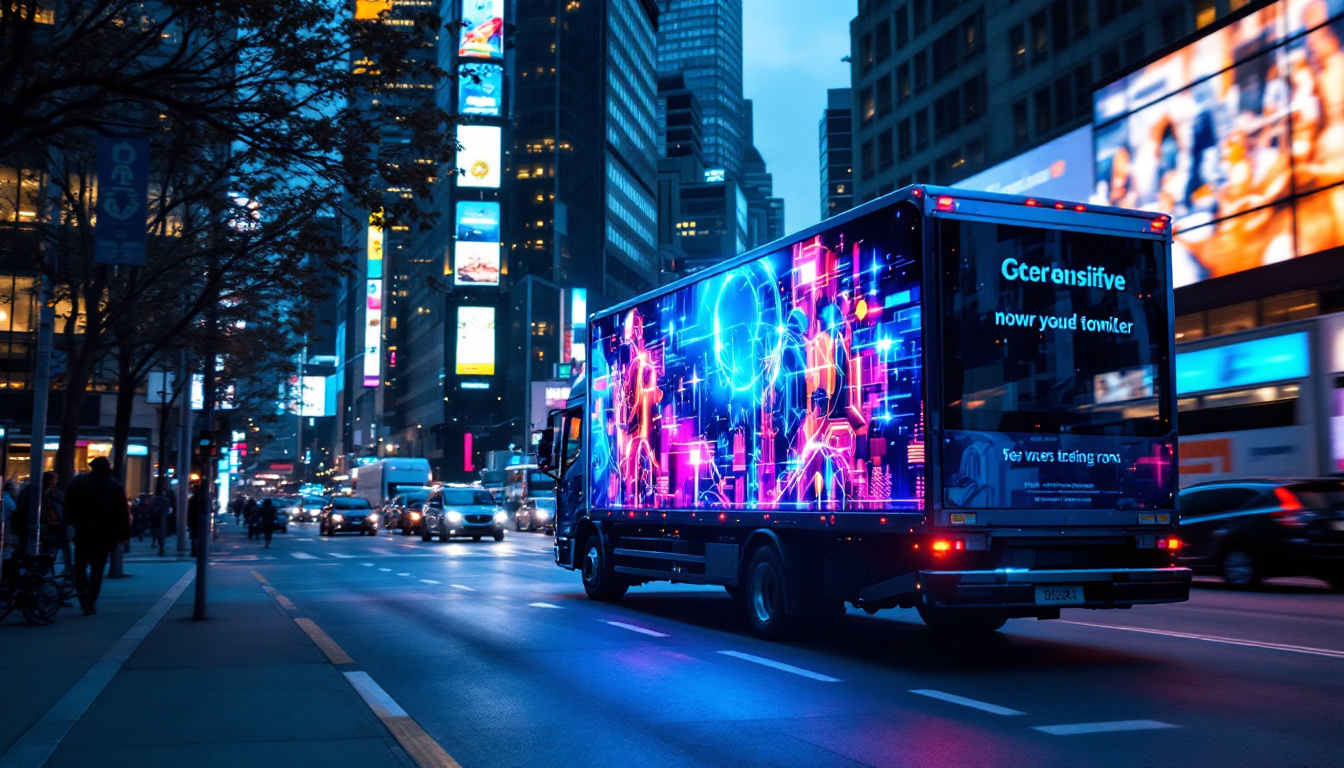
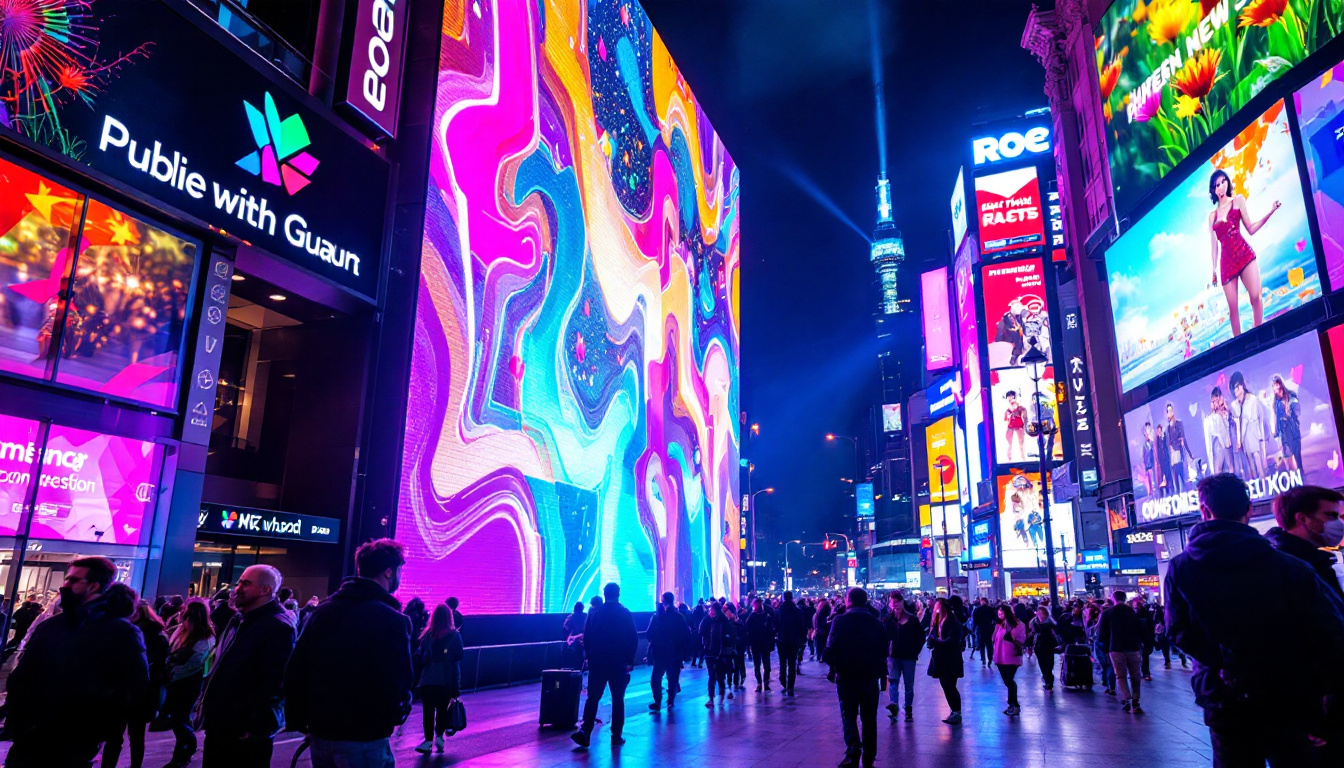
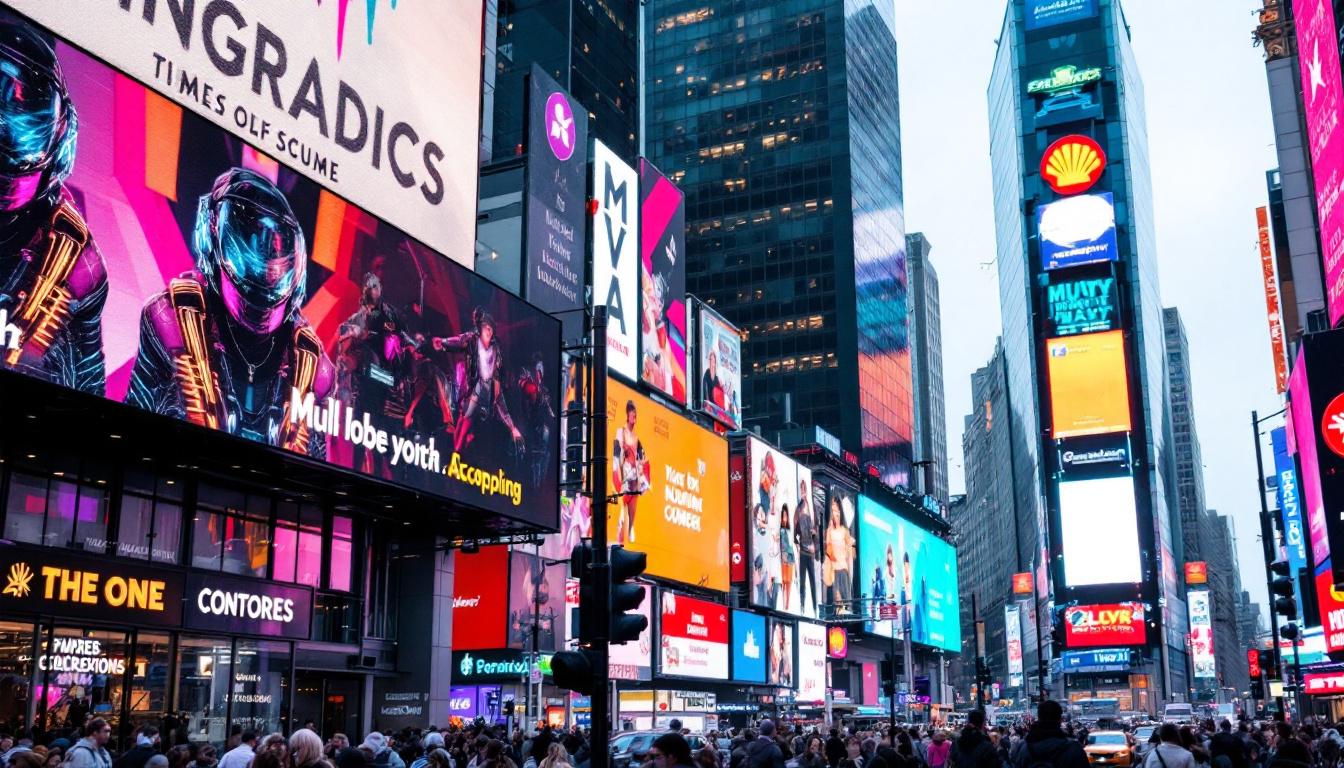
One of the most visible uses of LED displays is in advertising. From towering billboards in urban centers to interactive bus shelters, LED technology has revolutionized outdoor marketing. According to a 2023 report by Grand View Research, the global digital signage market is projected to reach $32.84 billion by 2028, with LED displays driving much of this growth.
Their high brightness and dynamic content capabilities allow advertisers to capture attention effectively. Moreover, the ability to update messages in real-time enables campaigns to be more responsive and targeted. For example, during major sporting events or product launches, advertisers can instantly switch content to maximize engagement.
Architectural and Interior Design
LED displays are increasingly integrated into architectural elements, transforming buildings into interactive canvases. Facades wrapped in LED panels can display artistic visuals, branding, or even real-time information like weather and news. This trend, often referred to as “media architecture,” enhances urban aesthetics and creates immersive environments.
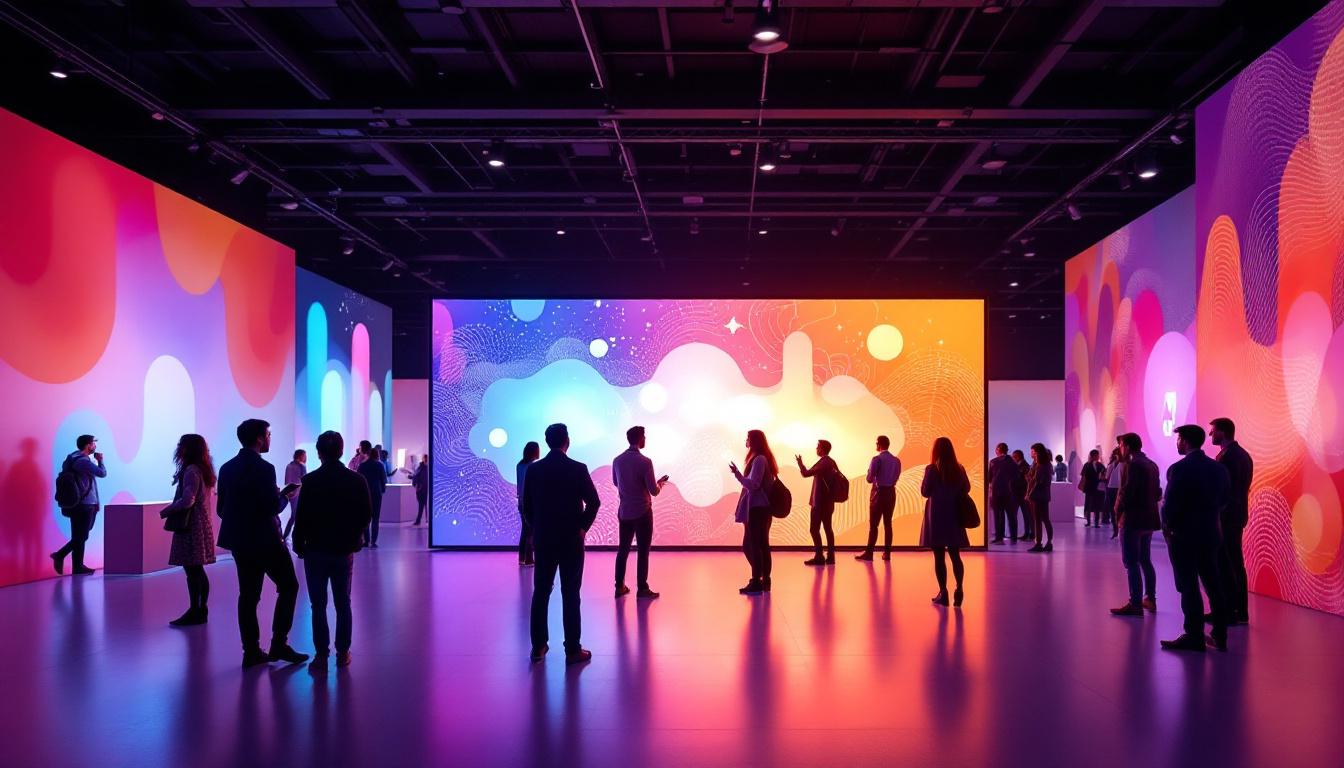
Inside buildings, LED walls and ceilings are used to create dynamic atmospheres in retail stores, hotels, and entertainment venues. For instance, luxury brands employ LED displays to craft captivating window displays that react to passerby movements or time of day, blending technology with storytelling to elevate customer experience.
Events and Entertainment
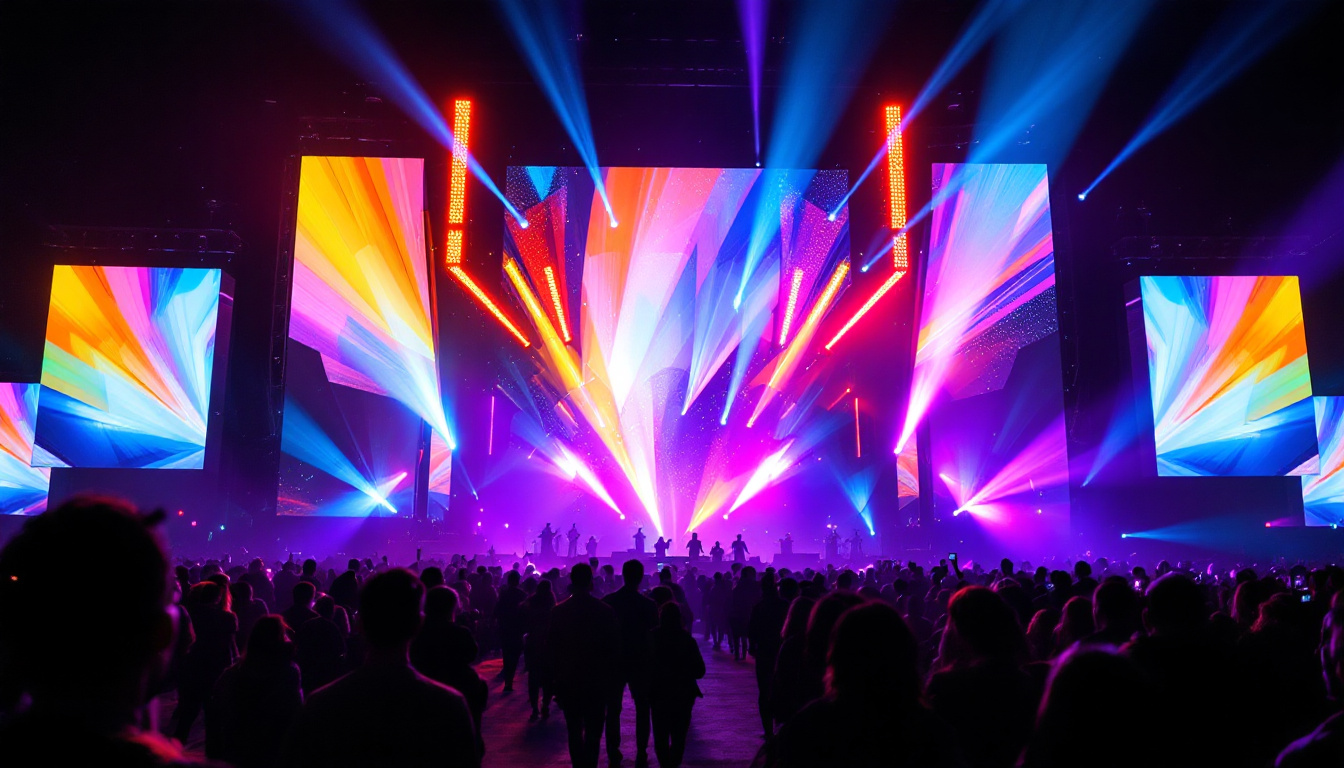
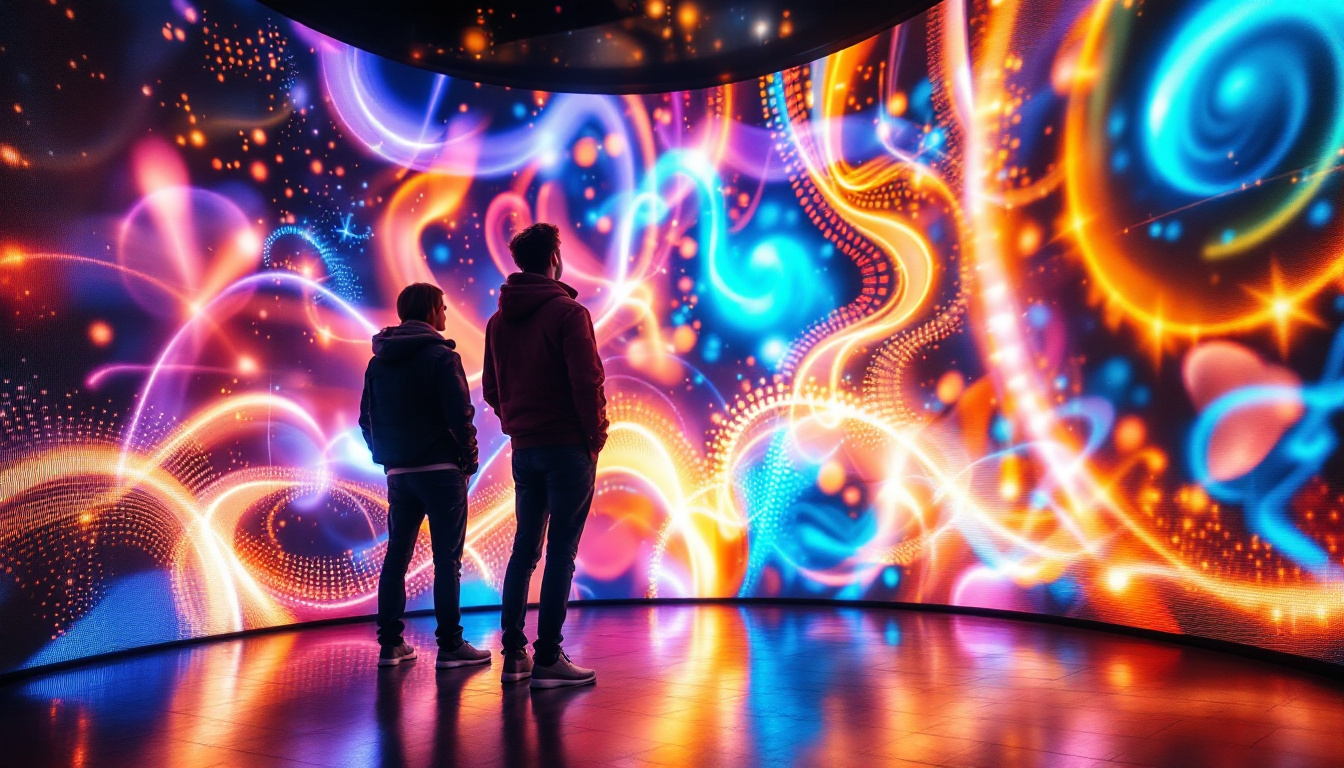
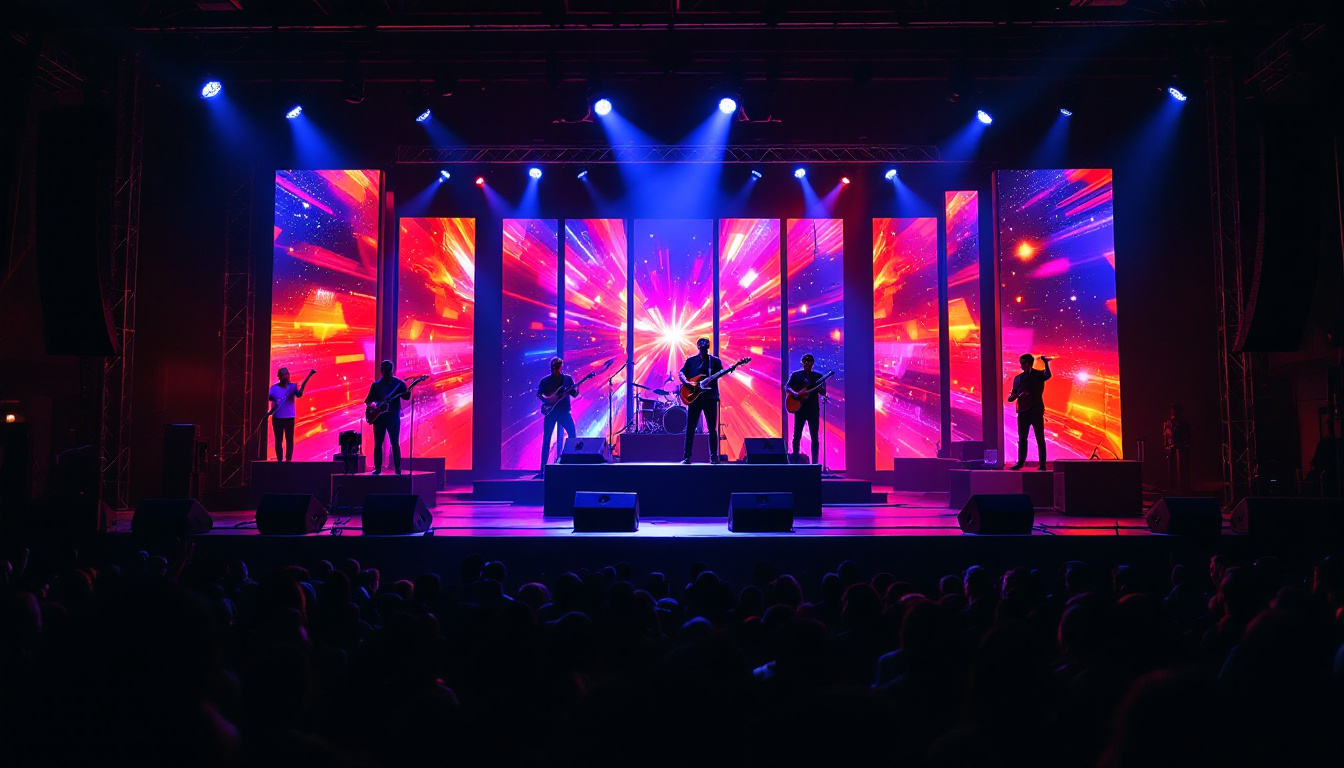
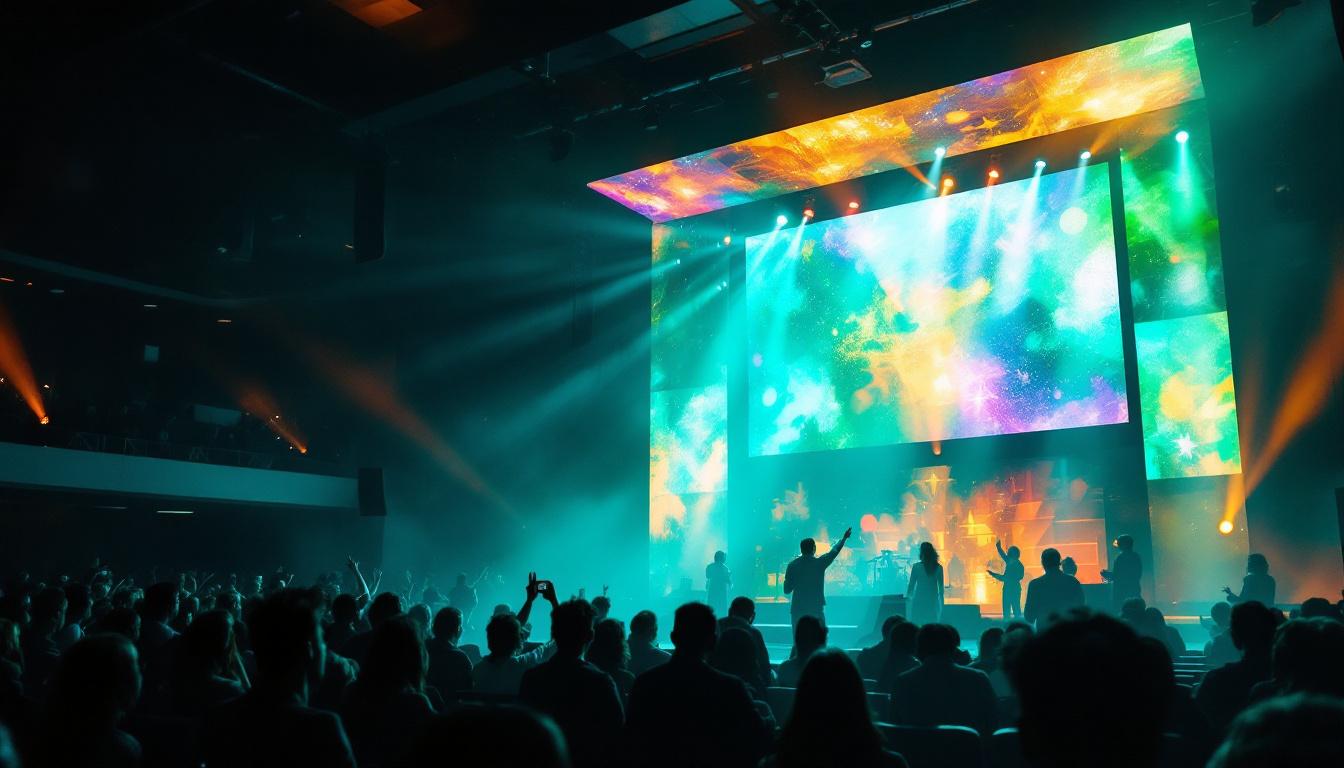
The entertainment industry has embraced LED displays for their versatility and visual impact. Concerts, theater productions, and live events use large-scale LED screens as backdrops, enabling stunning visual effects synchronized with performances. These displays can be curved or shaped to fit unique stage designs, enhancing immersion.
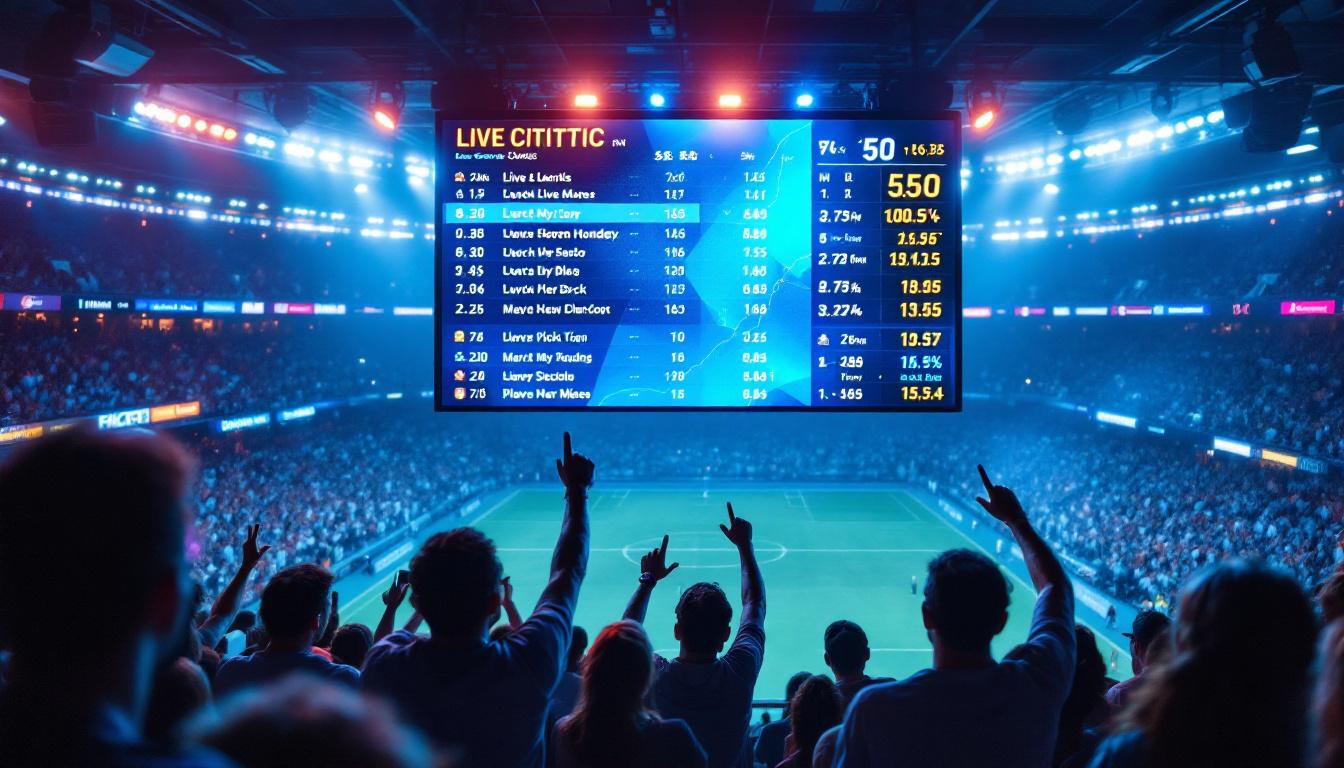
Sports arenas utilize LED ribbon boards and scoreboards to provide fans with real-time stats, replays, and advertisements, enriching the spectator experience. The flexibility of LED technology also supports interactive installations, such as dance floors or art exhibits that respond to movement or sound.
Innovations and Trends in LED Display Technology
MicroLED and MiniLED: The Next Generation
Recent advancements have introduced MicroLED and MiniLED technologies, pushing the boundaries of LED display performance. MicroLEDs are microscopic LEDs that offer higher pixel densities, superior brightness, and better energy efficiency compared to traditional LEDs. This technology promises displays with exceptional color accuracy and contrast, rivaling OLED panels but with longer lifespans and no burn-in risk.
MiniLEDs, slightly larger than MicroLEDs but smaller than standard LEDs, are currently used to enhance LCD backlighting. They provide improved local dimming capabilities, resulting in deeper blacks and more vibrant colors. These innovations are particularly impactful in premium televisions, monitors, and high-end digital signage.
Flexible and Transparent LED Displays
Flexibility in LED displays is an exciting development enabling new creative possibilities. Flexible LED panels can be bent or curved without damaging the diodes, allowing designers to create organic shapes and wrap displays around columns or curved surfaces. Transparent LED displays, which allow viewers to see through the screen while still displaying content, are gaining traction in retail and automotive applications.
These technologies open doors to innovative advertising solutions, such as shop windows that serve as both display and glass, or vehicle windshields that provide heads-up information without obstructing the driver’s view.
Integration with Smart Technologies
LED displays are increasingly integrated with IoT (Internet of Things) and AI-driven systems. Smart LED displays can adjust brightness based on ambient light, analyze viewer demographics to tailor content, and interact with mobile devices for personalized experiences. This level of interactivity enhances engagement and provides valuable data analytics for marketers and event organizers.
For example, digital signage in airports or shopping malls can use facial recognition to display targeted advertisements or wayfinding assistance, improving both user experience and advertising effectiveness.
Choosing the Right LED Display for Your Needs
Factors to Consider
Selecting an LED display requires careful consideration of several factors to ensure it meets the intended purpose and environment:
- Pixel Pitch and Resolution: Smaller pixel pitch means higher resolution and better image clarity, crucial for close viewing distances.
- Brightness and Contrast: Outdoor displays require higher brightness to combat sunlight, while indoor displays can prioritize color accuracy.
- Size and Shape: The physical dimensions and form factor must fit the installation space and design vision.
- Durability and Weather Resistance: For outdoor use, displays need protection against moisture, dust, and temperature extremes.
- Viewing Angle: Wide viewing angles ensure the content is visible from various positions.
- Control and Connectivity: Compatibility with existing content management systems and ease of remote operation are important for ongoing maintenance.
Installation and Maintenance Considerations
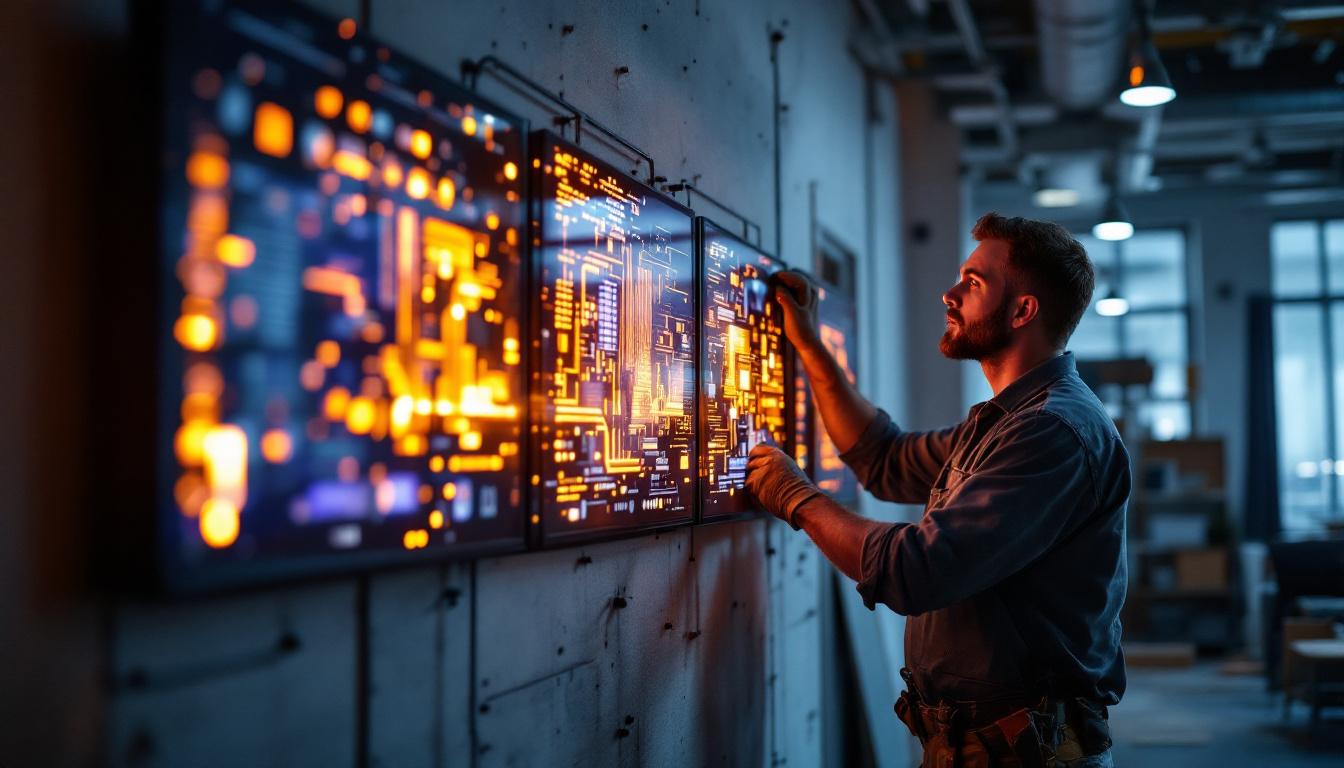
Proper installation is critical to maximize the lifespan and performance of an LED display. This includes structural support, electrical wiring, and environmental protection. Working with experienced professionals ensures compliance with safety standards and optimal setup.
Maintenance typically involves regular cleaning, software updates, and occasional repairs of individual LED modules. Many modern displays feature modular designs that simplify replacement and reduce downtime.
The Future of LED Displays in Creative Coverings
Expanding Creative Horizons
As LED technology continues to advance, its role in creative coverings is set to expand dramatically. The convergence of high-resolution displays, flexible materials, and smart interactivity will enable designers and brands to craft experiences that are not only visually stunning but also deeply engaging and personalized.
Urban environments may increasingly feature buildings that double as dynamic art installations or communication hubs. Retail spaces will evolve into interactive playgrounds where consumers engage directly with digital content in ways previously unimaginable.
Sustainability and Energy Efficiency
With growing emphasis on sustainability, LED displays are becoming more energy-efficient and environmentally friendly. Innovations in low-power components and recyclable materials are reducing the ecological footprint of digital signage and large-scale installations.
Moreover, the ability to update content digitally reduces the need for printed materials, contributing to waste reduction in advertising and event production.
Challenges and Opportunities
Despite the many advantages, challenges remain in terms of cost, technical complexity, and content creation. High-quality LED displays can require significant upfront investment, and producing compelling content demands creativity and technical expertise.
However, these challenges also present opportunities for collaboration between technologists, artists, and marketers to push the boundaries of what LED displays can achieve. As the technology becomes more accessible, smaller businesses and independent creators will also be able to leverage LED displays to tell their stories in innovative ways.
Conclusion
LED displays represent a fusion of technology and creativity that is reshaping visual communication across industries. Their brightness, flexibility, and interactivity make them ideal for advertising, architectural design, entertainment, and beyond. With ongoing innovations like MicroLED, flexible panels, and AI integration, the potential for LED displays in creative coverings is vast and exciting.
For businesses and creatives looking to make a lasting impression, understanding the capabilities and applications of LED displays is essential. By selecting the right technology and embracing innovative design approaches, LED displays can transform spaces and captivate audiences in ways that were once the realm of imagination.
Illuminate Your Space with LumenMatrix
Ready to elevate your visual storytelling and create unforgettable experiences? LumenMatrix is at the forefront of LED display innovation, offering a wide range of solutions tailored to your needs. From Indoor and Outdoor LED Wall Displays to specialized options like Vehicle, Sports, and Floor LED Displays, our products are designed to captivate and engage. Discover the transformative power of our Custom, All-in-One, and Transparent LED Displays. Embark on a journey to revolutionize your visual communication with LumenMatrix. Check out LumenMatrix LED Display Solutions and let your brand shine like never before.