Creating a private outdoor space that is both functional and visually appealing can be a challenge. One innovative solution gaining popularity is the lattice privacy screen integrated with LED displays. This combination not only offers seclusion but also adds dynamic lighting and customizable visuals to your environment. Whether for a residential backyard, a commercial patio, or an urban balcony, a lattice privacy screen with LED technology elevates the ambiance and utility of your space.
This comprehensive guide will walk you through the process of building a lattice privacy screen equipped with LED displays. It will cover the benefits, materials, design considerations, installation steps, and maintenance tips. By the end, you’ll have a clear understanding of how to create a stunning, practical privacy screen that enhances your outdoor living experience.
Understanding the Benefits of a Lattice Privacy Screen with LED Display
Privacy Meets Technology
Lattice screens have long been favored for their ability to provide privacy while allowing airflow and a degree of light penetration. Traditionally made from wood or vinyl, these screens create a semi-transparent barrier that defines boundaries without feeling closed off. Integrating LED displays into the lattice structure introduces a new dimension of functionality. This innovative approach not only enhances privacy but also transforms the aesthetic appeal of outdoor spaces, making them more inviting and engaging.
LED (Light Emitting Diode) technology is energy-efficient, long-lasting, and versatile. Incorporating LED panels or strips into a lattice screen allows for customizable lighting effects, from subtle ambient glows to vibrant color displays. This fusion serves both practical and aesthetic purposes, enhancing privacy while transforming the screen into a dynamic feature. Moreover, the low energy consumption of LEDs means that homeowners can enjoy these benefits without significantly increasing their energy bills, making it an environmentally friendly choice as well.
Enhancing Outdoor Spaces with LED Displays
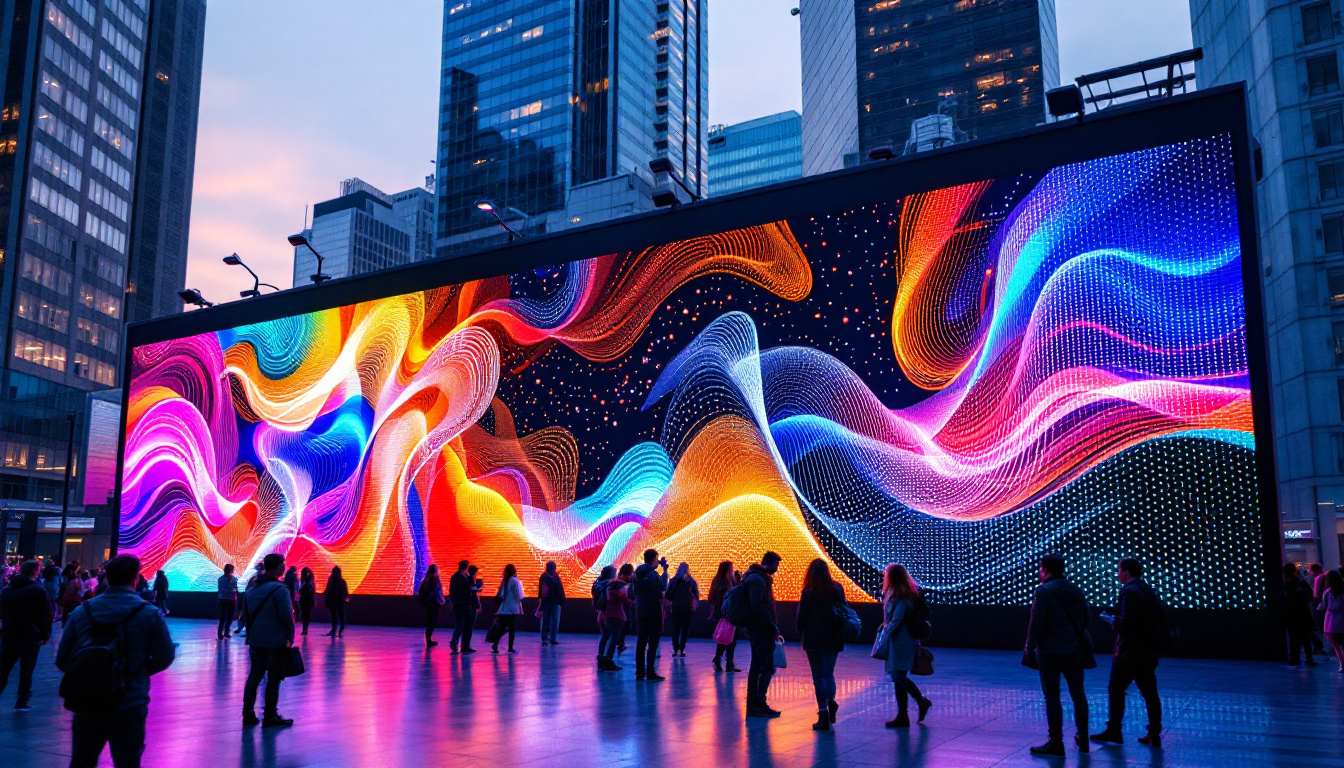
Outdoor LED displays can be programmed to show various colors, patterns, or even animations, making your privacy screen a focal point. For example, during social gatherings, you can set mood lighting that complements the event’s theme. In quieter moments, soft, warm lighting can create a relaxing atmosphere. Additionally, LED displays can improve safety by illuminating pathways or marking boundaries after dark. This dual functionality of providing both light and privacy is particularly beneficial for families with children or pets, ensuring that outdoor areas are safe and enjoyable at all times.
According to recent market research, the global outdoor LED display market is projected to grow at a compound annual growth rate (CAGR) of over 7% through 2027, reflecting increasing demand for outdoor lighting solutions that combine functionality and style. This trend highlights the appeal of integrating LED technology into traditional outdoor structures like lattice screens. Furthermore, the ability to control these displays via smartphone apps or smart home systems adds an element of convenience and modernity, allowing users to easily adjust settings based on their needs or preferences. This integration of technology not only enhances the user experience but also aligns with the growing trend of smart home automation, making lattice privacy screens with LED displays a forward-thinking choice for contemporary outdoor living spaces.
Planning Your Lattice Privacy Screen with LED Integration
Assessing Your Space and Needs
Before starting construction, evaluate the location where you intend to install the lattice privacy screen. Consider the dimensions, exposure to sunlight, wind conditions, and proximity to electrical sources. These factors will influence the choice of materials, LED components, and installation methods.
Determine the primary purpose of your screen. Is it mainly for privacy, decoration, or both? Do you want the LED display to be subtle or prominent? Answering these questions will guide your design decisions and ensure the finished product meets your expectations.
Choosing the Right Materials
The lattice framework can be constructed from various materials, each with pros and cons:
- Wood: Offers a natural look and is easy to customize. However, it requires regular maintenance to prevent rot and weather damage.
- Vinyl: Low maintenance and weather-resistant, vinyl lattice is durable but less customizable in terms of color and texture.
- Metal: Aluminum or steel lattice provides strength and modern aesthetics but may require professional installation and rust protection.
For the LED components, waterproof and weatherproof LED strips or panels designed for outdoor use are essential. Look for products with an IP65 rating or higher to ensure resistance to dust and water. Additionally, select LED controllers and power supplies rated for outdoor conditions.
Designing the LED Layout
The LED display can be integrated in several ways:
- Embedded LED Strips: Running LED strips along the lattice slats creates linear lighting effects.
- Panel Inserts: Incorporating LED panels within lattice openings allows for more complex visuals and animations.
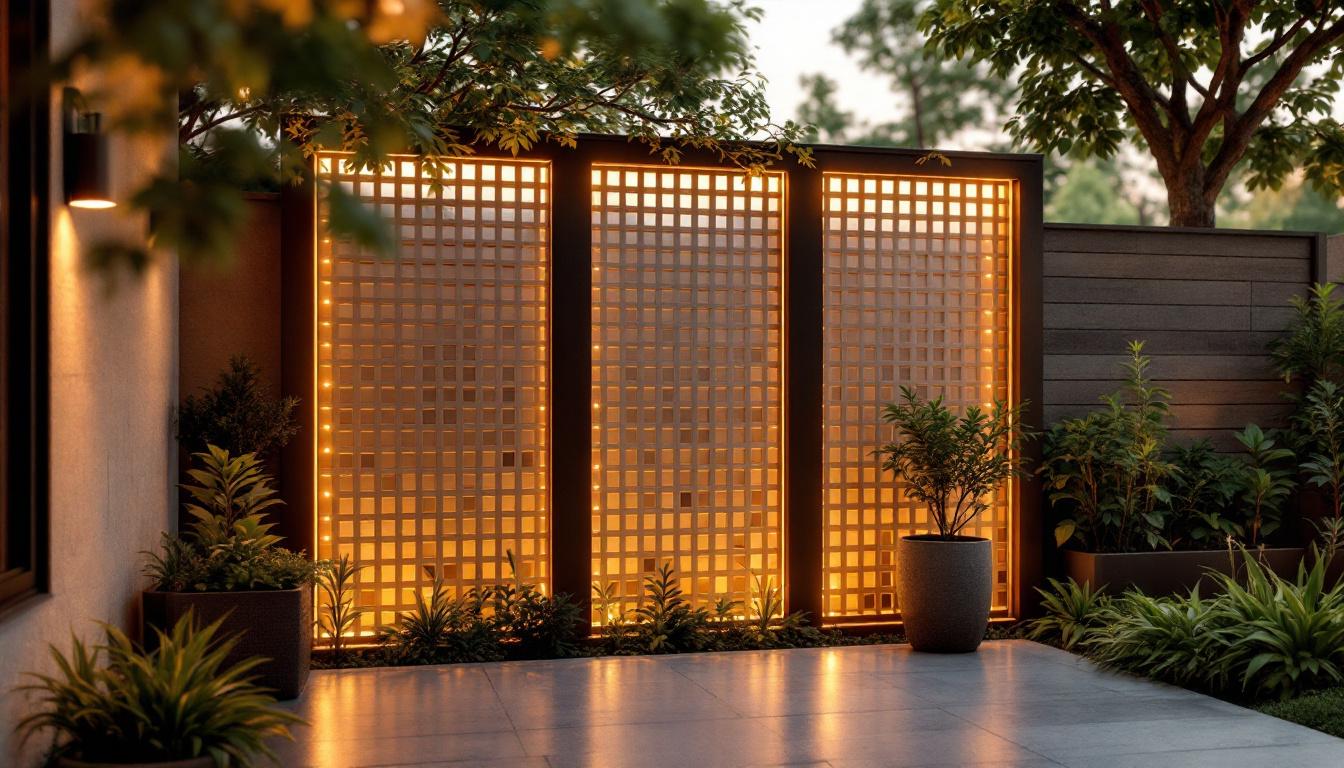
- Backlighting: Placing LEDs behind the lattice can produce a glowing silhouette effect.
Consider the wiring routes carefully to conceal cables and protect them from damage. Planning the LED layout early in the design phase will streamline installation and improve the overall aesthetic.
Step-by-Step Guide to Building Your Lattice Privacy Screen with LED Display
Materials and Tools Needed
- Lattice panels or raw materials to build lattice (wood, vinyl, or metal)
- Outdoor-rated LED strips or panels
- LED power supply and controller
- Weatherproof connectors and wiring
- Mounting hardware (screws, brackets)
- Measuring tape, saw, drill, screwdriver
- Wire strippers and electrical tape
- Sealant or paint (optional for wood lattice)
Step 1: Preparing the Lattice Framework
Start by measuring the area where the screen will be installed. Cut the lattice panels or build the lattice frame to fit the designated space. If using wood, sand the edges and apply a weatherproof sealant or paint to extend durability.
Ensure the lattice is sturdy and properly supported. If constructing from raw materials, assemble the lattice by nailing or screwing slats in a crisscross pattern, maintaining consistent spacing for aesthetics and functionality.
Step 2: Planning and Installing the LED Components
Lay out the LED strips or panels on the lattice to visualize their placement. Mark the spots where mounting brackets or adhesive will secure the LEDs. Avoid placing LEDs where they may be directly exposed to rain or physical damage.
Attach the LED strips or panels using the manufacturer’s recommended method. For strips, peel-and-stick adhesive backing is common but supplement with clips or brackets for extra security. For panels, use mounting screws or brackets designed for outdoor use.
Step 3: Wiring and Power Setup
Run the wiring along the lattice frame, securing cables with clips or ties to prevent sagging. Use weatherproof connectors to join sections of wiring and protect connections with electrical tape or silicone sealant.
Connect the LED wiring to the power supply and controller. Position the power supply in a sheltered location, such as under a deck or inside a weatherproof box. Ensure the power source is compatible with the LED system voltage and that all electrical work complies with local codes.
Step 4: Testing and Final Adjustments
Before finalizing the installation, test the LED display to confirm all sections light up correctly and respond to controller inputs. Adjust brightness, colors, and patterns as desired. Troubleshoot any issues such as flickering or dead zones by checking connections and power supply output.
Once satisfied, secure all wiring and components firmly. If desired, add decorative elements such as climbing plants or outdoor curtains to complement the lattice screen and soften the LED lighting effect.
Maintenance and Troubleshooting Tips
Regular Inspection and Cleaning
To maintain the longevity of your lattice privacy screen and LED display, conduct regular inspections. Check for loose or damaged lattice slats, worn wiring, and moisture ingress in LED components. Clean the lattice surface and LED covers gently with a damp cloth to remove dirt and debris, avoiding harsh chemicals that could damage materials.
Protecting Against Weather and Wear
Apply sealants or paint to wooden lattice annually to prevent rot and insect damage. For vinyl or metal lattices, inspect for cracks or rust and address promptly. Ensure LED components remain sealed and replace any weatherproofing materials that have degraded over time.
Troubleshooting Common LED Issues
If LEDs fail to light or flicker, first check the power supply and controller connections. Loose wiring or insufficient voltage are common causes. Replace faulty LED strips or panels as needed, and consult product manuals for specific troubleshooting guidance.
Creative Ideas for Enhancing Your Lattice Privacy Screen
Incorporate Smart Lighting Controls
Integrating smart home technology allows you to control the LED display remotely via smartphone apps or voice commands. Features such as scheduling, color cycling, and brightness adjustment can be automated to match your lifestyle and preferences.
Combine with Greenery for a Natural Look
Encourage climbing plants like ivy, jasmine, or clematis to grow on the lattice. The combination of natural foliage and LED lighting creates a magical interplay of light and shadow, enhancing the privacy screen’s beauty.
Use as a Dynamic Art Installation
Program the LED display to showcase seasonal themes, festive colors, or even simple animations. This transforms the privacy screen into an ever-changing art piece that reflects your personality and celebrates special occasions.
Conclusion: Elevate Your Outdoor Space with a Lattice Privacy Screen and LED Display
Building a lattice privacy screen integrated with LED displays is a rewarding project that blends traditional craftsmanship with modern technology. It offers practical benefits such as enhanced privacy and safety while adding aesthetic appeal and versatility to your outdoor environment.
By carefully planning the design, selecting appropriate materials, and following best installation practices, you can create a durable and captivating privacy screen that transforms your space day and night. With ongoing maintenance and creative customization, your lattice LED privacy screen will remain a standout feature for years to come.
Discover LumenMatrix LED Display Solutions for Your Privacy Screen
Ready to take the next step in enhancing your outdoor living space with a customizable lattice privacy screen? Explore the innovative LED display modules offered by LumenMatrix, a leader in LED display technology. Whether you’re looking for ambient lighting or a dynamic visual experience, LumenMatrix provides a range of solutions to fit your needs, including Outdoor LED Wall Displays, Custom LED Displays, and more. Elevate your privacy screen project with our cutting-edge technology designed to captivate and engage. Check out LumenMatrix LED Display Solutions today and transform your space into a stunning visual retreat.