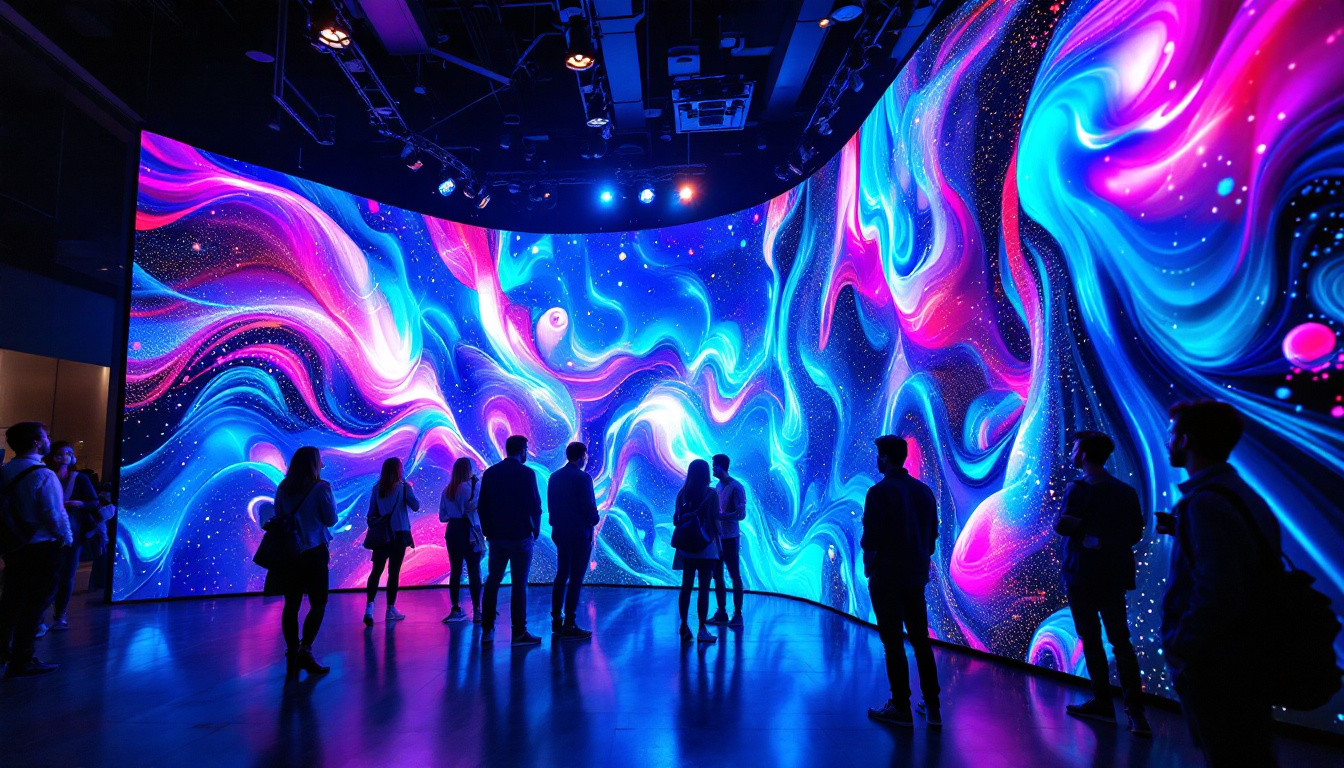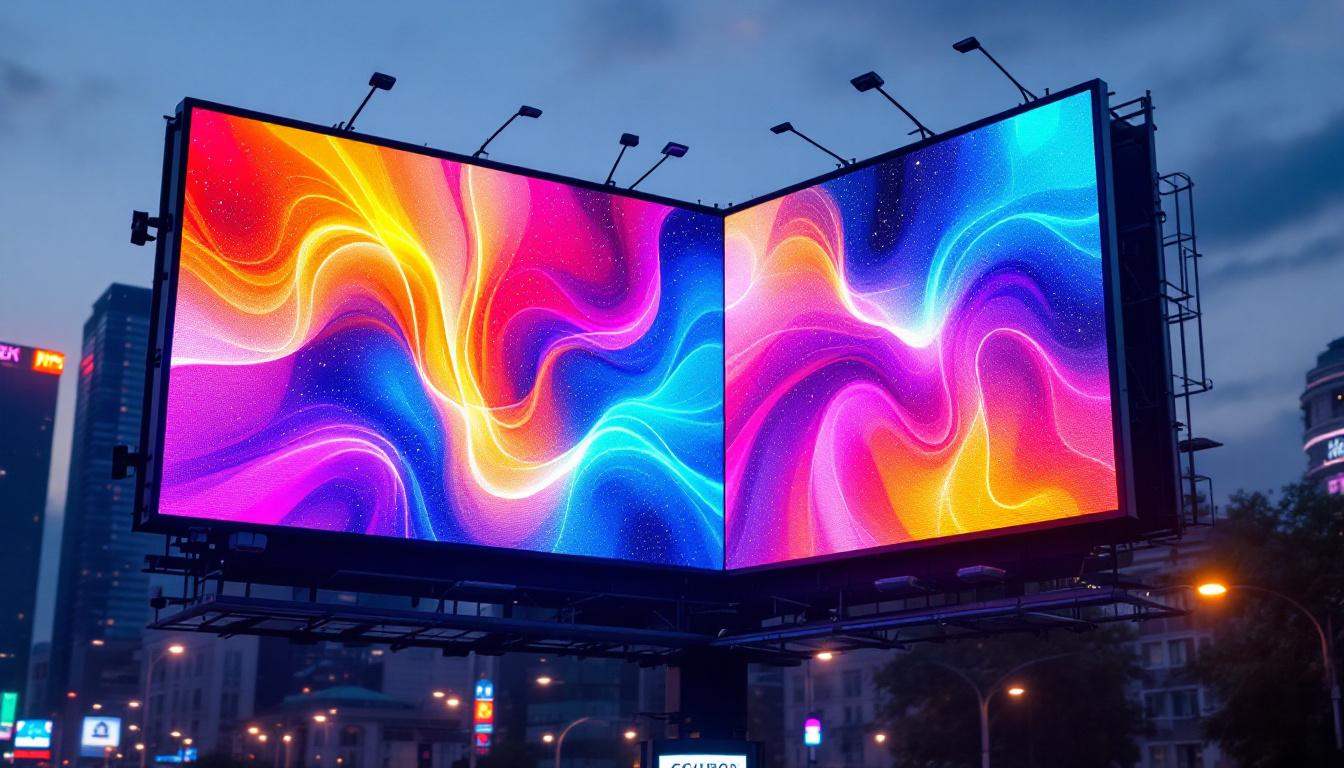
In today’s fast-paced world, capturing attention quickly and effectively is crucial for any advertising campaign. Billboards have long been a staple of outdoor advertising, but the advent of LED technology has transformed them into dynamic, eye-catching displays. Understanding how to make a billboard, especially an LED display, is essential for marketers, designers, and businesses looking to maximize their advertising impact.
This comprehensive guide will explain the components, design considerations, and technical aspects of LED billboards, helping you grasp what goes into creating these modern advertising marvels.
What Is an LED Billboard?
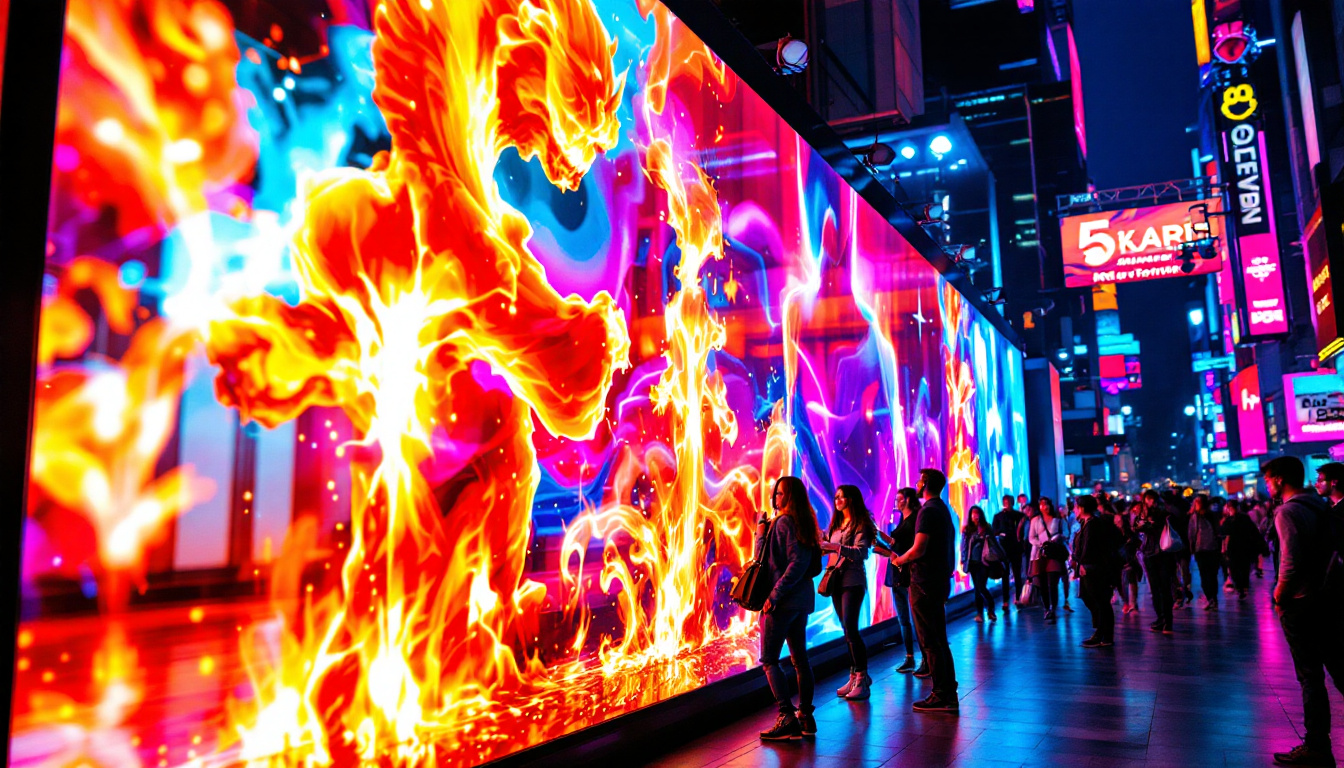
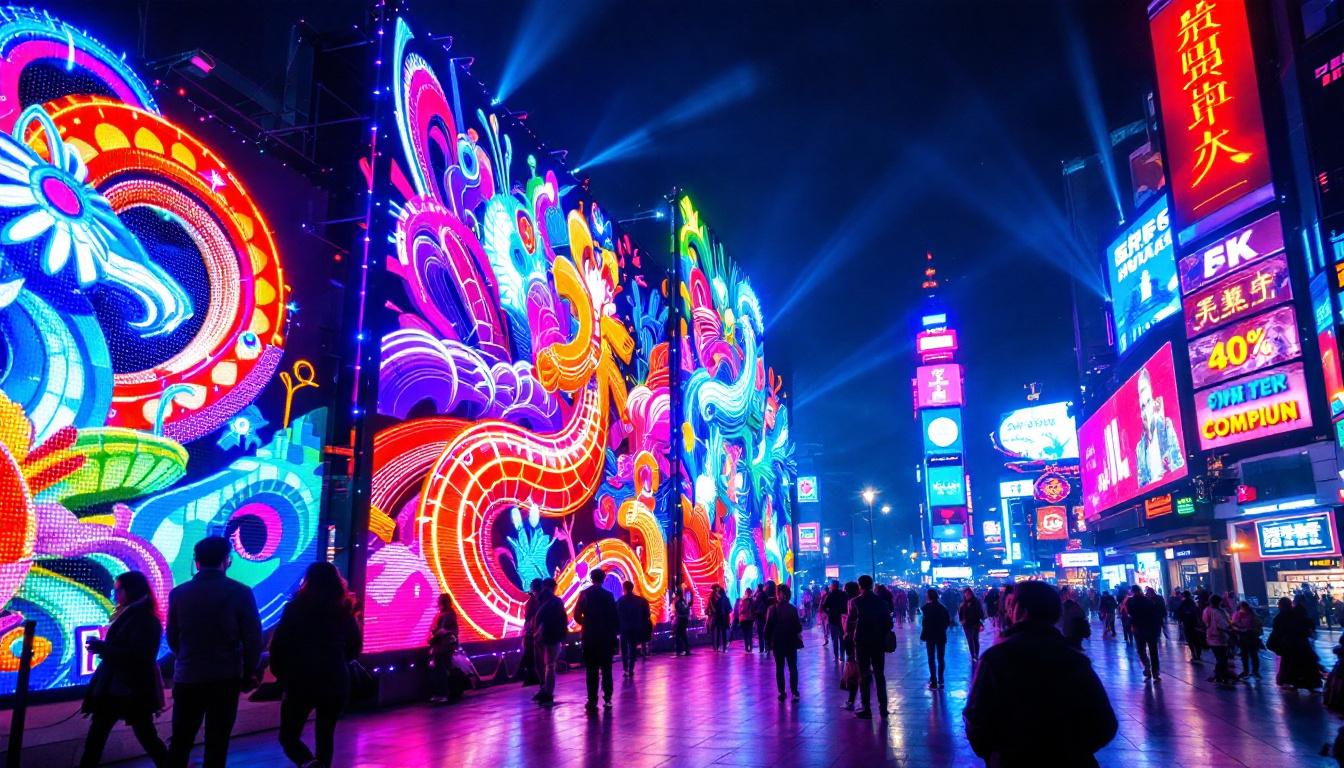
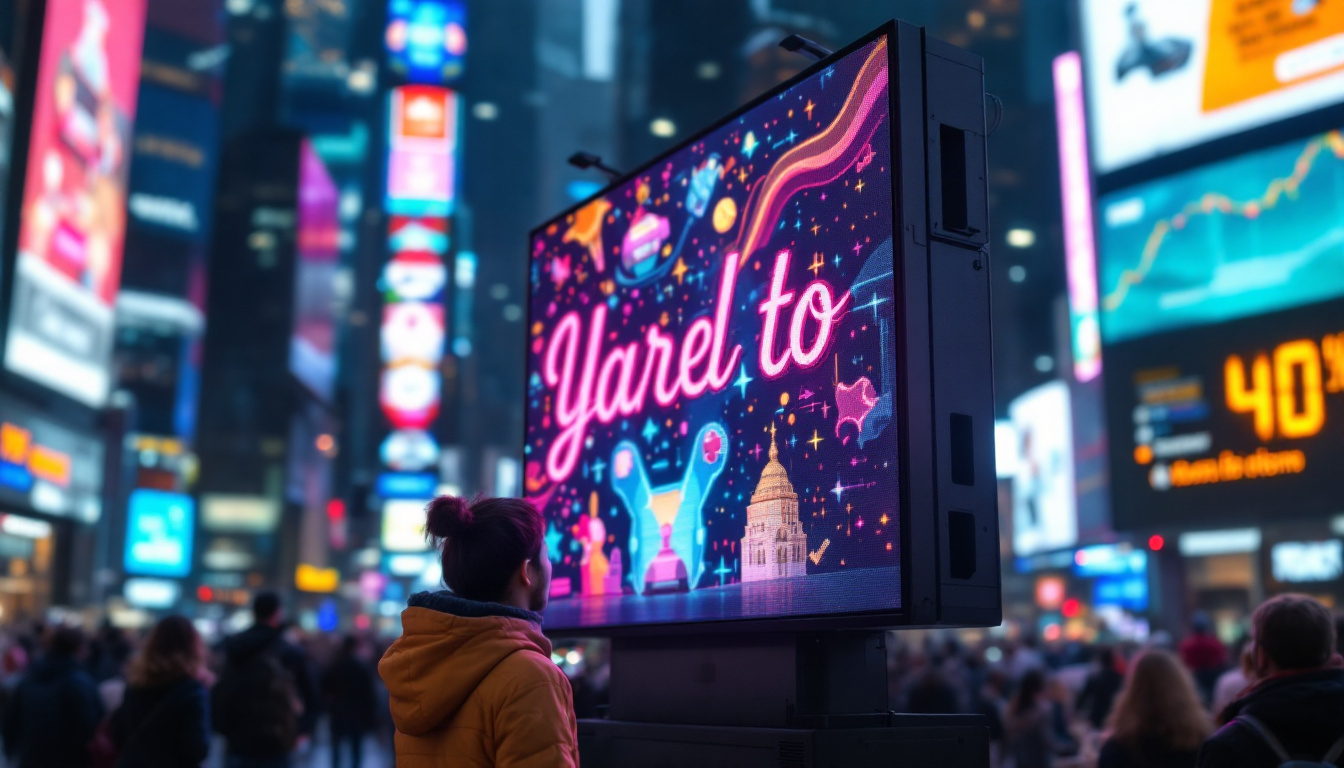
LED billboards are large-scale advertising displays that use Light Emitting Diodes (LEDs) to create bright, vibrant images and videos. Unlike traditional static billboards that rely on printed vinyl or paper, LED billboards can change content dynamically, allowing advertisers to showcase multiple messages, animations, or real-time information.
The LED technology behind these billboards offers several advantages:
- Brightness: LEDs provide superior brightness, ensuring visibility even in direct sunlight.
- Energy Efficiency: Compared to older lighting technologies, LEDs consume less power, reducing operational costs.
- Durability: LED modules are weather-resistant and have a long lifespan, often exceeding 100,000 hours.
- Flexibility: Content can be updated remotely and instantly, allowing for timely and targeted advertising.
These qualities have made LED billboards a popular choice worldwide, with the global digital billboard market expected to grow at a compound annual growth rate (CAGR) of over 10% between 2023 and 2030.
In addition to their advertising capabilities, LED billboards have also become a platform for public service announcements and community engagement. Cities often utilize these displays to communicate important information such as emergency alerts, traffic updates, and local events. This dual functionality not only enhances the utility of LED billboards but also fosters a sense of community by keeping residents informed and connected.
Moreover, the creative potential of LED billboards is virtually limitless. Advertisers can employ advanced techniques such as 3D animations, interactive content, and even augmented reality, captivating audiences in ways that static billboards simply cannot. As technology continues to evolve, we can expect to see even more innovative uses of LED billboards, pushing the boundaries of traditional advertising and transforming urban landscapes into dynamic visual experiences.
Key Components of an LED Billboard
1. LED Modules
At the heart of every LED billboard are the LED modules. These are panels made up of numerous tiny LEDs arranged in a grid. Each LED acts as a pixel, and together they form the images and videos displayed on the billboard.
LED modules vary based on pixel pitch—the distance between the centers of two adjacent LEDs. A smaller pixel pitch means higher resolution and sharper images, which is crucial for billboards viewed from closer distances. For example, a pixel pitch of 10mm is common for billboards visible from about 50 feet, while larger pitches like 20mm or 30mm are used for displays meant to be seen from several hundred feet away.
2. Cabinet Structure
The LED modules are mounted onto cabinets, which provide structural support and protect the electronics from environmental factors such as rain, dust, and wind. Cabinets are typically made from aluminum or steel to balance strength and weight.
These cabinets are designed for easy maintenance, allowing technicians to replace or repair individual modules without dismantling the entire billboard. Proper ventilation within the cabinet is essential to prevent overheating, which can reduce LED lifespan.
3. Power Supply
LED billboards require a stable and efficient power supply to ensure consistent brightness and performance. Power supplies convert AC electricity from the grid into the DC power that LEDs need. High-quality power supplies also include protections against voltage spikes and surges, which can damage sensitive components.
4. Control System
The control system is the brain of the LED billboard. It manages the content displayed, brightness levels, and timing. Modern systems allow remote control via internet connections, enabling advertisers to update content instantly from anywhere in the world.
Control systems typically include:
- Media players or servers that store and schedule content
- Software interfaces for content management
- Communication hardware such as wireless or wired network modules
Designing Content for LED Billboards
Understanding Viewing Distance and Resolution
One of the most critical factors in designing content for LED billboards is the viewing distance. Because LED billboards are often seen from a distance—whether from cars on highways or pedestrians in urban areas—the resolution and size of the content must be optimized accordingly.
For example, a billboard along a busy freeway might have a pixel pitch of 20mm or more because viewers are typically several hundred feet away. This means the content should use large, bold fonts and simple graphics to be legible. Conversely, billboards in city centers where people may be closer require higher resolution and more detailed visuals.
Color and Brightness Considerations
LED billboards can display millions of colors, but not all colors are equally effective in outdoor advertising. Bright, contrasting colors like red, yellow, and white tend to attract more attention. Additionally, the brightness must be carefully calibrated to ensure visibility without causing glare or light pollution.
Most LED billboards include ambient light sensors that automatically adjust brightness based on the time of day and weather conditions. This feature conserves energy and improves viewer comfort.
Content Strategy and Animation
Dynamic content is the hallmark of LED billboards. Advertisers can use animations, video clips, and real-time data feeds to create engaging messages. However, it’s important to balance motion with readability. Excessive animation or rapid content changes can overwhelm viewers and reduce message retention.
Research shows that the average driver has only 6 seconds to view a billboard, so messages should be concise and visually impactful. Rotating multiple ads on a single billboard is common, but each should be displayed long enough to be fully absorbed.
Steps to Build an LED Billboard
Step 1: Define Objectives and Budget
Before diving into technical details, clearly define the purpose of the billboard. Is it for brand awareness, event promotion, or real-time information? Understanding the goals will guide decisions on size, resolution, and location.
Budget considerations are equally important. LED billboards can range from tens of thousands to several hundred thousand dollars, depending on size, resolution, and features. Factoring in installation, maintenance, and content creation costs is essential for a realistic estimate.
Step 2: Choose Location and Obtain Permits
Location is key to maximizing the impact of your billboard. High-traffic areas with good sightlines are ideal. However, local regulations often govern billboard placement, size, and brightness. Securing the necessary permits from municipal authorities is a crucial step that can take weeks or months.
Consulting with local zoning offices and understanding advertising laws will help avoid costly delays or legal issues.
Step 3: Select LED Modules and Components
Based on viewing distance and budget, select the appropriate LED modules. Consider factors like pixel pitch, brightness rating (measured in nits), and color capability. It’s advisable to work with reputable manufacturers who provide warranties and technical support.
Other components such as cabinets, power supplies, and control systems should be chosen to match the LED modules and environmental conditions.
Step 4: Design and Produce Content
Engage graphic designers and content creators who specialize in outdoor digital advertising. Content should be tailored to the billboard’s resolution and viewing context. Testing designs on similar LED screens or using simulation software can help ensure effectiveness before deployment.
Step 5: Installation and Testing
Installation involves mounting the cabinet structure, wiring power and data connections, and assembling the LED modules. This process requires skilled technicians and often heavy equipment like cranes.
After installation, thorough testing ensures all LEDs function correctly, brightness and color calibration are accurate, and the control system operates smoothly. Regular maintenance schedules should be established to keep the billboard in optimal condition.
Challenges and Best Practices
Weather and Environmental Factors
LED billboards are exposed to harsh outdoor conditions including rain, snow, wind, and extreme temperatures. Selecting weatherproof components and ensuring proper sealing and ventilation are critical to longevity.
Energy Consumption and Sustainability
While LEDs are energy-efficient, large billboards can still consume significant power. Incorporating solar panels or using energy management systems can reduce environmental impact and operating costs.
Content Compliance and Ethical Considerations
Billboard content must comply with advertising standards and local regulations, avoiding misleading or inappropriate messages. Ethical advertising practices build trust and prevent reputational damage.
Maintenance and Upkeep
Regular inspections and prompt repairs prevent downtime and preserve image quality. Many LED billboards include remote diagnostics to detect issues early.
The Future of LED Billboards
Advancements in LED technology continue to enhance billboard capabilities. Higher resolution displays, flexible and curved LED panels, and integration with artificial intelligence for personalized advertising are emerging trends.
Moreover, the rise of smart cities and Internet of Things (IoT) connectivity is enabling billboards to interact with mobile devices and respond to environmental cues, creating more immersive and targeted experiences.
As digital advertising evolves, mastering the creation of LED billboards will remain a valuable skill for businesses and advertisers aiming to stand out in crowded markets.
Conclusion
Making an LED billboard involves a blend of technical knowledge, creative design, and strategic planning. From understanding the core components like LED modules and control systems to designing content that captures attention and navigating installation challenges, each step is vital to success.
LED billboards offer unparalleled flexibility and impact in outdoor advertising, making them a powerful tool for brands seeking to engage audiences effectively. By following best practices and staying informed about technological advancements, advertisers can harness the full potential of LED displays to create compelling, memorable campaigns.
Discover LumenMatrix LED Display Solutions
Ready to elevate your advertising strategy with the power of LED technology? LumenMatrix is at the forefront of LED display innovation, offering a diverse range of products from Indoor and Outdoor LED Wall Displays to specialized solutions like Vehicle LED Displays and LED Sports Displays. Our mission is to transform your visual communication, ensuring your brand captures attention and leaves a lasting impression. Don’t miss the opportunity to create a truly captivating visual experience. Check out LumenMatrix LED Display Solutions today and bring your message to life with clarity and impact.