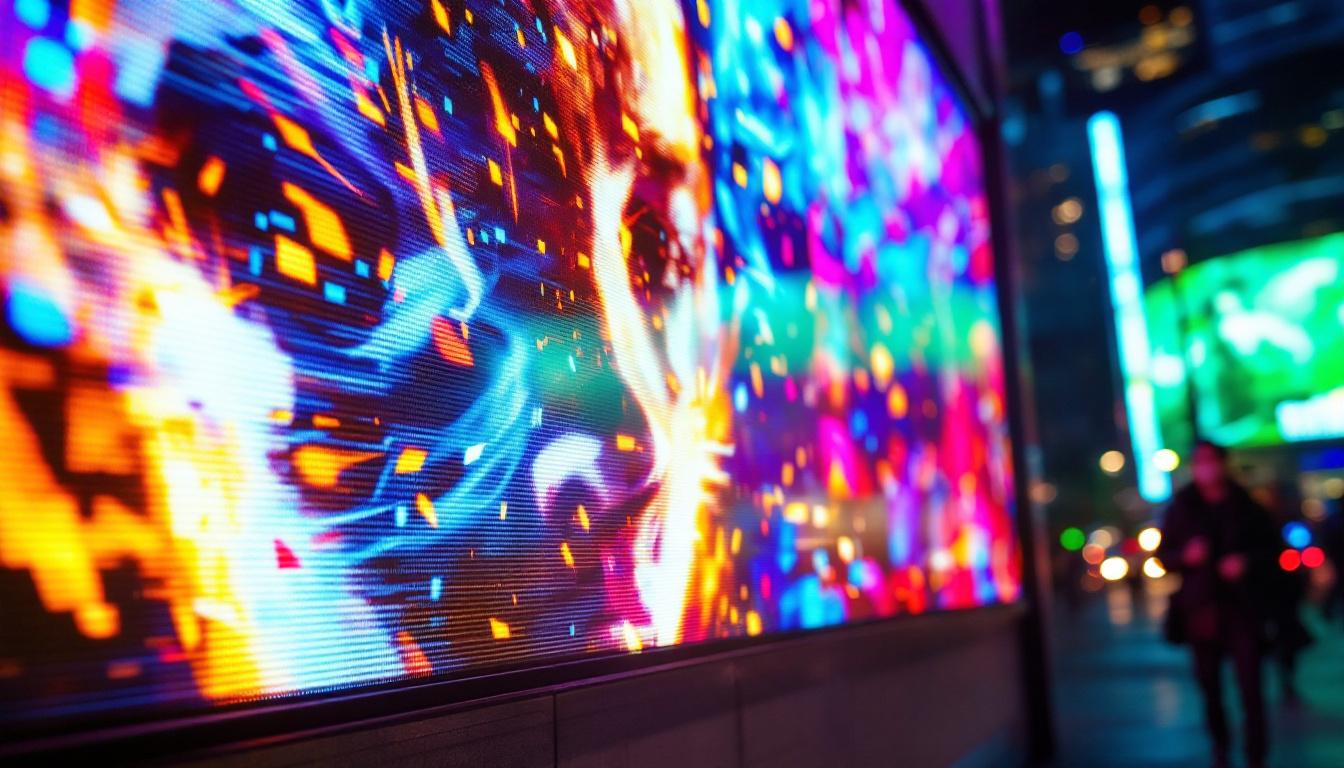
In today’s digital landscape, vertical video has emerged as a dominant format, especially on social media platforms and modern advertising displays. With the rise of smartphones and vertical LED displays, understanding how to create compelling vertical videos is essential for marketers, content creators, and businesses alike. This article explores the technical and creative aspects of making vertical videos, with a particular focus on LED displays — their design, functionality, and how vertical video content can be optimized for them.
The Rise of Vertical Video: Why It Matters
Vertical video is no longer just a niche format; it has become a mainstream medium. According to a 2023 report by Wyzowl, over 85% of videos viewed on mobile devices are in vertical or portrait orientation, reflecting the way people naturally hold their phones. Platforms like TikTok, Instagram Reels, and Snapchat have popularized vertical video, making it the preferred format for engaging younger audiences. This shift has not only changed how content is created but also how it is consumed, with users increasingly favoring bite-sized, easily digestible clips that fit seamlessly into their fast-paced lifestyles.
For businesses and advertisers, vertical video offers a unique opportunity to capture attention in a crowded digital space. Vertical LED displays, often seen in retail environments, public spaces, and events, are designed to showcase content in portrait mode, matching the natural orientation of vertical videos. This alignment between content format and display technology enhances viewer engagement and message retention. Moreover, the immersive nature of vertical video allows brands to tell compelling stories in a more intimate way, drawing viewers into their narratives and fostering a deeper emotional connection with the audience.
As vertical video continues to evolve, its applications are expanding beyond social media platforms. Live streaming events, tutorials, and even corporate communications are increasingly adopting this format, recognizing its effectiveness in reaching audiences where they are most active. The rise of augmented reality (AR) and virtual reality (VR) technologies also presents exciting possibilities for vertical video, allowing creators to explore innovative storytelling techniques that can further captivate viewers. With the rapid advancements in smartphone technology, the quality of vertical videos is improving, making it easier for anyone to produce professional-looking content that resonates with their target audience.
Understanding Vertical LED Displays
What Are Vertical LED Displays?
Vertical LED displays are digital screens configured primarily in a portrait orientation, unlike traditional horizontal LED billboards. These displays use light-emitting diodes (LEDs) to create bright, vibrant images and videos that are visible even in direct sunlight. Their modular design allows for various sizes and resolutions, making them versatile for indoor and outdoor use.
Common applications include digital signage in malls, elevator panels, interactive kiosks, and urban advertising towers. The vertical format is particularly effective for showcasing videos, animations, and dynamic content that benefits from a taller aspect ratio. This unique orientation also allows for creative advertising strategies, as brands can utilize the vertical space to tell a story or highlight key features of a product in a more engaging way. For instance, fashion retailers often use vertical displays to showcase clothing lines in a way that mimics a runway, drawing in potential customers with visually striking imagery.
Technical Specifications and Considerations
When working with vertical LED displays, understanding the technical specifications is crucial. The aspect ratio typically ranges from 9:16 to 3:4, with 9:16 being the standard for most vertical video content. Resolution depends on the pixel pitch of the display, which affects clarity and viewing distance. For example, a pixel pitch of 2.5mm or less is ideal for close-up indoor displays, while larger pixel pitches are suited for outdoor environments. The choice of pixel pitch directly influences the overall viewing experience; finer pitches provide sharper images, making them suitable for detailed graphics and text, while coarser pitches are more economical for larger, less detailed visuals.
Brightness levels are another important factor. Outdoor vertical LED displays often require brightness levels exceeding 5,000 nits to remain visible in daylight, whereas indoor displays can operate effectively at 800 to 1,500 nits. Additionally, refresh rates of 1920Hz or higher ensure smooth video playback without flickering, which is essential for high-quality vertical video presentation. It’s also worth noting that the durability of these displays is crucial, especially for outdoor installations. Many vertical LED displays come with weather-resistant features and protective coatings that shield them from the elements, ensuring longevity and consistent performance. Furthermore, advancements in technology have led to the development of energy-efficient LEDs, which not only reduce operational costs but also contribute to a more sustainable approach to digital advertising.
How to Create a Vertical Video for LED Displays
Step 1: Planning Your Content
Before production begins, define the purpose and message of your vertical video. Consider the audience, location of the LED display, and the environment in which it will be viewed. For example, a vertical video intended for a busy shopping mall should be visually striking and concise, as viewers often have limited attention spans.
Storyboarding your video is highly recommended. This helps visualize how content will flow within the vertical frame and ensures key elements are centered and legible. Keep in mind that vertical videos require different framing techniques compared to horizontal ones, as the taller aspect ratio emphasizes vertical movement and composition.
Step 2: Choosing the Right Equipment and Software
Creating vertical video content can be done using smartphones, professional cameras, or animation software, depending on the project’s complexity. Modern smartphones, such as the latest iPhone or Samsung Galaxy models, support high-resolution vertical video recording with stabilization features that enhance quality.
For editing, software like Adobe Premiere Pro, Final Cut Pro, or DaVinci Resolve allows users to set custom aspect ratios and export videos optimized for vertical displays. When working with LED content, it’s important to export videos in the correct resolution and format — typically MP4 with H.264 or H.265 encoding — to ensure compatibility and smooth playback on LED media players.
Step 3: Designing for Vertical Orientation
Vertical videos require a different design approach than traditional horizontal videos. Use large, bold text and high-contrast colors to ensure readability from a distance. Avoid placing critical information near the edges, as some LED displays may crop content slightly or have bezel gaps between modules.
Animations and transitions should be smooth but not overly complex, as LED panels may have limitations in rendering very fine details. Additionally, consider the viewing distance: content designed for viewers standing close to the display can include finer details, while videos for distant viewers should focus on larger, simpler visuals.
Step 4: Testing and Optimization
Before final deployment, test your vertical video on the actual LED display or a similar setup. This step helps identify any issues with color accuracy, brightness, or playback glitches. Many LED display manufacturers provide media players with preview functions that simulate how the video will appear on the screen.
Optimization may involve adjusting brightness levels, tweaking color profiles, or reformatting the video to fit the display’s native resolution. Ensuring the video loops seamlessly is also important for continuous playback in public spaces.
Best Practices for Vertical Video on LED Displays
Keep It Short and Impactful
Given the fast-paced nature of environments where LED displays are used, vertical videos should be concise. Aim for durations between 15 and 30 seconds to maintain viewer interest. Use compelling visuals and clear calls to action to maximize impact within this timeframe.
Leverage Motion and Sound Wisely
Motion is a powerful tool in vertical video, helping to guide the viewer’s eye and emphasize key messages. However, avoid overly rapid movements that can cause discomfort or reduce legibility. When sound is an option, such as in interactive kiosks or events, ensure audio quality is high and synchronized with visuals.
Consider Accessibility and Inclusivity
Incorporate subtitles or captions to make your video accessible to a broader audience, including those with hearing impairments. Use color schemes that are friendly to color-blind viewers and ensure text contrasts sufficiently with backgrounds.
Examples of Effective Vertical Video on LED Displays
Retail brands have successfully used vertical LED displays to enhance in-store experiences. For instance, fashion retailers often showcase dynamic runway clips or promotional offers on vertical screens near entrances, capturing attention and driving foot traffic.
Urban advertising campaigns utilize vertical LED towers to deliver high-impact visuals that stand out against the cityscape. These videos often combine bold typography, vibrant colors, and motion graphics tailored to the vertical format, creating memorable impressions on pedestrians and drivers alike.
Event organizers also leverage vertical LED displays for live social media feeds, sponsor messages, and interactive content, enriching the attendee experience and encouraging engagement.
Future Trends in Vertical Video and LED Displays
As LED technology advances, displays are becoming more flexible, transparent, and higher resolution, opening new creative possibilities for vertical video content. Innovations such as microLED and OLED panels promise even greater brightness, contrast, and energy efficiency.
Artificial intelligence and real-time data integration are also influencing vertical video content, enabling personalized and context-aware displays that adapt to audience demographics, weather conditions, or time of day. This evolution will further enhance the relevance and effectiveness of vertical video on LED platforms.
Conclusion
Mastering the creation of vertical video tailored for LED displays is a valuable skill in the modern content landscape. By understanding the technical specifications of vertical LED screens and applying thoughtful design principles, creators can produce engaging, high-impact videos that resonate with audiences in diverse environments.
Whether for advertising, entertainment, or information dissemination, vertical video on LED displays represents a dynamic intersection of technology and creativity. Embracing this format unlocks new opportunities for storytelling and brand communication in an increasingly vertical world.
Discover LumenMatrix’s Innovative LED Solutions
Ready to elevate your vertical video content and captivate your audience like never before? Explore LumenMatrix’s comprehensive range of LED display solutions, designed to bring your creative vision to life. From the bustling streets to the heart of retail spaces, our Indoor and Outdoor LED Wall Displays, along with specialized options like Vehicle, Poster, Sports, Floor, and Custom LED Displays, offer unparalleled brightness, clarity, and impact. Embrace the future of visual storytelling with our All-in-One and Transparent LED Displays. Check out LumenMatrix LED Display Solutions today and transform your brand’s presence with cutting-edge technology.