Watches are more than just timekeeping devices; they are intricate pieces of craftsmanship, combining both mechanical precision and aesthetic appeal. One essential component that often defines a watch’s look and functionality is the bezel. Whether you’re a watch enthusiast, a DIY hobbyist, or a professional technician, understanding how to remove a watch bezel safely is a valuable skill. This article will guide you through the process step-by-step and explain the role of LED displays in modern watches, highlighting how these two elements interplay in contemporary timepieces.
Understanding the Watch Bezel: Function and Types
The bezel is the ring that surrounds the watch face, typically holding the crystal in place and sometimes serving additional functions. It can be a fixed decorative element or a rotating part used for timing purposes. Before attempting to remove a bezel, it’s crucial to understand its type and purpose on your particular watch model. The design and functionality of the bezel can significantly influence the overall aesthetic and utility of the watch, making it an essential component for both watchmakers and enthusiasts alike.
Types of Watch Bezels
There are several common types of bezels, each designed for specific uses:
- Fixed Bezels: These are non-rotating and primarily decorative or protective, often made from stainless steel, ceramic, or precious metals. Fixed bezels can feature intricate engravings or gemstone settings, adding a touch of luxury and personalization to the watch.
- Rotating Bezels: Found on dive watches or pilot watches, these bezels rotate to measure elapsed time or other functions. They can be unidirectional (rotating only one way) or bidirectional. The unidirectional bezels are particularly popular among divers, as they prevent accidental adjustments that could lead to miscalculations of remaining dive time.
- Countdown Bezels: Used to count down from a set time, useful in aviation or sports timing. These bezels often feature clear markings that allow for quick and easy reading, making them invaluable during critical moments.
- Tachymeter Bezels: Marked with scales to measure speed over a fixed distance. This type of bezel is particularly favored by motorsport enthusiasts, as it allows for quick calculations of speed based on time traveled.
Knowing the bezel type helps determine the removal method and tools required, as some bezels click into place, while others are screwed or pressed on. Each type of bezel not only serves a functional purpose but also contributes to the watch’s overall design. For instance, a ceramic bezel may offer a modern aesthetic while providing scratch resistance, whereas a vintage watch might feature a more ornate, metal bezel that reflects its historical craftsmanship.
Why Remove a Watch Bezel?
Removing a bezel might be necessary for several reasons:
- Cleaning and Maintenance: Dirt and grime can accumulate under the bezel, affecting its rotation or appearance. Regular cleaning can help maintain the watch’s functionality and prolong its lifespan, ensuring that the bezel operates smoothly and looks pristine.
- Repair or Replacement: Bezels can get scratched, damaged, or worn out, necessitating replacement. A damaged bezel can detract from the watch’s overall appearance and may even compromise its water resistance if not addressed promptly.
- Customization: Watch owners may want to swap out bezels for different styles or colors to personalize their timepiece. This has become a popular trend, allowing individuals to express their unique style and adapt their watch to different occasions.
- Access to Internal Components: Sometimes, bezel removal is required to reach the watch crystal or dial for repairs. This is particularly important for watches with intricate movements, where even a small issue can affect overall performance.
Moreover, understanding the intricacies of bezel removal can enhance a watch enthusiast’s appreciation for horology. Each watch is a marvel of engineering, and the bezel plays a pivotal role in both its functionality and aesthetic appeal. Whether you’re a seasoned collector or a novice, knowing how to properly handle and maintain the bezel can significantly enhance your watch ownership experience.
Step-by-Step Guide: How to Remove a Watch Bezel Safely
Removing a watch bezel requires patience, precision, and the right tools. Incorrect handling can damage the bezel, crystal, or watch case. The following steps outline a safe and effective method for bezel removal.
Tools You Will Need
- Bezel removal tool or a thin, flat blade (such as a case knife)
- Plastic or wooden pry tool (to avoid scratching)
- Soft cloth or watchmaker’s mat
- Magnifying glass or loupe (optional, for better visibility)
- Gloves or finger cots (to prevent fingerprints and oils)
Preparation and Safety Measures
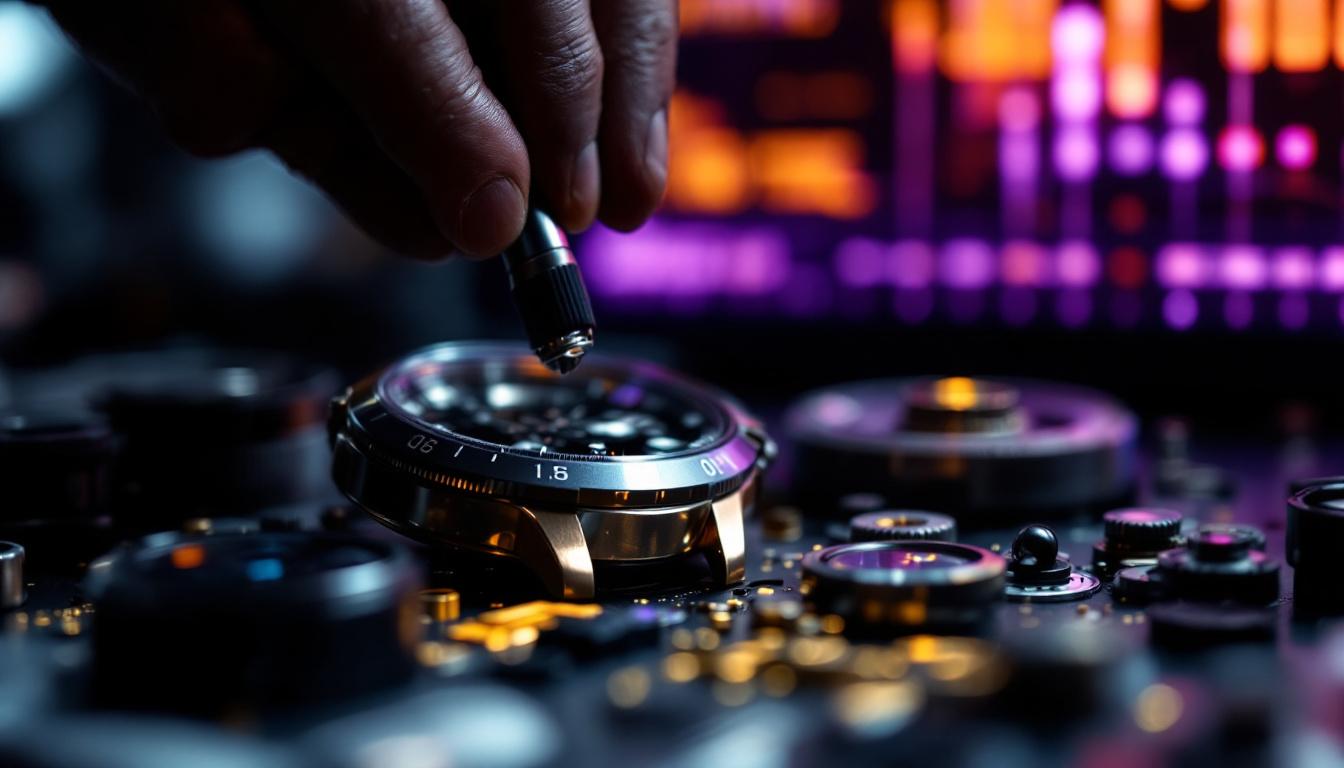
Before starting, place the watch on a soft cloth or a watchmaker’s mat to prevent scratches. Ensure your workspace is well-lit and clean. Wearing gloves or finger cots helps keep the watch free from oils and dirt. If your watch has a rotating bezel, try to identify any notches or gaps where the bezel can be gently pried.
Removing the Bezel
- Locate the Bezel Gap: Examine the edge of the bezel for a small gap or notch. This is often the point where the bezel snaps onto the case.
- Insert the Pry Tool: Carefully insert a plastic or wooden pry tool into the gap. Avoid metal tools at this stage to reduce the risk of scratching.
- Apply Gentle Pressure: Slowly and gently twist or lever the tool to lift the bezel. It should start to pop up without excessive force. If it resists, reassess to avoid damage.
- Use a Bezel Removal Tool if Available: For watches with a screw-down bezel or more secure fittings, a dedicated bezel removal tool may be necessary. These tools are designed to grip the bezel securely and allow controlled rotation or lifting.
- Lift the Bezel Off: Once loosened, carefully lift the bezel off the watch case. Be mindful of any springs or clips that may be attached under the bezel.
Post-Removal Care
After removing the bezel, clean the area thoroughly with a soft cloth. Inspect the bezel and watch case for any damage or wear. If replacing the bezel, ensure the new bezel matches the specifications of your watch to maintain fit and function.
LED Displays in Watches: How They Work and Their Relationship with Bezels
Modern watches often incorporate LED (Light Emitting Diode) displays, especially in digital or hybrid models. Understanding how LED displays function provides insight into why bezel removal can be more complex in these watches compared to traditional analog models.
What is an LED Display?
An LED display uses light-emitting diodes to show information such as time, date, alarms, and other functions. Unlike LCDs (Liquid Crystal Displays), LEDs emit light directly, offering bright, clear visibility even in low-light conditions.
LED watches gained popularity in the 1970s with the advent of digital timekeeping. Today, they are integrated into smartwatches, fitness trackers, and hybrid watches that combine analog hands with digital readouts.
How LED Displays are Integrated into Watches
In watches with LED displays, the screen is usually embedded beneath the crystal and bezel. The bezel may serve several roles:
- Protective Frame: Secures the crystal and LED panel in place.
- Functional Interface: Some bezels include touch-sensitive or rotating controls that interact with the LED display.
- Design Element: Enhances the watch’s aesthetics while accommodating the LED technology.
Because the LED display and bezel are closely integrated, bezel removal in these watches often requires extra care to avoid damaging the delicate electronic components.
Challenges of Removing Bezels on LED Watches
Unlike traditional bezels that are purely mechanical, LED watch bezels may have embedded sensors, buttons, or electrical contacts. Removing the bezel without knowledge or proper tools can lead to:
- Damage to the LED panel or circuitry.
- Disconnection of sensors or buttons.
- Loss of water resistance if seals are disturbed.
Therefore, it is advisable to consult the watch’s manual or manufacturer guidelines before attempting bezel removal on LED watches. In some cases, professional servicing may be the safest option.
Practical Tips for Maintaining Watch Bezels and LED Displays
Proper maintenance extends the life of both the bezel and the LED display, ensuring your watch continues to function and look its best.
Regular Cleaning
Clean your watch regularly with a soft, lint-free cloth. For bezels, especially rotating ones, use a soft brush to remove dirt and debris from crevices. Avoid harsh chemicals that could damage seals or electronic components.
Avoid Excessive Force
When adjusting or cleaning the bezel, apply gentle pressure. For LED watches, avoid pressing hard on the bezel or screen to prevent damage to sensors or the display.
Water Resistance Considerations
Many watches are designed to be water-resistant, but removing the bezel can compromise this feature. Always ensure that gaskets and seals are intact and properly seated after bezel removal and reattachment. If unsure, have a professional perform a water resistance test.
Battery and Electronic Care
For LED watches, battery life and electronic health are crucial. Replace batteries promptly to prevent leakage, and avoid exposing the watch to extreme temperatures or magnetic fields that could affect the LED display.
Conclusion: Combining Craftsmanship with Technology
Removing a watch bezel is a task that blends mechanical skill with an understanding of the watch’s design and technology. Whether dealing with a traditional analog watch or a modern LED-equipped timepiece, careful handling and the right approach are essential to avoid damage.
LED displays have revolutionized watch functionality, offering bright, versatile readouts that complement classic watchmaking. However, their integration with bezels means that maintenance and repairs require additional caution.
By following the steps outlined in this article and respecting the unique features of your watch, you can confidently remove and maintain bezels, ensuring your timepiece remains both beautiful and functional for years to come.
Explore Cutting-Edge LED Display Solutions with LumenMatrix
If you’re inspired by the seamless integration of LED technology in modern timepieces and are looking to elevate your own brand’s visibility, LumenMatrix is your go-to source for innovative LED display solutions. From captivating Indoor and Outdoor LED Wall Displays to versatile Vehicle and Sports LED Displays, our mission is to revolutionize visual communication. Discover how our LED Poster Displays, Floor LED Displays, and Custom LED solutions can create unforgettable visual experiences and enhance engagement. Ready to transform your space with high-impact, clear messaging? Check out LumenMatrix LED Display Solutions today and step into the future of digital signage.