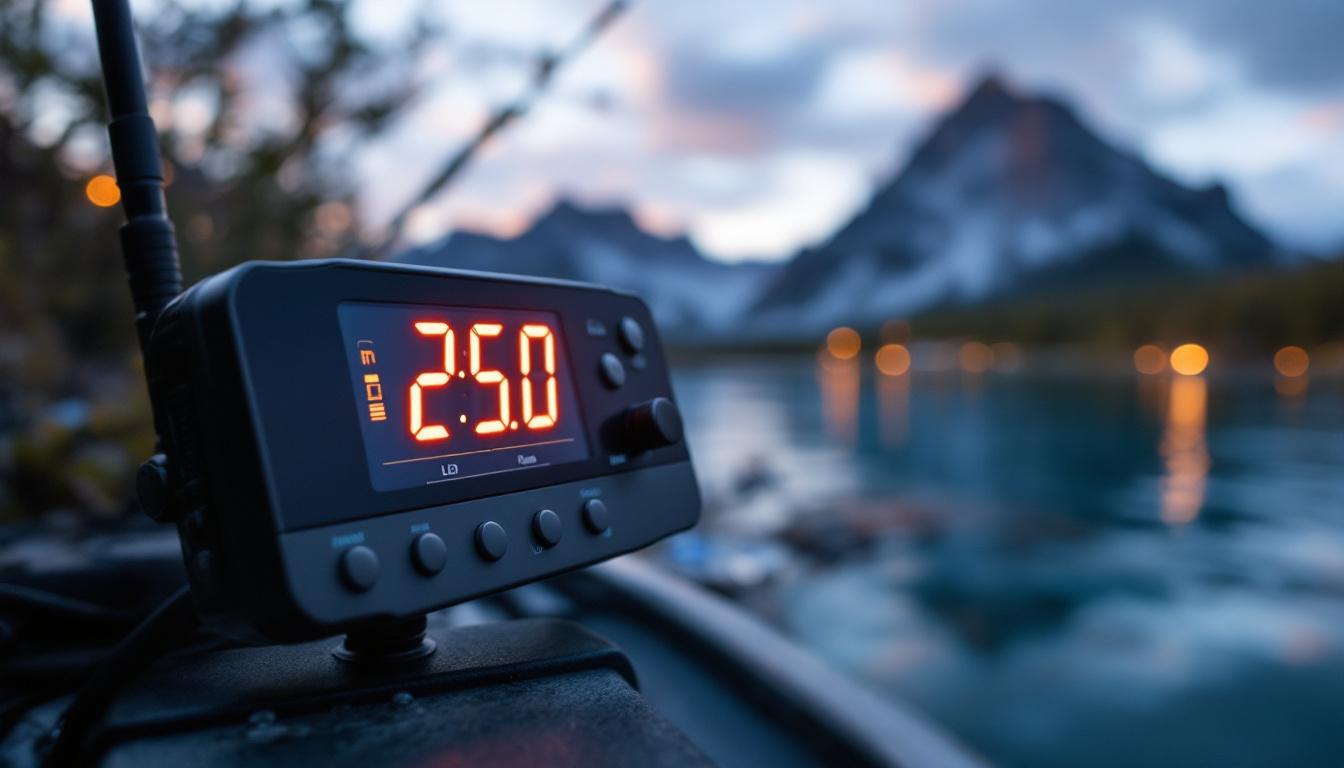
In the world of commercial fishing, technology plays a pivotal role in enhancing efficiency, safety, and overall success. Among the array of tools available to modern fishermen, in line planer boards equipped with LED displays have emerged as a game-changer. These devices combine traditional fishing techniques with cutting-edge technology to improve lure presentation, increase catch rates, and provide critical information in real-time. This article delves into the intricacies of in line planer boards with LED displays, exploring their design, functionality, benefits, and practical applications.
Understanding In Line Planer Boards
What Are In Line Planer Boards?
In line planer boards are specialized fishing accessories designed to spread fishing lines laterally away from a boat’s hull. Unlike traditional planer boards that operate from the side, in line planer boards run directly behind the boat in a straight line, allowing anglers to cover more water and present multiple lures simultaneously without tangling lines.
These boards are typically made from durable materials such as fiberglass or high-impact plastic and come in various sizes tailored to different fishing conditions and target species. Their streamlined design minimizes drag, enabling smoother trolling and better control over lure depth and movement. Additionally, many in line planer boards are equipped with adjustable weights, which allow anglers to fine-tune their setup based on the water conditions and the specific behavior of the fish they are targeting. This versatility makes them an essential tool for both novice and experienced anglers alike.
The Evolution of Planer Boards in Fishing
Planer boards have been a staple in sport and commercial fishing for decades, primarily used to increase the spread of lures and mimic natural prey movements. Traditional boards rely on mechanical or manual adjustments to control their position and depth. However, with advancements in electronics and materials science, modern in line planer boards now incorporate sophisticated features such as LED displays, remote control, and telemetry.
These innovations have revolutionized how anglers interact with their gear, allowing for precise adjustments and real-time monitoring of lure behavior, which significantly improves fishing outcomes. Furthermore, the integration of GPS technology into some models enables anglers to track their boards’ positions and optimize their fishing patterns based on the most productive areas of the water. This level of technological advancement not only enhances the fishing experience but also contributes to more sustainable practices by allowing anglers to target specific species while minimizing bycatch. As the fishing industry continues to evolve, it is likely that in line planer boards will become even more sophisticated, incorporating features that further enhance their effectiveness on the water.
The Role of LED Displays on In Line Planer Boards
What Does the LED Display Show?
The LED display on an in line planer board serves as an intuitive interface that provides anglers with critical data about the board’s status and fishing conditions. Commonly displayed information includes:
- Board Position: Indicates the lateral distance from the boat, helping anglers maintain optimal spread.
- Depth Readings: Shows how deep the lure is running, crucial for targeting specific fish species.
- Speed and Direction: Provides feedback on trolling speed and board angle relative to the boat’s course.
- Strike Alerts: Some advanced models feature sensors that detect fish strikes and notify the angler immediately.
This real-time feedback allows for dynamic adjustments, ensuring that lures are presented in the most effective manner possible. Furthermore, many LED displays also include customizable settings that enable anglers to tailor the information based on their specific fishing style or target species. For instance, some anglers may prefer to prioritize depth readings over speed, while others might focus on strike alerts to maximize their catch rate. This level of personalization enhances the fishing experience, making it not only more efficient but also more enjoyable.
Advantages of LED Displays Over Traditional Indicators
Before the integration of LED displays, anglers relied heavily on visual cues such as board angle, line tension, or water disturbance to gauge lure position and activity. These methods, while effective, are often imprecise and require considerable experience to interpret accurately.
LED displays offer several advantages:
- Enhanced Visibility: Bright, clear readouts are visible even in low-light or adverse weather conditions, reducing eye strain and guesswork.
- Accuracy: Digital sensors provide precise measurements, minimizing errors associated with manual estimation.
- Ease of Use: Simplifies complex data into easily understandable metrics, making it accessible for anglers of all skill levels.
- Integration: Can be connected with other onboard electronics such as GPS and fish finders for comprehensive situational awareness.
Moreover, the integration of LED displays into in line planer boards has revolutionized the way anglers interact with their gear. The ability to sync with mobile apps or onboard systems means that anglers can track their performance over time, analyze patterns, and even share data with fellow fishing enthusiasts. This technological advancement not only enhances individual fishing strategies but also fosters a community of knowledge sharing among anglers, encouraging them to learn from one another and improve their techniques. As technology continues to evolve, we can expect even more innovative features that will further enhance the fishing experience, making it more engaging and successful.
Technical Components and Functionality
Core Sensors and Electronics
At the heart of LED-equipped in line planer boards are a suite of sensors and microprocessors that collect and process data. Common components include:
- Depth Sensors: Often sonar-based, these measure the distance between the lure and the water surface or bottom.
- Position Sensors: Utilize GPS or inertial measurement units (IMUs) to determine the board’s lateral and longitudinal position relative to the boat.
- Speed Sensors: Monitor the trolling speed, which is critical for maintaining lure action.
- Strike Detection Sensors: Detect sudden changes in tension or movement indicative of a fish bite.
These sensors feed data to an onboard microcontroller, which interprets the information and drives the LED display accordingly.
Power and Connectivity
Powering the LED display and sensors requires efficient energy management. Most in line planer boards use rechargeable lithium-ion batteries designed for marine environments, offering several hours of continuous operation. Waterproofing and corrosion resistance are essential to ensure longevity and reliability.
Connectivity options vary by model but often include wireless communication protocols such as Bluetooth or proprietary RF signals. This enables anglers to receive data on handheld devices or integrate the planer board’s output with the boat’s main control systems.
Practical Benefits for Commercial and Sport Fishing
Improved Catch Rates and Efficiency
One of the primary benefits of in line planer boards with LED displays is their ability to enhance catch rates. By providing accurate information about lure position and movement, anglers can optimize their trolling patterns to target specific species more effectively.
Studies have shown that using planer boards can increase catch rates by up to 30% compared to traditional trolling methods. The addition of LED displays further refines this advantage by reducing guesswork and allowing for quicker response to fish activity.
Enhanced Safety and Convenience
Fishing in open waters, especially under challenging weather conditions, demands constant vigilance. LED displays reduce the need for anglers to visually monitor the boards continuously, allowing them to focus on navigation and other tasks.
Moreover, strike alerts and real-time data help prevent line tangles and lost lures, saving time and reducing frustration. This convenience is particularly valuable during long fishing expeditions where fatigue can impair judgment.
Environmental Considerations
Modern in line planer boards with LED technology are designed with sustainability in mind. By improving fishing efficiency, they help minimize unnecessary bait and tackle loss, reducing environmental impact. Additionally, many manufacturers use eco-friendly materials and energy-efficient components to lower the carbon footprint of their products.
Choosing the Right In Line Planer Board with LED Display
Factors to Consider
Selecting the appropriate in line planer board depends on several factors, including:
- Target Species: Different fish require varying lure depths and presentation styles.
- Fishing Environment: Freshwater versus saltwater, calm lakes versus turbulent seas, all influence board design.
- Boat Size and Trolling Speed: Larger boats and higher speeds may necessitate more robust boards with advanced sensor arrays.
- Budget: LED-equipped boards range from affordable entry-level models to premium units with extensive features.
Popular Models and Innovations
Several brands have pioneered the integration of LED displays in in line planer boards. For example, models featuring customizable LED color schemes allow for easy identification of multiple boards deployed simultaneously. Others incorporate smartphone app connectivity, enabling remote control and data logging for post-trip analysis.
Innovations such as solar charging capabilities and modular sensor upgrades are also becoming more common, offering flexibility and sustainability for serious anglers.
Maintenance and Best Practices
Routine Care for Longevity
Maintaining in line planer boards with LED displays involves regular cleaning, battery management, and sensor calibration. After each use, especially in saltwater environments, rinsing with fresh water helps prevent corrosion. Batteries should be charged according to manufacturer guidelines to preserve lifespan.
Periodic inspection of wiring, connectors, and display units ensures reliable performance. Firmware updates, when available, can enhance functionality and fix bugs.
Tips for Optimal Use
To maximize the benefits of LED-equipped in line planer boards, anglers should:
- Calibrate sensors before each trip to ensure accurate readings.
- Experiment with different board placements and speeds to find the most effective configurations.
- Monitor LED alerts closely during trolling to respond promptly to strikes.
- Integrate data from the planer board with other onboard electronics for comprehensive situational awareness.
Conclusion
In line planer boards with LED displays represent a significant advancement in fishing technology, blending traditional methods with modern electronics to enhance performance and user experience. By providing precise, real-time data on lure position, depth, and activity, these devices empower anglers to fish smarter, safer, and more sustainably.
Whether for commercial operations aiming to maximize yield or sport fishermen seeking an edge on the water, investing in LED-equipped in line planer boards offers tangible benefits. As technology continues to evolve, these tools will undoubtedly become even more integral to successful fishing endeavors worldwide.
Discover Advanced LED Technology for Your Fishing Gear
Ready to elevate your fishing experience with the latest in LED display technology? LumenMatrix offers a wide range of innovative LED display solutions that can transform your in line planer boards and enhance your fishing strategies. From Indoor and Outdoor LED Wall Displays to specialized LED Sports Displays and Custom LED solutions, LumenMatrix is at the forefront of creating immersive and dynamic visual experiences. Embrace the future of fishing with LED displays that offer clarity, durability, and advanced functionality. Check out LumenMatrix LED Display Solutions today and see the difference for yourself.