In an era where digital displays dominate our personal and professional environments, the demand for durable, high-performance monitors has never been greater. Whether it’s for industrial applications, outdoor advertising, or rugged workspaces, the concept of an “indestructible” monitor is more than a marketing term—it’s a necessity. Central to this durability and performance is the technology behind the display itself, with LED (Light Emitting Diode) displays leading the charge.
This article delves deep into the world of LED monitors, exploring what makes them resilient, how they function, and why they are becoming the preferred choice for environments where standard monitors simply won’t suffice. From the science of LED technology to real-world applications, this comprehensive guide will illuminate the key factors that define an indestructible LED monitor.
Understanding LED Display Technology
What is an LED Display?
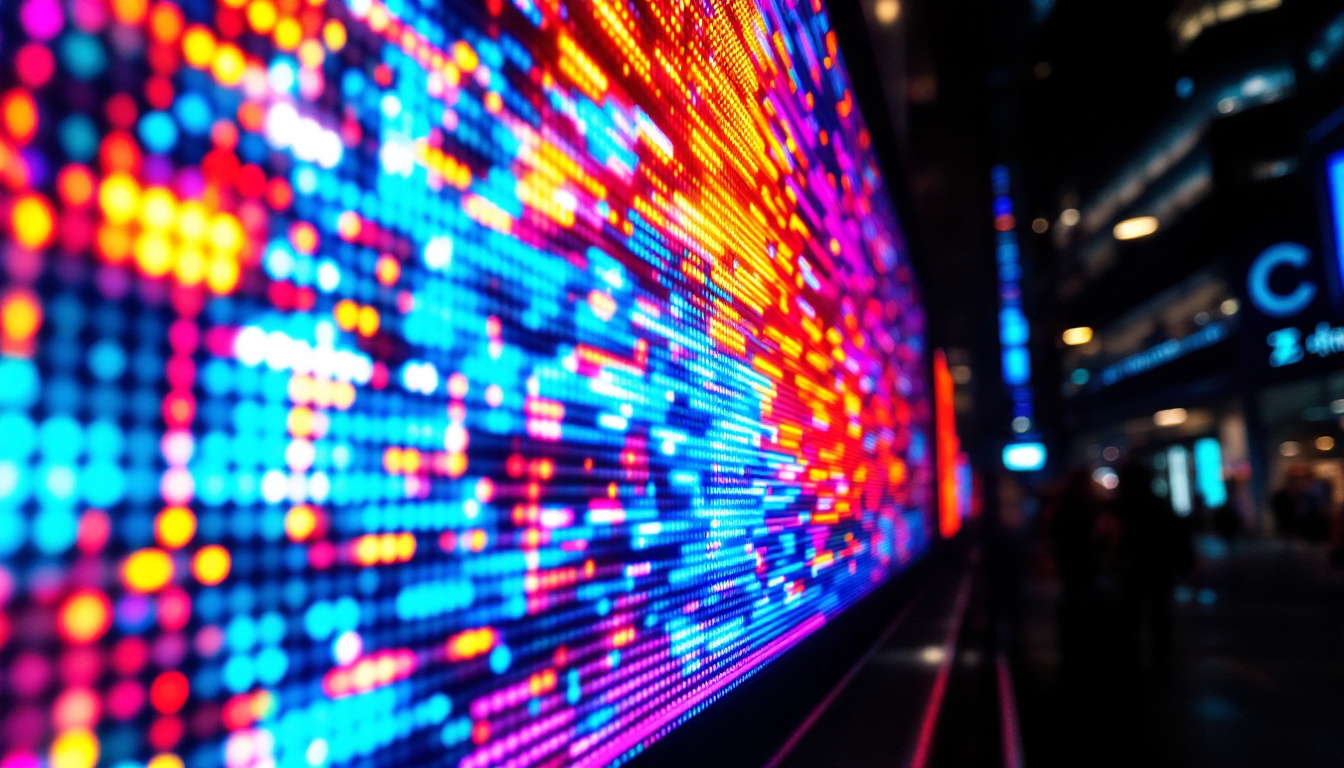
LED displays are screens that use light-emitting diodes as pixels to create images. Unlike traditional LCD monitors, which rely on fluorescent backlighting, LED monitors use an array of tiny LEDs to illuminate the screen. This fundamental difference offers several advantages in terms of brightness, color accuracy, and energy efficiency.
There are two primary types of LED displays: direct LED and edge-lit LED. Direct LED monitors have LEDs placed directly behind the screen, providing uniform brightness and better contrast. Edge-lit LED displays position LEDs along the edges of the screen, which allows for thinner designs but may sacrifice some uniformity in lighting. Additionally, advancements in technology have led to the development of mini-LED and micro-LED displays, which utilize even smaller diodes to achieve higher levels of brightness and contrast, further enhancing the visual experience. These innovations are particularly beneficial for high dynamic range (HDR) content, where the difference between the darkest and brightest parts of an image is crucial for realism.
How LEDs Enhance Durability
LEDs are inherently robust because they are solid-state devices. Unlike fluorescent bulbs or other backlighting technologies that contain fragile components such as glass tubes filled with gases, LEDs are made from semiconductor materials that can withstand shocks, vibrations, and temperature fluctuations.
This durability translates directly into the monitor’s ability to survive harsh environments. For example, LED monitors can operate reliably in temperatures ranging from -20°C to 50°C (-4°F to 122°F), making them suitable for outdoor installations or industrial settings where temperature control is limited. Furthermore, the absence of fragile glass components means that LED displays are less likely to suffer from breakage, making them ideal for use in high-traffic areas or locations prone to accidental impacts, such as public transportation hubs or sports arenas.
Energy Efficiency and Longevity
Energy efficiency is another hallmark of LED technology. LEDs consume significantly less power than traditional backlighting methods, which not only reduces operational costs but also generates less heat. Lower heat output means less stress on internal components, extending the monitor’s overall lifespan.
On average, LED monitors can last between 50,000 to 100,000 hours of use, depending on the quality and application. This longevity is a critical factor in environments where replacing monitors frequently is impractical or costly. Additionally, the energy savings associated with LED technology contribute to a reduced carbon footprint, making them a more environmentally friendly choice. As businesses and consumers alike become more conscious of their ecological impact, the shift towards LED displays represents not just a technological upgrade, but also a commitment to sustainability. The combination of long life, low energy consumption, and minimal maintenance requirements makes LED displays a wise investment for both residential and commercial applications.
Key Features of Indestructible LED Monitors
Ruggedized Enclosures and Materials
The physical casing of an indestructible LED monitor plays a vital role in its resilience. These monitors typically feature enclosures made from high-strength materials such as aluminum alloys or reinforced polycarbonate. These materials provide excellent resistance to impacts, scratches, and corrosion.
Additionally, many rugged monitors come with protective glass or acrylic panels that are chemically treated or laminated to resist shattering. Some use Gorilla Glass, a toughened glass developed by Corning, which is widely recognized for its durability and scratch resistance.
Ingress Protection Ratings
Ingress Protection (IP) ratings are a standardized way to measure how well a device is sealed against dust and water. Indestructible LED monitors often boast IP65 or higher ratings, meaning they are dust-tight and protected against water jets from any direction.
This level of protection is crucial for outdoor digital signage or industrial use, where exposure to dust storms, rain, or even cleaning processes is common. An IP67 rating, for example, indicates that the monitor can withstand immersion in water up to one meter deep for 30 minutes, further enhancing its reliability in extreme conditions.
Shock and Vibration Resistance
In environments such as manufacturing plants, transportation hubs, or military operations, monitors must endure constant vibrations and occasional shocks. Indestructible LED monitors are engineered with shock-absorbing mounts and internal components that can tolerate these stresses without performance degradation.
Some models undergo rigorous testing based on MIL-STD-810G standards—a U.S. military testing protocol that assesses equipment durability under various environmental conditions. Meeting or exceeding these standards ensures the monitor can handle drops, shocks, and vibrations typical of demanding workspaces.
Applications Where Indestructible LED Monitors Excel
Industrial and Manufacturing Environments
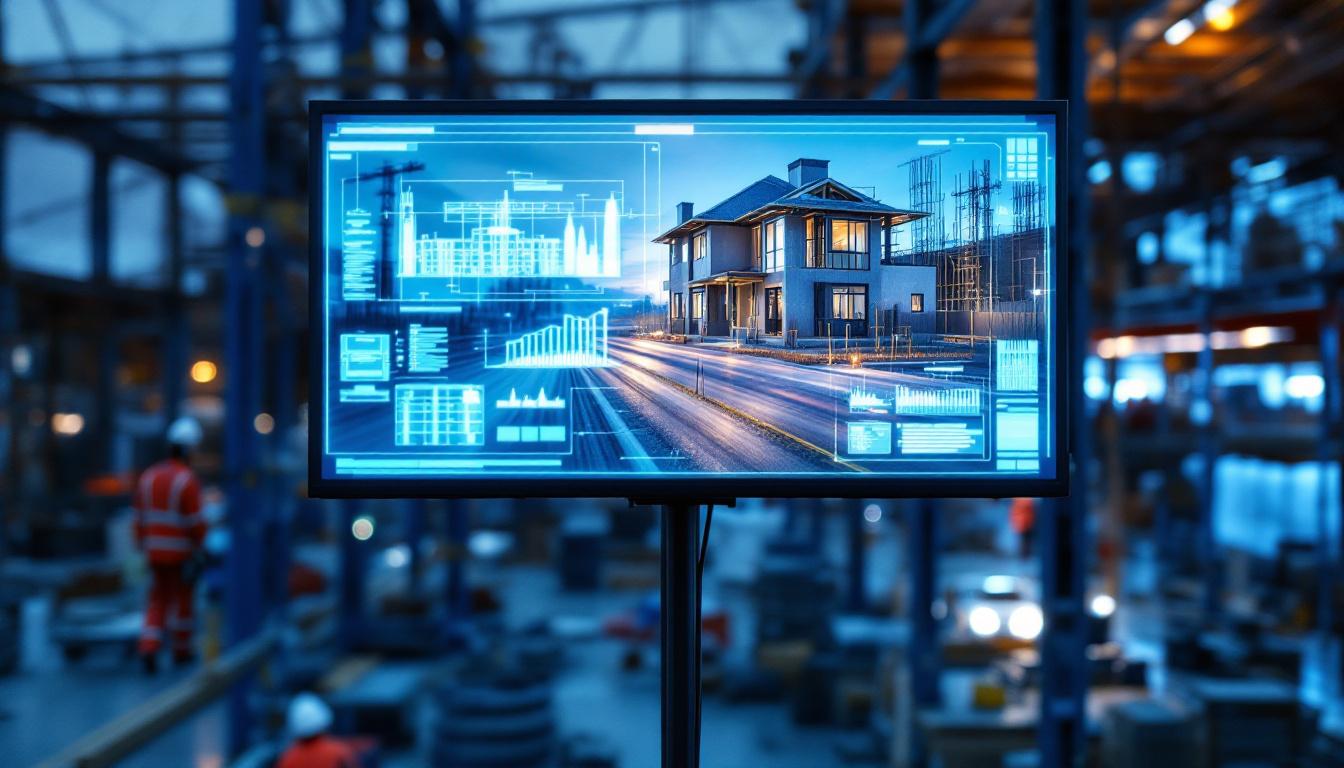
Factories and production lines often expose monitors to dust, grease, moisture, and mechanical impact. Indestructible LED monitors provide clear, reliable displays for monitoring processes, controlling machinery, and displaying critical data in real-time.
For example, automotive assembly plants use rugged monitors to display assembly instructions and quality control data. These monitors must operate flawlessly despite exposure to oil splashes, dust, and vibrations from heavy machinery.
Outdoor Digital Signage and Advertising
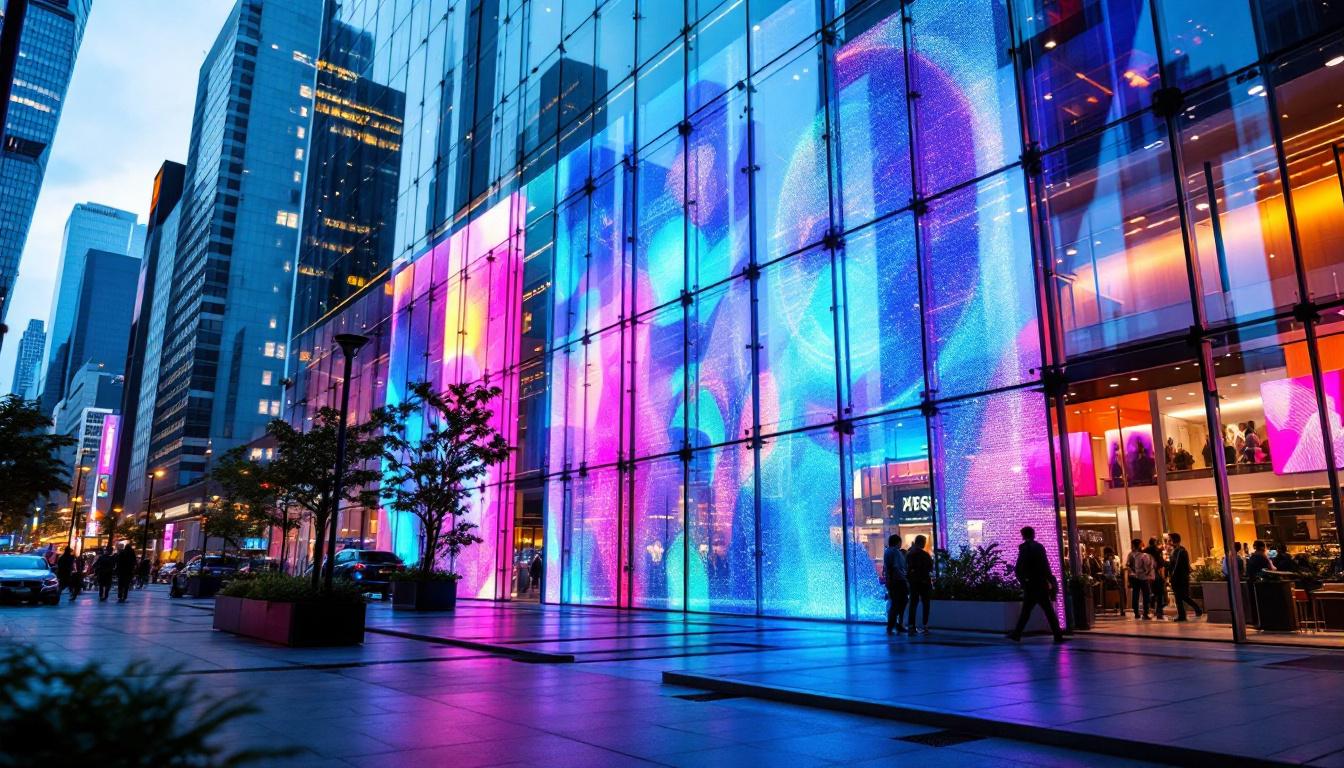
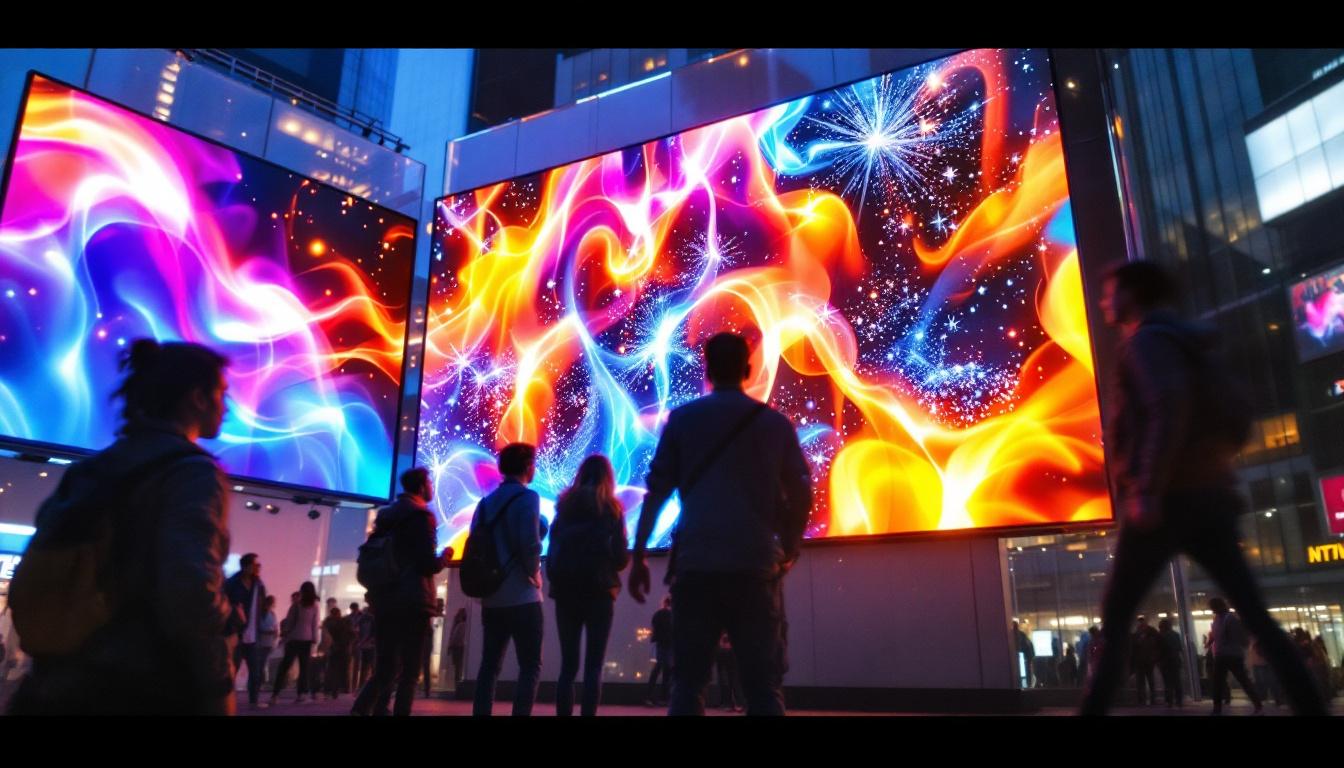
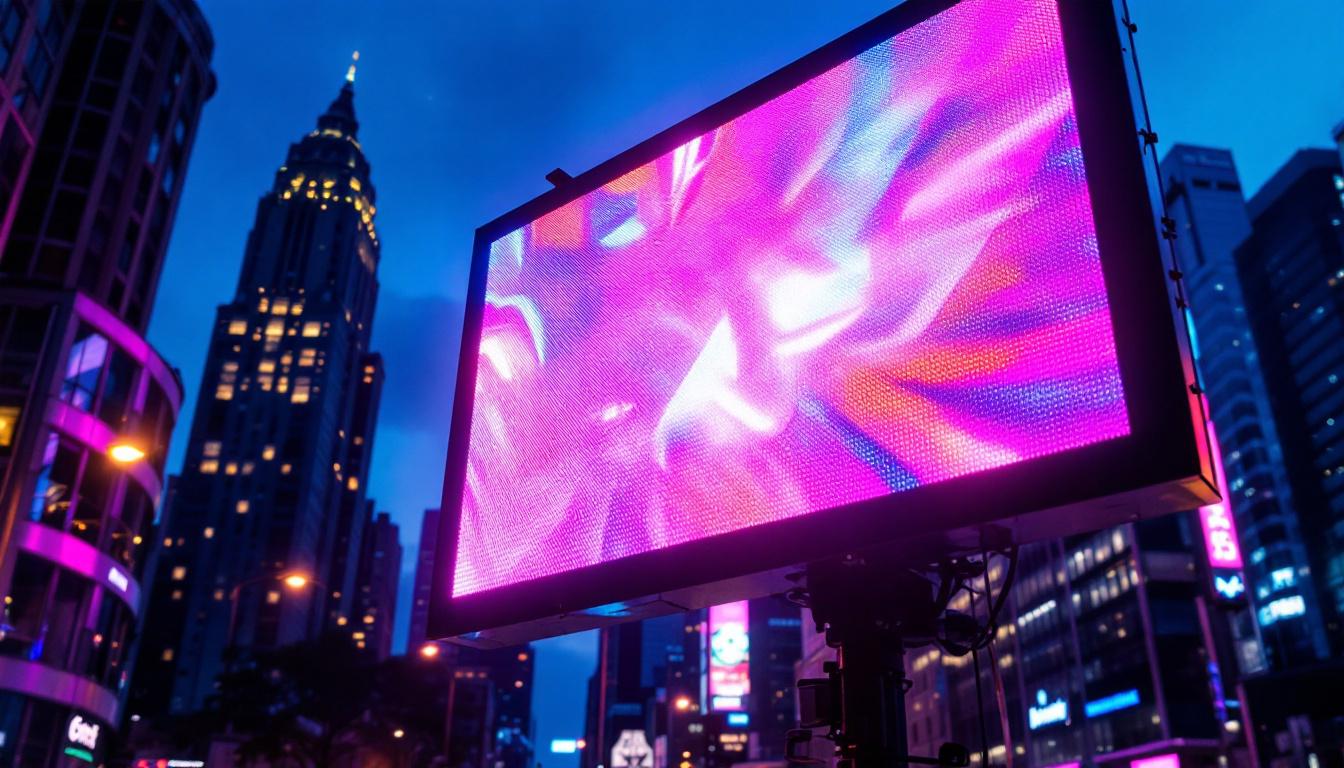
Outdoor advertising demands displays that can withstand sunlight, rain, wind, and temperature extremes while maintaining vibrant image quality. LED technology’s high brightness levels—often exceeding 1,000 nits—ensure visibility even in direct sunlight, a critical advantage over traditional LCDs.
Indestructible LED monitors with high IP ratings and anti-glare coatings are ideal for billboards, transportation stops, and stadium displays. Their ability to operate continuously with minimal maintenance reduces downtime and operational costs.
Military and Defense Applications
Military operations require equipment that is both reliable and rugged. Indestructible LED monitors are used in command centers, vehicles, and field operations where durability and clarity can be mission-critical.
These monitors often feature enhanced security options, such as encrypted data transmission and tamper-resistant designs, alongside their physical robustness. Their ability to function in extreme temperatures and resist shock makes them indispensable in defense scenarios.
Healthcare and Medical Facilities
While durability is important, healthcare environments also demand precision and clarity. Indestructible LED monitors used in surgical suites or patient monitoring systems combine ruggedness with high-resolution displays and easy-to-clean surfaces to meet strict hygiene standards.
The ability to withstand frequent cleaning with disinfectants without degradation is a key feature, ensuring that these monitors remain reliable and safe for critical medical use.
Technological Innovations Driving the Future of Durable LED Monitors
MicroLED and MiniLED Technologies
Emerging technologies like MicroLED and MiniLED promise to push the boundaries of LED display performance and durability even further. MicroLED displays use microscopic LEDs to create each pixel, offering superior brightness, contrast, and energy efficiency compared to conventional LEDs.
These advancements also contribute to thinner, lighter, and more robust monitors. Because MicroLEDs are self-emissive, they eliminate the need for backlighting layers, reducing complexity and potential points of failure.
Flexible and Transparent LED Displays
Innovation is also moving toward flexible and transparent LED displays, which open new possibilities for rugged monitors. Flexible displays can conform to curved surfaces, making them ideal for vehicles or wearable devices that require durability and adaptability.
Transparent LED displays allow for heads-up displays or augmented reality applications, combining durability with cutting-edge functionality. While still emerging, these technologies are expected to become more prevalent in the next five years.
Advanced Protective Coatings and Treatments
Manufacturers are investing in advanced coatings that enhance scratch resistance, reduce glare, and improve waterproofing. Nanocoatings that repel dust and liquids help maintain screen clarity and reduce maintenance needs.
Additionally, anti-reflective and anti-fingerprint treatments improve user experience in challenging environments, ensuring that the display remains legible and responsive under all conditions.
Choosing the Right Indestructible LED Monitor
Assessing Environmental Requirements
When selecting an indestructible LED monitor, understanding the specific environmental challenges is paramount. Consider factors such as temperature ranges, exposure to moisture or dust, and the likelihood of physical impacts.
For instance, a monitor installed in a desert environment will require high dust protection and heat resistance, whereas one used in a cold storage facility must perform reliably at low temperatures.
Display Size and Resolution Considerations
The intended use will dictate the optimal screen size and resolution. Industrial control rooms might need large, high-resolution monitors to display complex data, while outdoor signage may prioritize brightness and viewing angle over ultra-high resolution.
Balancing these factors ensures the monitor not only survives the environment but also delivers the necessary visual performance.
Connectivity and Integration
Robust connectivity options are essential for seamless integration into existing systems. Look for monitors that support multiple input types (HDMI, DisplayPort, VGA) and network connectivity for remote management and diagnostics.
Some rugged monitors also offer modular designs, allowing for easy upgrades or repairs, which can extend the product’s lifecycle and reduce total cost of ownership.
Budget and Total Cost of Ownership
While indestructible LED monitors may have a higher upfront cost compared to standard displays, their durability and reduced maintenance often result in lower total cost of ownership. Factoring in potential downtime, replacement frequency, and energy savings is critical when making a purchasing decision.
Investing in a high-quality rugged monitor can pay dividends in reliability and performance, particularly in mission-critical applications.
Conclusion
Indestructible LED monitors represent a fusion of advanced technology and rugged engineering designed to meet the demands of challenging environments. Their solid-state LED technology, combined with robust enclosures, high ingress protection, and shock resistance, ensures they can withstand conditions that would quickly degrade conventional monitors.
From industrial floors and outdoor advertising to military operations and healthcare settings, these monitors deliver reliable performance and longevity. As innovations like MicroLED and flexible displays continue to evolve, the future promises even more resilient and versatile LED monitors.
For organizations seeking dependable visual solutions that stand the test of time and environment, understanding the technology and features behind indestructible LED monitors is essential. This knowledge enables informed decisions that enhance operational efficiency, safety, and user experience across a wide range of applications.
Discover Indestructible LED Monitors by LumenMatrix
Ready to elevate your visual experience with robust and innovative display solutions? Look no further than LumenMatrix, a pioneer in LED display technology. Our comprehensive range of products, from Indoor and Outdoor LED Wall Displays to specialized solutions like Vehicle LED Displays and LED Sports Displays, are designed to meet the diverse needs of any challenging environment. Embrace the future with our advanced MicroLED and flexible displays, and let LumenMatrix transform your visual communication with displays that promise durability, engagement, and unparalleled clarity. Check out LumenMatrix LED Display Solutions today and witness the revolution in indestructible LED monitors.