In the rapidly evolving world of digital signage, LED video walls have become a cornerstone for businesses aiming to captivate audiences with vibrant, large-scale displays. Among the popular configurations, the 3×3 video wall—comprising nine LED panels arranged in a grid—strikes an ideal balance between size, resolution, and cost. Whether it’s for retail environments, corporate lobbies, control rooms, or event venues, understanding the pricing dynamics of a 3×3 LED video wall is essential for making informed purchasing decisions.
This article delves into the factors influencing the price of 3×3 LED video walls, explains the technology behind them, and provides guidance on what to expect when budgeting for such installations.
Understanding the Basics of 3×3 LED Video Walls
What is a 3×3 LED Video Wall?
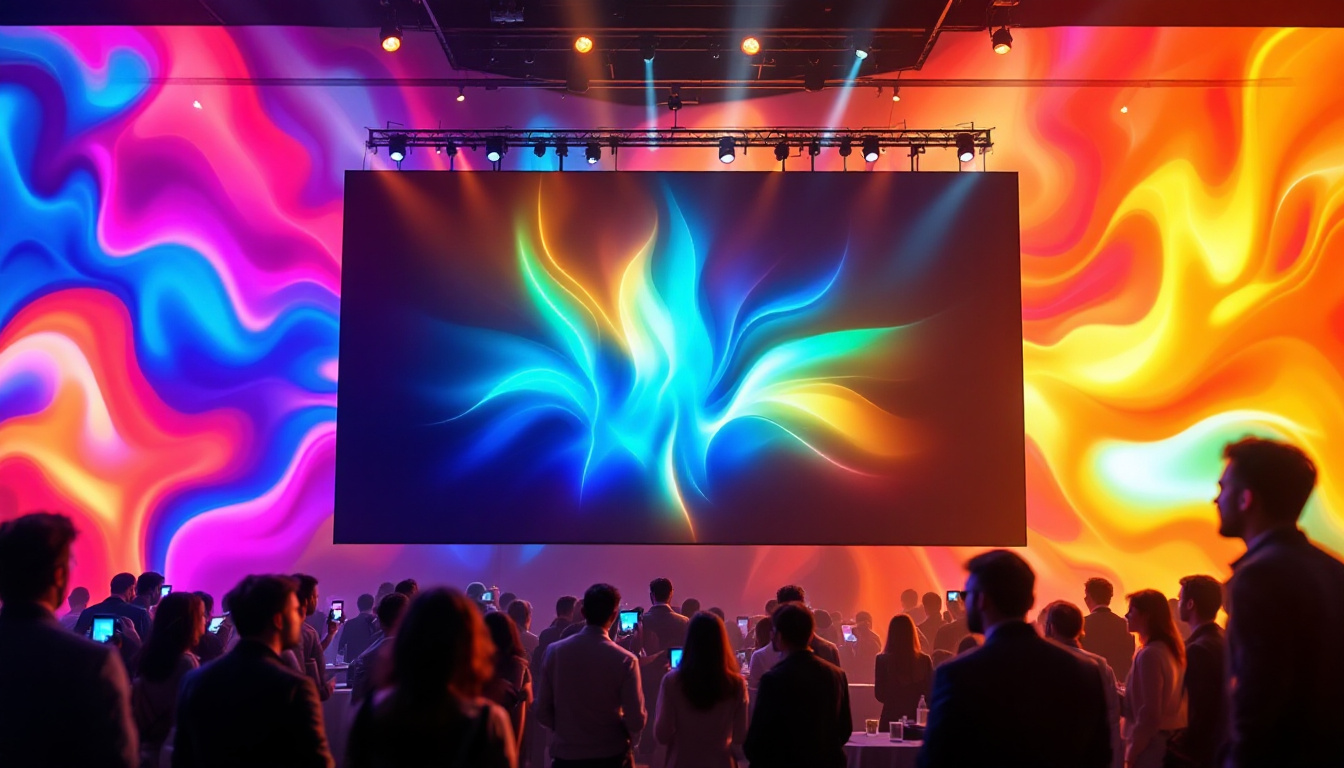
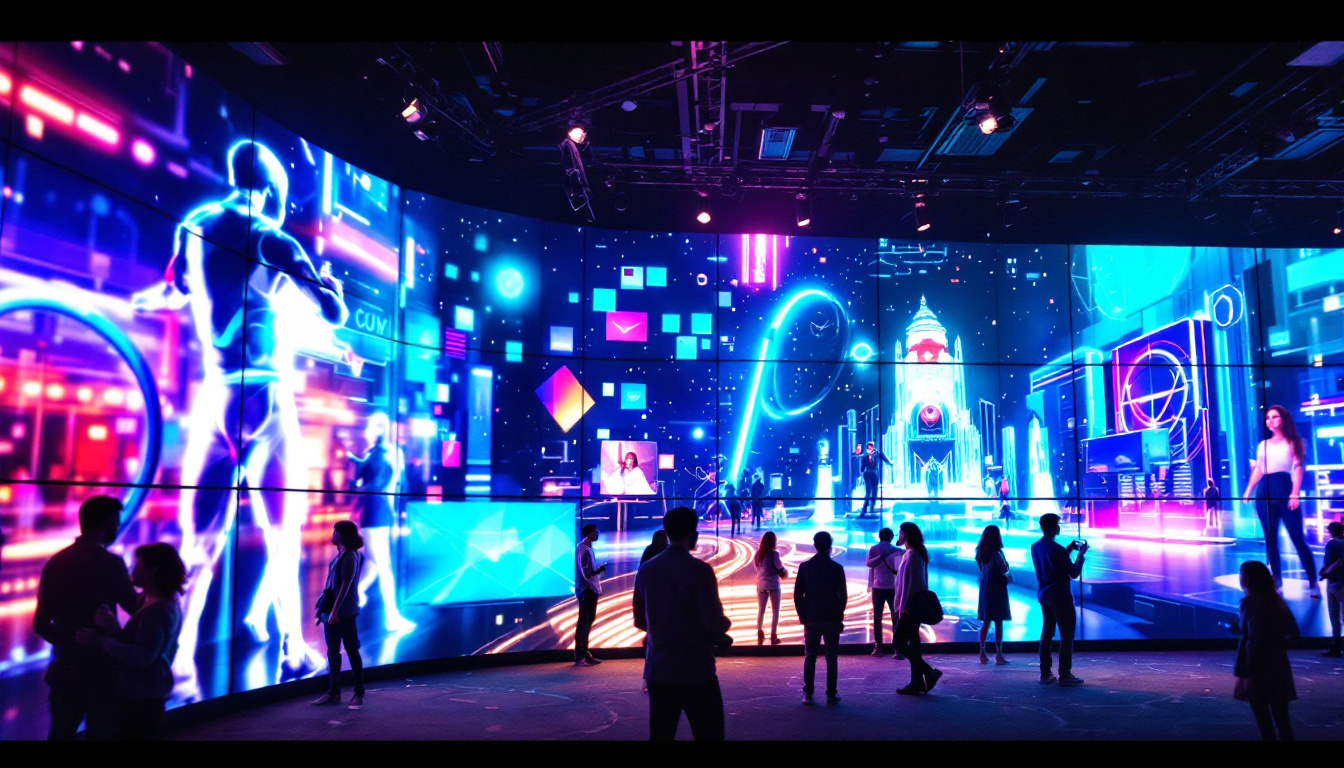
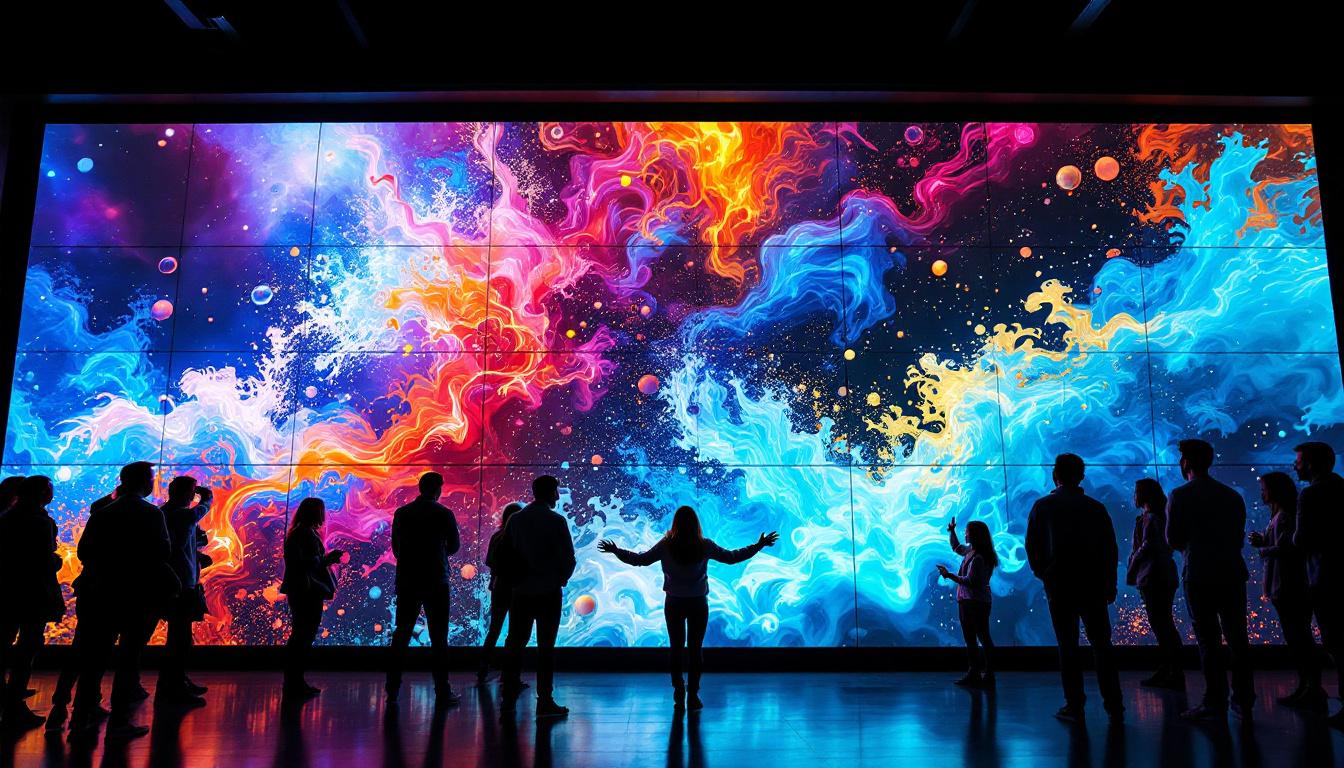
A 3×3 LED video wall consists of nine individual LED display panels arranged in a grid of three rows and three columns. Each panel contributes to the overall resolution and size of the video wall, creating a seamless, large-format screen that can display high-definition content, dynamic videos, or real-time data. This configuration not only enhances visual impact but also allows for a variety of content to be showcased simultaneously, making it an ideal choice for events, presentations, and public displays.
The modular nature of these walls allows for scalability and customization, making them suitable for various applications ranging from advertising to command and control centers. For instance, in a retail environment, a 3×3 LED video wall can be used to display promotional videos, product information, or interactive content that engages customers. In a corporate setting, these walls can serve as a powerful tool for presentations, enabling companies to convey complex information in a visually appealing and easily digestible format.
How LED Technology Works in Video Walls
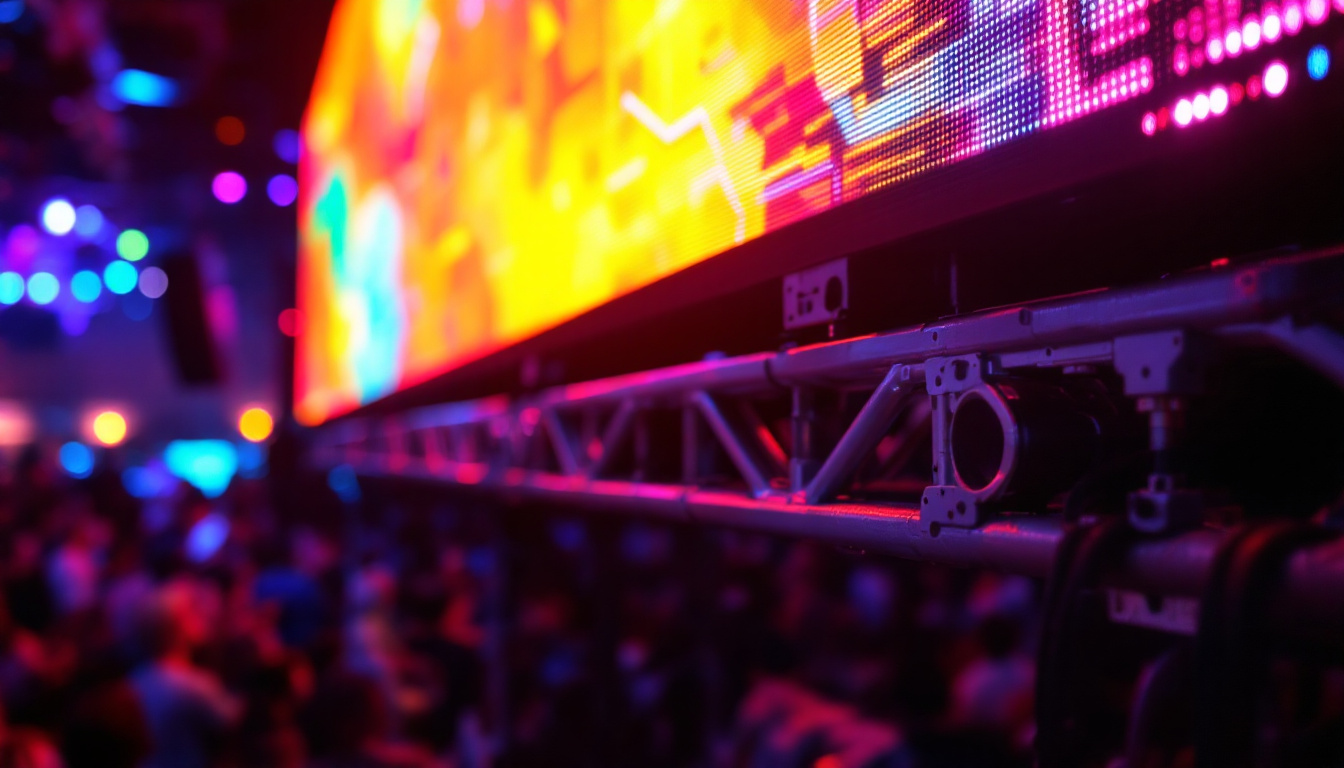
LED stands for Light Emitting Diode, a semiconductor device that emits light when an electric current passes through it. LED video walls use thousands of tiny LEDs arranged in pixels to produce images. The brightness, color accuracy, and contrast of LED displays are superior to traditional LCD screens, especially in environments with high ambient light. This capability makes LED video walls particularly effective in outdoor settings or brightly lit venues, where visibility can be a challenge.
Modern LED panels are designed with fine pixel pitches—measured in millimeters—which determine the distance between individual LEDs. Smaller pixel pitches yield higher resolution and sharper images but typically come at a higher cost. As technology advances, manufacturers are continually innovating to reduce costs while improving performance, leading to a wider range of options for consumers. Additionally, many LED video walls now incorporate advanced features such as curved designs and interactive touch capabilities, further expanding their versatility and potential applications in various industries.
Key Factors Influencing the Price of a 3×3 LED Video Wall
Pixel Pitch and Resolution
Pixel pitch is one of the most significant determinants of price. For a 3×3 video wall, pixel pitches can range from as low as 0.9mm (ultra-fine pitch) to 4mm or more (coarser pitch). A smaller pixel pitch means more LEDs per panel, resulting in higher resolution and better image clarity, but also higher manufacturing costs.
For example, a 3×3 video wall with a 1.5mm pixel pitch might cost two to three times more than one with a 3mm pixel pitch. Businesses must weigh the need for image quality against budget constraints and viewing distance, as ultra-fine pitch displays are best suited for close-up viewing. Additionally, the choice of pixel pitch can significantly influence the viewer’s experience; for instance, in environments where detailed graphics or text are essential, such as control rooms or retail displays, a finer pixel pitch can make a substantial difference in clarity and engagement.
Panel Size and Overall Dimensions
The physical size of each LED panel impacts the total cost. Standard panels typically measure around 500mm x 500mm or 640mm x 640mm, but sizes can vary. Larger panels reduce the number of seams but may be more expensive to manufacture and transport.
A 3×3 configuration using 500mm panels results in a roughly 1.5m by 1.5m video wall, while 640mm panels produce a larger display of about 1.92m by 1.92m. The total display size influences installation complexity and mounting hardware costs as well. Furthermore, larger displays can enhance audience engagement, making them ideal for events, concerts, and exhibitions where visibility from a distance is crucial. However, businesses should consider the physical space available for installation, as larger panels may require more robust mounting solutions and structural support.
Brightness and Color Calibration
Brightness levels, measured in nits, affect visibility in different lighting environments. Indoor LED walls typically offer 800 to 1500 nits, while outdoor models can exceed 5000 nits. Higher brightness displays use more power and more advanced components, increasing cost.
Color calibration and uniformity are critical for professional-grade video walls. Premium models include factory calibration and software tools to ensure consistent color reproduction across all panels, which adds to the price but enhances visual impact. In applications such as advertising or live broadcasting, where color accuracy is paramount, investing in high-quality calibration tools can significantly elevate the overall presentation quality. Moreover, the ability to adjust brightness and color settings dynamically can also help maintain optimal performance in varying ambient light conditions, further justifying the investment in advanced calibration technologies.
Processing and Control Systems
The video wall controller and processing hardware are essential for managing content across the 3×3 array. Controllers handle signal distribution, scaling, and synchronization to ensure seamless playback. Advanced controllers that support 4K or 8K input, multiple video sources, or interactive features come at a premium.
Additionally, software licenses for content management and remote monitoring may be bundled or sold separately, influencing the overall investment. The choice of processing system can also impact the flexibility of content delivery; for instance, systems that allow for real-time updates or interactive content can significantly enhance viewer engagement. Businesses should also consider future-proofing their investment by selecting controllers that support emerging technologies and formats, ensuring that the video wall remains relevant and functional as media consumption trends evolve.
Installation and Maintenance Costs
Installation complexity varies based on the mounting system, wall surface, and integration with existing infrastructure. Professional installation is highly recommended to ensure safety, alignment, and optimal performance, typically adding 10-20% to the hardware cost.
Maintenance agreements, including periodic calibration, cleaning, and repairs, should be factored into the total cost of ownership. LED panels generally have long lifespans (50,000 to 100,000 hours), but component replacements and software updates may incur additional expenses. Regular maintenance not only extends the life of the video wall but also ensures that it continues to perform at peak efficiency, providing consistent image quality and reducing the likelihood of unexpected failures. Moreover, businesses may want to explore service agreements that offer proactive support, allowing for quick resolutions to any technical issues that may arise, thereby minimizing downtime and maintaining operational continuity.
Typical Price Ranges for 3×3 LED Video Walls
Entry-Level Solutions
Entry-level 3×3 LED video walls with a pixel pitch around 3mm to 4mm are suitable for large venues where viewers are positioned several meters away. Prices for these systems typically start around $20,000 to $30,000, including basic controllers and installation.
These solutions offer good brightness and decent color quality but may lack ultra-fine resolution and advanced features. They are ideal for retail displays, event backdrops, or public information boards.
Mid-Range Options
Mid-range 3×3 configurations with pixel pitches between 1.5mm and 2.5mm offer sharper images and better color accuracy. These systems generally cost between $40,000 and $70,000, depending on panel quality, brightness, and included control systems.
This price bracket is popular among corporate environments, broadcast studios, and control rooms where image clarity and reliability are paramount.
High-End and Custom Installations
High-end 3×3 LED video walls with ultra-fine pixel pitches below 1.5mm and advanced features such as HDR support, high refresh rates, and professional calibration can exceed $100,000. These systems are often custom-designed for museums, luxury retail, or high-profile events.
Costs also rise with additional services like interactive touch capabilities, integrated audio, and sophisticated mounting solutions.
Additional Considerations When Budgeting for a 3×3 LED Video Wall
Viewing Distance and Environment
Determining the optimal pixel pitch depends heavily on the typical viewing distance. For example, a 1.5mm pitch is ideal for viewing distances of 1 to 3 meters, while a 3mm pitch suits distances of 4 meters or more. Investing in unnecessarily fine pixel pitch can inflate costs without visible benefits.
Environmental factors such as ambient light, temperature, and humidity also influence the choice between indoor and outdoor-rated panels, affecting price and durability.
Warranty and Support Services
LED video walls are significant investments, and warranty coverage varies widely. Standard warranties range from 1 to 3 years, with extended plans available for an additional fee. Support services, including remote diagnostics and on-site repairs, contribute to long-term cost efficiency.
Energy Consumption and Operating Costs
LED video walls consume considerable power, especially at high brightness levels. Energy-efficient panels with advanced power management can reduce operating expenses over time. Factoring in electricity costs is crucial for budgeting, particularly for 24/7 installations.
Conclusion: Making an Informed Investment in 3×3 LED Video Walls
Purchasing a 3×3 LED video wall involves more than just comparing sticker prices. Understanding the interplay between pixel pitch, panel size, brightness, processing capabilities, and installation requirements is key to selecting a solution that meets both visual demands and budget constraints.
By carefully assessing the intended application, viewing environment, and long-term operational needs, businesses can maximize the return on investment and leverage the powerful impact of LED video walls to engage audiences effectively.
As LED technology continues to advance and prices gradually decrease, 3×3 video walls remain a compelling choice for organizations seeking high-impact digital displays with flexibility and scalability.
Discover LumenMatrix’s Advanced LED Display Solutions
Ready to elevate your space with a high-impact 3×3 LED video wall? LumenMatrix, a pioneer in LED display technology, offers a comprehensive range of solutions tailored to your unique needs. From vibrant indoor and outdoor displays to innovative custom configurations, our products are designed to captivate your audience and amplify your message. Experience the future of visual communication with LumenMatrix and transform your brand’s visibility. Check out LumenMatrix LED Display Solutions today and take the first step towards an unforgettable visual experience.