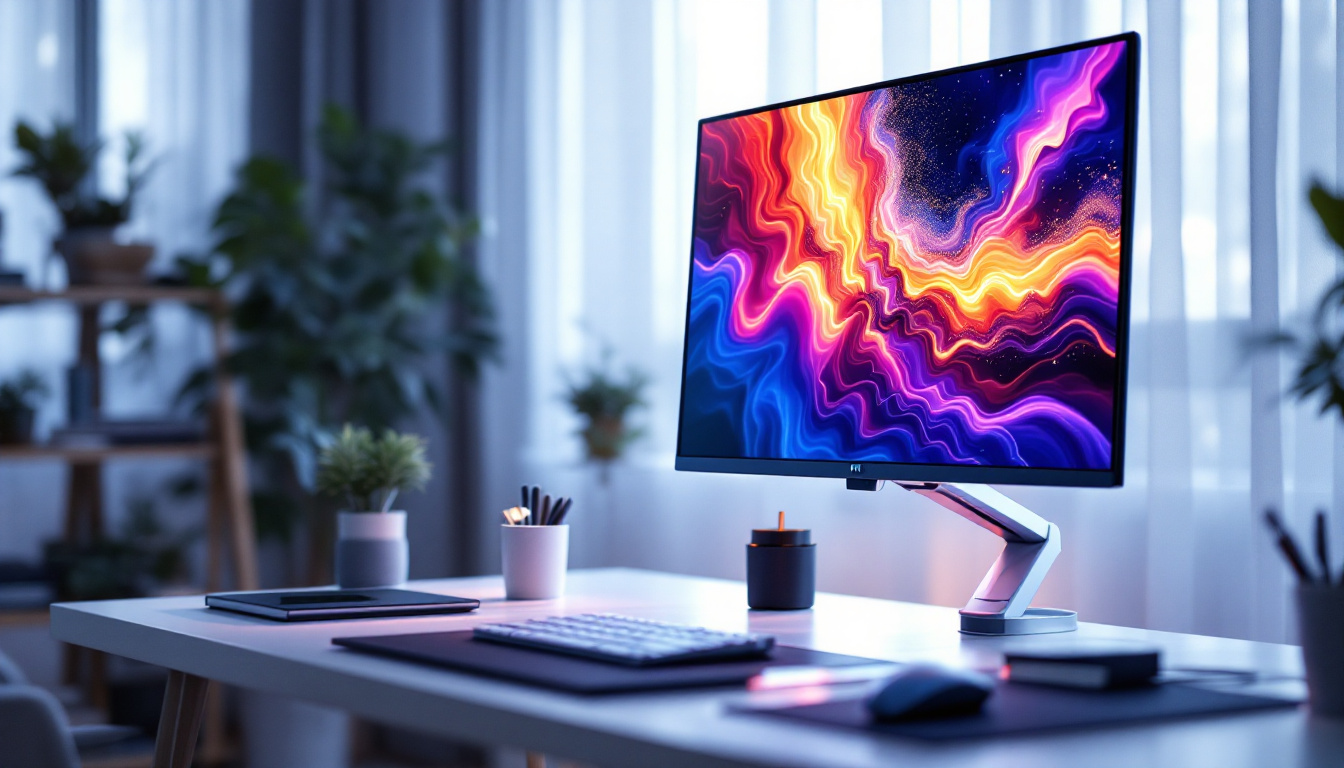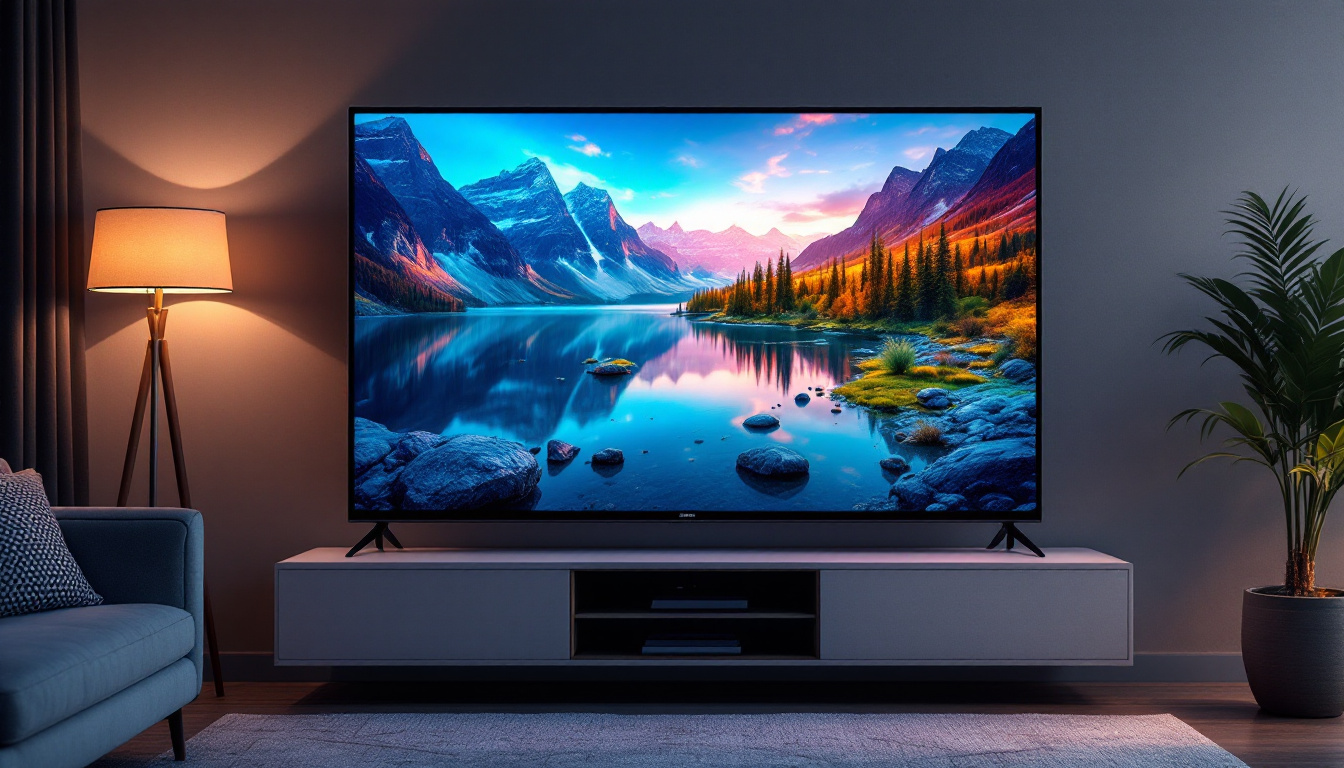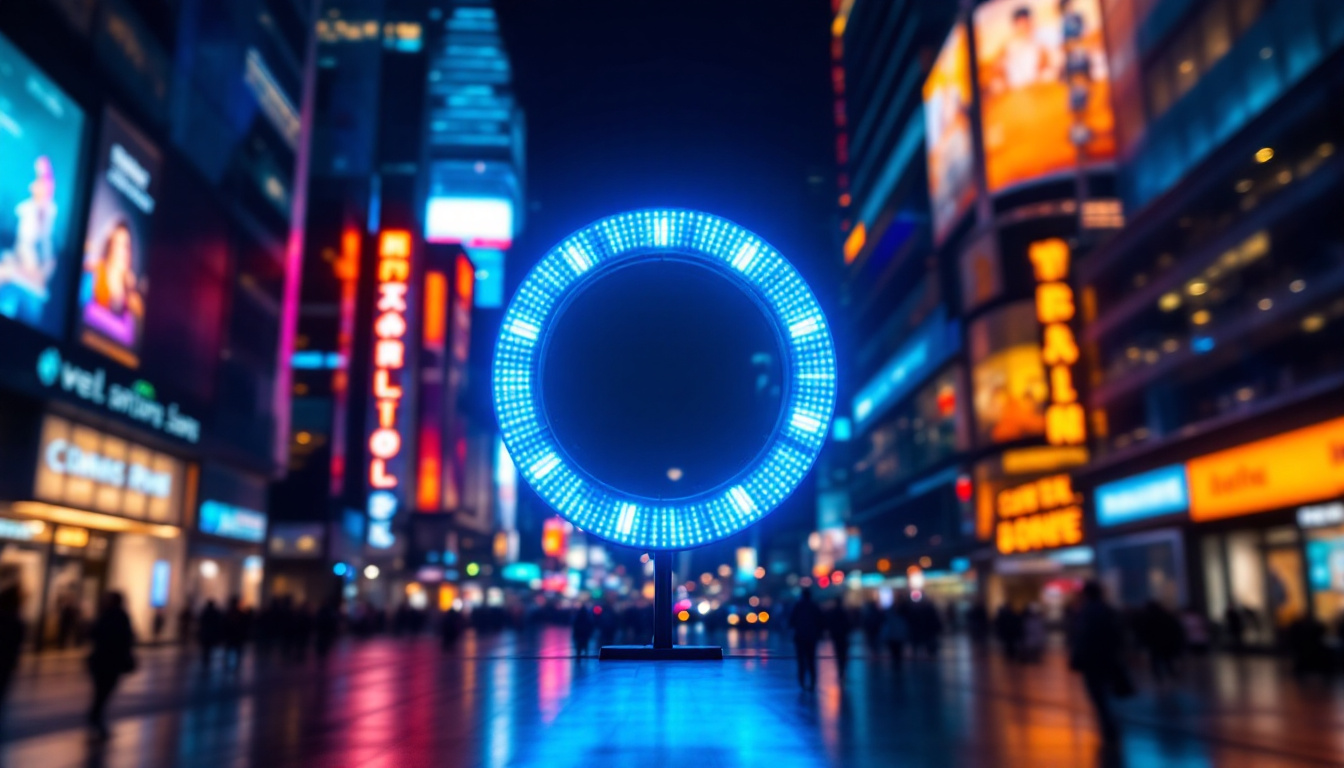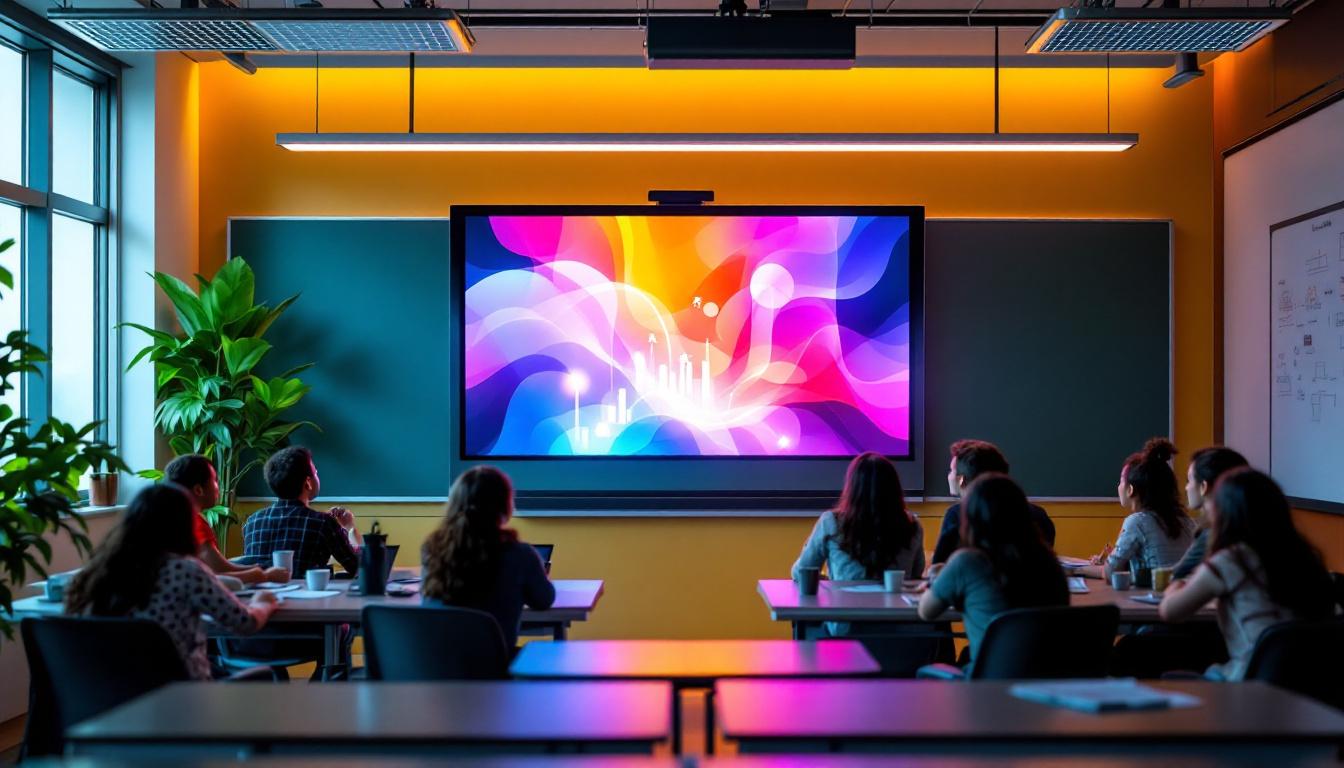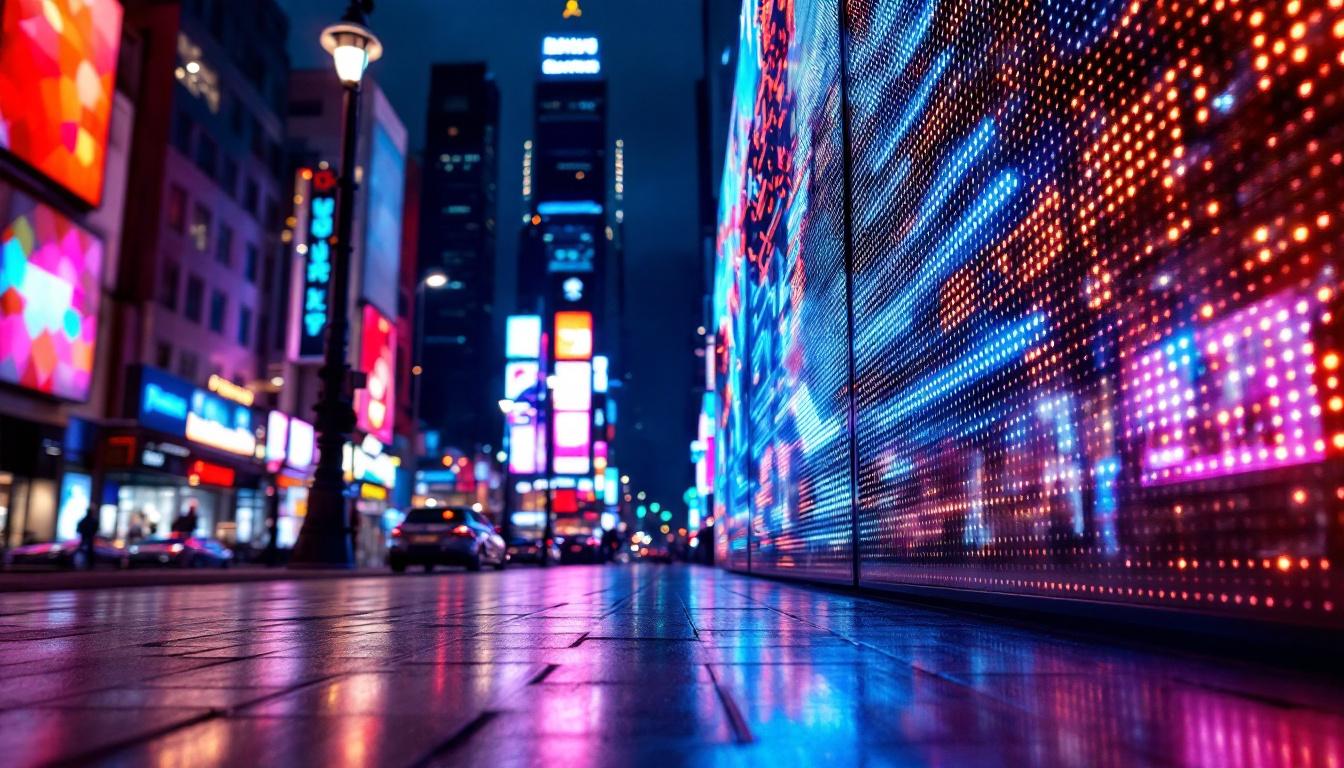
In an era where visual communication is paramount, LED displays have emerged as a transformative technology across multiple industries. From vibrant advertising billboards to dynamic information panels in transportation hubs, LED displays offer unparalleled brightness, energy efficiency, and versatility. This article delves into the technology behind LED displays, explores their innovative applications, and highlights why they are becoming an indispensable solution for businesses and public spaces alike.
Understanding LED Display Technology
What is an LED Display?
LED stands for Light Emitting Diode, a semiconductor device that emits light when an electric current passes through it. An LED display is a flat panel display that uses an array of these tiny LEDs to create images, videos, and text. Unlike traditional LCD or plasma screens, LED displays produce their own light, which results in superior brightness and contrast levels.
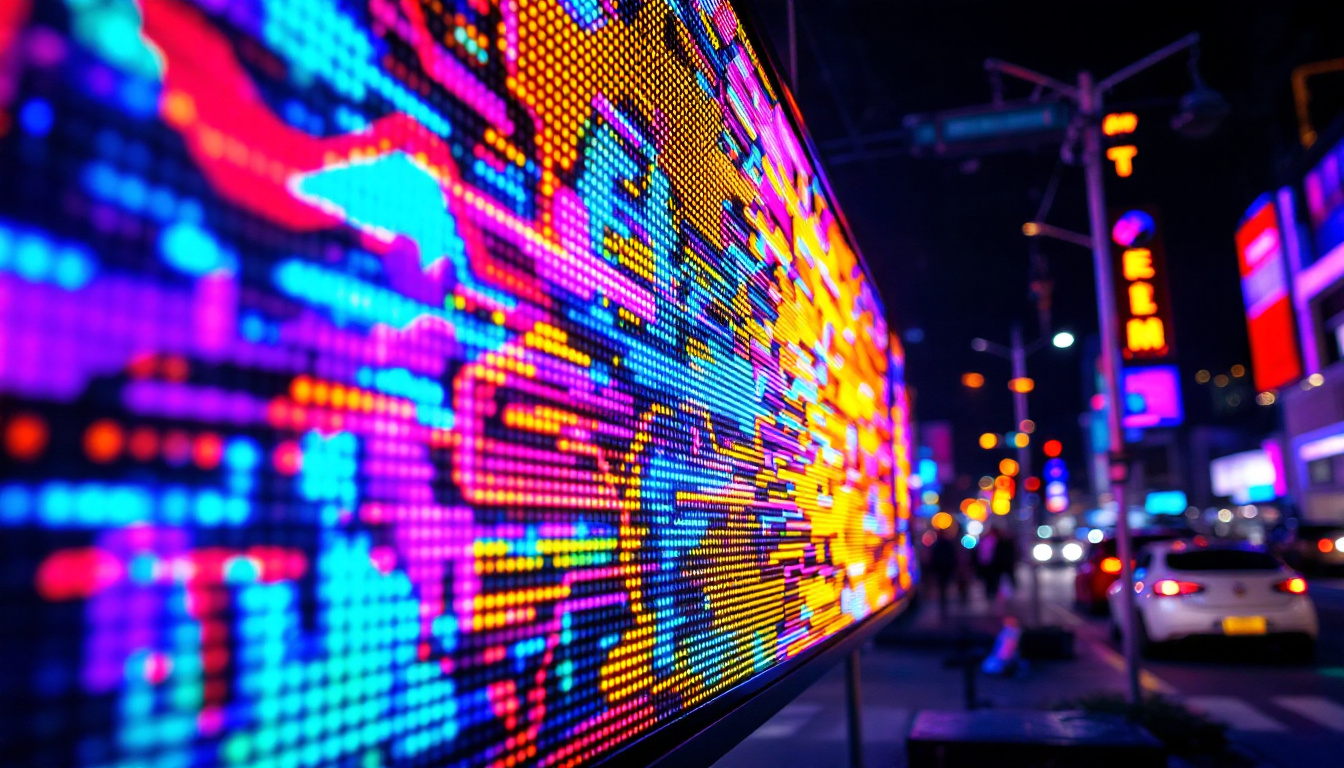
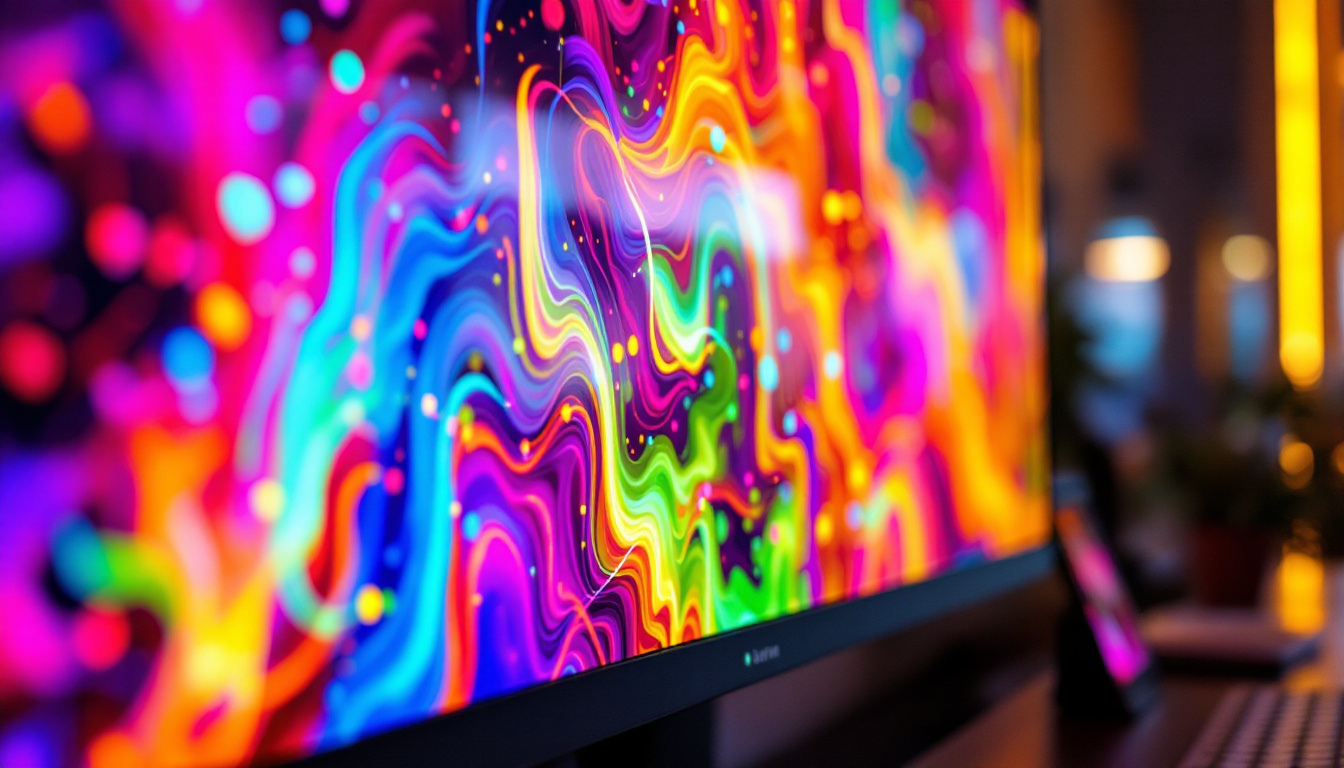
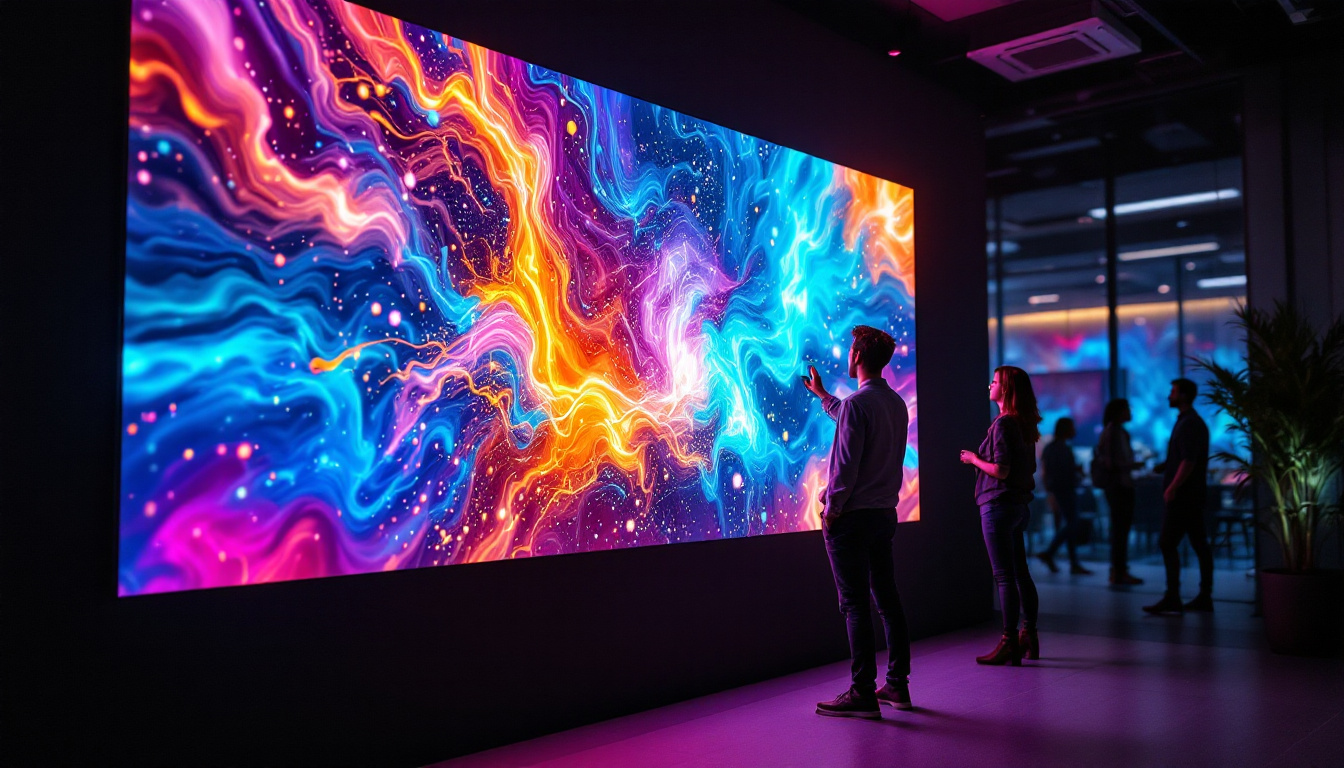
Modern LED displays are composed of thousands to millions of these diodes arranged in a grid pattern. Each diode can be individually controlled to emit different colors and intensities, allowing the display to render complex visuals with remarkable clarity. The technology is scalable, meaning LED displays can range from small indoor screens to massive outdoor video walls spanning hundreds of square meters. This versatility makes them ideal for a variety of applications, from advertising billboards in bustling city centers to high-resolution screens in sports arenas, where every detail matters.
Moreover, LED displays are increasingly being integrated with smart technology, enabling features like real-time data updates, interactive content, and remote management capabilities. This has transformed how businesses and organizations communicate with their audiences, allowing for dynamic content that can be tailored to specific events or promotions. The ability to change messages instantly and display vibrant graphics has made LED displays a preferred choice for marketers looking to capture attention in a crowded marketplace.
The Evolution of LED Displays
The journey of LED technology began in the early 1960s with the invention of the first visible-spectrum LEDs. Initially, these diodes emitted only red light and were primarily used as indicator lights. Over the decades, advancements in semiconductor materials led to the development of green, blue, and white LEDs, expanding their applications dramatically.
By the late 1990s and early 2000s, LED displays started gaining traction in commercial and public settings. The introduction of surface-mount technology (SMT) allowed for smaller, more densely packed LEDs, improving resolution and image quality. Today, innovations such as microLED and miniLED are pushing the boundaries even further, offering higher pixel densities and improved energy efficiency. These advancements not only enhance visual performance but also contribute to sustainability efforts, as LED technology is known for its lower energy consumption compared to traditional display technologies.
Furthermore, the rise of flexible LED displays has opened up new possibilities in design and installation. These displays can be bent and shaped to fit unconventional spaces, allowing for creative applications in architecture and interior design. From curved screens that wrap around walls to immersive installations that create a sense of depth, flexible LED technology is revolutionizing how we think about visual communication in both public and private environments. As the technology continues to evolve, we can expect even more innovative uses that challenge the traditional boundaries of display design.
Key Advantages of LED Displays
Exceptional Brightness and Visibility
One of the most significant benefits of LED displays is their exceptional brightness. Unlike LCDs, which rely on backlighting, LEDs emit light directly, enabling displays to reach brightness levels of up to 5,000 nits or more. This makes them highly visible even in direct sunlight, a critical factor for outdoor advertising and public information systems.
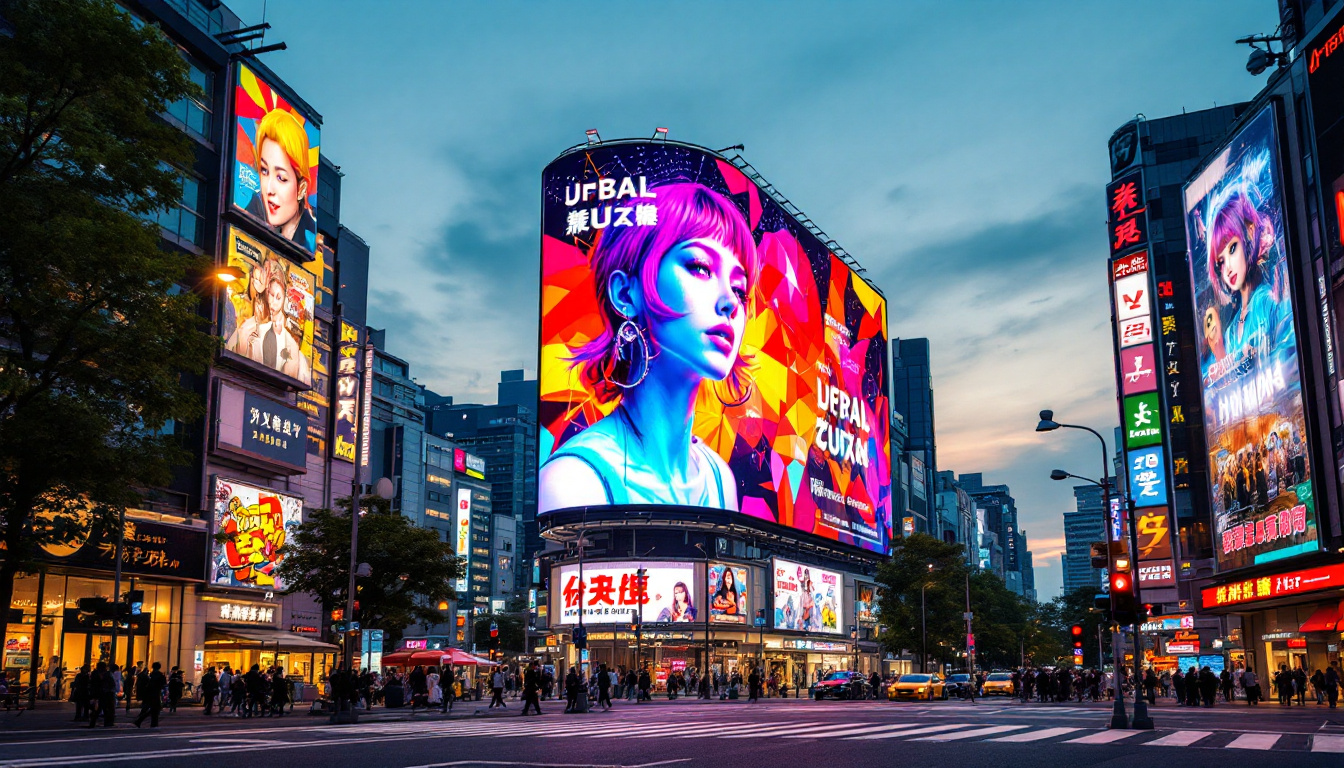
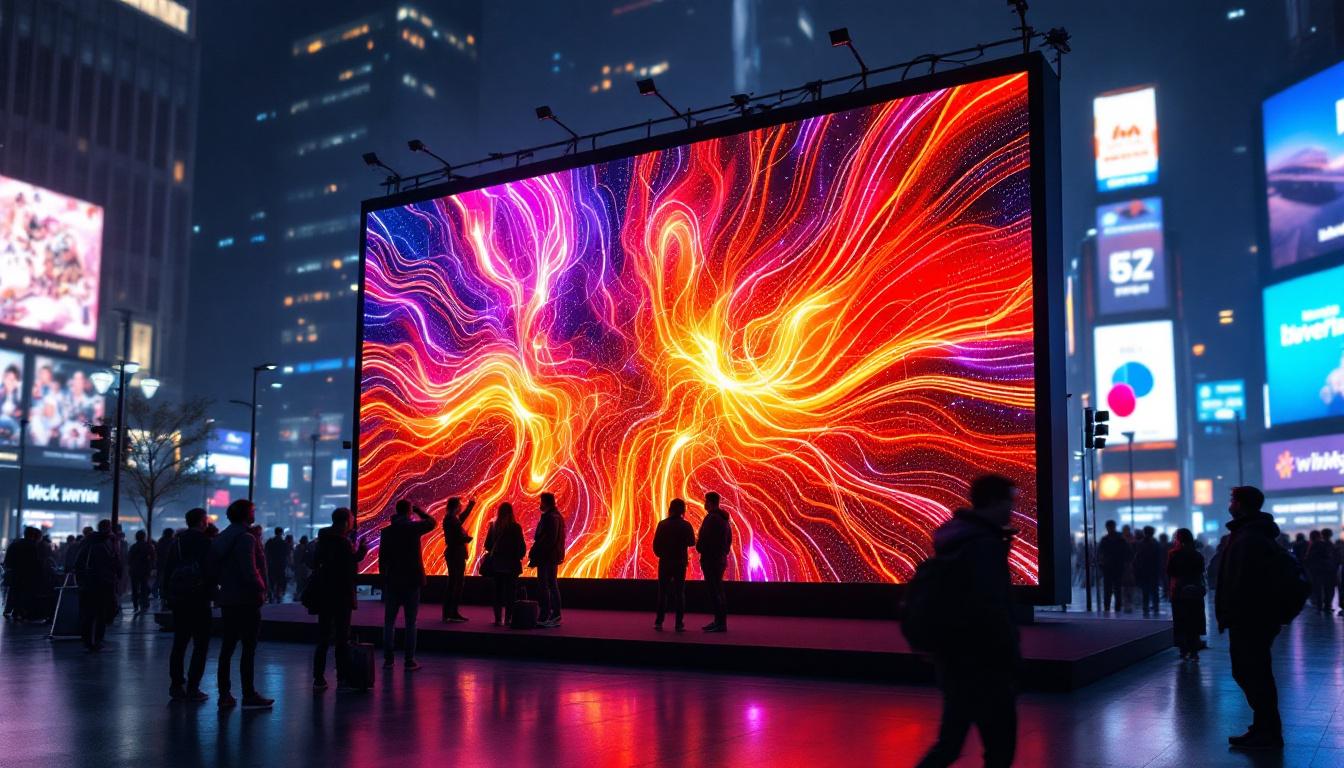
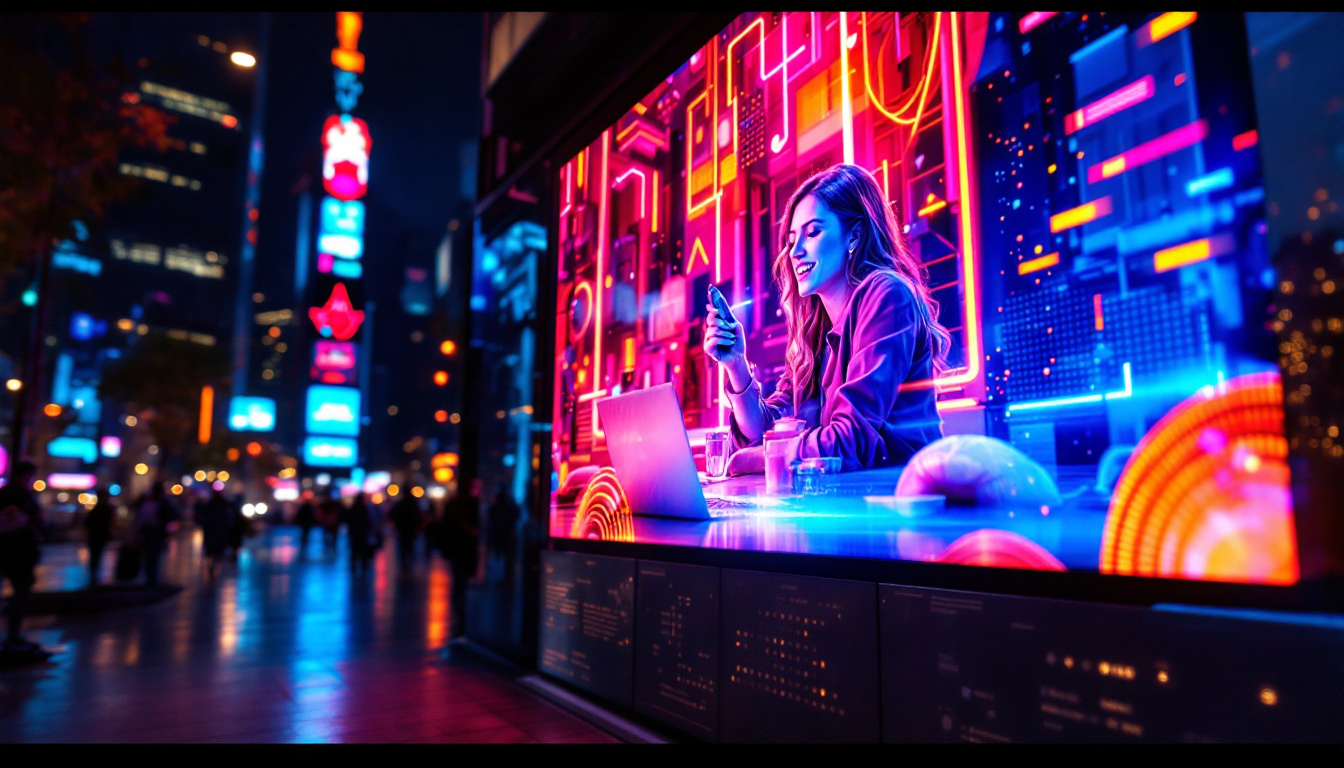
For example, Times Square in New York City is renowned for its dazzling LED billboards that maintain vibrant colors and sharp images despite the intense ambient light. This level of visibility ensures that messages are effectively communicated to audiences regardless of environmental conditions.
Energy Efficiency and Longevity
LED technology is inherently energy-efficient compared to other display types. LEDs convert a higher percentage of electricity into light rather than heat, reducing power consumption significantly. According to the U.S. Department of Energy, LED lighting can use up to 75% less energy than traditional incandescent lighting.
Moreover, LED displays have a longer operational lifespan, often exceeding 100,000 hours of use. This durability translates to lower maintenance costs and less frequent replacements, making LED displays a cost-effective solution over time.
Flexibility and Customization
LED displays offer remarkable flexibility in terms of size, shape, and resolution. They can be configured as curved screens, transparent panels, or even flexible displays that conform to architectural surfaces. This adaptability enables designers and marketers to create unique visual experiences tailored to specific environments and branding requirements.
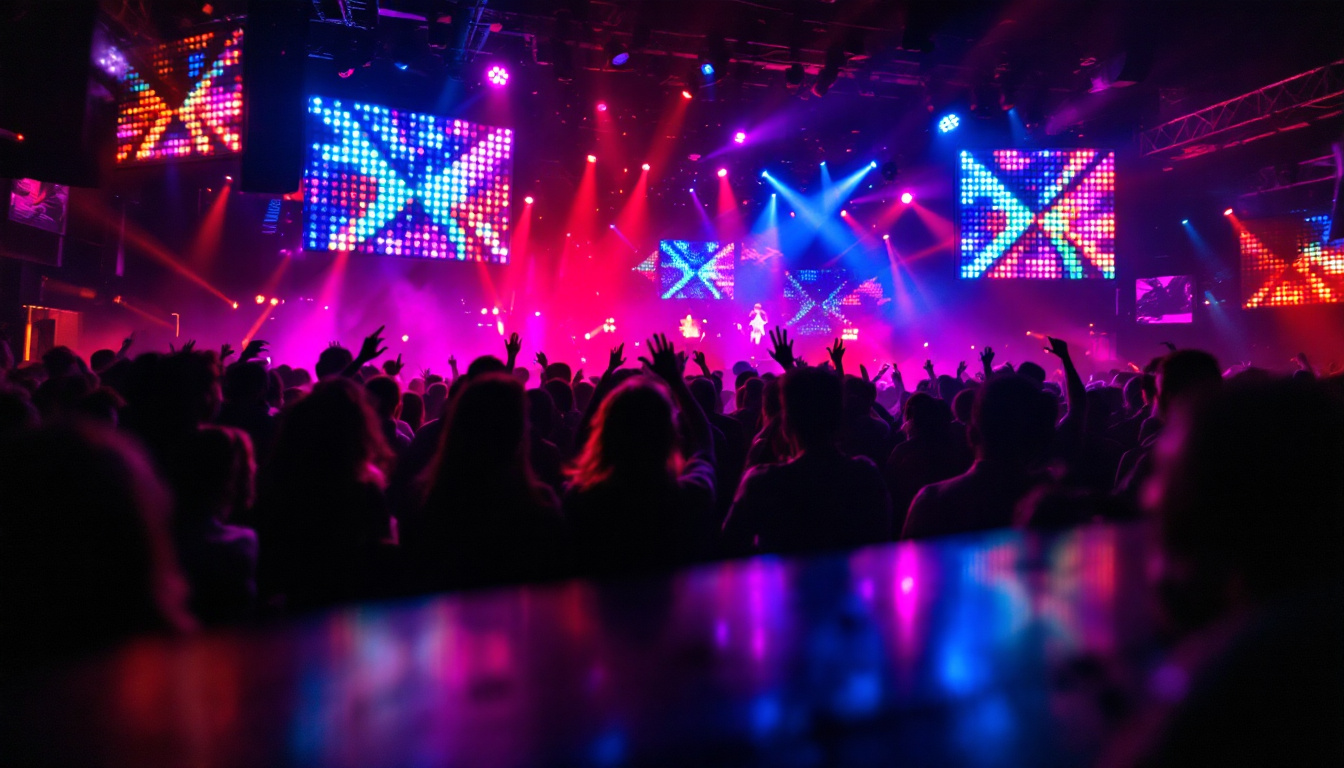
For instance, stadiums and concert venues frequently use curved LED screens to enhance audience immersion, while retail stores employ transparent LED displays on windows to attract passersby without obstructing views.
Innovative Applications of LED Displays
Advertising and Digital Signage
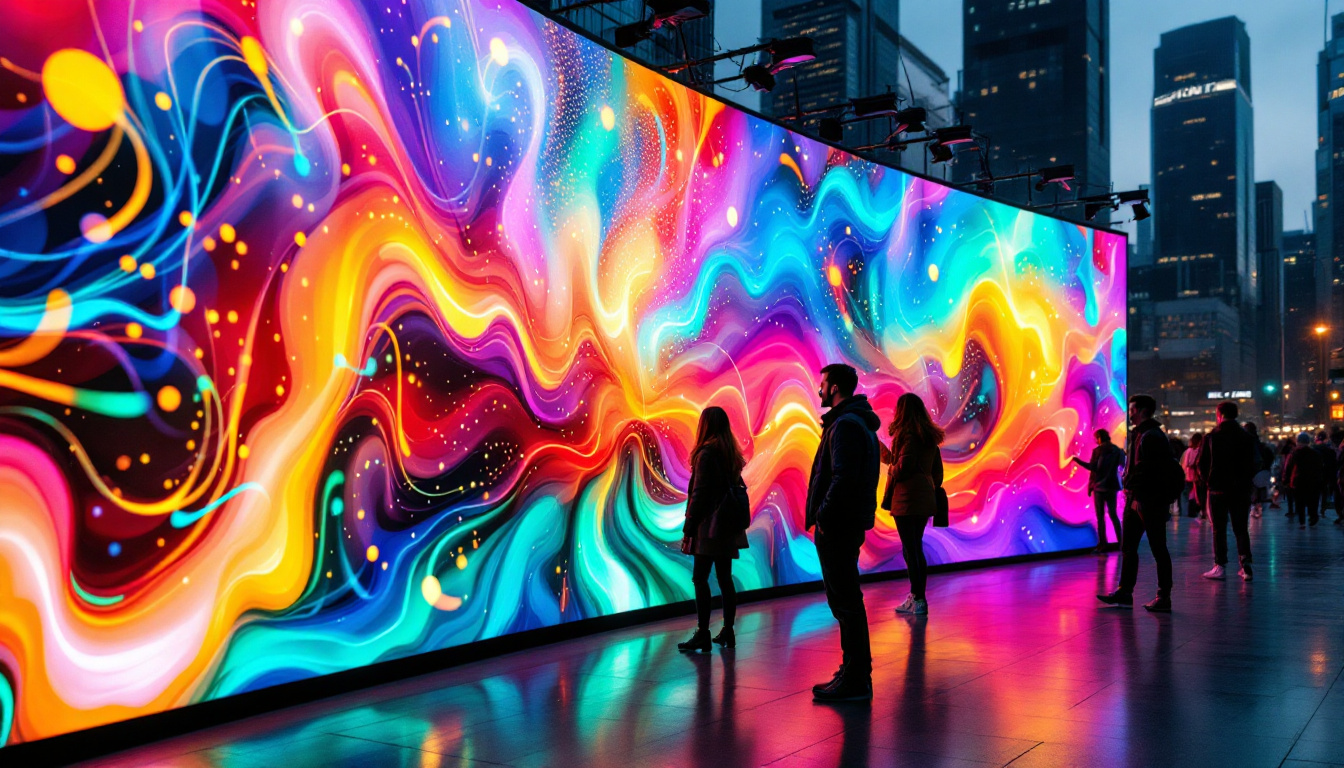
Advertising remains one of the most prominent use cases for LED displays. The ability to display dynamic, eye-catching content makes LED billboards a favorite among marketers aiming to capture consumer attention. Digital signage powered by LED technology can be updated remotely and in real-time, allowing for timely promotions and targeted messaging.
In 2023, the global digital signage market was valued at approximately $27 billion and is projected to grow at a compound annual growth rate (CAGR) of 7.5% through 2030. This growth is largely driven by the adoption of LED displays in retail, transportation, and hospitality sectors.
Transportation and Public Information Systems
LED displays play a critical role in transportation hubs such as airports, train stations, and bus terminals. Their high visibility and reliability ensure that travelers receive timely updates on schedules, delays, and safety information. For example, many metro systems worldwide use LED panels for real-time train arrival information, enhancing commuter experience and operational efficiency.
Additionally, LED displays are increasingly integrated into smart city infrastructures, providing residents with weather updates, emergency alerts, and community announcements. Their durability and low maintenance requirements make them ideal for outdoor installations in urban environments.
Entertainment and Events
The entertainment industry leverages LED displays to create immersive environments for concerts, sports events, and theatrical productions. Large-scale LED video walls serve as dynamic backdrops that can change instantly to match the mood or theme of a performance.
One notable example is the Super Bowl halftime show, where LED screens are used extensively to deliver stunning visual effects visible to tens of millions of viewers worldwide. The ability to synchronize LED displays with lighting and sound systems enhances the overall production quality and audience engagement.
Technical Considerations When Choosing LED Displays
Resolution and Pixel Pitch
Resolution refers to the number of pixels displayed on the screen, while pixel pitch is the distance between the centers of two adjacent pixels. A smaller pixel pitch means higher resolution and sharper images, which is especially important for indoor displays viewed at close range.
For outdoor displays, larger pixel pitches are acceptable since viewers typically observe the screen from a distance. Choosing the right balance between resolution and cost is essential to meet the specific needs of an application.
Brightness and Contrast Ratio
Brightness is measured in nits and determines how well the display performs under various lighting conditions. Outdoor LED displays generally require brightness levels between 4,000 to 8,000 nits to remain visible in daylight.
The contrast ratio, the difference between the darkest black and the brightest white, affects image depth and color vibrancy. High contrast ratios contribute to more lifelike visuals, improving viewer engagement.
Durability and Weather Resistance
For outdoor installations, LED displays must withstand harsh environmental conditions such as rain, dust, temperature fluctuations, and UV exposure. Displays with an IP65 rating or higher are typically recommended for outdoor use, ensuring protection against water jets and dust ingress.
Additionally, robust casing and cooling systems help maintain performance and extend the lifespan of the display in demanding settings.
The Future of LED Display Technology
MicroLED and MiniLED Innovations
Emerging technologies like microLED and miniLED are set to revolutionize the LED display market. MicroLEDs are significantly smaller than traditional LEDs, allowing for even higher pixel densities and improved image quality. This technology promises to combine the best features of OLED and LED displays, such as perfect blacks, high brightness, and long lifespan.
MiniLEDs, while larger than microLEDs, offer enhanced backlighting solutions for LCD panels, resulting in better contrast and color accuracy. Both technologies are gaining traction in premium TVs, smartphones, and professional displays.
Integration with Smart Technologies
LED displays are increasingly being integrated with Internet of Things (IoT) platforms and artificial intelligence (AI) to create smarter, more interactive experiences. For example, AI-driven content management systems can tailor displayed messages based on audience demographics, weather conditions, or time of day, maximizing advertising effectiveness.
Furthermore, touch-enabled LED displays and gesture recognition technologies are enhancing interactivity in retail and public spaces, fostering greater user engagement.
Sustainability and Environmental Impact
As sustainability becomes a priority, LED display manufacturers are focusing on eco-friendly materials and energy-saving designs. Advances in LED efficiency reduce power consumption, while modular designs facilitate easier repairs and recycling.
By adopting LED displays, organizations not only benefit from superior performance but also contribute to reducing their carbon footprint, aligning with global environmental goals.
Conclusion
LED displays represent a pinnacle of innovation in visual communication technology. Their exceptional brightness, energy efficiency, and versatility make them an ideal solution for a wide range of applications, from advertising and transportation to entertainment and smart city infrastructure.
As advancements like microLED and AI integration continue to evolve, LED displays will become even more immersive, interactive, and sustainable. Businesses and public institutions that leverage these cutting-edge displays stand to gain a competitive edge by delivering compelling visual experiences that captivate and inform audiences effectively.
Understanding the technical aspects and potential applications of LED displays is essential for making informed decisions when selecting the right product solution. With the rapid pace of innovation, LED technology is poised to remain at the forefront of display solutions for years to come.
Explore Cutting-Edge LED Displays with LumenMatrix
Ready to elevate your visual communication strategy with the latest in LED display technology? LumenMatrix is at the forefront of innovation, offering a comprehensive range of LED display solutions tailored to your unique needs. From Indoor and Outdoor LED Wall Displays to specialized options like Vehicle, Sports, and Floor LED Displays, our products are designed to captivate and engage your audience. Embrace the future of digital signage with our Custom, All-in-One, and Transparent LED Displays. Check out LumenMatrix LED Display Solutions today and transform your space into a dynamic visual experience.