In today’s digital age, LED displays have become an integral part of how information is presented and consumed across various industries. From the vibrant billboards lighting up cityscapes to the sleek screens in corporate boardrooms, LED technology is everywhere. But what exactly goes on inside these walls of light? This article explores the fundamentals of LED displays, their technology, applications, and the future trends shaping this dynamic field.
Understanding LED Display Technology
What is an LED Display?
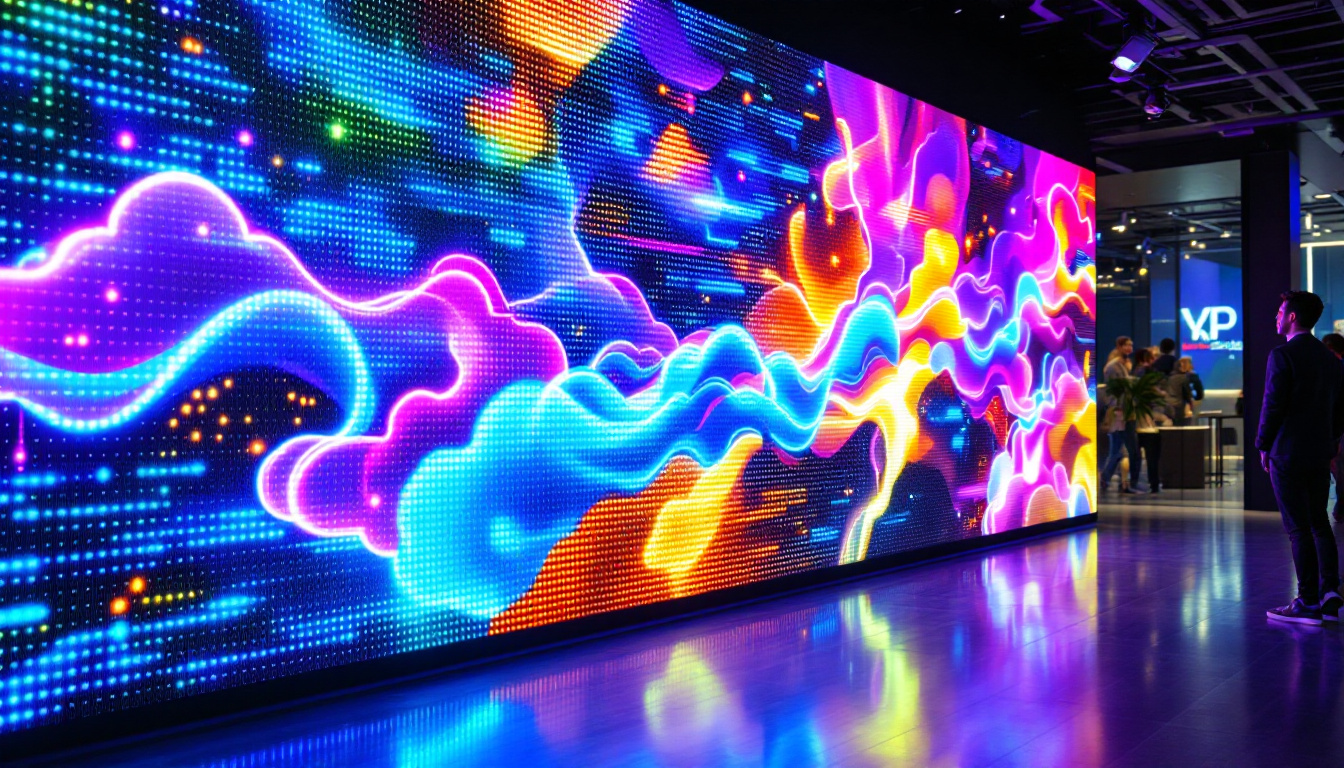
LED stands for Light Emitting Diode, a semiconductor device that emits light when an electric current passes through it. An LED display is essentially a matrix of these tiny diodes arranged to form images, videos, or text. Unlike traditional LCD or plasma screens, LED displays use these diodes as individual pixels, which can be controlled independently to produce bright, vibrant visuals.
The key advantage of LED displays lies in their ability to produce high brightness levels and contrast ratios, making them ideal for both indoor and outdoor use. Their energy efficiency and long lifespan also contribute to their widespread adoption across various sectors. In fact, many industries have begun to favor LED displays over older technologies due to their lower operational costs and reduced environmental impact. The ability to create dynamic and engaging content has also transformed advertising and information dissemination, allowing for real-time updates and interactive displays.
Types of LED Displays
LED displays come in several forms, each tailored for specific applications:
- Direct View LED Displays: These are composed of individual LEDs that form the screen itself. They are commonly used for large-scale outdoor billboards and stadium screens due to their superior brightness and visibility from long distances. The modular nature of these displays allows for easy customization in size and shape, making them a popular choice for events and concerts.
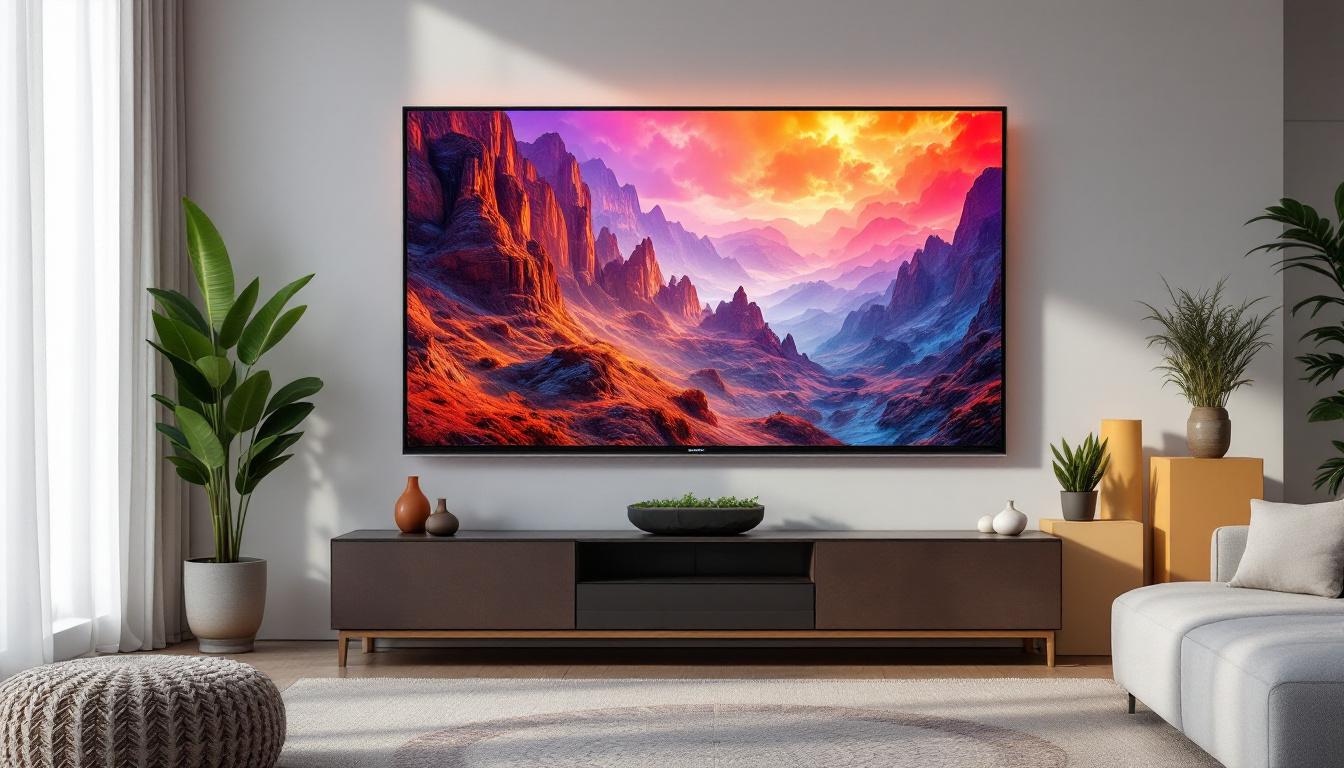
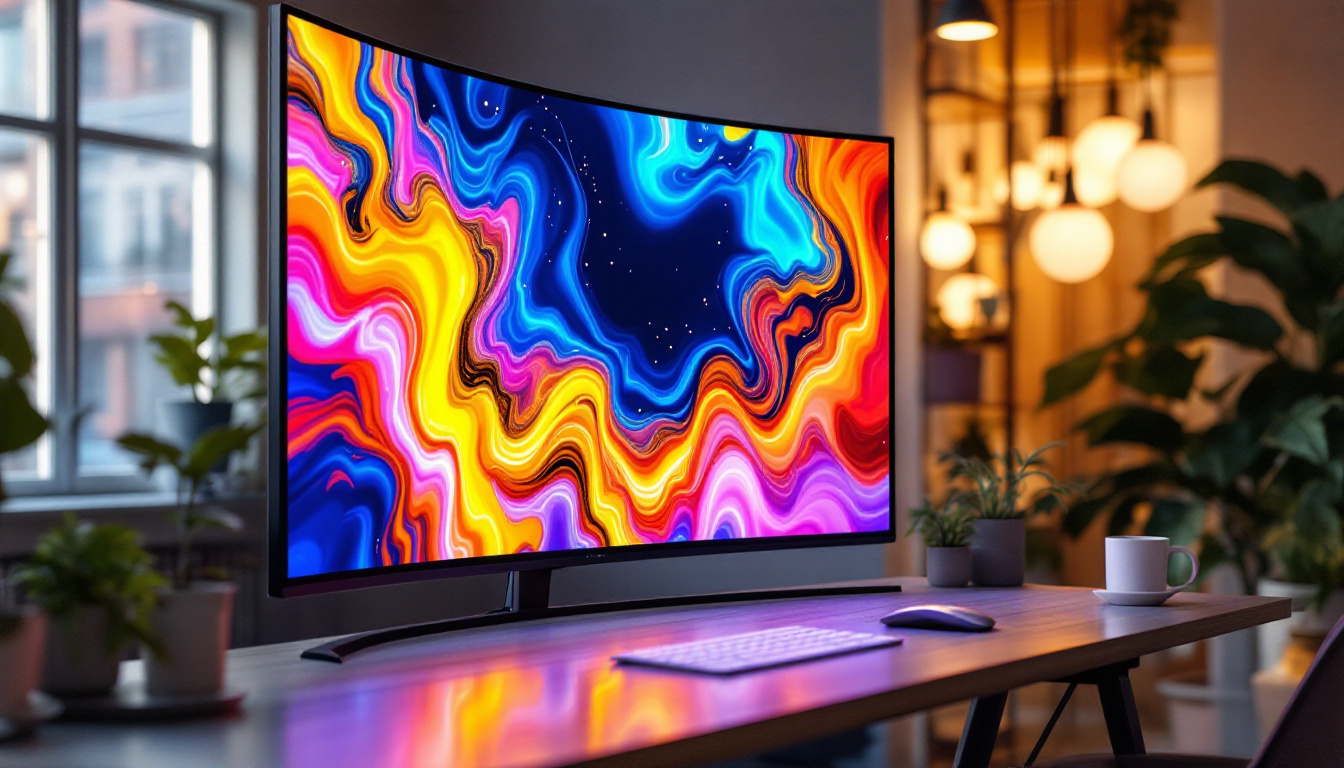
- LED-backlit LCD Displays: These combine LED technology with traditional LCD panels. The LEDs serve as the backlight source, enhancing brightness and color accuracy while maintaining a slim profile. This type is prevalent in televisions, monitors, and mobile devices. The integration of LED backlighting has significantly improved the viewing experience, providing deeper blacks and more vibrant colors compared to older fluorescent backlighting methods.
- Flexible LED Displays: Utilizing bendable substrates, these displays can curve or wrap around surfaces, opening new possibilities for creative installations and wearable technology. Their lightweight and adaptable nature allows designers to explore innovative applications, from architectural facades to interactive fashion pieces.
How Does an LED Display Work?
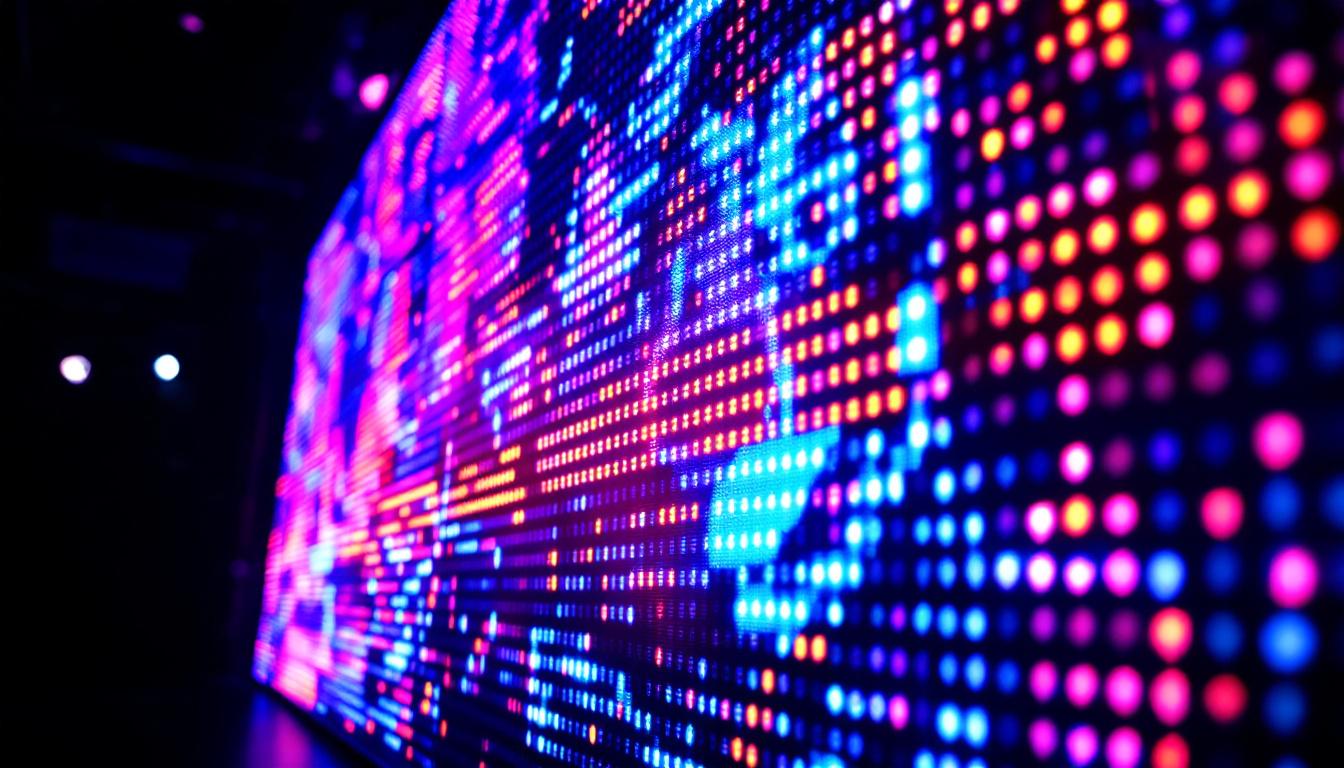
At the core of an LED display is a grid of pixels, each consisting of red, green, and blue sub-pixels. By adjusting the intensity of these sub-pixels, the display can produce a full spectrum of colors. This process is governed by complex electronics and software that translate digital signals into precise light emissions. The precision with which these sub-pixels can be controlled is what allows for stunning visual effects, including gradients and smooth transitions.
Modern LED displays employ advanced driver ICs (integrated circuits) and control systems to manage refresh rates, color calibration, and power consumption. These components ensure smooth motion rendering, accurate color reproduction, and energy efficiency. Furthermore, innovations such as HDR (High Dynamic Range) technology have enhanced the capability of LED displays to deliver more realistic images by expanding the range of colors and brightness levels. This technology is particularly beneficial in applications such as gaming and film, where visual fidelity is paramount. As LED technology continues to evolve, we can expect even more exciting developments that will push the boundaries of display capabilities.
Applications of LED Displays
Advertising and Outdoor Signage
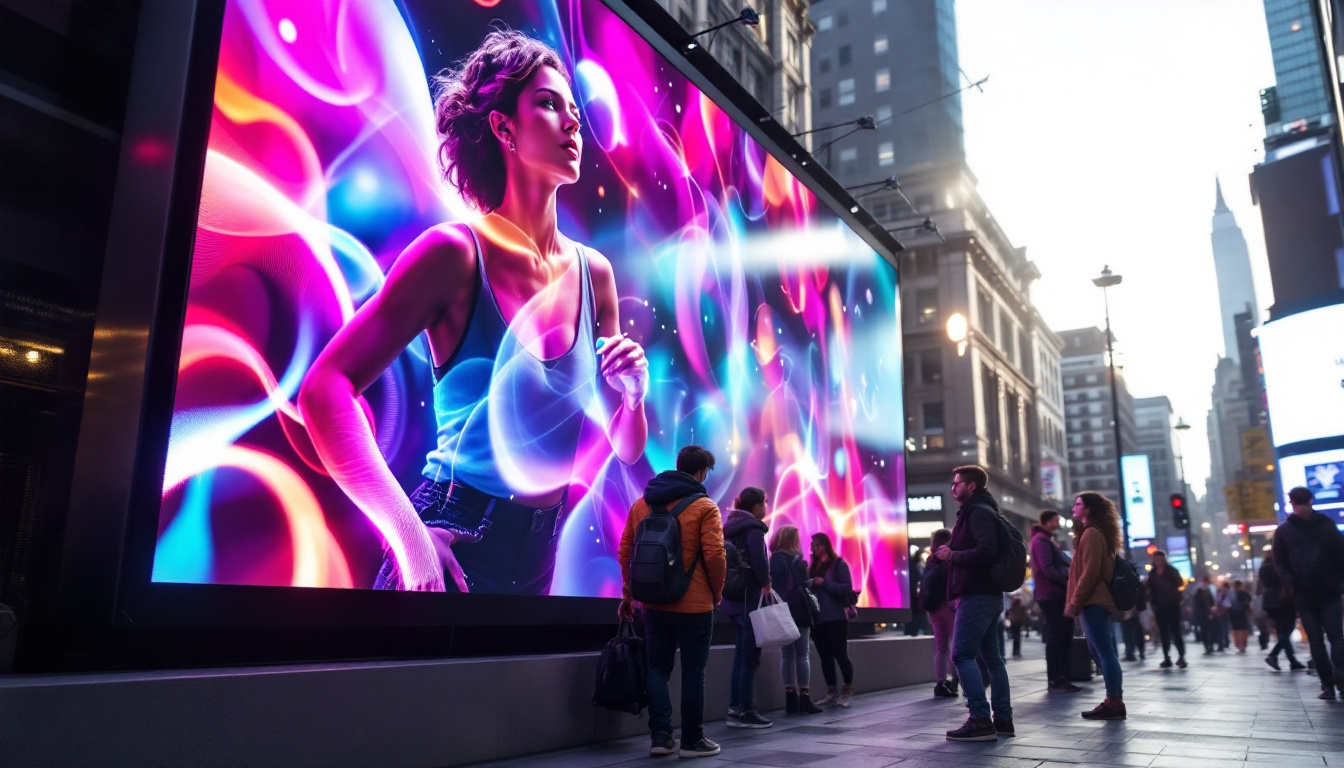
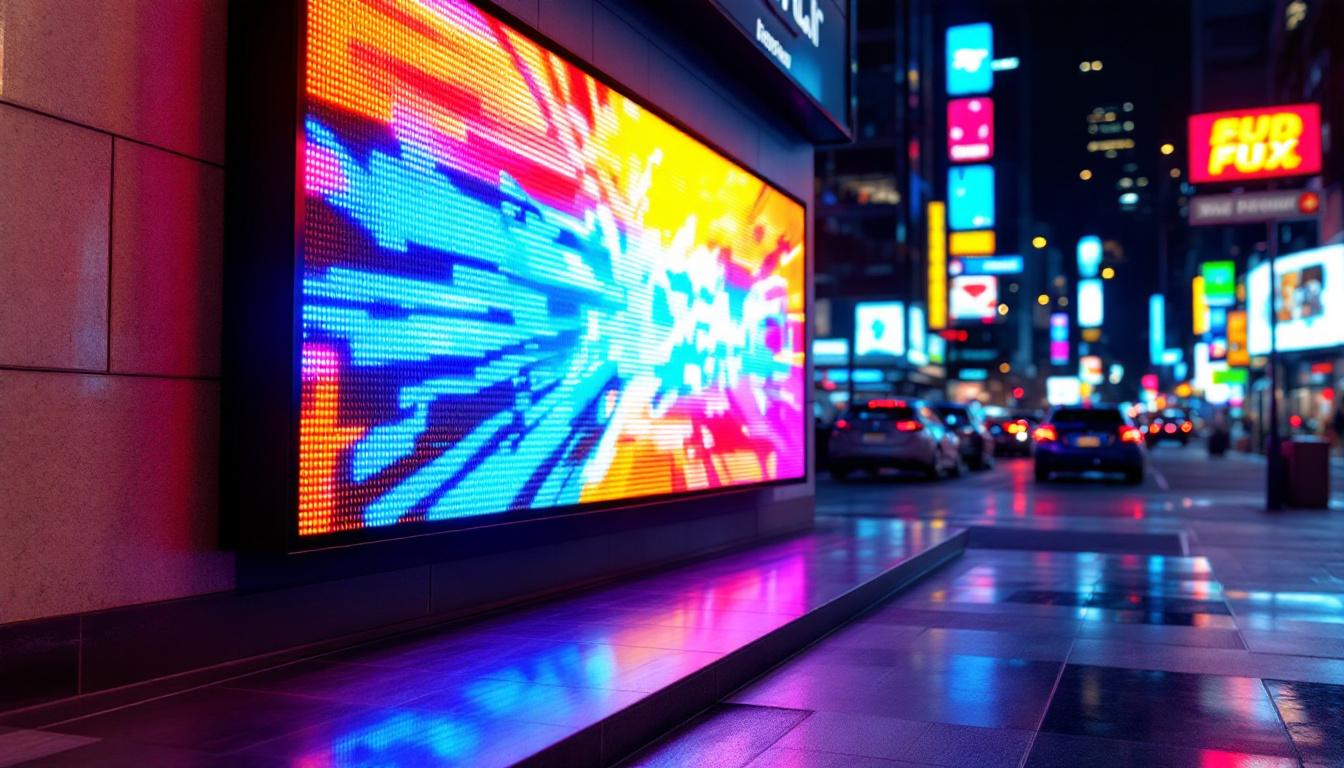
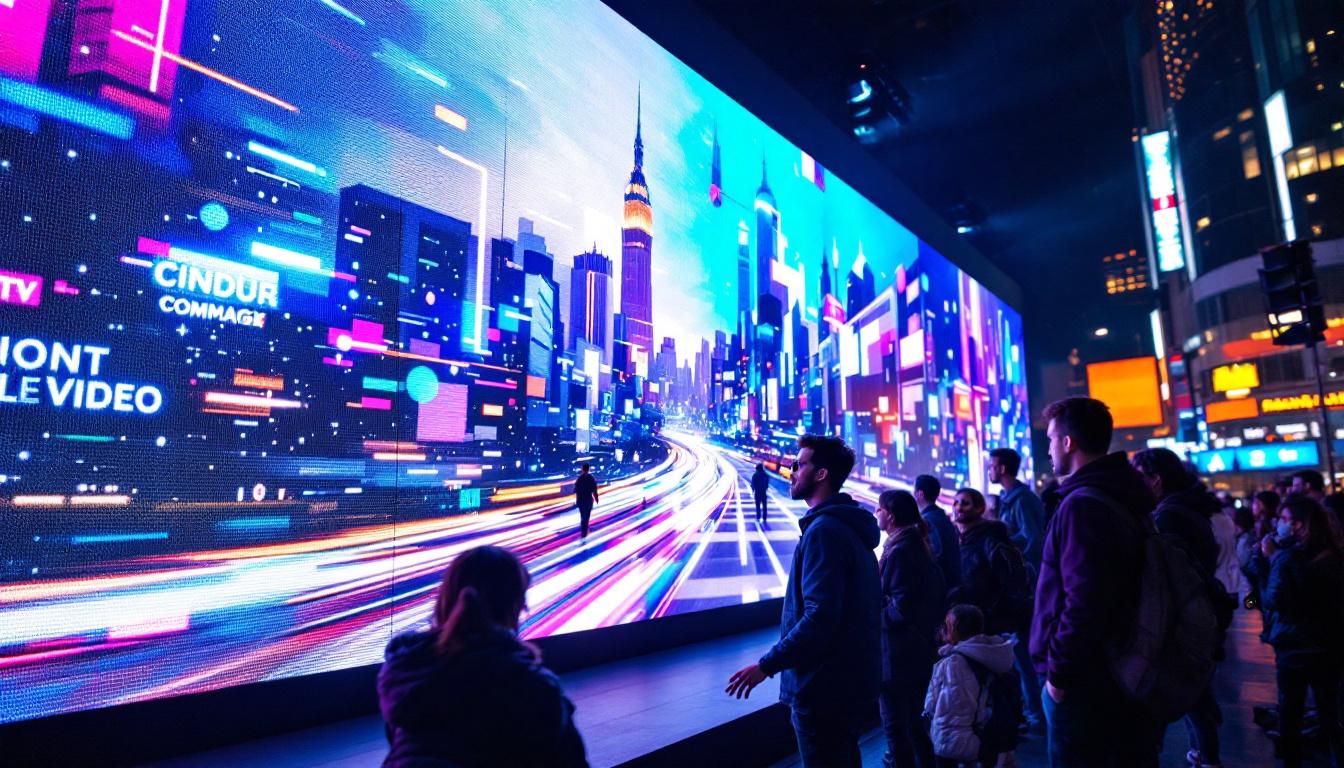
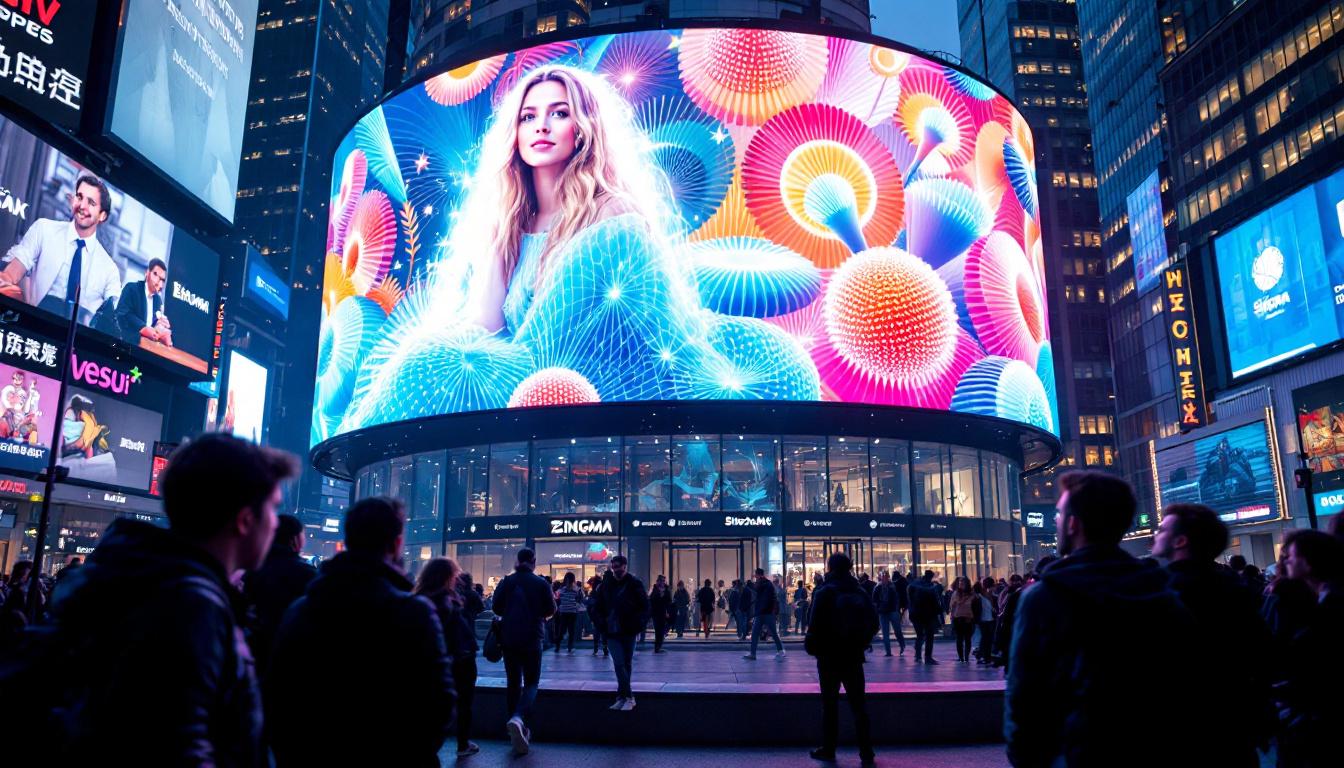
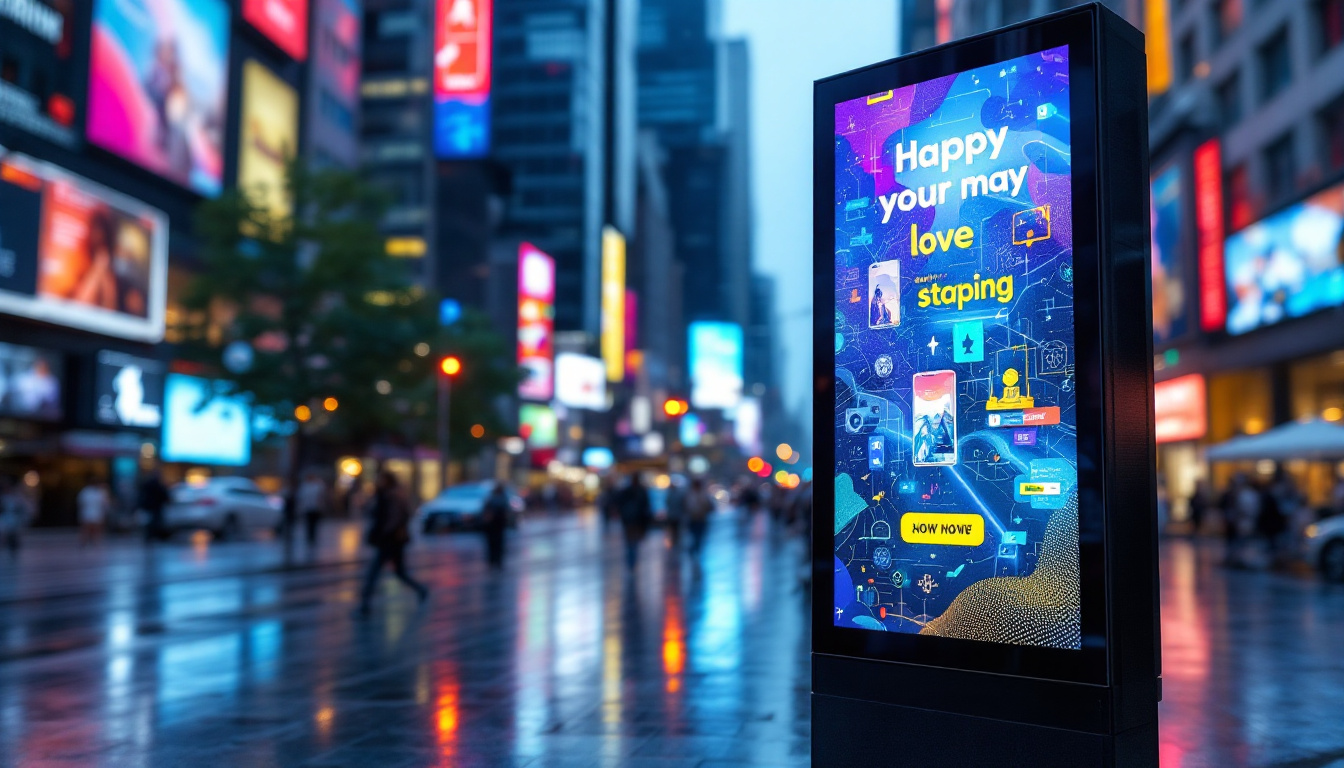
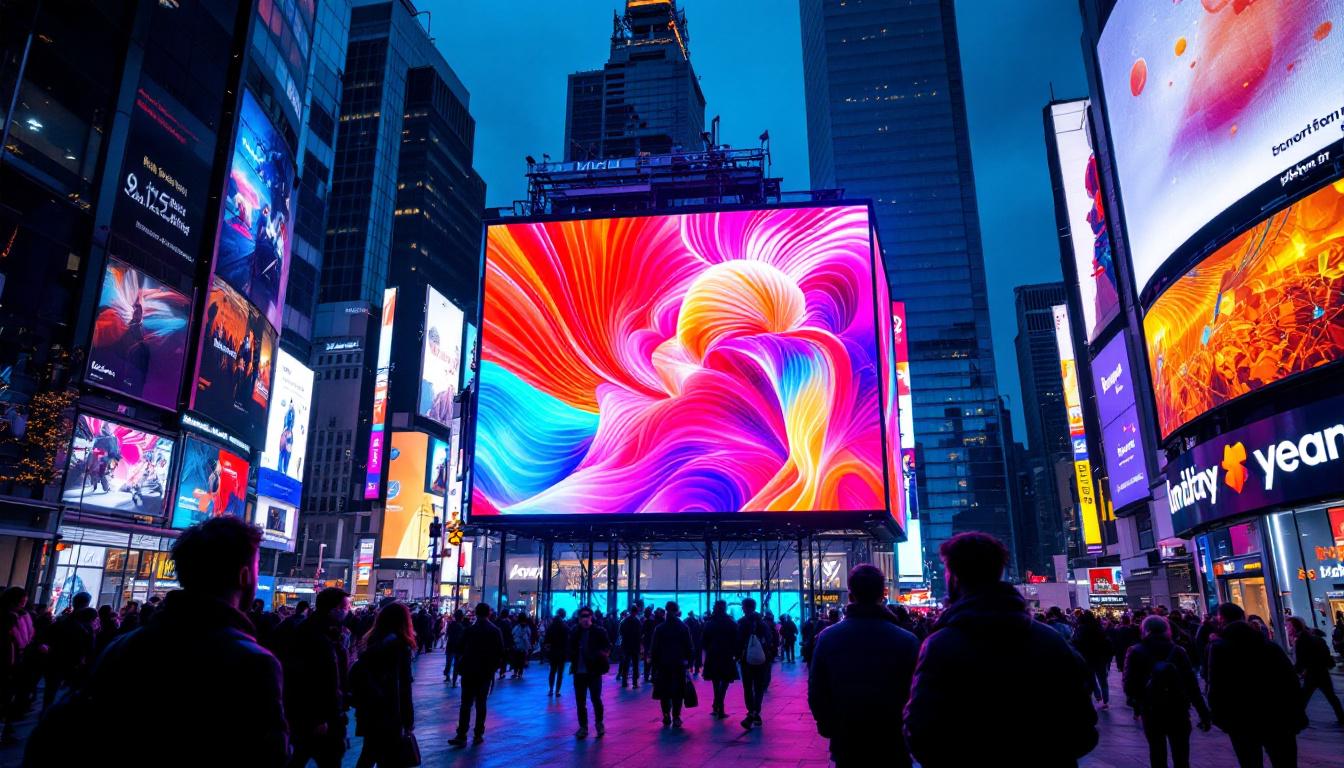
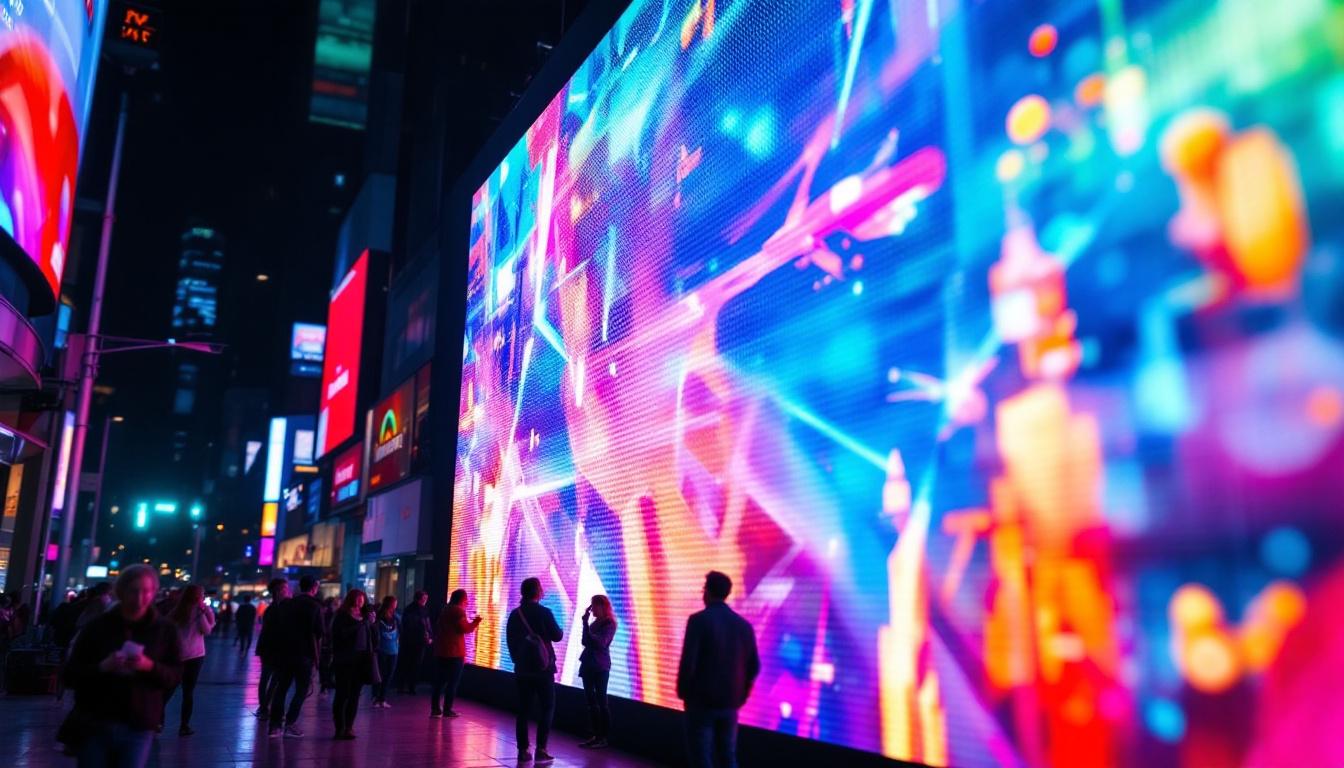
One of the most visible uses of LED displays is in outdoor advertising. According to a 2023 report by the Digital Signage Federation, LED billboards have grown by over 15% annually worldwide, driven by their ability to deliver dynamic, eye-catching content that can be updated remotely in real time.
LED displays in this context offer several benefits:
- High Visibility: Their brightness allows messages to be seen clearly even in direct sunlight.
- Dynamic Content: Advertisers can change ads instantly, enabling targeted marketing campaigns.
- Durability: Designed to withstand harsh weather conditions, these displays have long operational lifespans.
Moreover, the versatility of LED displays extends beyond traditional advertising. They can be integrated with social media feeds, allowing real-time interaction with audiences. This capability not only enhances engagement but also encourages user-generated content, as customers can share their experiences and have them displayed on the screens. Additionally, the ability to incorporate animations and videos makes these displays more compelling than static billboards, driving higher foot traffic and engagement rates.
Entertainment and Sports Arenas
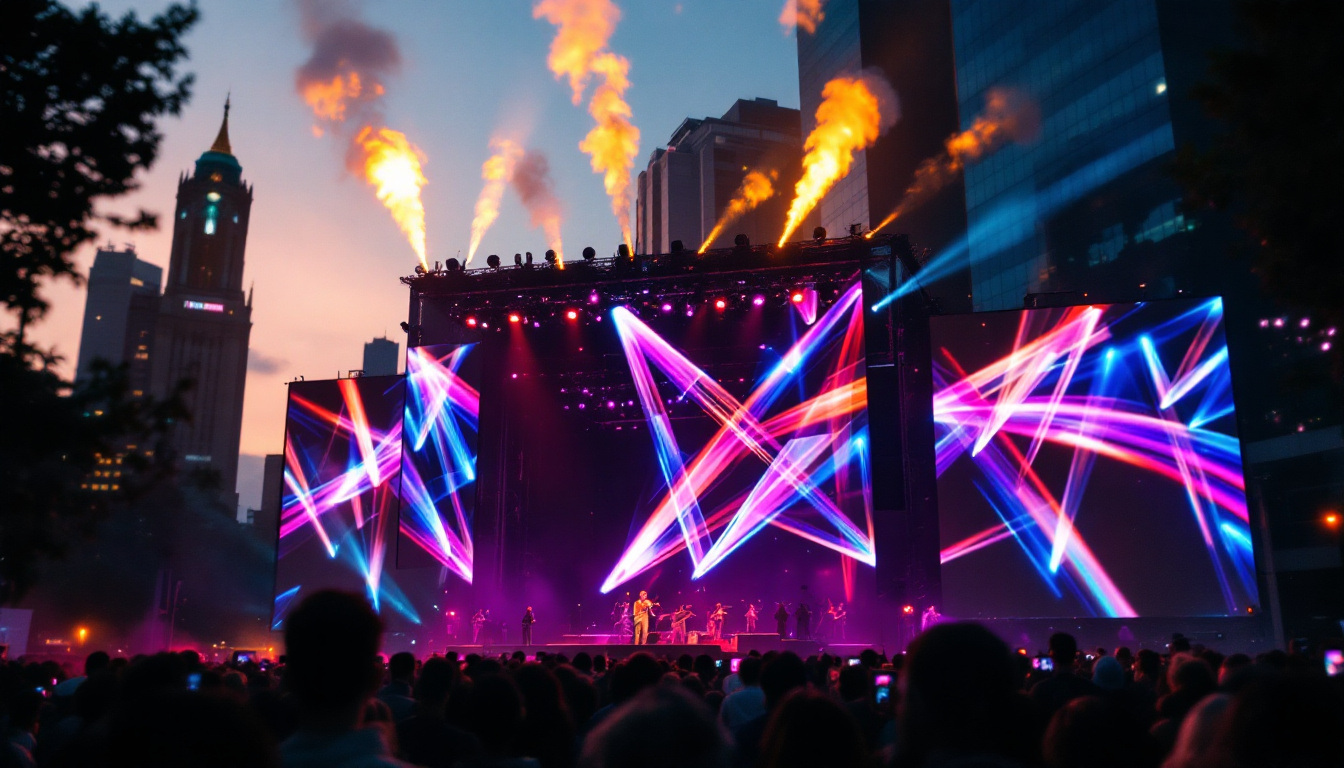
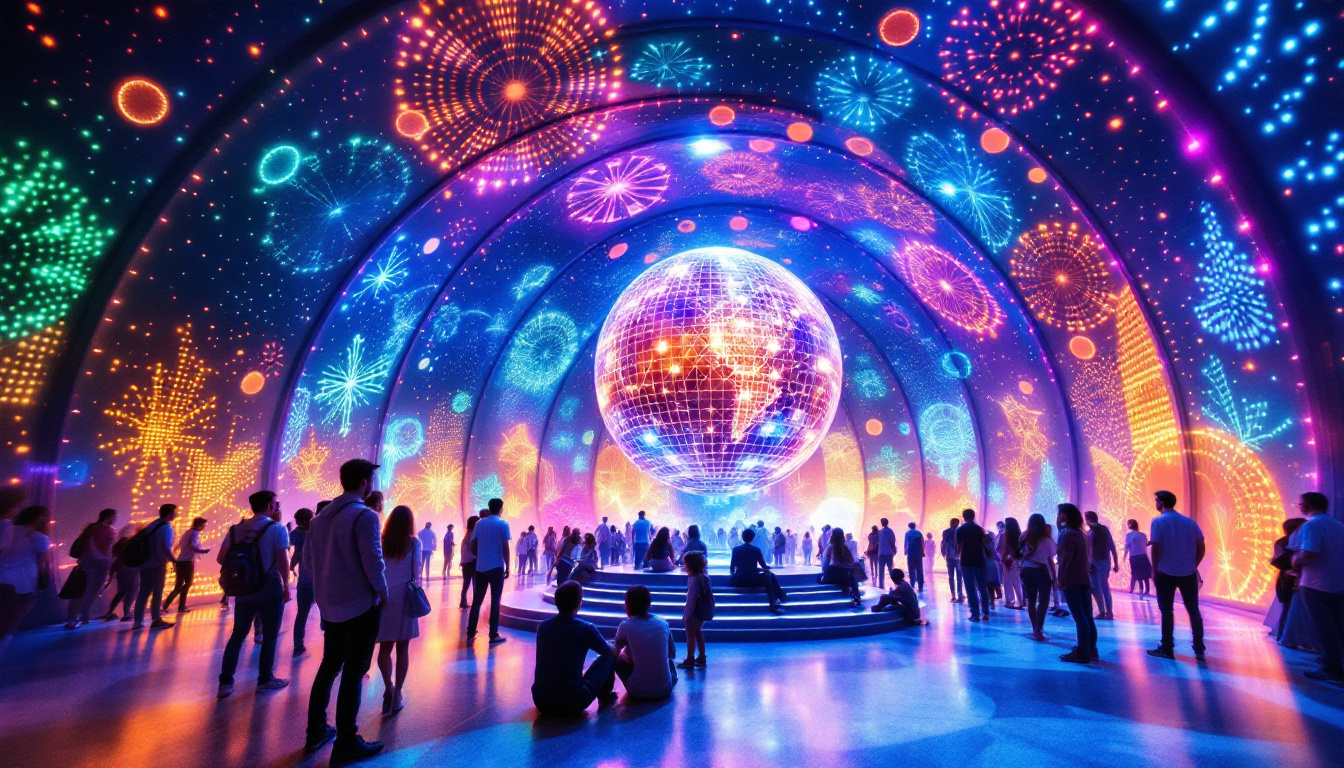
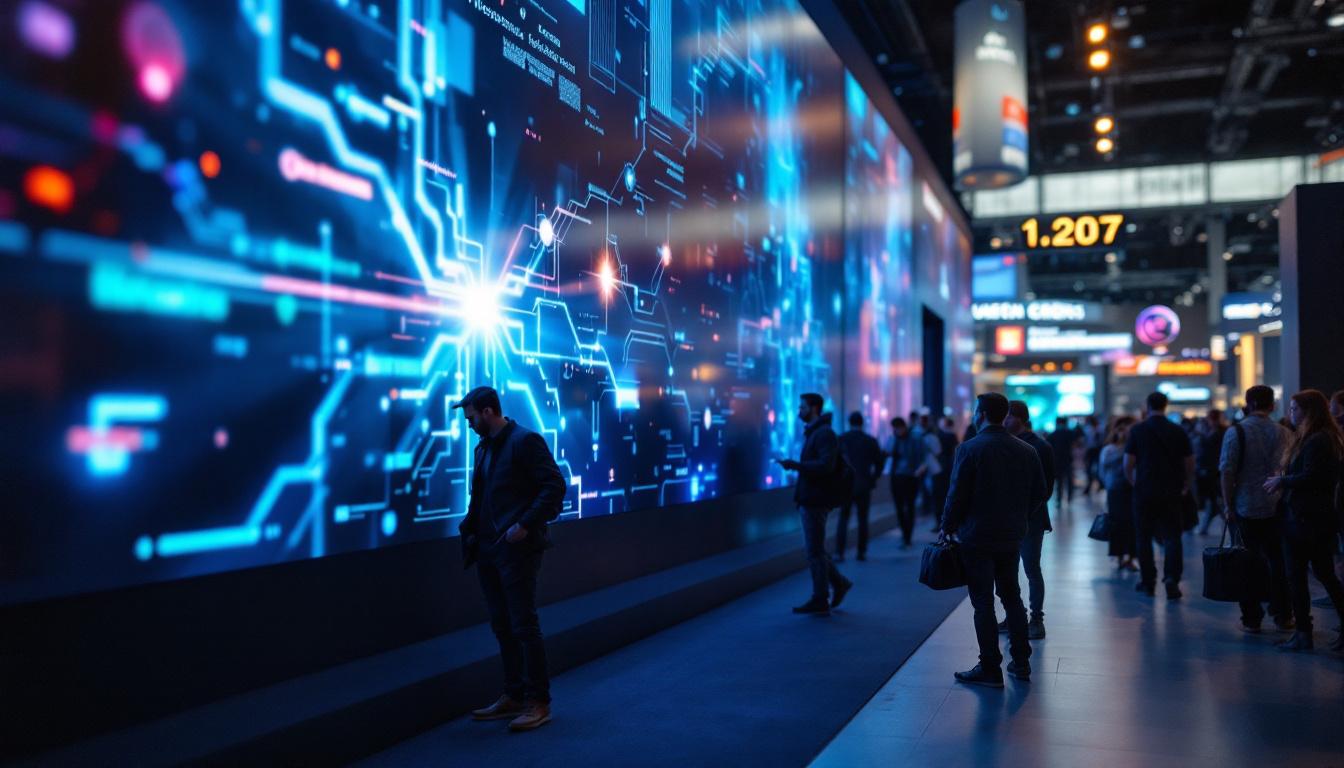
LED technology has revolutionized the spectator experience in stadiums and concert venues. Massive LED screens display live action, replays, and interactive content, enhancing engagement and immersion.
For example, the AT&T Stadium in Texas features one of the largest high-definition LED screens globally, measuring approximately 160 feet wide and 72 feet tall. This installation demonstrates how LED displays can transform large venues into multimedia hubs.
In addition to enhancing the viewing experience, LED displays are increasingly used for fan engagement through interactive features. For instance, many arenas now utilize mobile apps that allow fans to participate in live polls, trivia games, or even vote for their favorite plays, with results displayed instantly on the screens. This not only keeps the audience entertained during breaks but also fosters a sense of community and involvement among attendees, making each event more memorable.
Corporate and Retail Environments
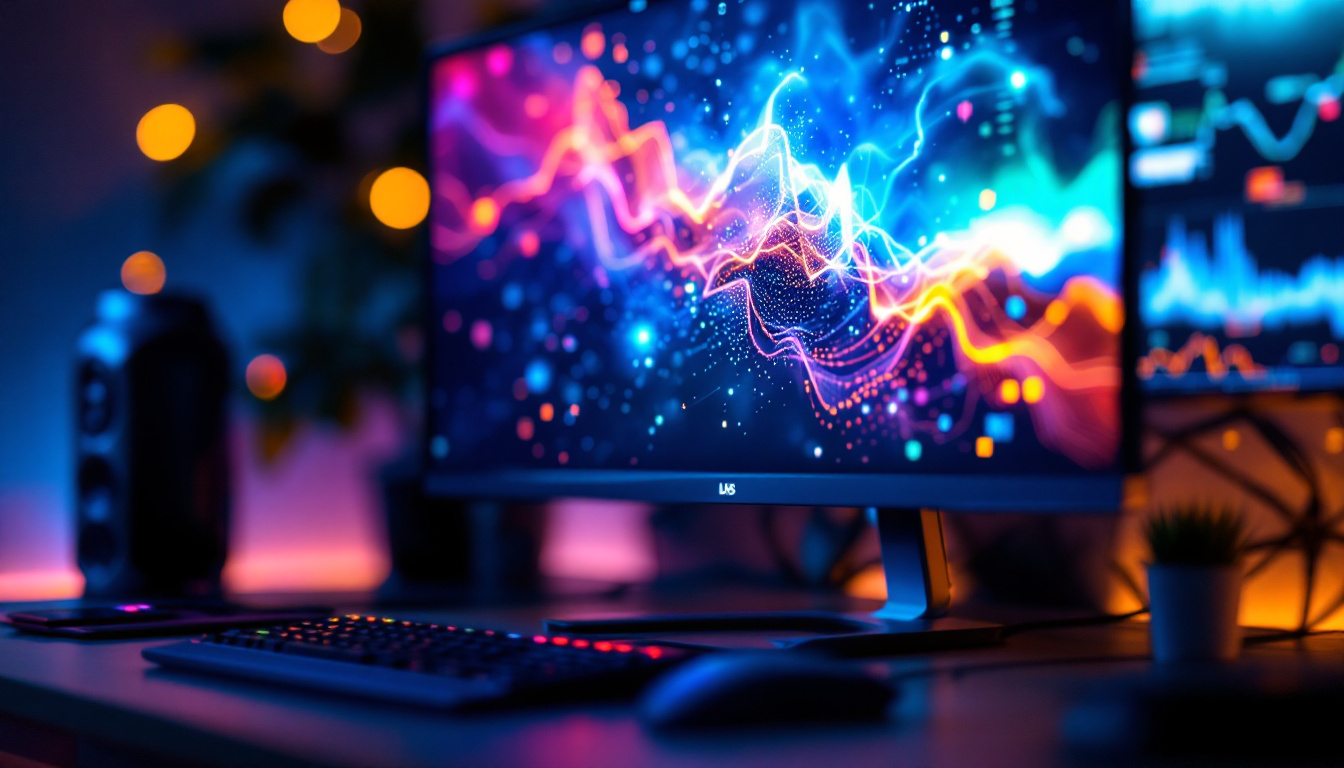
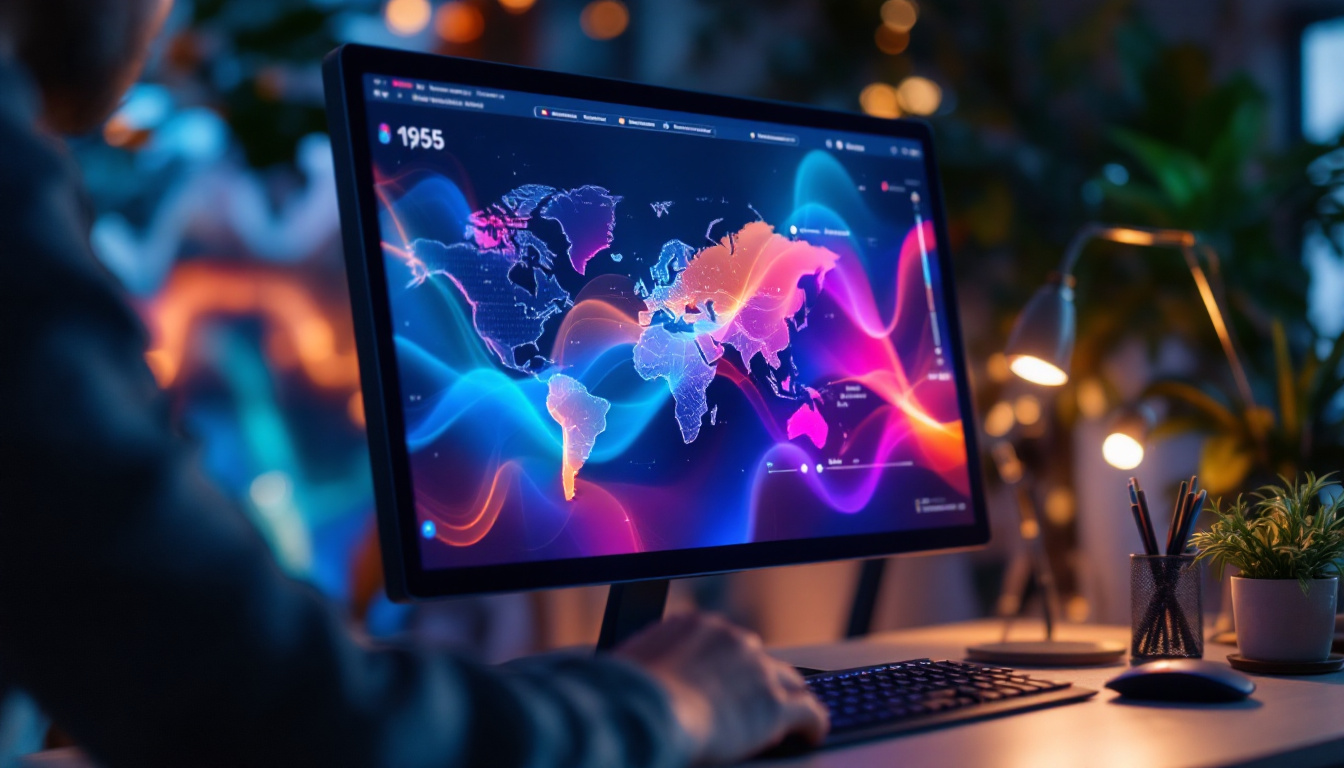
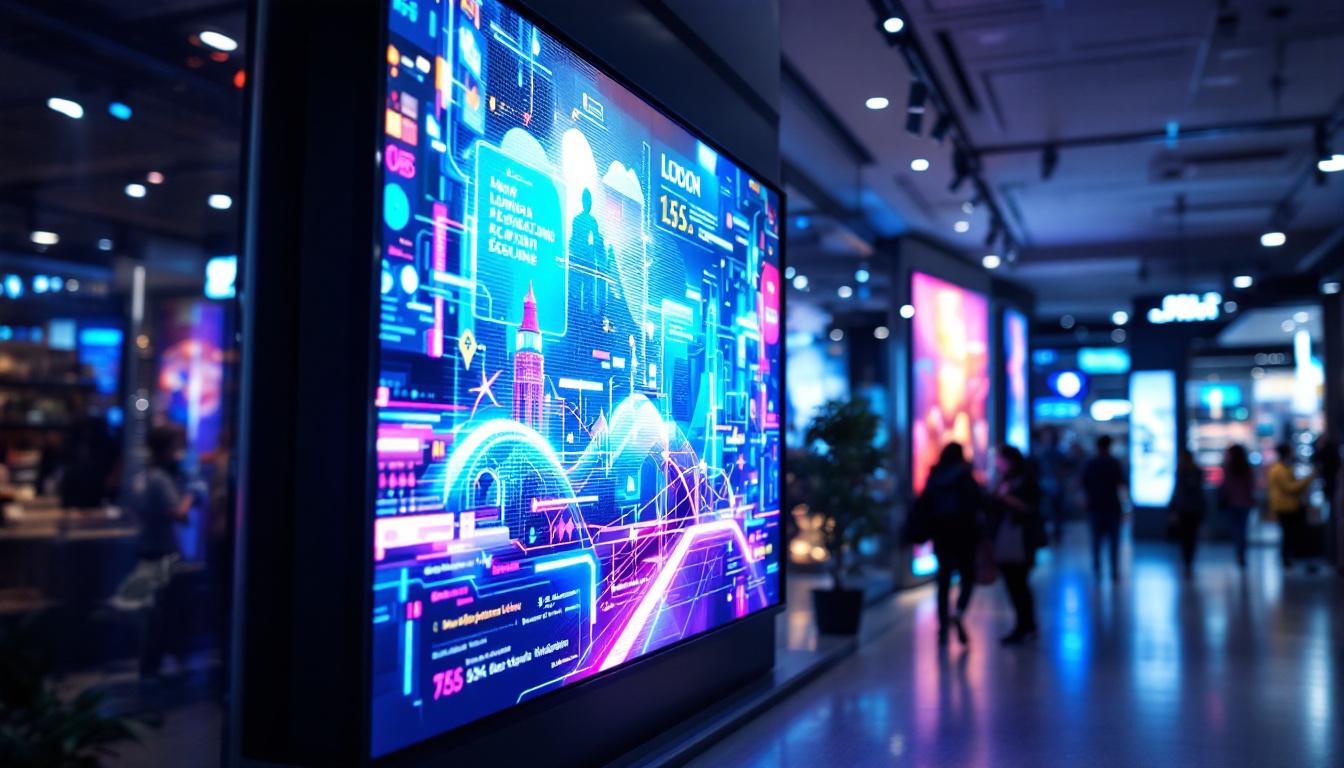
In offices and retail spaces, LED displays are used for presentations, digital signage, and interactive kiosks. Their sleek design and superior image quality make them ideal for conveying information and branding messages effectively.
Retailers benefit from LED displays by showcasing promotional content that can adapt to customer behavior and time of day, fostering a personalized shopping experience.
Furthermore, in corporate environments, LED displays are increasingly being utilized for internal communications, such as displaying important announcements or company news in real-time. This not only keeps employees informed but also enhances the overall workplace atmosphere. In retail, the ability to display high-definition visuals can significantly impact customer purchasing decisions, as vibrant imagery and engaging video content can draw attention to products, ultimately leading to increased sales. The integration of LED technology into both corporate and retail settings exemplifies the growing trend of using innovative solutions to enhance communication and customer engagement.
Technical Aspects and Innovations
Resolution and Pixel Pitch
The clarity of an LED display depends heavily on its resolution and pixel pitch. Resolution refers to the number of pixels horizontally and vertically, while pixel pitch is the distance between the centers of two adjacent pixels, usually measured in millimeters.
A smaller pixel pitch means higher pixel density, resulting in sharper images, especially at close viewing distances. For instance, indoor LED displays typically have pixel pitches ranging from 0.9mm to 4mm, whereas outdoor displays might have pitches from 6mm to 20mm or more.
Energy Efficiency and Sustainability
Energy consumption is a critical consideration in LED display design. Advances in LED chip technology and power management have significantly reduced energy use compared to older display technologies. Many modern LED displays incorporate sensors to adjust brightness automatically based on ambient light, further optimizing power consumption.
Additionally, manufacturers are increasingly focusing on sustainable materials and recycling programs to minimize environmental impact. This shift aligns with global efforts to reduce e-waste and carbon footprints.
Emerging Trends: MicroLED and MiniLED
MicroLED and MiniLED technologies represent the next frontier in LED displays. MicroLEDs are microscopic LEDs that offer exceptional brightness, contrast, and color accuracy without the need for backlighting. This technology promises thinner, more efficient displays with superior image quality.
MiniLED, on the other hand, uses thousands of tiny LEDs as a backlight for LCD panels, providing enhanced contrast and HDR performance. Both technologies are gaining traction in premium TVs, monitors, and mobile devices, signaling a shift toward even more immersive visual experiences.
Challenges and Considerations When Choosing LED Displays
Cost and Installation
While LED displays offer numerous advantages, they come with higher upfront costs compared to traditional display technologies. Installation complexity, especially for large-scale or curved displays, can add to the expense.
However, the total cost of ownership often balances out due to lower maintenance, longer lifespan, and energy savings. It is essential for buyers to consider these factors alongside their specific use cases and budget constraints.
Maintenance and Longevity
Maintaining LED displays involves routine cleaning, software updates, and occasional component replacements. Outdoor displays require weatherproofing and protection against dust and moisture.
With proper care, LED displays can last upwards of 100,000 hours, making them a reliable investment for long-term applications.
Content Management and Software Integration
Effective use of LED displays depends heavily on content management systems (CMS) that allow users to schedule, update, and monitor content remotely. Integration with existing IT infrastructure and compatibility with various media formats are critical for seamless operation.
Modern CMS platforms often include analytics and audience measurement tools, enabling businesses to optimize their messaging strategies based on real-time data.
The Future of LED Displays
Interactive and Immersive Experiences
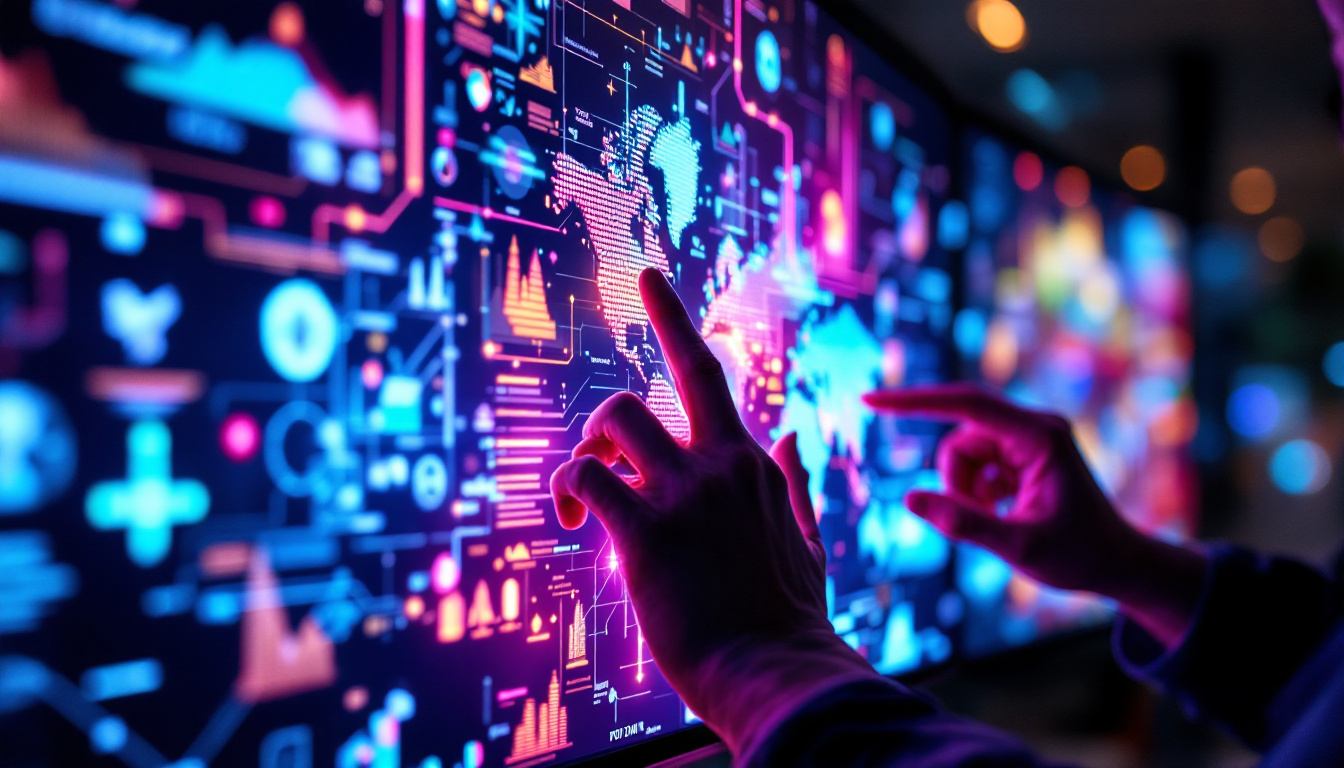
The future of LED displays is moving beyond static visuals toward interactive and immersive environments. Technologies such as augmented reality (AR) and gesture recognition are being integrated with LED displays to create engaging user experiences in retail, education, and entertainment.
For example, interactive LED walls in museums can respond to visitor movements, providing personalized information and enhancing learning.
Smart Cities and Public Infrastructure
LED displays are playing a pivotal role in the development of smart cities. They are used for dynamic traffic management, public safety announcements, and environmental monitoring. These displays can adapt content based on real-time data, improving urban living conditions and communication.
Advancements in Flexible and Transparent Displays
Flexible LED displays are enabling new design possibilities, such as curved or foldable screens that can be integrated into architectural elements. Transparent LED displays, which allow viewers to see through the screen while displaying content, are gaining popularity in retail storefronts and automotive applications.
These innovations are expanding the potential use cases for LED technology, blending digital content seamlessly into physical spaces.
Conclusion
LED displays have transformed the way visual information is delivered across multiple sectors. Their superior brightness, energy efficiency, and versatility make them indispensable tools for advertising, entertainment, corporate communication, and public infrastructure. As technology advances, LED displays continue to evolve, offering richer, more interactive, and sustainable solutions.
Understanding the intricacies inside the walls of LED displays—from the fundamental technology to emerging trends—empowers businesses and consumers alike to make informed decisions and harness the full potential of this illuminating technology.
Discover the Future of Visual Communication with LumenMatrix
Ready to elevate your visual presence and create unforgettable experiences? LumenMatrix is at the forefront of LED display innovation, offering a wide array of solutions tailored to your needs. From Indoor and Outdoor LED Walls to specialized displays for vehicles, sports, and custom installations, our technology is designed to captivate and engage. Embrace the future of digital signage with LumenMatrix and let your message shine with unparalleled clarity and impact. Check out LumenMatrix LED Display Solutions today and transform the way you communicate visually.