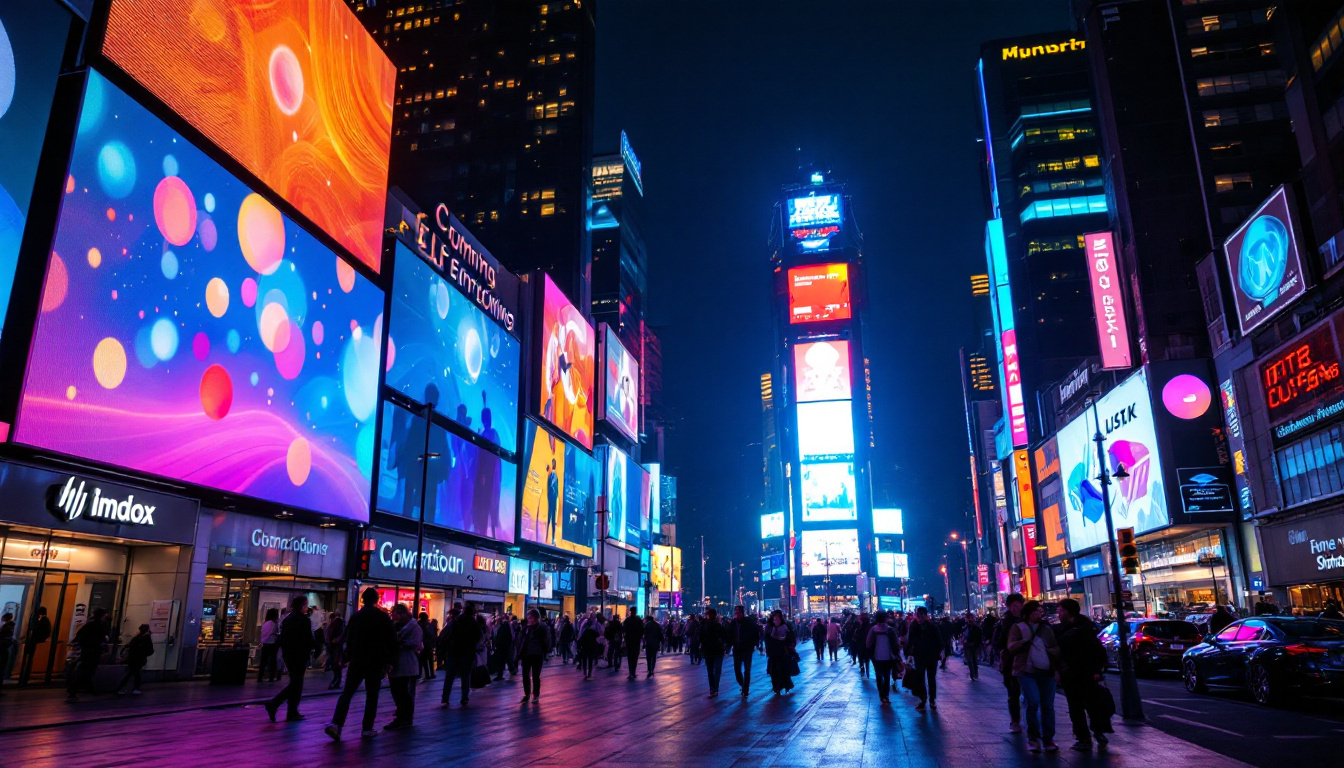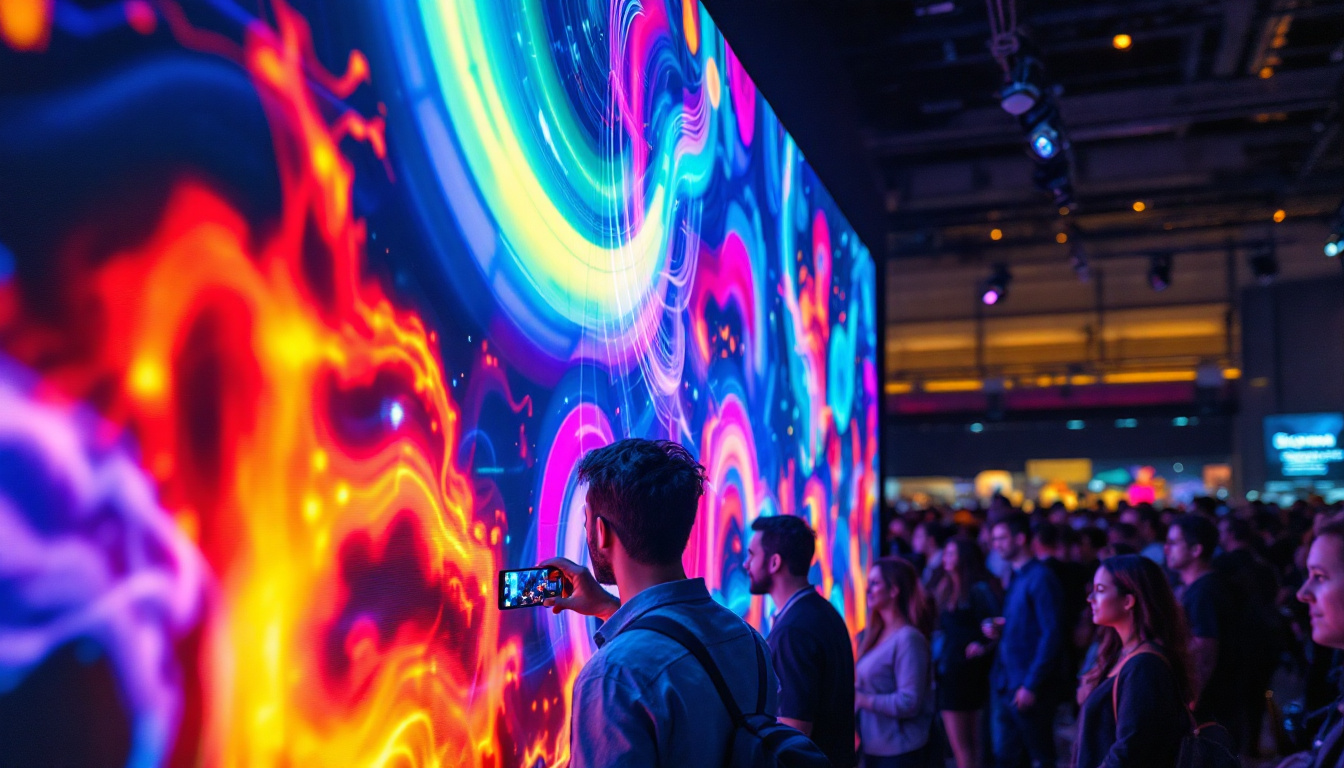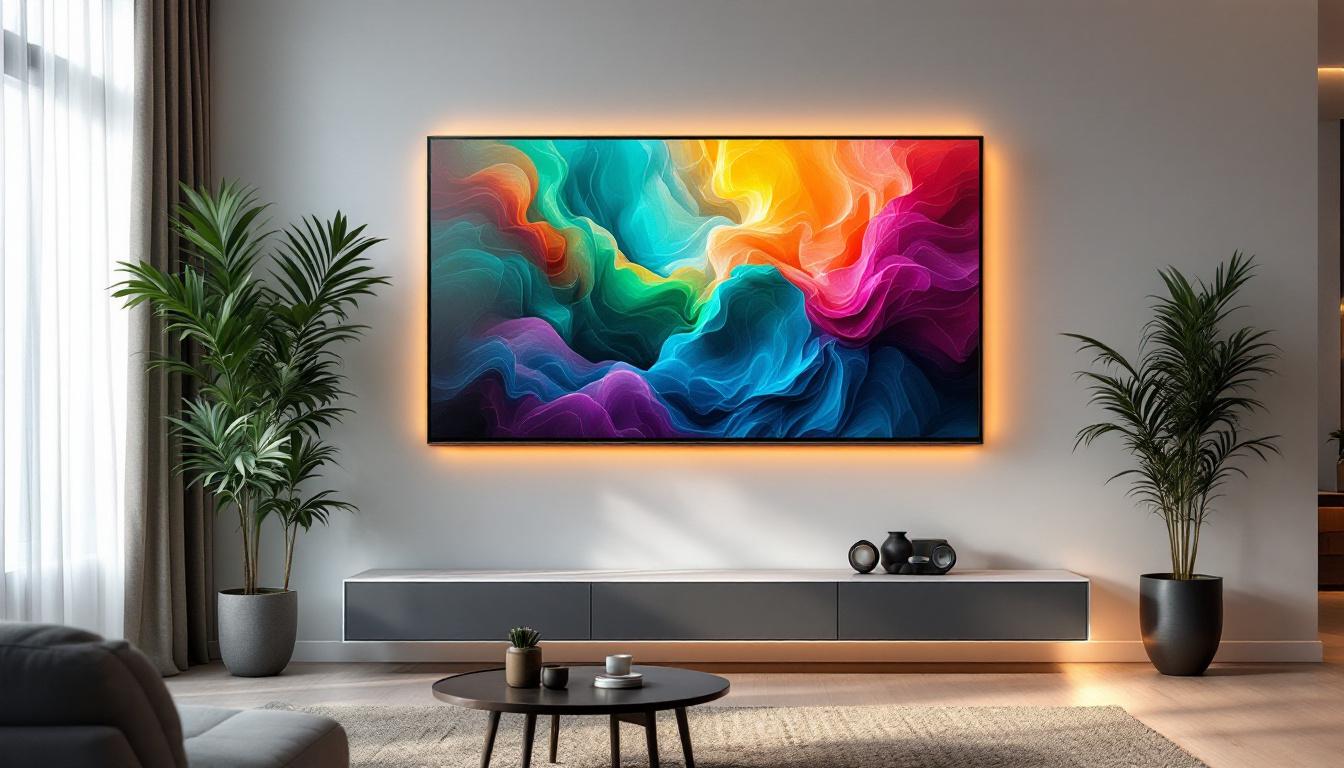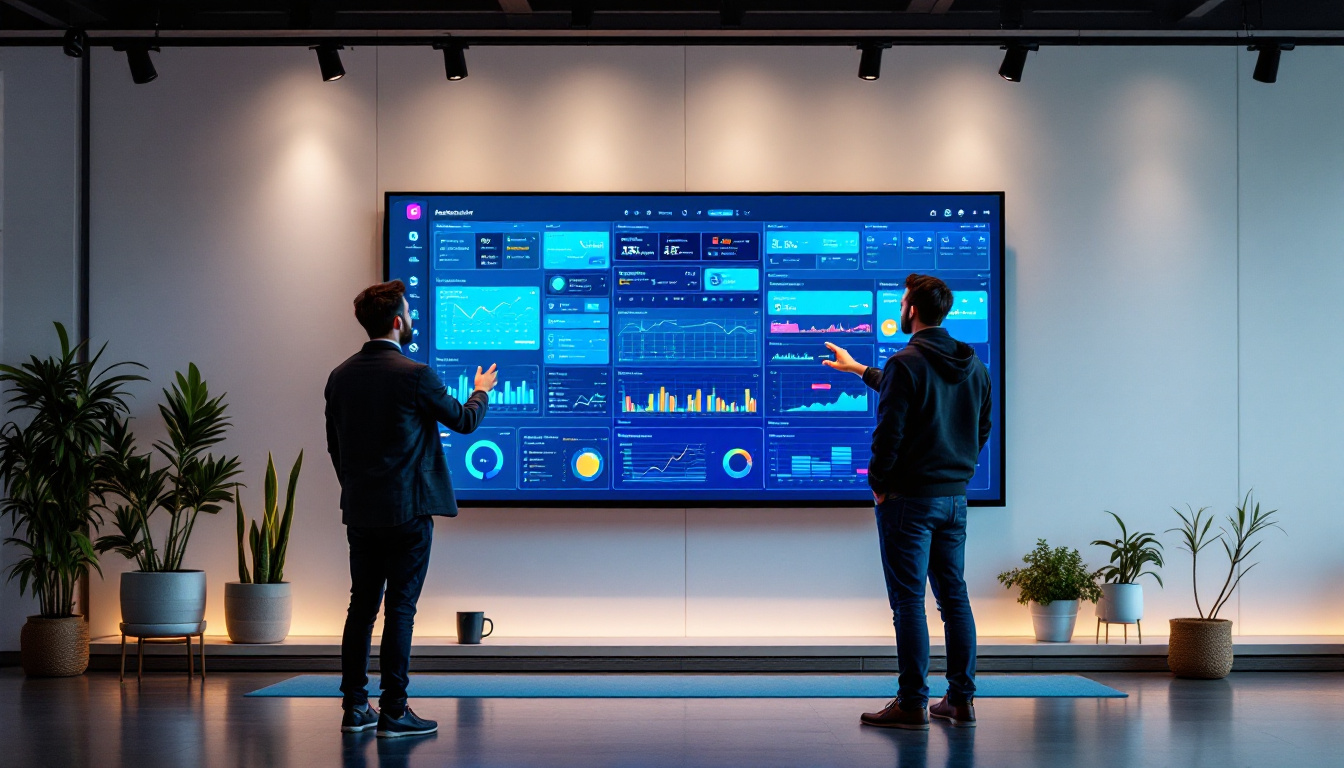
In the world of digital displays, LED technology stands out as a versatile and vibrant solution for a wide range of applications—from advertising billboards to intricate indoor screens. One of the key challenges in working with LED displays is achieving precise color representation, especially when dealing with complex content or custom configurations. This is where the concept of a Color Calculator Poe becomes invaluable.
This article delves into the fundamentals of LED displays, the importance of accurate color calculation, and how tools like the Color Calculator Poe help professionals and enthusiasts alike achieve stunning visual results. Whether you are a display engineer, a content creator, or simply curious about how LED screens produce such vivid colors, this comprehensive guide will illuminate the subject.
Understanding LED Displays: The Basics
LED (Light Emitting Diode) displays are composed of numerous tiny light sources called LEDs, which emit light when an electric current passes through them. These LEDs are arranged in a matrix to form pixels, the smallest units of a digital image. Each pixel typically consists of red, green, and blue LEDs, which combine at varying intensities to produce a full spectrum of colors.
The quality and performance of an LED display depend on several factors, including pixel pitch (the distance between adjacent pixels), brightness, refresh rate, and color accuracy. Among these, color accuracy is critical for applications such as digital signage, live events, and broadcast studios, where displaying true-to-life colors enhances viewer engagement and brand perception. Additionally, the viewing angle and contrast ratio play significant roles in how effectively an LED display communicates its message. A wider viewing angle ensures that the content is visible from various positions, while a high contrast ratio allows for deeper blacks and brighter whites, making images more vibrant and dynamic.
How Colors Are Produced on LED Screens
The principle of additive color mixing governs how colors appear on LED displays. By adjusting the brightness levels of the red, green, and blue LEDs within each pixel, the screen can render millions of colors. For example, combining red and green light at full intensity produces yellow, while mixing all three colors at maximum brightness yields white.
However, achieving the desired color output is not as straightforward as simply setting RGB values. Factors such as LED binning variations, temperature changes, and power supply inconsistencies can affect the emitted light’s wavelength and intensity. This variability necessitates precise calibration and color calculation to maintain consistent and accurate color reproduction. Furthermore, advanced technologies such as dynamic range optimization and color gamut expansion are increasingly being integrated into LED displays to enhance color fidelity and ensure that the content appears as intended, regardless of the ambient lighting conditions. These innovations not only improve the visual experience but also allow for more creative possibilities in content creation, making LED displays a popular choice in both commercial and artistic applications.
The Role of Color Calculation in LED Display Performance
Color calculation involves determining the correct intensity values for each LED color channel to produce a target color. This process is essential for ensuring that the displayed colors match the intended hues, saturation, and brightness as closely as possible. In the world of digital displays, achieving accurate color representation is not just a technical requirement; it’s a crucial factor in user experience, especially in applications such as digital signage, gaming, and cinematic displays where color fidelity can significantly impact engagement and visual storytelling.
In practical terms, color calculation must account for the physical characteristics of the LEDs, the display’s configuration, and environmental conditions. Without accurate color calculation, images may appear washed out, overly saturated, or distorted, undermining the display’s effectiveness. Furthermore, the color gamut—the range of colors that a display can reproduce—plays a vital role in this process. A wider color gamut allows for more vivid and lifelike images, making the understanding of color calculation even more critical in the design and manufacturing of LED displays.
Challenges in Color Calculation for LED Displays
One of the main challenges is the non-linear response of LEDs to electrical input. Unlike traditional displays that use liquid crystals or OLEDs, LEDs have unique spectral distributions and brightness curves. This means that the relationship between input signal and perceived color is complex and requires sophisticated algorithms to model accurately. These algorithms often involve color space transformations, which convert colors from one representation to another, ensuring that the output matches the desired visual output across different viewing conditions.
Additionally, LED displays often operate under varying ambient lighting conditions, which can influence perceived color. To compensate, color calculations may incorporate ambient light sensors or adaptive calibration techniques to adjust the output dynamically. This adaptability is crucial in environments where lighting can change frequently, such as retail spaces or outdoor displays. Moreover, the integration of machine learning techniques is becoming increasingly popular in refining these calculations, allowing systems to learn from previous adjustments and improve their accuracy over time. As technology advances, the quest for perfect color representation in LED displays continues to evolve, presenting both challenges and exciting opportunities for innovation in the field.
Introducing the Color Calculator Poe
The Color Calculator Poe is a specialized tool designed to simplify and enhance the process of color calculation for LED displays. It integrates advanced mathematical models and user-friendly interfaces to provide precise RGB intensity values tailored to specific LED configurations.
By inputting parameters such as LED spectral data, pixel pitch, and desired color coordinates, users can generate accurate color profiles that optimize display performance. This tool is particularly useful for display manufacturers, installers, and content developers who require consistent color fidelity across different screens and environments.
Key Features of the Color Calculator Poe
- Spectral Data Integration: Utilizes detailed LED spectral information to predict color output accurately.
- Customizable Parameters: Allows users to input specific display characteristics, including pixel pitch, LED binning data, and environmental factors.
- Real-Time Calculation: Provides instant feedback on color adjustments, facilitating rapid calibration and testing.
- Compatibility: Supports various LED types and configurations, making it versatile for different display setups.
- User-Friendly Interface: Designed for both technical experts and novices, with clear visualization of color outputs and adjustments.
How the Color Calculator Poe Enhances LED Display Calibration
Calibration is the process of aligning a display’s output with a known color standard, such as sRGB or Rec. 709. The Color Calculator Poe streamlines this by automating complex calculations and providing actionable data for technicians.
For example, when calibrating a large outdoor LED billboard, technicians can use the calculator to adjust the RGB values for each pixel cluster, compensating for LED aging or environmental changes. This results in a uniform color appearance across the entire display, even under challenging conditions.
Case Study: Improving Color Consistency in a Stadium Display
A recent project involved calibrating a massive LED screen installed in a sports stadium. The display featured over 10,000 square feet of LED panels with varying pixel pitches and LED models. Initial tests showed color inconsistencies between panels, leading to a patchy visual experience.
Using the Color Calculator Poe, the installation team input detailed LED characteristics and environmental data. The tool generated precise RGB adjustments for each panel, which were then applied through the display’s control system. The result was a seamless and vibrant image that maintained color consistency throughout the stadium, enhancing the fan experience and advertiser satisfaction.
Practical Tips for Using the Color Calculator Poe Effectively
To maximize the benefits of the Color Calculator Poe, users should consider the following best practices:
1. Gather Accurate LED Data
Ensure that you have detailed spectral and binning data for the LEDs used in your display. This information is critical for the calculator to produce precise results. Manufacturers often provide this data, or it can be measured using specialized equipment.
2. Account for Environmental Conditions
Include factors such as ambient light levels and temperature in your calculations. These variables can significantly impact LED performance and color perception.
3. Regularly Update Calibration Profiles
LED characteristics can change over time due to aging and usage. Periodically recalibrating your display using the Color Calculator Poe helps maintain color accuracy and prolongs the display’s lifespan.
4. Combine with Hardware Calibration Tools
While the Color Calculator Poe provides excellent software-based calculations, pairing it with hardware calibration devices like colorimeters or spectroradiometers can further enhance accuracy.
The Future of LED Display Color Management
As LED technology continues to evolve, so too will the methods for managing and calculating color output. Emerging trends include the integration of AI-driven calibration systems that can learn and adapt to changing conditions in real-time, and the development of more sophisticated color models that account for human visual perception nuances.
Tools like the Color Calculator Poe represent a significant step forward in this evolution, providing a foundation for more intelligent and precise color management solutions. The ongoing collaboration between hardware manufacturers, software developers, and display professionals will be key to unlocking the full potential of LED displays in the years to come.
Conclusion
Understanding and managing color on LED displays is a complex but essential task for achieving high-quality visual output. The Color Calculator Poe offers a powerful and accessible means to navigate this complexity, enabling users to produce accurate and consistent colors across a wide range of LED display applications.
By leveraging precise spectral data, customizable parameters, and real-time feedback, this tool enhances calibration processes and elevates the overall display experience. As LED technology advances, embracing sophisticated color calculation tools will remain critical for professionals seeking to deliver vibrant, true-to-life images that captivate audiences worldwide.
Discover LumenMatrix’s Advanced LED Solutions
Ready to bring your visual displays to the next level? LumenMatrix, a pioneer in LED display technology, offers a comprehensive range of solutions tailored to your needs. From vibrant Indoor LED Walls to dynamic Outdoor LED Displays, and from sleek LED Posters to immersive LED Sports and Floor Displays, our products are designed to captivate and engage. Embrace the future of visual communication with LumenMatrix’s Custom, All-in-One, and Transparent LED Displays, and let your brand shine like never before. Check out LumenMatrix LED Display Solutions today and transform your space into a mesmerizing visual experience.