Museums have long been centers of education, culture, and history, striving to engage visitors in meaningful ways. As technology advances, the traditional static exhibit has evolved into dynamic, interactive experiences that captivate and educate simultaneously. Among the most transformative technologies in this evolution are LED displays. This article delves into how LED displays are revolutionizing interactive museum exhibits, exploring their technology, benefits, applications, and future potential.
Understanding LED Display Technology
What is an LED Display?
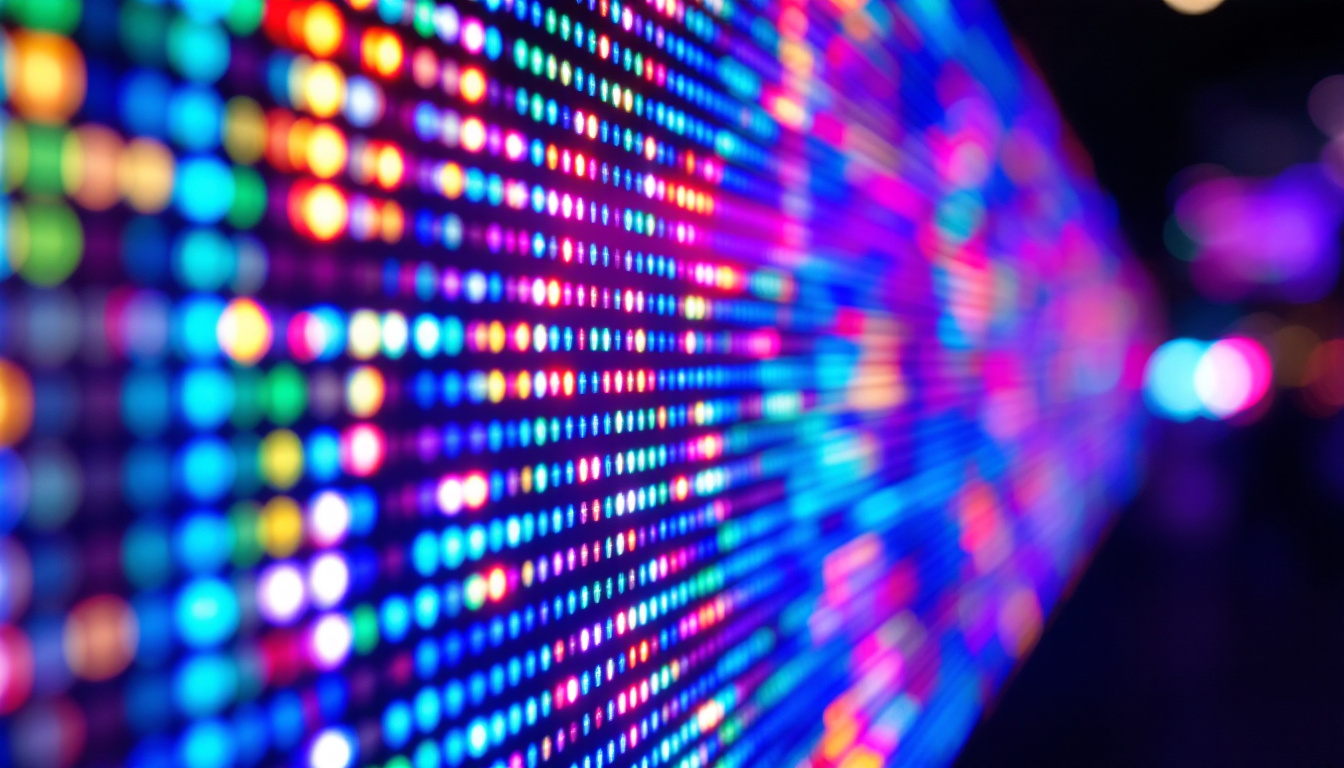
LED stands for Light Emitting Diode, a semiconductor device that emits light when an electric current passes through it. LED displays are screens composed of thousands, sometimes millions, of these tiny diodes arranged in a grid. Each diode acts as a pixel, capable of producing bright, vibrant colors. Unlike traditional LCD or plasma screens, LED displays are self-illuminating, which means they do not require backlighting, resulting in deeper blacks and higher contrast ratios. This self-illuminating capability not only enhances the visual experience but also contributes to energy efficiency, making LED displays a more sustainable choice in the long run.
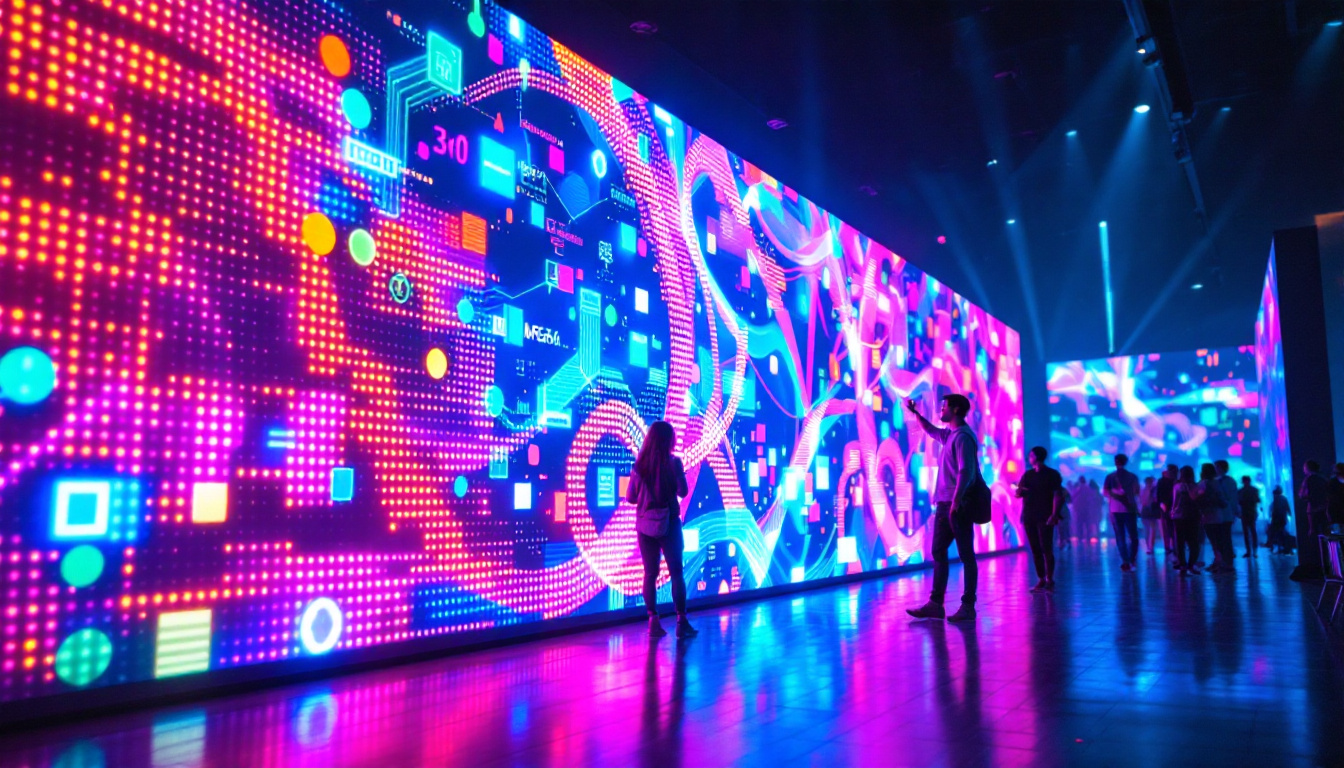
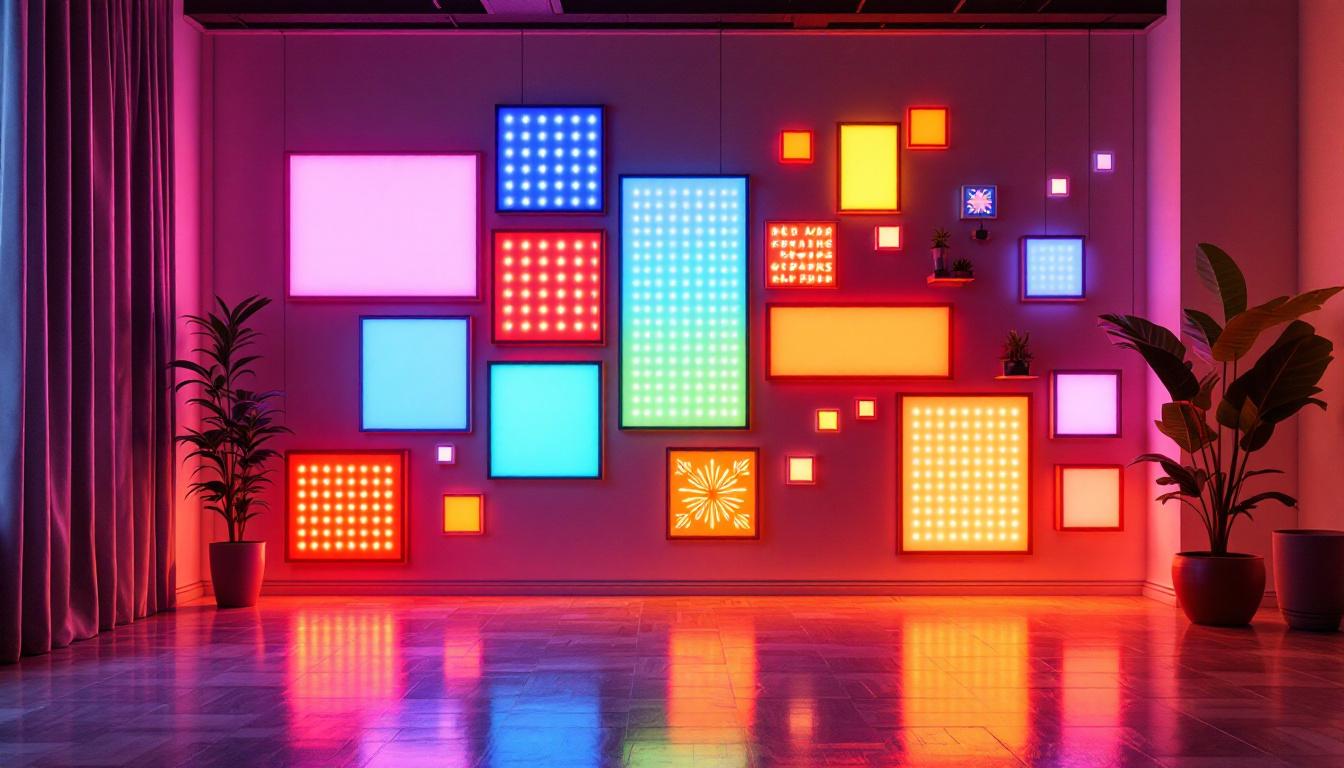
In the context of museum displays, LED technology is often used in large-format screens, video walls, or even flexible panels that can be shaped to fit unique exhibit designs. The modular nature of LED panels allows for customization in size and resolution, making them ideal for diverse museum environments. Furthermore, the ability to create dynamic content that can be updated in real-time allows museums to engage visitors with interactive displays, showcasing everything from historical artifacts to contemporary art in an immersive manner.
Types of LED Displays Used in Museums
There are several types of LED displays utilized in museum settings, each offering distinct advantages:
- Indoor LED Displays: Designed for controlled lighting environments, these displays provide high resolution and color accuracy, perfect for detailed images and videos. Their ability to render intricate details makes them a favorite for showcasing fine art and delicate artifacts.
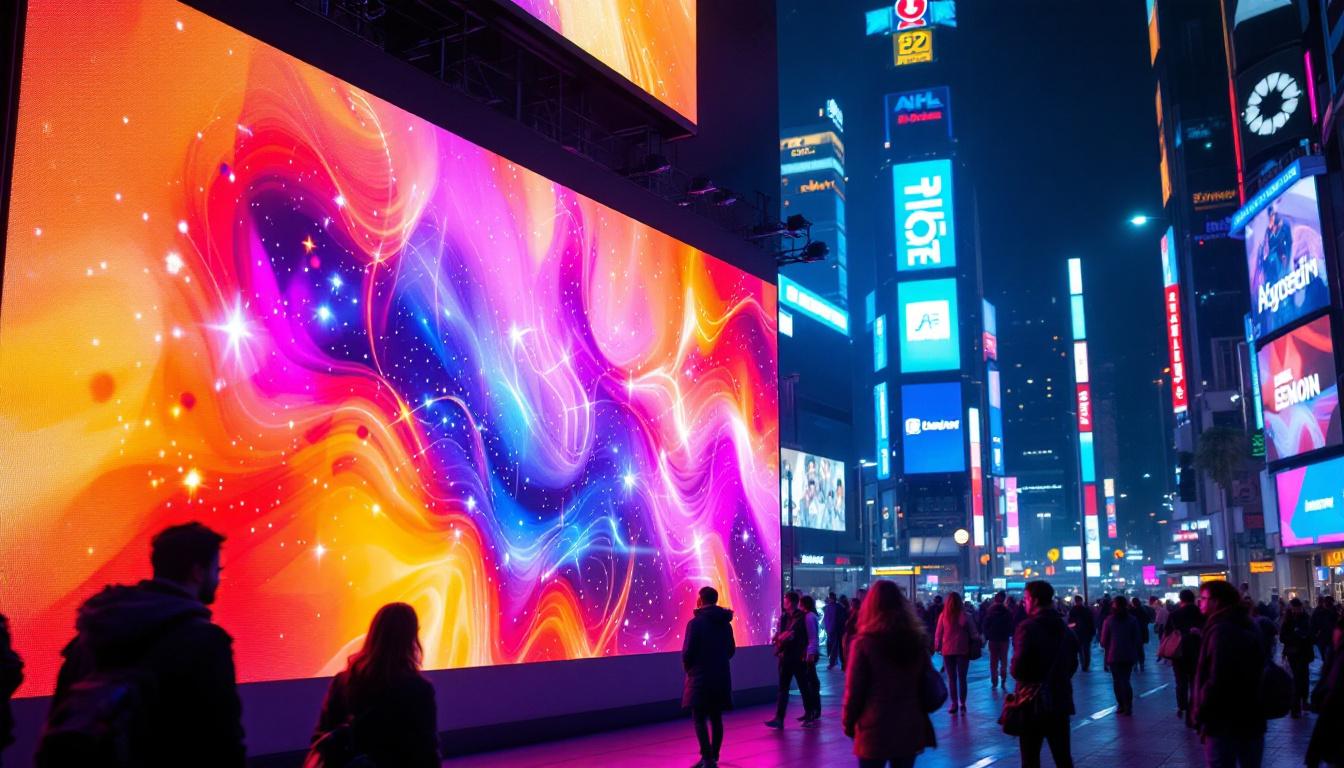
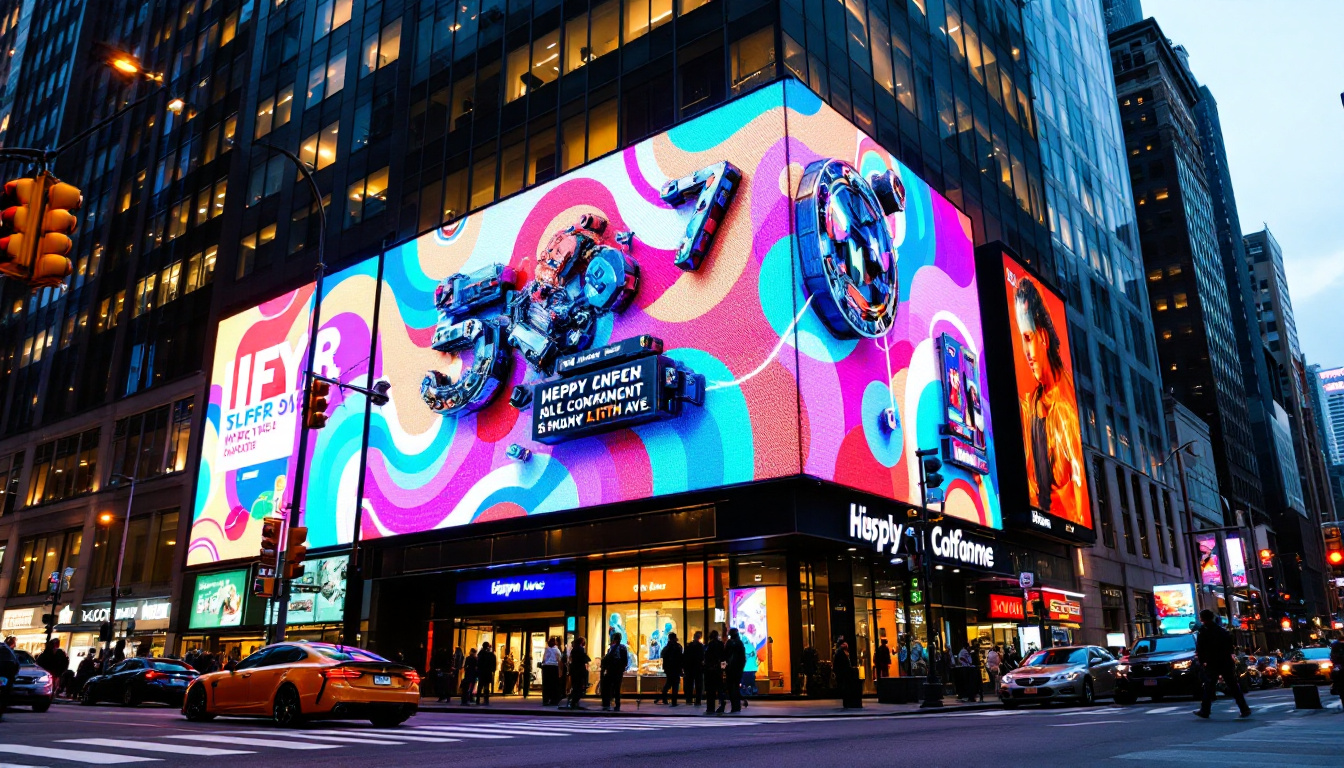
- Outdoor LED Displays: Built to withstand environmental elements, these are used for exhibits exposed to natural light or outdoor installations. They often feature enhanced brightness levels to ensure visibility even in direct sunlight, making them effective for attracting attention to museum entrances or outdoor installations.
- Transparent LED Displays: These innovative screens allow light to pass through, enabling displays on glass surfaces without obstructing views, ideal for window exhibits. This feature not only enhances the aesthetic appeal but also allows for creative storytelling, as viewers can see both the display content and the surrounding environment simultaneously.
- Flexible LED Displays: Made from bendable materials, these can conform to curved surfaces, adding a creative dimension to exhibit design. Their versatility allows museums to create unique shapes and forms, transforming traditional exhibit spaces into engaging, interactive experiences that captivate visitors of all ages.
Additionally, museums are increasingly incorporating advanced technologies such as augmented reality (AR) and virtual reality (VR) in conjunction with LED displays. This integration allows for a multi-layered approach to storytelling, where visitors can interact with digital elements overlaid on physical exhibits. For instance, an LED display might show a historical scene that visitors can explore further through AR, deepening their understanding and appreciation of the artifacts on display. This fusion of technology not only enhances educational opportunities but also creates memorable experiences that resonate with audiences long after their visit.
Why LED Displays are Ideal for Interactive Museum Exhibits
Enhanced Visual Engagement
One of the primary reasons museums adopt LED displays is their ability to deliver vivid, high-contrast images that capture visitor attention. Studies have shown that vibrant visuals can increase visitor engagement by up to 30%, making LED displays a valuable tool for storytelling and education.
LED screens can showcase high-definition videos, animations, and interactive graphics that bring exhibits to life. For example, a natural history museum might use LED displays to simulate a dinosaur’s movement or a planetarium to project dynamic star maps. This visual stimulation helps visitors retain information better and fosters a deeper emotional connection with the content.
Interactivity and User Experience
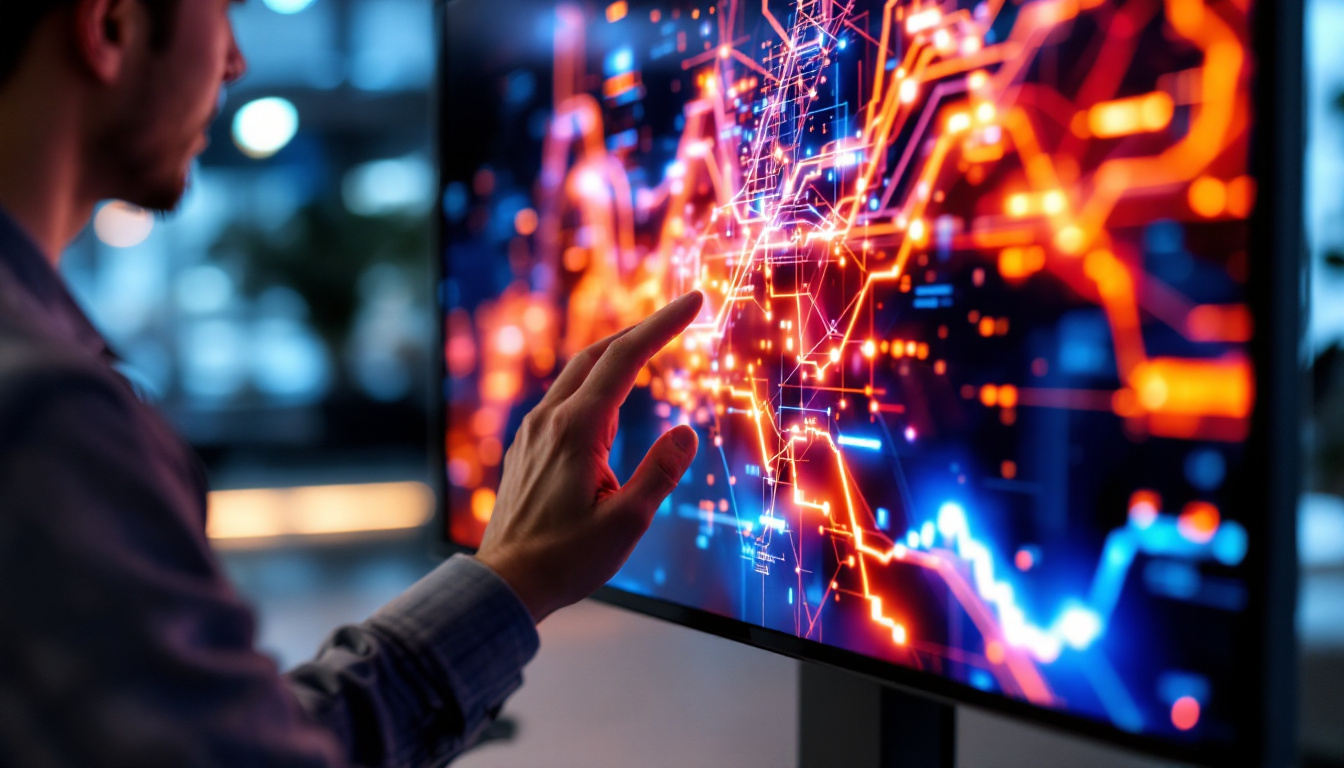
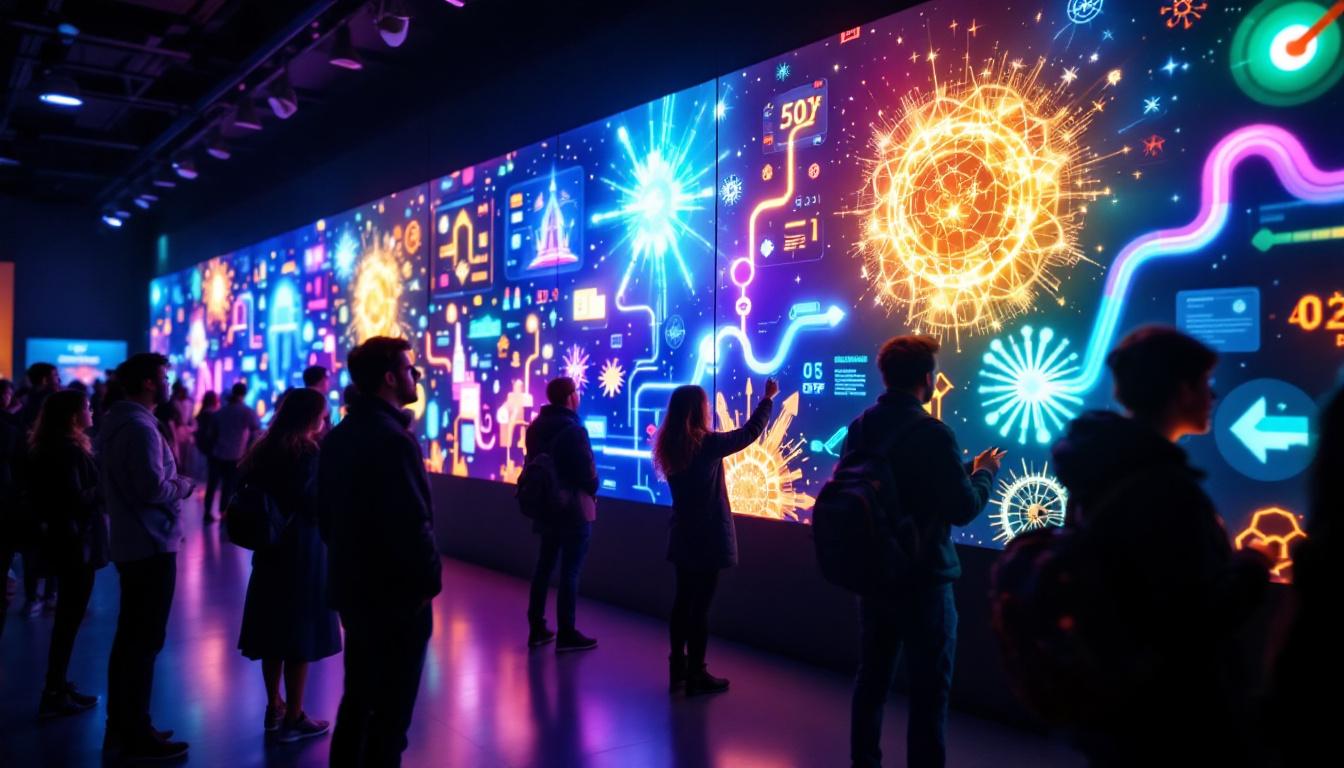
Interactive displays empower visitors to explore information at their own pace and according to their interests. When combined with touchscreens, motion sensors, or gesture recognition technology, LED displays become powerful interactive tools.
For instance, a museum exhibit on ancient civilizations might feature an LED touchscreen map where visitors can select different regions to learn about historical events, artifacts, and cultural practices. This hands-on approach caters to diverse learning styles and encourages active participation, which is crucial for educational effectiveness.
Durability and Longevity
Museums require technology solutions that can operate reliably over long periods with minimal maintenance. LED displays excel in this regard due to their energy efficiency and durability. LEDs have a typical lifespan of 50,000 to 100,000 hours, far exceeding many other display technologies.
Moreover, LED panels are resistant to shocks and vibrations, which is important in busy public spaces. Their low heat emission also reduces the risk of damage to sensitive artifacts nearby, making them a safe choice for integration within exhibits.
Applications of LED Displays in Museums
Storytelling Through Dynamic Content
Museums use LED displays to tell stories in a visually compelling way. Dynamic content such as videos, slideshows, and animations can illustrate complex concepts that static text or images cannot convey effectively. For example, a science museum might use LED walls to simulate the process of photosynthesis or the mechanics of a black hole.
These displays can also be programmed to change content based on the time of day or specific events, providing a fresh experience for repeat visitors. This adaptability enhances the museum’s ability to educate and entertain simultaneously.
Augmented Reality and Mixed Media Exhibits
LED displays are often integrated with augmented reality (AR) and mixed media to create immersive environments. By overlaying digital content on physical exhibits, museums can offer deeper insights and interactive narratives.
For example, an art museum might use transparent LED displays to project digital restorations of damaged paintings, allowing visitors to see the artwork as it originally appeared. Similarly, history museums can recreate historical scenes on LED video walls, transporting visitors back in time.
Wayfinding and Visitor Information
Large museums often face challenges in guiding visitors through extensive galleries. LED displays serve as effective wayfinding tools, providing real-time maps, directions, and event schedules.
Interactive kiosks with LED screens can help visitors plan their routes, learn about exhibit highlights, or access multilingual information. This enhances the overall visitor experience by reducing confusion and improving accessibility.
Implementing LED Displays: Considerations for Museums
Content Development and Management
Successful LED display implementation depends heavily on the quality and relevance of the content. Museums must invest in skilled content creators who understand both the subject matter and the technical possibilities of LED technology.
Content management systems (CMS) tailored for LED displays allow museums to update and schedule content efficiently. This flexibility ensures exhibits remain current and engaging without requiring extensive technical expertise.
Integration with Existing Infrastructure
Integrating LED displays into existing museum spaces requires careful planning. Factors such as lighting conditions, power supply, and spatial constraints must be considered to optimize display performance and visitor interaction.
Collaboration between curators, designers, and technology specialists is essential to ensure that LED installations complement the museum’s aesthetic and educational goals while maintaining artifact preservation standards.
Budget and Maintenance
While LED displays offer long-term benefits, initial costs can be significant. Museums should evaluate the total cost of ownership, including installation, content creation, and ongoing maintenance.
Regular maintenance protocols, such as cleaning and software updates, are necessary to keep displays functioning optimally. Partnering with experienced vendors who offer support services can mitigate downtime and extend the lifespan of the technology.
The Future of LED Displays in Museums
Advancements in LED Technology
LED technology continues to advance rapidly, with innovations such as microLED and miniLED displays promising even higher resolutions, improved energy efficiency, and thinner form factors. These developments will enable museums to create more immersive and detailed exhibits.
Additionally, the integration of AI-driven content personalization could tailor interactive experiences to individual visitor preferences, enhancing engagement and learning outcomes.
Expanding Interactivity and Immersion
Future museum exhibits may combine LED displays with emerging technologies like holography, virtual reality (VR), and advanced gesture controls to create fully immersive environments. Such integrations will transform passive viewing into active exploration, appealing to a broader audience.
For example, a natural history museum could use LED walls in conjunction with VR headsets to allow visitors to “walk” through prehistoric landscapes, interact with digital creatures, and participate in scientific discovery.
Sustainability and Energy Efficiency
As museums increasingly prioritize sustainability, LED displays offer an energy-efficient alternative to traditional lighting and projection systems. Advances in LED manufacturing are reducing environmental impact through lower power consumption and recyclable materials.
Implementing green technologies aligns with many museums’ missions to promote responsible stewardship of cultural and natural heritage, reinforcing their role as leaders in sustainability.
Conclusion
LED displays have become a cornerstone of modern interactive museum exhibits, offering unparalleled visual quality, flexibility, and durability. Their ability to engage visitors through dynamic content and interactivity enhances educational outcomes and visitor satisfaction. As technology continues to evolve, LED displays will play an increasingly vital role in shaping the future of museum experiences.
For museums looking to innovate and connect with diverse audiences, investing in LED display technology is a strategic choice that promises lasting benefits. By carefully considering content development, integration, and maintenance, museums can harness the full potential of LED displays to tell stories that inspire, educate, and captivate.
Discover the Future of Interactive Exhibits with LumenMatrix
Ready to transform your museum into an immersive storytelling canvas? Explore LumenMatrix’s comprehensive range of LED display solutions, from vibrant Indoor and Outdoor LED Wall Displays to innovative Transparent and Custom LED options. Each product is crafted to captivate and engage audiences, ensuring your exhibits leave a lasting impression. Check out LumenMatrix LED Display Solutions today and step into the future of interactive museum experiences.