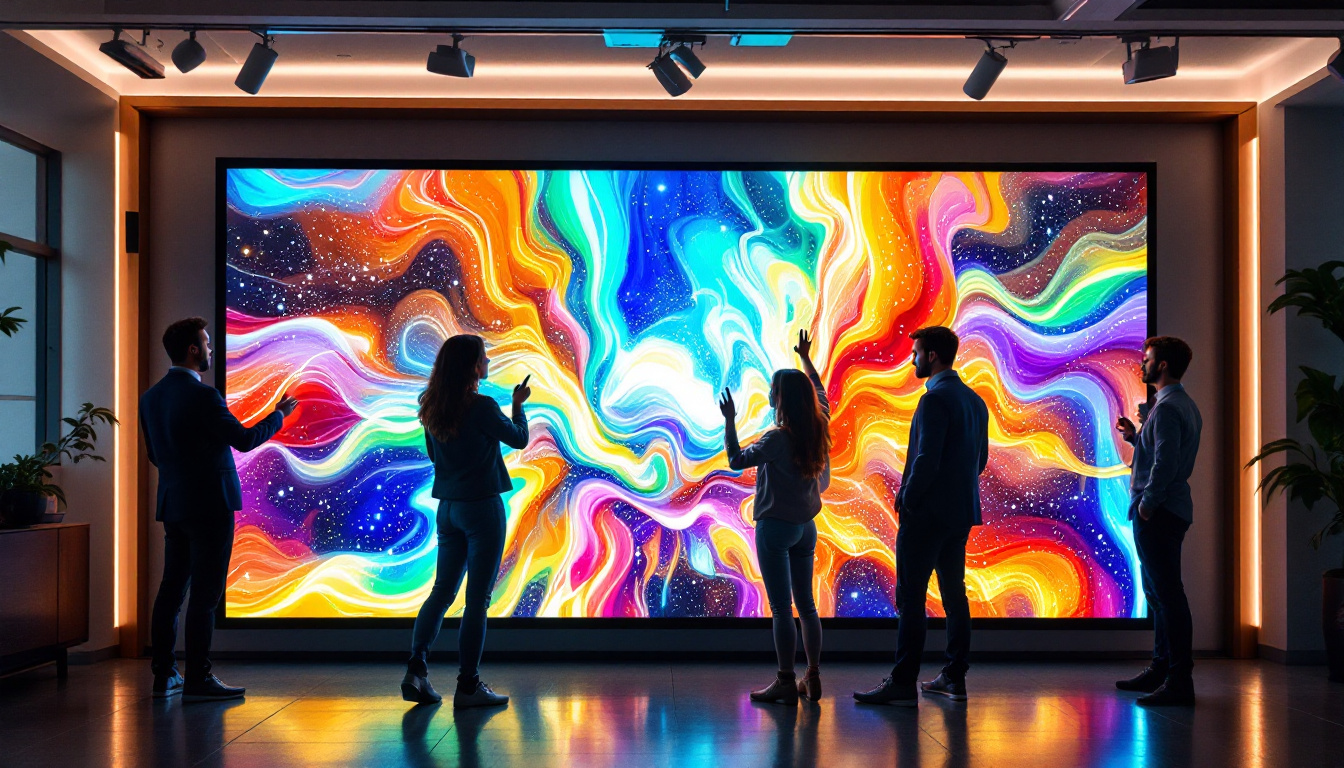
In the rapidly evolving world of exhibitions and trade shows, capturing visitor attention and delivering engaging content is paramount. Interactive touch screens have emerged as a powerful tool in this arena, transforming static displays into dynamic, immersive experiences. Among the technologies powering these interactive displays, LED (Light Emitting Diode) screens stand out for their brightness, clarity, and versatility. This article delves into the role of interactive LED touch screens in exhibitions, exploring their technology, benefits, and practical applications to help event organizers and exhibitors make informed decisions.
Understanding LED Technology in Interactive Displays
LED technology has revolutionized the display industry over the past decade. Unlike traditional LCD or projection screens, LED displays use an array of tiny light-emitting diodes to create images with remarkable brightness and color accuracy. This section breaks down the fundamentals of LED technology and its integration with touch screen capabilities.
What Makes LED Displays Unique?
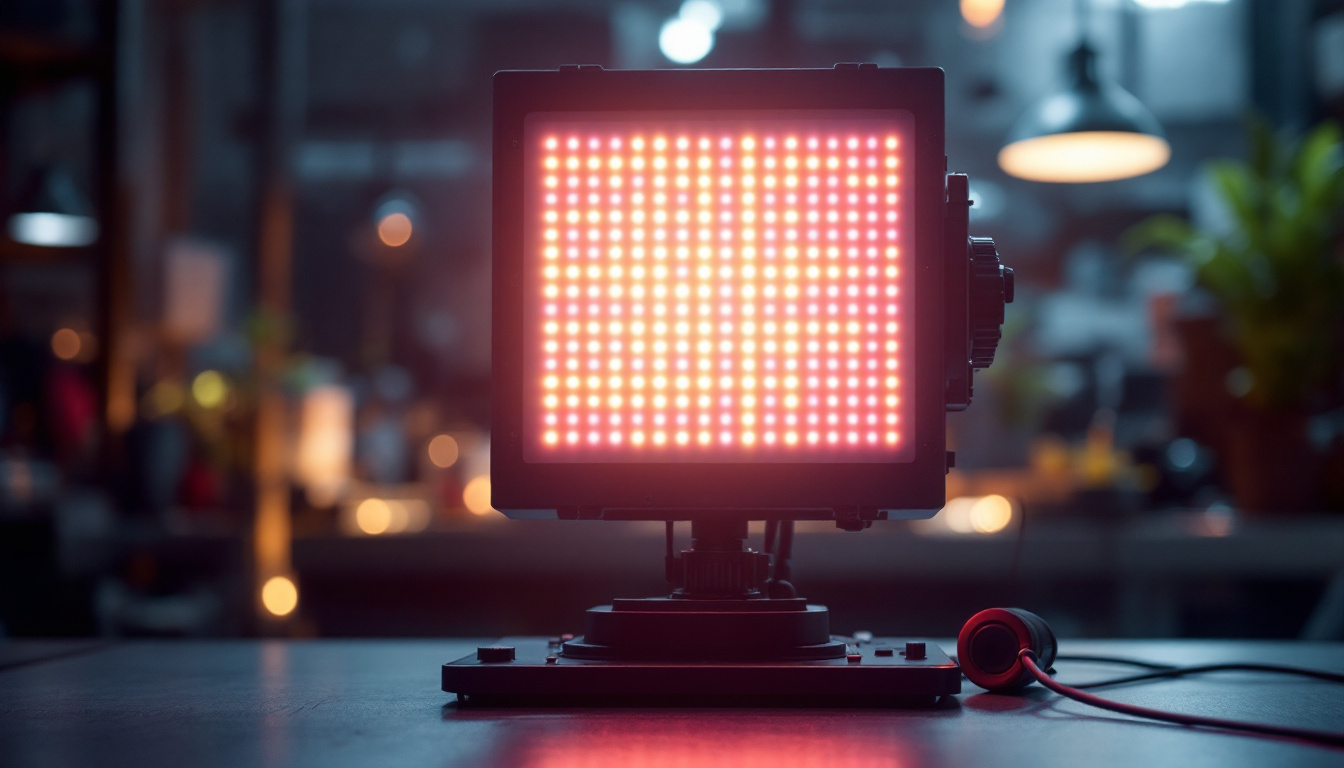
LED displays consist of millions of microscopic diodes that emit light when an electric current passes through them. This direct emission of light allows LED screens to produce vivid colors and high contrast ratios, which are crucial for visibility in brightly lit exhibition halls. Additionally, LEDs offer superior energy efficiency and longer lifespans compared to other display technologies.
One of the key advantages of LED displays is their ability to maintain image quality regardless of viewing angle. This means that attendees can clearly see the content from various positions around the booth, enhancing accessibility and engagement. Furthermore, the modular nature of LED technology allows for flexible screen sizes and shapes, enabling designers to create unique display configurations that can fit any space or design aesthetic.
Another noteworthy feature of LED displays is their rapid refresh rates, which minimize motion blur and provide a smoother viewing experience, especially for dynamic content such as videos or animations. This capability is particularly beneficial in environments like trade shows or live events, where capturing and retaining audience attention is paramount. The durability of LED screens also plays a significant role, as they are built to withstand the rigors of transportation and installation, making them ideal for both permanent and temporary setups.
Integrating Touch Screen Functionality
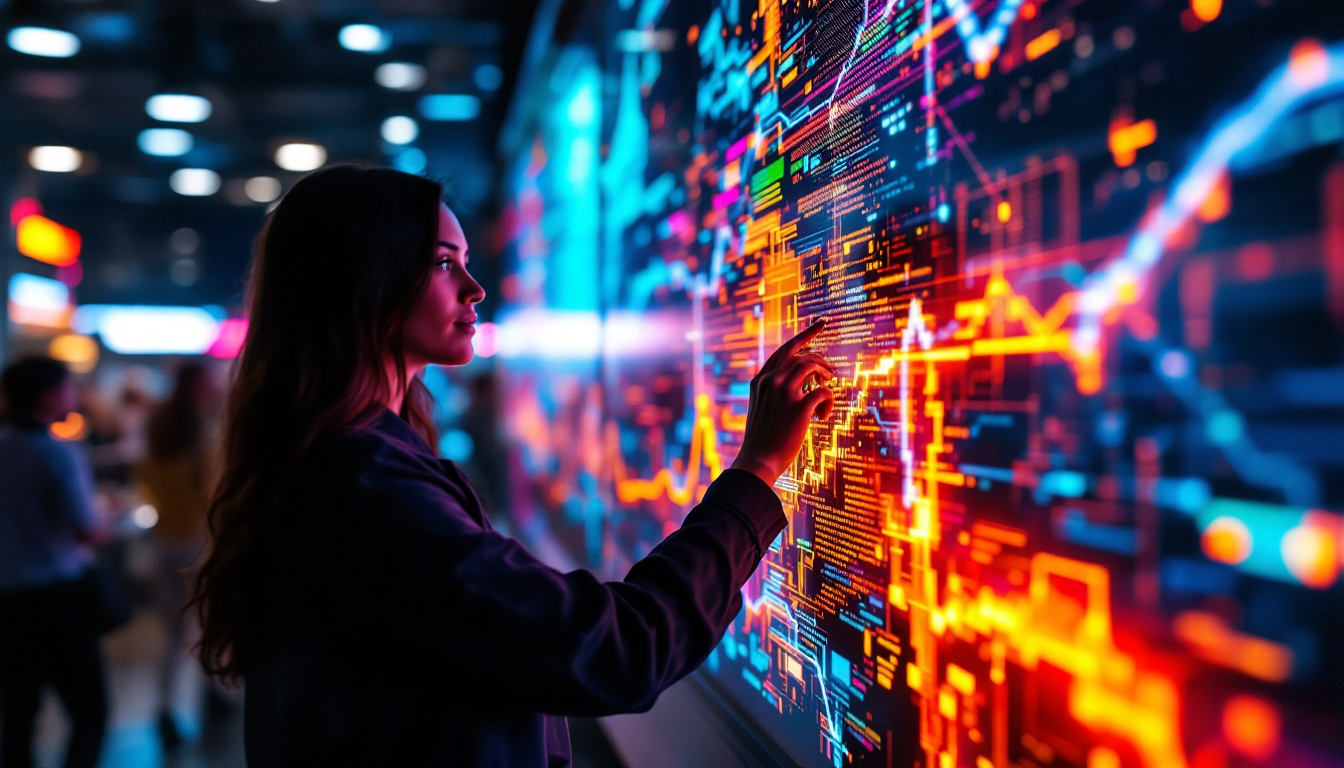
Interactive touch screens combine LED display panels with touch-sensitive layers, enabling users to interact directly with the content. Common touch technologies include capacitive, infrared, and optical touch sensors, each offering different levels of responsiveness and accuracy.
Capacitive touchscreens, similar to those found in smartphones, are popular for their smooth and precise touch recognition. Infrared and optical touch systems, on the other hand, are often preferred for larger screens due to their scalability and durability. When paired with LED displays, these touch technologies create seamless interactive experiences that can include gestures, multi-touch inputs, and even handwriting recognition. This interactivity not only captivates users but also encourages collaboration, as multiple participants can engage with the display simultaneously, making it an excellent tool for brainstorming sessions or educational environments.
Moreover, the integration of advanced software applications with touch screen functionality allows for customized user experiences. For instance, businesses can design interactive presentations that adapt to the audience’s preferences, providing tailored content that resonates more effectively. This level of personalization can significantly enhance user engagement and retention, making interactive LED displays a powerful asset for marketing and communication strategies. As technology continues to evolve, the potential applications for LED interactive displays are virtually limitless, opening new avenues for creativity and innovation in various fields.
Benefits of Using Interactive LED Touch Screens at Exhibitions
Exhibitions are competitive environments where first impressions matter. Interactive LED touch screens offer numerous advantages that help exhibitors stand out and communicate their message effectively.
Enhanced Visitor Engagement
Interactive displays invite visitors to participate actively rather than passively consuming information. This engagement increases dwell time at the booth, which studies have shown correlates with higher lead generation and brand recall. For example, a report by Event Marketer revealed that 74% of attendees at trade shows prefer interactive exhibits over traditional ones.
With LED touch screens, exhibitors can showcase product demos, virtual tours, quizzes, and other interactive content that captivates audiences and encourages meaningful conversations.
Superior Visual Impact
LED displays are known for their brightness and vivid colors, which make content pop even in well-lit exhibition halls. This visual impact draws attention from afar, helping exhibitors attract more foot traffic. Additionally, the high resolution and wide color gamut of modern LED panels ensure that images and videos appear crisp and lifelike, enhancing brand perception.
Flexibility and Customization
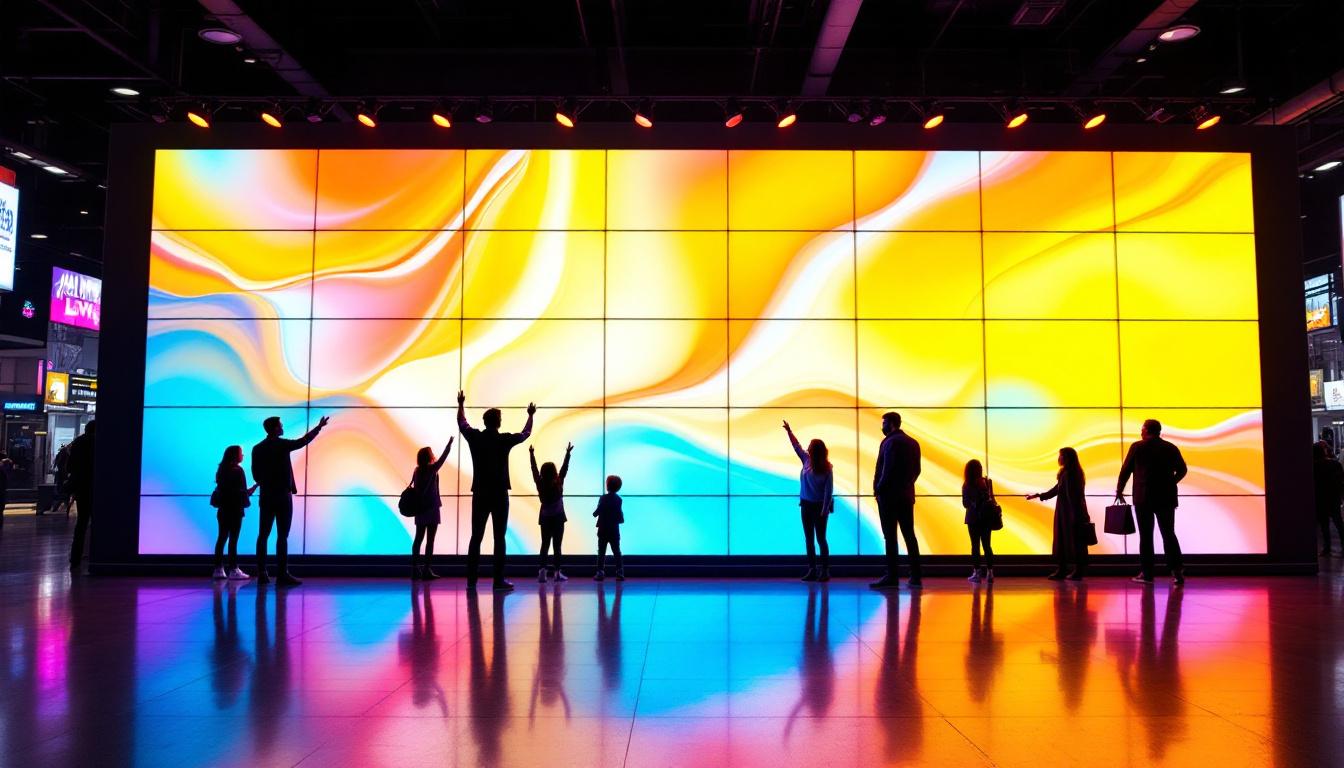
Interactive LED touch screens come in various sizes and configurations, from compact kiosks to large video walls. This flexibility allows exhibitors to tailor their setup to the available space and desired visitor experience. Content can be easily updated or customized in real-time, enabling exhibitors to adapt messaging based on audience feedback or event themes.
Durability and Reliability
Exhibitions often involve long hours of operation and frequent setup and teardown. LED displays are robust and designed to withstand such demanding environments. Their energy efficiency also reduces operational costs, making them a sustainable choice for repeated use.
Applications of Interactive LED Touch Screens in Exhibitions
The versatility of interactive LED touch screens lends itself to a wide range of exhibition applications. Understanding these use cases can inspire exhibitors to leverage the technology creatively.
Product Demonstrations and Virtual Showcases
Interactive LED screens allow visitors to explore product features through touch-based navigation, 3D models, and augmented reality overlays. For instance, automotive exhibitors often use large LED touch walls to let attendees customize vehicle options and view them from different angles. This immersive experience helps convey complex product information in an engaging format.
Wayfinding and Information Kiosks
Large exhibition venues can be confusing for attendees. Interactive LED touch kiosks serve as digital directories, providing maps, schedules, and exhibitor information. Their bright displays ensure visibility, while touch interactivity allows users to search and filter information quickly, improving overall visitor satisfaction.
Interactive Presentations and Workshops
LED touch screens can be integrated into presentation areas to facilitate interactive workshops and live demonstrations. Presenters can manipulate content on the screen, annotate in real-time, and engage the audience through interactive polls or quizzes. This dynamic approach enhances learning and retention.
Social Media Integration and Gamification
Many exhibitors use interactive LED displays to connect with audiences on social media platforms. For example, touch screens can enable visitors to take selfies, apply branded filters, and share content instantly. Gamified experiences, such as trivia games or prize wheels, also encourage participation and create memorable brand interactions.
Choosing the Right Interactive LED Touch Screen for Your Exhibition
Selecting the appropriate LED touch screen involves considering several factors to ensure it meets the specific needs of the exhibition and target audience.
Screen Size and Resolution
The size of the display should correspond to the exhibition space and expected viewing distance. Larger screens are ideal for attracting attention from across the hall, while smaller kiosks suit intimate interactions. High resolution is essential for displaying detailed graphics and text clearly, especially when the content includes fine print or intricate visuals.
Touch Technology and Responsiveness
Choosing the right touch technology depends on the intended use and environment. Capacitive touchscreens offer smooth, smartphone-like responsiveness but may be more sensitive to environmental factors. Infrared and optical touch systems are more durable and can detect multiple touch points simultaneously, which is beneficial for collaborative interactions.
Brightness and Contrast Ratio
Exhibition halls often have bright ambient lighting, so selecting an LED display with high brightness (measured in nits) is crucial. A high contrast ratio ensures that colors remain vibrant and text remains legible even under challenging lighting conditions.
Connectivity and Software Compatibility
Interactive LED touch screens should support various input sources and be compatible with content management systems. Easy integration with existing hardware and software platforms streamlines content updates and management. Additionally, consider whether the screen supports wireless connectivity for remote control and monitoring.
Budget and Total Cost of Ownership
While LED touch screens can represent a significant upfront investment, their durability and low maintenance costs often justify the expense. It is important to factor in installation, content development, and potential upgrades when budgeting.
Future Trends in Interactive LED Touch Screens for Exhibitions
The landscape of exhibition technology continues to evolve, with interactive LED touch screens at the forefront of innovation. Staying informed about emerging trends can help exhibitors maintain a competitive edge.
Integration with Artificial Intelligence and Analytics
Future interactive displays are expected to incorporate AI-driven analytics to track visitor interactions and preferences in real-time. This data can provide valuable insights into attendee behavior, enabling exhibitors to tailor content dynamically and measure engagement effectiveness.
Augmented Reality (AR) and Mixed Reality (MR) Enhancements
Combining LED touch screens with AR and MR technologies will create even more immersive experiences. Visitors might interact with virtual objects overlaid on the physical display or participate in hybrid digital-physical environments, deepening engagement.
Flexible and Transparent LED Displays
Advancements in LED technology are leading to flexible and transparent screens that can be integrated into unconventional exhibition surfaces, such as curved walls or glass partitions. These innovations open new possibilities for creative booth designs and interactive storytelling.
Conclusion
Interactive LED touch screens have become indispensable tools for exhibitors seeking to captivate audiences and deliver compelling content. Their superior brightness, responsiveness, and versatility make them ideal for a variety of exhibition applications, from product demonstrations to wayfinding and social engagement.
By understanding the technology behind LED displays and carefully selecting the right features for their needs, exhibitors can create memorable, interactive experiences that resonate with visitors long after the event ends. As the technology continues to advance, embracing these innovations will be key to staying ahead in the competitive exhibition landscape.
Discover LumenMatrix’s Interactive LED Display Solutions
Ready to elevate your next exhibition with the power of interactive LED touch screens? LumenMatrix is at the forefront of LED display innovation, offering a wide array of solutions that bring your brand to life. From Indoor and Outdoor LED Wall Displays to specialized options like Vehicle, Sports, and Floor LED Displays, our technology is designed to captivate and engage. Experience the future of visual communication with our Custom, All-in-One, and Transparent LED Displays. Check out LumenMatrix LED Display Solutions today and transform your exhibition space into an unforgettable interactive experience.