In recent years, the integration of technology in education has transformed traditional teaching methods, making classrooms more dynamic and engaging. Among these technological advancements, interactive whiteboards equipped with LED displays have become a cornerstone in modern education. This article explores the role of LED interactive whiteboards in the classroom, explaining their technology, benefits, and impact on teaching and learning.
Understanding LED Interactive Whiteboards
What Is an LED Interactive Whiteboard?
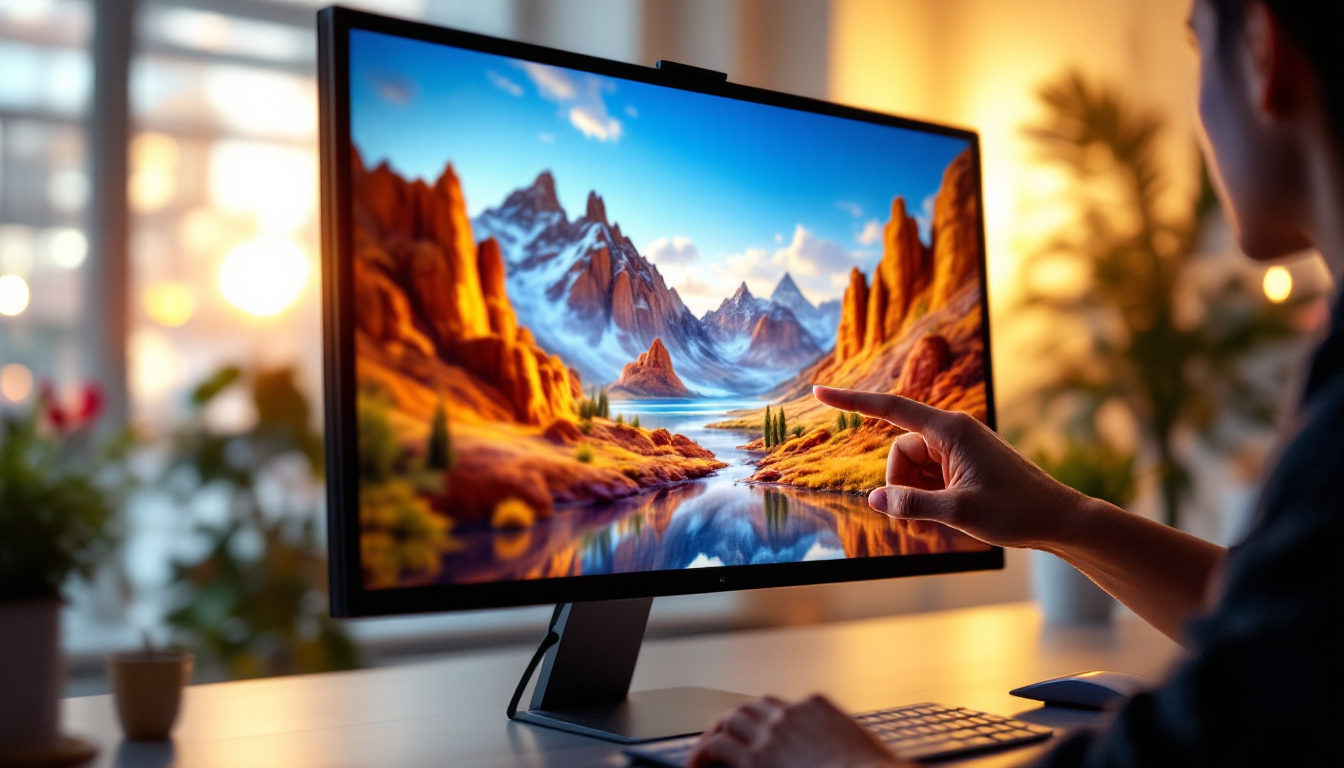
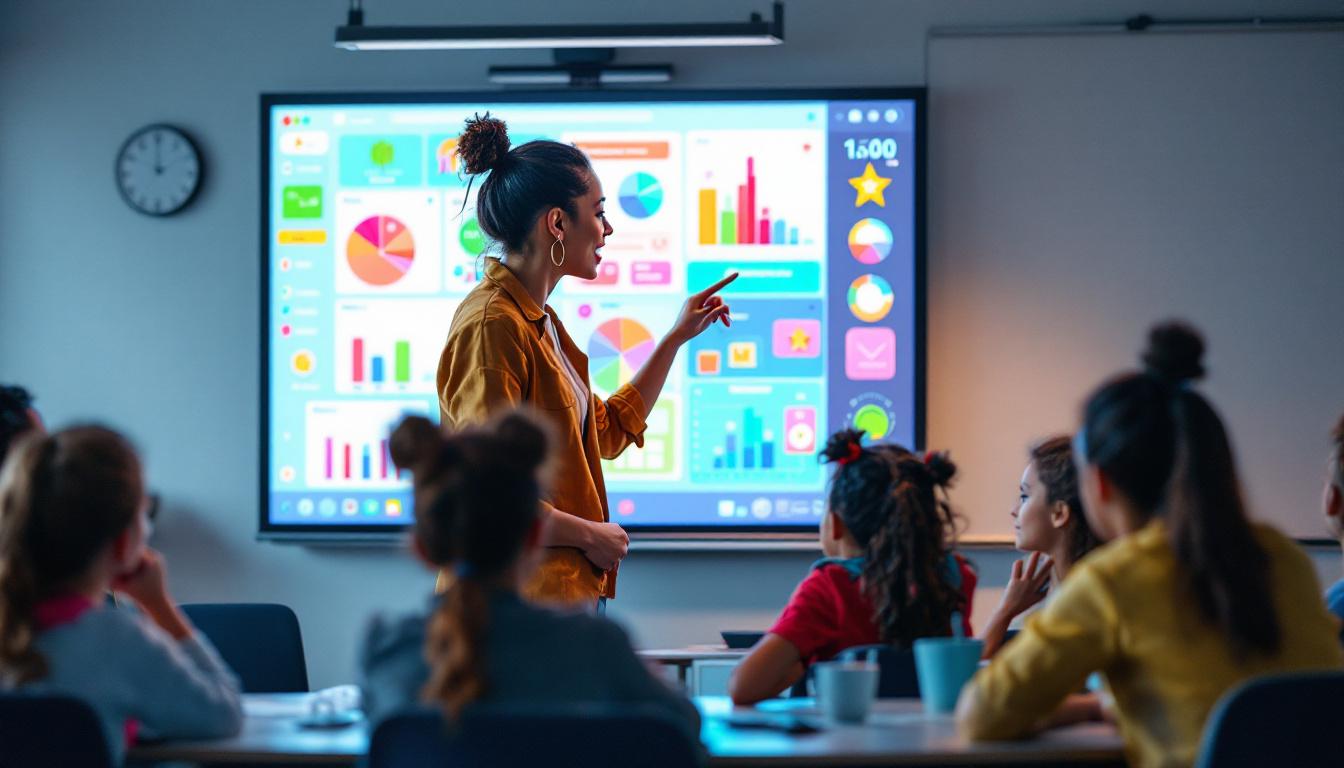
An LED interactive whiteboard is a large display screen that combines the functionality of a traditional whiteboard with the interactivity of a touchscreen, using LED (Light Emitting Diode) technology for its display. Unlike older projection-based boards, LED whiteboards provide bright, clear images with excellent color accuracy and energy efficiency. Teachers and students can interact directly with the screen using fingers or styluses, enabling a more hands-on approach to lessons.
These whiteboards often connect to computers or other devices, allowing for multimedia presentations, real-time annotations, and interactive lessons. The LED technology ensures durability and vivid displays, even in well-lit classrooms, which is a significant improvement over traditional projectors that can struggle with ambient light. Furthermore, many LED interactive whiteboards come equipped with software that enhances collaborative learning, allowing multiple users to engage with the content simultaneously. This feature fosters teamwork and encourages students to share their ideas and solutions in a dynamic environment.
How LED Technology Works in Whiteboards
LED displays use an array of tiny light-emitting diodes to create images. Each diode emits light when an electric current passes through it, producing bright and sharp visuals. In interactive whiteboards, this LED panel serves as the canvas for digital content, while touch sensors detect input from users.
The LED backlighting provides consistent brightness and color uniformity across the entire screen. This means that every student, regardless of where they sit in the classroom, can see clear images and text. Additionally, LEDs consume less power and have a longer lifespan compared to older technologies like CCFL (cold cathode fluorescent lamps), making them more sustainable and cost-effective for schools. The integration of advanced features such as gesture recognition and voice commands further enhances the user experience, allowing educators to navigate through lessons seamlessly without the need for physical remotes or controllers. This level of interactivity not only captivates students’ attention but also caters to various learning styles, making education more inclusive and effective.
Advantages of LED Interactive Whiteboards in Education
Enhanced Visual Clarity and Engagement
One of the most significant benefits of LED interactive whiteboards is their superior visual quality. The high resolution and brightness levels ensure that content is easily visible from anywhere in the classroom. This clarity supports diverse learning styles, especially for visual learners who benefit from vivid images, videos, and diagrams.
Moreover, the interactive nature of these whiteboards encourages active participation. Students can come up to the board to solve problems, draw diagrams, or manipulate objects on the screen, fostering collaboration and engagement. This hands-on interaction helps to maintain attention and improve information retention. The ability to annotate directly on the screen allows students to express their thoughts and ideas in real-time, making the learning experience more dynamic and personalized.
Additionally, the integration of gamified learning experiences through these boards can further enhance student motivation. By incorporating educational games and interactive challenges, teachers can create a fun and stimulating environment that encourages students to participate more actively. This not only makes learning enjoyable but also promotes teamwork and communication skills among peers.
Facilitating Diverse Teaching Methods
LED interactive whiteboards support a wide range of teaching strategies. Educators can integrate multimedia resources such as videos, animations, and interactive quizzes directly into their lessons, making abstract or complex concepts easier to understand.
Additionally, these whiteboards enable instant feedback and assessment. Teachers can pose questions or conduct polls during class, instantly displaying results and adjusting instruction accordingly. This adaptability enhances formative assessment practices and helps tailor lessons to students’ needs. The ability to track student responses in real-time allows educators to identify areas where students may struggle, enabling timely interventions and support.
Furthermore, the incorporation of collaborative tools such as shared documents and cloud-based resources allows for seamless group work. Students can work together on projects, brainstorming ideas and sharing their findings directly on the board. This collaborative approach not only enhances learning outcomes but also prepares students for the teamwork skills they will need in their future careers.
Improved Accessibility and Inclusivity
Interactive whiteboards with LED displays also contribute to a more inclusive classroom environment. Features like adjustable screen brightness, text enlargement, and compatibility with assistive technologies support students with visual impairments or learning disabilities.
Furthermore, the ability to save and share annotated lessons digitally ensures that students who miss class or require review materials have access to the same content. This digital accessibility promotes equity in education by accommodating diverse learner needs. Teachers can also create customized resources that cater to individual learning preferences, ensuring that every student has the opportunity to succeed.
In addition, the use of LED interactive whiteboards can facilitate communication for students who are non-verbal or have speech difficulties. By utilizing symbols, images, and text-to-speech functionalities, these boards can serve as a powerful tool for expression and understanding, allowing all students to participate fully in classroom discussions and activities. This not only enhances their learning experience but also fosters a sense of belonging within the classroom community.
Implementing LED Interactive Whiteboards: Practical Considerations
Choosing the Right Size and Resolution
When selecting an LED interactive whiteboard for a classroom, size and resolution are critical factors. The board should be large enough to be visible to all students, typically ranging from 65 to 86 inches diagonally. Higher resolution models, such as 4K UHD, provide sharper images and more detailed content, which is especially beneficial for subjects requiring precision, like science and art.
Schools should assess classroom dimensions, seating arrangements, and budget constraints to determine the optimal size and specifications. Investing in a high-quality display ensures longevity and better user experience.
Integration with Existing Classroom Technology
Compatibility with existing devices and software is essential for seamless integration. LED interactive whiteboards often support multiple input methods and connect via HDMI, USB, or wireless protocols. Ensuring that the whiteboard works with popular educational software platforms, such as Google Classroom or Microsoft Teams, maximizes its utility.
Additionally, schools should consider the availability of technical support and training for educators to fully leverage the whiteboard’s capabilities. Professional development sessions can help teachers incorporate interactive tools effectively into their pedagogy.
Maintenance and Longevity
LED interactive whiteboards are generally low-maintenance compared to projector-based systems. However, regular cleaning of the screen and calibration of touch sensitivity are necessary to maintain performance. Most LED panels have a lifespan of 50,000 to 100,000 hours, which translates to many years of classroom use.
Budgeting for potential repairs or software updates is also important. Choosing reputable brands with strong warranties and customer support can minimize downtime and ensure consistent functionality.
Impact on Student Outcomes and Teacher Experience
Research on Learning Gains
Studies have shown that the use of interactive whiteboards can positively affect student achievement. According to a report by the Education Endowment Foundation, interactive technology, when used effectively, can improve learning outcomes by up to 7 months compared to traditional methods.
The ability to visualize concepts, interact with content, and receive immediate feedback contributes to deeper understanding and higher engagement. Subjects such as mathematics, science, and language arts have particularly benefited from interactive whiteboard use, as complex ideas become more accessible.
Enhancing Teacher Efficiency and Creativity
For teachers, LED interactive whiteboards streamline lesson delivery and classroom management. Digital tools reduce the need for physical materials and allow for quick access to resources. Teachers can save annotated notes, reuse lesson plans, and adapt content on the fly based on student responses.
Moreover, these whiteboards encourage creativity in lesson design. Educators can incorporate multimedia, gamification, and collaborative activities, making learning more enjoyable and effective. This flexibility supports differentiated instruction and helps teachers address diverse learning styles.
Future Trends and Innovations in Interactive Whiteboards
Integration of Artificial Intelligence and Analytics
The future of LED interactive whiteboards is closely tied to advancements in artificial intelligence (AI). Emerging systems are beginning to incorporate AI-driven analytics that track student engagement, participation, and comprehension in real time. This data enables personalized learning experiences and helps educators identify areas where students may struggle.
AI can also assist in automating administrative tasks such as attendance tracking and grading, freeing up teachers to focus more on instruction and student interaction.
Enhanced Connectivity and Collaboration
With the rise of hybrid and remote learning, interactive whiteboards are evolving to support seamless connectivity. Cloud-based platforms allow students and teachers to collaborate synchronously or asynchronously, regardless of location. Features like screen sharing, virtual whiteboarding, and integrated video conferencing are becoming standard.
This connectivity fosters a more inclusive and flexible learning environment, accommodating diverse schedules and learning preferences while maintaining engagement.
Advances in Display and Touch Technology
Ongoing improvements in LED display technology promise even better visual experiences. Innovations such as micro-LED and OLED displays offer higher contrast ratios, wider color gamuts, and thinner form factors. These advances will make interactive whiteboards more immersive and versatile.
On the touch interface side, developments in multi-touch sensitivity and haptic feedback will enhance user interaction, providing more precise and intuitive control for both teachers and students.
Conclusion
LED interactive whiteboards represent a significant leap forward in classroom technology, combining vibrant displays with interactive capabilities that enrich teaching and learning. Their ability to engage students actively, support diverse instructional methods, and improve accessibility makes them invaluable tools in modern education.
As schools continue to embrace digital transformation, investing in high-quality LED interactive whiteboards and providing adequate training for educators will be crucial. With ongoing innovations on the horizon, these devices are set to play an even more central role in shaping the future of education.
Discover the Future of Learning with LumenMatrix
Embrace the digital revolution in education with LumenMatrix’s advanced LED display solutions. As a pioneer in LED technology, LumenMatrix is committed to enhancing interactive learning environments through our comprehensive range of LED display modules. From vibrant classroom displays to immersive educational experiences, our products are designed to captivate students and support educators. Experience the difference in visual communication with our Indoor and Outdoor LED Wall Displays, Vehicle LED Displays, and more. Check out LumenMatrix LED Display Solutions today and transform your educational space into a dynamic and engaging learning hub.