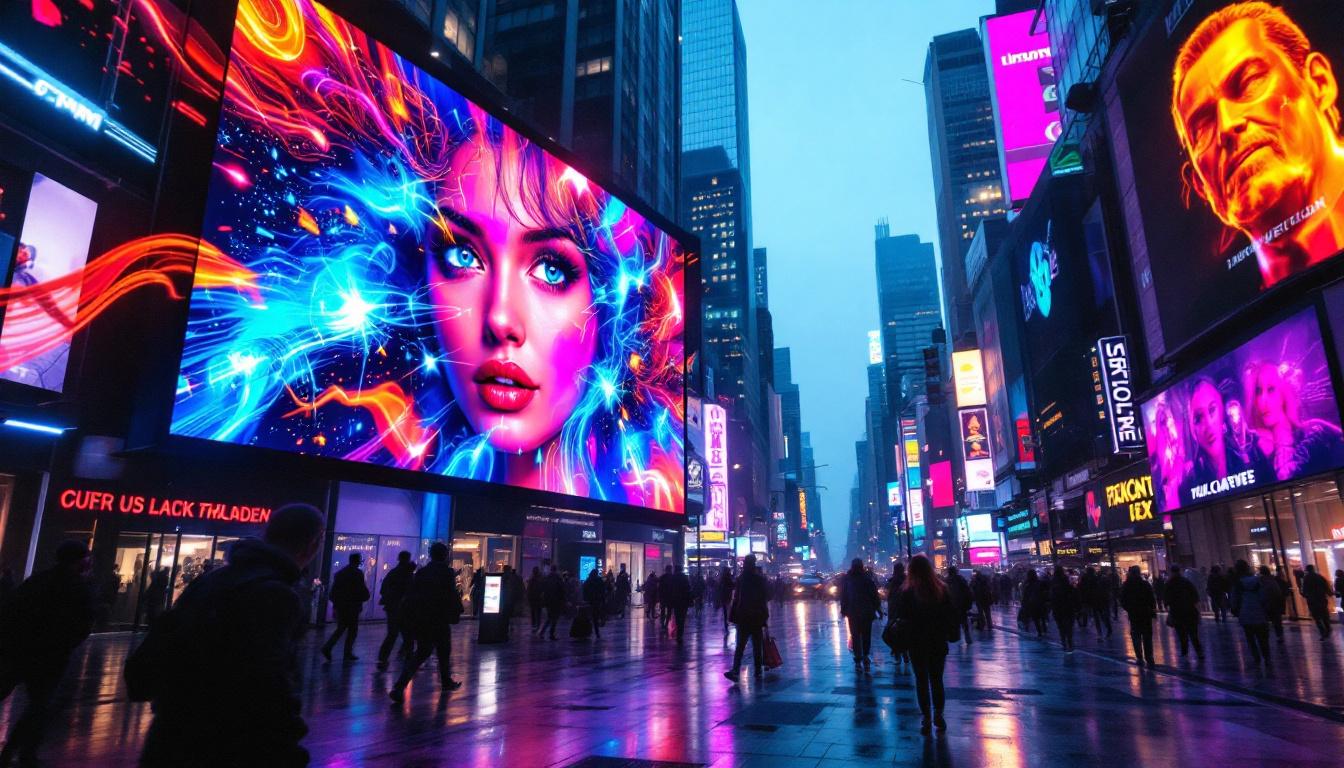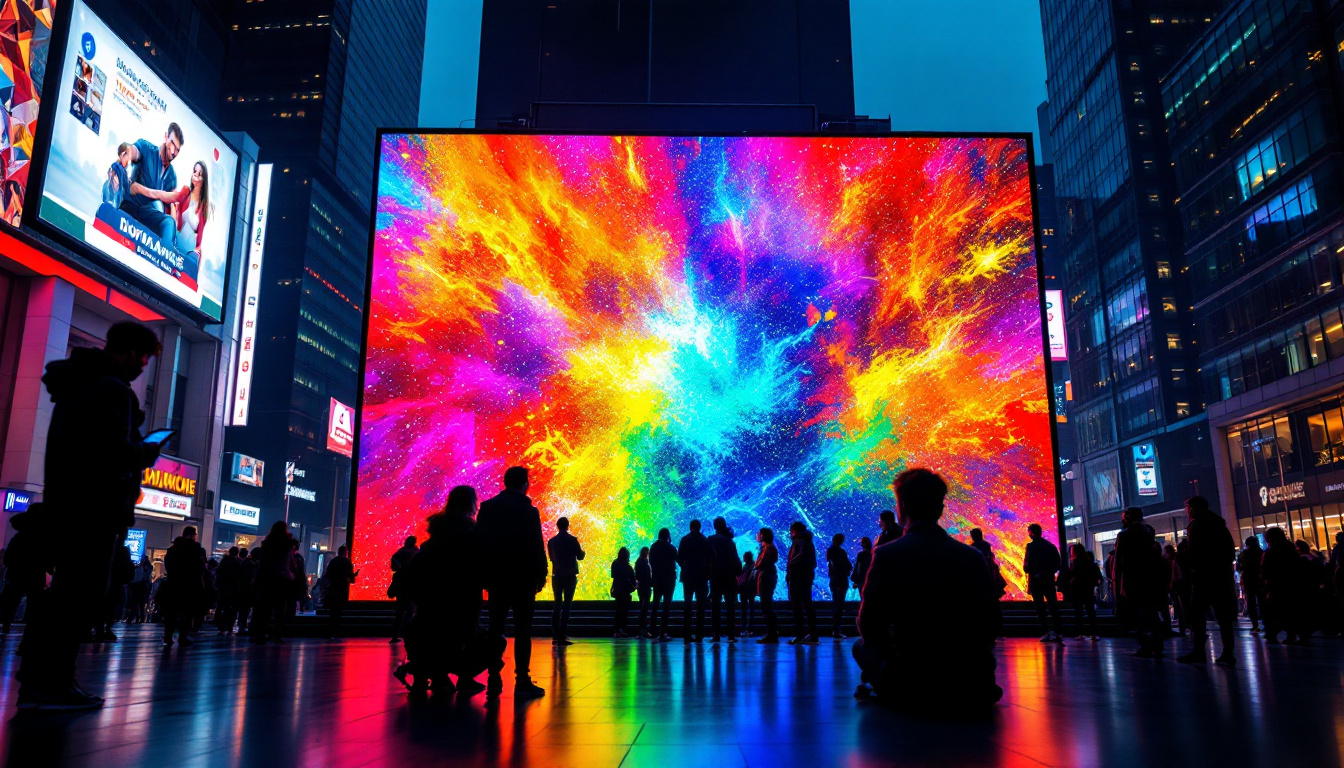
In today’s digital era, LED screens have become an integral part of visual communication, transforming everything from advertising to entertainment. Whether it’s the vibrant billboards in Times Square, the massive scoreboards in sports arenas, or the sleek digital signage in retail stores, LED displays are everywhere. But what exactly are LED screens, how do they work, and why have they become so popular? This article delves deep into the world of LED displays, explaining their technology, types, applications, and future trends.
Understanding LED Technology
What Does LED Stand For?
LED stands for Light Emitting Diode. It is a semiconductor device that emits light when an electric current passes through it. Unlike traditional incandescent bulbs, LEDs produce light efficiently by converting electrical energy directly into light, resulting in lower energy consumption and longer lifespan. This efficiency not only reduces electricity bills for consumers but also contributes to a significant decrease in greenhouse gas emissions, making LEDs a more environmentally friendly lighting option.
How Do LED Screens Work?
LED screens are composed of thousands or even millions of tiny LEDs arranged in a grid or matrix. Each LED acts as a single pixel that can emit light of varying colors and intensities. By controlling the brightness and color of each LED, the screen can display images, videos, and text with remarkable clarity and vibrancy. The technology behind LED screens allows for rapid refresh rates, which is particularly beneficial for displaying fast-moving images, such as in sports broadcasts or video games, where clarity and responsiveness are crucial.
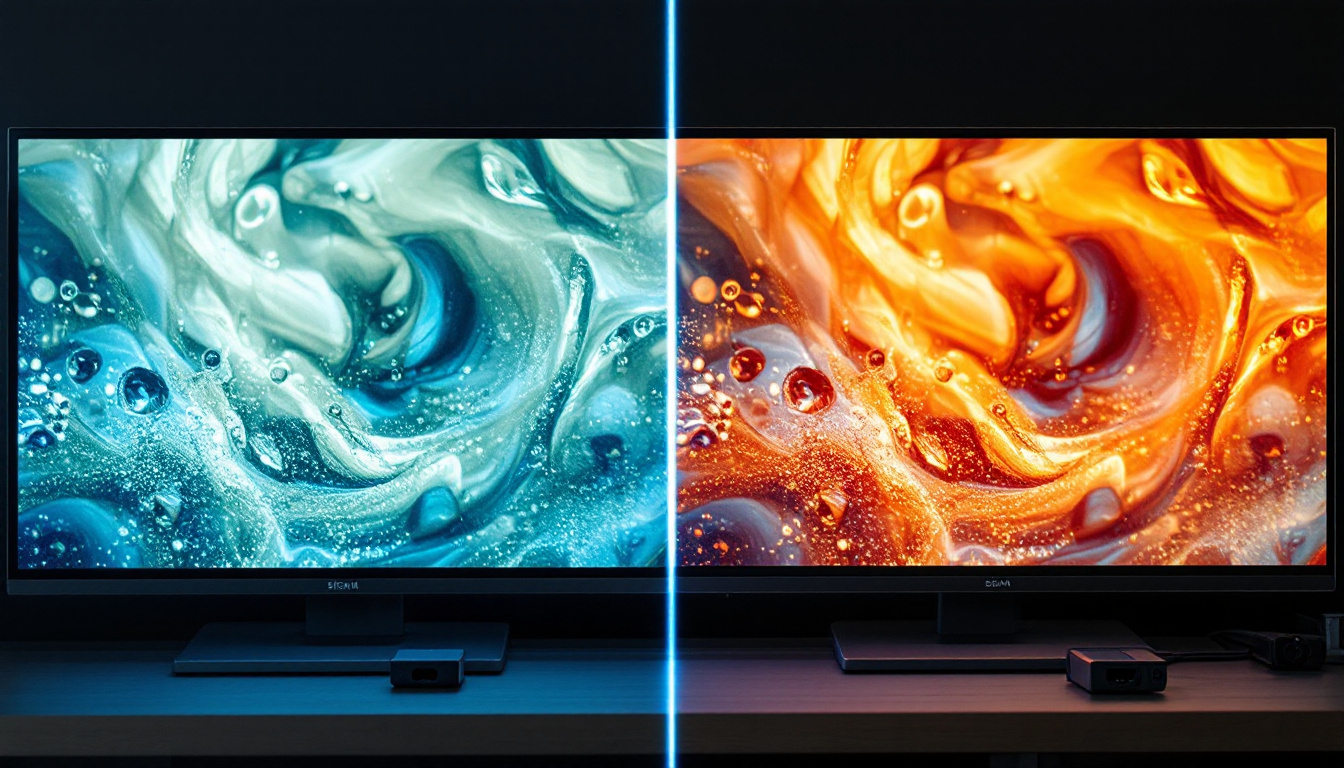
Modern LED displays use red, green, and blue (RGB) LEDs to create a full spectrum of colors through color mixing. When these primary colors are combined at different intensities, they produce millions of colors, enabling the display of detailed and colorful visuals. Additionally, advancements in LED technology have led to the development of high dynamic range (HDR) displays, which enhance the contrast and color accuracy, providing viewers with an immersive viewing experience that closely resembles real-life imagery.
Types of LEDs Used in Displays
There are primarily two types of LEDs used in screens: surface-mounted device (SMD) LEDs and through-hole LEDs. SMD LEDs are compact and mounted directly onto the surface of the circuit board, allowing for higher pixel density and finer image resolution. Through-hole LEDs are larger and inserted through holes in the circuit board, often used in outdoor displays where pixel pitch (distance between LEDs) is larger. The choice between these types often depends on the application; for instance, SMD technology is favored for indoor displays due to its ability to deliver high-quality images in a compact form, while through-hole LEDs are preferred for their durability and visibility in bright outdoor environments.
Furthermore, there are also specialized LED technologies such as OLED (Organic Light Emitting Diode) and MicroLED, which are gaining popularity. OLED displays offer deeper blacks and more vibrant colors because each pixel emits its own light, allowing for true contrast ratios. MicroLED technology, on the other hand, combines the benefits of LED and OLED, providing high brightness, energy efficiency, and the potential for flexible display designs. As these technologies continue to evolve, they promise to enhance our visual experiences in ways we are only beginning to explore.
Types of LED Screens
Indoor LED Displays
Indoor LED screens are designed for environments like conference rooms, retail stores, shopping malls, and indoor arenas. They typically have a smaller pixel pitch, ranging from 0.9mm to 4mm, which means the LEDs are packed closely together. This tight pixel pitch allows for high resolution and crisp images at close viewing distances.
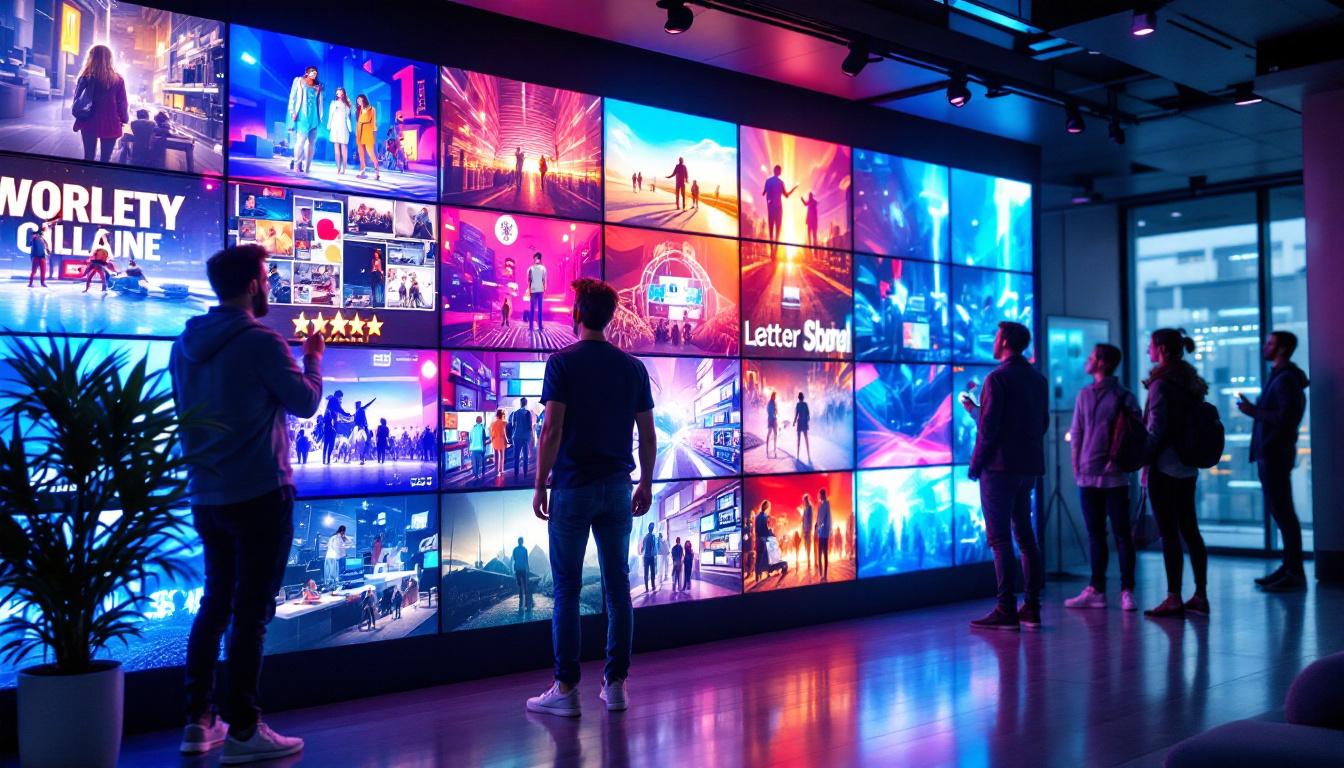
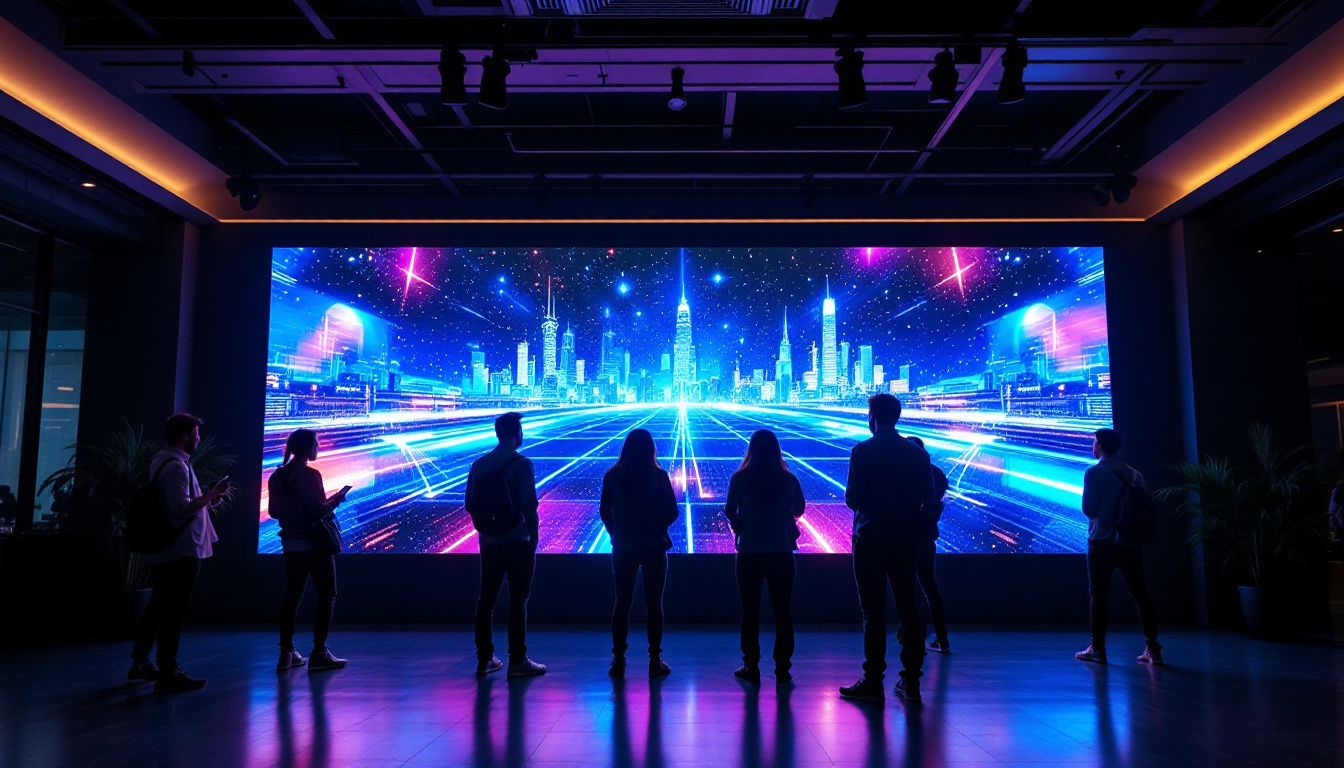
Indoor LED displays are known for their excellent brightness, color accuracy, and wide viewing angles. They are often used for digital signage, video walls, and interactive displays.
Outdoor LED Displays
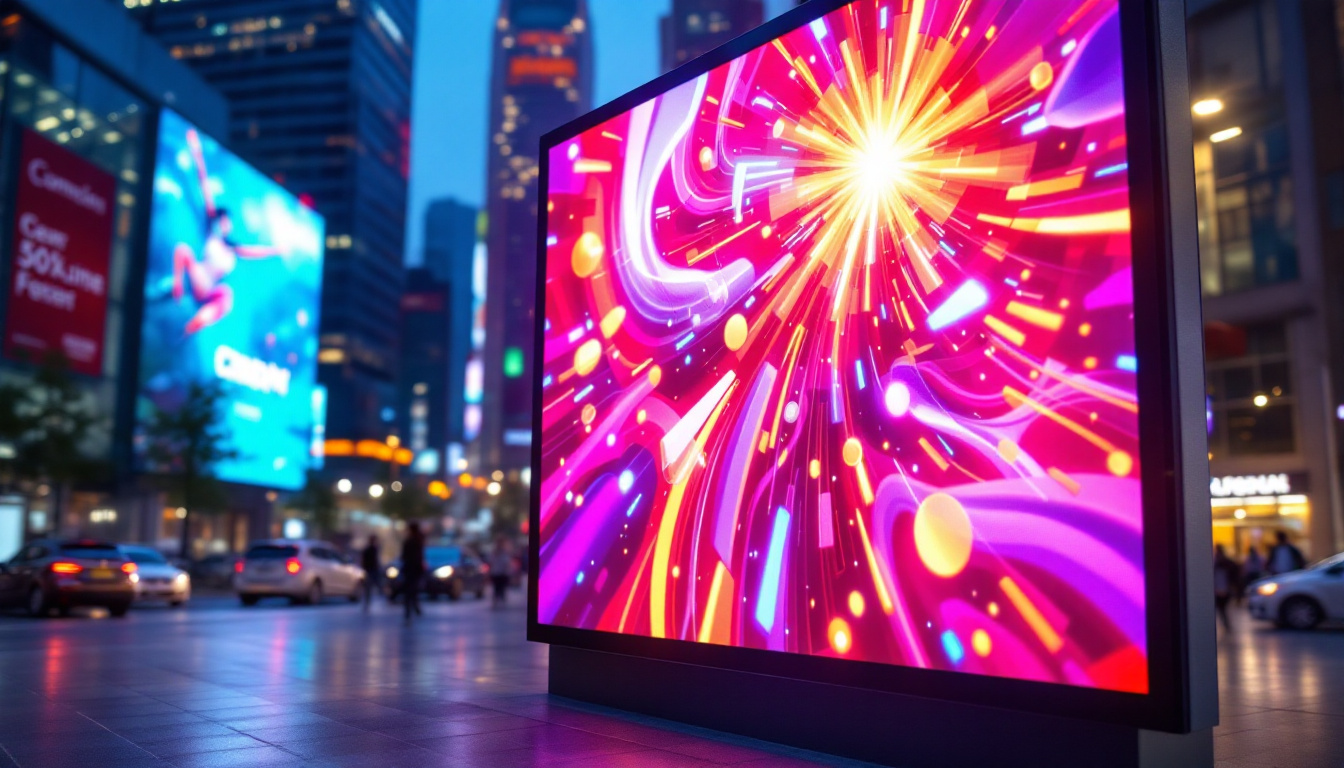
Outdoor LED screens are built to withstand harsh weather conditions such as rain, wind, and sunlight. These displays have a larger pixel pitch, usually between 4mm and 20mm, which makes them visible from greater distances. Their brightness levels are significantly higher, often exceeding 5,000 nits, to combat direct sunlight glare.
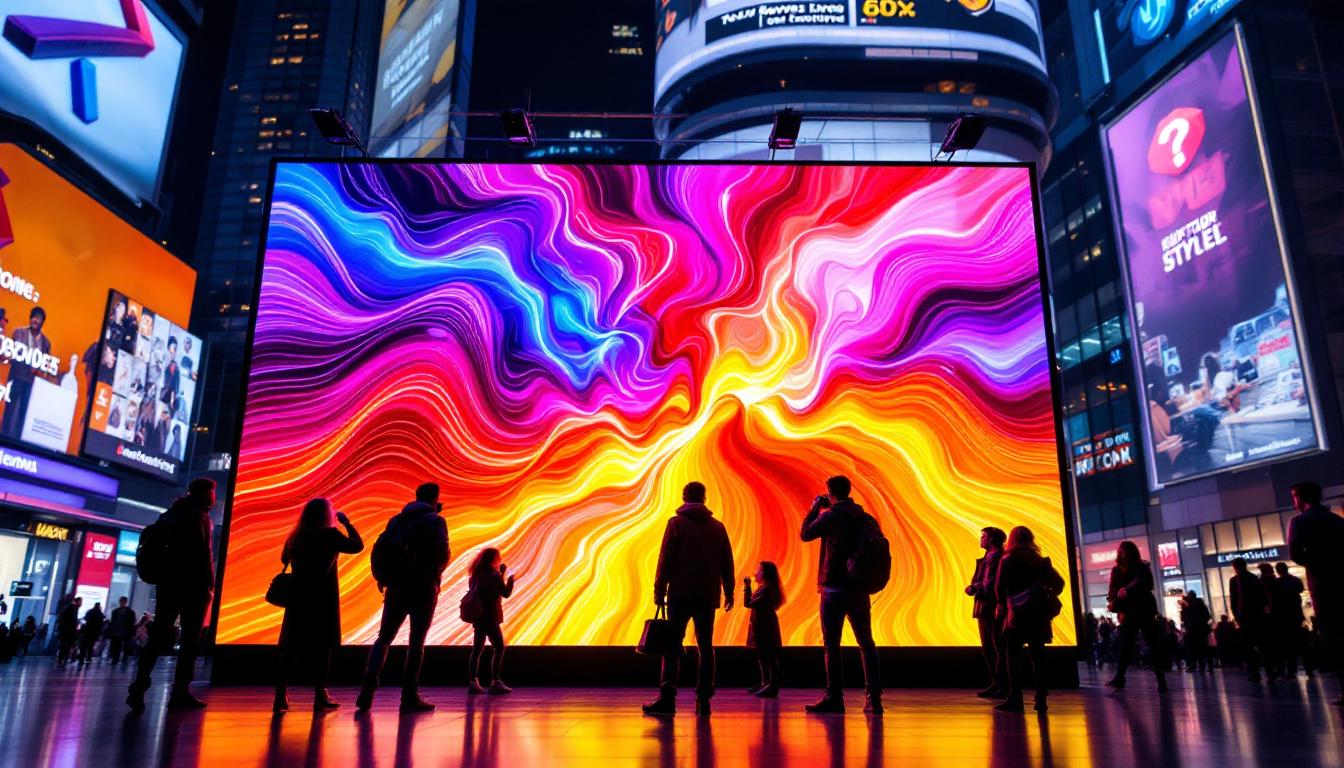
Common applications include billboards, stadium screens, transportation signage, and public event displays. Their robust construction ensures durability and long-term performance in outdoor settings.
Transparent LED Displays
Transparent LED screens are an innovative type of display that allows light to pass through the screen, making them ideal for glass windows and storefronts. These displays combine visual impact with transparency, enabling businesses to showcase dynamic content without obstructing the view.
This technology is gaining traction in retail and architectural design, providing a futuristic aesthetic while maintaining functionality.
Flexible and Curved LED Screens
Advancements in LED technology have led to the development of flexible and curved LED displays. These screens can bend and conform to various shapes, opening up creative possibilities for advertising, stage design, and immersive experiences.
Flexible LED panels are lightweight and modular, allowing for easy installation on curved surfaces, columns, or irregular structures.
Key Features and Benefits of LED Screens
High Brightness and Visibility
One of the most significant advantages of LED screens is their exceptional brightness. Outdoor LED displays can reach brightness levels of over 7,000 nits, making them clearly visible even in direct sunlight. This level of luminance ensures that content is readable and eye-catching in any lighting condition.
Energy Efficiency
Compared to traditional display technologies like LCD and plasma, LED screens consume less power. This energy efficiency translates to lower operational costs and reduced environmental impact, making LEDs a sustainable choice for businesses and public installations.
Long Lifespan and Durability
LEDs have a typical lifespan of 50,000 to 100,000 hours, far exceeding other lighting and display technologies. Additionally, LED screens are designed to be robust and weather-resistant, especially in outdoor models, ensuring reliable performance over many years.
Wide Viewing Angles and Color Accuracy
LED displays offer wide viewing angles, often up to 160 degrees or more, allowing audiences to see clear images from various perspectives. Their ability to produce vibrant and accurate colors enhances the overall visual experience, making them suitable for critical applications like broadcasting and live events.
Scalability and Customization
LED screens are highly modular, allowing for customization in size and shape. Panels can be combined to create massive video walls or tailored to fit unique architectural spaces. This scalability makes LED technology versatile for a broad range of applications.
Applications of LED Screens
Advertising and Digital Signage
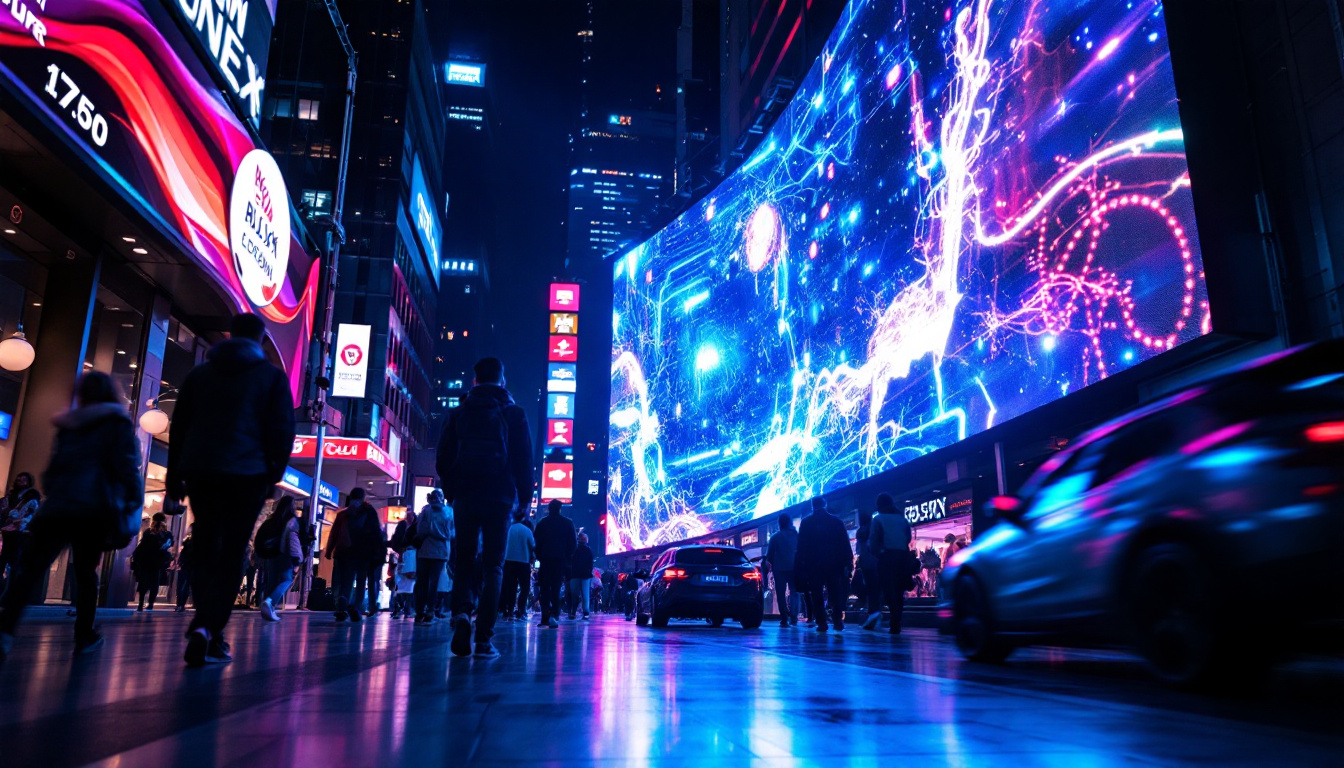
LED screens have revolutionized advertising by enabling dynamic, eye-catching content that can be updated in real-time. Digital billboards and signage attract more attention than static displays, increasing engagement and brand visibility. According to a study by the Digital Signage Federation, digital signage can increase customer dwell time by up to 30% and boost sales by as much as 33%.
Sports and Entertainment Venues
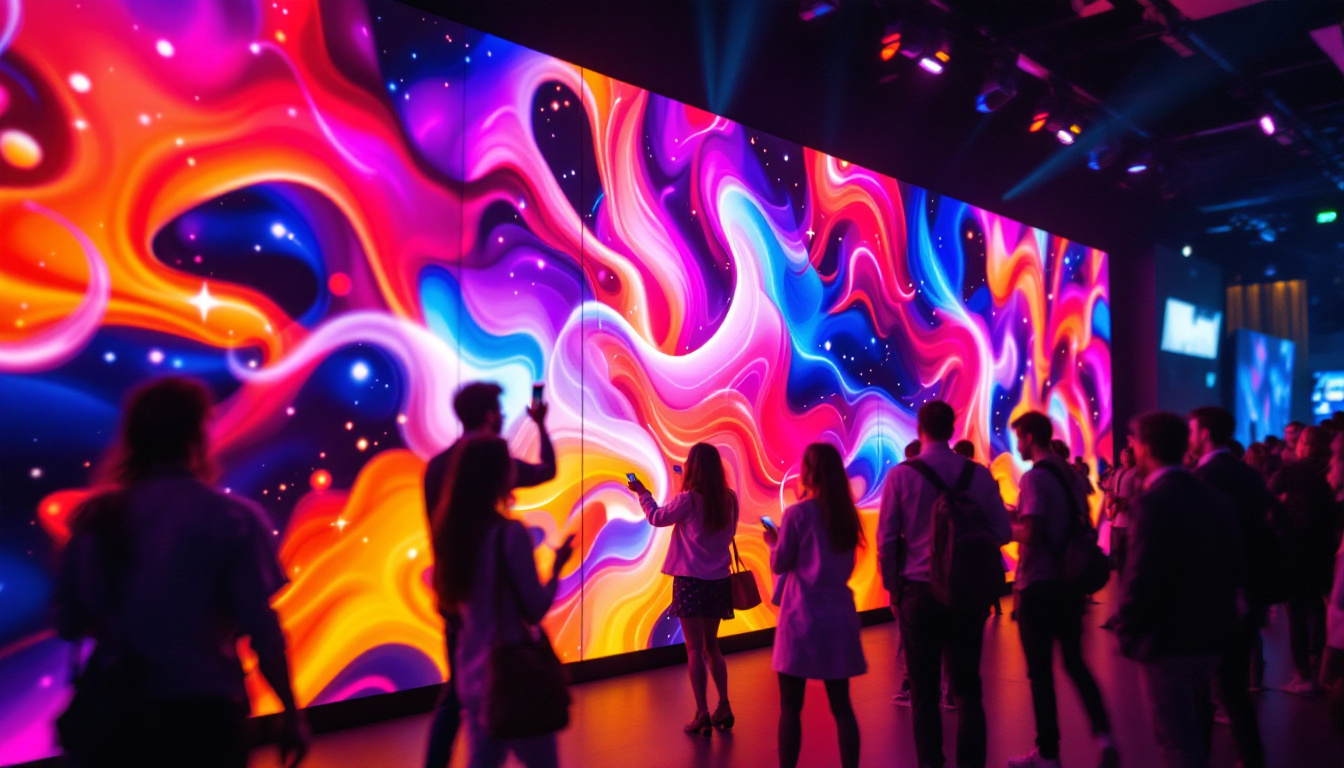
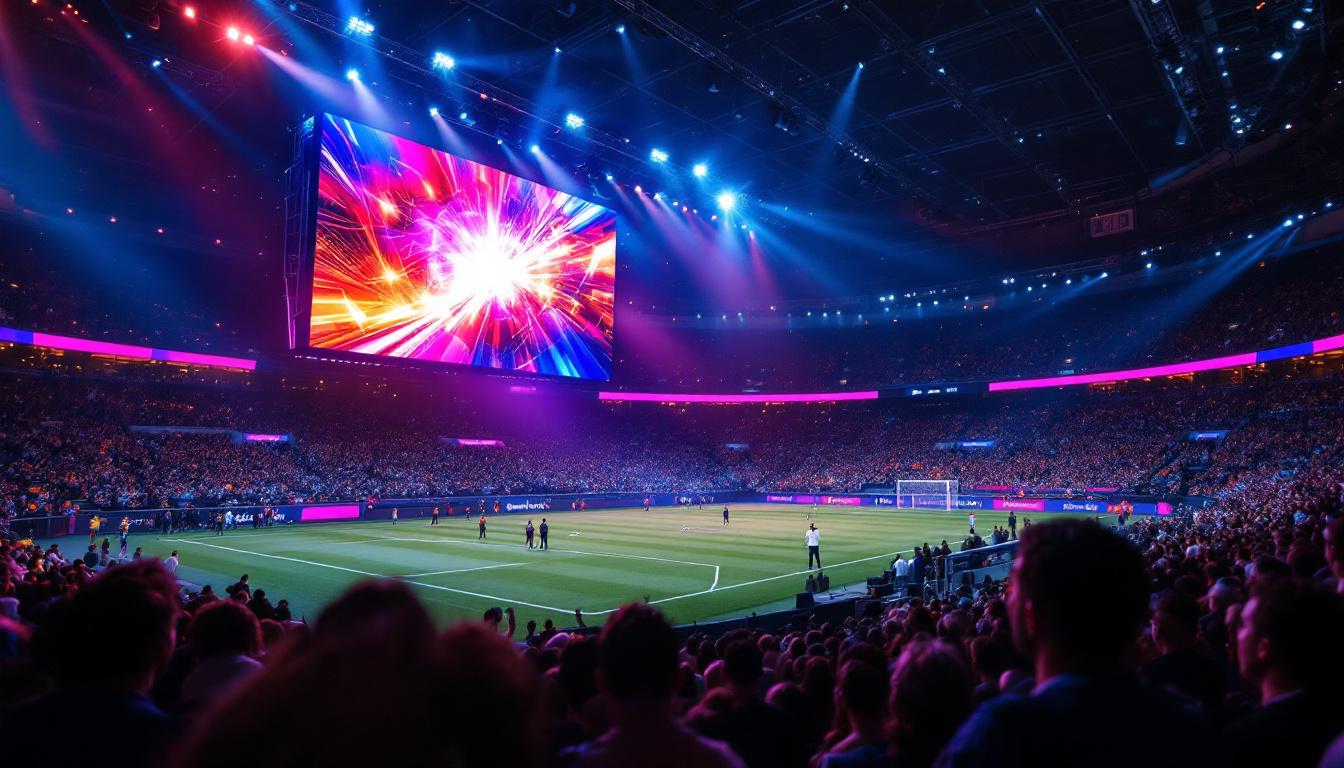
From giant scoreboards in stadiums to immersive LED walls in concert venues, LED screens enhance the spectator experience by providing instant replays, live feeds, and interactive content. Their ability to display high-resolution video and graphics in large formats makes them indispensable in this sector.
Corporate and Event Use
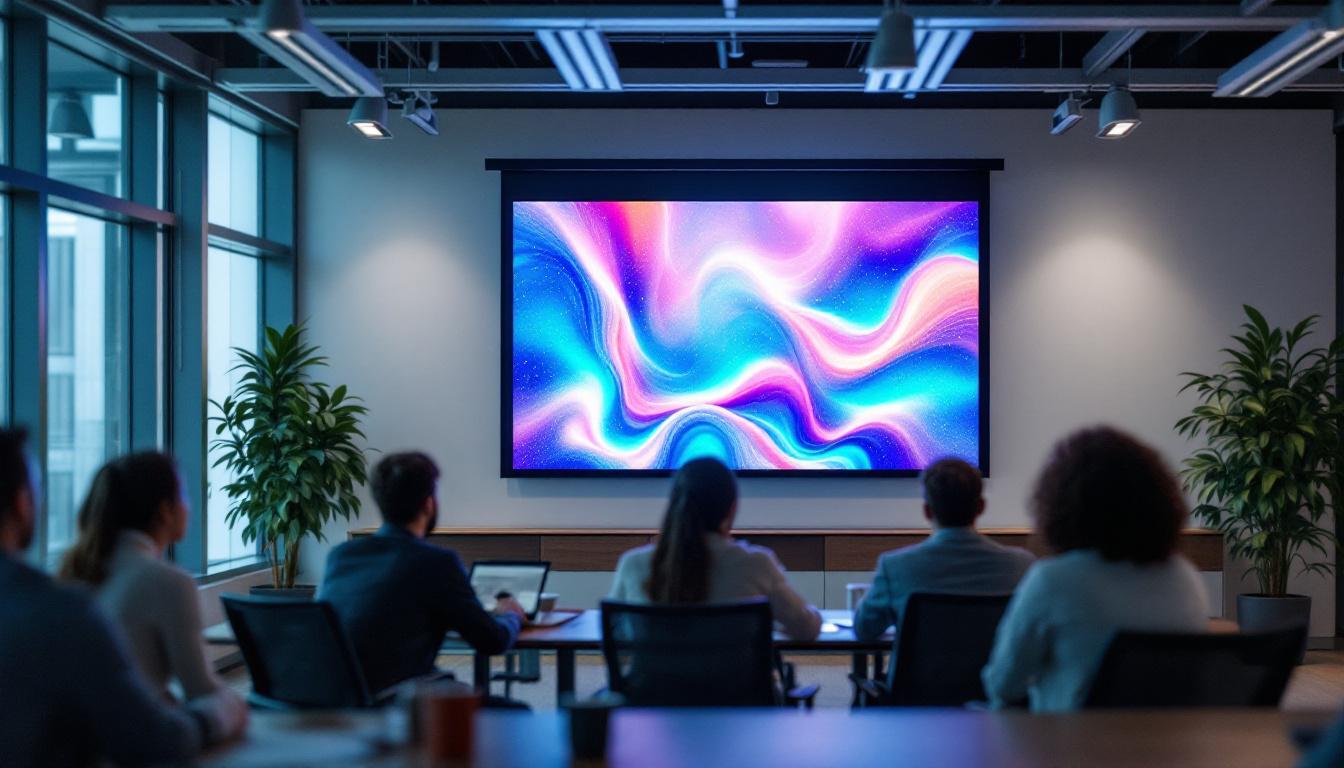
In corporate environments, LED displays are used for presentations, video conferencing, and branding. At events and trade shows, they serve as attention-grabbing backdrops and information hubs. Their flexibility and high quality contribute to professional and engaging presentations.
Transportation and Public Information
LED screens are widely used in transportation hubs such as airports, train stations, and bus terminals to provide real-time information, schedules, and alerts. Their clarity and brightness ensure that critical information is accessible to large audiences.
Retail and Hospitality
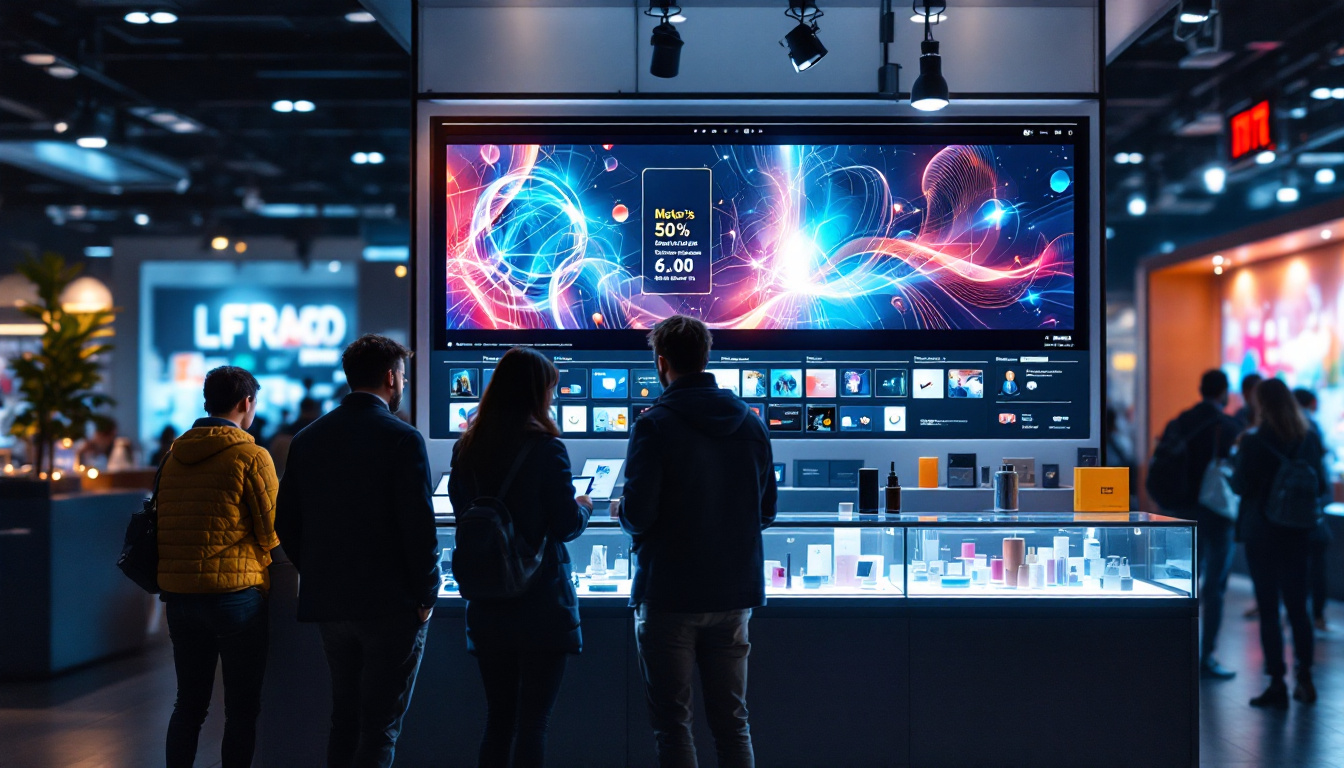
Retailers use LED displays to create dynamic window displays, promote products, and enhance customer engagement. In hospitality, LED screens contribute to ambiance and guest information systems in hotels, casinos, and restaurants.
Choosing the Right LED Screen
Consider Viewing Distance and Environment
The pixel pitch of an LED screen should correspond to the typical viewing distance. For close-range viewing, such as in retail stores or conference rooms, a smaller pixel pitch is essential for sharp images. For outdoor billboards or stadium screens viewed from afar, a larger pixel pitch is more cost-effective and sufficient for visibility.
Brightness and Weather Resistance
Outdoor installations require high brightness and weatherproofing to ensure visibility and durability. Look for screens with IP65 or higher ratings for protection against dust and water.
Resolution and Content Type
Consider the type of content to be displayed. High-resolution video and detailed graphics require screens with higher pixel density. For simple text or basic images, lower resolution screens may suffice.
Budget and Maintenance
While LED screens can be a significant investment, their long-term benefits often justify the cost. It’s important to factor in installation, maintenance, and potential repair expenses when selecting a display.
Future Trends in LED Display Technology
MicroLED and MiniLED Innovations
Emerging technologies like MicroLED and MiniLED promise even greater brightness, contrast, and energy efficiency. MicroLED, in particular, offers the potential for ultra-high-resolution displays with superior color accuracy and longevity, potentially surpassing OLED and LCD technologies.
Interactive and Smart LED Screens
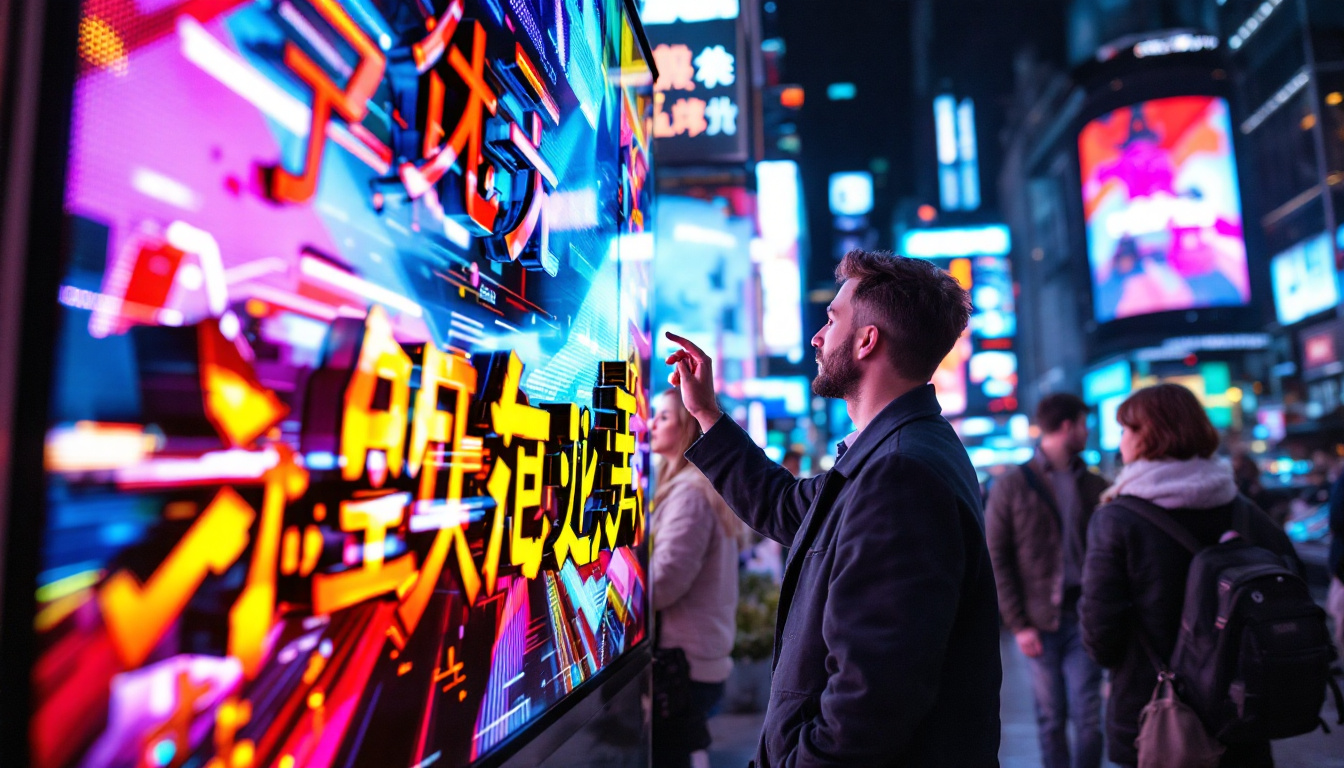
Integration with touch technology, sensors, and AI is making LED screens more interactive and responsive. Smart LED displays can adapt content based on audience behavior, environmental conditions, or real-time data, enhancing user engagement.
Environmental Sustainability
Manufacturers are focusing on eco-friendly materials and energy-saving designs to reduce the environmental footprint of LED screens. Recycling programs and innovations in low-power operation are also part of this trend.
Conclusion
LED screens have transformed the way information and entertainment are delivered across multiple industries. Their combination of brightness, durability, energy efficiency, and versatility makes them a preferred choice for indoor and outdoor displays alike. As technology continues to evolve, LED displays will become even more advanced, interactive, and sustainable, opening new possibilities for communication and visual storytelling.
Understanding the fundamentals of LED technology, the different types of screens available, and their applications can help businesses and organizations make informed decisions when investing in digital display solutions. Whether for advertising, events, or information dissemination, LED screens offer a powerful medium to captivate audiences and convey messages effectively.
Illuminate Your Space with LumenMatrix
Ready to elevate your visual impact? Discover the innovative world of LumenMatrix LED display solutions, where cutting-edge technology meets creative design. From vibrant Indoor LED Walls to dynamic Outdoor Displays and beyond, LumenMatrix offers a diverse range of products tailored to bring your brand to life. Whether you’re looking to captivate passersby with a Vehicle LED Display, engage sports fans with a LED Sports Display, or create a unique atmosphere with a Custom LED Display, LumenMatrix has the expertise to transform your vision into reality. Don’t just share your message—make it resonate with clarity and brilliance. Check out LumenMatrix LED Display Solutions today and start your journey towards unforgettable visual storytelling.