In the evolving world of digital signage and display technologies, the term “Iron Cabinet” often comes up in discussions about LED displays. But what exactly is an Iron Cabinet in this context, and why is it important for LED display systems? This article will delve deep into the concept of Iron Cabinets, their role in LED displays, and why they have become a critical component in modern visual communication solutions.
Understanding the Basics: What is an Iron Cabinet?
At its core, an Iron Cabinet refers to the robust, metal enclosure that houses the LED modules and electronic components of an LED display panel. These cabinets are typically constructed from iron or steel, providing a sturdy framework that protects sensitive LED components from environmental factors such as dust, moisture, and mechanical impacts.
Unlike plastic or aluminum enclosures, iron cabinets offer enhanced durability and structural integrity, which is essential for large-scale outdoor LED displays that must withstand harsh weather conditions. The cabinet not only serves as a protective shell but also plays a vital role in heat dissipation and alignment of LED modules.
In addition to their protective qualities, iron cabinets are often treated with weather-resistant coatings to further enhance their longevity. These coatings can prevent rust and corrosion, ensuring that the cabinets remain functional and aesthetically pleasing over time. This is particularly important for installations in coastal areas or regions with high humidity, where exposure to the elements can significantly impact the lifespan of electronic equipment.
The Role of Iron Cabinets in LED Display Construction
Iron cabinets are the backbone of an LED display’s physical structure. They provide a modular framework that allows multiple LED panels to be seamlessly connected, creating large, high-resolution video walls. The precision-engineered design ensures that each LED module fits perfectly within the cabinet, maintaining uniformity and minimizing visual distortions.
Moreover, the iron cabinet facilitates easy installation and maintenance. Many cabinets are designed with front or rear access, enabling technicians to service LED modules, power supplies, and control systems without dismantling the entire display. This modularity significantly reduces downtime and maintenance costs.
Furthermore, the design of iron cabinets often incorporates features such as built-in ventilation systems to promote airflow, which is crucial for preventing overheating of the electronic components. This is especially vital in high-brightness LED displays that generate more heat during operation. Additionally, some cabinets come equipped with integrated power distribution systems, streamlining the connection process and enhancing overall efficiency. These thoughtful engineering choices not only improve the performance of the LED display but also contribute to the safety and reliability of the installation in various environments.
Why Iron Cabinets are Essential for LED Display Performance
The choice of cabinet material and design directly impacts the performance, longevity, and visual quality of an LED display. Iron cabinets contribute to these factors in several key ways.
Durability and Weather Resistance
Outdoor LED displays are frequently exposed to rain, wind, dust, and temperature fluctuations. Iron cabinets, often treated with anti-corrosion coatings or powder finishes, provide a protective barrier that ensures the internal electronic components remain safe and functional. This durability extends the lifespan of the display, making iron cabinets a cost-effective choice for long-term installations. Additionally, the robust nature of iron allows these cabinets to withstand impacts and harsh environmental conditions, which is particularly important in high-traffic areas where accidental collisions might occur. The resilience of iron cabinets not only protects the investment in LED technology but also minimizes maintenance costs associated with repairs and replacements.
Thermal Management
LED modules generate heat during operation, and excessive heat can degrade performance or cause component failure. Iron cabinets have excellent thermal conductivity, which helps dissipate heat away from the LED modules. Many cabinets also incorporate ventilation systems or heat sinks to further enhance cooling, maintaining optimal operating temperatures and ensuring consistent brightness and color accuracy. Effective thermal management is crucial, especially during peak usage times in hot climates, where displays are often subjected to prolonged exposure to sunlight. By ensuring that the internal temperature remains within safe limits, iron cabinets help prevent thermal throttling, allowing for uninterrupted performance and a longer operational lifespan.
Structural Stability and Precision Alignment
For large LED video walls, even slight misalignments between panels can result in visible seams or image distortion. Iron cabinets provide a rigid and stable frame that maintains perfect alignment over time, even under external stresses like wind or vibration. This stability is crucial for delivering a seamless viewing experience, especially in high-resolution displays used for advertising, sports arenas, or public information systems. Furthermore, the weight of iron cabinets contributes to their stability, reducing the risk of tipping or shifting in windy conditions. This structural integrity is paramount not only for aesthetic purposes but also for safety, ensuring that the display remains securely mounted and operational, regardless of external pressures.
Ease of Maintenance and Accessibility
Another significant advantage of iron cabinets is their design, which often includes features that facilitate easy access to internal components for maintenance and repairs. Many models come equipped with removable panels or doors, allowing technicians to quickly reach the LED modules and other electronic parts without the need for extensive disassembly. This accessibility is particularly beneficial for large installations, where downtime can lead to lost revenue and diminished viewer engagement. Additionally, the robust nature of iron ensures that these cabinets can endure frequent handling during maintenance, further enhancing their practicality in commercial settings.
Enhanced Aesthetic Appeal
Beyond functionality, iron cabinets can also be designed to complement the aesthetics of their surroundings. With advancements in finishing techniques, these cabinets can be customized in terms of color and texture, allowing them to blend seamlessly into various environments, from urban landscapes to high-end retail spaces. This versatility not only enhances the visual appeal of the LED display but also allows businesses to maintain brand consistency and create an inviting atmosphere for customers. The combination of durability, performance, and aesthetic adaptability makes iron cabinets an ideal choice for a wide range of applications, ensuring that they meet both practical and design requirements effectively.
Types of Iron Cabinets in LED Displays
Iron cabinets come in various configurations tailored to specific LED display applications. Understanding these types helps in selecting the right cabinet for a given project.
Standard Iron Cabinets
These are the most common type, characterized by their robust construction and versatility. Standard iron cabinets are suitable for both indoor and outdoor use, offering a balance between weight and strength. They typically feature front or rear access options and are compatible with a wide range of LED modules.
Die-Cast Iron Cabinets
Die-cast iron cabinets are manufactured using a casting process that produces highly precise and uniform enclosures. This method enhances the cabinet’s structural integrity and allows for thinner walls, reducing overall weight without compromising strength. Die-cast cabinets are favored in applications where high precision and lightweight design are priorities, such as rental LED displays that require frequent transport and setup.
Customized Iron Cabinets
For specialized projects, manufacturers often design custom iron cabinets tailored to unique size, shape, or environmental requirements. These cabinets may include additional features like enhanced waterproofing, integrated cooling systems, or specialized mounting brackets. Customization ensures optimal performance and integration with architectural elements or branding needs.
Comparing Iron Cabinets to Other Materials
While iron cabinets are popular, LED display enclosures can also be made from aluminum, plastic, or composite materials. Each has its advantages and trade-offs.
Iron vs. Aluminum Cabinets
Aluminum cabinets are lighter and resistant to corrosion without additional coatings, making them easier to handle and transport. However, aluminum is generally less rigid than iron, which can affect structural stability in large installations. Iron cabinets, while heavier, provide superior strength and durability, especially in environments with high mechanical stress or exposure to harsh weather.
Iron vs. Plastic Cabinets
Plastic cabinets are lightweight and cost-effective but lack the durability and heat dissipation properties of metal cabinets. They are typically used for small, indoor LED displays where environmental exposure is minimal. For outdoor or large-scale displays, iron cabinets are preferred due to their robustness and longevity.
Installation and Maintenance Considerations
Proper installation and maintenance are critical to maximizing the benefits of iron cabinets in LED displays.
Installation Best Practices
Iron cabinets require precise mounting to ensure alignment and stability. Installers must use appropriate hardware and follow manufacturer guidelines to prevent warping or misalignment. Additionally, grounding and electrical safety measures are essential to protect the display and users.
Maintenance and Servicing
Thanks to their modular design, iron cabinets facilitate easy access to internal components. Regular maintenance includes cleaning dust and debris, checking for corrosion or damage, and verifying electrical connections. Preventive maintenance helps avoid unexpected failures and extends the display’s operational life.
Applications of Iron Cabinet LED Displays
Iron cabinet LED displays are widely used across various industries due to their reliability and performance.
Outdoor Advertising and Billboards
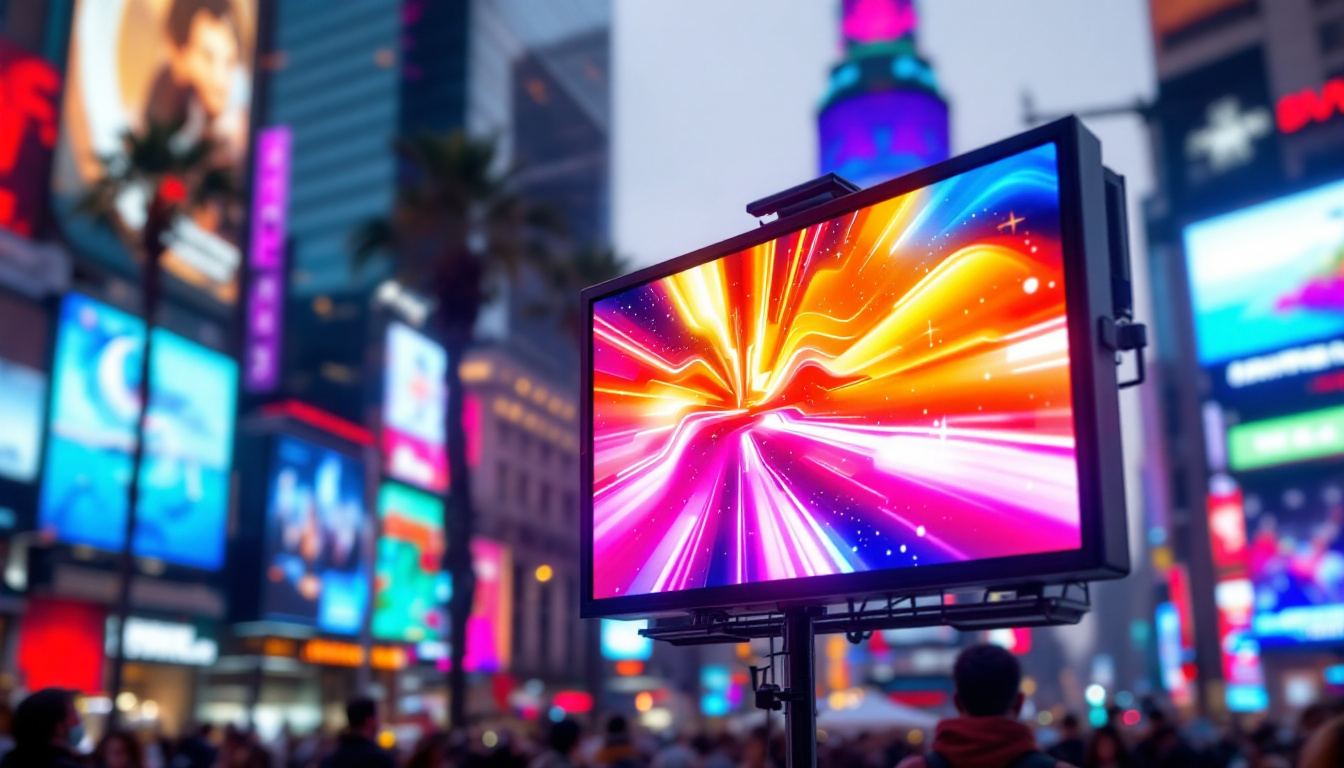
Large-format digital billboards require rugged enclosures to withstand weather and vandalism. Iron cabinets provide the necessary protection and structural support for these high-visibility installations, ensuring vibrant and uninterrupted advertising campaigns.
Sports Arenas and Event Venues
In dynamic environments like stadiums, LED displays must endure physical impacts and variable weather. Iron cabinets offer the durability and precision alignment needed for large video walls that deliver clear images to thousands of spectators.
Transportation Hubs and Public Spaces
Airports, train stations, and city squares use LED displays for information dissemination and wayfinding. Iron cabinets ensure these displays remain operational and visually consistent despite constant public interaction and environmental exposure.
Future Trends and Innovations
The LED display industry continues to evolve, and iron cabinets are adapting to new demands.
Lightweight and Hybrid Materials
Manufacturers are exploring hybrid cabinet designs that combine iron with lighter materials to reduce weight without sacrificing strength. These innovations aim to improve ease of installation and reduce shipping costs, particularly for rental and touring applications.
Enhanced Thermal Management
Advanced cooling technologies, such as integrated liquid cooling or phase-change materials, are being incorporated into iron cabinet designs to further optimize heat dissipation. This allows for higher brightness levels and longer operating times.
Smart Cabinet Features
Integration of sensors and IoT connectivity into iron cabinets enables real-time monitoring of temperature, humidity, and structural integrity. This data helps operators perform predictive maintenance and improve display reliability.
Conclusion
Iron cabinets play an indispensable role in the construction and performance of LED displays. Their strength, durability, and thermal properties make them ideal for a wide range of applications, particularly in demanding outdoor environments. As LED technology advances, iron cabinets continue to evolve, incorporating new materials and smart features to meet the challenges of modern digital signage.
For businesses and organizations investing in LED display solutions, understanding the importance of iron cabinets is crucial. Choosing the right cabinet design can significantly impact the display’s longevity, visual quality, and maintenance costs, ultimately ensuring a successful and impactful digital communication platform.
Discover LumenMatrix’s Advanced LED Display Solutions
Ready to elevate your visual communication with robust and innovative LED displays? LumenMatrix offers a comprehensive range of LED display solutions tailored to meet your specific needs. From captivating Indoor LED Wall Displays to dynamic Outdoor LED Wall Displays, and from versatile Vehicle LED Displays to engaging LED Sports Displays, our products are designed to enhance brand visibility and create immersive visual experiences. Embrace the future of digital signage with LumenMatrix’s state-of-the-art technology. Check out LumenMatrix LED Display Solutions today and transform the way you connect with your audience.