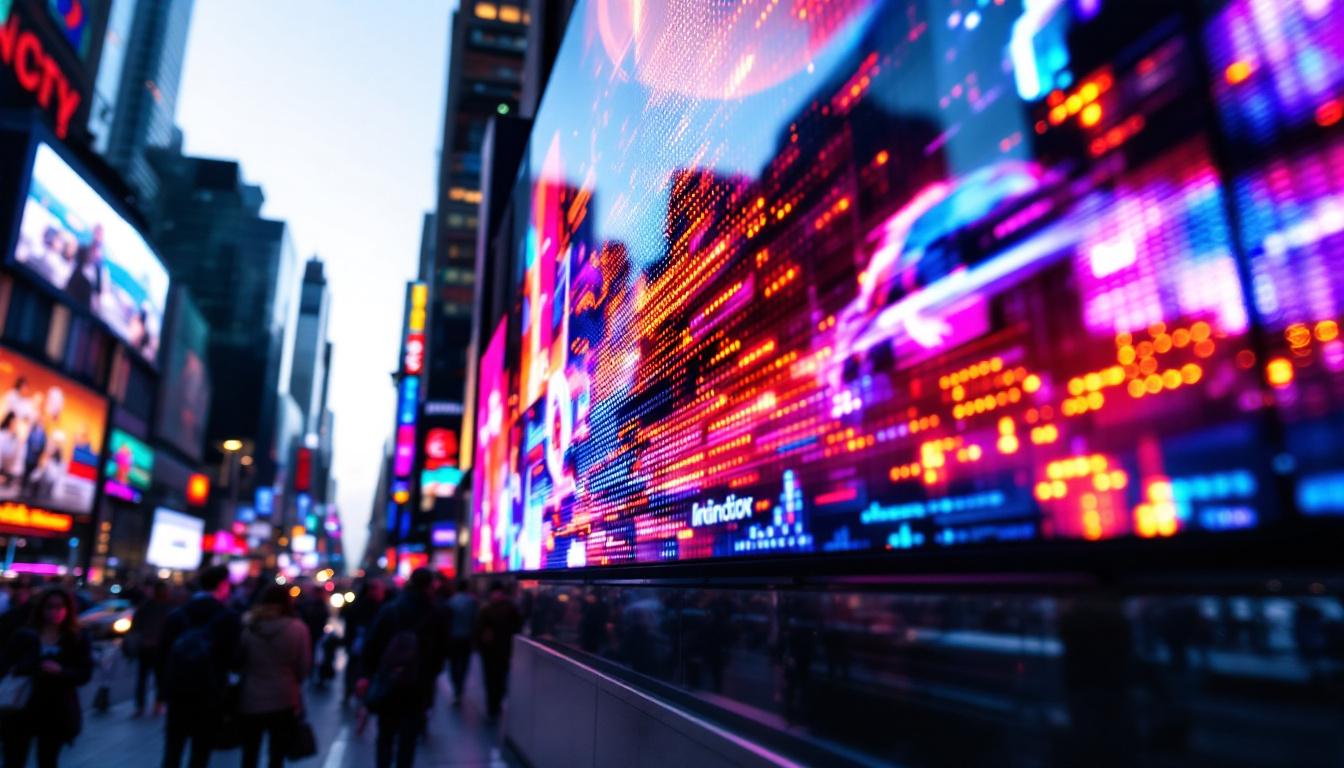
In today’s fast-paced digital world, LED displays have become an integral part of advertising, entertainment, and information dissemination. From vibrant billboards to dynamic stadium screens, LED technology powers some of the most eye-catching visual experiences globally. At the heart of these displays are LED modules—compact, versatile components that determine the quality, brightness, and durability of the final product. Understanding the role of LED module manufacturers and the technology behind LED displays is essential for businesses, designers, and consumers alike.
Understanding LED Displays: The Basics
What is an LED Display?
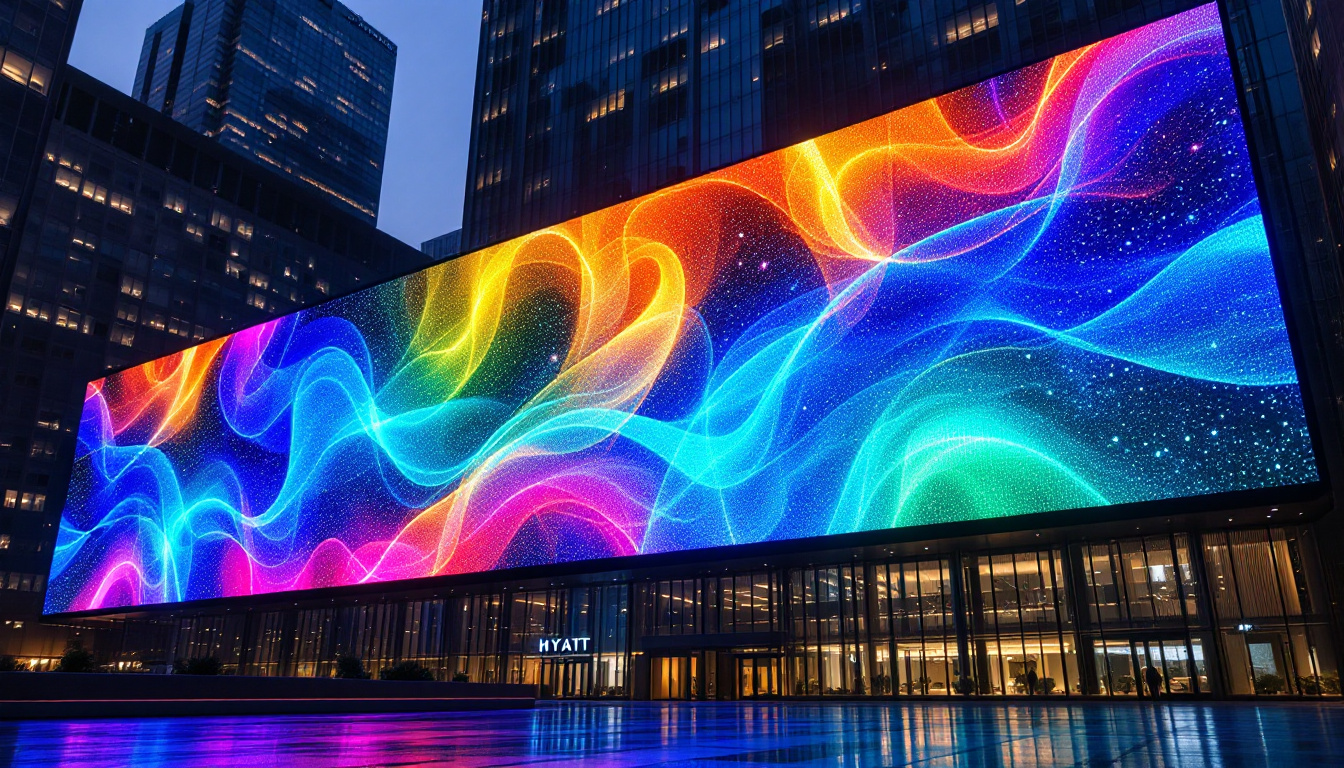
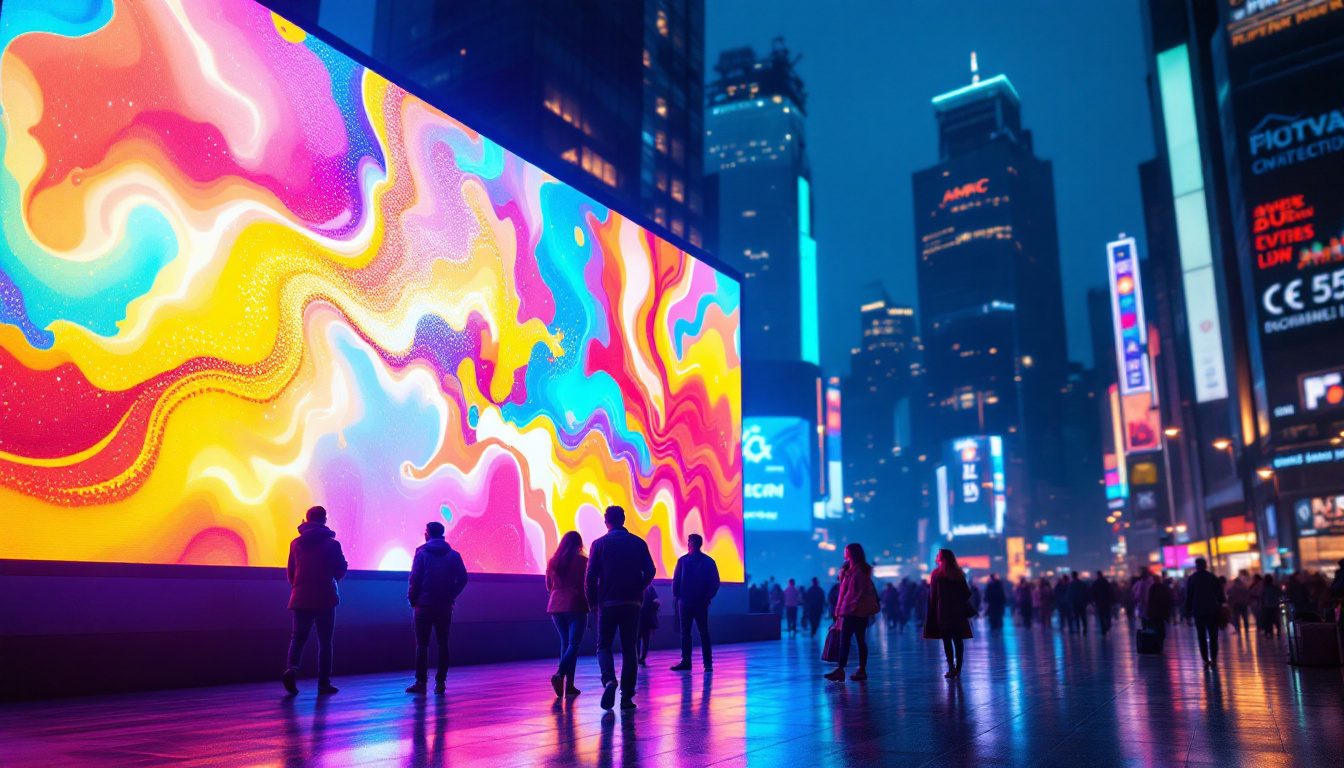
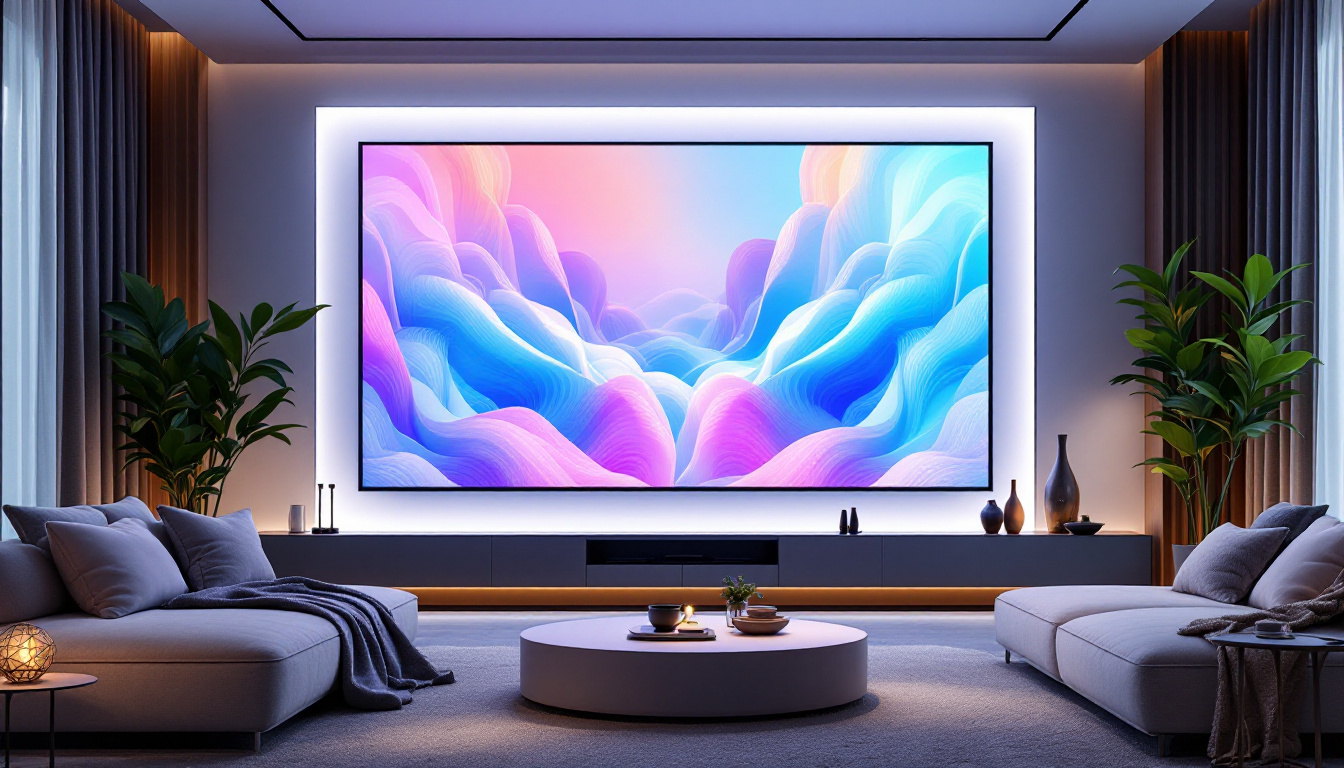
An LED display is a flat panel or flexible surface that uses light-emitting diodes (LEDs) as pixels to create images, videos, or text. Unlike traditional LCD or plasma screens, LED displays offer superior brightness, contrast, and energy efficiency. They are widely used in outdoor advertising, sports arenas, retail environments, and even indoor settings such as conference rooms and shopping malls.
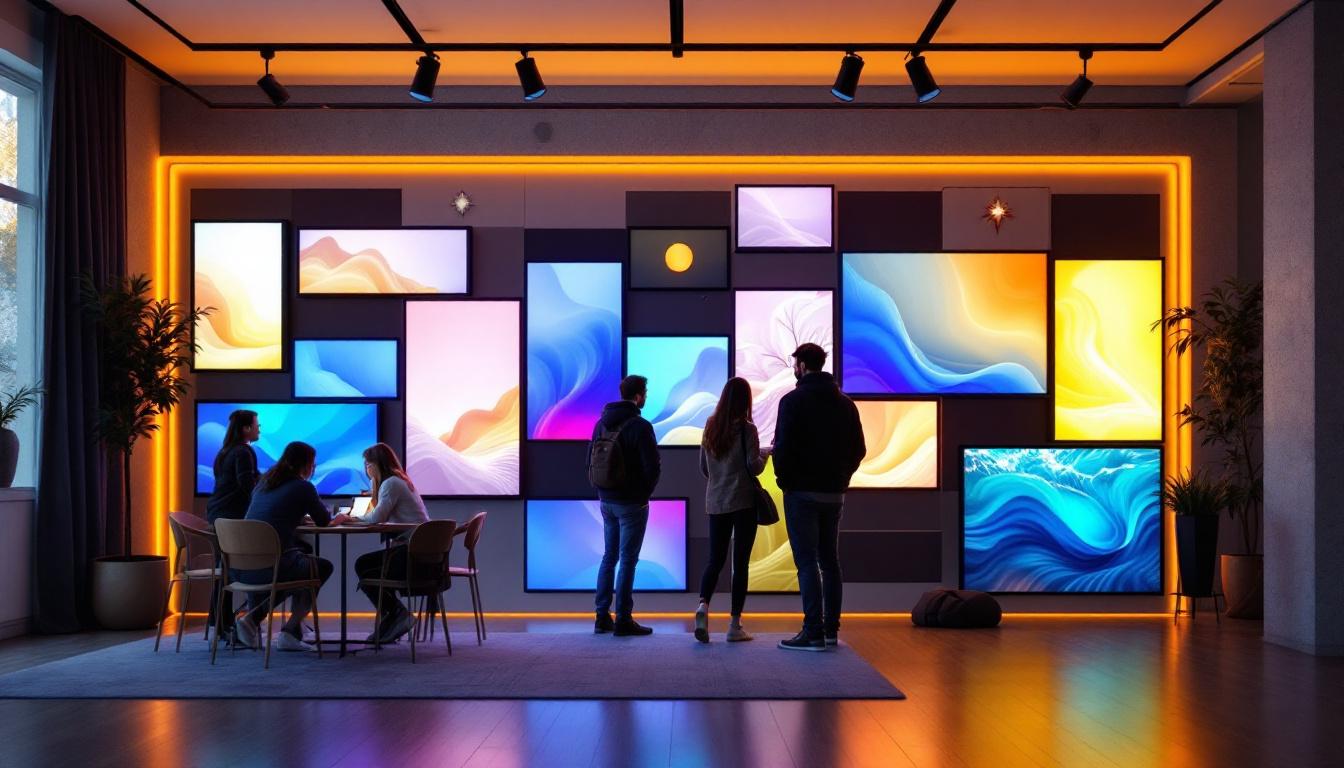
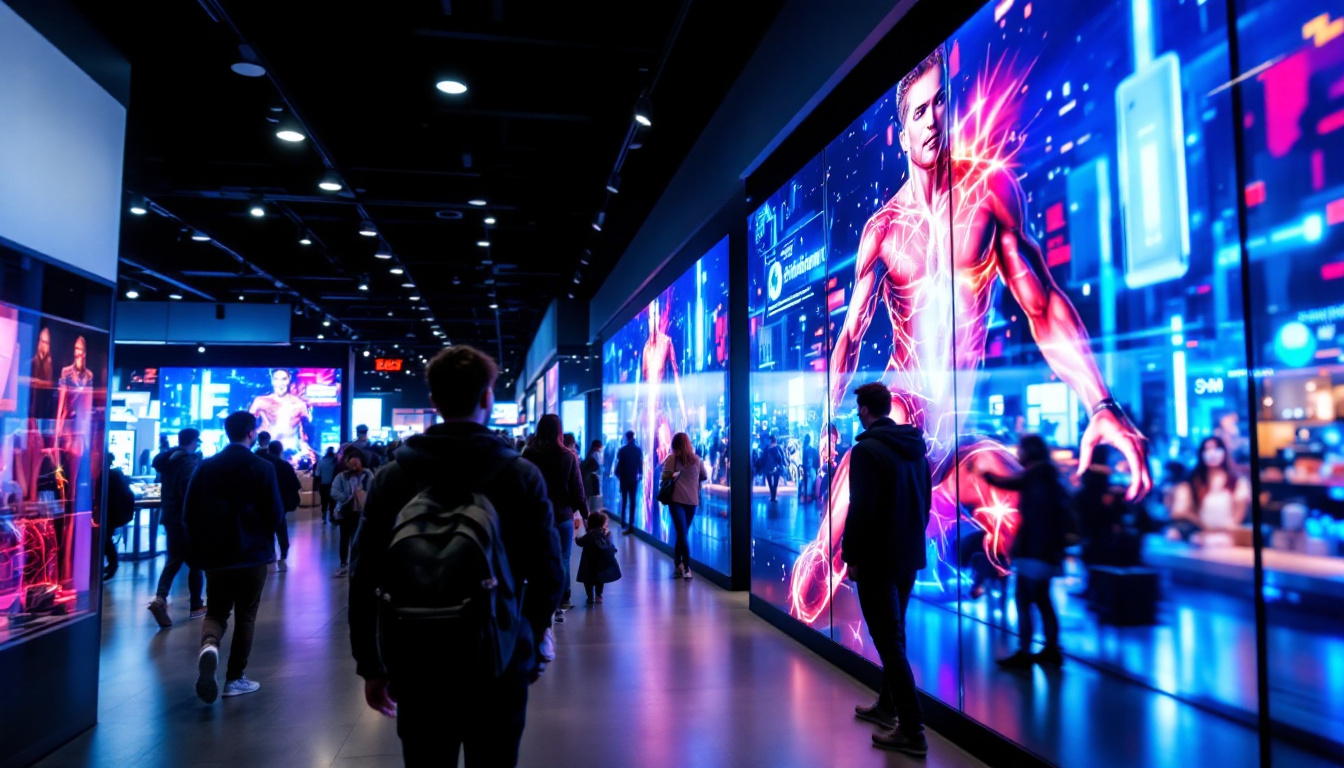
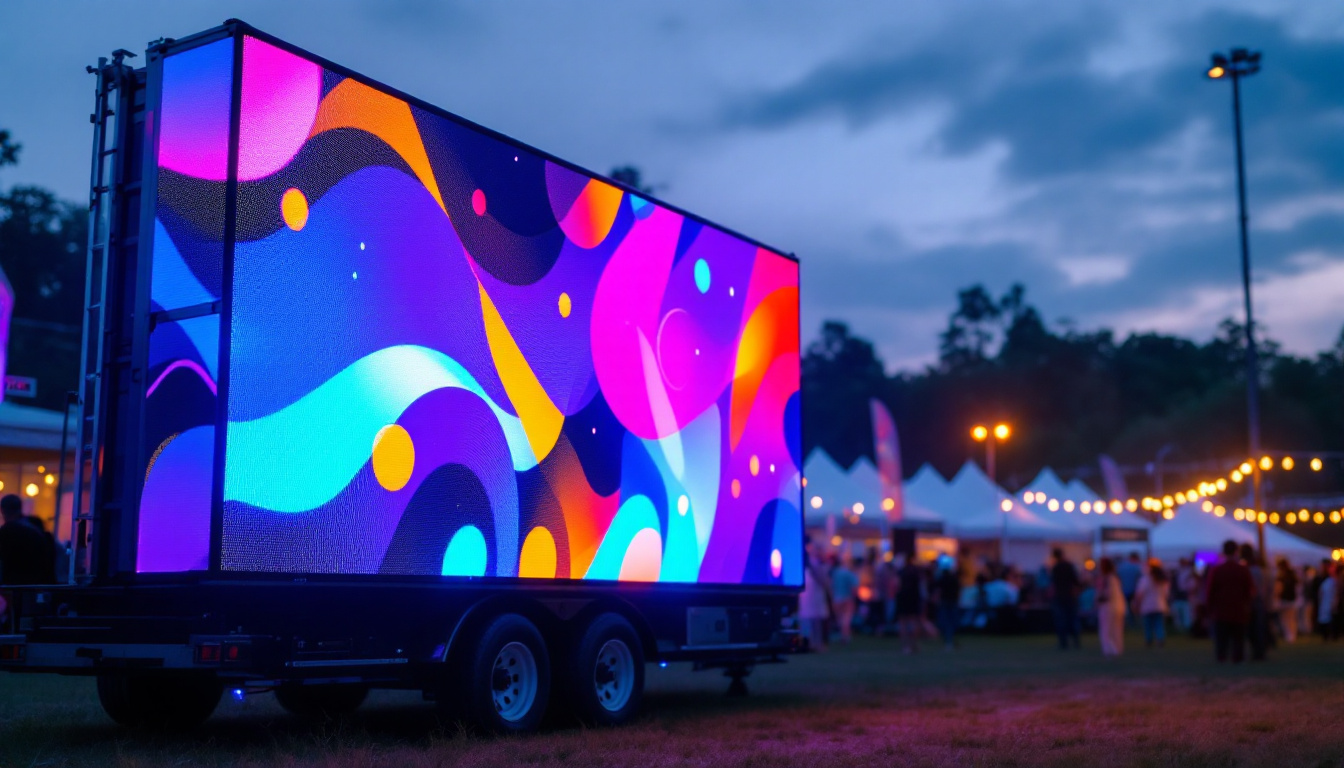
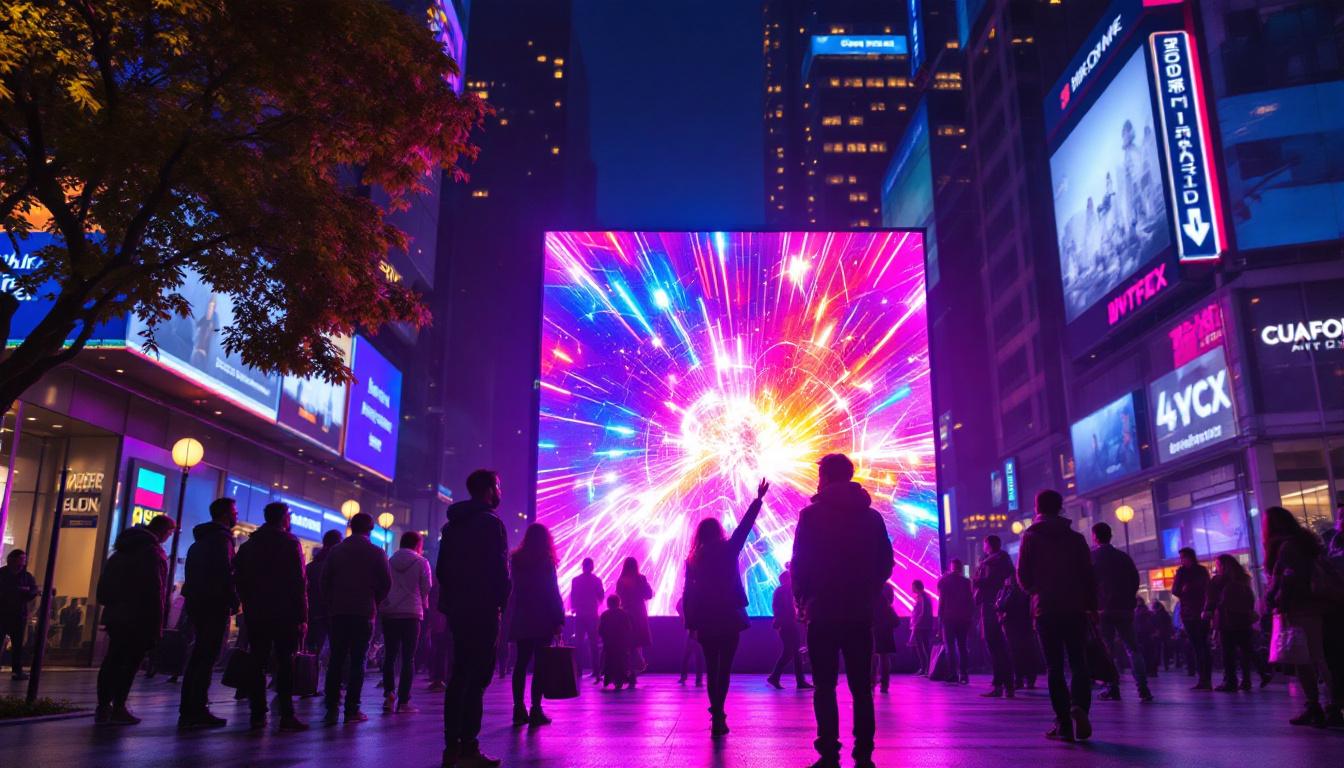
LED displays come in various forms, including fixed installations, rental displays, and transparent screens. Their adaptability and scalability make them suitable for both small-scale applications, like digital signage, and large-scale projects, such as city-wide digital billboards. The versatility of LED technology allows for creative applications, including interactive displays that engage customers in retail spaces or immersive environments in museums and exhibitions.
Moreover, advancements in LED technology have led to the development of high-definition displays that can produce stunning visuals with vibrant colors and sharp details. This has transformed the way information is conveyed, making it more dynamic and visually appealing. As a result, businesses are increasingly turning to LED displays not just for advertisements, but also for enhancing the overall customer experience by providing real-time information and entertainment.
How LED Modules Form the Building Blocks
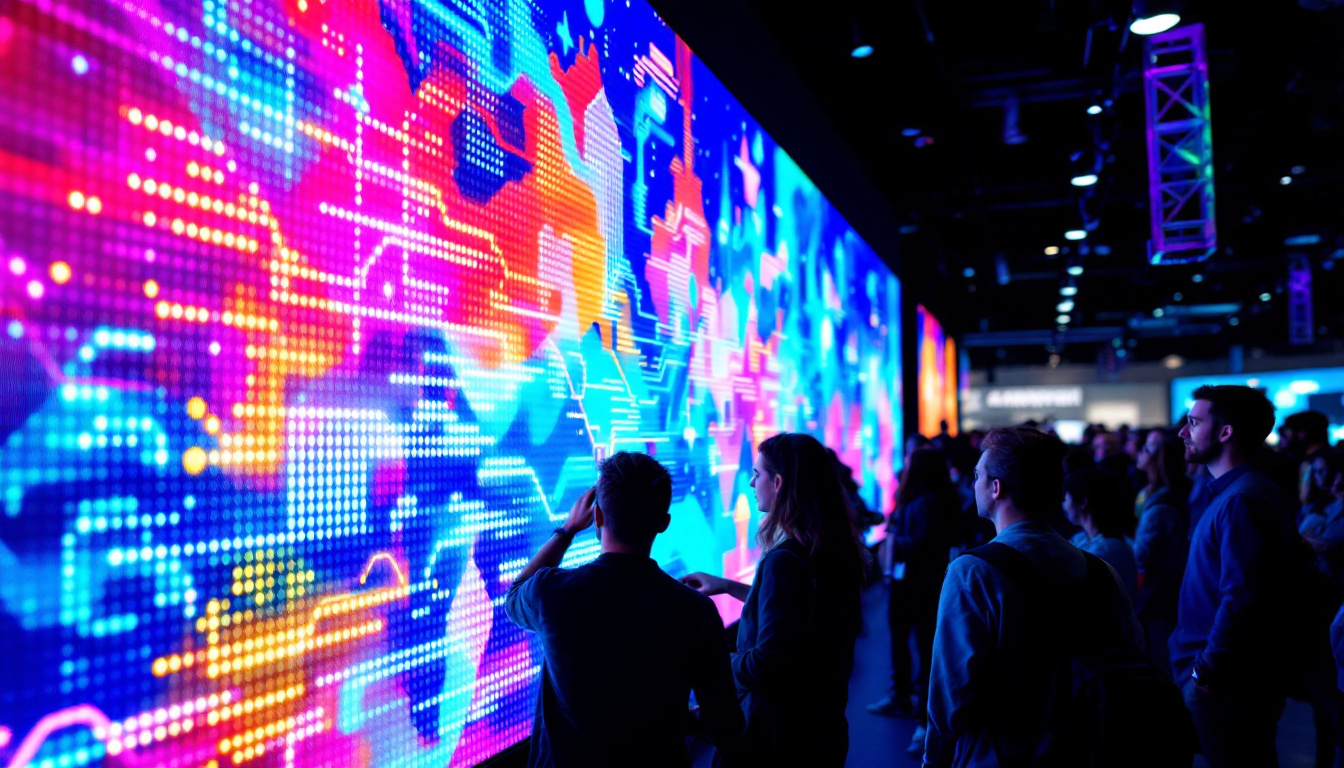
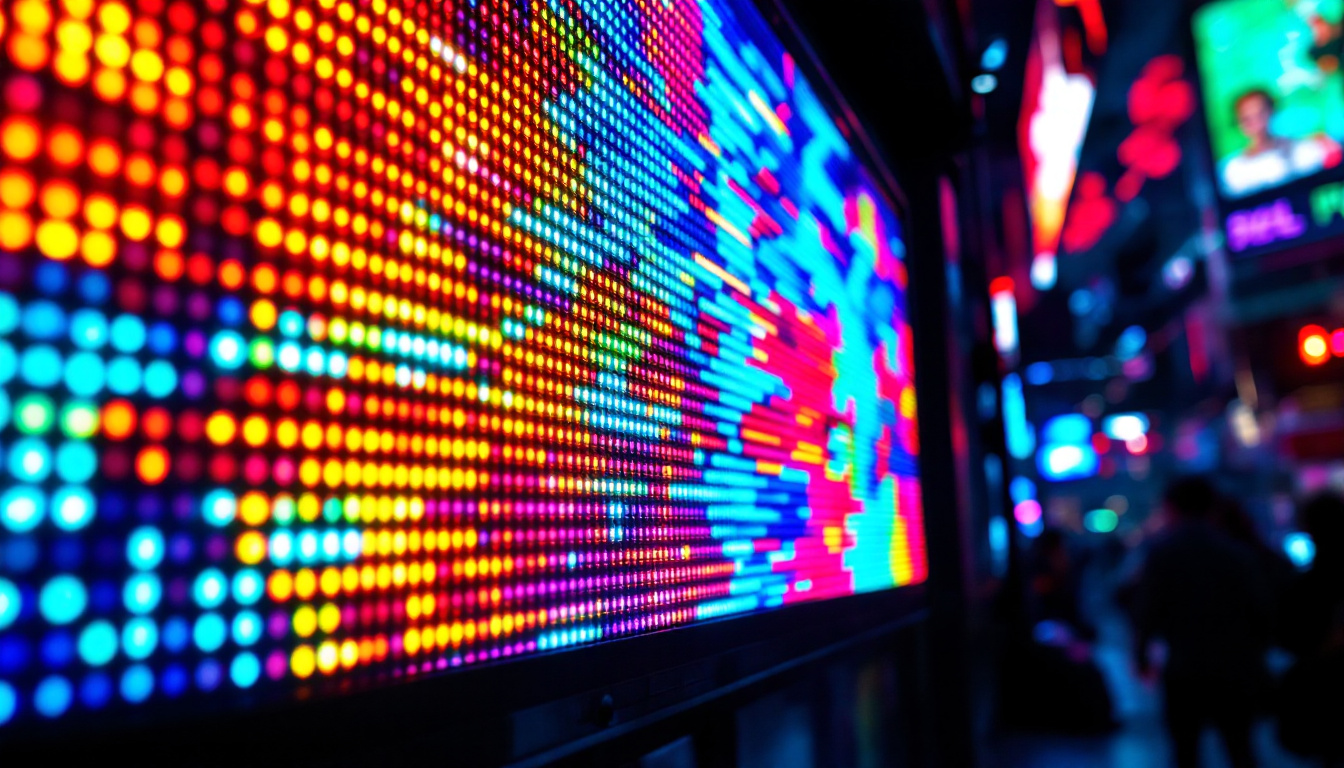
At the core of every LED display lies the LED module, a pre-assembled unit containing multiple LEDs arranged in a matrix. These modules are the fundamental building blocks that manufacturers combine to create larger screens of any size or resolution.
Each LED module typically consists of LEDs mounted on a circuit board, integrated with driver ICs (integrated circuits), and sometimes includes sensors for brightness adjustment or temperature monitoring. The quality and precision of these modules directly influence the display’s performance, including color accuracy, refresh rate, and viewing angle. The modular design also allows for easy repairs and upgrades, as individual modules can be replaced without needing to dismantle the entire display.
Furthermore, the advancements in LED module technology have introduced options such as RGB (red, green, blue) configurations that enable full-color displays, enhancing the visual experience significantly. Manufacturers are also focusing on improving the durability and weather resistance of these modules, making them suitable for outdoor environments where they can withstand harsh conditions. This innovation ensures that LED displays not only deliver exceptional performance but also maintain their functionality and aesthetics over time, even in challenging settings.
The Role of LED Module Manufacturers
From Design to Production
LED module manufacturers play a crucial role in the LED display ecosystem. Their responsibilities extend beyond simply assembling LEDs onto boards. They engage in research and development to innovate better materials, improve energy efficiency, and enhance the lifespan of modules. This commitment to innovation often involves collaboration with universities and research institutions, allowing manufacturers to stay at the forefront of technological advancements. By investing in cutting-edge techniques and materials, they can create products that not only meet current market demands but also anticipate future trends.
Manufacturers must ensure that modules meet stringent quality standards, including resistance to environmental factors such as moisture, dust, and temperature fluctuations. This is especially important for outdoor displays that operate 24/7 in diverse climates. To achieve this, manufacturers often utilize advanced testing facilities where prototypes undergo rigorous simulations of extreme weather conditions. Such thorough testing ensures that the final products can withstand the rigors of outdoor installations, providing reliable performance and longevity.
Customization and Innovation
One of the key advantages of working with reputable LED module manufacturers is the ability to customize modules to specific project requirements. This can include variations in pixel pitch (the distance between individual LEDs), module size, and even the type of LEDs used (such as SMD or DIP LEDs). Customization not only enhances the visual appeal of displays but also allows for tailored solutions that meet the unique needs of various industries, from retail to transportation.
Innovation in LED module manufacturing has led to developments like flexible modules for curved displays, transparent modules that allow light to pass through, and ultra-high-definition modules for crisp, detailed images. These advancements open new possibilities for architects, advertisers, and event organizers. For instance, flexible modules can be integrated into unconventional shapes, enabling creative installations that captivate audiences. Transparent modules are particularly popular in retail environments, where they can showcase products while maintaining visibility through the display, merging functionality with aesthetic appeal.
Quality Assurance and Certifications
Given the investment involved in LED display projects, quality assurance is paramount. Leading manufacturers implement rigorous testing protocols to verify brightness uniformity, color consistency, and durability. Certifications such as ISO 9001 for quality management and CE or RoHS compliance for safety and environmental standards are common indicators of a trustworthy manufacturer. These certifications not only enhance the credibility of the manufacturer but also provide peace of mind to clients, ensuring that they are investing in reliable and safe technology.
Additionally, manufacturers often provide warranties and after-sales support, which are critical for maintaining the display’s performance over time. This support can include regular maintenance checks, software updates, and quick replacement services for any faulty modules. Such comprehensive aftercare not only extends the lifespan of the displays but also fosters long-term relationships between manufacturers and their clients, ultimately leading to mutual growth and success in the competitive LED market.
Key Technical Aspects of LED Modules
Pixel Pitch and Resolution
Pixel pitch refers to the distance between the centers of two adjacent LEDs on a module. It is a vital factor that determines the resolution and viewing distance of an LED display. Smaller pixel pitches result in higher resolution and finer image detail, making them suitable for close-up viewing environments like indoor venues or control rooms.
Conversely, larger pixel pitches are more cost-effective for large outdoor displays where viewers are typically farther away. For example, a pixel pitch of 1.2mm might be used for an indoor video wall, while 10mm or more is common for highway billboards.
Brightness and Contrast Ratio
Brightness, measured in nits (candelas per square meter), is one of the most critical performance metrics for LED modules. Outdoor displays require extremely high brightness levels—often exceeding 5,000 nits—to remain visible under direct sunlight. Indoor displays usually operate between 300 and 1,000 nits to avoid eye strain while maintaining vivid colors.
The contrast ratio, the difference between the brightest whites and the darkest blacks, affects image depth and clarity. High contrast ratios contribute to more immersive viewing experiences, especially in environments with variable lighting conditions.
Color Accuracy and Refresh Rate
LED modules must reproduce colors accurately to meet the expectations of advertisers and content creators. This requires precise calibration during manufacturing and sometimes ongoing adjustments in the field. Modules using high-quality LEDs and advanced driver ICs can achieve a wide color gamut and consistent color temperature.
The refresh rate, or how many times per second the display updates its image, is crucial for smooth video playback. A higher refresh rate reduces flicker, which is especially important for broadcasting and live events. Most modern LED modules support refresh rates of 1,000 Hz or higher.
Choosing the Right LED Module Manufacturer
Evaluating Manufacturer Expertise
When selecting an LED module manufacturer, it’s essential to consider their experience and track record. Established manufacturers often have a portfolio of successful projects and partnerships with major brands, which can be a testament to their reliability and product quality.
Expertise in specific types of LED modules—such as flexible, transparent, or high-resolution modules—can also influence the choice, depending on the project’s unique demands.
Assessing Manufacturing Capabilities
Manufacturing capabilities, including production capacity, technology infrastructure, and quality control processes, determine the manufacturer’s ability to deliver on time and meet specifications. Advanced facilities equipped with automated assembly lines, optical testing equipment, and environmental chambers typically produce more consistent and high-quality modules.
Additionally, manufacturers with robust supply chain management can better handle component shortages and ensure timely delivery, a critical factor in large-scale projects.
Support and After-Sales Service
LED displays require ongoing maintenance and occasional repairs. Manufacturers offering comprehensive after-sales support, including technical assistance, spare parts availability, and training, provide added value to clients.
Service agreements and warranties can mitigate risks associated with component failures or performance degradation, ensuring the longevity of the investment.
Trends and Future Directions in LED Module Manufacturing
Mini-LED and Micro-LED Technologies
Emerging technologies like Mini-LED and Micro-LED are pushing the boundaries of display performance. Mini-LED modules use smaller LEDs than traditional ones, allowing for more precise local dimming and improved contrast ratios. Micro-LEDs, even smaller, promise self-emissive displays with exceptional brightness and energy efficiency, rivaling OLED technology.
Manufacturers investing in these technologies are poised to lead the next generation of LED displays, offering unprecedented image quality and design flexibility.
Sustainability and Energy Efficiency
Environmental concerns are driving manufacturers to develop more energy-efficient LED modules and adopt sustainable production practices. Innovations in materials, such as lead-free solder and recyclable components, are becoming industry standards.
Energy-efficient modules not only reduce operational costs but also align with global efforts to minimize carbon footprints, making them attractive to environmentally conscious clients.
Integration with Smart Technologies
Smart LED modules equipped with sensors and IoT connectivity enable dynamic brightness adjustment, predictive maintenance, and remote monitoring. These features enhance user experience and reduce downtime, especially for large outdoor installations.
Manufacturers incorporating smart technologies into their modules provide clients with more control and data-driven insights into display performance.
Conclusion
LED displays have revolutionized visual communication across multiple industries, and the quality of these displays hinges on the LED modules at their core. Understanding the technology, manufacturing processes, and market trends is vital for stakeholders seeking to invest in or work with LED display solutions.
Leading LED module manufacturers combine innovation, quality assurance, and customer-centric services to deliver products that meet the evolving demands of modern display applications. As technology advances, the collaboration between manufacturers, designers, and end-users will continue to shape the future of LED displays, making them brighter, smarter, and more sustainable than ever before.
Discover LumenMatrix’s Advanced LED Solutions
As you consider the future of LED displays and the impact they can have on your business, LumenMatrix stands ready to bring your vision to life. With a commitment to innovation and quality, LumenMatrix offers a diverse range of LED display modules, from Indoor and Outdoor LED Wall Displays to specialized solutions like Vehicle LED Displays, LED Sports Displays, and Custom LED Displays. Embrace the power of visual storytelling with our All-in-One LED Display or captivate passersby with our LED Transparent Display. Check out LumenMatrix LED Display Solutions today and see how we can enhance your brand visibility and create unforgettable visual experiences.