When choosing an LED display, one of the most common questions is whether a higher or lower pixel density is better. Pixel density, often measured in pixels per inch (PPI) or pixels per meter (PPM) in large-format displays, directly impacts the clarity, sharpness, and overall visual experience. However, the answer is not as straightforward as “higher is always better.” It depends on various factors such as viewing distance, application, and cost considerations.
This article delves into the concept of pixel density in LED displays, explaining what it means, how it affects image quality, and when a higher or lower pixel density is preferable. By understanding these nuances, businesses, event organizers, and consumers can make more informed decisions when selecting LED display solutions.
Understanding Pixel Density in LED Displays
What Is Pixel Density?
Pixel density refers to the number of pixels packed into a given physical area of a display screen. In LED displays, it is typically expressed as pixels per meter (PPM) or pixels per inch (PPI). The higher the pixel density, the more pixels are present in a specific area, resulting in finer image detail and smoother visuals.
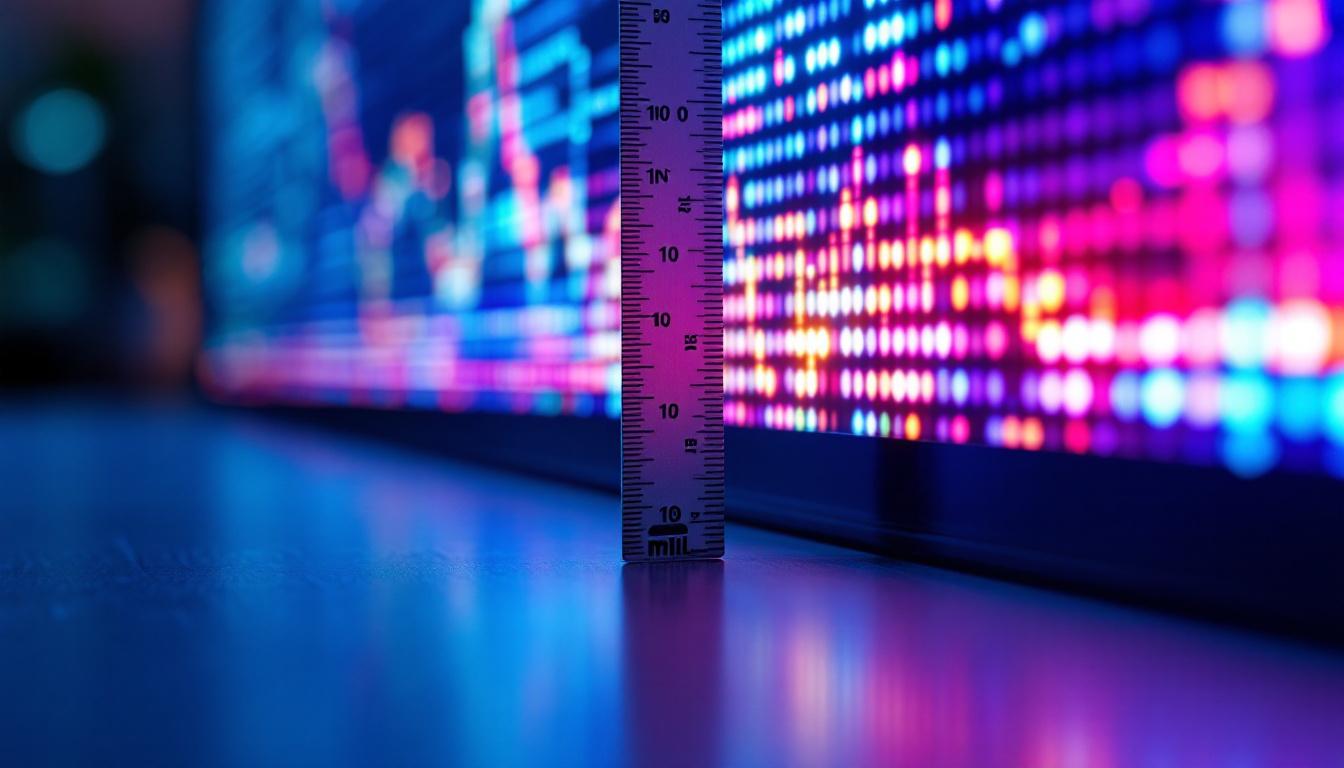
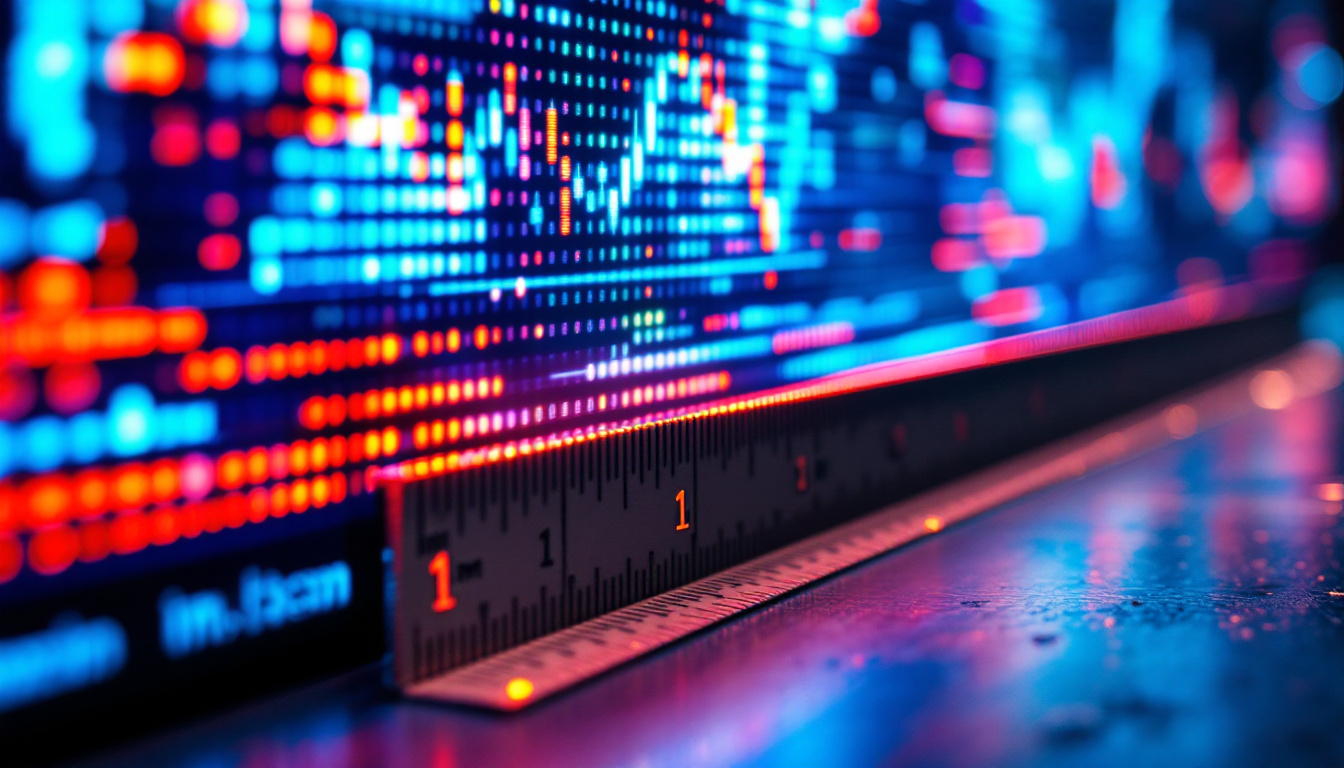
For instance, a display with a pixel pitch of 1.5 mm (the distance between the centers of two adjacent pixels) will have a higher pixel density than one with a pixel pitch of 10 mm. Smaller pixel pitch means more pixels per meter, which generally translates to sharper images. This is particularly significant in applications where visual fidelity is paramount, such as in high-end televisions, smartphones, and professional monitors used for graphic design or video editing. In these scenarios, the ability to discern minute details can greatly enhance the viewing experience, making pixel density a key specification for consumers and professionals alike.
How Pixel Density Affects Image Quality
Pixel density plays a crucial role in determining the resolution and clarity of an LED display. A higher pixel density allows for more detailed images, crisp text, and smoother video playback. This is especially important for displays intended for close viewing distances, such as indoor digital signage, control rooms, or retail displays. In environments like these, where viewers may be just a few feet away from the screen, a high pixel density ensures that the content appears sharp and engaging, drawing in the audience and effectively communicating the intended message.
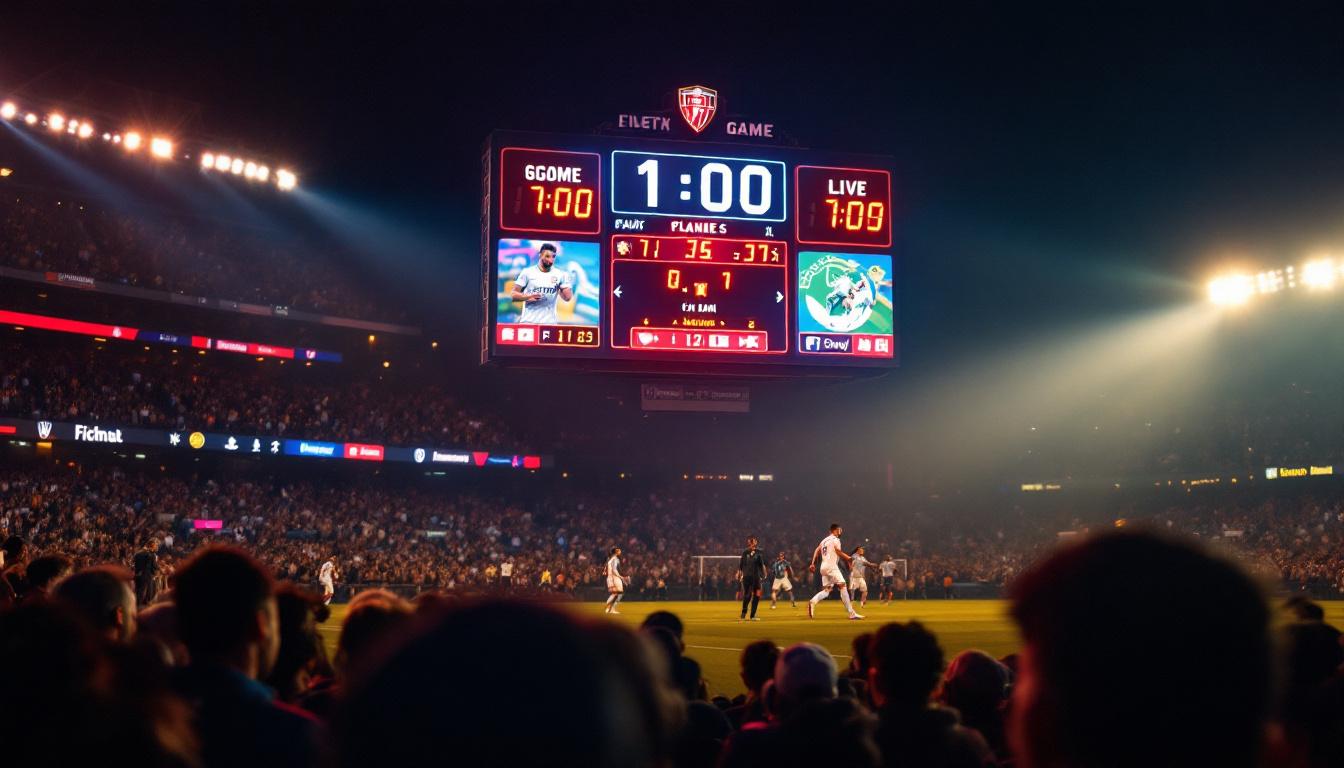
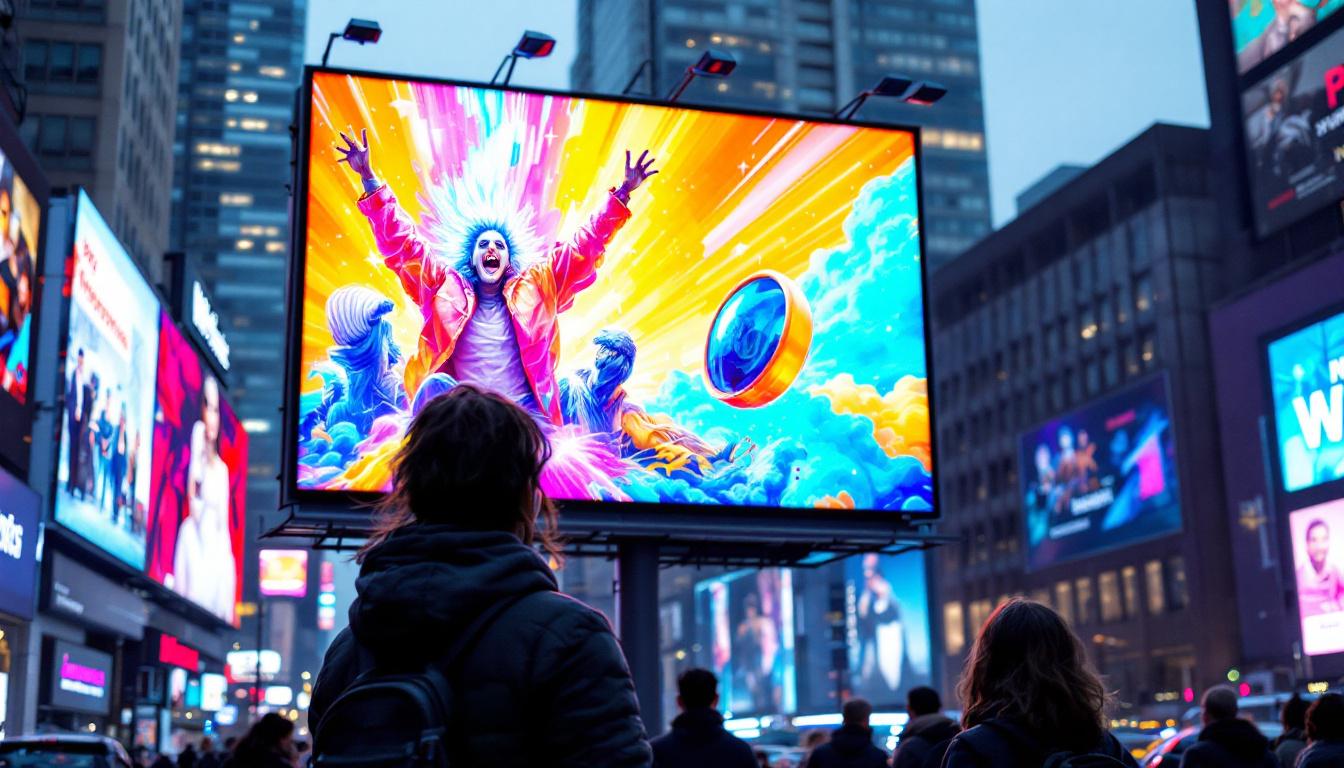
Conversely, lower pixel density displays may appear pixelated or grainy when viewed up close but can be perfectly suitable for large outdoor billboards or stadium screens where viewers are farther away. The viewing distance significantly influences the perceived quality of the display; at a distance, the human eye cannot discern individual pixels, allowing for a more cohesive image even on displays with lower pixel densities. This makes it essential for designers and advertisers to consider both the intended viewing distance and the pixel density when planning their visual content, ensuring that it is optimized for the specific context in which it will be displayed. Additionally, advancements in technology are paving the way for even higher pixel densities, pushing the boundaries of what is visually possible and setting new standards for the industry.
Factors Influencing the Ideal Pixel Density
Viewing Distance
One of the most critical factors in deciding the appropriate pixel density is the typical viewing distance. The farther the viewer is from the screen, the lower the pixel density can be without compromising perceived image quality.
For example, a large outdoor billboard with a viewing distance of 50 meters or more can use a pixel pitch of 10 mm or higher, resulting in a lower pixel density. At such distances, the human eye cannot discern individual pixels, so the image appears smooth and clear.
In contrast, indoor displays viewed from just a few feet away require a much higher pixel density (smaller pixel pitch) to ensure sharpness and readability. This is particularly important in environments such as conference rooms or classrooms, where presentations and detailed visuals are often the focal point of engagement. The ability to read fine print or see intricate details can significantly enhance the effectiveness of communication in such settings.
Application and Content Type
The intended use of the LED display also influences the optimal pixel density. Displays showing detailed graphics, fine text, or high-definition video benefit from higher pixel densities. For instance, control rooms, broadcast studios, and retail environments often demand pixel pitches as low as 1.2 mm to 2.5 mm.
On the other hand, simple messaging or advertising content on large outdoor screens can tolerate lower pixel densities because the content is usually viewed from a distance and designed to be bold and straightforward. However, even in these scenarios, the choice of pixel density can impact the overall effectiveness of the advertisement. A well-designed campaign with vibrant colors and sharp images can capture attention more effectively, leading to higher engagement rates and better brand recall.
Cost and Energy Consumption
Higher pixel density displays typically cost more due to the increased number of LEDs and more complex manufacturing processes. They also tend to consume more power, which can be a significant consideration for large installations.
Choosing an unnecessarily high pixel density can lead to inflated costs without a corresponding improvement in viewer experience, especially if the viewing distance does not justify it. Therefore, balancing pixel density with budget and operational costs is essential. Additionally, advancements in technology are leading to more energy-efficient displays, allowing for lower operational costs over time. This means that while the initial investment might be higher for a high pixel density display, the long-term savings on energy bills can make it a more viable option for businesses looking to invest in quality visual solutions.
Comparing High vs. Low Pixel Density LED Displays
Advantages of Higher Pixel Density
- Sharper Image Quality: Higher pixel density results in finer detail, making images and text clearer and easier to read.
- Better for Close Viewing: Ideal for indoor applications or environments where viewers are close to the screen.
- Enhanced Visual Experience: Supports high-definition video and complex graphics, improving engagement.
Disadvantages of Higher Pixel Density
- Increased Cost: More pixels mean higher manufacturing and installation costs.
- Higher Power Consumption: More LEDs require more energy, impacting operational expenses.
- Potential Overkill: If the viewing distance is large, the benefits of higher pixel density may not be noticeable.
Advantages of Lower Pixel Density
- Cost-Effective: Lower pixel density displays are generally less expensive to produce and install.
- Suitable for Long-Range Viewing: Perfect for outdoor advertising and large venues where viewers are far away.
- Lower Energy Use: Fewer LEDs result in reduced power consumption.
Disadvantages of Lower Pixel Density
- Reduced Image Sharpness: Images may appear pixelated or blurry at close distances.
- Limited Use Cases: Not suitable for detailed content or environments requiring close viewing.
Real-World Examples and Industry Standards
Outdoor Billboards and Stadium Screens
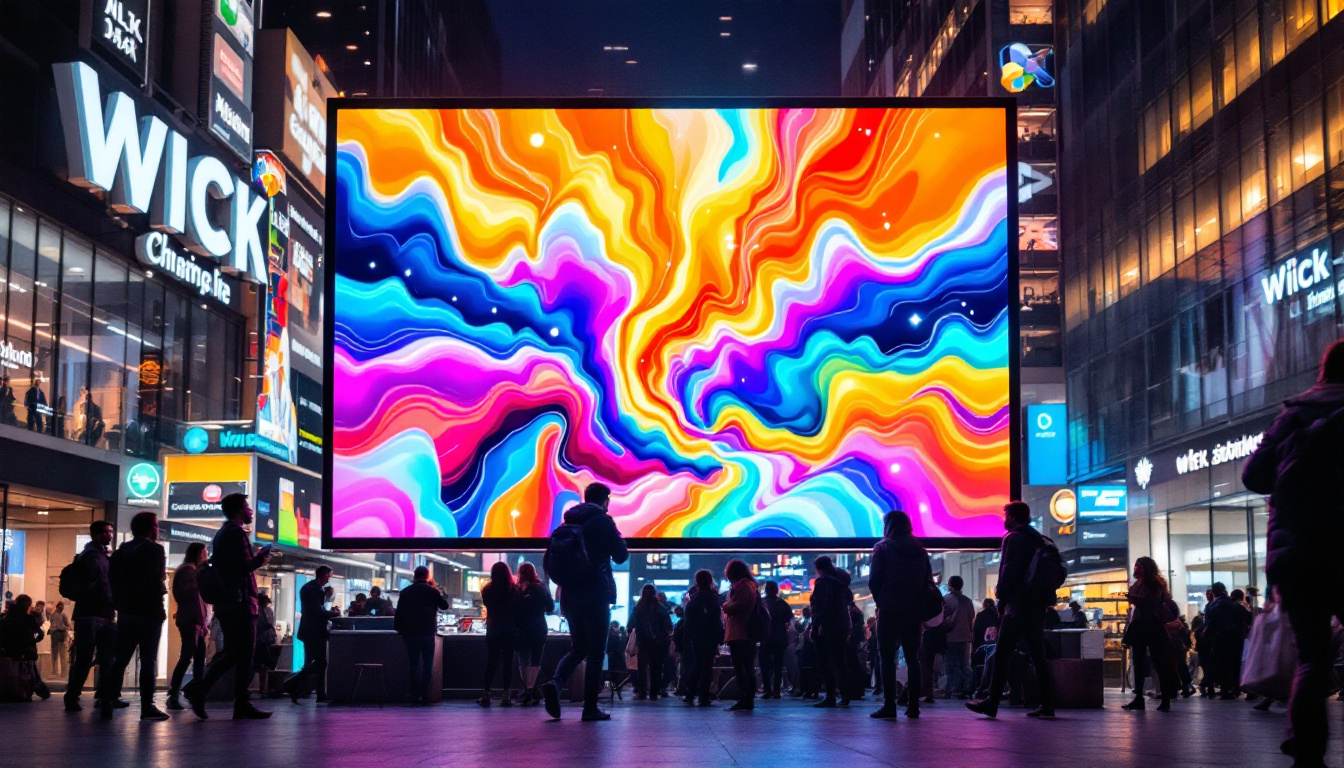
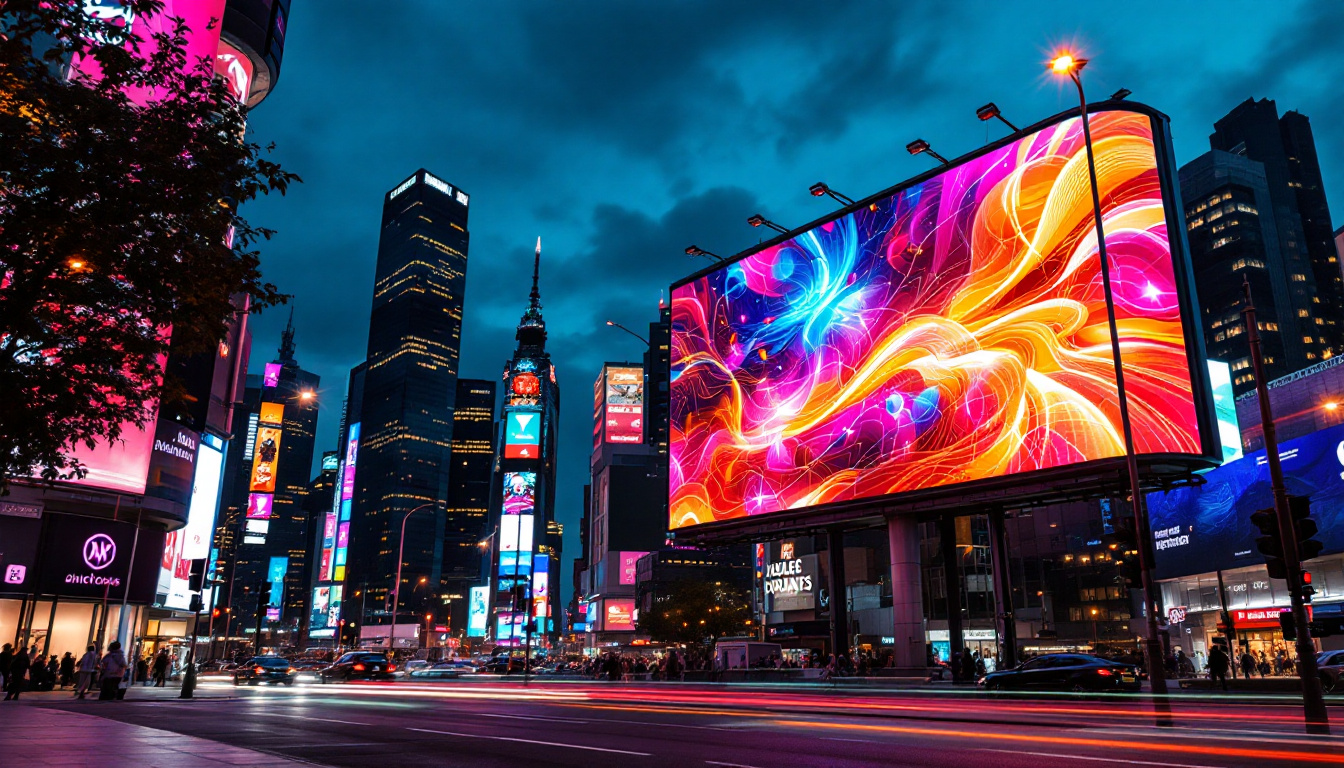
Outdoor LED billboards often use pixel pitches ranging from 10 mm to 20 mm, corresponding to pixel densities of approximately 2,500 to 10,000 pixels per square meter. These displays are designed to be viewed from tens of meters away, where such pixel density provides clear and impactful visuals.
For example, the iconic Times Square digital billboards use pixel pitches around 10 mm, balancing visibility and cost for the large viewing distances typical in that environment.
Indoor Retail and Control Room Displays
Indoor LED displays, especially in retail stores or control rooms, often feature pixel pitches between 1.2 mm and 3 mm. This high pixel density allows for sharp images and legible text even at close range, enhancing customer engagement and operational efficiency.
Control rooms in industries like transportation or utilities rely on ultra-high pixel density displays to monitor detailed data and video feeds without distortion.
Emerging Trends: MicroLED and Fine-Pitch Displays
Technological advancements have led to the development of microLED and fine-pitch LED displays with pixel pitches below 1 mm. These displays offer near-OLED quality with exceptional brightness and durability. They are increasingly used in premium indoor applications, such as luxury retail, museums, and broadcast studios.
While these displays provide unmatched image quality, their high cost currently limits widespread adoption.
How to Choose the Right Pixel Density for Your LED Display
Assess Your Viewing Distance
Calculate the average and minimum viewing distances for your display. Use this information to determine the pixel pitch that will deliver optimal image quality without unnecessary expense. A common rule of thumb is that the optimal viewing distance (in meters) is roughly 1.5 to 2 times the pixel pitch (in millimeters).
Consider the Content and Usage
Identify the type of content you plan to display. High-detail video and text require higher pixel densities, while simple graphics and bold messaging can work well with lower pixel densities.
Balance Budget and Performance
Evaluate your budget against the performance requirements. Avoid overspending on ultra-high pixel density if your application does not demand it. Conversely, don’t compromise image quality by selecting a pixel density too low for your needs.
Consult with Experts
Work with LED display manufacturers or consultants who can provide tailored recommendations based on your specific environment, content, and goals. They can help you understand trade-offs and select the best solution.
Conclusion
Determining whether a higher or lower pixel density is better for an LED display depends largely on the viewing distance, application, content type, and budget. Higher pixel densities offer superior image quality and are essential for close-range viewing and detailed content. In contrast, lower pixel densities are more cost-effective and suitable for large-scale outdoor displays viewed from a distance.
By carefully considering these factors and aligning them with your specific needs, you can select an LED display that delivers the best visual experience without unnecessary costs. As LED technology continues to evolve, options like microLED and fine-pitch displays will further expand the possibilities for stunning, high-resolution visuals in diverse environments.
Discover the Perfect LED Display with LumenMatrix
Ready to elevate your visual experience with the ideal pixel density for your needs? LumenMatrix is at the forefront of LED display innovation, offering a wide range of solutions tailored to your unique requirements. Whether you’re looking for an Indoor LED Wall Display, a vibrant Outdoor LED Wall Display, or specialized options like Vehicle LED Displays and LED Sports Displays, we have the technology to bring your vision to life. Embrace the power of exceptional clarity and captivating visuals with our LED display modules. Check out LumenMatrix LED Display Solutions today and transform the way you communicate with your audience.